Jewish Museum, New York, United States
March 20–July 26, 2026
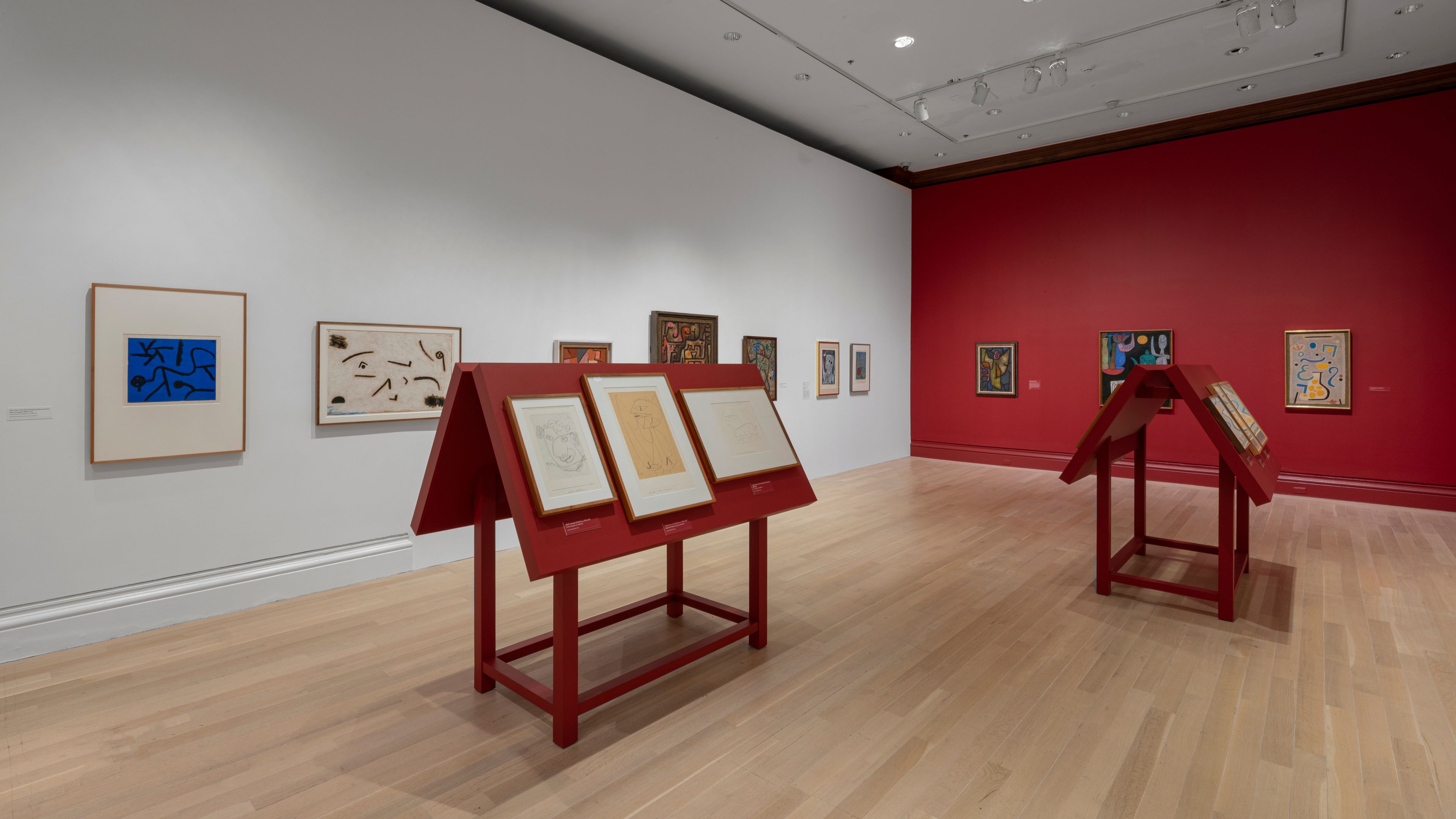
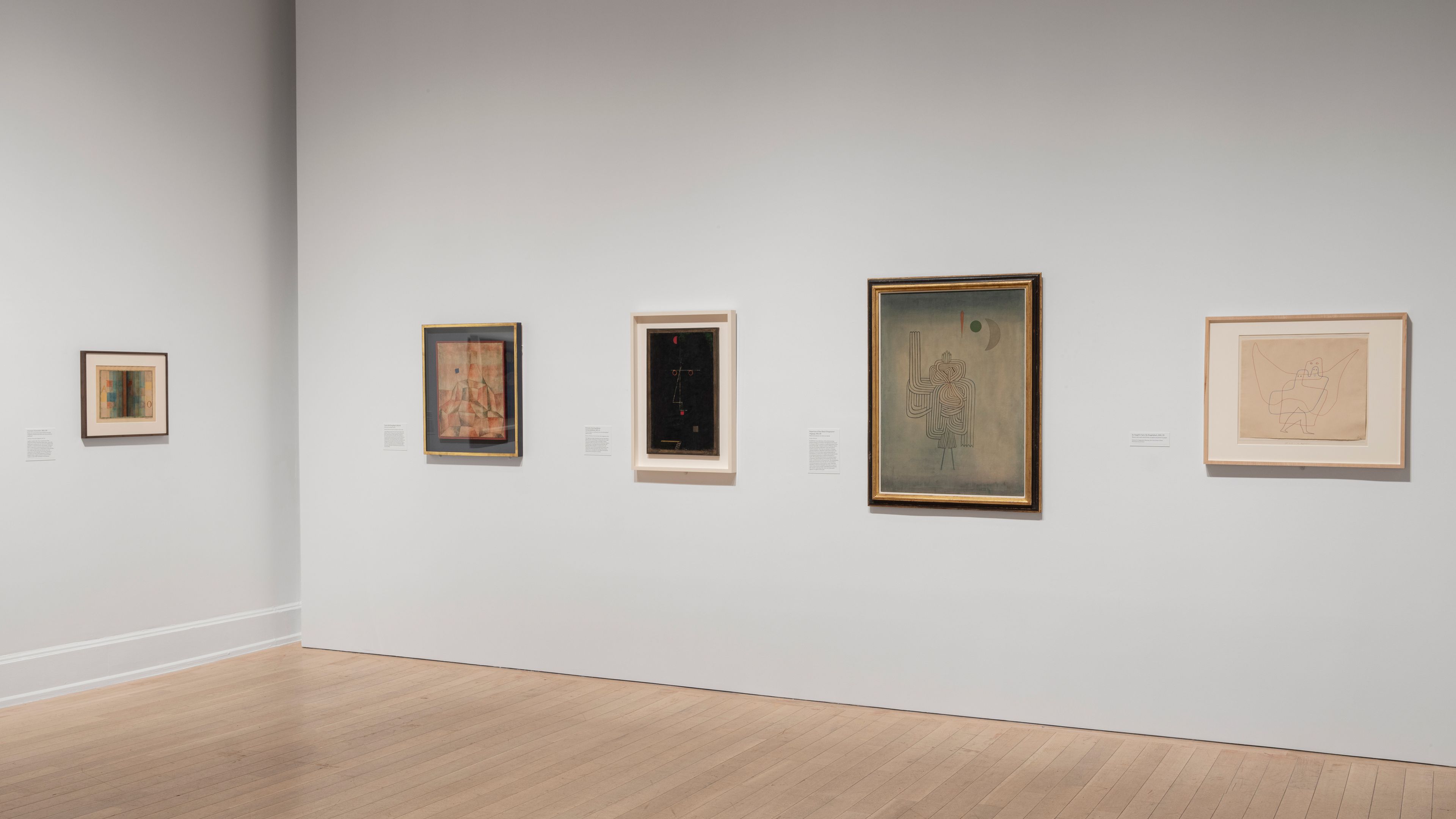
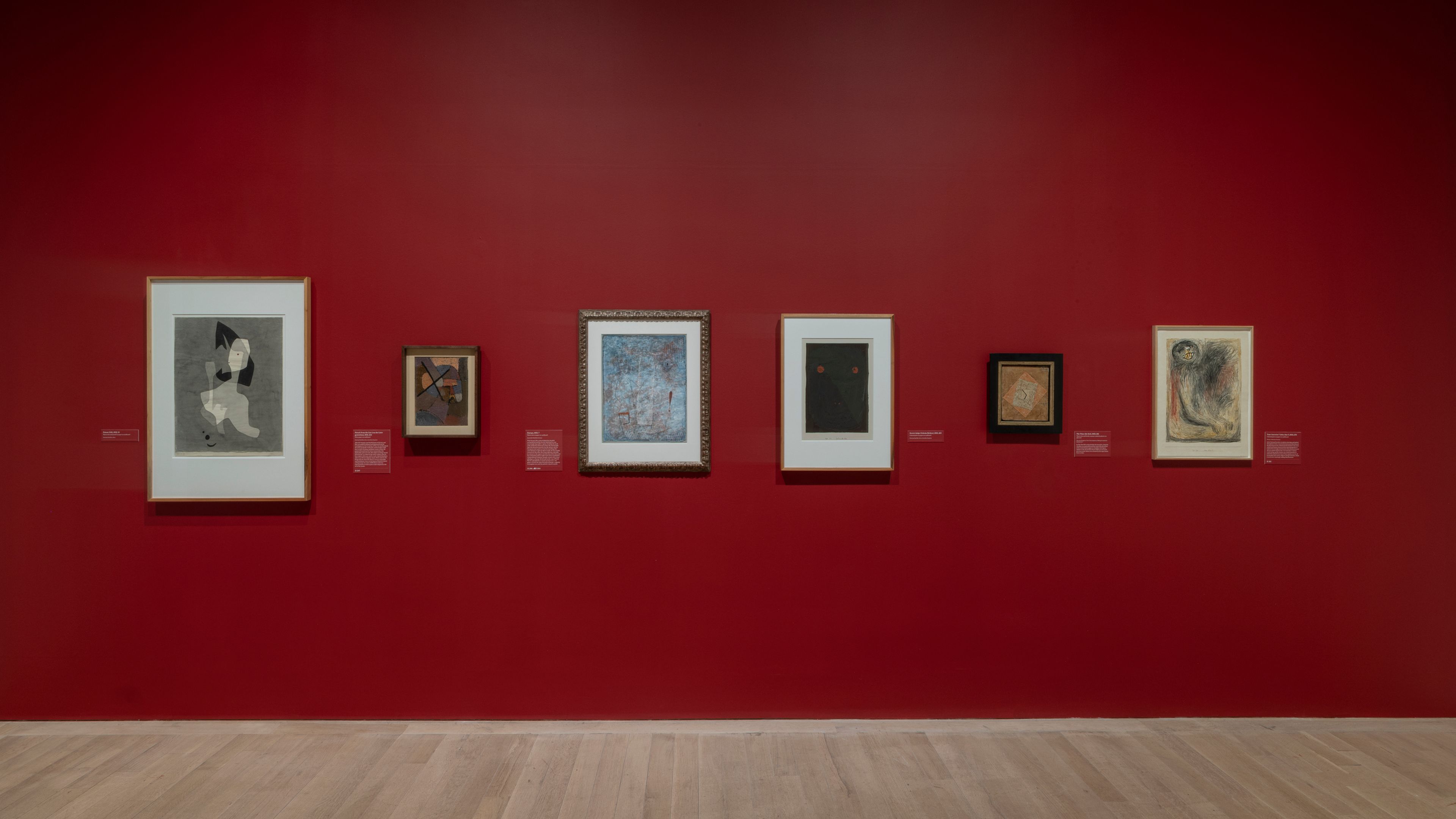
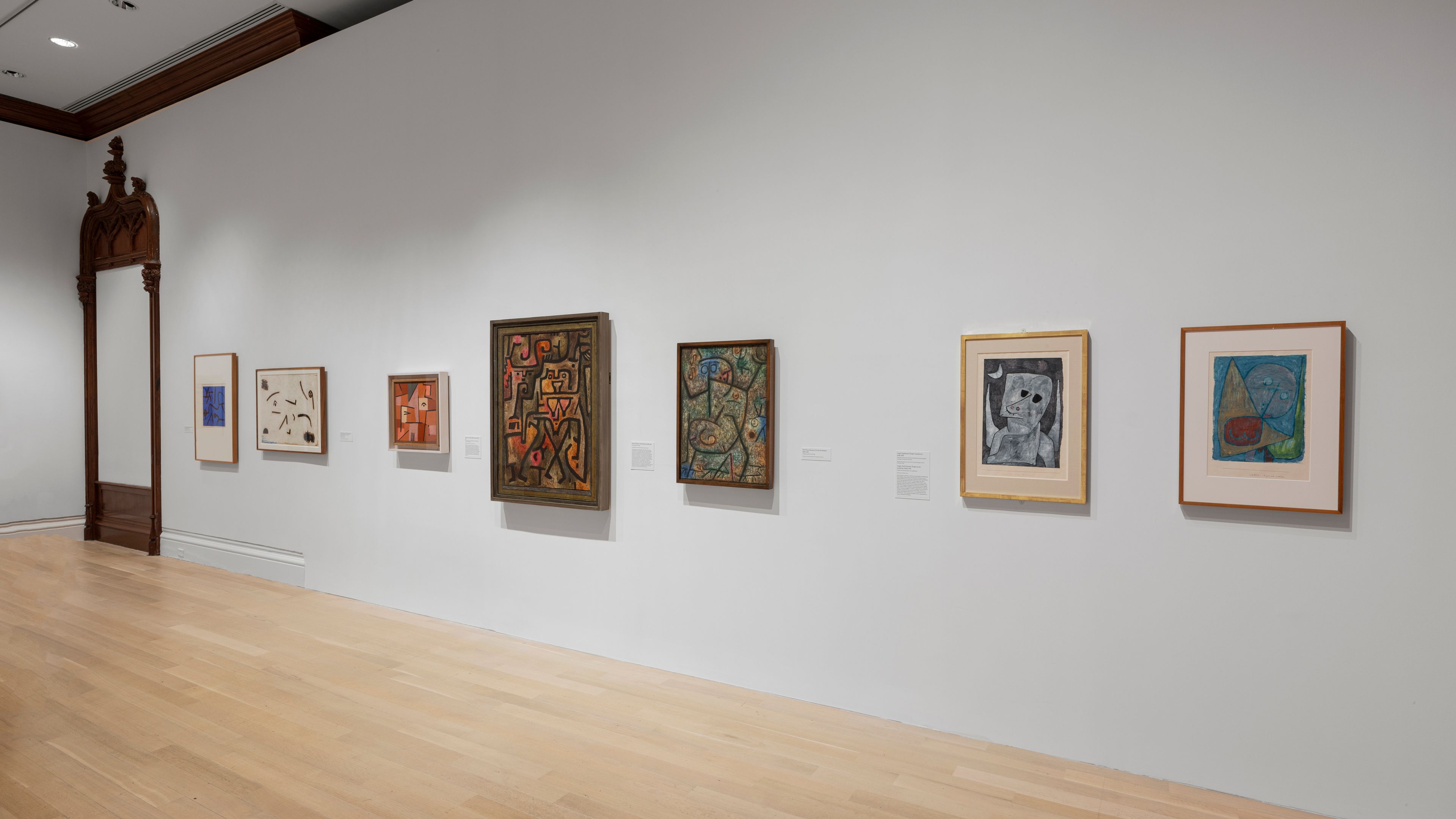
Paul Klee: Other Possible Worlds marks the first American museum show to focus on the artist’s late work, produced during his last, unsettling decade of life until his death in 1940. Having established his esteemed reputation during a decade-long tenure at the Bauhaus, Klee resigned his position in Dessau in 1931 and was offered another at the academy in Düsseldorf, where he sought to free himself from the demands of lecturing and concentrate on painting. With Hitler’s ascent to power, the National Socialists deemed Klee’s art subversive and degenerate, and dismissed him from his position at the Düsseldorf Academy, referring to him as “a Galician Jew.” Forced into exile as an immigrant in his country of birth, the displaced artist abandoned his uplifting chromatic style of painting, as he confronted the harsh terrain of fascism and soon, in 1935, the effects of scleroderma, a fatal autoimmune disease. In exploring Klee’s late work, the exhibition addresses that which is not only less familiar to an American audience, but also less studied in academic circles in the U.S. than in Europe. The exhibition is accompanied by a range of works from across Klee’s career as a dramatic contrast to this powerful late work.
Paul Klee: Other Possible Worlds is organized by Dr. Mason Klein, Senior Curator, and with the full support of the Zentrum Paul Klee and the Kunstmuseum Bern and made possible by the Jerome L. Greene Foundation.
Learn more at the Jewish Museum.
