Museo de Arte de Zapopan (MAZ), Zapopan, México
September 26, 2024–April 6, 2025
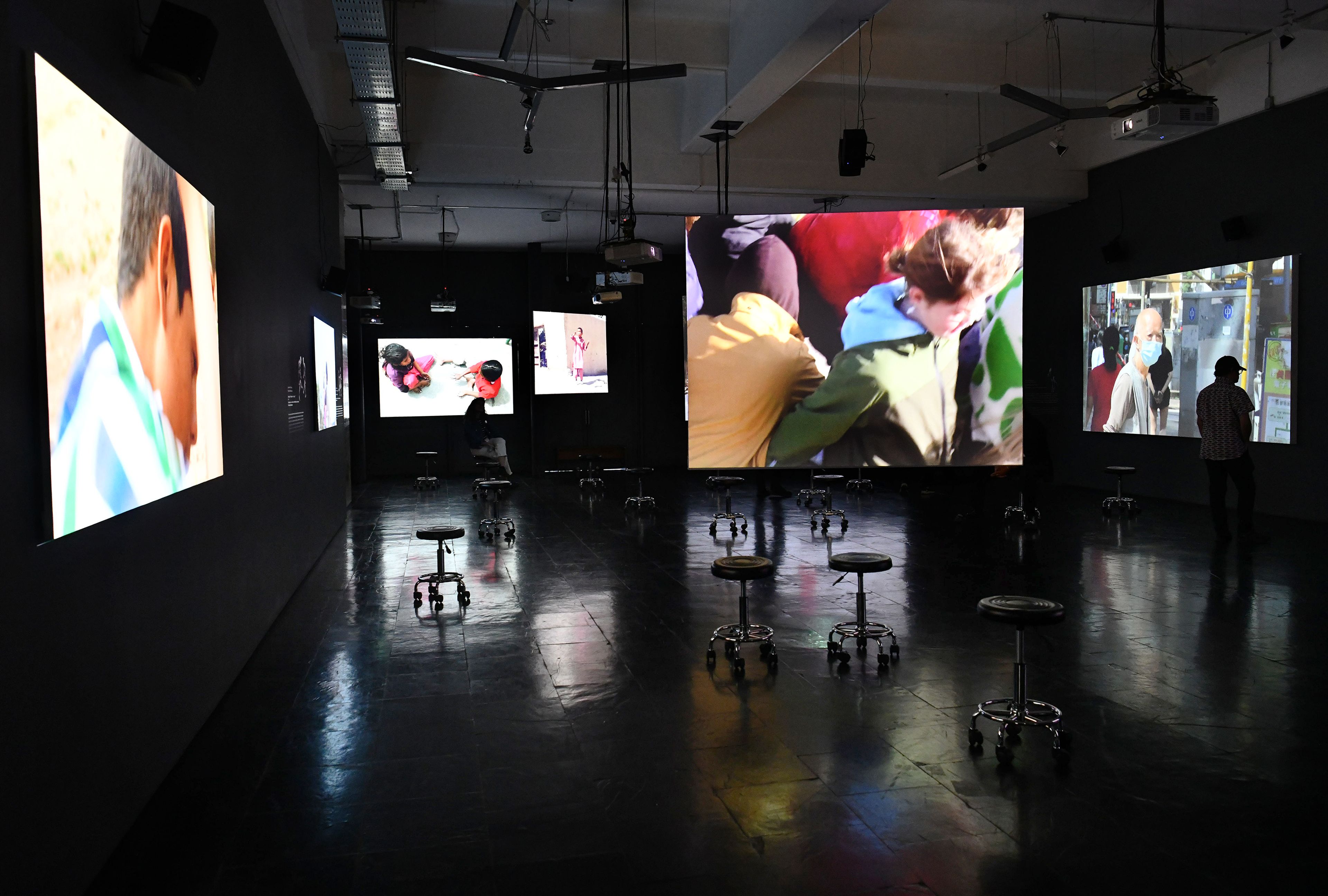
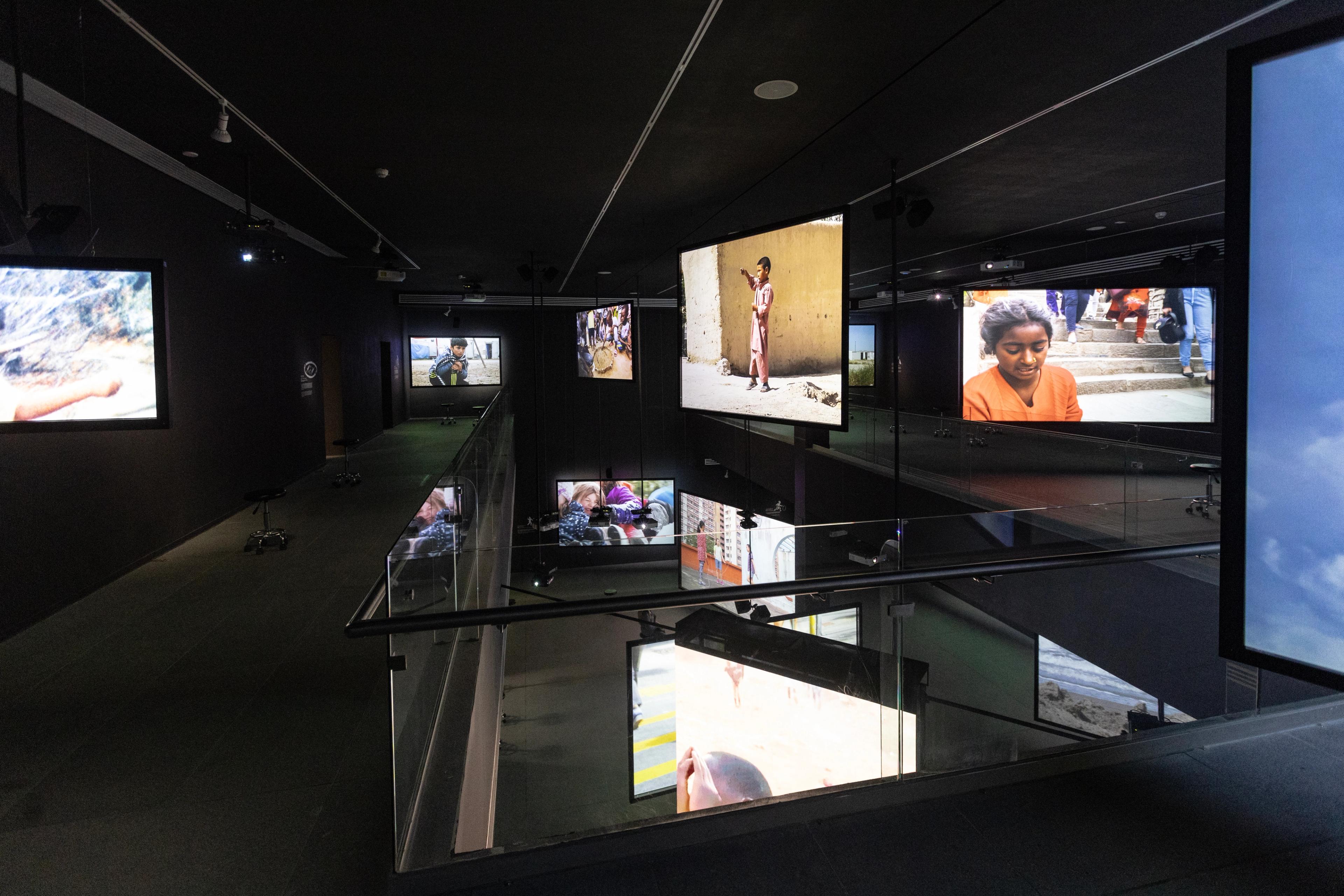
Museo de Arte de Zapopan (MAZ) presents Francis Alÿs: Juegos de Niñxs, the first leg of a traveling solo exhibition of Francis Alÿs’s Children’s Games series curated by Cuauhtémoc Medina and Virginia Roy.
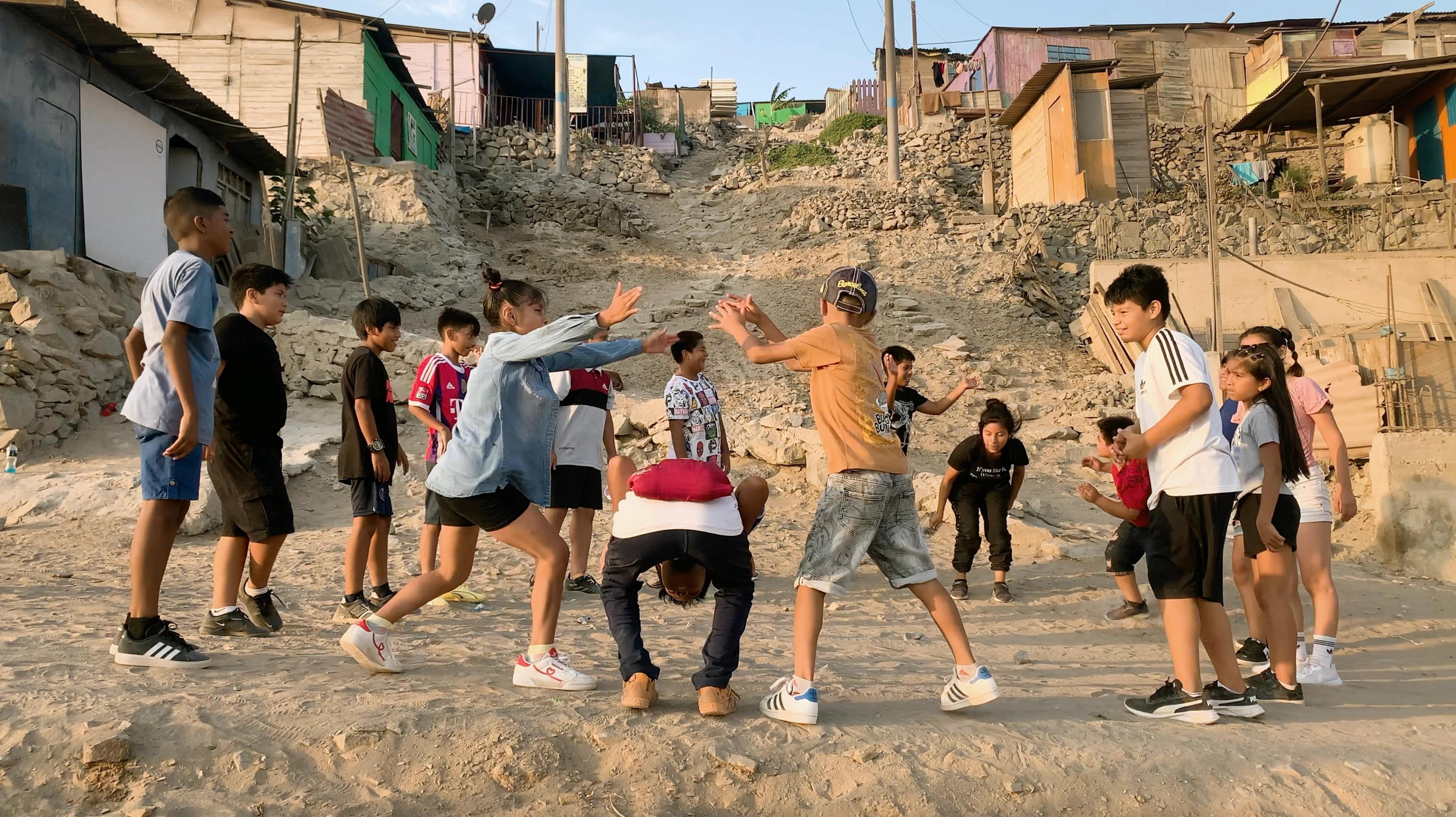
A large number of these games, if not the entire series Children’s Games by Francis Alÿs, give off a utopian aura. They express and document forms of self-regulated sociability, in which children establish a diagram of their social relationships on a competitive basis without recurring to legislation or force. For all these reasons, Children’s Games is a project that greatly exceeds the singularity of an artist: it presents itself as an essential archive for humanity’s future.
Many of these videos are located in regions of the world in which economic crises, the strength of tradition and community ties have allowed the shared life of a childhood on the street to survive. While they frequently have a direct value as ethnographic documentation, they also metaphorically record transformations and conflicts in contemporary societies. But both in the mysterious way in which certain games are played practically identically in extremely different societies, as well as in their human value, they also become a signifying mechanism that unites cultures and ways of life.
“This compilation favors games that can be made out of nothing, which means that they can be played with anything that can be found where the game will take place, be it a handkerchief, a bit of rope, an empty can. They often are about invention and about adapting the context to the end of the game.
Whereas adults are more likely to use speech to process experiences, children play to assimilate the realities they encounter. Their games mimic, mock or defy the rules of the adult society that surrounds them. The act of playing may also help them coping with traumatic experiences such as those of war by creating a simulacrum of the real and turning the dramatic circumstances around them into a more fictional, ludic world.
But the magical thing about a children’s game is that it holds no secrets, “it’s all there is”. We as adults, should be faithful to the children we were, remember and trust that moment, the most precious one of our existence.”
–Francis Alÿs
Learn more at MAZ.