'Gut Renovation' by Rachel Wetzler
2018
When Gordon Matta-Clark returned to his hometown of New York City in 1969, armed with a degree in architecture from Cornell University, he was already skeptical of the profession for which he had trained. His suspicions were confirmed by what he found upon arrival. Plans for “urban renewal” were prioritizing the construction of skyscrapers like Minoru Yamasaki’s World Trade Center—a monument to postindustrial aesthetics masterminded by billionaire financier David Rockefeller—while the city’s poorest districts were being left to crumble.
By the mid-1970s, the city’s housing and development administrator, Roger Starr, was openly advocating what he called "planned shrinkage," a policy designed to steer resources away from what he considered to be economically unproductive areas like the South Bronx and, by extension, their inhabitants. Convinced that these neighborhoods, largely populated by poor black and Puerto Rican residents, weren’t worth fixing, Starr proposed the withdrawal of city services in order to accelerate their demise. For Matta-Clark the implications of words like “renewal,” at least when used by officials like Starr, were clear: as the artist noted in a 1976 interview, "the city is just waiting for the social and physical condition [of the South Bronx] to deteriorate to the point that the borough can redevelop the whole area into the industrial park they really want."
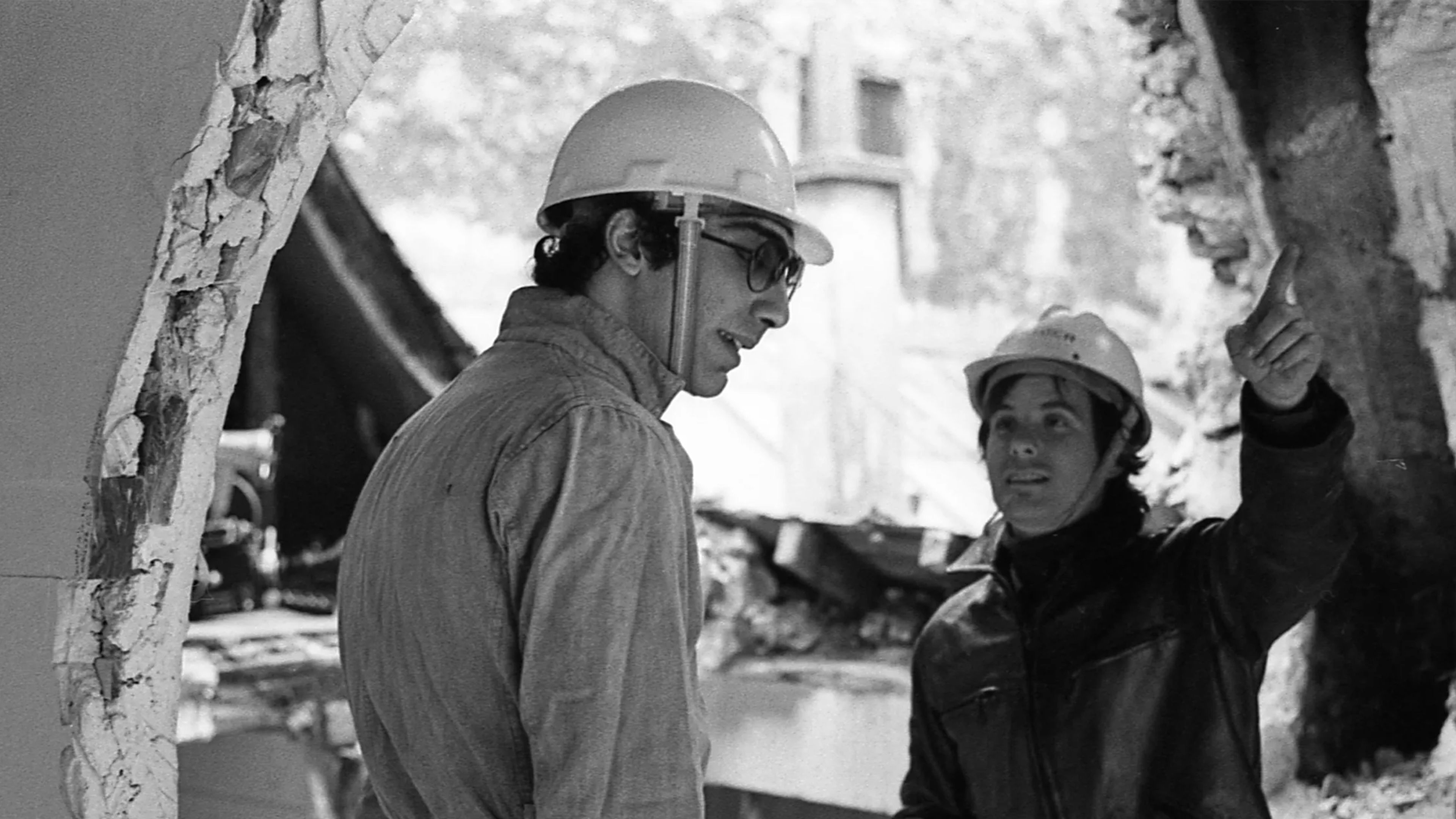
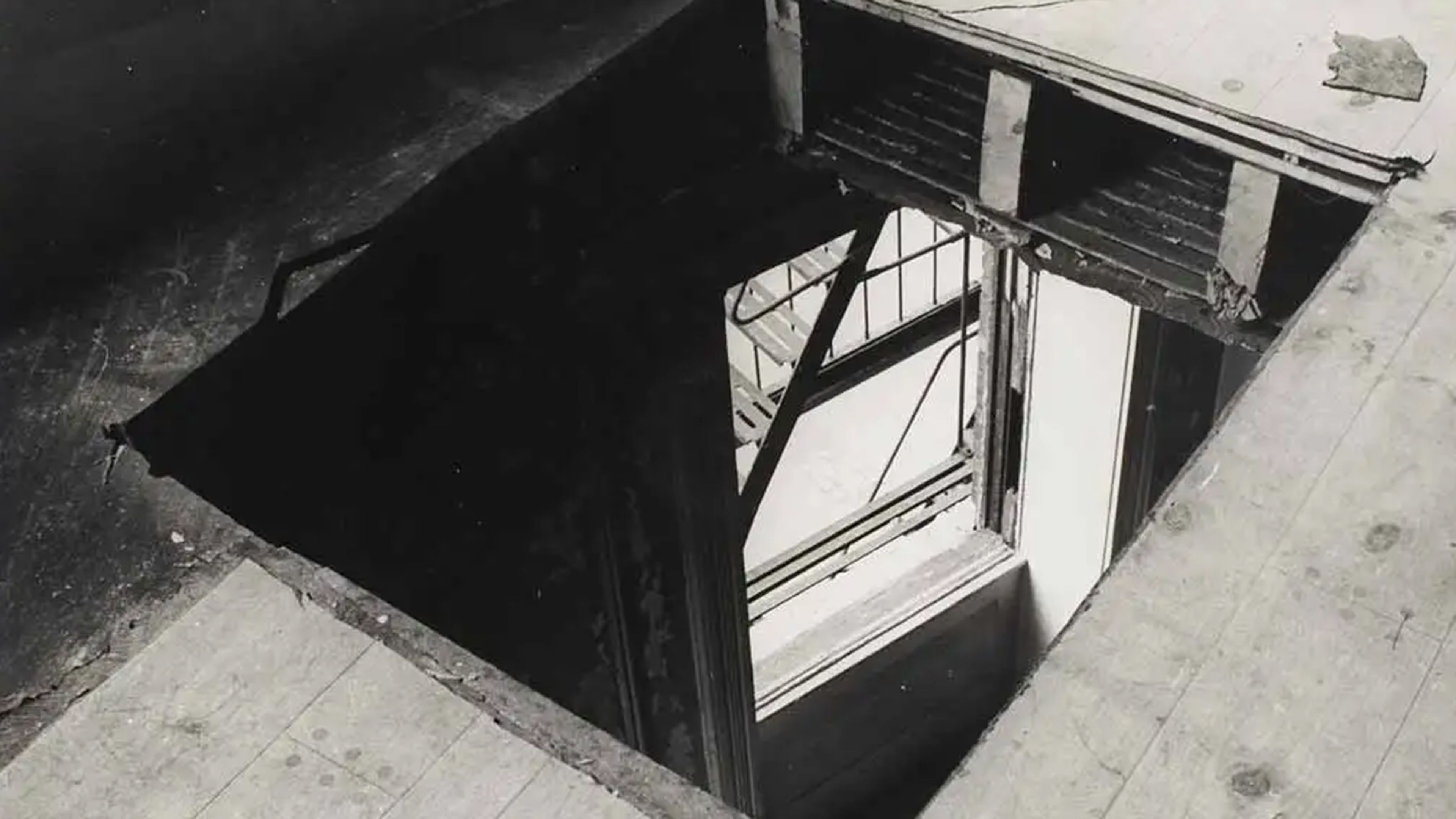
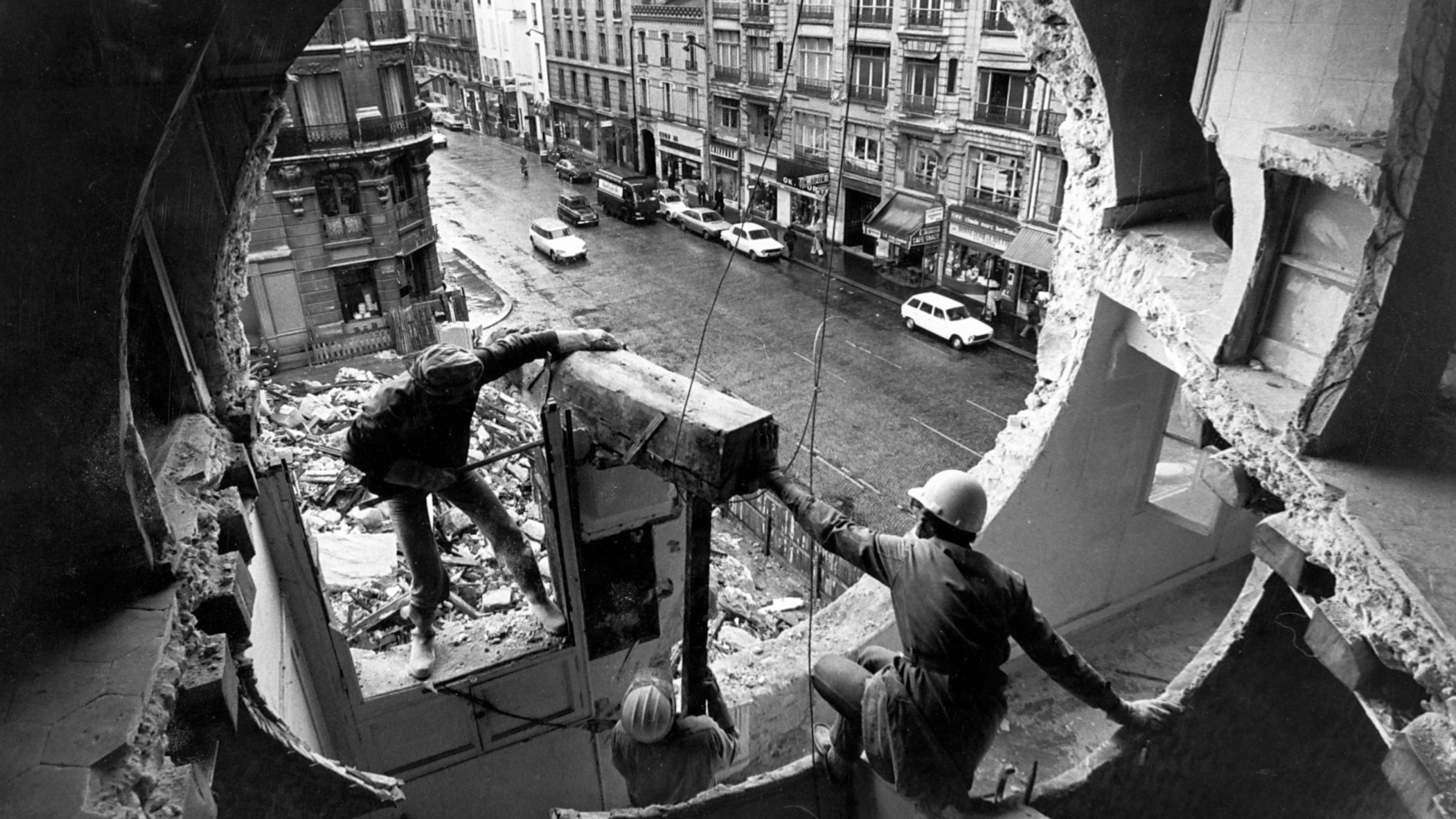
Like the corporate property developers he openly reviled—in his words, they belonged to "an industry that profligates [sic] suburban and urban boxes as a context for insuring a passive, isolated consumer"—Matta-Clark took these blighted districts as his raw material. But revitalization was not his goal. In the building cuts he produced between 1972 and 1978, when he died of cancer at age thirty-five, Matta-Clark worked against the grain of his architectural training, sawing into abandoned structures and cutting away at their floors, walls, and facades. Rather than improving these decaying buildings in any conventional sense, Matta-Clark’s cuts served in part to magnify extant signs of neglect and disuse to the point of absurdity, serving as something like a funhouse mirror reflection of ’70s urbanism and its failings. Matta-Clark often used the term "anarchitecture" to express his approach to the built environment. First coined as the name of a short-lived group of artists he assembled to think through "metaphoric voids, gaps, leftover spaces" (the other members were Laurie Anderson, Tina Girouard, Suzanne Harris, Jene Highstein, Bernard Kirschenbaum, Richard Landry, and Richard Nonas), "anarchitecture" could designate a set of projects, a theory of property and space, or a mode of working.
Read more at Art in America.