Louis Fratino: Prose
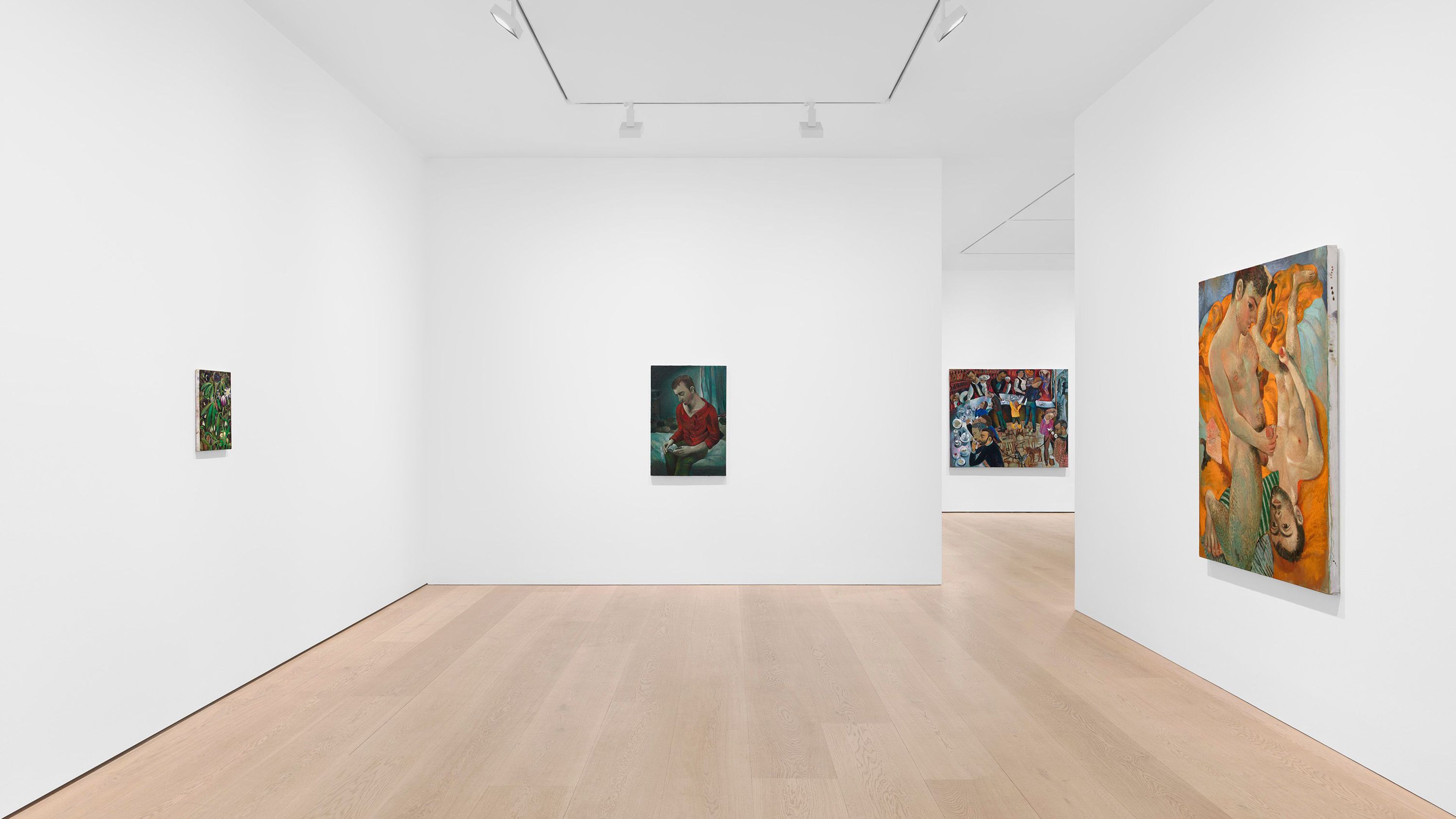
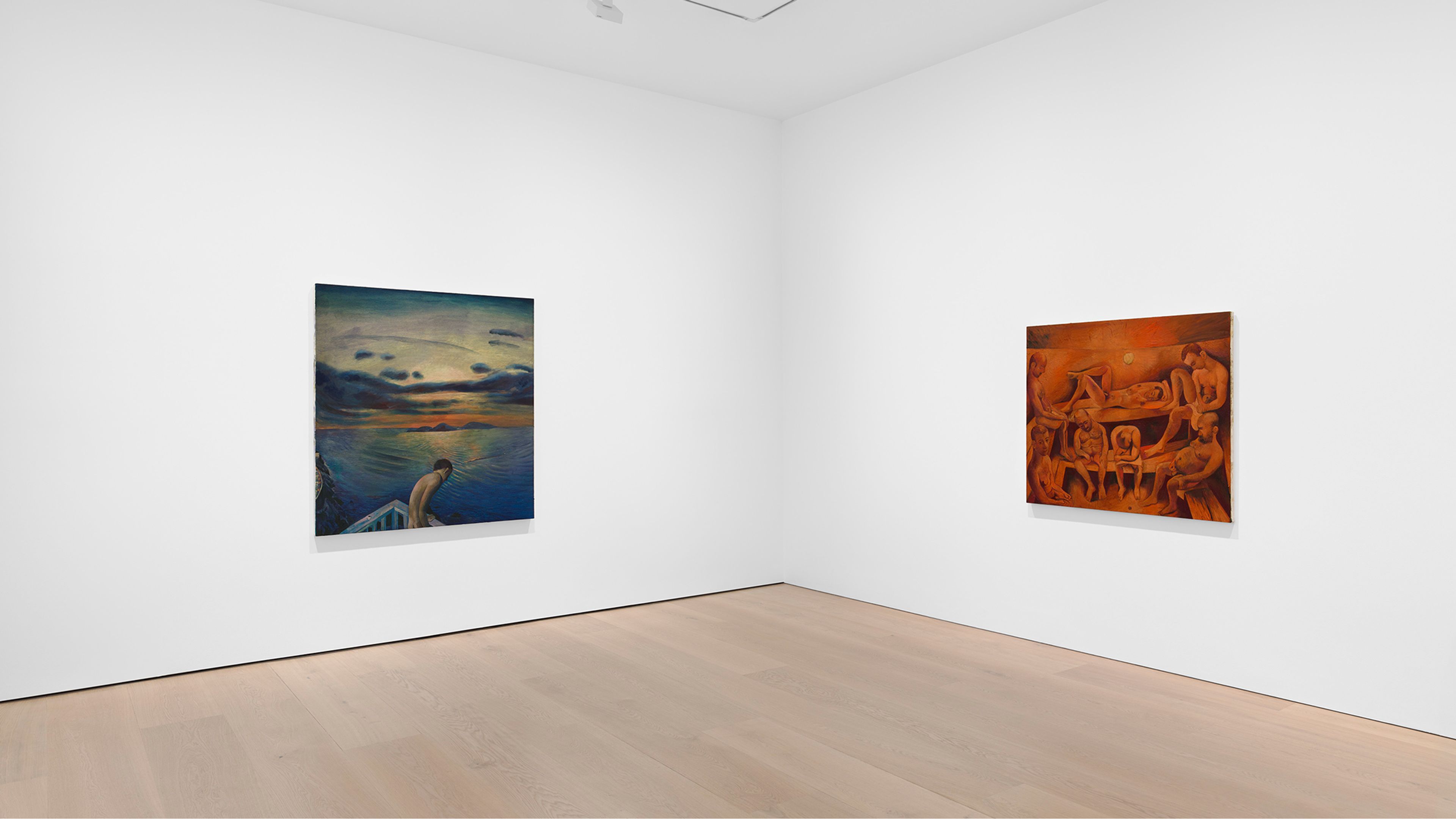
Installation view, Louis Fratino: Prose, David Zwirner, London, 2026

Now Open

September 18—October 31, 2026

Opening Reception

Friday, September 18, 6–8 PM

Location

London

24 Grafton Street

London W1S 4EZ

Tue, Wed, Fri, Sat: 10 AM-6 PM

Thu: 10 AM-4:45 PM

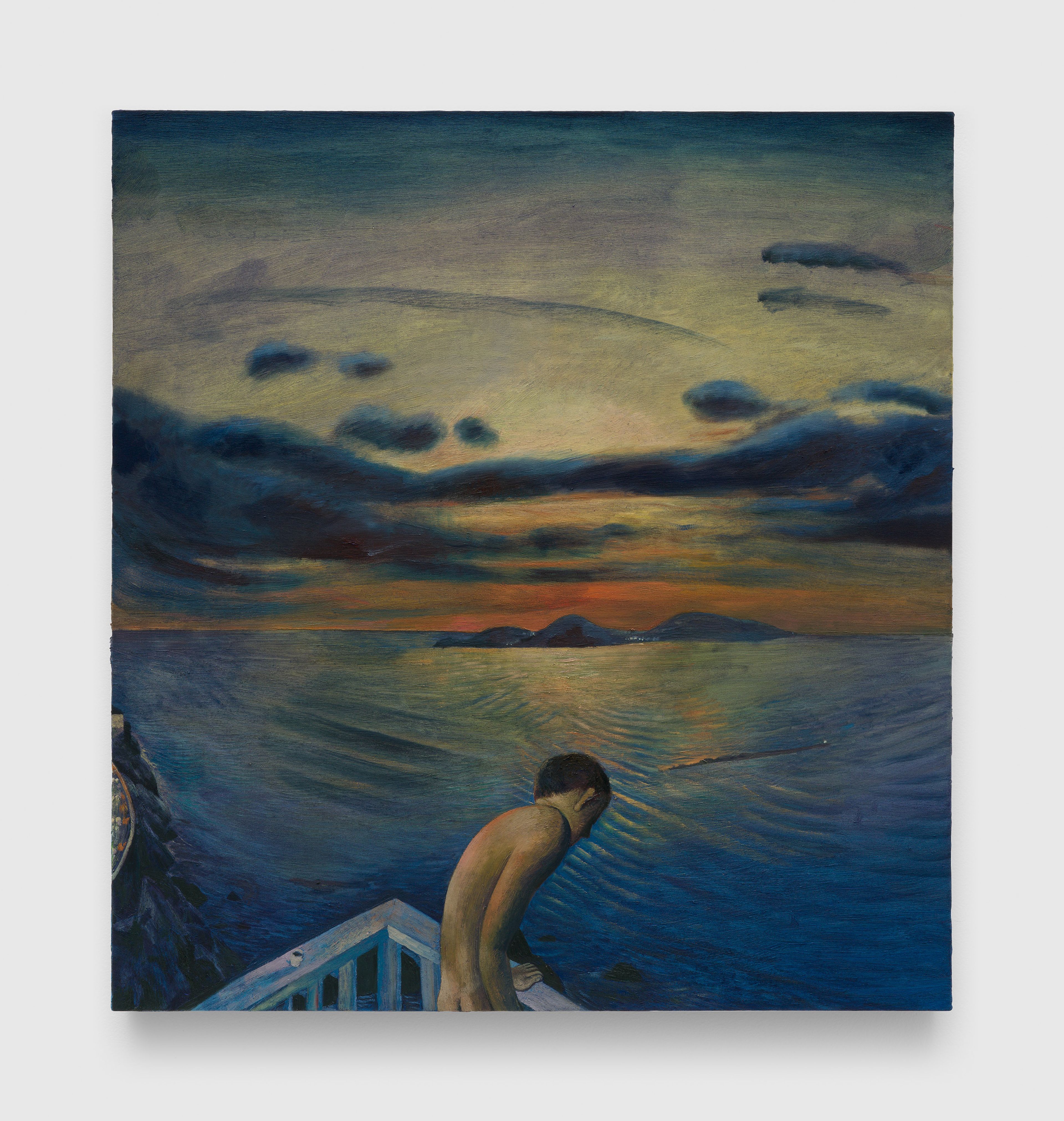
David Zwirner is pleased to announce a presentation of work by Louis Fratino on view at our location in London. Prose features new paintings that expand the artist’s thematic repertoire, bringing his distinctive attention to the glorious and the everyday in both public and private life. This marks the New York–based artist’s first solo exhibition in London and his first with the gallery since the announcement of his representation earlier this year.

Explore

Louis Fratino: Prose

“I see art history not as made up of singular geniuses and their acolytes, but as something much richer and stranger.… I try to set up collisions between things in order to uncover newness.”

—Louis Fratino, Frieze, September 2026
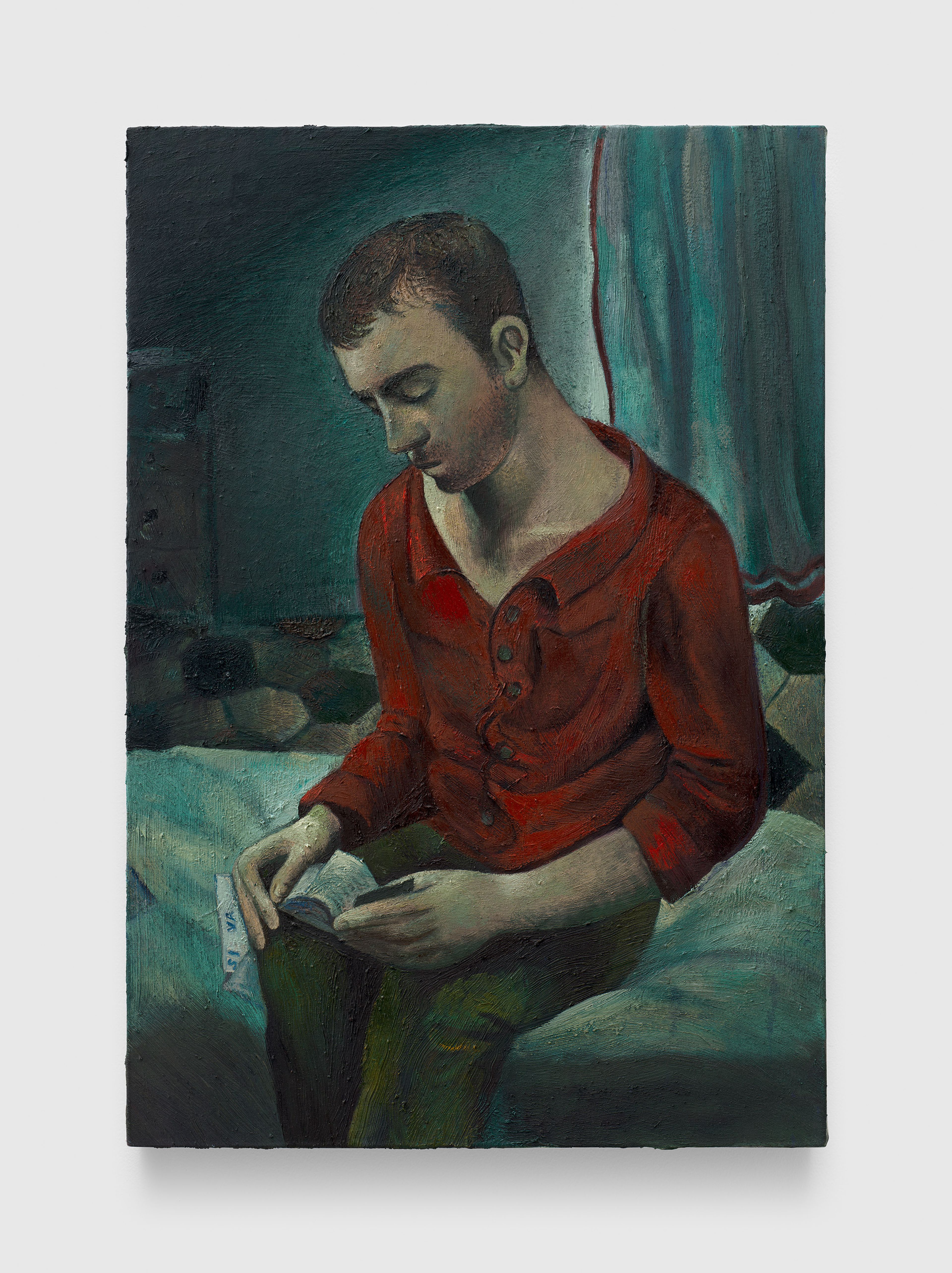
Louis Fratino’s painting is sustained by observation, memory, and the continual exchange of ideas across generations. His work acknowledges the histories that inform it while remaining rooted in the present—in the people he knows, the places he inhabits, and the experiences that shape his understanding of the world.

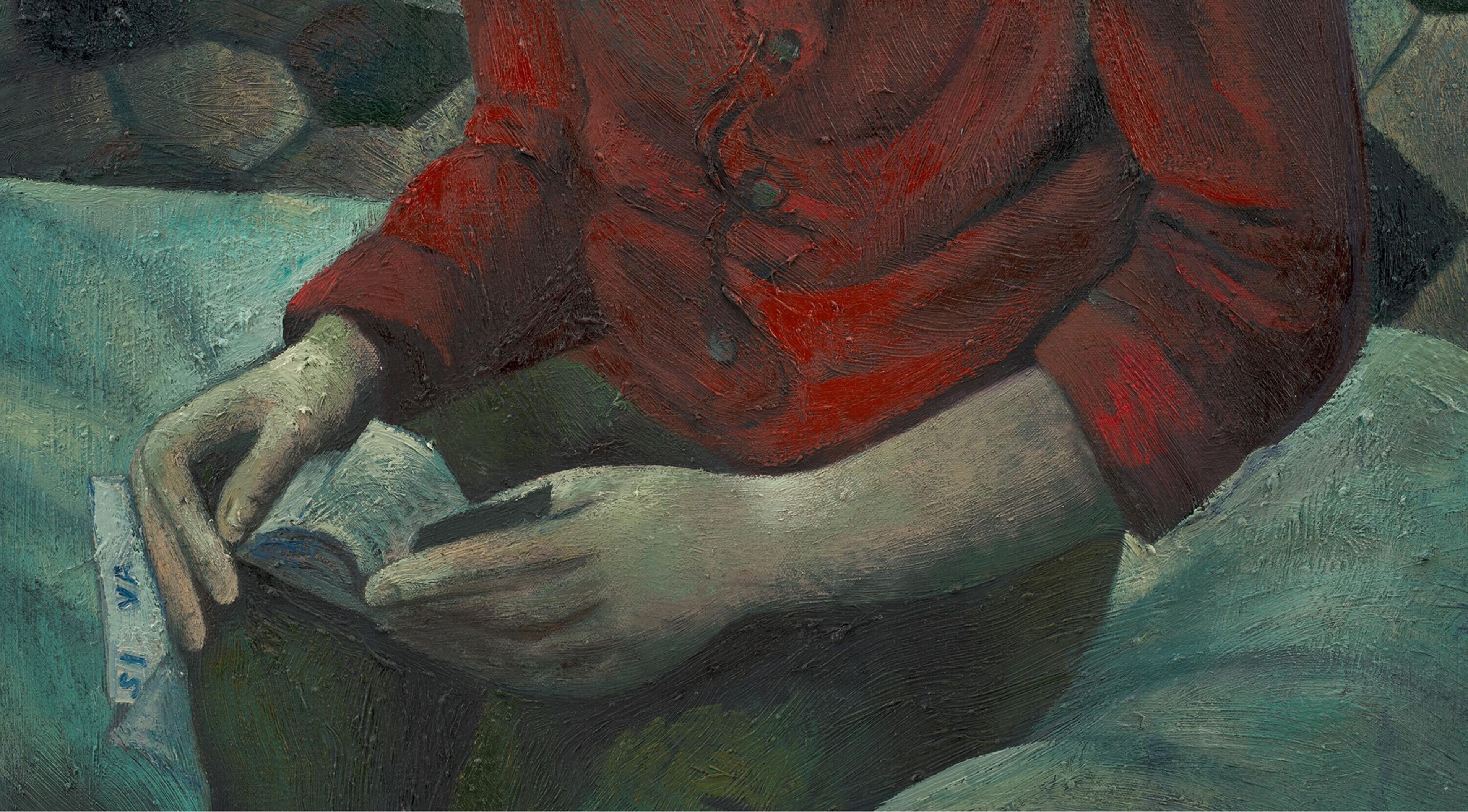
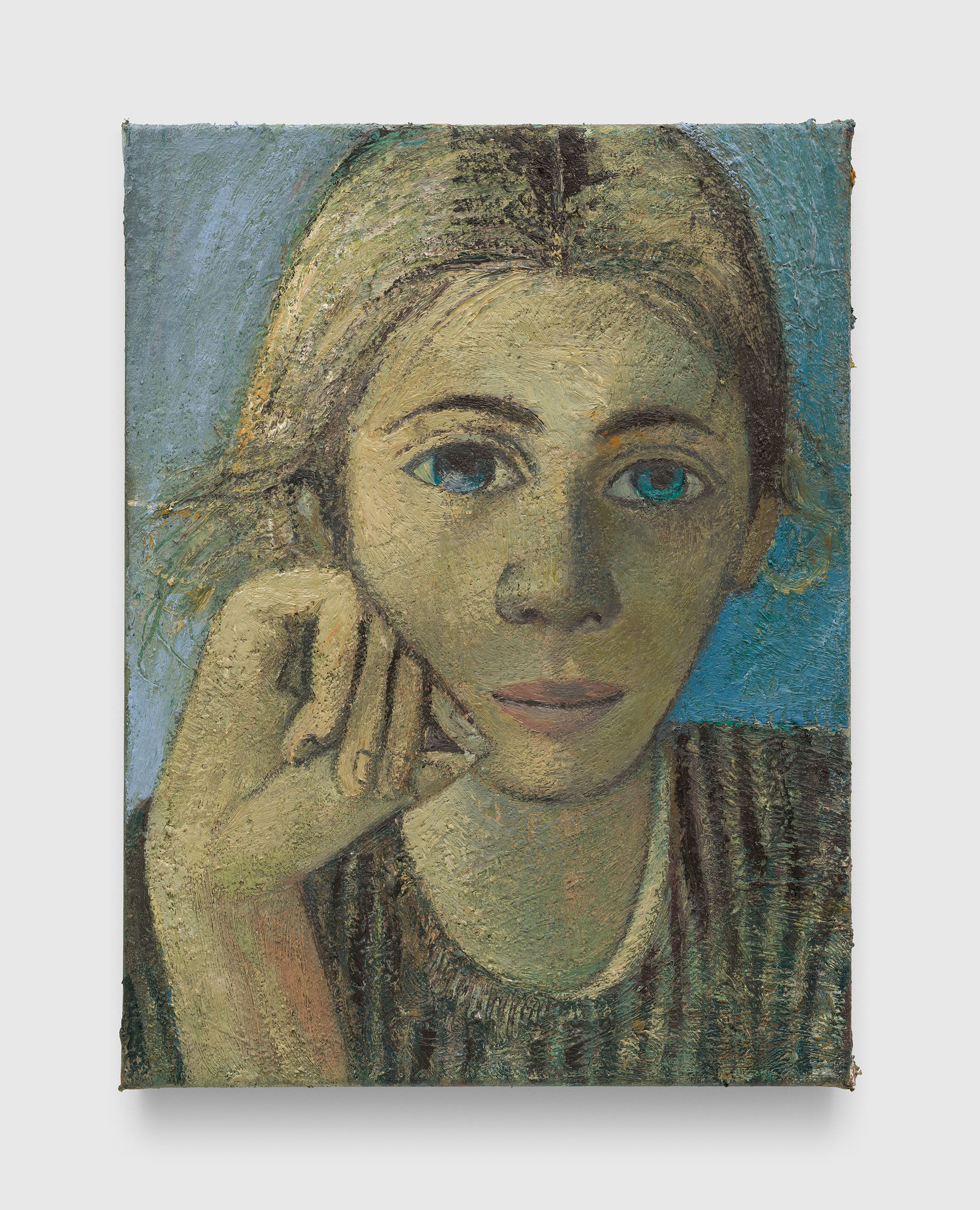
Louis Fratino, Ale in his mom's bedroom (after Corot), 2026 (detail)
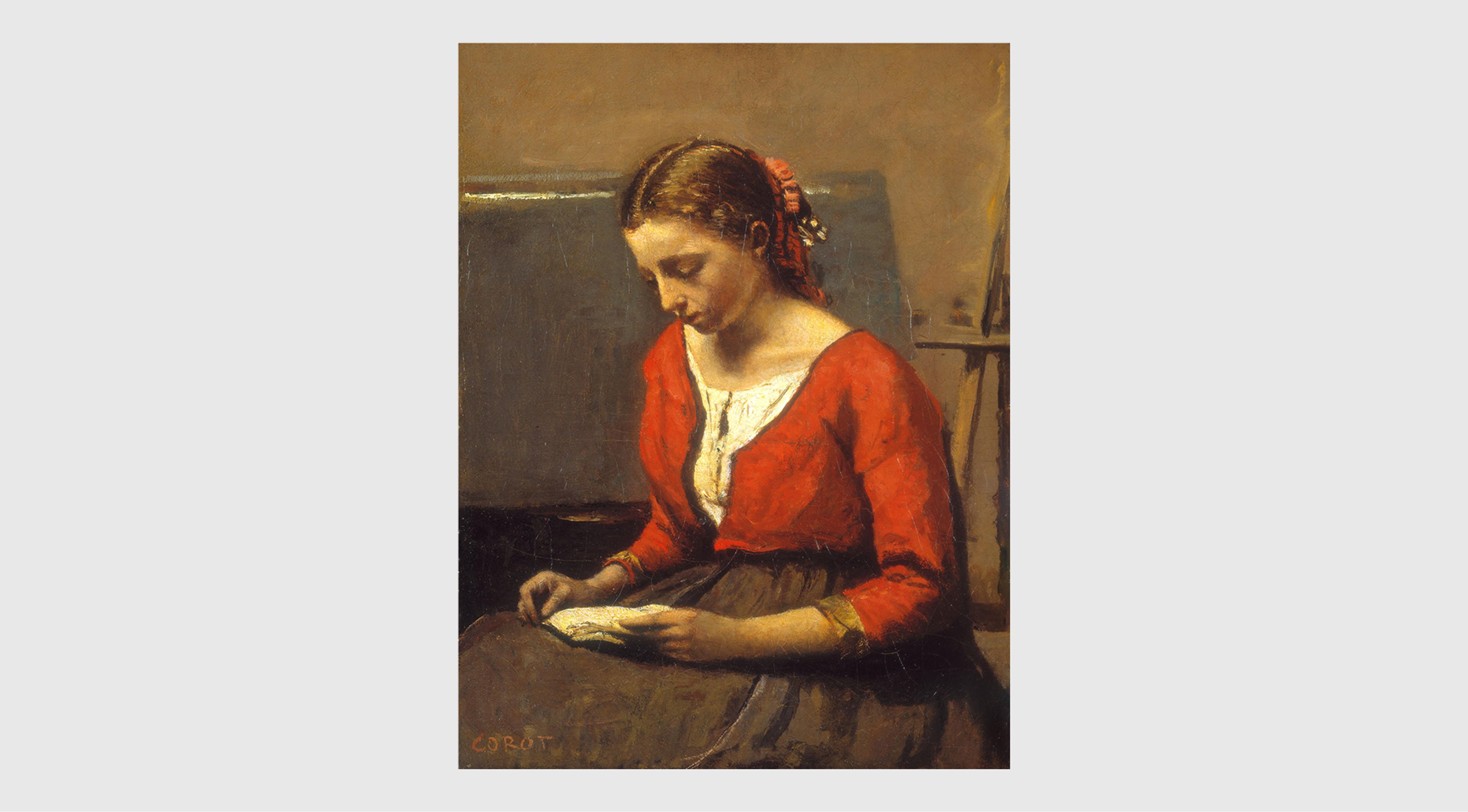
Jean-Baptiste-Camille Corot, A Girl Reading, c. 1845–1850. Foundation E. G. Bührle Collection, Kunsthaus Zürich
 

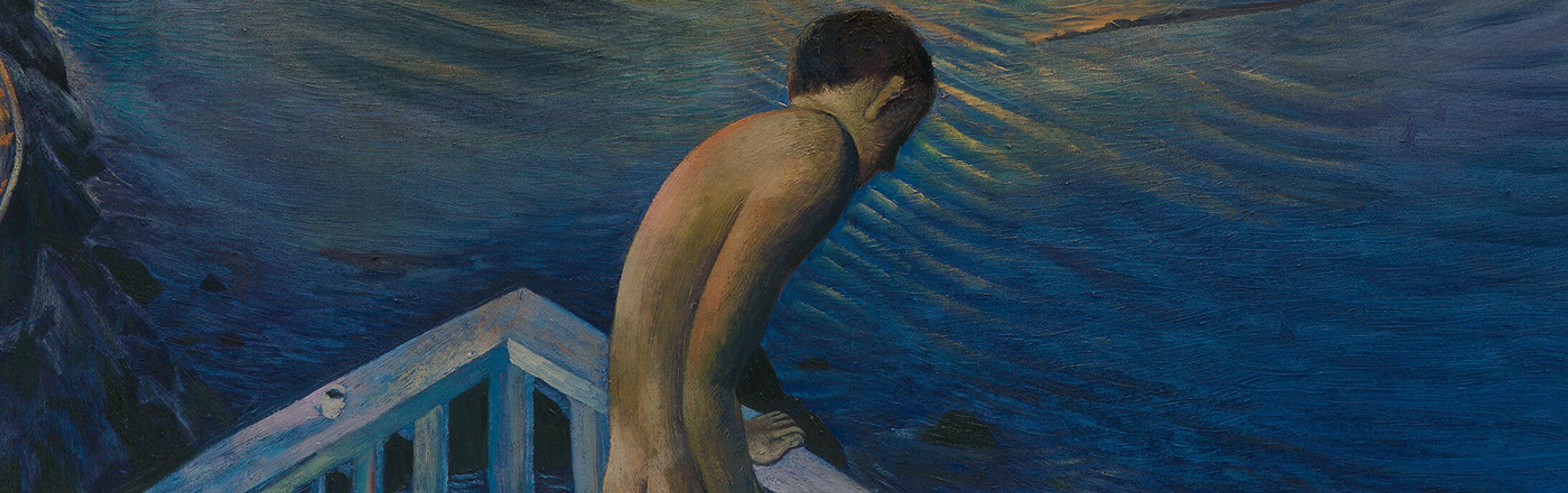
Through an expansive yet deeply personal approach to subject matter, Prose invites attention to the richness of ordinary life. In Ale in his mom’s bedroom (after Corot) (2026), Fratino channels the mood of contemplation and internal solitude found in Jean-Baptiste-Camille Corot’s A Girl Reading (c. 1845–1850). The sitter also wears an open-collared, blood-red shirt, and is perched on a bed in a room suffused with a cool blue-green light that is borrowed from the French painter’s delicate atmospheres.

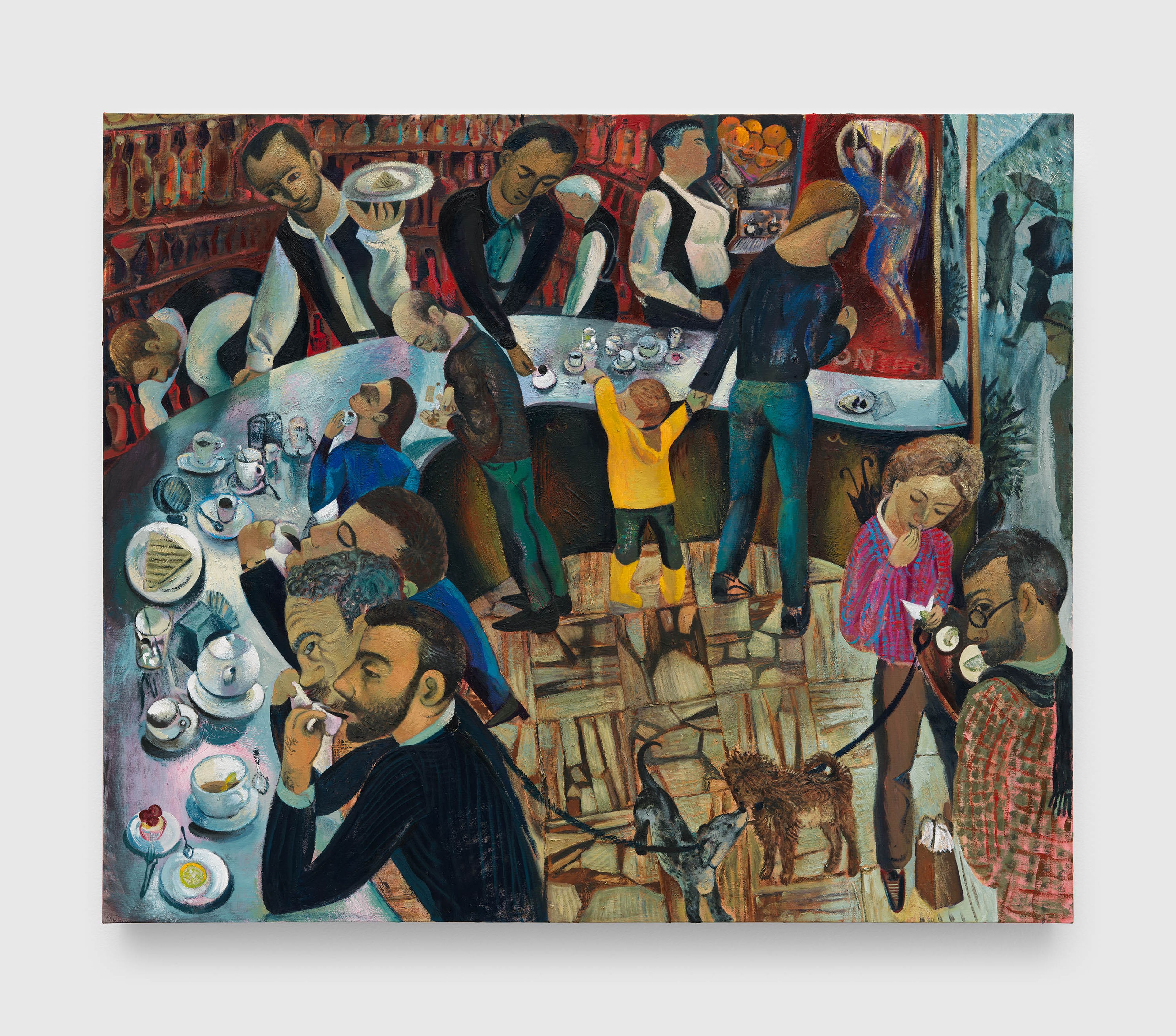
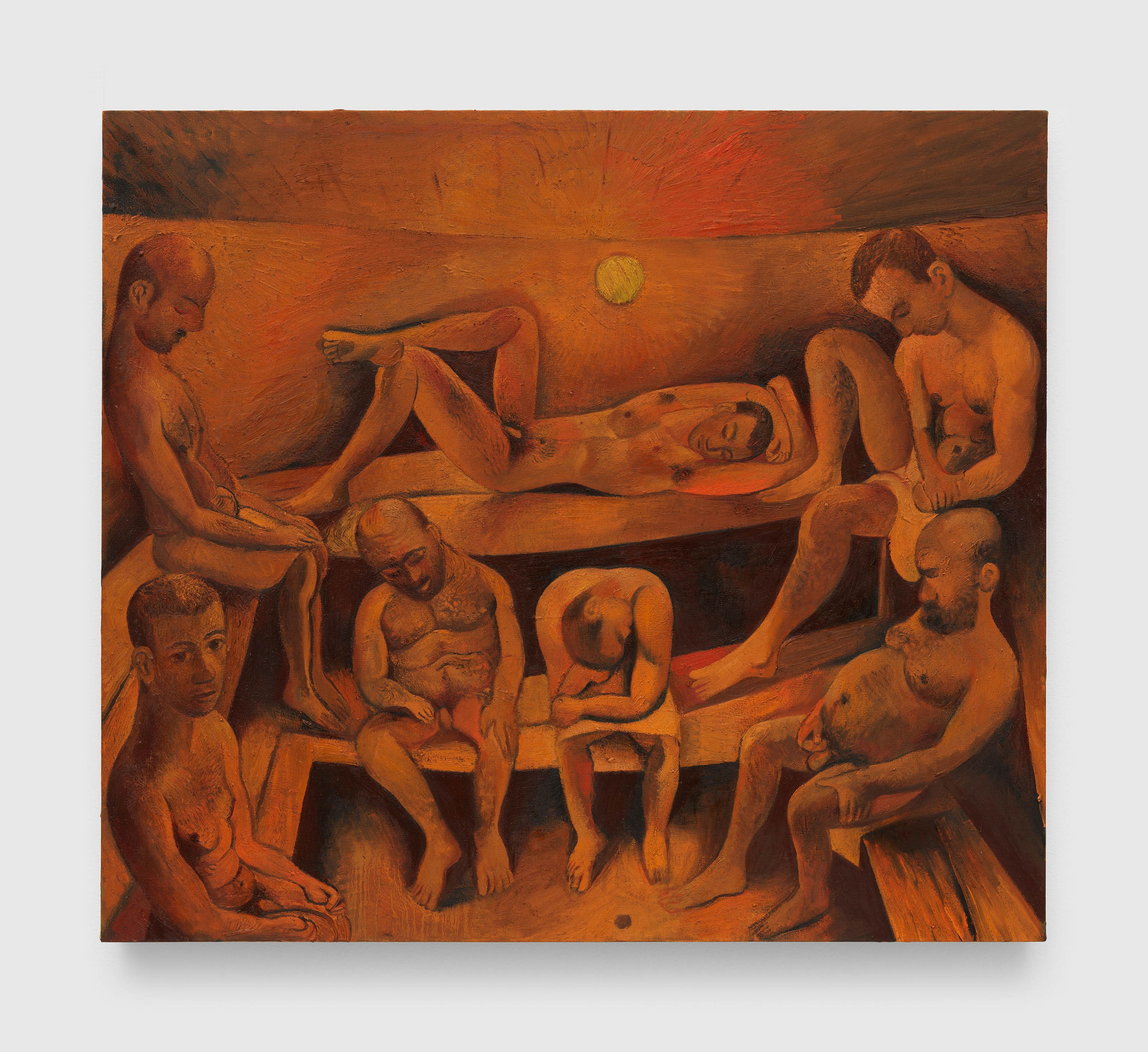
Fratino’s long-standing interest in intimacy extends to the everyday rituals that structure life in public. In Coffee (2026), conversation, observation, solitude, and work overlap within the familiar bustle of a café. In The sauna (2026), another communal ritual brings bodies into close quarters, where nudity and physical proximity are at once ordinary and potentially erotic.

“Fratino adapts the visual languages of European and American modernism to contemplate the beauty and queerness of everyday gestures and experiences in nature, in the home, and in one’s own self-conception.”

—Jo Smail, BOMB, July 2026
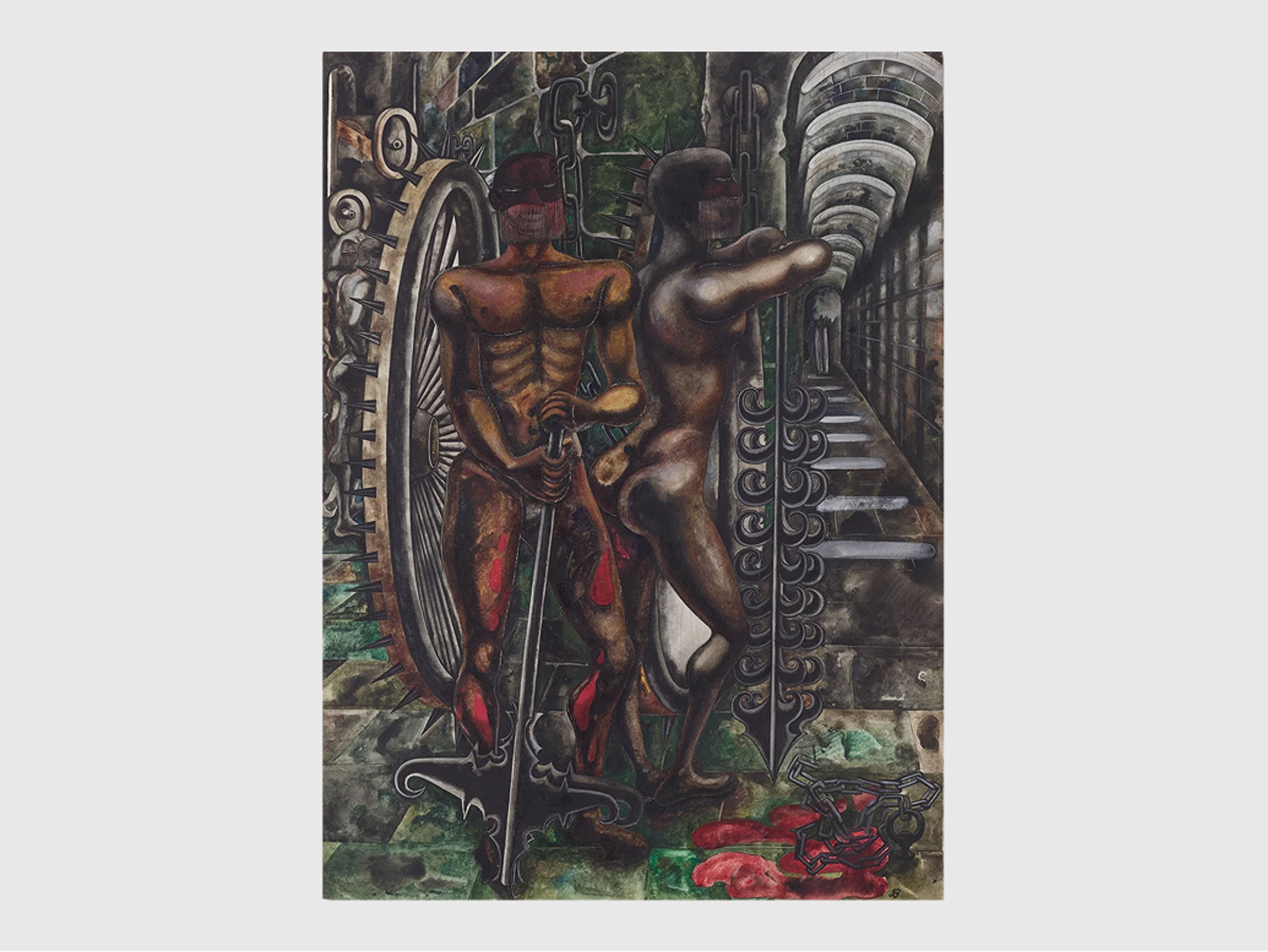
Edward Burra, The Torturers, c. 1935. Courtesy Offer Waterman, London

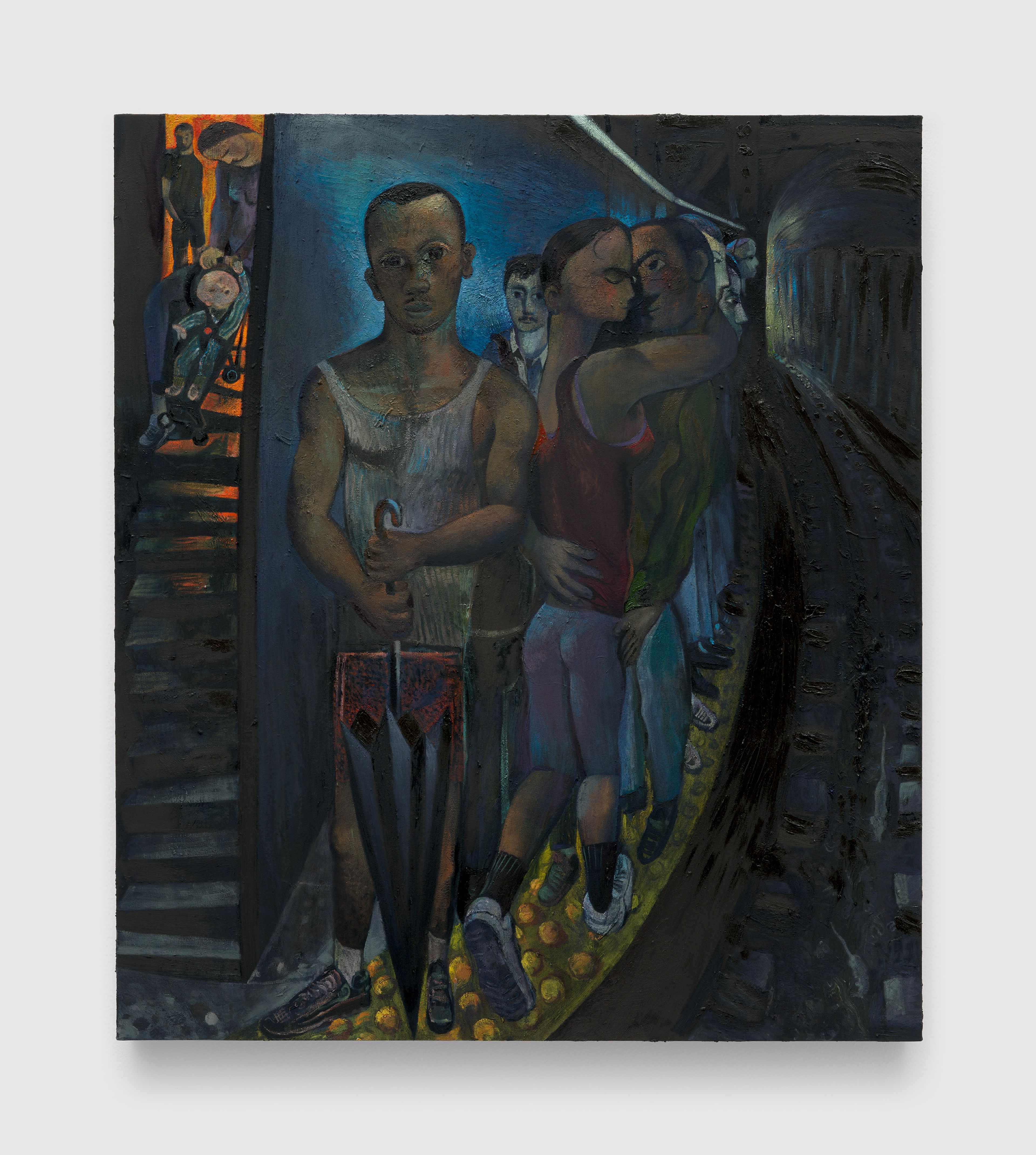
Documenting the teeming activity of a New York City subway station, Summer in the city (2026) references British modernist artist Edward Burra’s watercolor The Torturers (c. 1935), rendering the ambiguous charge that develops between strangers in shared civic spaces.
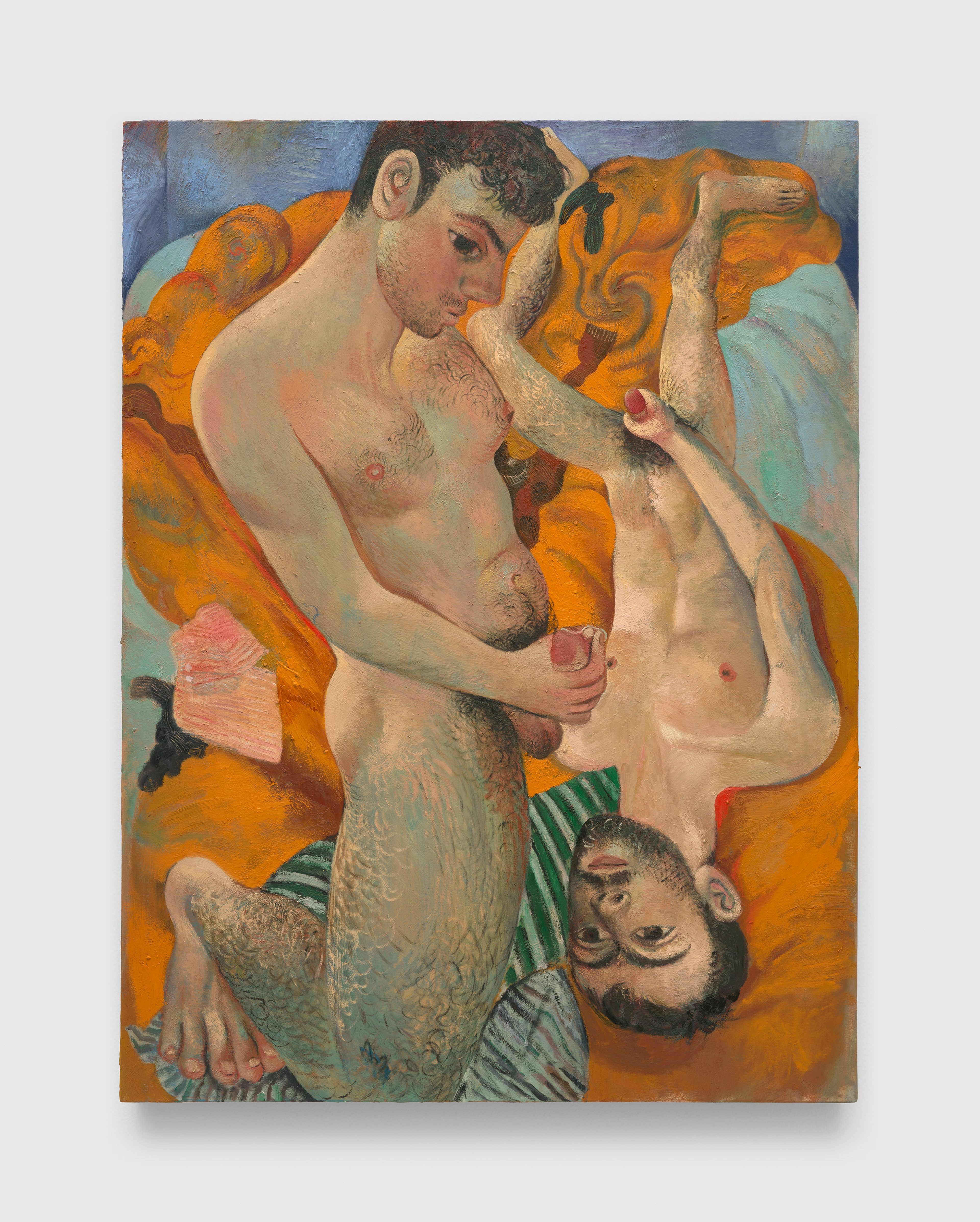
This intensity is juxtaposed with the exhibition’s titular work, Prose (2026), which turns directly toward the body and desire. Here, sexuality is at once more overt and more private, as bodies, perspective, color, and pattern tumble together in a composition that mirrors the physical disorientation of sex.

This past June, Fratino was interviewed by Marc-Christoph Wagner in his studio in Brooklyn, New York, for the Louisiana Channel. © Louisiana Channel, Louisiana Museum of Modern Art, 2026

“In our lived experiences, it can be painful to experience something that is so beautiful, but that you know is already ending.… That could be light on a wall, or touching someone, or traveling somewhere, and I feel like painting, which is such a slow process, is this way of being in those spaces over and over again.”

—Louis Fratino in conversation with the Louisiana Channel, June 2026
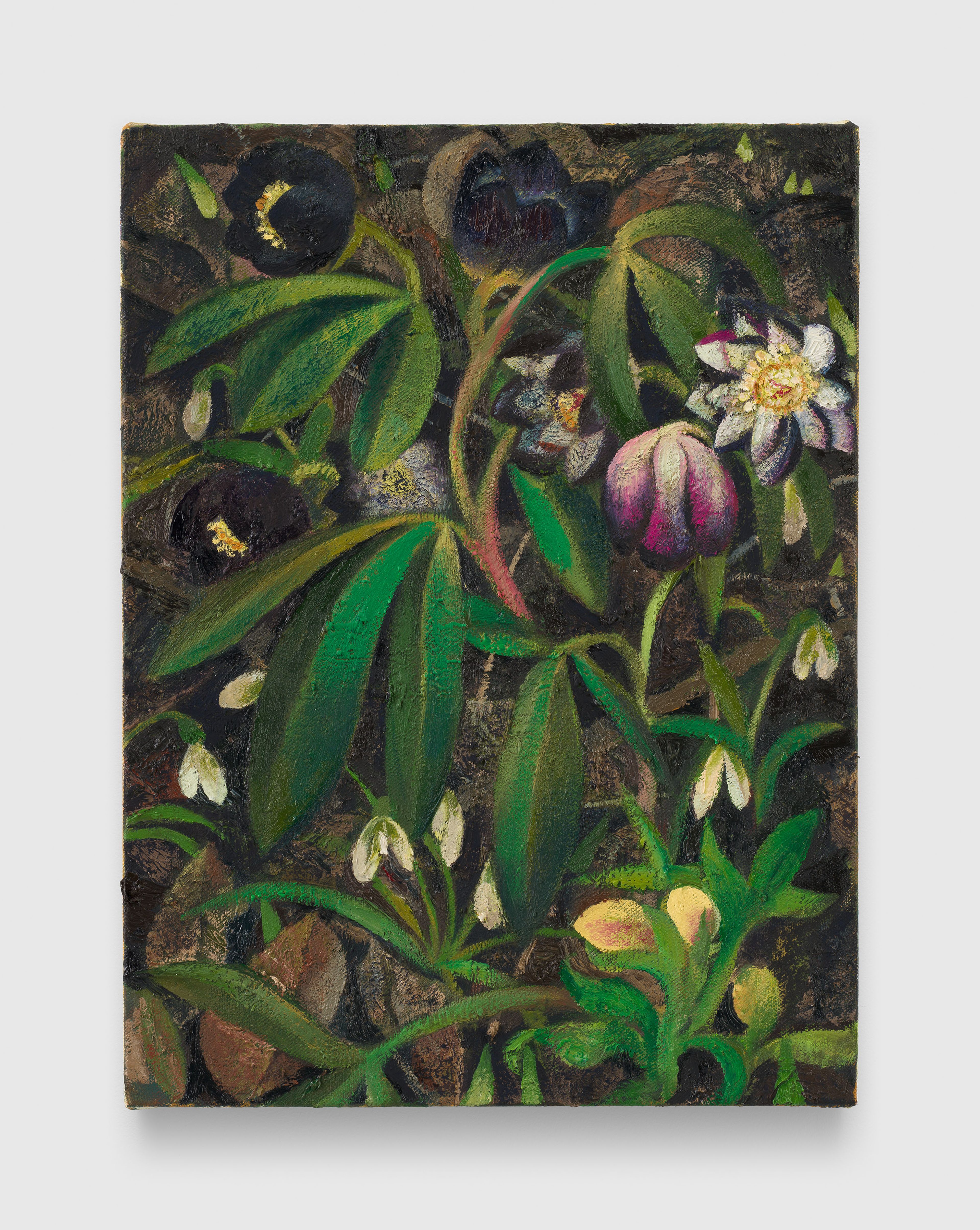
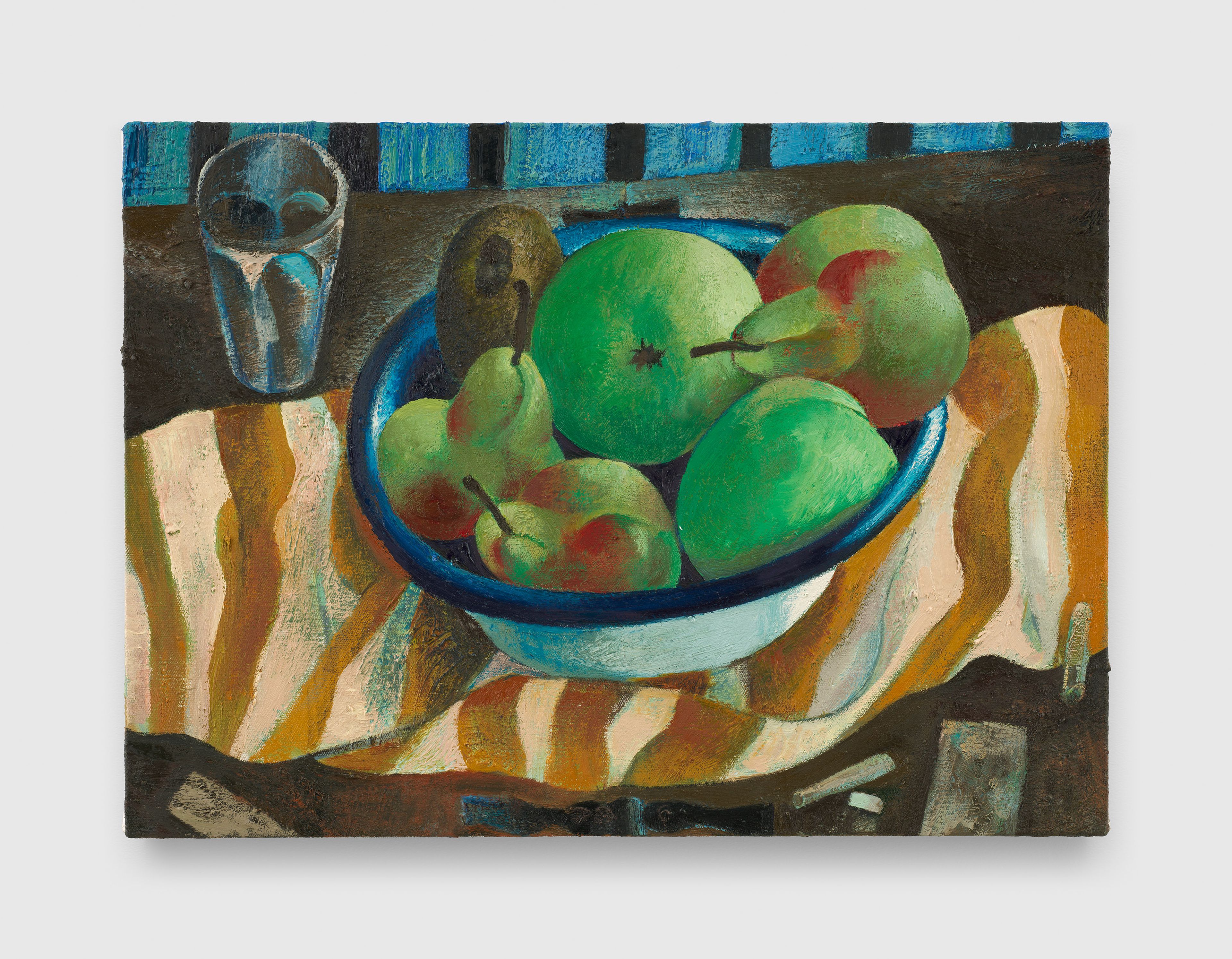
Fratino’s attention to everyday life extends to the still-life paintings Snowdrops and hellebores (2026) and Apples and pears (2026). Arrangements of flowers and fruit become studies in color and texture, abundance and transience. Fruit gathered in a bowl and flowers emerging from a bed of withered leaves mark different points in a cycle of ripening and decline, investing these familiar forms with a sense of time’s passage that reverberates through the exhibition.

“These paintings are deliciously tactile, and viewed up close, the brushwork and paint application is almost topographical—some surfaces are hatched with deep parallel scratches, and the body hair of Fratino’s subjects is sometimes etched in, or appears as drawn- or painted-on squiggles.”

—Kimberly Bradley, Hyperallergic, November 2024
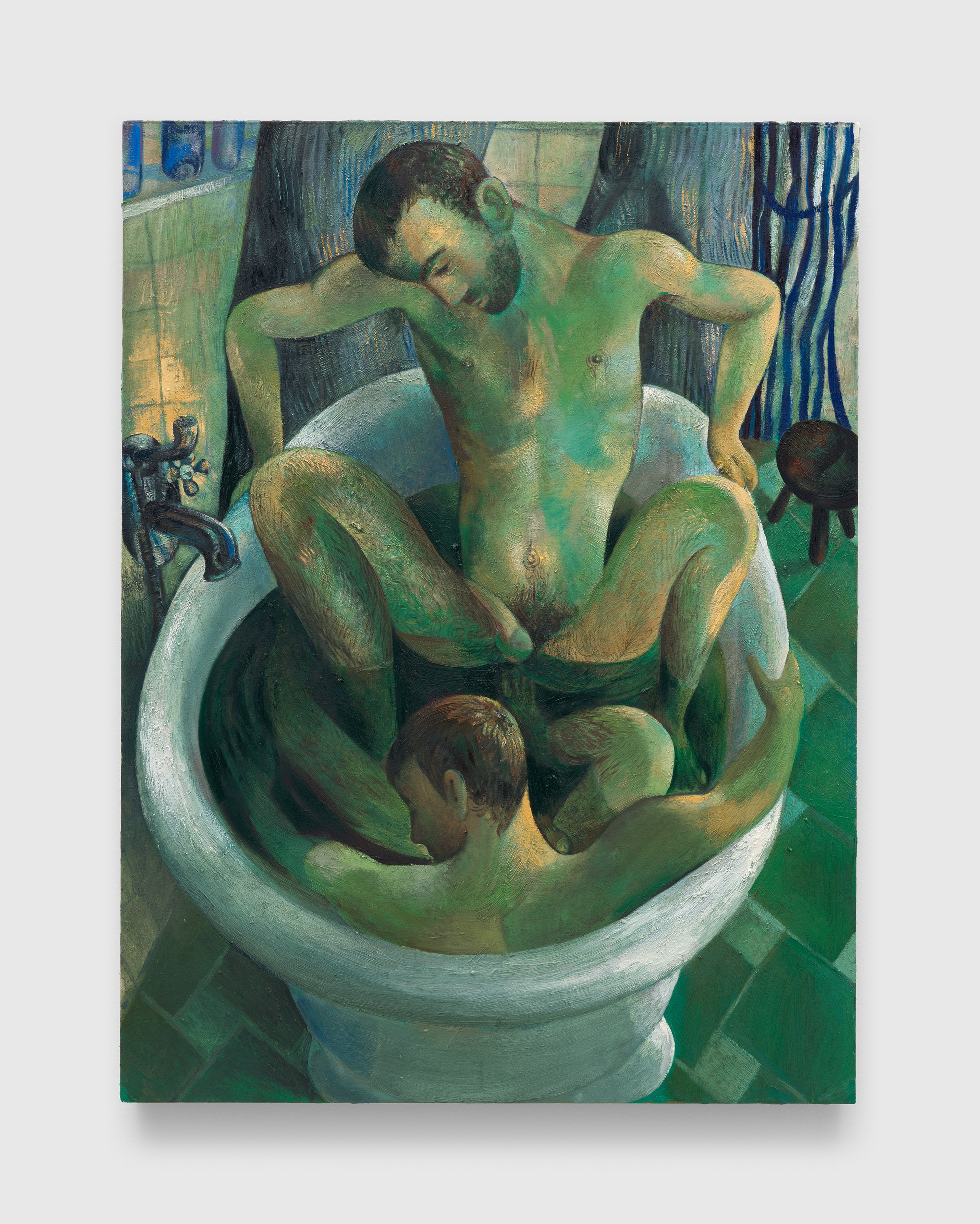
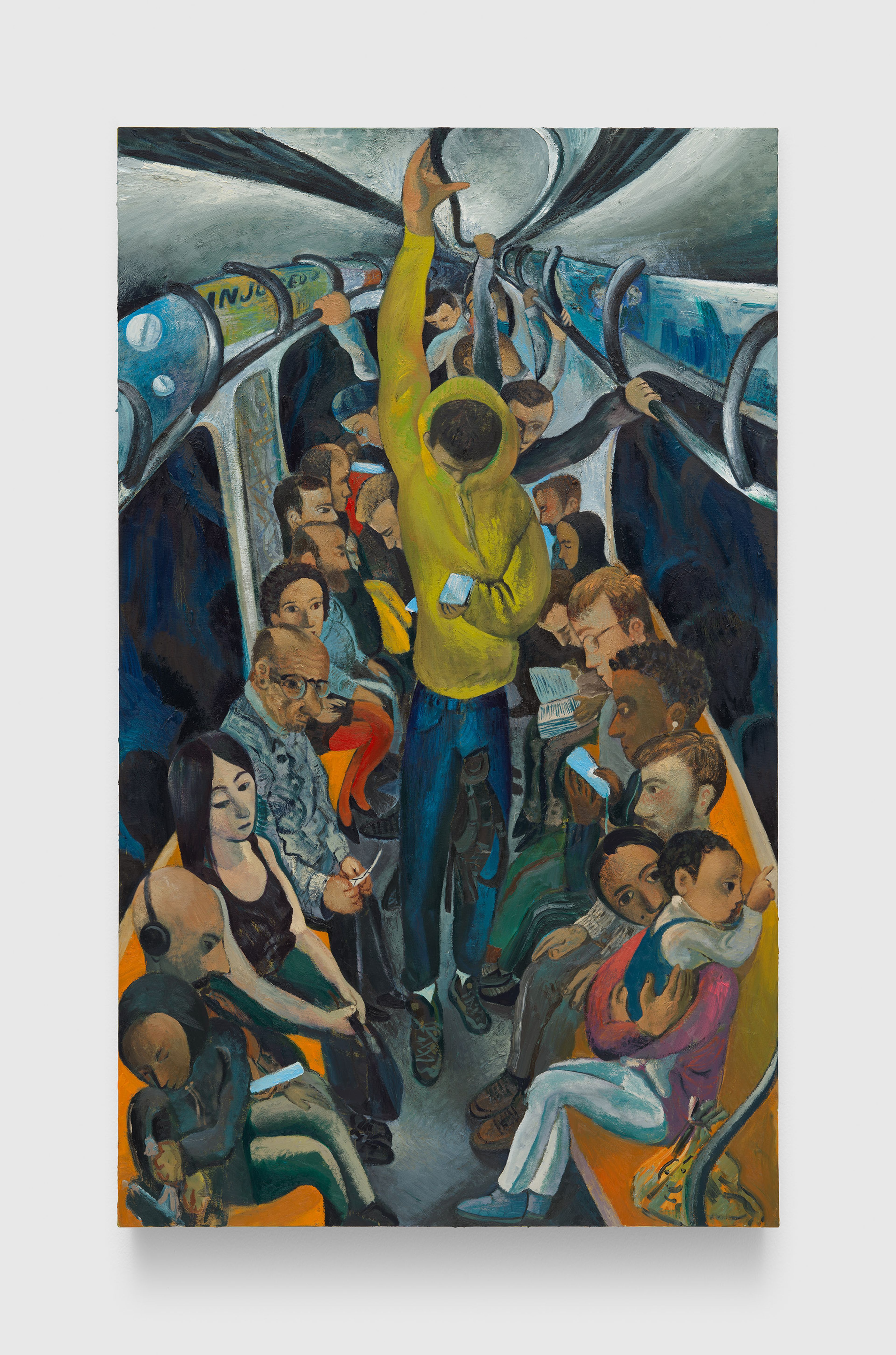
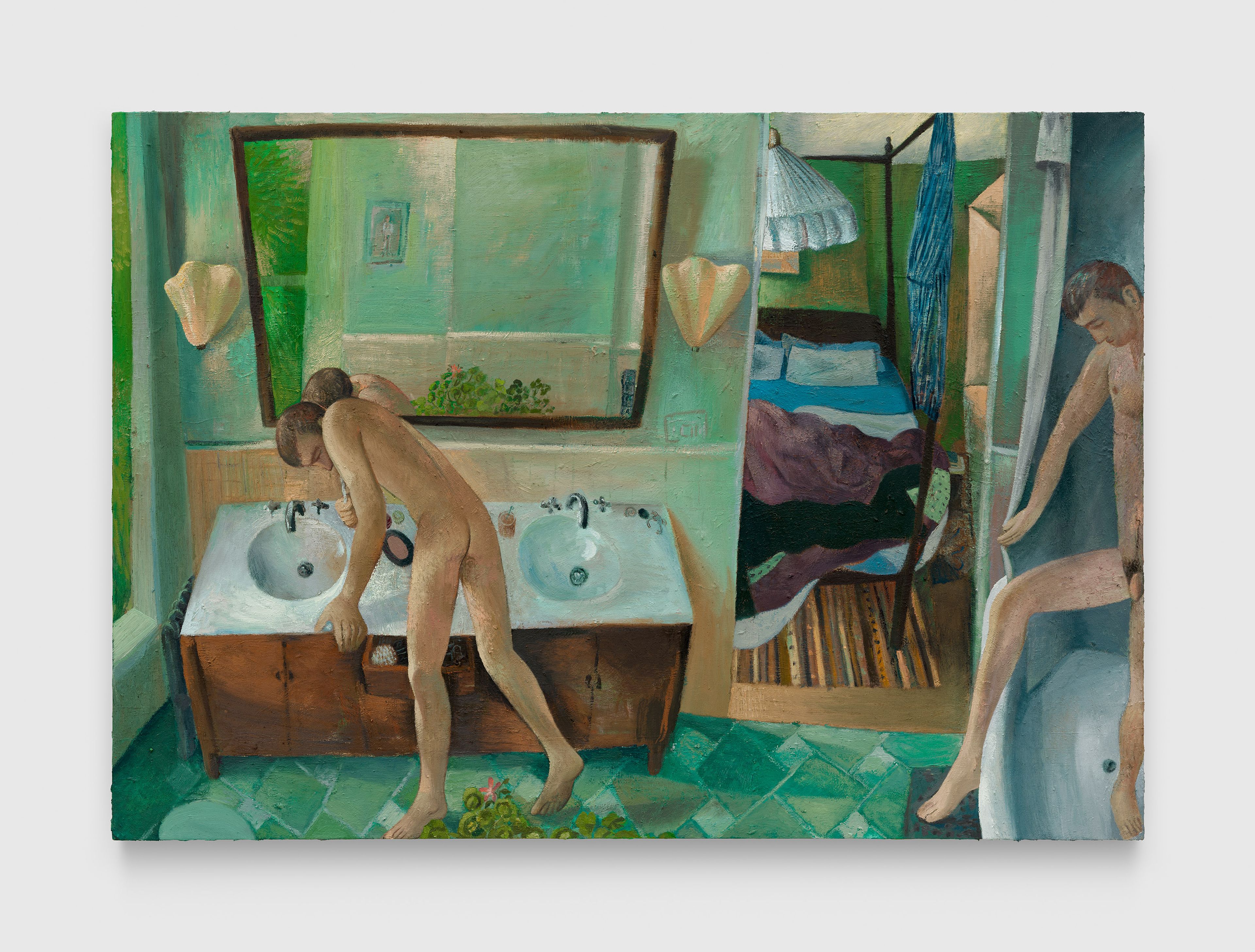
The exhibition’s title, Prose, evokes the familiar details, encounters, and routines that provide the substance of daily life, while also gesturing toward the literary qualities of Fratino’s paintings. The green bath (2026) and The subway car (2026) each depict forms of quotidian intimacy: in the former, sensuality emerges through the domestic familiarity of two bodies sharing a bath; in the latter, fleeting physical closeness arises between strangers brought together in the shared spaces of the city.

“Fratino holds prosaic subjects up to the light to reveal how our loves, our secrets, our senses of self are contained in the little moments of daily life: the weeds in the yard, the seashells lined up on a windowsill, or the dirty dishes in the sink.”

—Virginia M. G. Anderson, curator, Baltimore Museum of Art
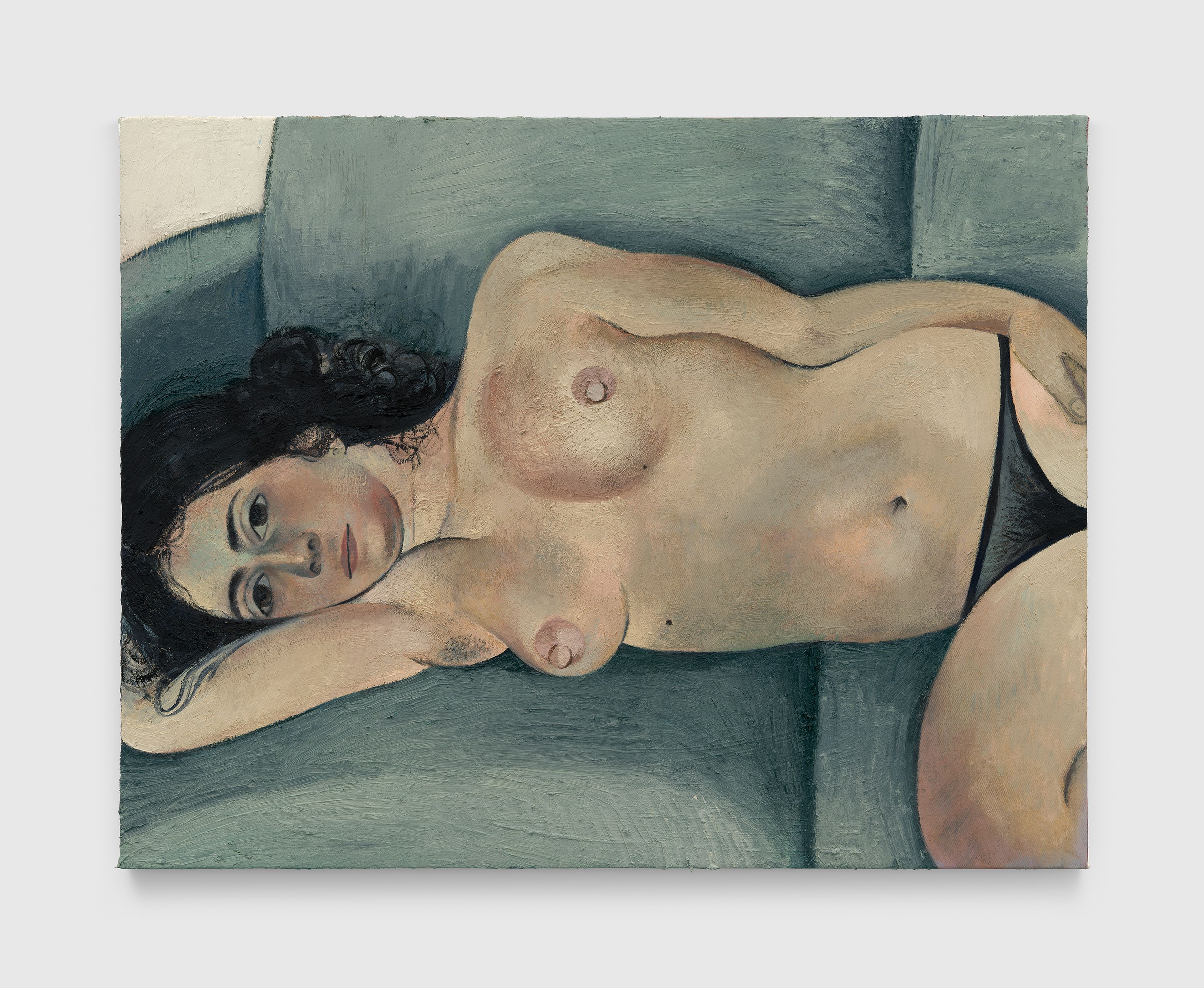
These contrasting settings—one private, one communal—reflect Fratino’s interest in the ways bodies inhabit and respond to their environments. Elsewhere, Chrissie (2026) and The female nude (2026) extend this attention to the female subject. In the latter, a topless woman reclines on a sofa, invoking the art-historical tradition of the female nude while challenging its conventions. Seen through Fratino’s gaze, the sitter is rendered with a familiarity and tenderness that privileges presence over seduction.

“Fratino’s domestic microcosm seems to teem with writings and writers, and yet his figures, those totems of uncouth tenderness, rarely tell a story or present a neat plot of actions. Rather, they are an expression of the static and absolute moment of an epiphany.”

—Chiara Portesine, researcher and writer
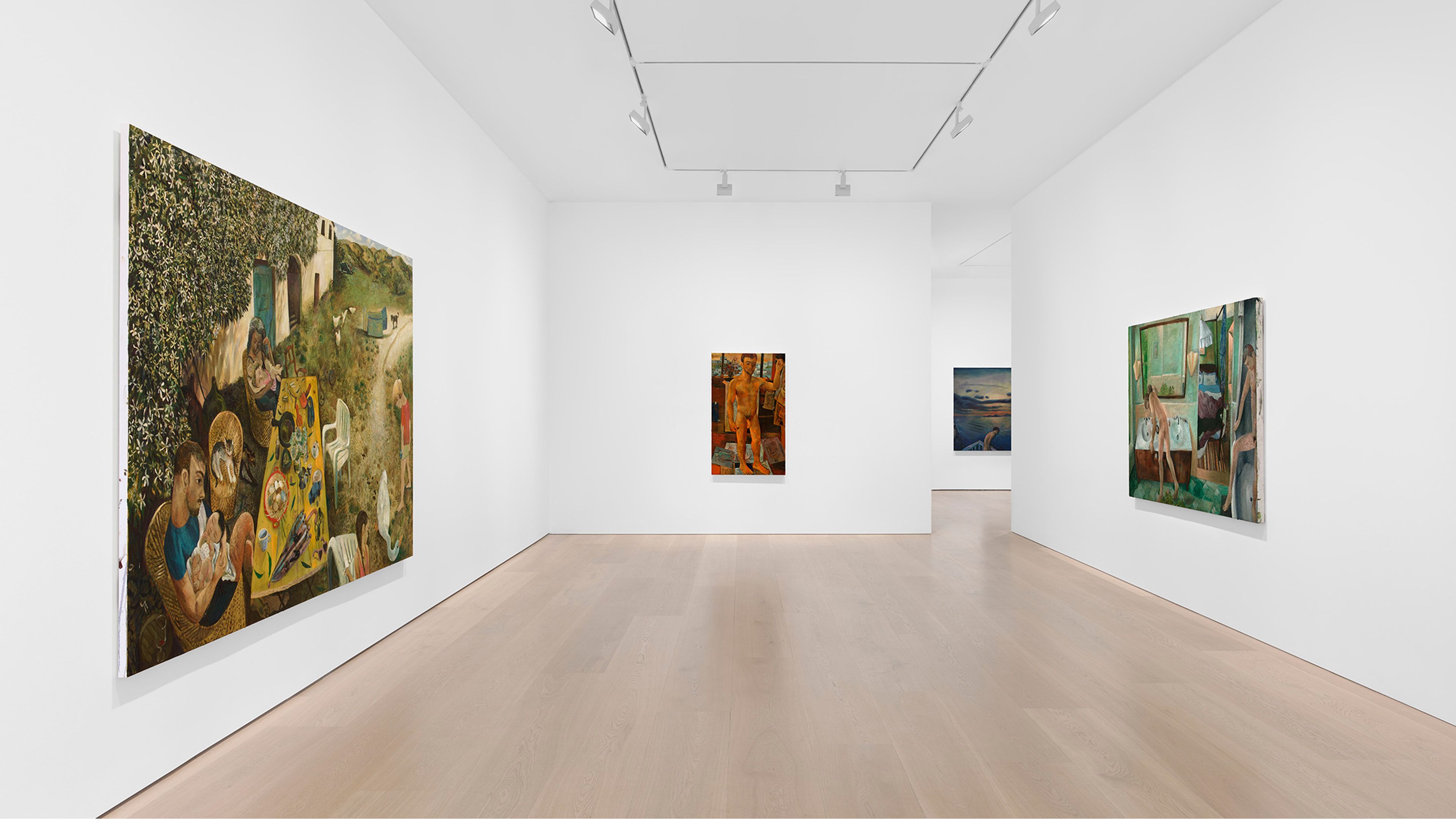
Installation view, Louis Fratino: Prose, David Zwirner, London, 2026
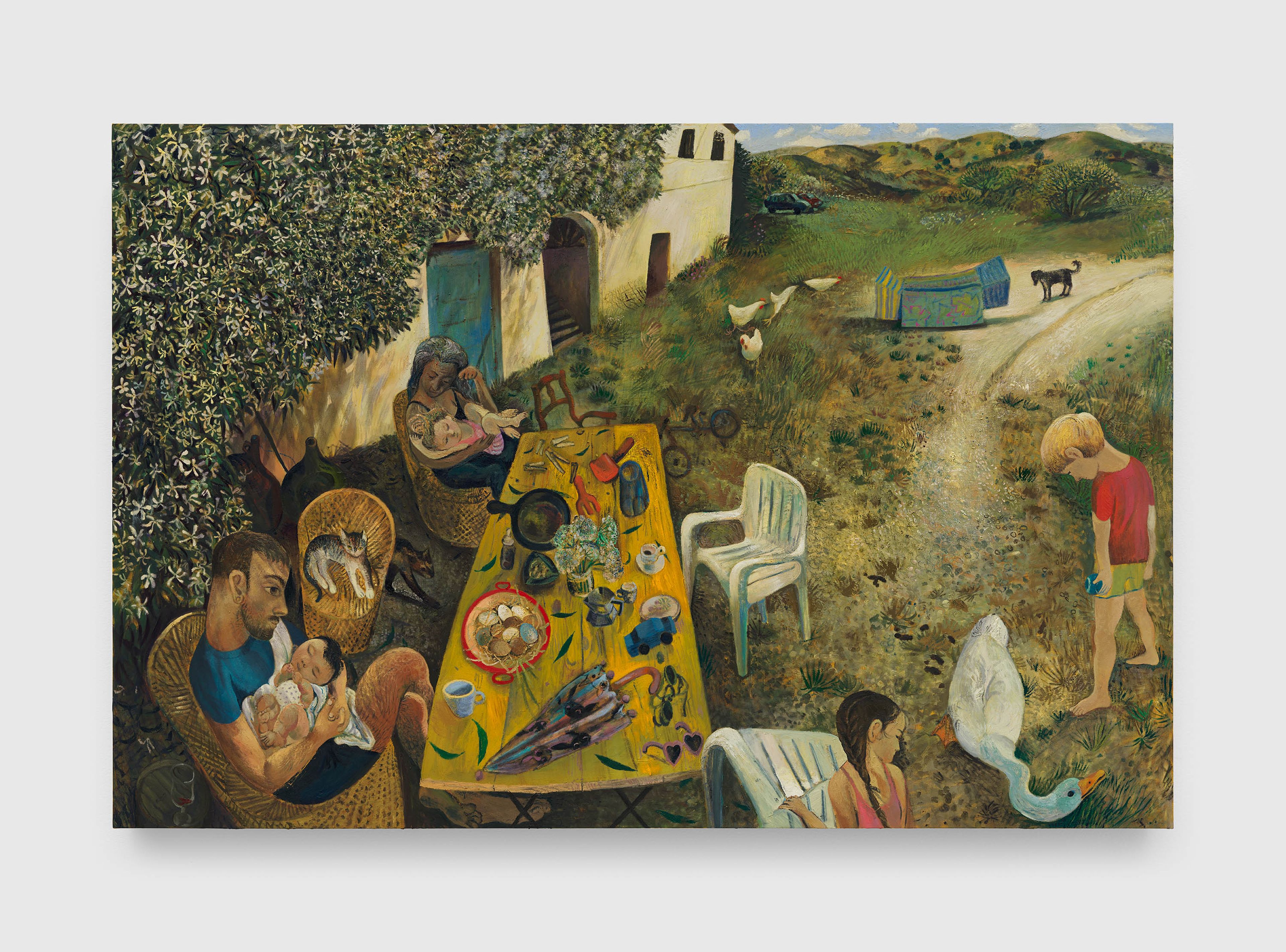
Fratino’s paintings frequently connect personal relationships with a broader sense of place and belonging. In Jasmine (2026), a centerpiece of the exhibition, family life unfolds amid a charming disorder of children, animals, and everyday objects set against the beauty of the surrounding landscape. Fratino attends to the incidental bonds and acts of care that structure these relationships, from tending to an infant or an animal to the simple, mundane warmth of sharing space with family.

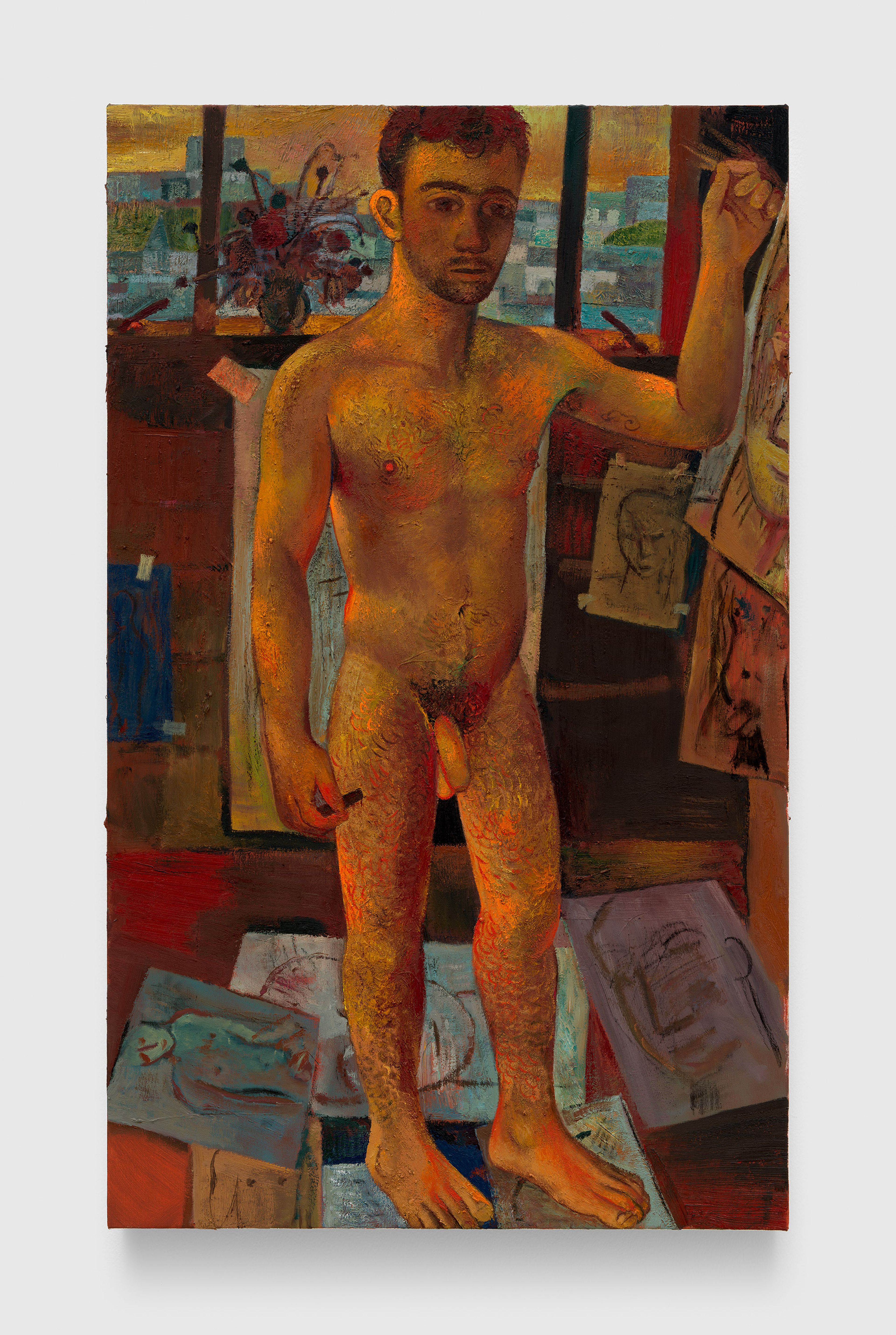
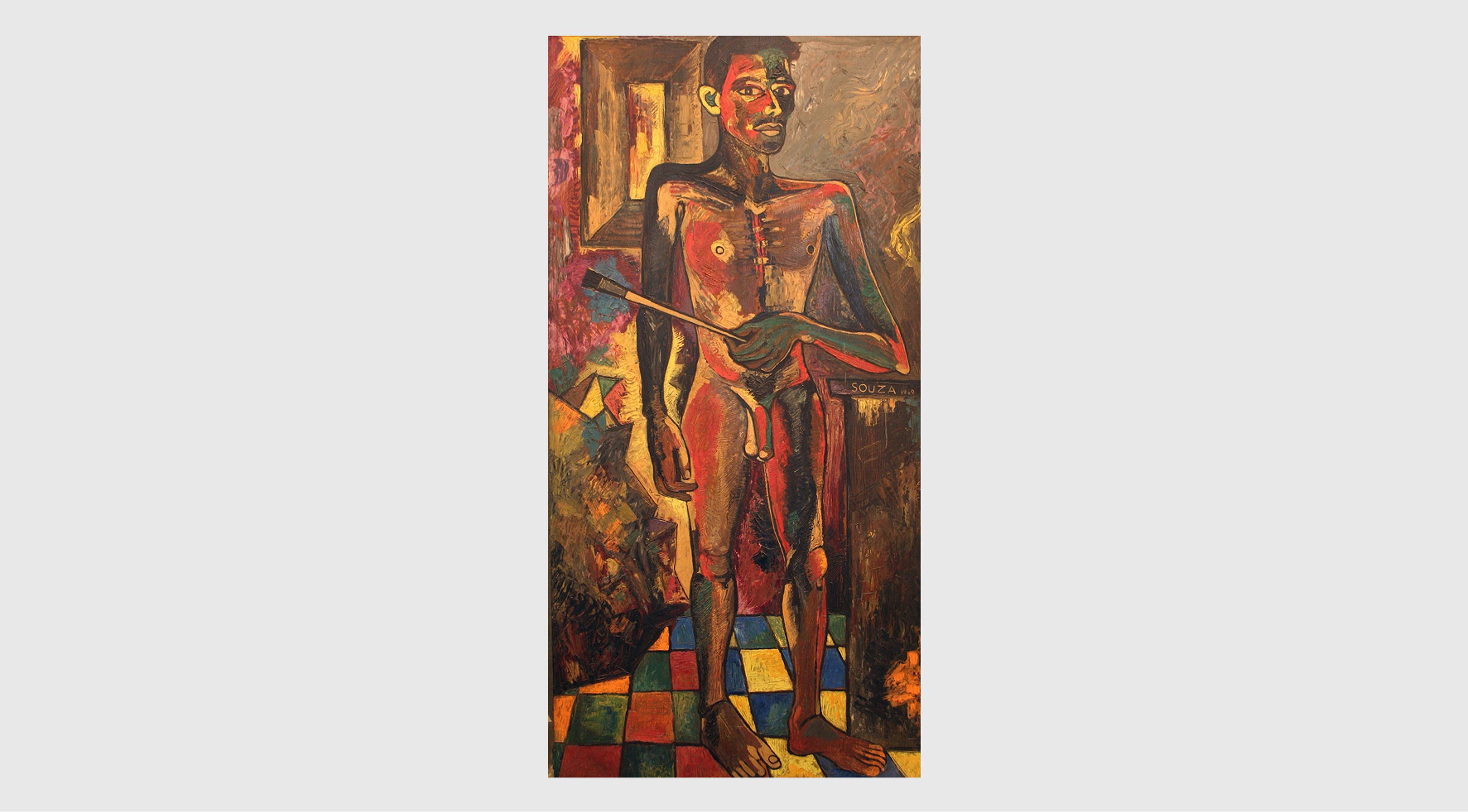
In Self-portrait in studio (after F. N. Souza) (2026), Fratino turns his attention to his own position as a painter, reflecting on artistic identity, process, and inheritance. Just as Souza and his modernist contemporaries drew on their predecessors to develop visual languages of their own, Fratino looks to painters of the past for strategies to engage with the present. The work forms part of his wider engagement with the histories and possibilities of painting, which he approaches as a living and continually evolving form.

F. N. Souza, Self-Portrait, 1949. Courtesy Asia Society Museum. © Estate of Francis Newton Souza

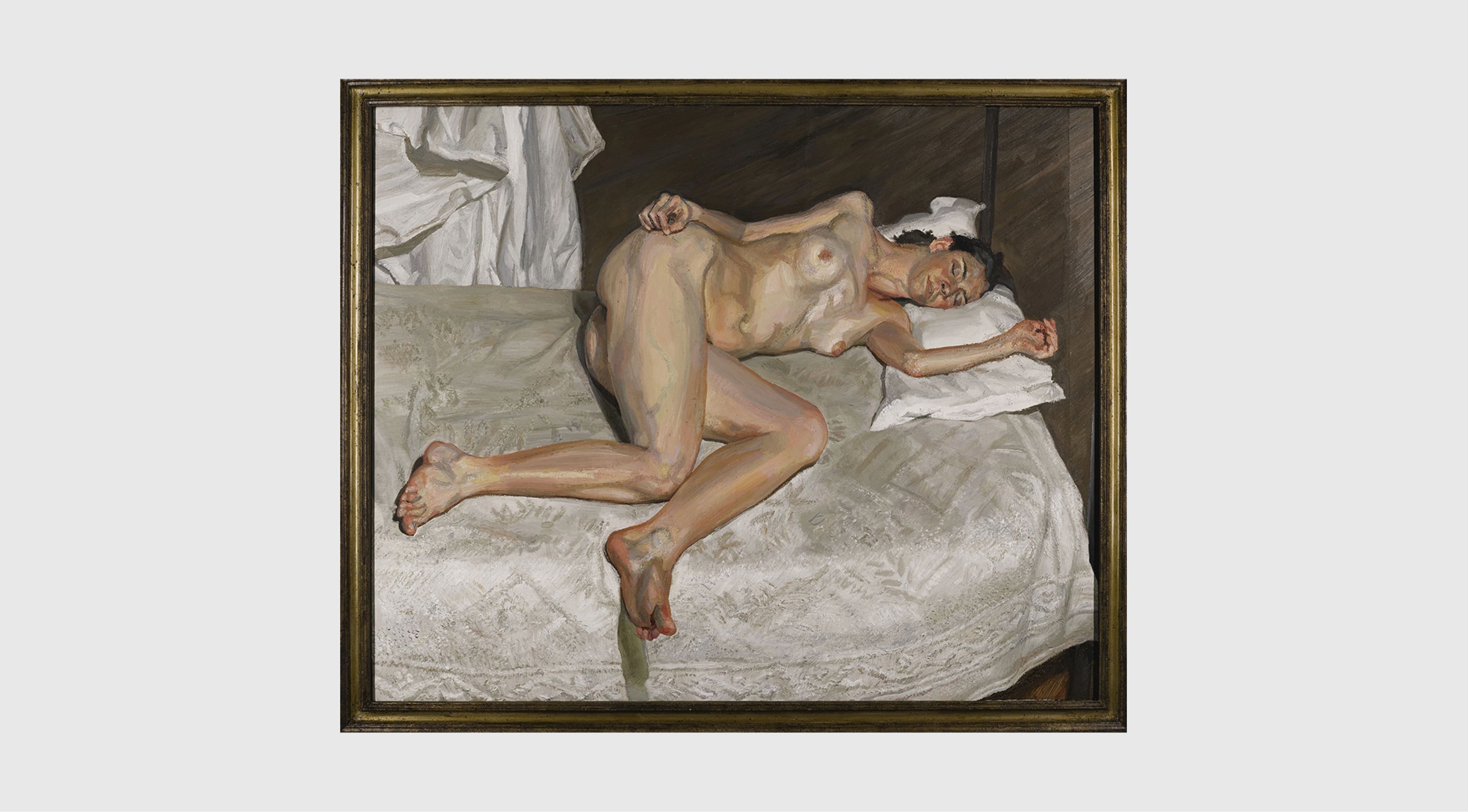
Lucian Freud, Portrait on a White Cover, 2002–2003. Courtesy Sotheby’s. © Lucian Freud Archive

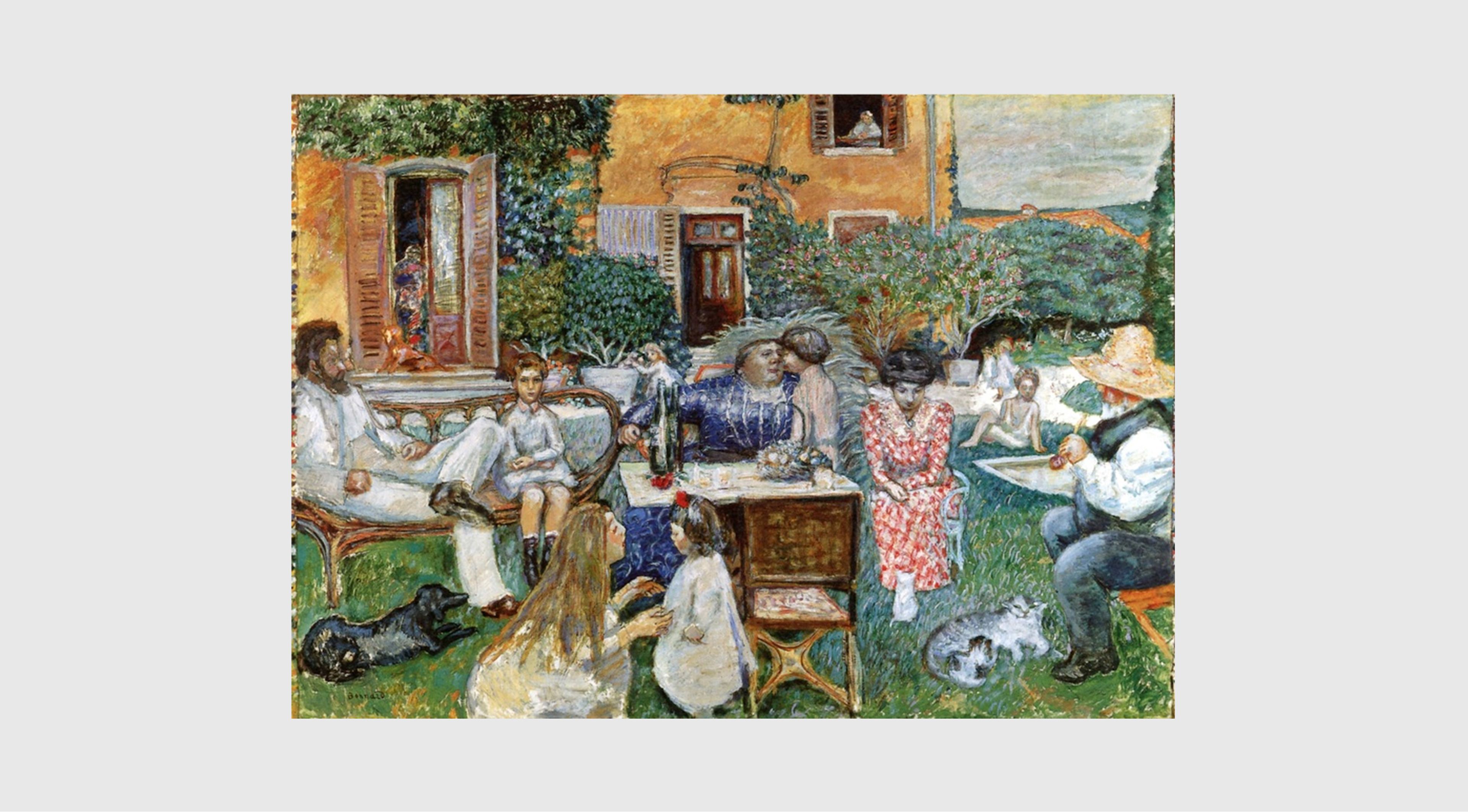
Pierre Bonnard, L’Après-midi bourgeoise, 1900. Collection Musée d’Orsay, Paris


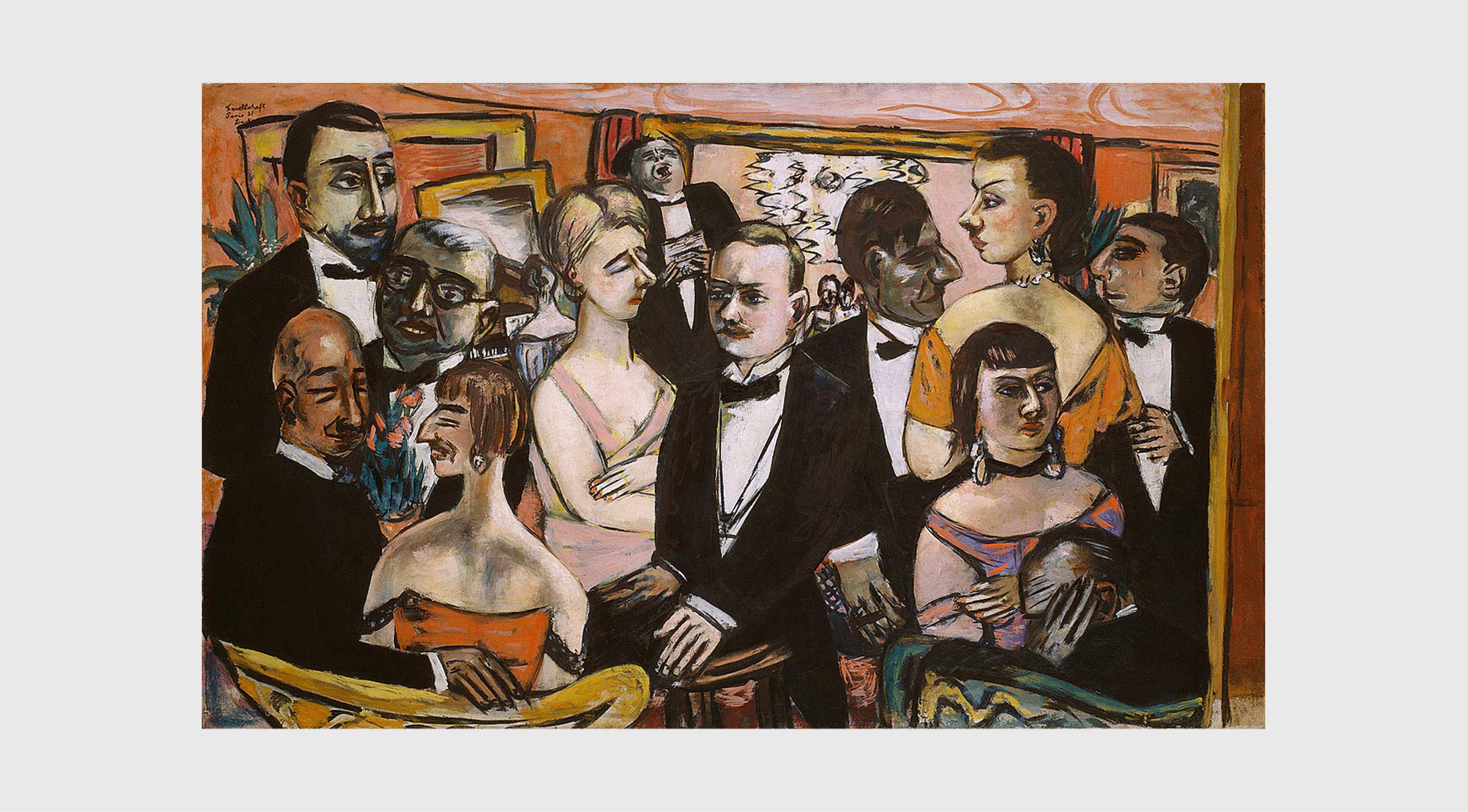
Max Beckmann, Paris Society, 1931. Collection Solomon R. Guggenheim Museum, New York. © 2026 Artists Rights Society (ARS), New York/VG Bild-Kunst, Bonn


“Shunning ideological schemati­zations and forced categorizations, [Fratino] has discovered an unexpected kinship, rooted in forms of emotional and intel­lectual affinity, with apparently remote figures of the past, but ones who, like him, were drawn to the beauty of their subjects and their bodies, showing their care for it in their painting.”

—Giorgio Di Domenico, art historian and research fellow

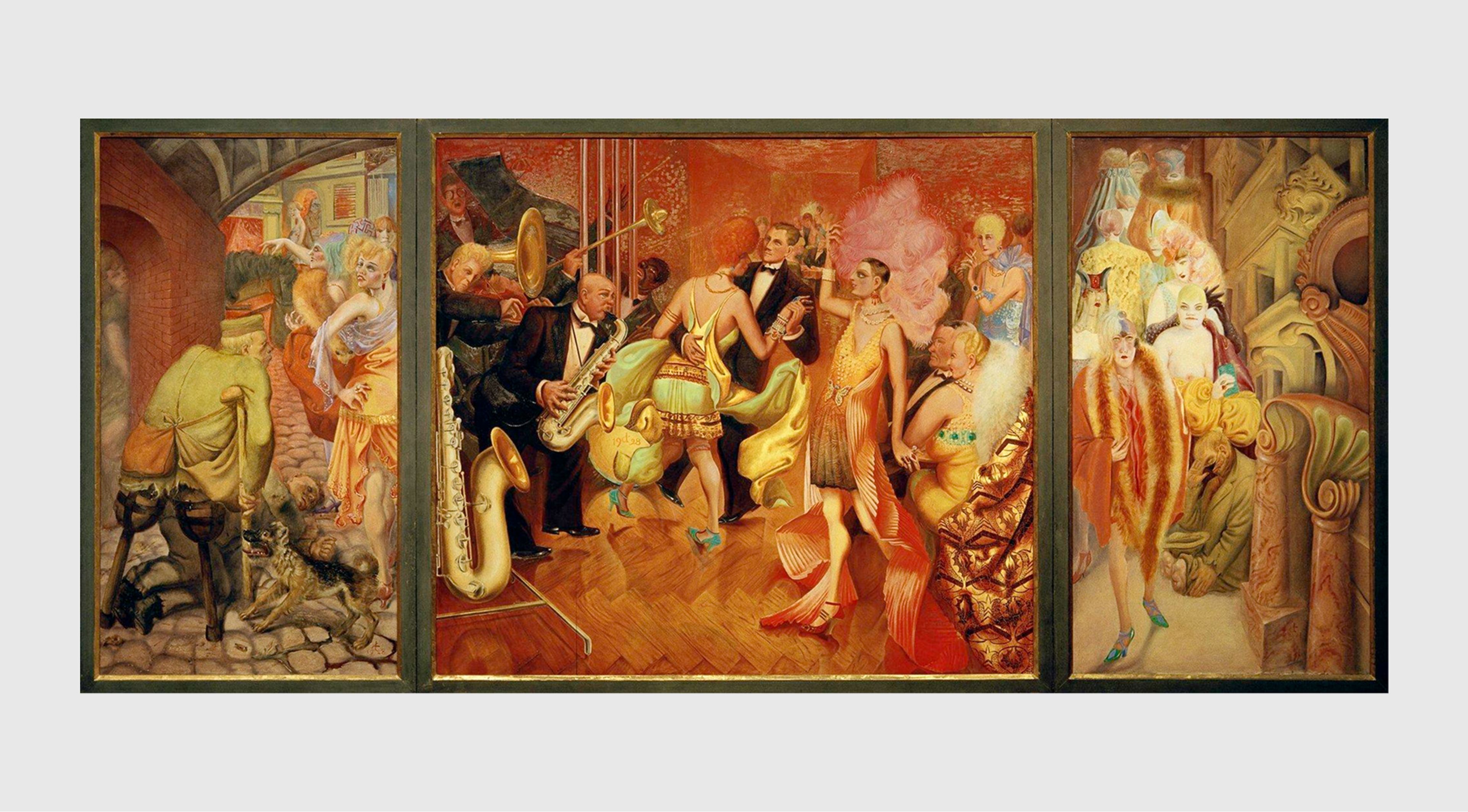
Otto Dix, Metropolis,1927–1928. Collection Kunstmuseum Stuttgart. © Otto Dix Estate

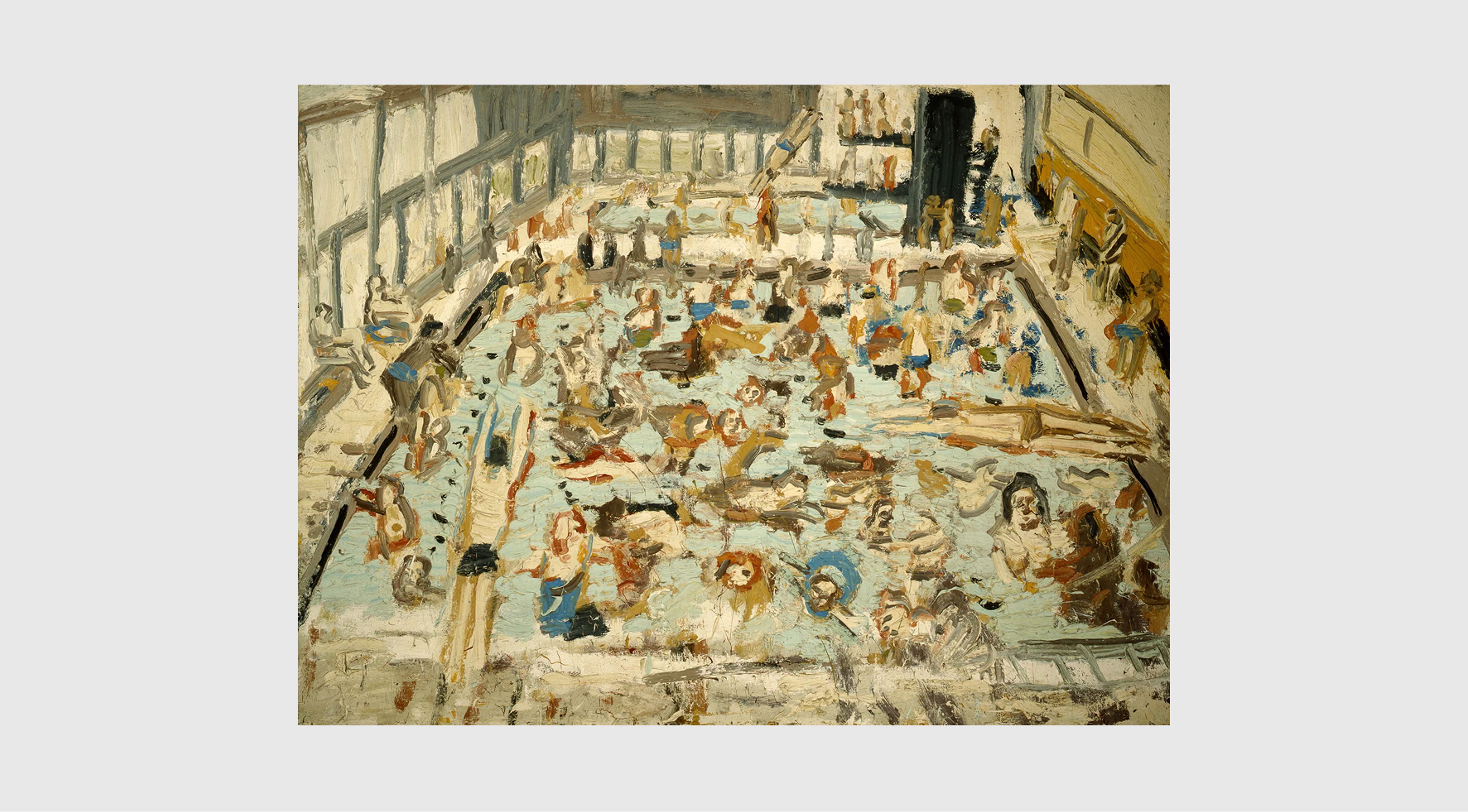
Leon Kossoff, Children’s Swimming Pool, 11 O’Clock Saturday Morning, 1969. Courtesy Annely Juda Fine Art. © Leon Kossoff Estate

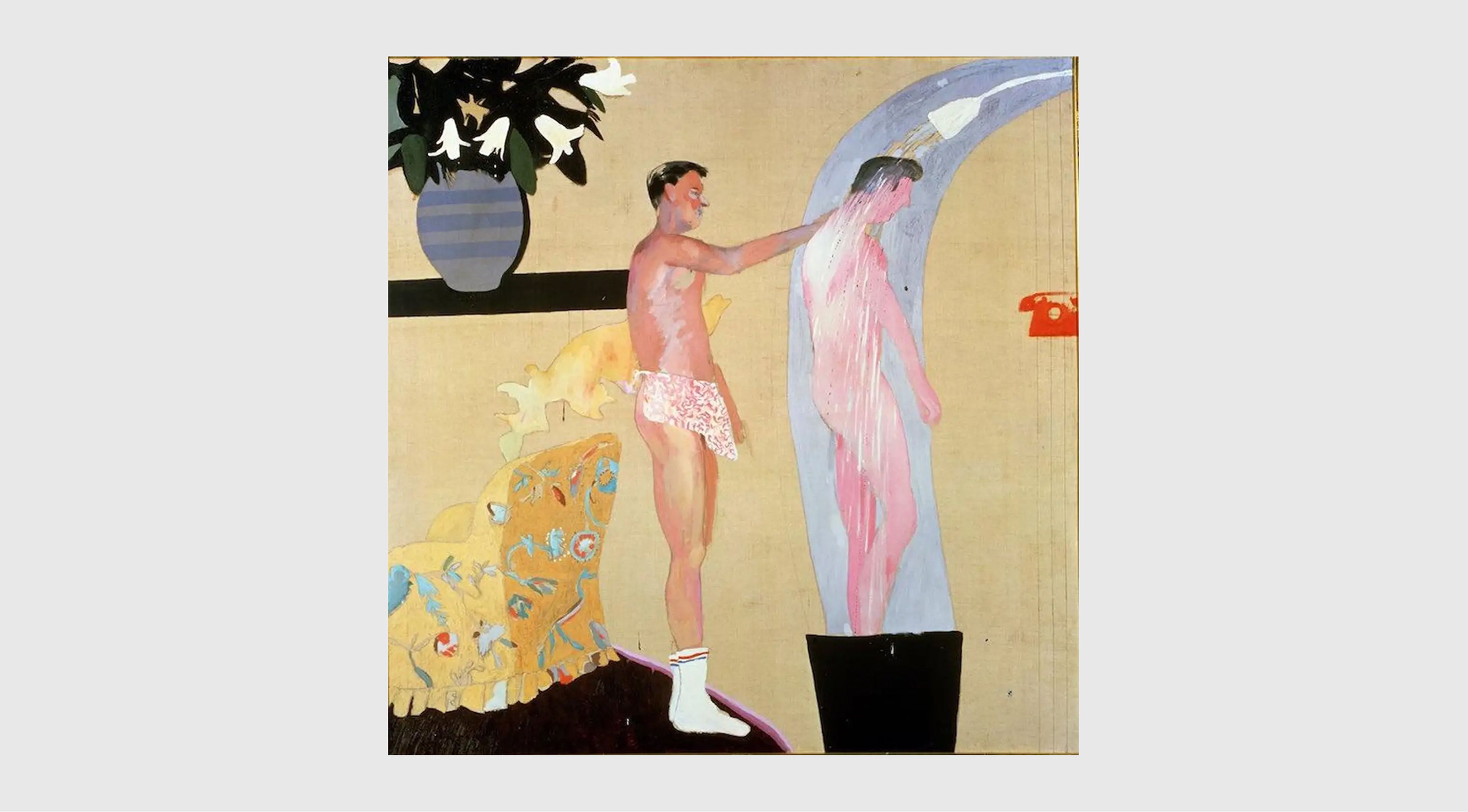
David Hockney, Domestic Scene, Los Angeles, 1963. Courtesy Sotheby’s. © Estate of David Hockney

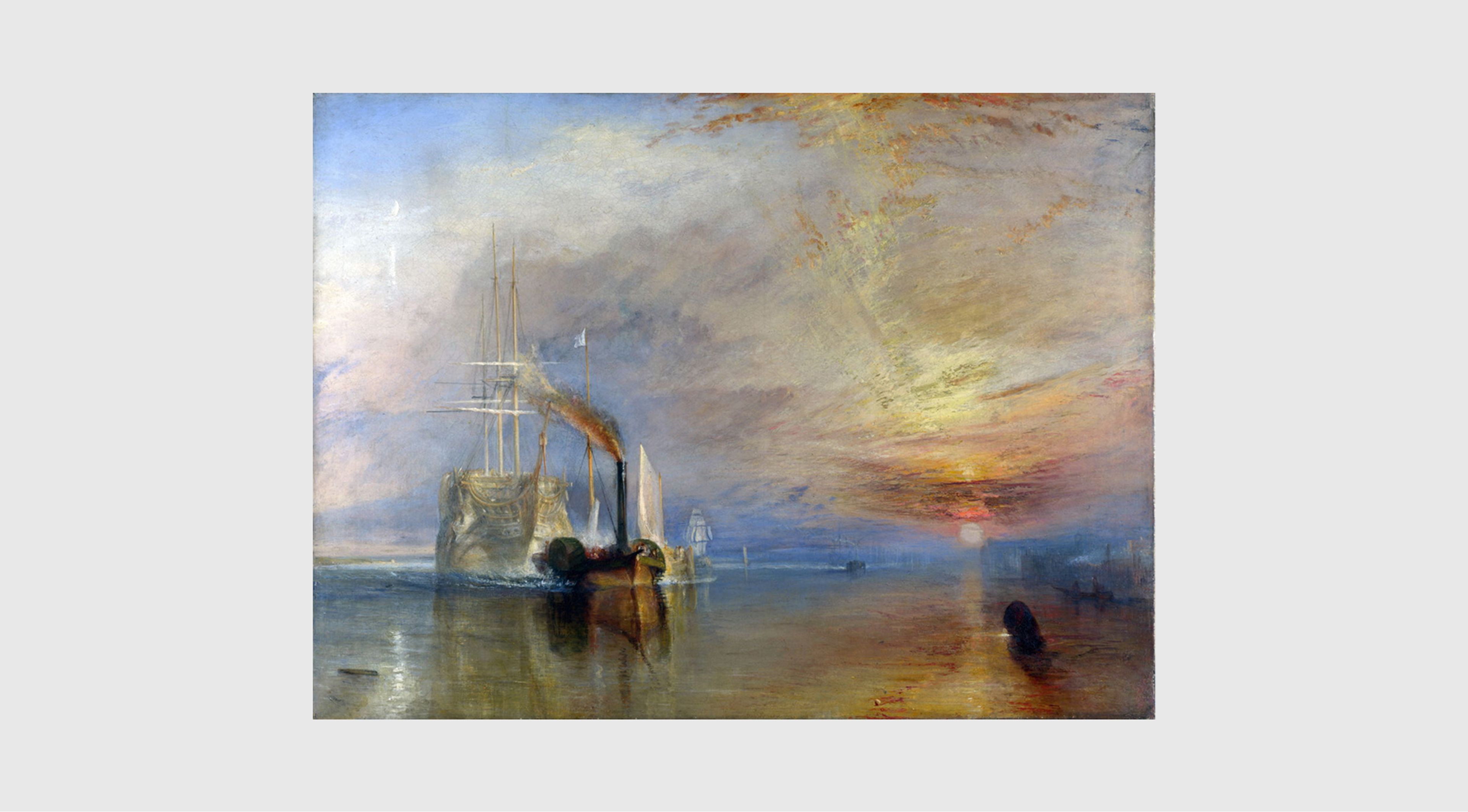
J. M. W. Turner, The Fighting Temeraire, 1839. Collection The National Gallery, London


In pursuing this correspondence across time, Fratino affirms the living memory of painting as essential to the medium’s continued development. The works in Prose operate in two directions at once: on the one hand, they approach some of art history’s most enduring subjects through Fratino’s distinctive contemporary lens; on the other, they give pictorial form to scenes and experiences for which no inherited image quite exists.

Fratino finds new visual metaphors for the intimacies and encounters of contemporary life, carving out pictorial territory that can feel surprisingly unexplored within the long history of the medium. In this exchange between inheritance and invention, painting becomes not only a means of renewing familiar subjects, but of creating images that might alter its visual vocabulary.

At a moment when images circulate with ever greater speed and frictionlessness, Fratino’s paintings insist on the value of slowness, materiality, and attention. Their richness lies not only in what they depict, but in what they reveal of their maker: someone who has touched, looked, desired, lived, remembered.

Installation view, Louis Fratino: Prose, David Zwirner, London, 2026
“There would never be too much said about the human form or our daily lives. I feel like I’m bearing witness to how great it is to see and to feel and to touch, and that’s definitely enough.”

—Louis Fratino
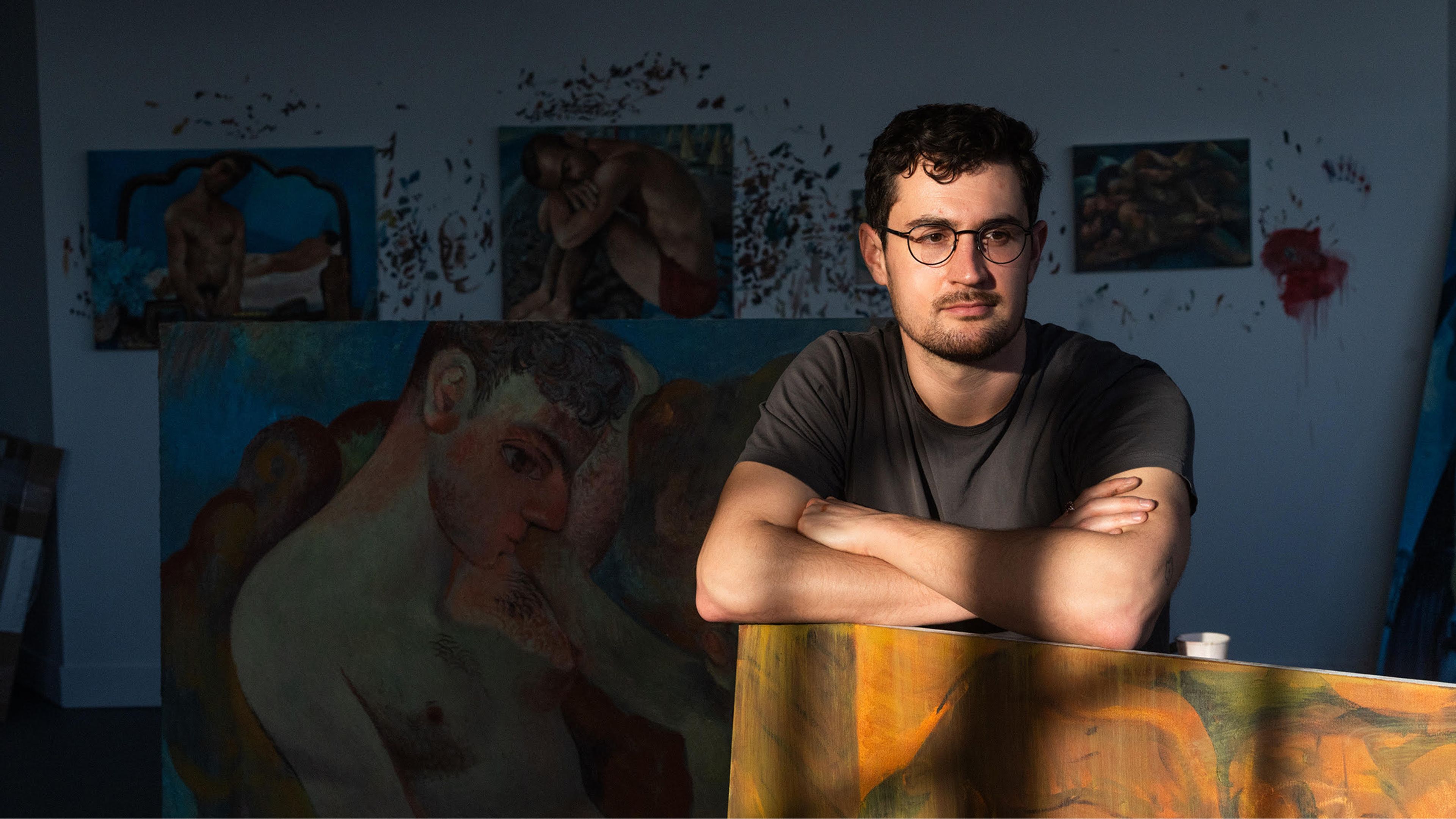
Louis Fratino, 2025. Photo by Jordan Weitzman

Black background, no image

Request more information