California Light and Space (The 21st Century Version)
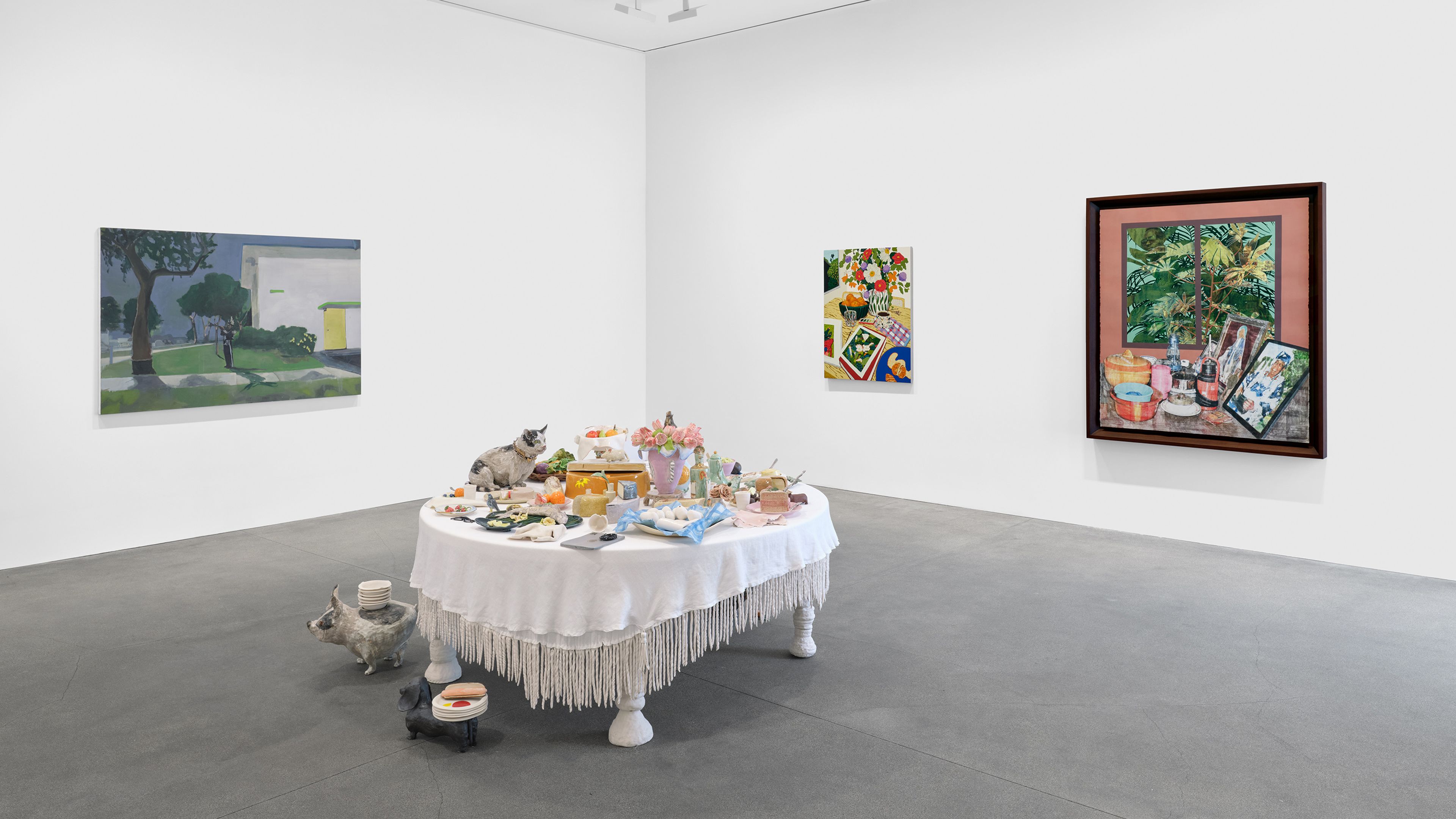
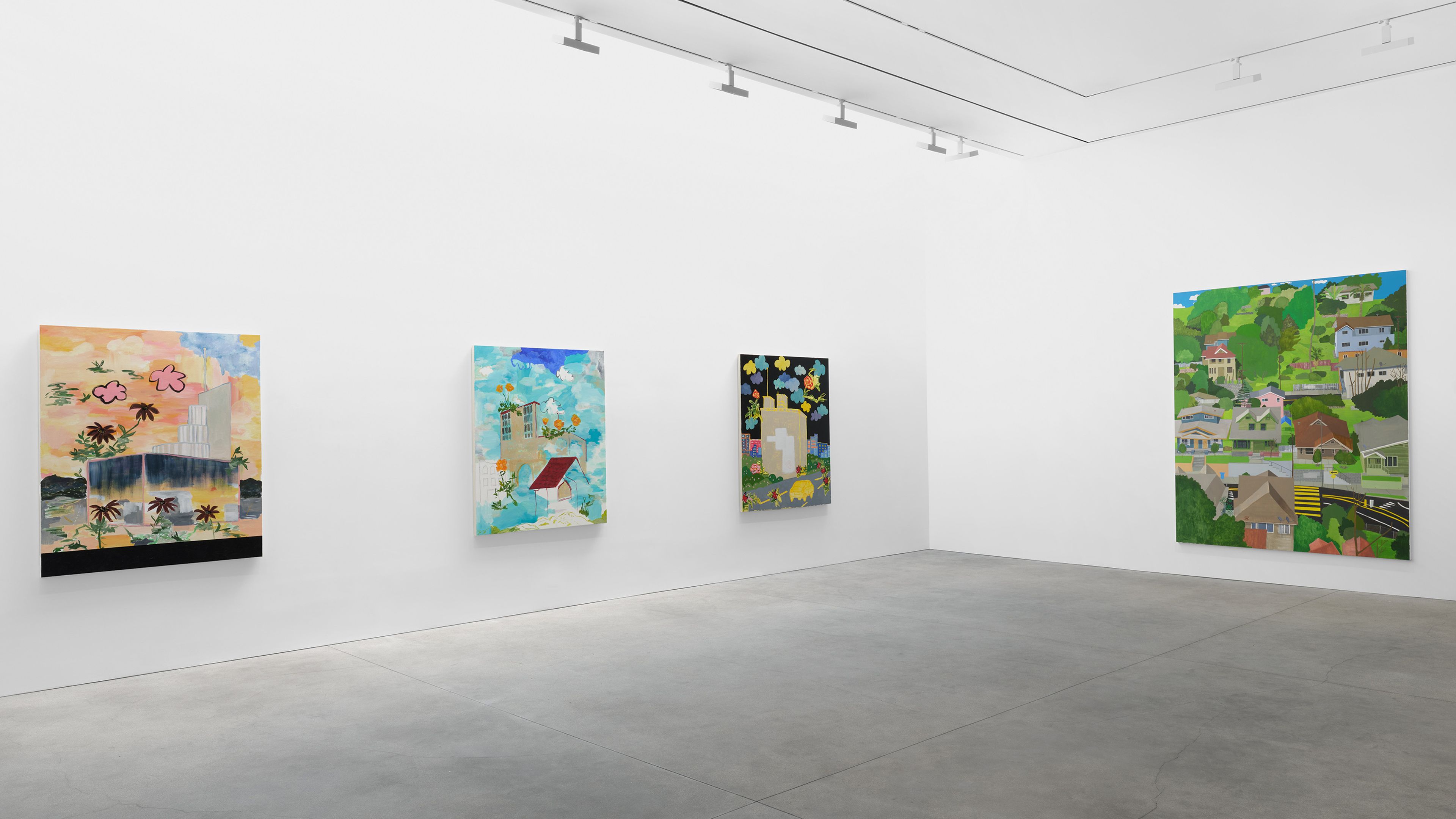
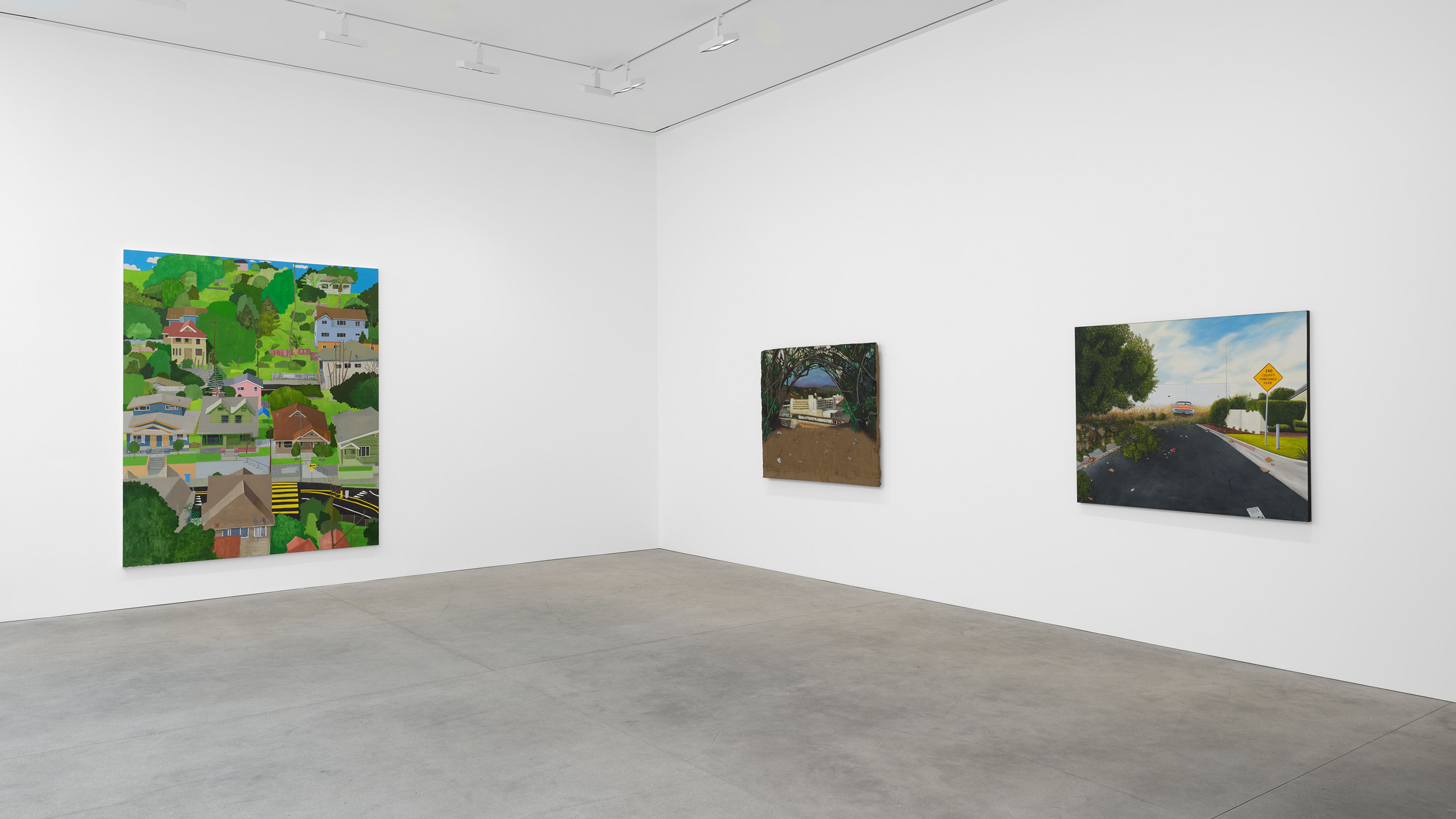
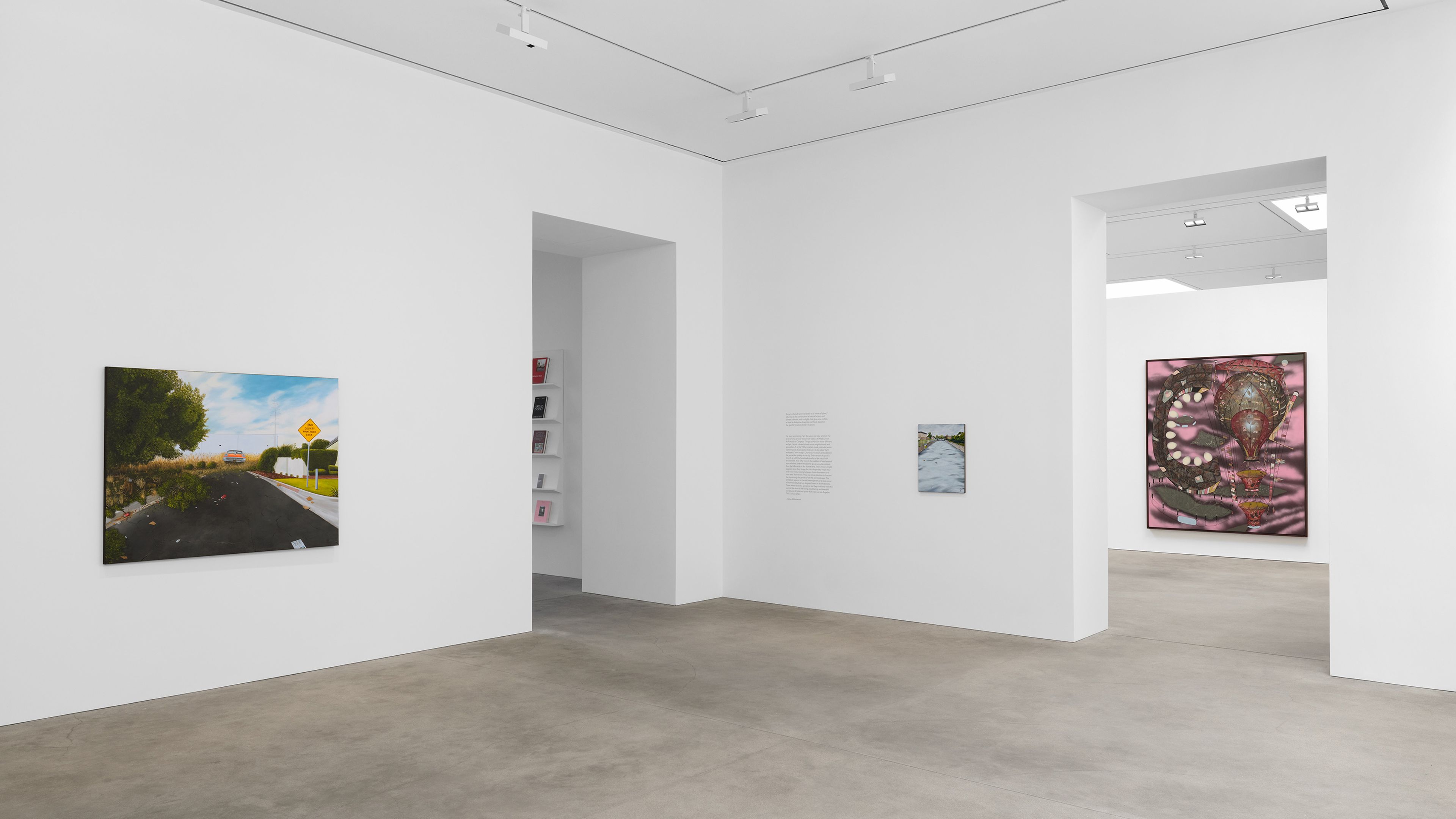
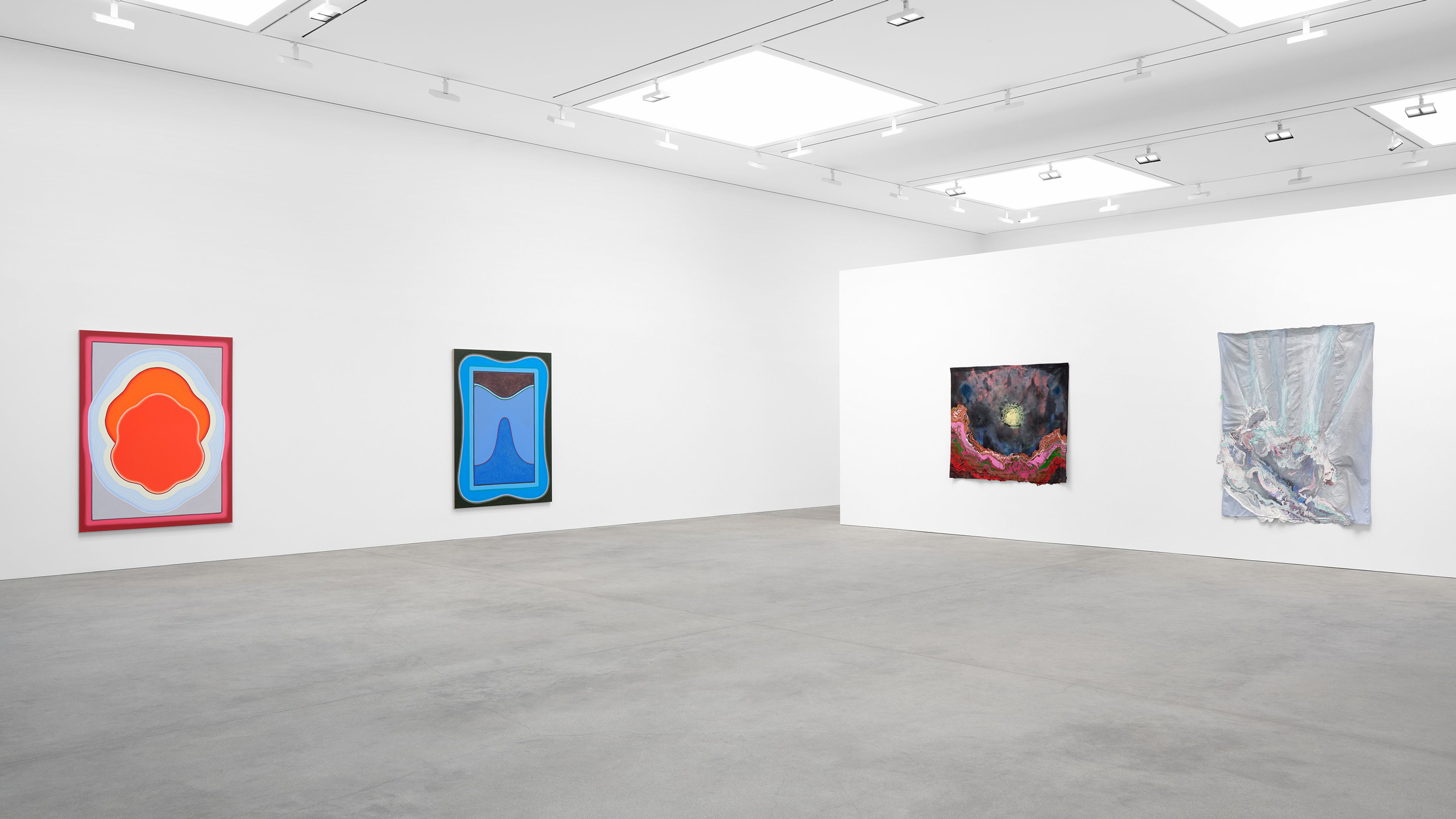
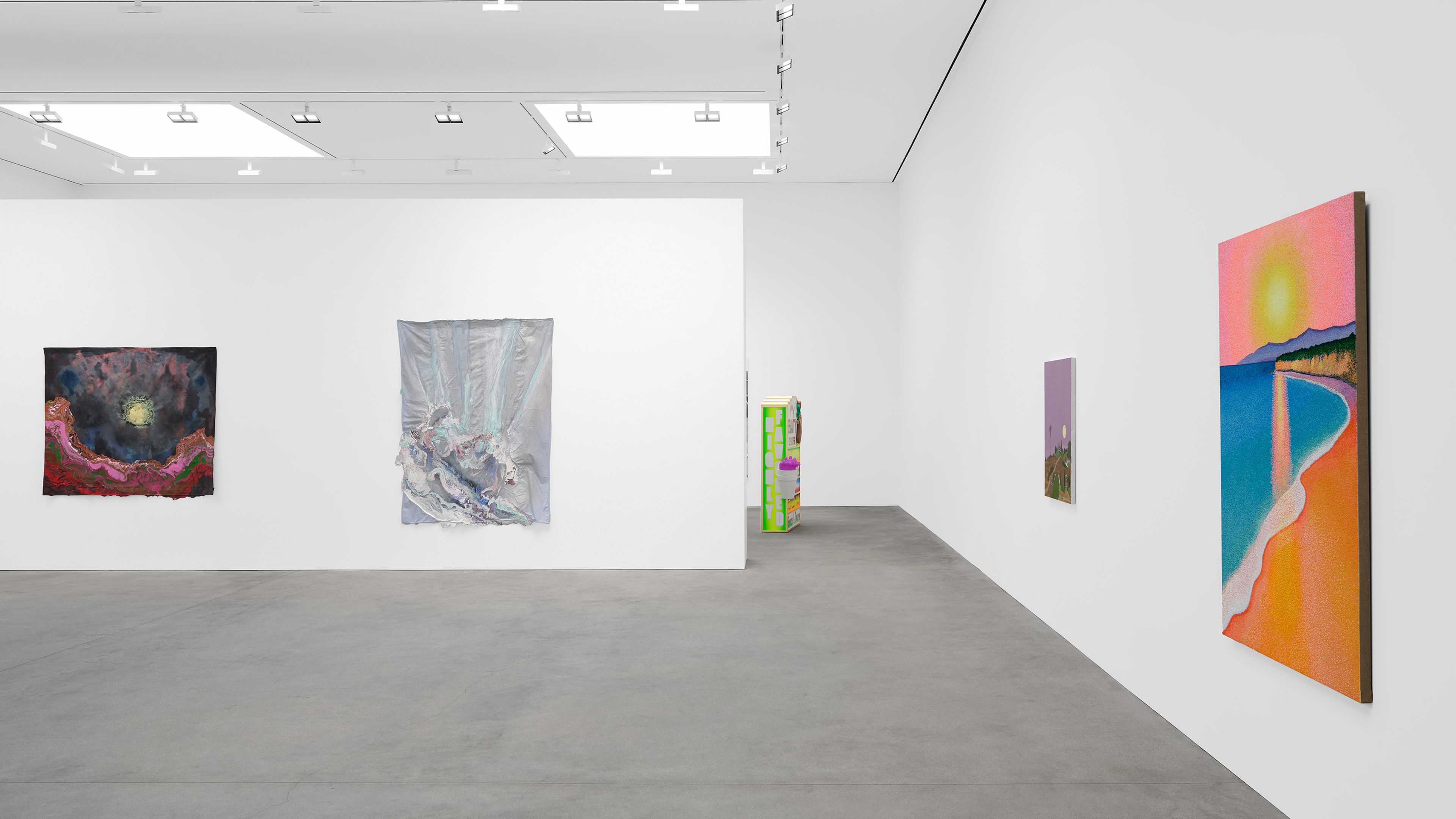
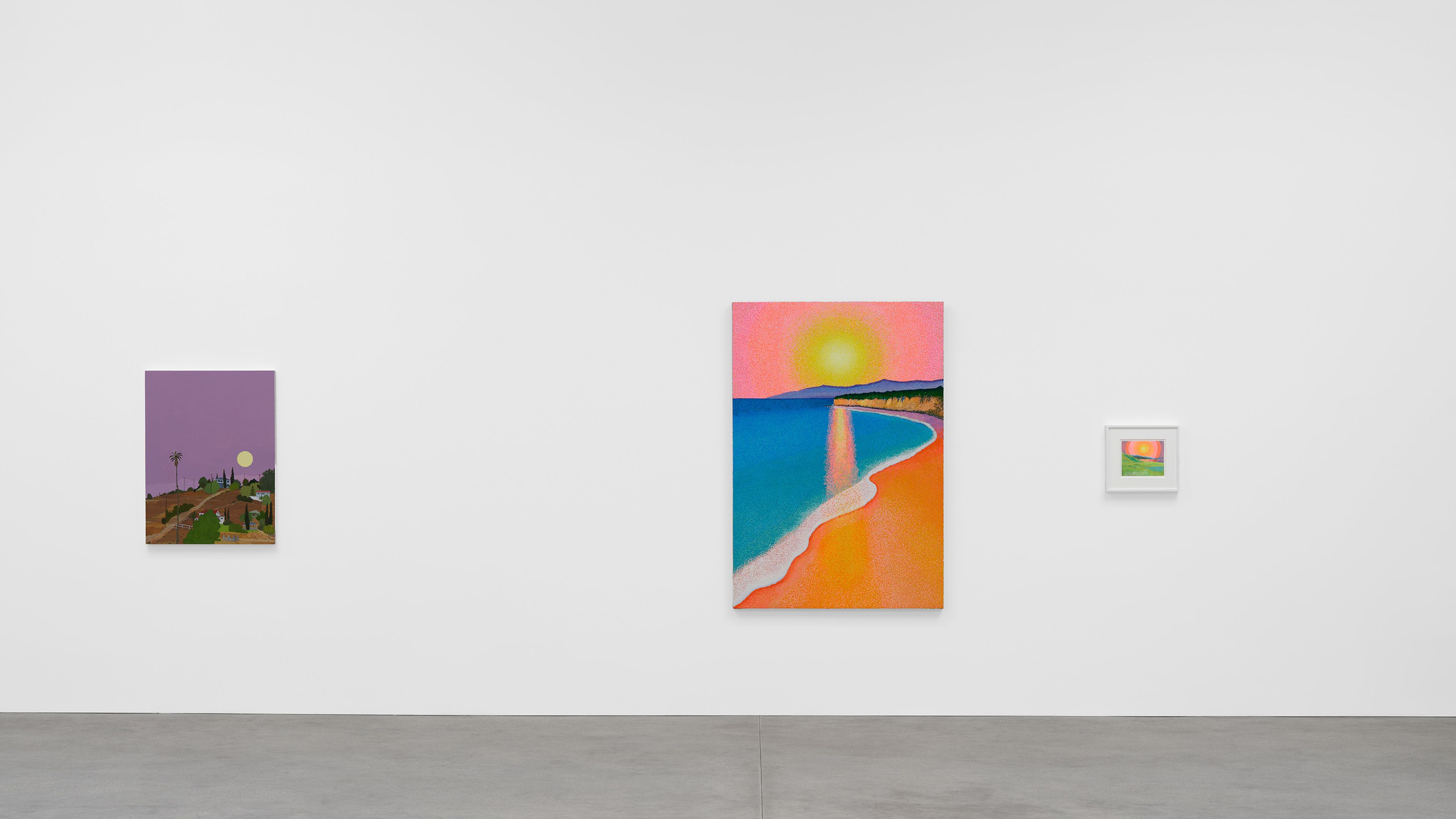
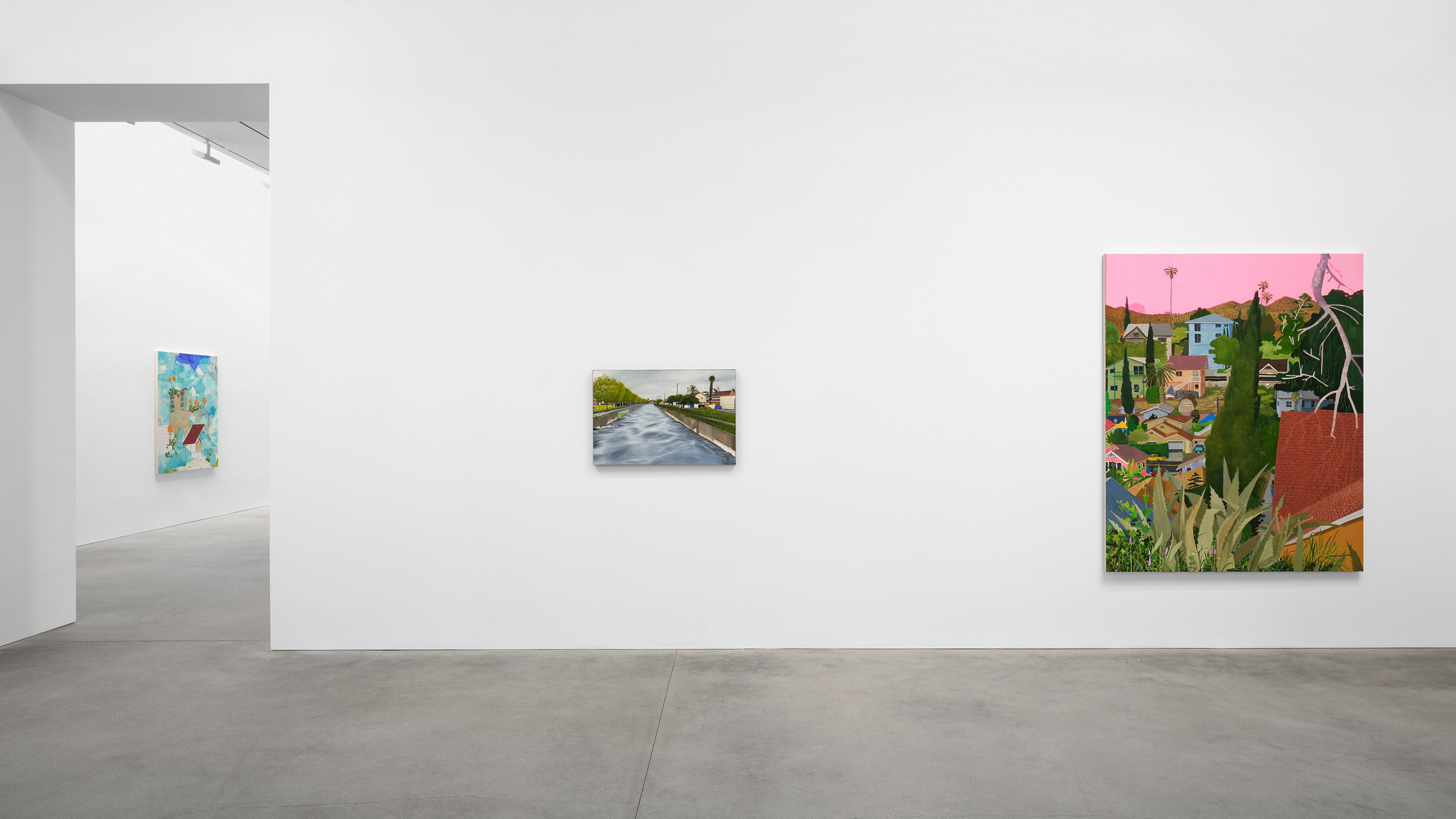
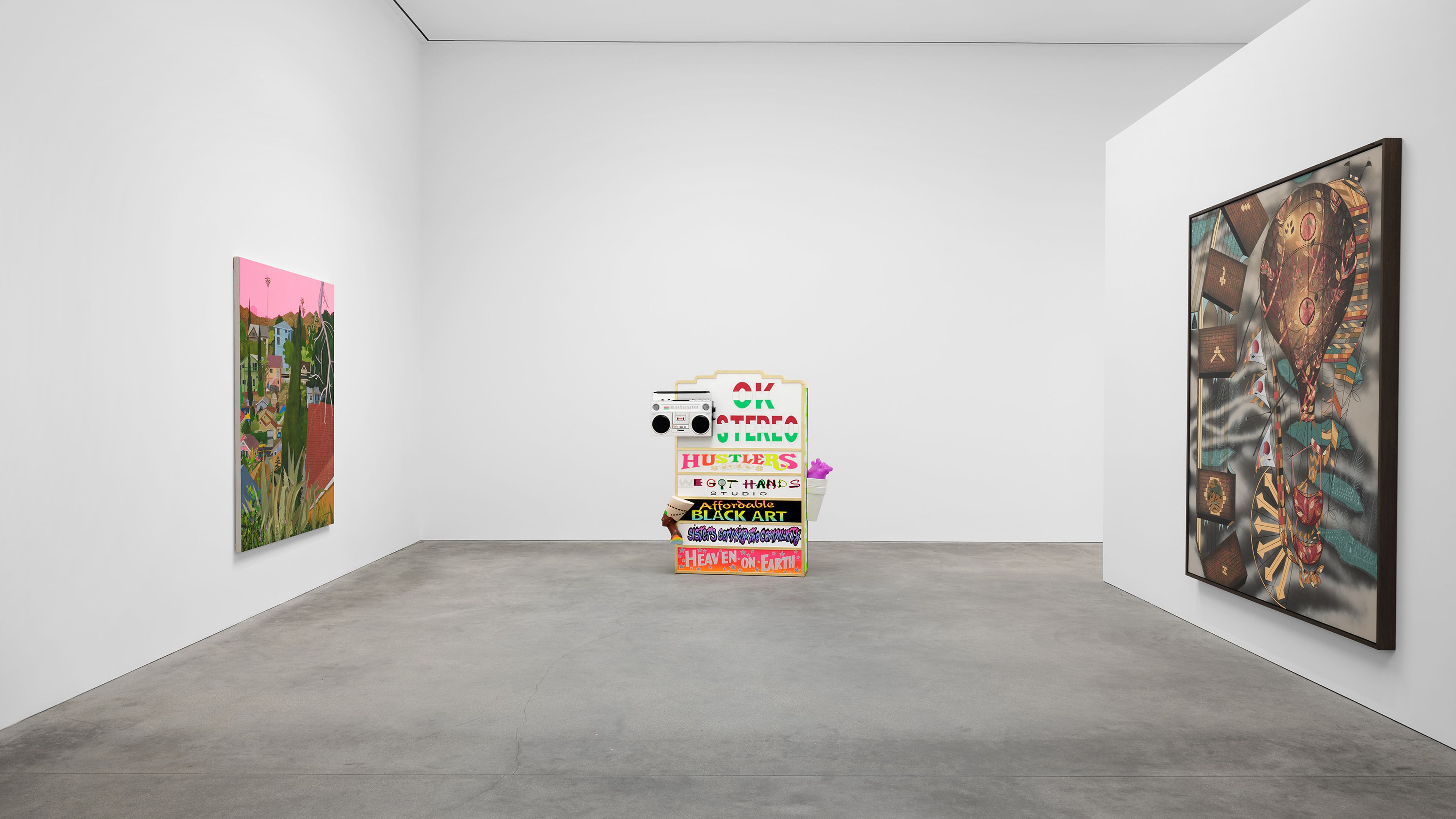
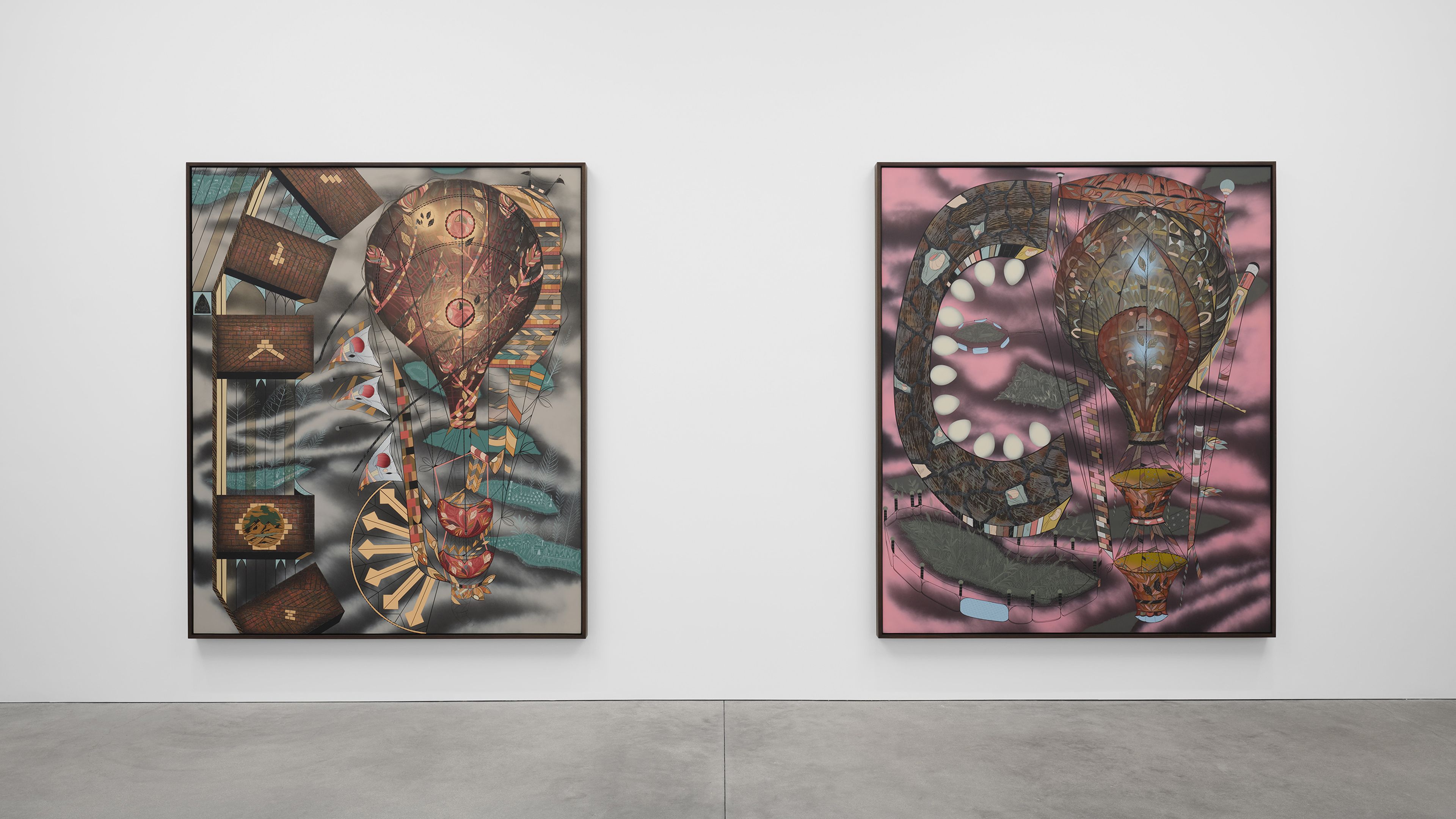
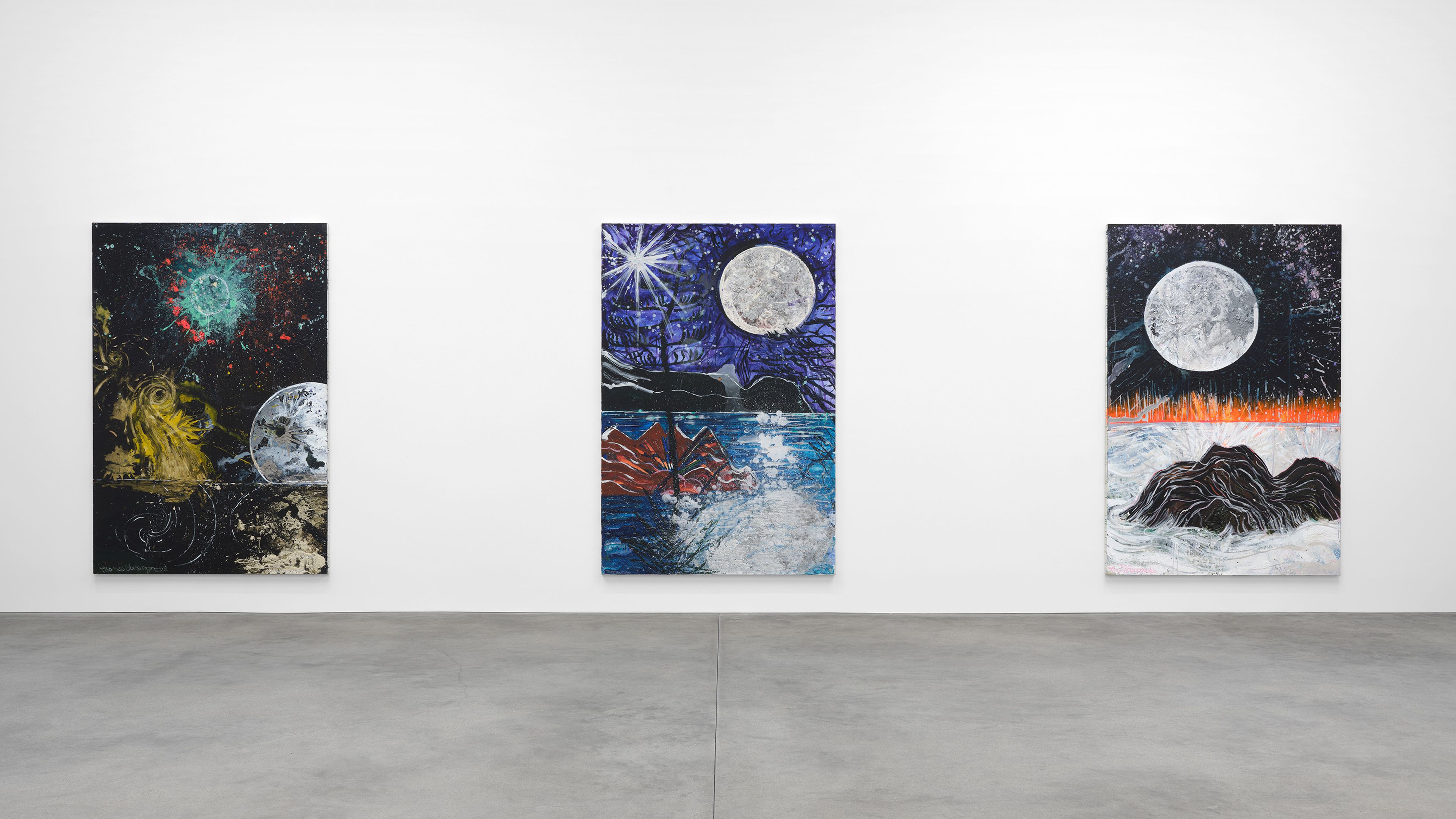
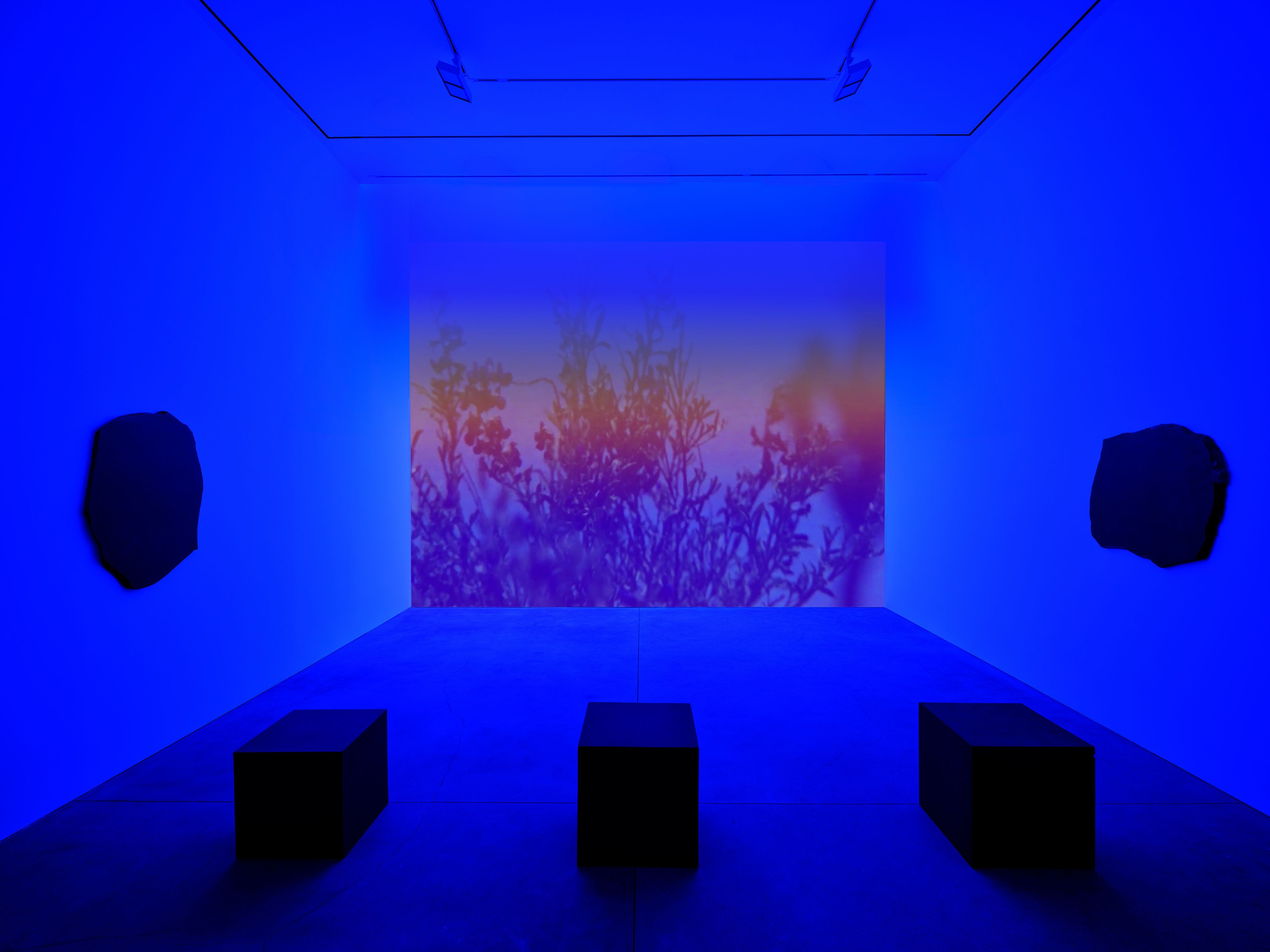
Installation view, California Light and Space (The 21st Century Version), David Zwirner, Los Angeles, 2026
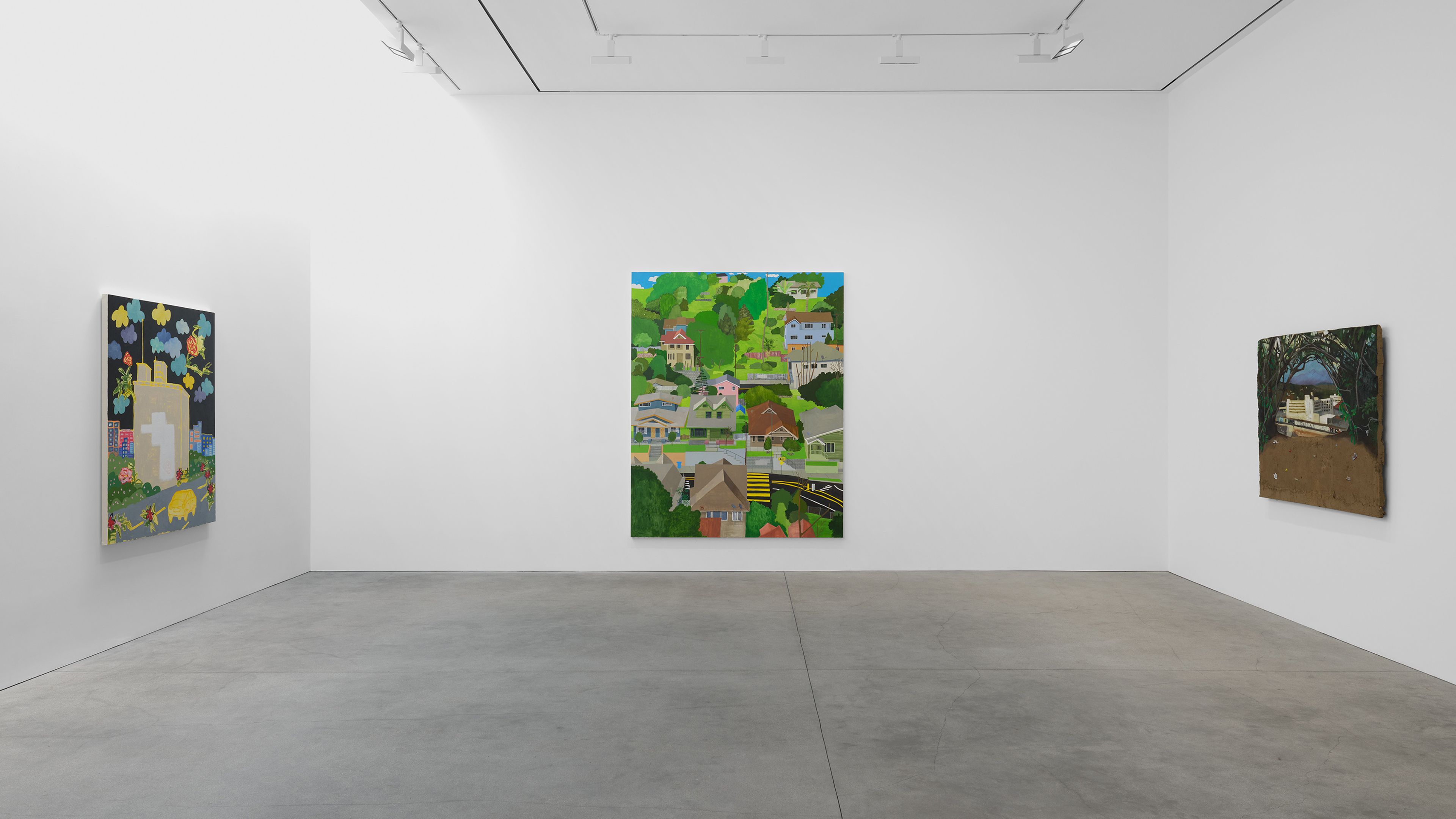
Now Open

June 4—August 1, 2026

Opening Reception

Thursday, June 4, 6–8 PM

Location

Los Angeles

606 N Western Avenue

Los Angeles, CA 90004

Artists

  • Mr. Wash

  • Catherine Opie

  • Hilary Pecis

  • Lari Pittman

  • Jason Rhoades
  • Cauleen Smith

  • Lily Stockman

David Zwirner is pleased to present California Light and Space (The 21st Century Version), a group exhibition organized by Helen Molesworth at the gallery’s 606 N Western Avenue location in Los Angeles. Featuring a selection of artists who make up the city’s distinctive and vibrant arts scene, the presentation considers how the terroir of Los Angeles—to borrow a term from wine connoisseurship that connotes how a specific ecosystem or geography gives wine an indelible “sense of place”—affects the overarching concerns and tendencies of the work being produced there today. Los Angeles is frequently identified with the Light and Space artists of the 1960s and 1970s whose work was characterized by industrial materials, highly finished surfaces, and a preoccupation with perception.

Explore

Explore All Works

The show gathers a new generation of artists working in a range of mediums and concerned with the specificity of the light and space conditions offered by Los Angeles, nestled as it is in a basin demarcated by the Santa Monica, Santa Ana, and San Gabriel Mountains and the Pacific Ocean.
  Participating artists include Njideka Akunyili Crosby, Sonia Boyajian, Noah Davis, rafa esparza, Jennifer Guidi, Lauren Halsey, EJ Hill, Thomas Houseago, Manuel López, Rodney McMillian, Mr. Wash, Catherine Opie, Hilary Pecis, Lari Pittman, Jason Rhoades, Cauleen Smith, and Lily Stockman.

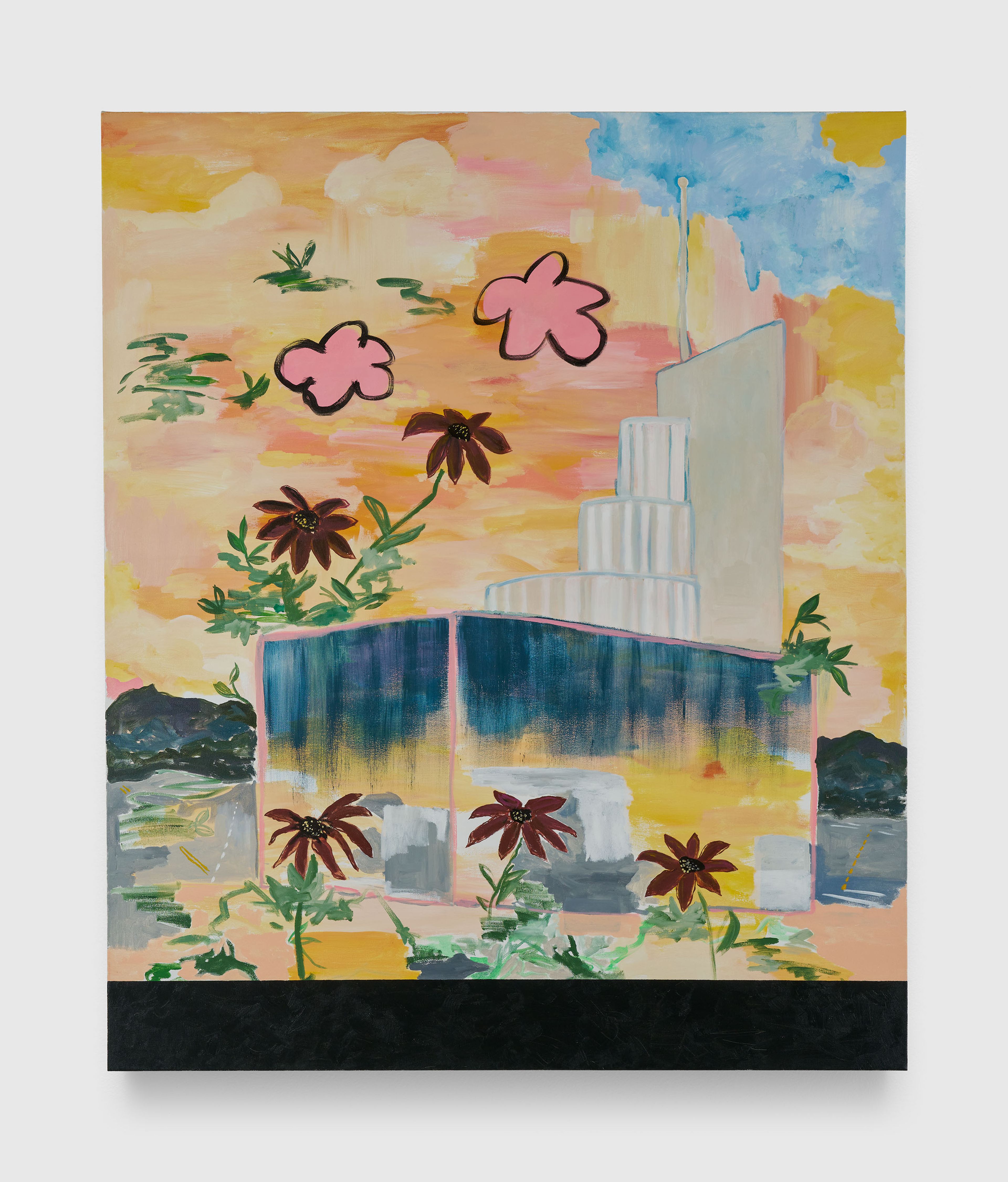
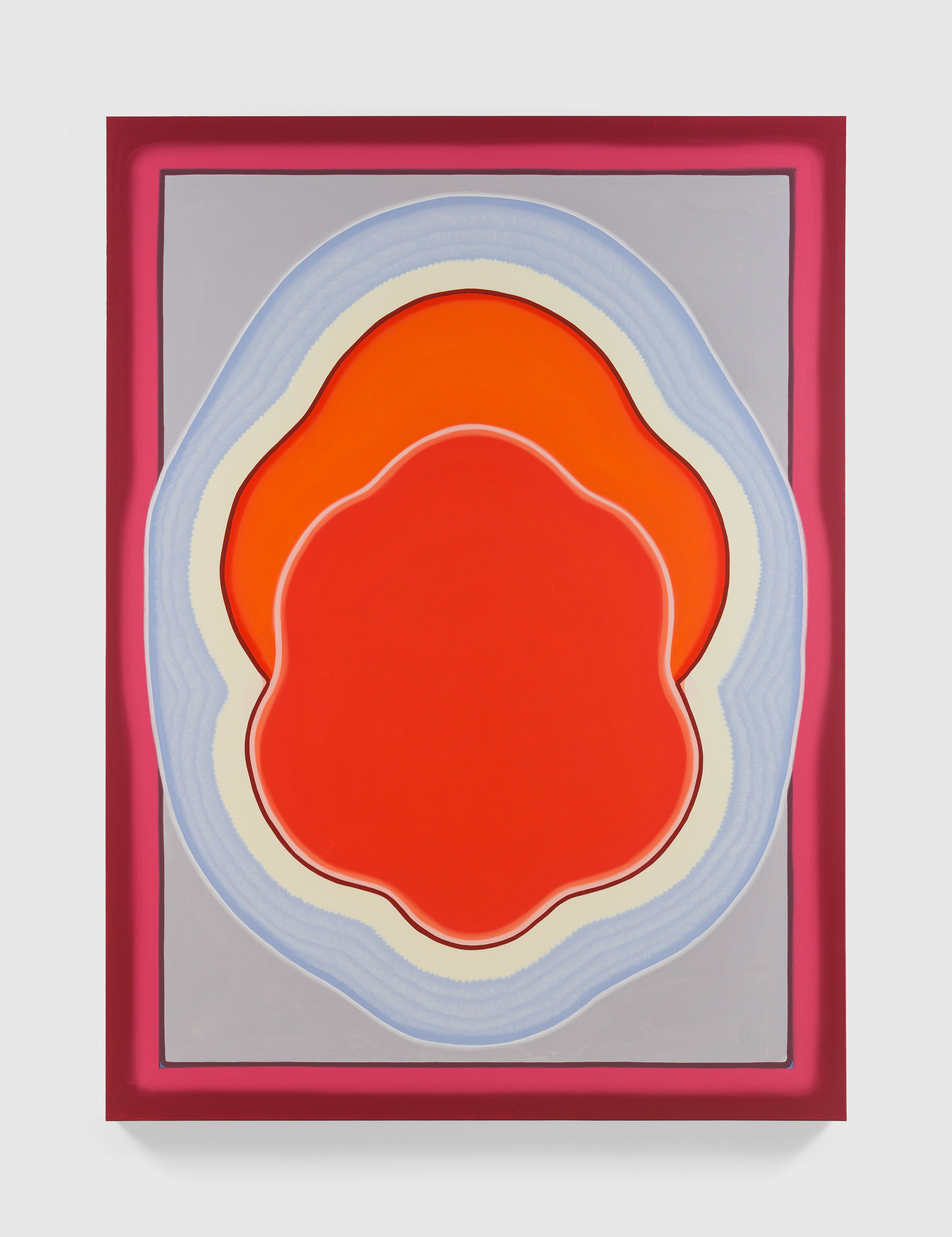
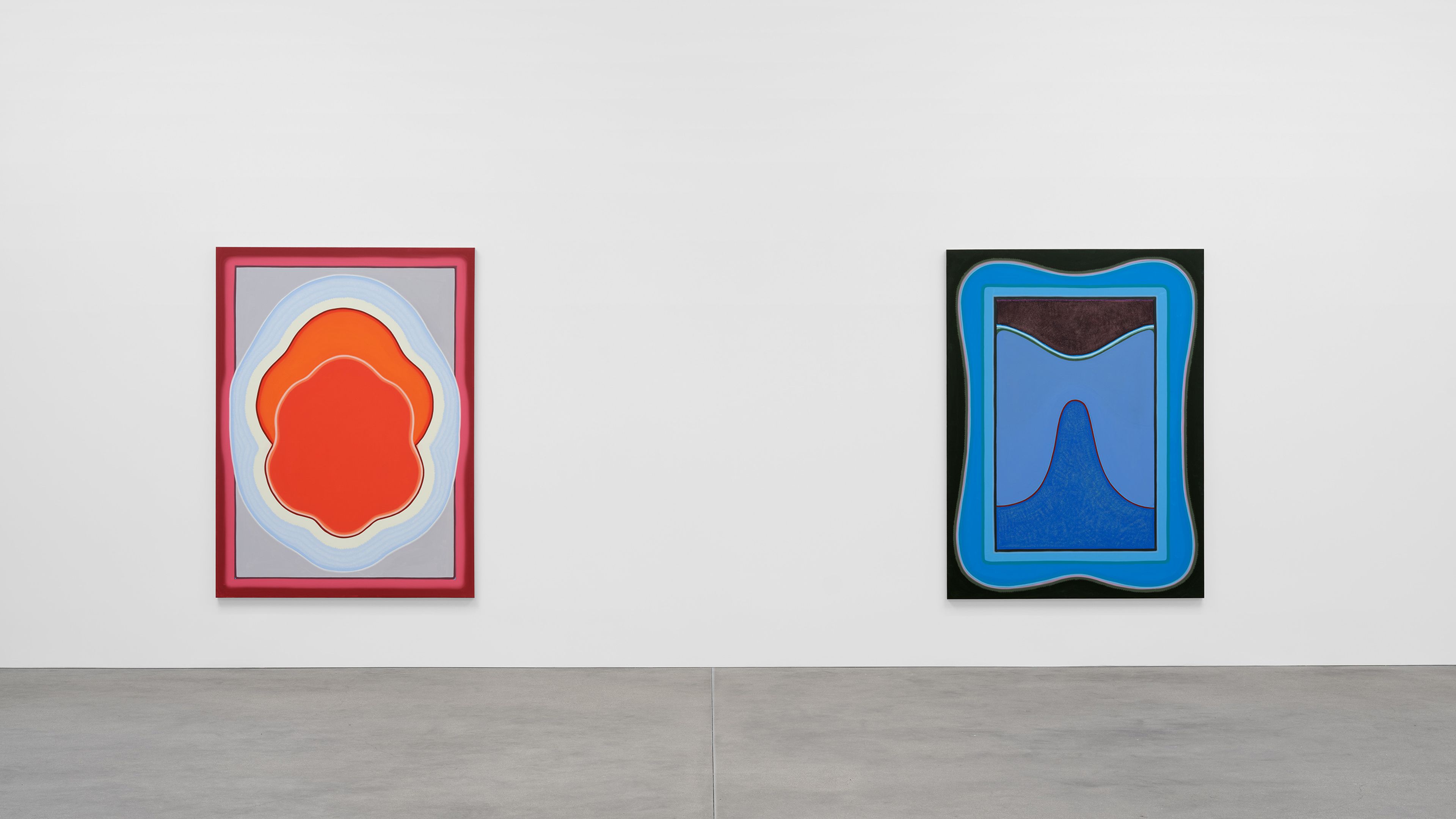
EJ Hill’s just let the flowers bloom (for Baldwin Hills) captures the anarchic beauty of the Southern California wildflower bloom, set admist the uniquely Los Angeles landscape of urban sprawl. Hill’s paintings joyfully render shapes that evoke clouds and flowers in swaths of the artist’s signature pink and other bright hues of orange, blue, green, and purple. As with much of his practice, Hill creates these colorful works at moments in which he is responding to grief, searching for transcendence, and yearning for liberation.

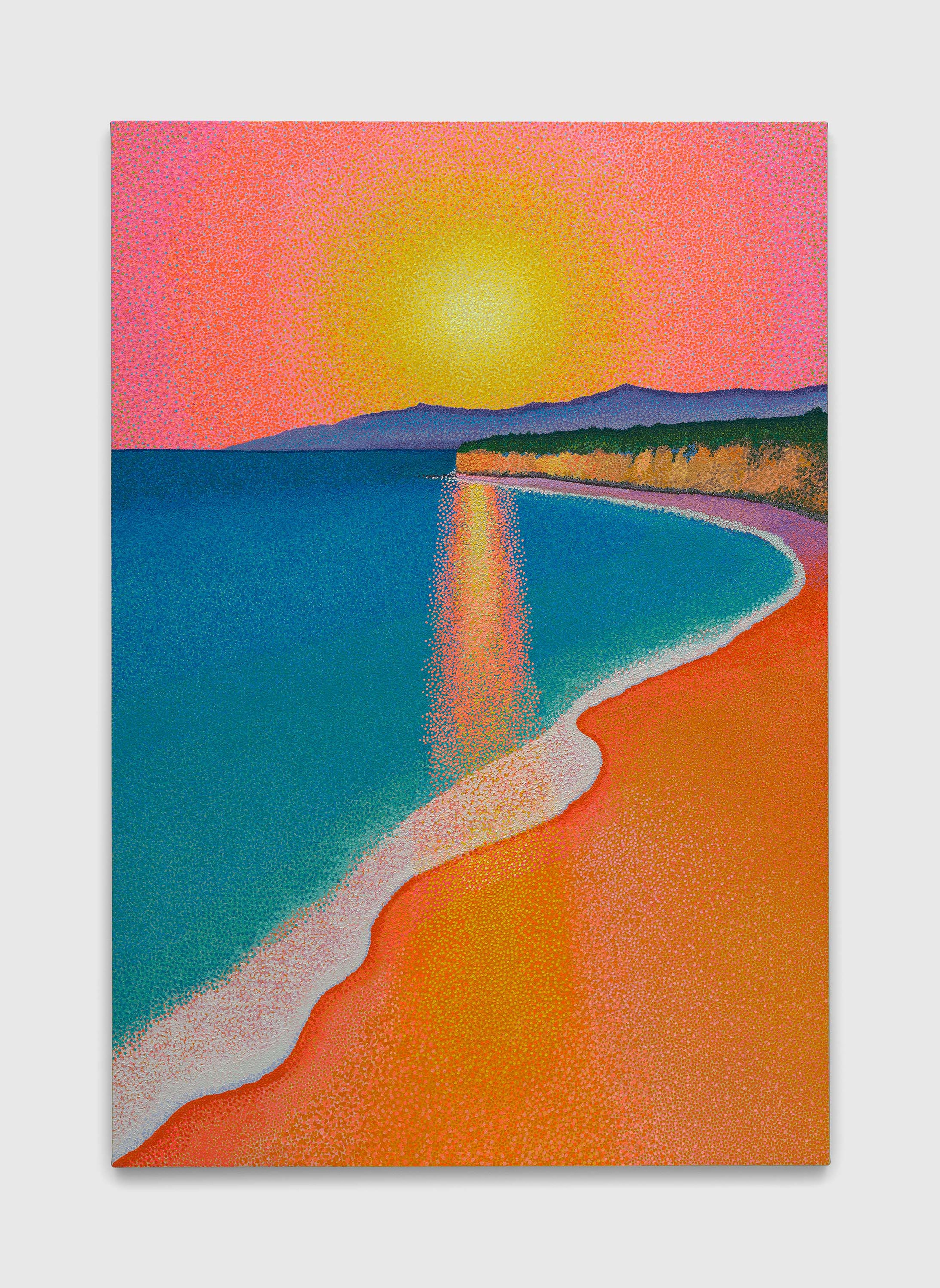
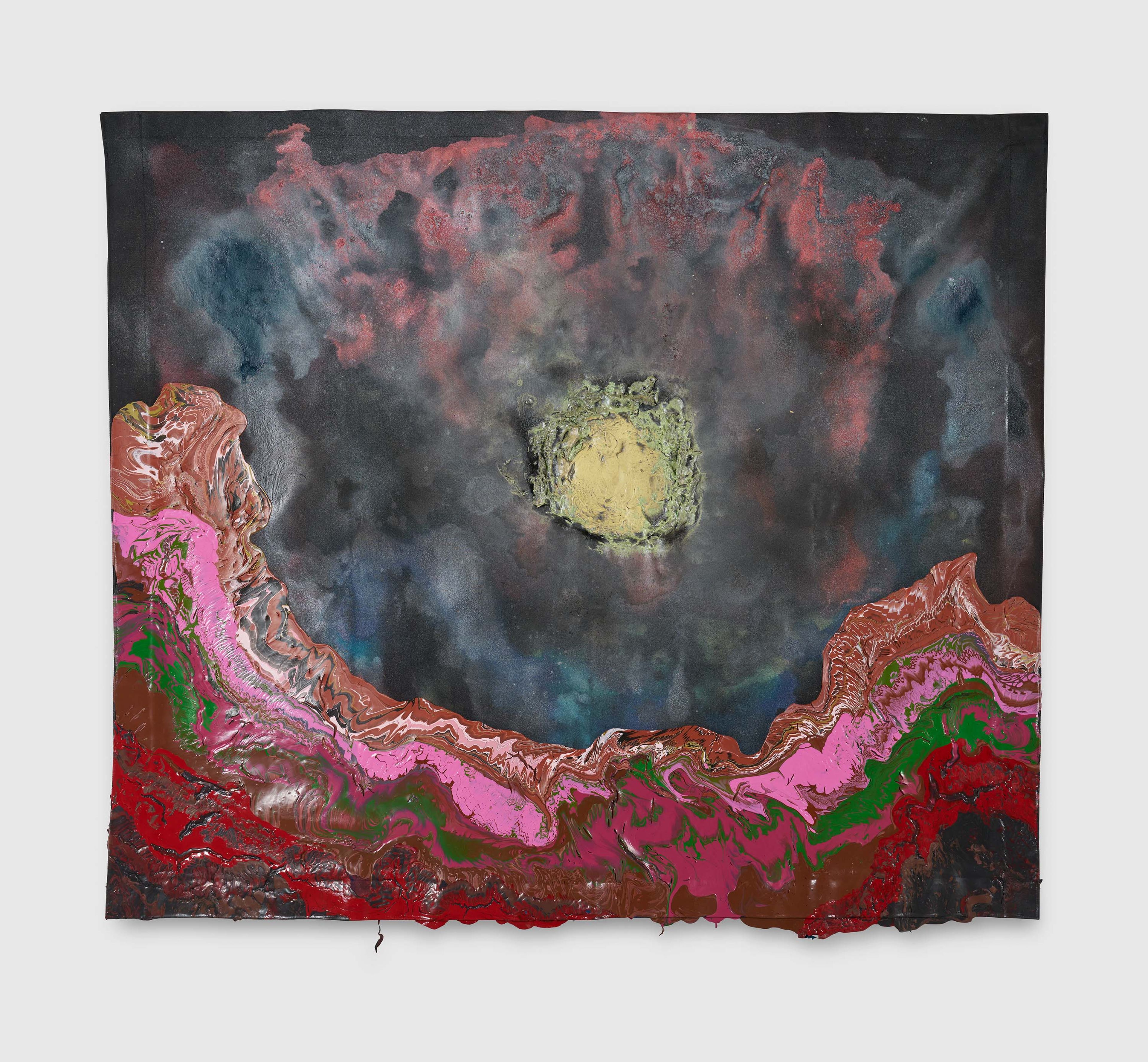
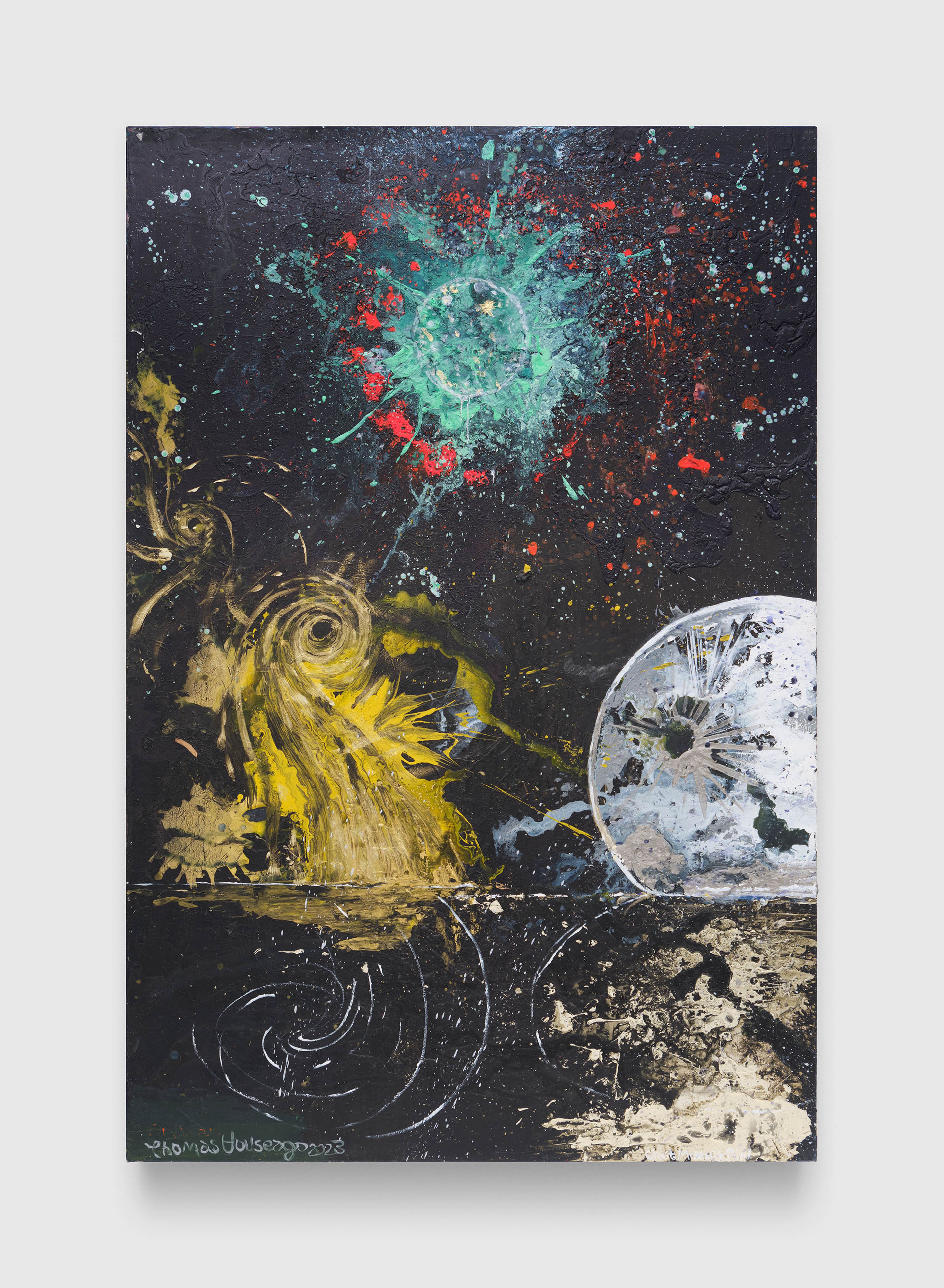
These Los Angeles-based artists traverse the geographies of El Sereno and Compton Creek, probe the histories of the Chavez Ravine and Hollywood Boulevard, and depict the city’s striking flora and endlessly variable skies in cloud studies, sunscapes, and moonscapes. Working in painting, sculpture, photography, clay, drawing, and installation, they realize their untold versions of Los Angeles for our present moment.

Noah Davis’s Pueblo del Rio: Prelude (2014) belongs to a cycle of paintings based on the Pueblo del Rio community in Los Angeles. They are situated firmly in local history, as Pueblo del Rio was a public housing project designed by prominent architects including Richard Neutra and Paul Williams constructed in 1941, which, according to Davis signified ”the potential of art and performance in a low-income community.”

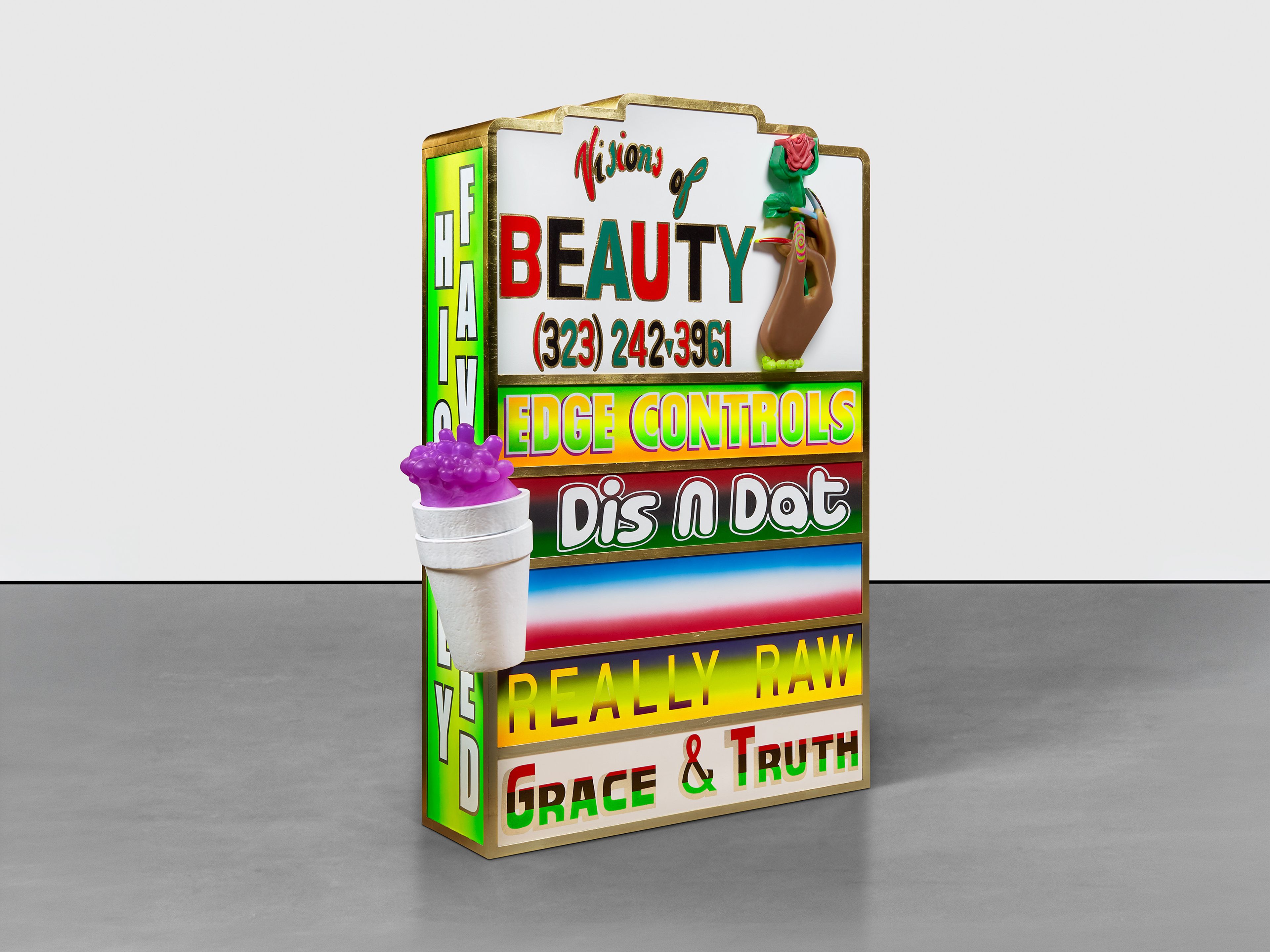
LODA PLAZA III comes from Los Angeles native Lauren Halsey’s plaza sign series, started in 2024. These works honor the palette, wordplay, and iconography of signage found on Black and brown-owned businesses in working-class urban neighborhoods like South Central. Embedded in the work are phrases and objects such as a styrofoam cup filled with purple lean, a recreational drug; a bust of an ancient Egyptian royal; and signs saying “Edge Controls” and “Visions of Beauty,” which reference Black hair salon culture. LODA PLAZA III “represent[s] my dreamscape for a plaza and my yearning to create a unique portrait of a place.”

“Today’s LA artists are deeply embedded in the vernacular quality of the city. Their version of light appears when they image the city’s legendary magic hour and moon rises.”

—Helen Molesworth

Terroir is a French term translated as a “sense of place,” referring to the combination of natural factors—soil, climate, altitude, and sunlight—that give wine, coffee, or food its distinctive character and flavor, based on the specific location where it is grown.
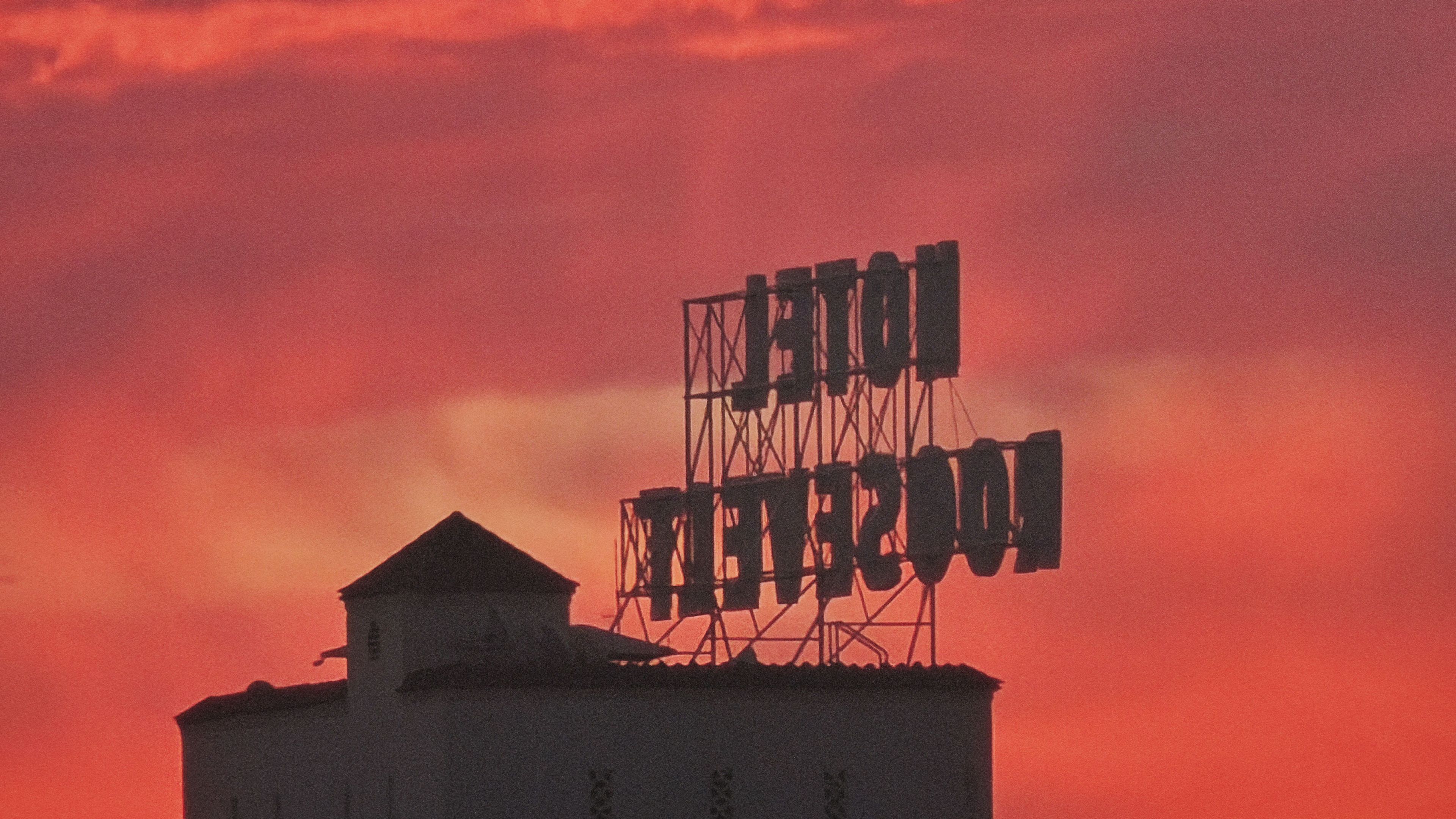
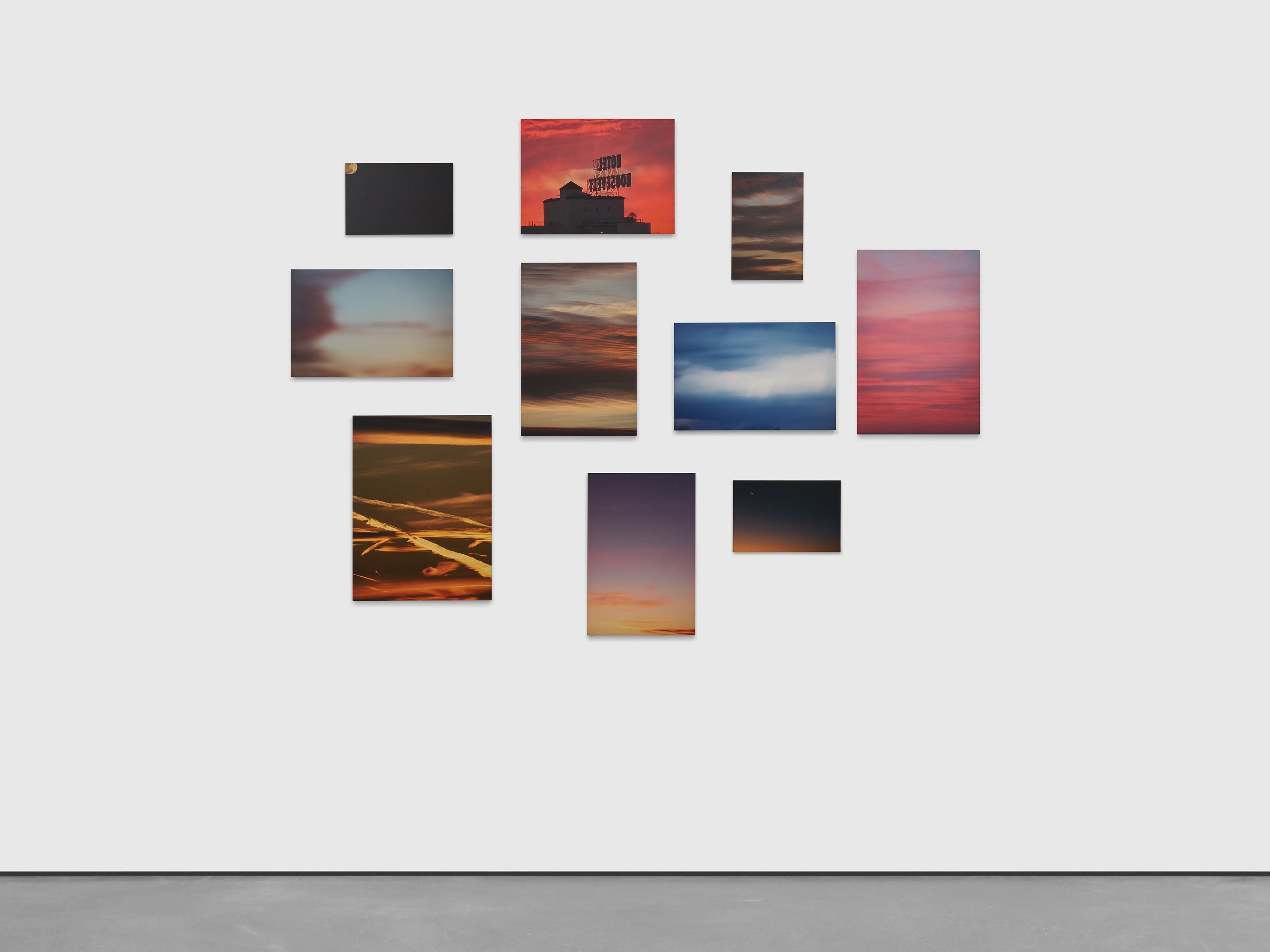
Los Angeles–based photographer Catherine Opie’s Hollywood Blvd. (Moon and Sunrise), 2026 pictures sunscapes and moonscapes from the balcony of the artist’s Hollywood Boulevard high-rise apartment building. The images present a range of gradient colors representing the luminous, ever-shifting Southern California horizon line—as true a meditation on the nature of light in Los Angeles as the medium of photography can convey. As Helen Molesworth notes, Opie “knows that water and air meet and form a horizon line, but she’s taking a picture in which [the line] is gone.”

Catherine Opie, Hollywood Blvd. (Moon and Sunrise), 2026 (detail)
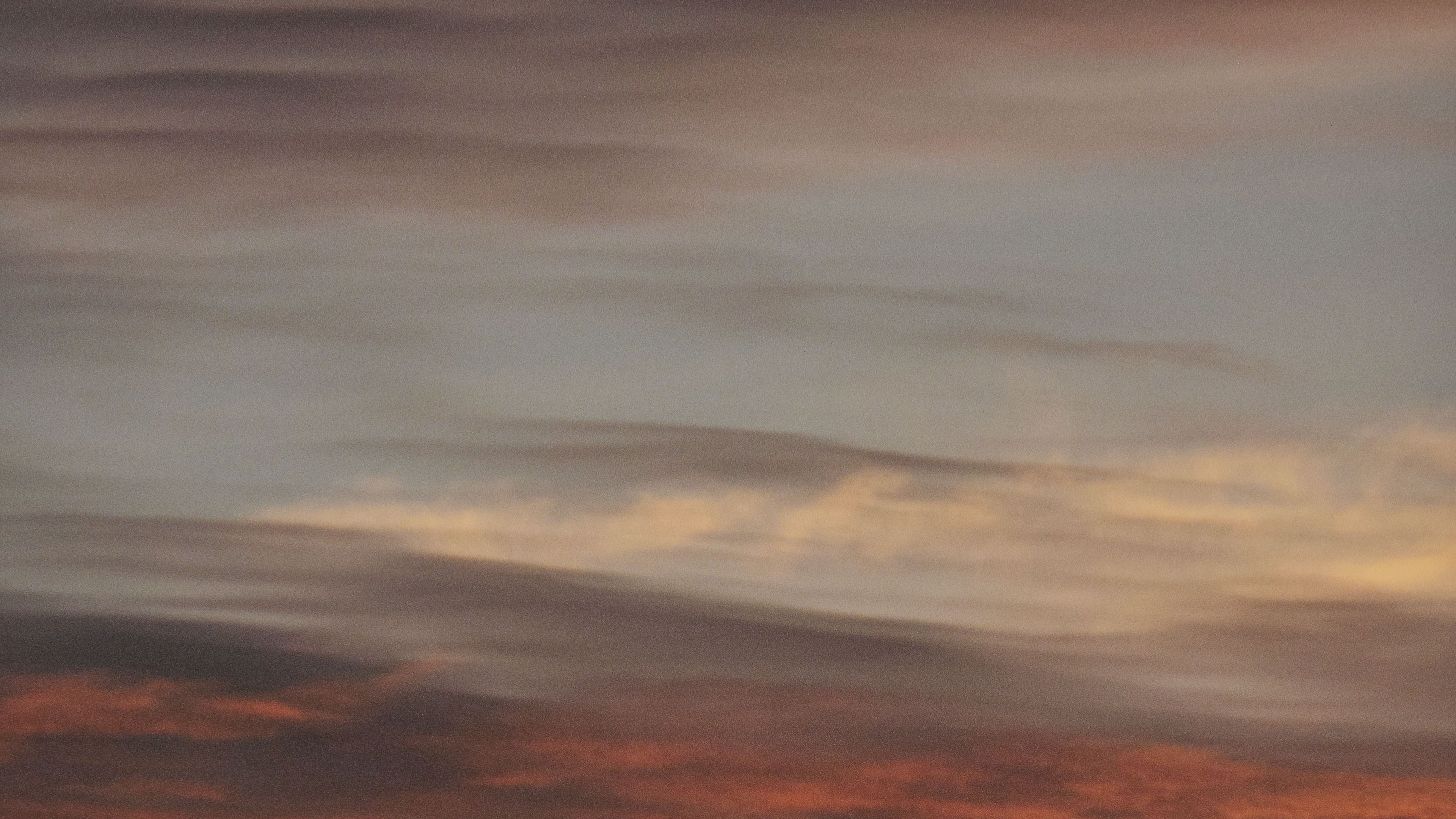
Catherine Opie, Hollywood Blvd. (Moon and Sunrise), 2026 (detail)
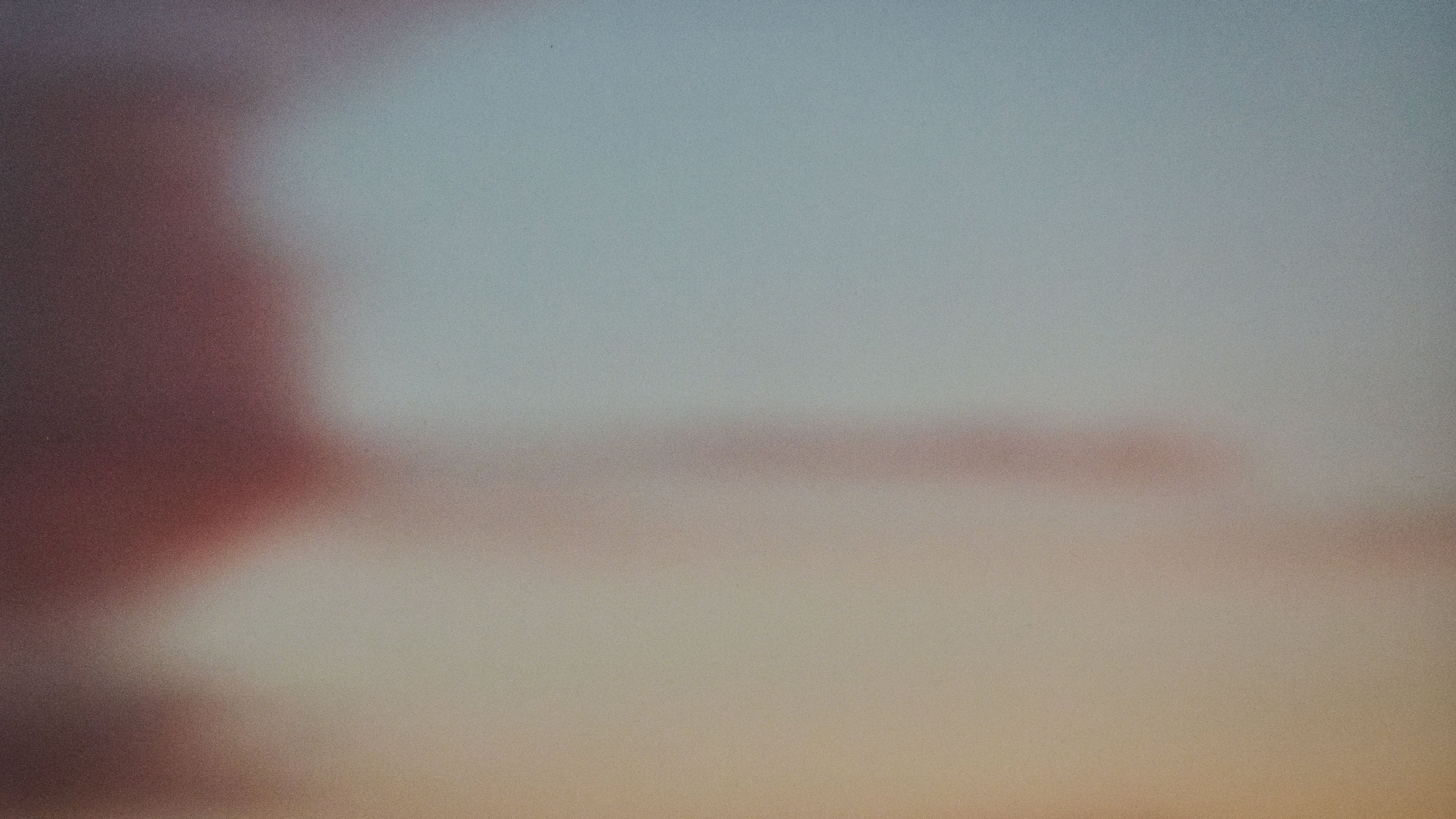
Catherine Opie, Hollywood Blvd. (Moon and Sunrise), 2026 (detail)
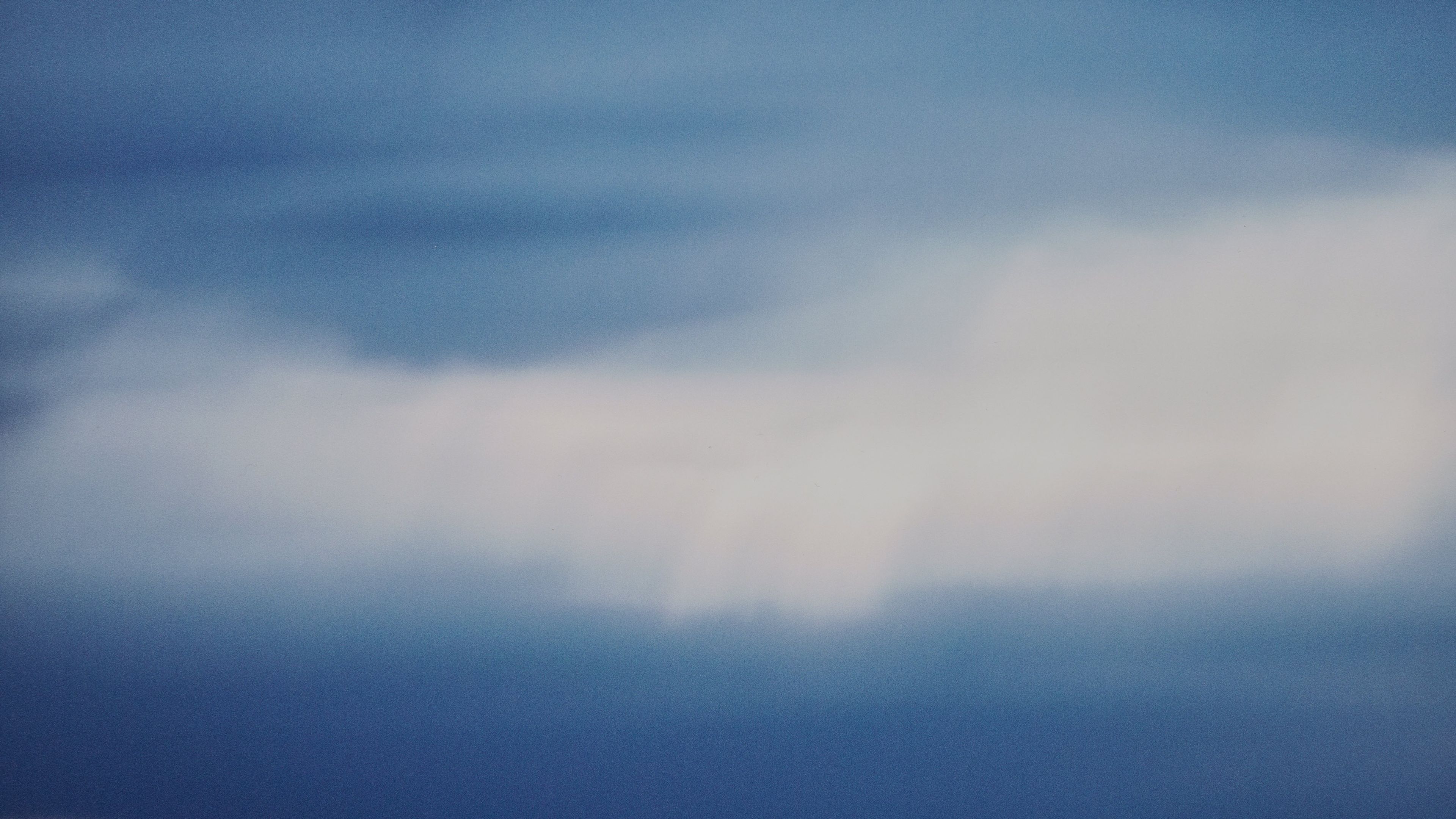
Catherine Opie, Hollywood Blvd. (Moon and Sunrise), 2026 (detail)
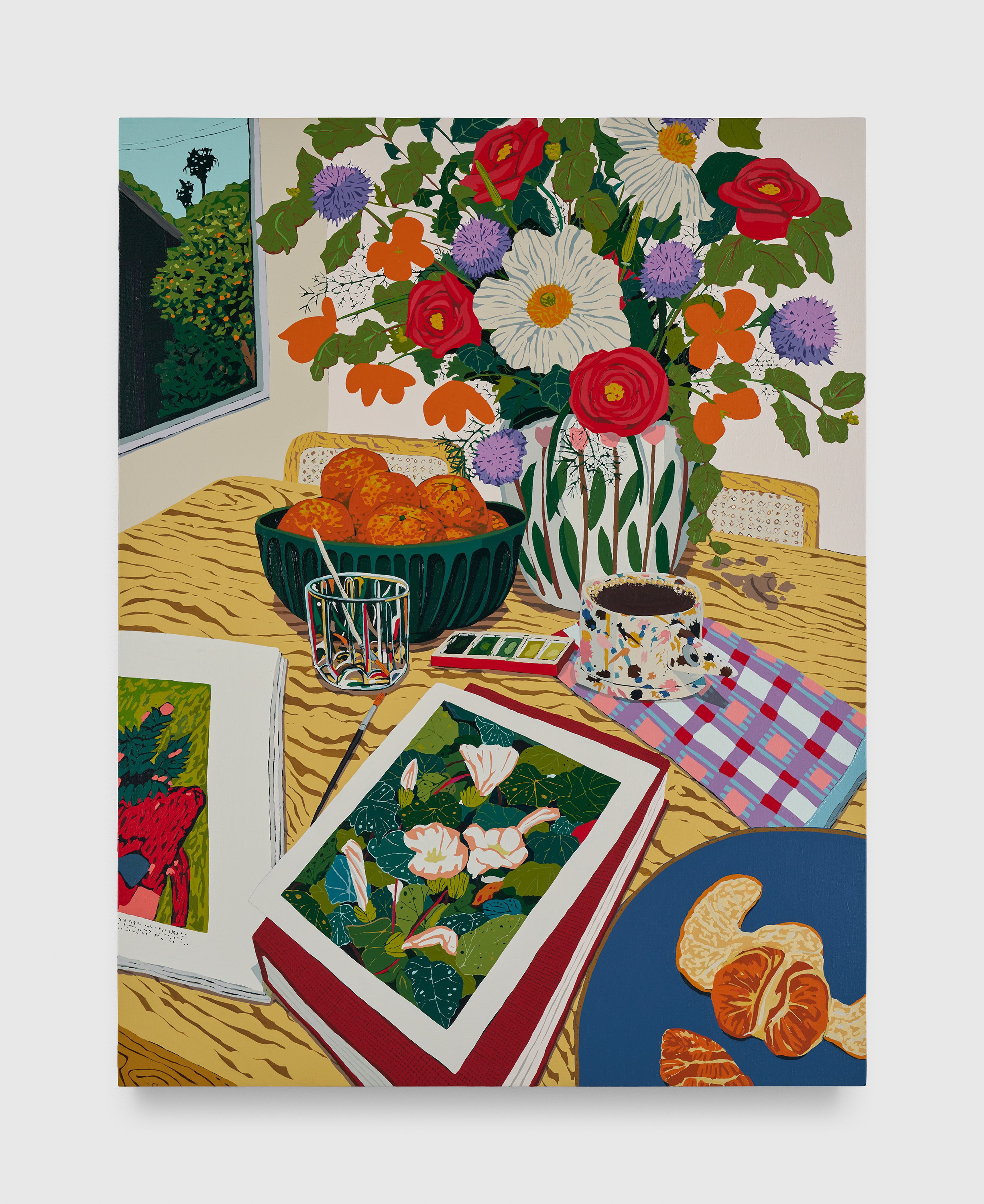
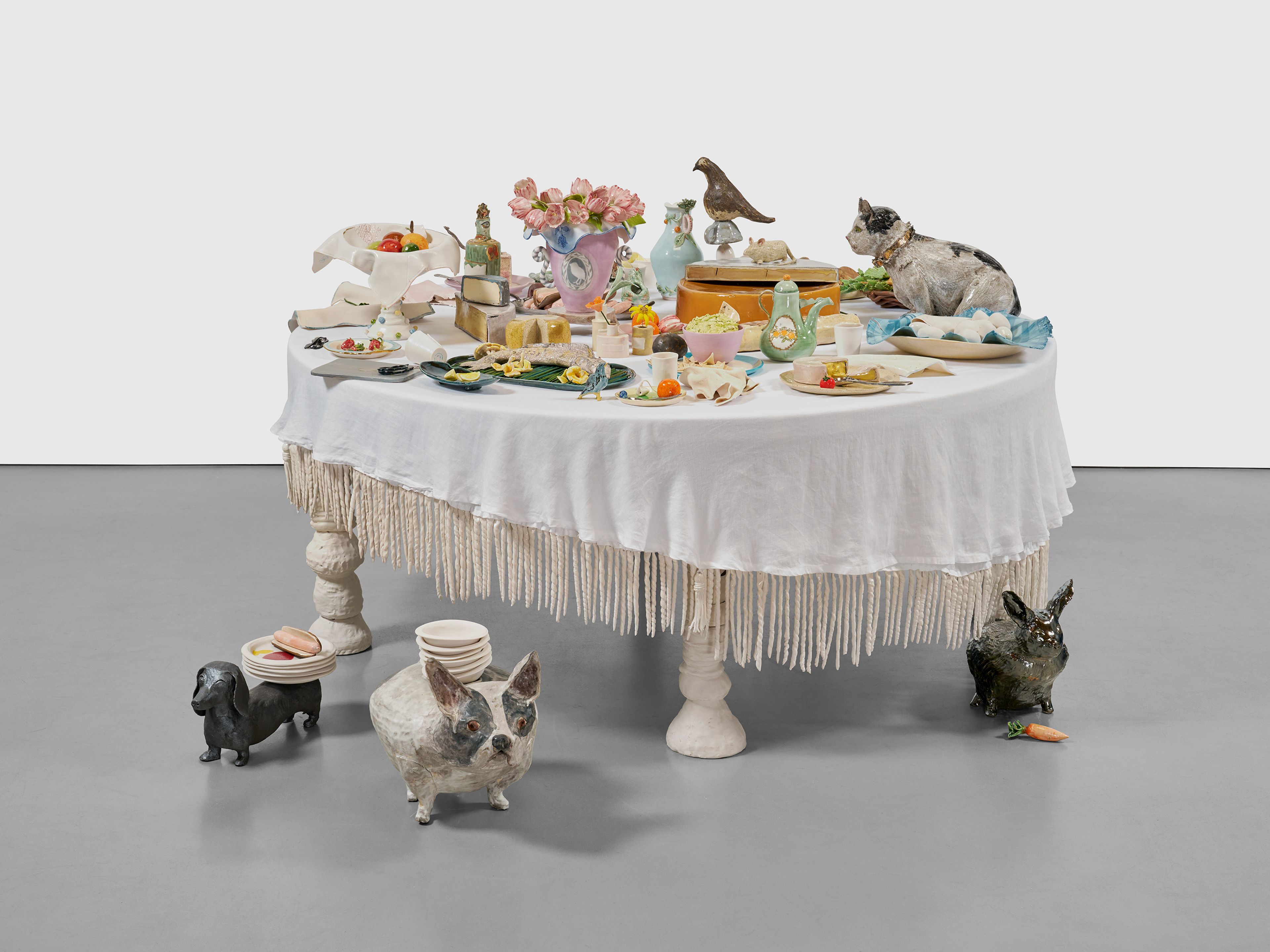
 

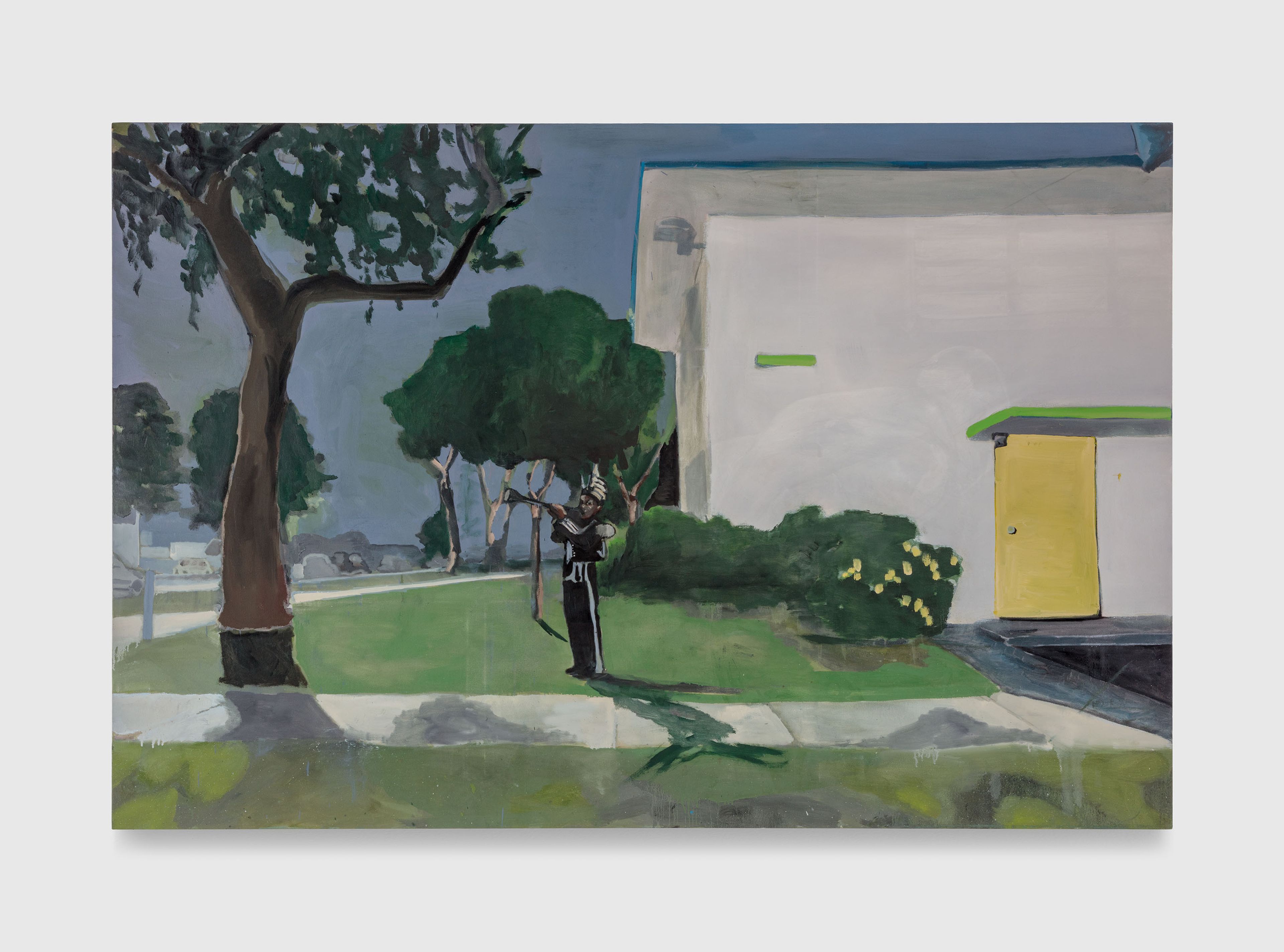
While the 1960s Light and Space movement deployed minimalist aesthetics to explore phenomena of perception, the artists here are “deeply embedded in the vernacular quality of the city,” as Molesworth notes. Differing from that of their predecessors, their work captures the specificity and locality that create a sense of place, manifest in quiet domestic moments and cityscapes of smog-filtered sunlight, sprawling highways, and pacific coastways.

“[These artists’] version of space is bound up with the handmade quality of the city’s built environment. They refer more to the tradition of hand painted store windows, and the murals that grace our surface streets, than the billboards on the Sunset Strip.”

—Helen Molesworth
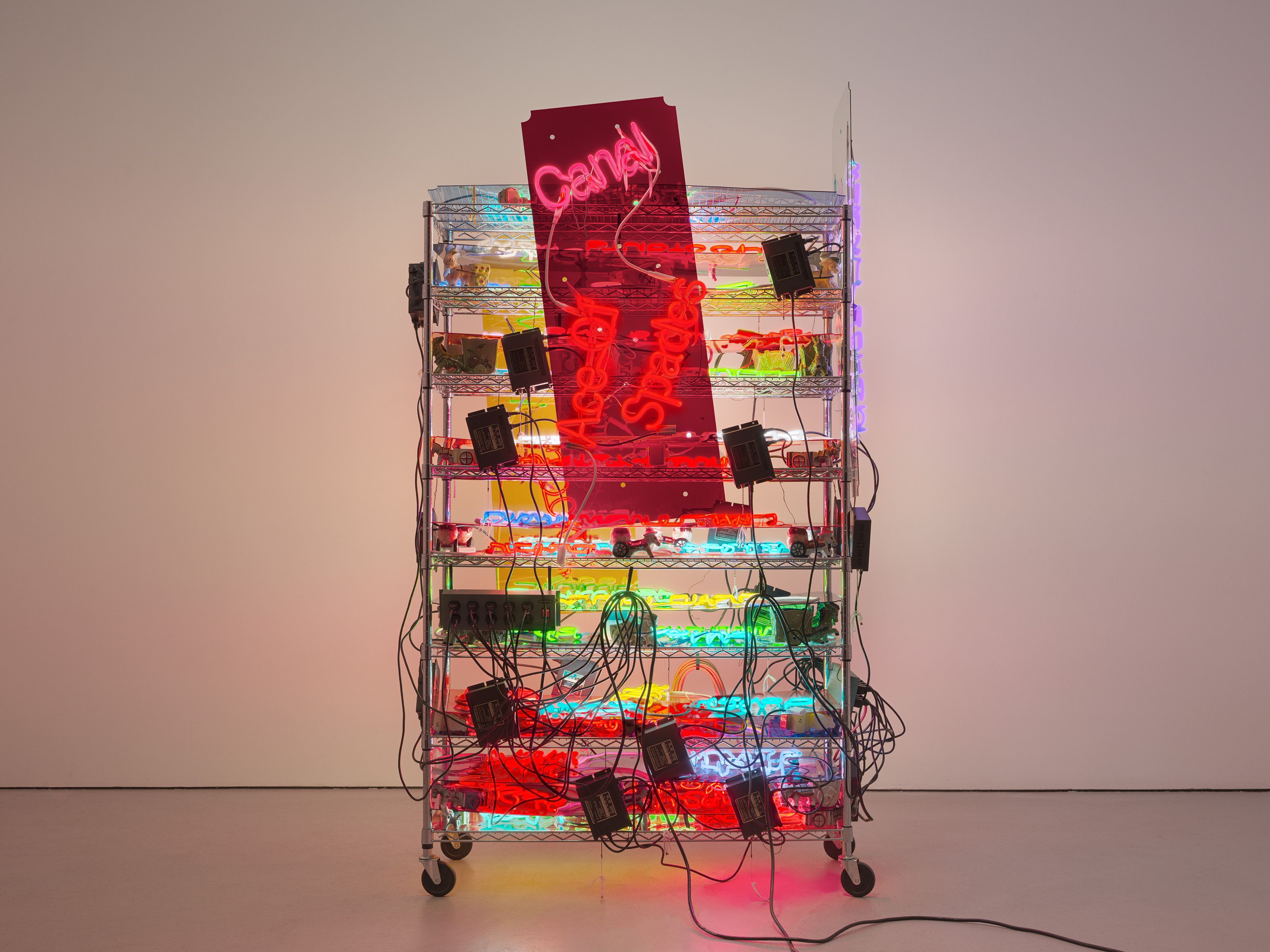
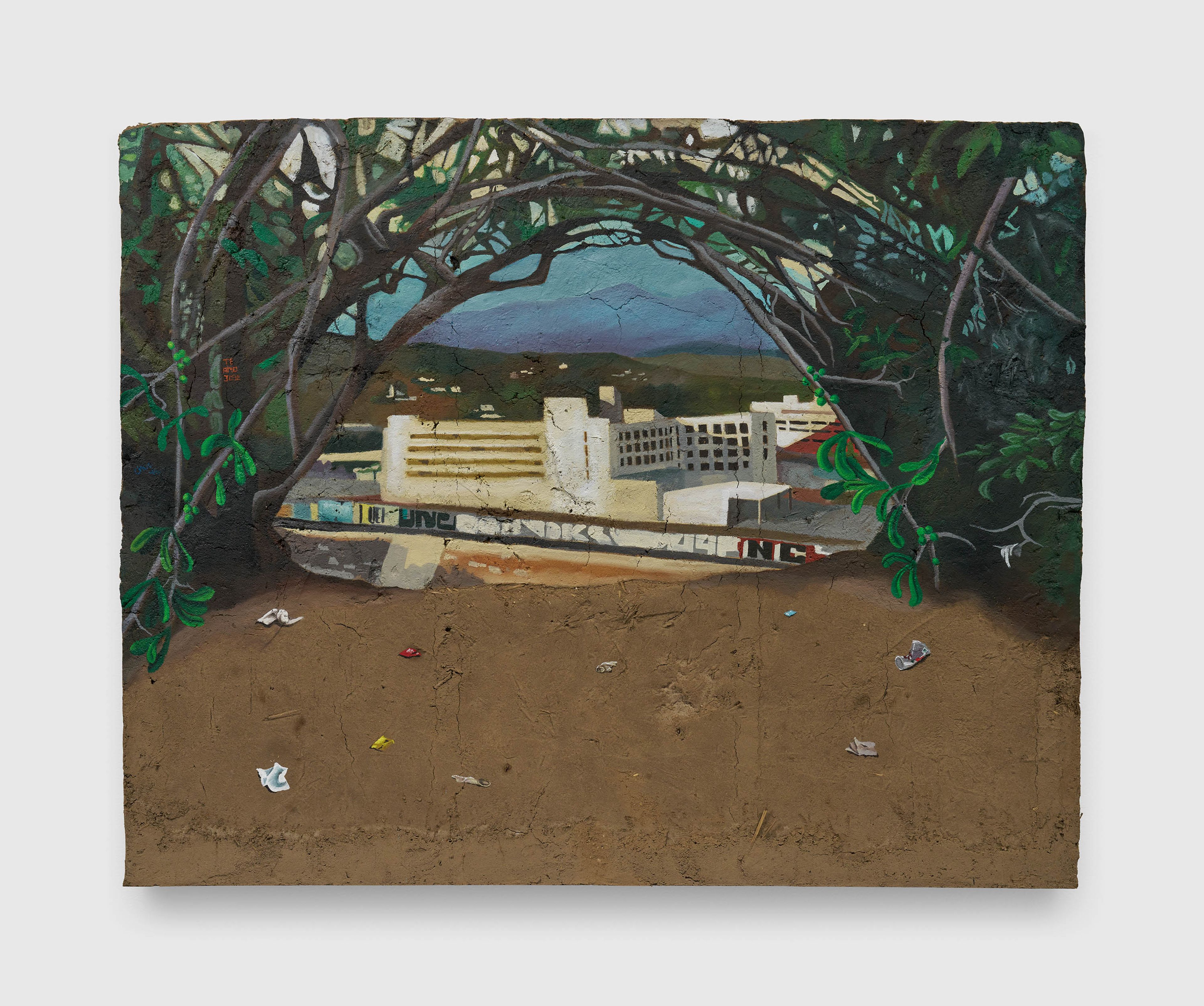
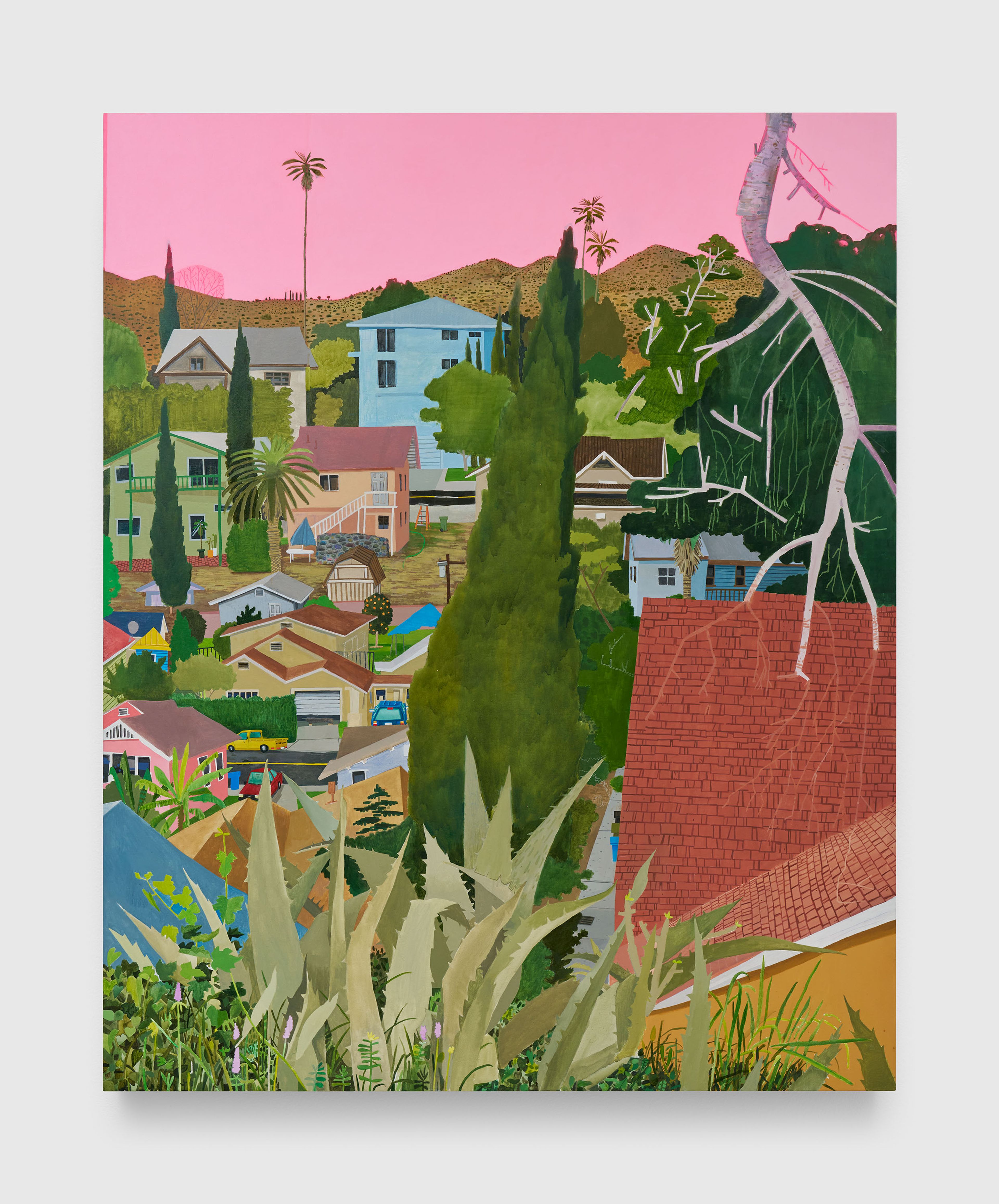
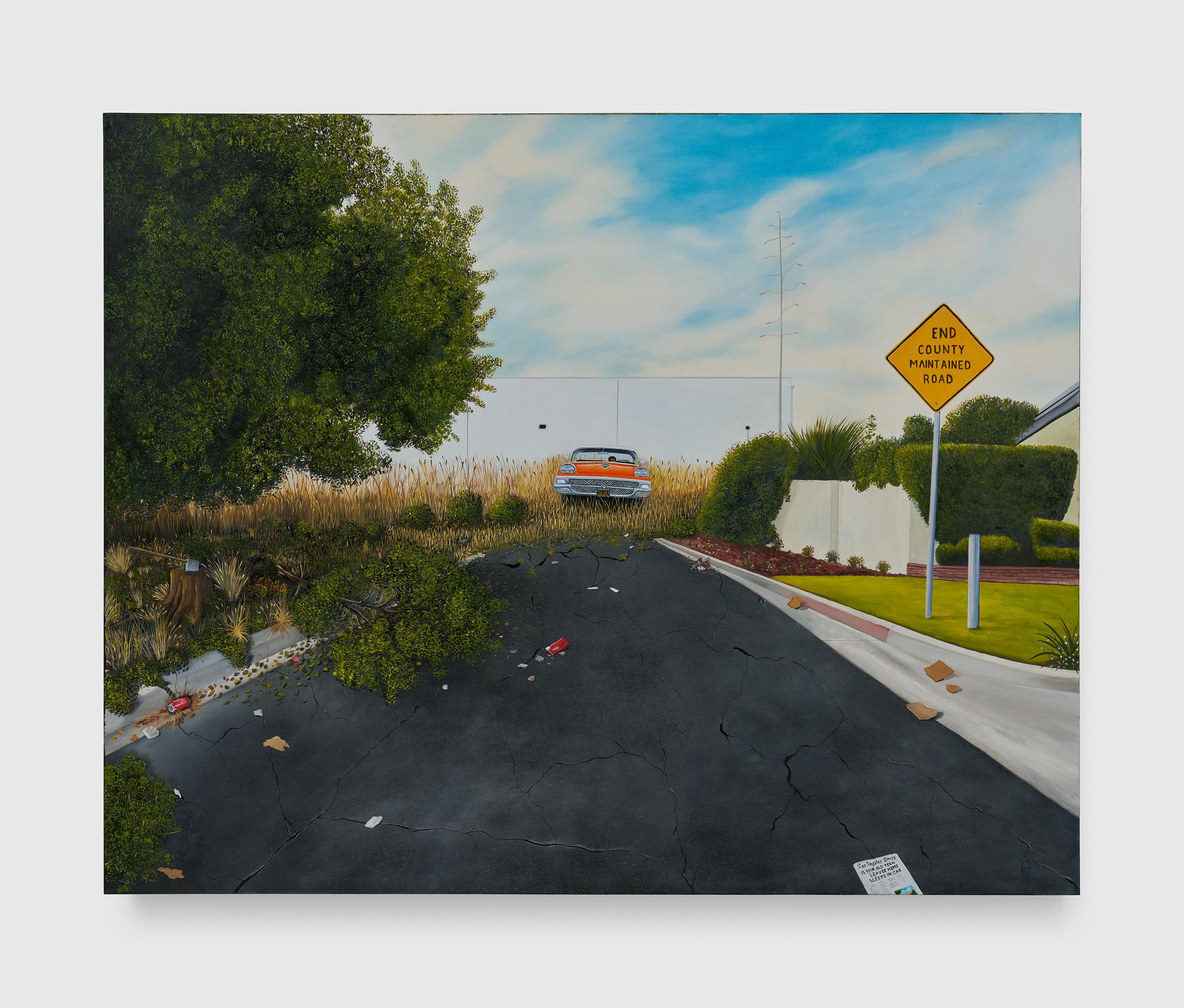
Fellow LA native, Manuel López’s paintings present carefully observed, intimate renderings of his immediate surroundings, from exterior landscapes of nearby neighborhoods to interior still lifes. Positing a complex phenomenological position, many works layer a composite of vantage points seen while through driving around and through Los Angeles neighborhoods. The authentic terroir of East and South Los Angeles is palpable in Lopez’s deep attunement to the city’s architecture and street scenes.

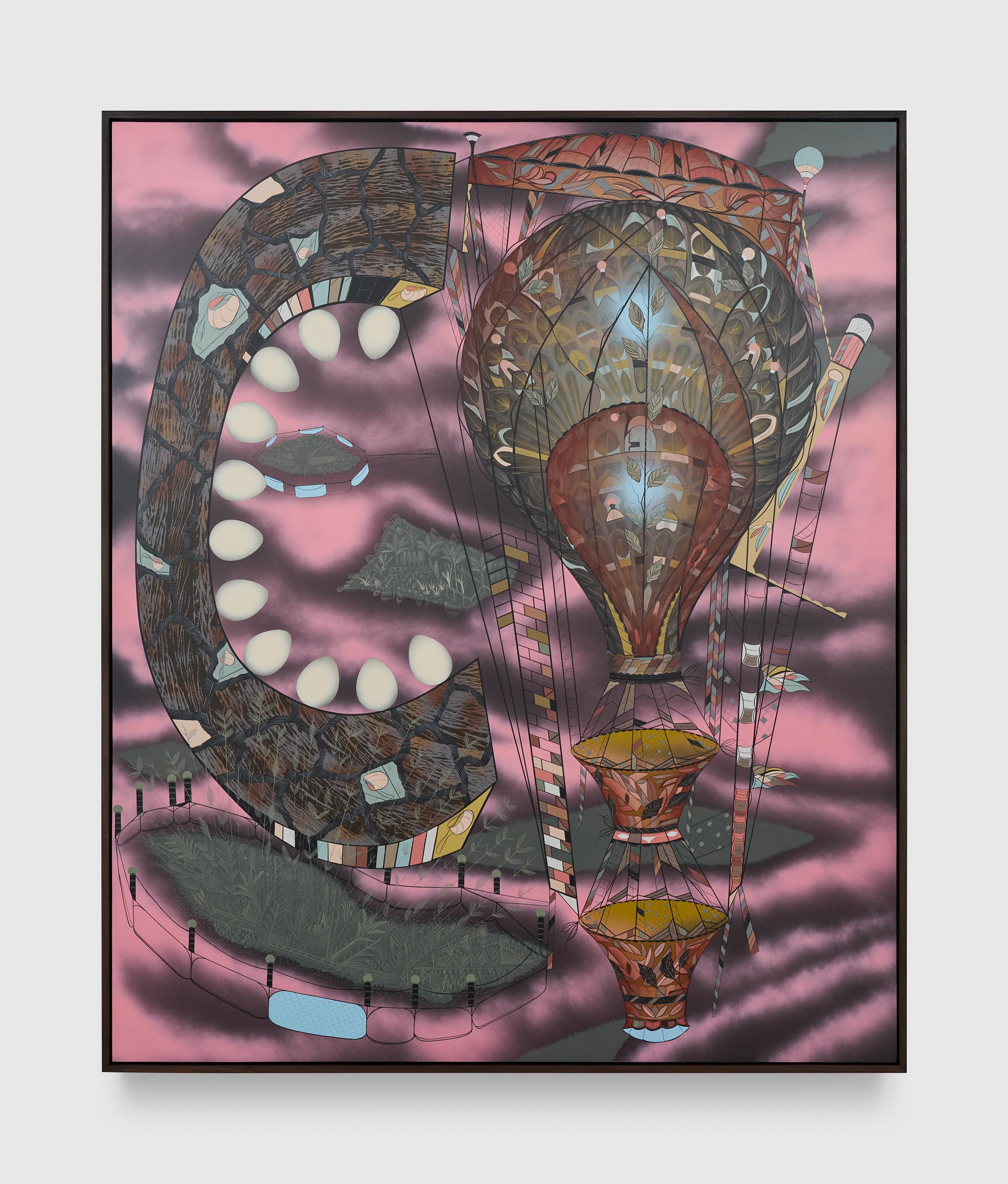
Lari Pittman’s The Remedy of Analog Space & Time (2025) employs the artist’s labor-intensive process of working without preparatory sketches to create painstakingly detailed compositions that depict everything from corporate logos and punchy text to botanical forms and psychedelic imagery. While pulling from a wide range of imagery including pop culture, Mexican folk art, quotidian objects, and modern design, his paintings are deeply rooted in the region and echo the chaos and freedom germane to everyday life in Los Angeles.

“The new LA artists are deeply embedded in the vernacular quality of the city. They are making work that couldn’t be made anywhere else but in LA.”

—Helen Molesworth
Black background, no image

Request more information