Barbican Centre, London, United Kingdom
October 8, 2026–February 28, 2027
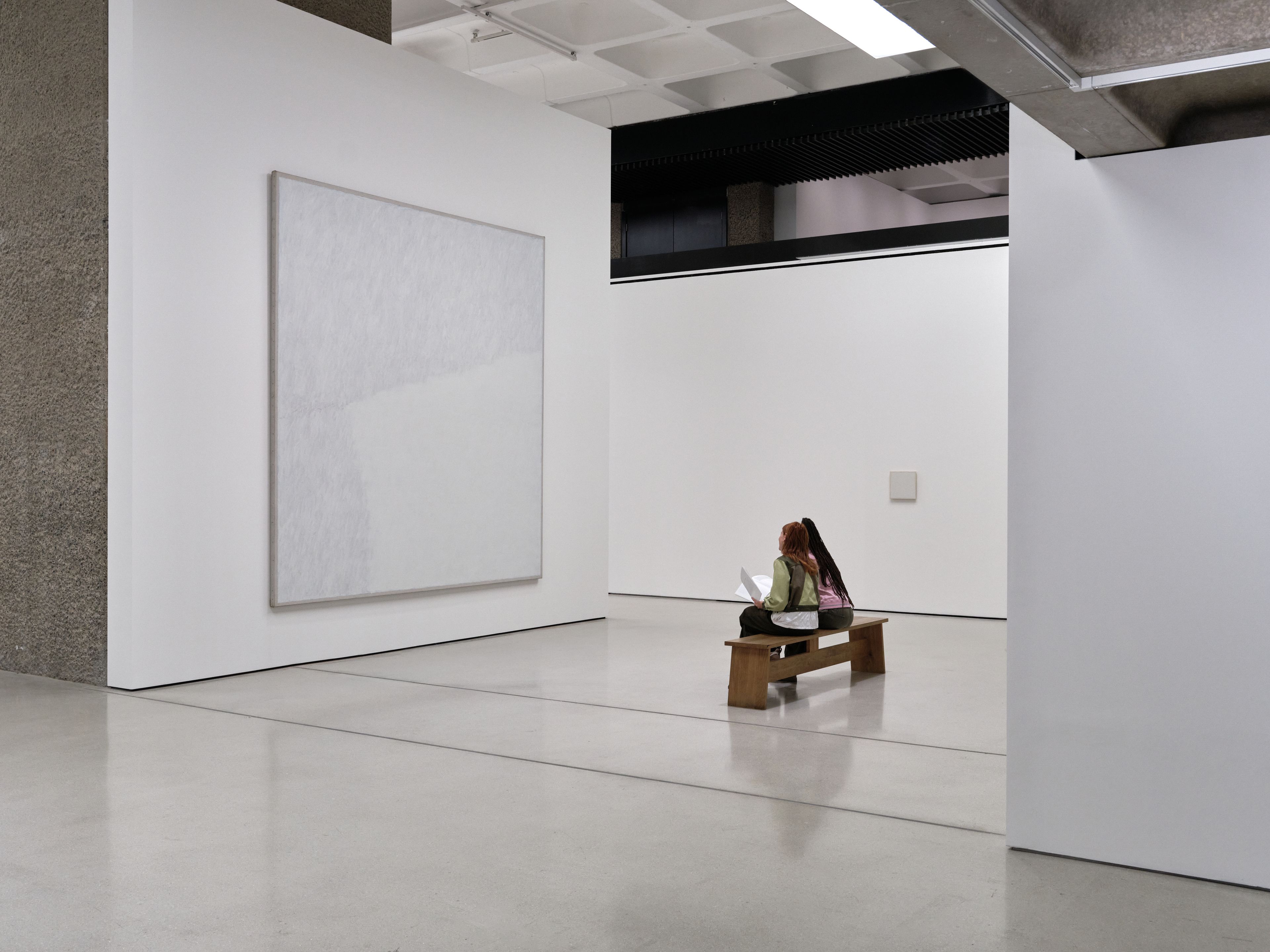
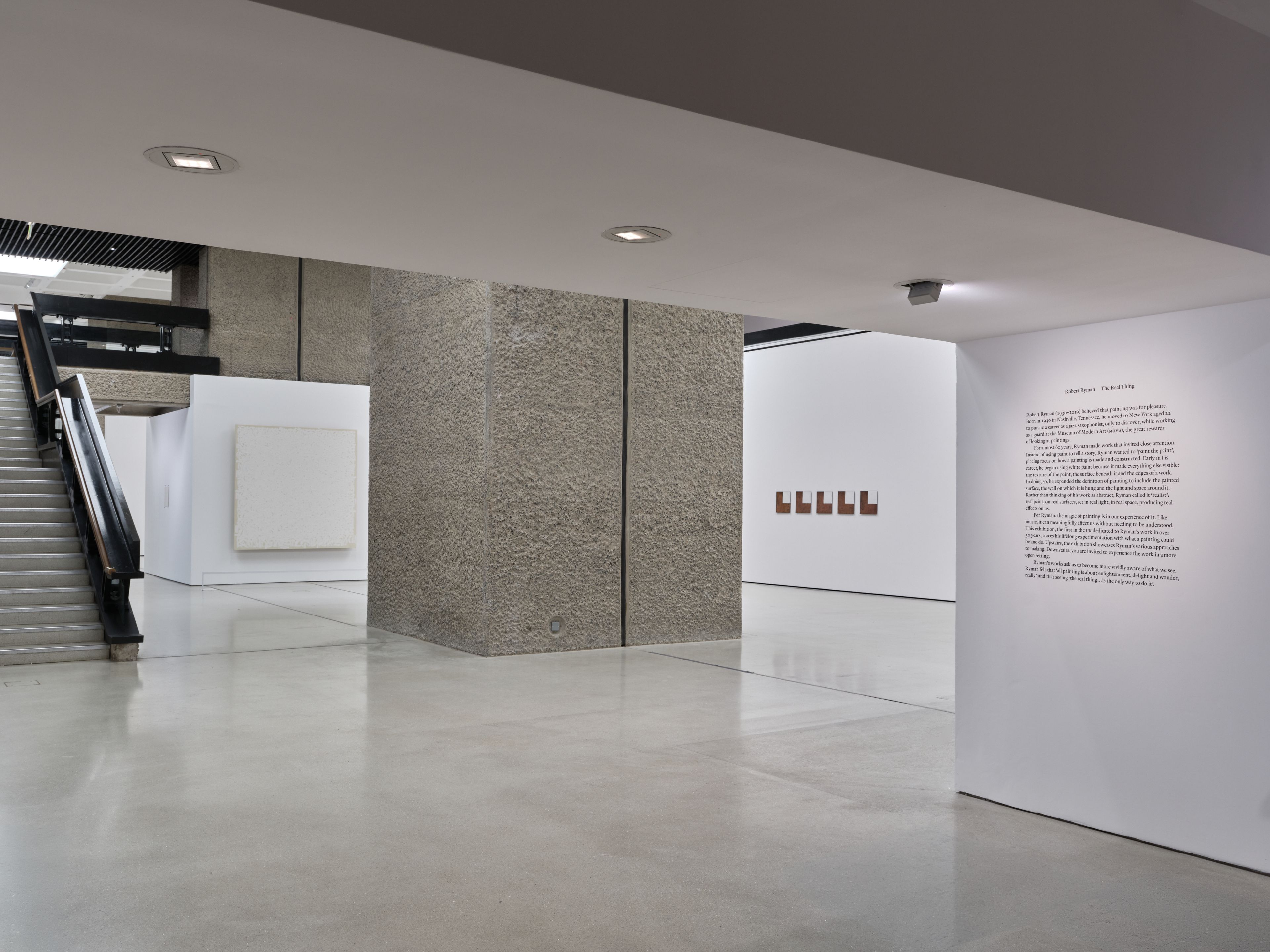
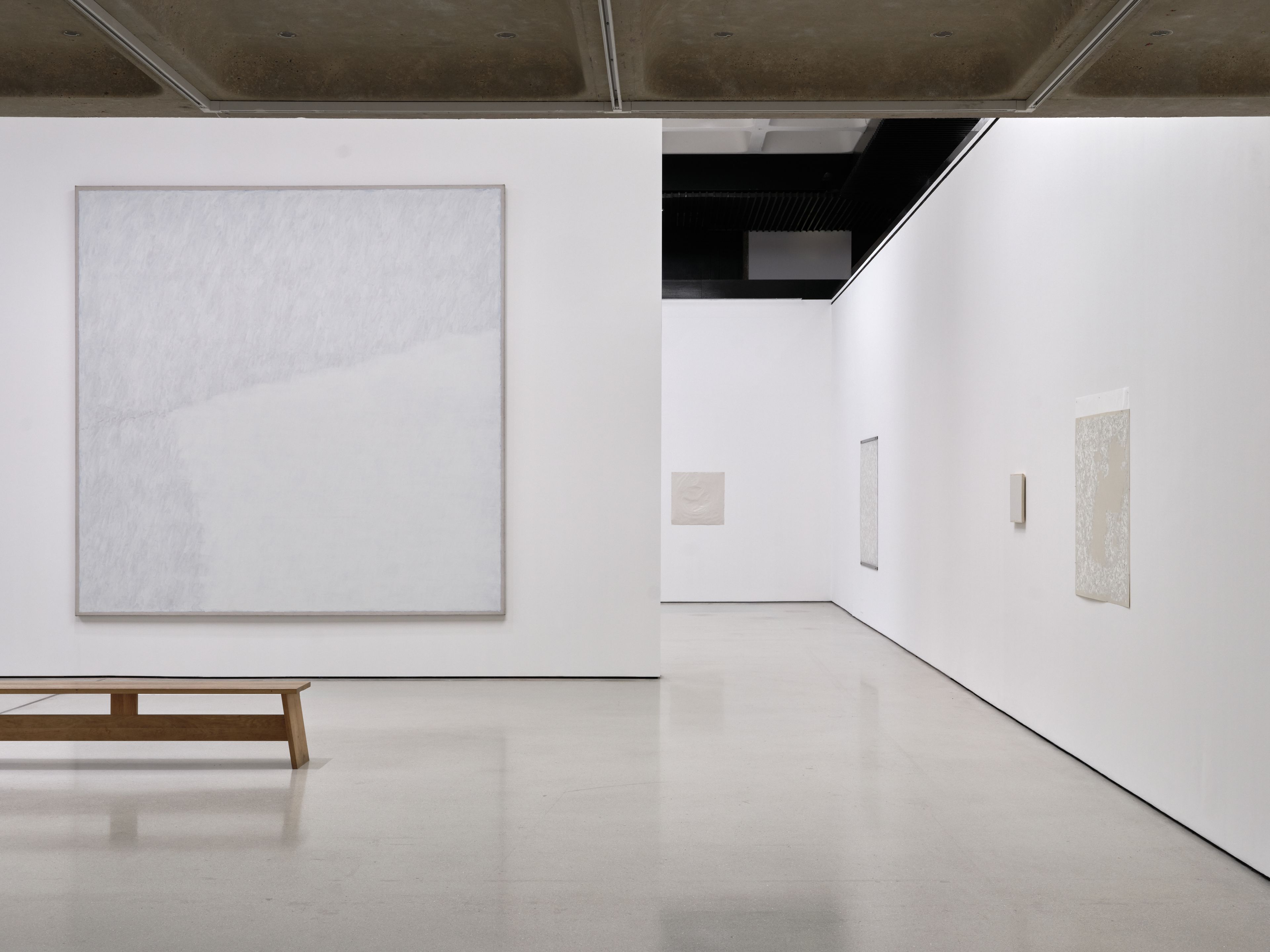
The Barbican will present a major new retrospective recognizing the extraordinary career of American painter Robert Ryman (1930-2019). Robert Ryman: The Real Thing is the first exhibition in the United Kingdom to take an in-depth look at Ryman’s work in over 30 years and will be a key highlight of the Barbican’s Autumn 2026 season.The Real Thing will feature over 60 works from Ryman’s prolific career from the mid 1950s up to the early 2010s. Arranged thematically, the exhibition will celebrate Ryman’s legacy as a painter who rejected the categories of representation and abstraction, choosing instead to “paint the paint.”
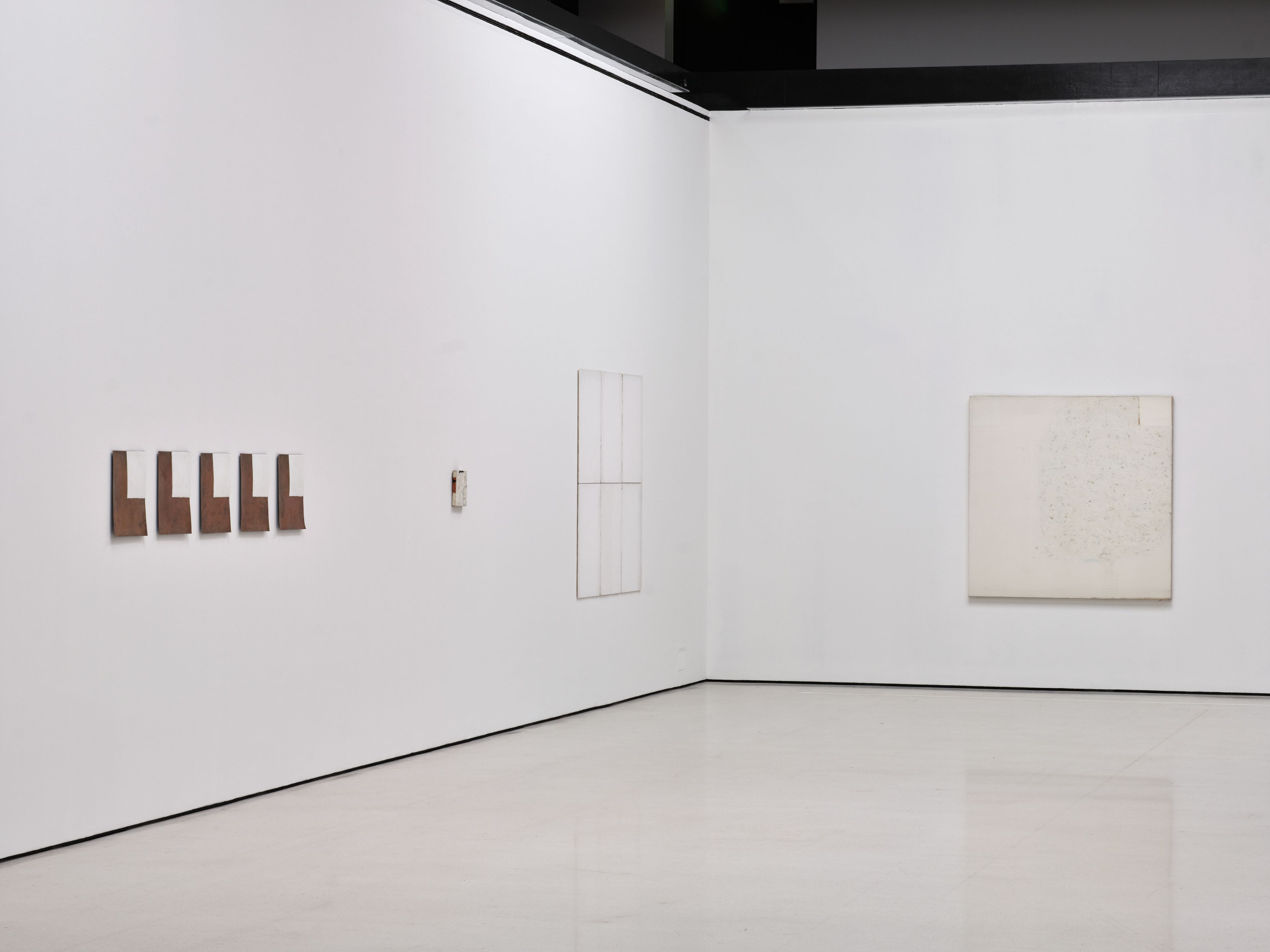
For nearly 60 years, Ryman dedicated himself to exploring–and questioning–what constitutes a painting: paint, on a surface, with a relationship to the wall and exhibited in space. He playfully and rigorously investigated materials and their effects, making subtle and surprising paintings that show and make visible materials as they are. Though Ryman primarily used white paint and a square format, this exhibition will reveal the remarkable variety Ryman produced as he worked across canvas, linen, fibreglass, steel, aluminium, Plexiglass, tracing paper, and coffee filter paper, using a range of paints including oil, acrylic, enamel, and epoxy.
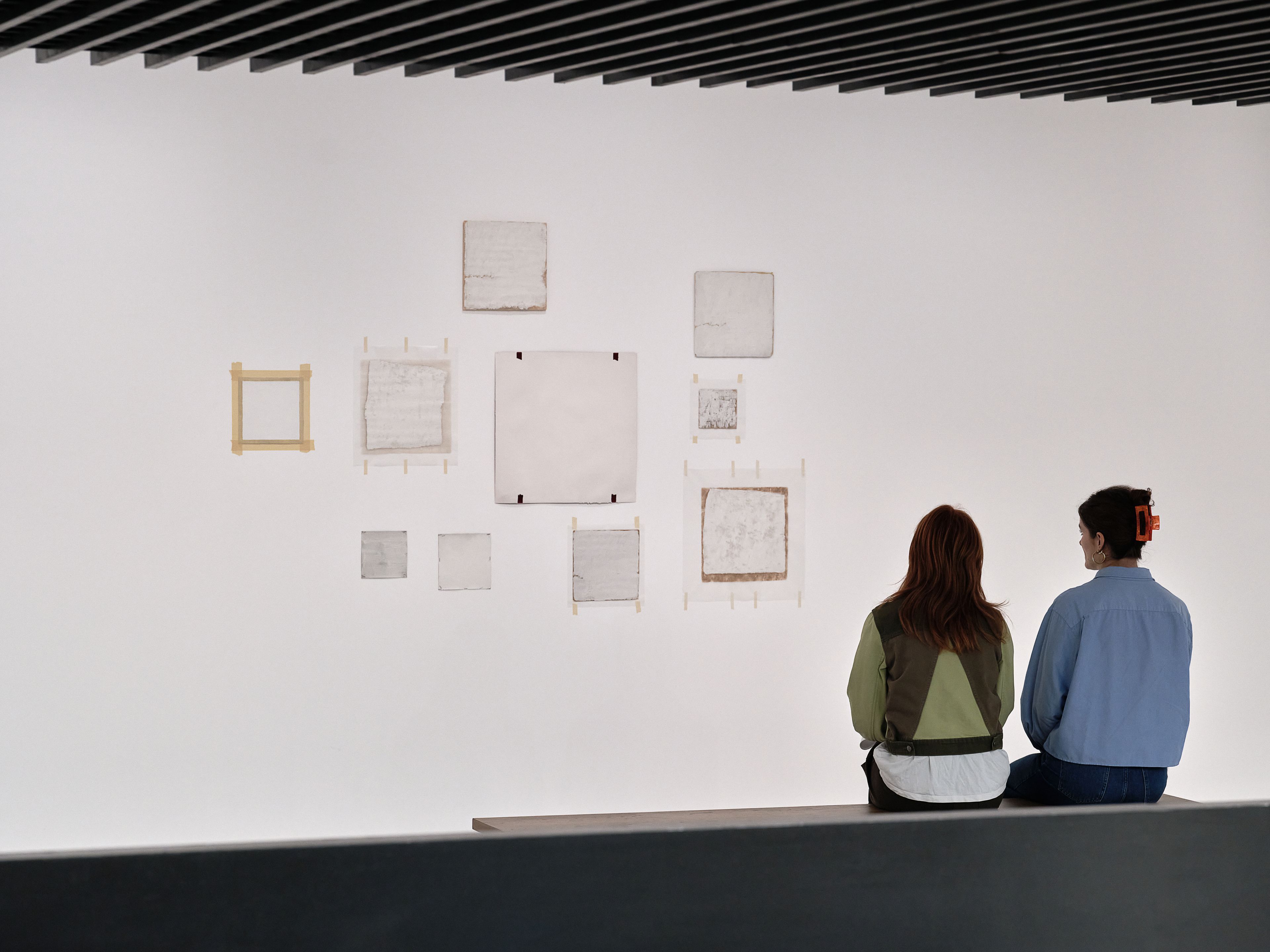
Ryman’s interest in painting’s relationship to the wall and its presence as object in space is further seen in his choosing to make visible different hanging mechanisms ranging from custom-made fasteners, screws, and staples to masking tape in works that range from small and intimate to monumental in scale. For Ryman, every painting was a test to “see what would happen” as he experimented with materials and the paintings’ interactions with each other and their surroundings.
The Real Thing takes as its starting point that an understanding of Ryman’s painting is unfixed, and is instead conditional on its unique setting. A self-described realist, Ryman believed that the poetry of painting was in feeling, and that painting was best understood through real, in-person experience rather than the intellect. The upstairs galleries will pay special attention to key aspects of Ryman’s work: his early training as a jazz saxophonist and his relationship to music; his studio process; his use of his signature and custom-made fixings as elements in a composition; and his relationship to drawing. Downstairs, a selection of paintings chosen from across Ryman’s career for their aesthetic relationships will present ‘the Ryman experience’, inviting visitors to pay close attention to subtlety, nuance and visual complexity when viewing the works’ similarities and differences.
Featured works will include Untitled (1958), an early painting inspired by Mark Rothko that Ryman made while working as a guard at The Museum of Modern Art, through to Untitled (Background Music), (ca. 1962), Surface Veil II (1970), Pair Navigation, (1984 and 2002), and works from Series (White), made between 2003 to 2005. Special attention will be given to Ryman’s working in his studio through rare archival material and a display of several Surface Veil works, many of which were last seen together on Ryman’s studio wall in 1970.
Learn more at the Barbican Centre.
