Fondation Giacometti, Paris, France
February 6, 2026–May 24, 2026
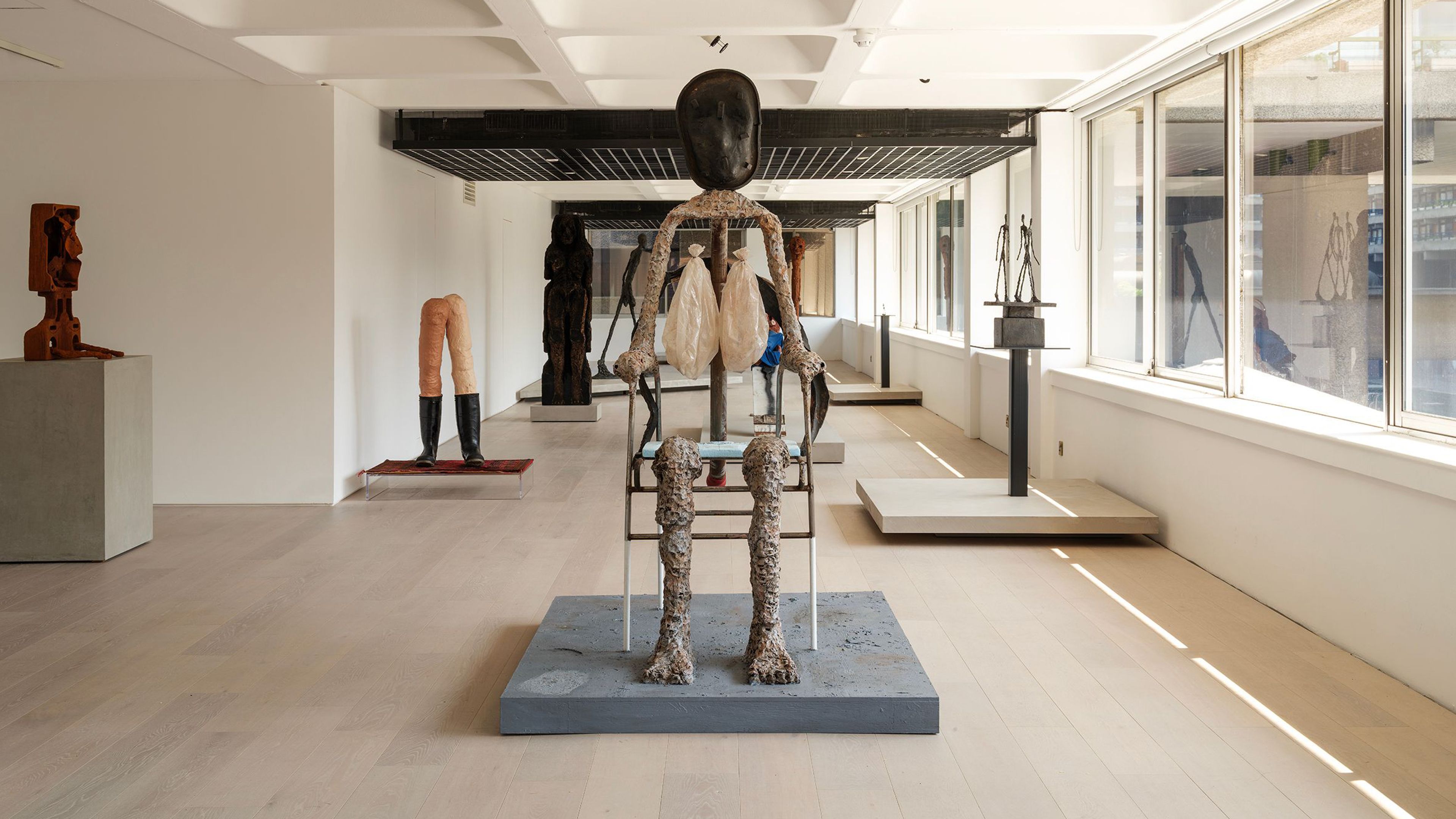
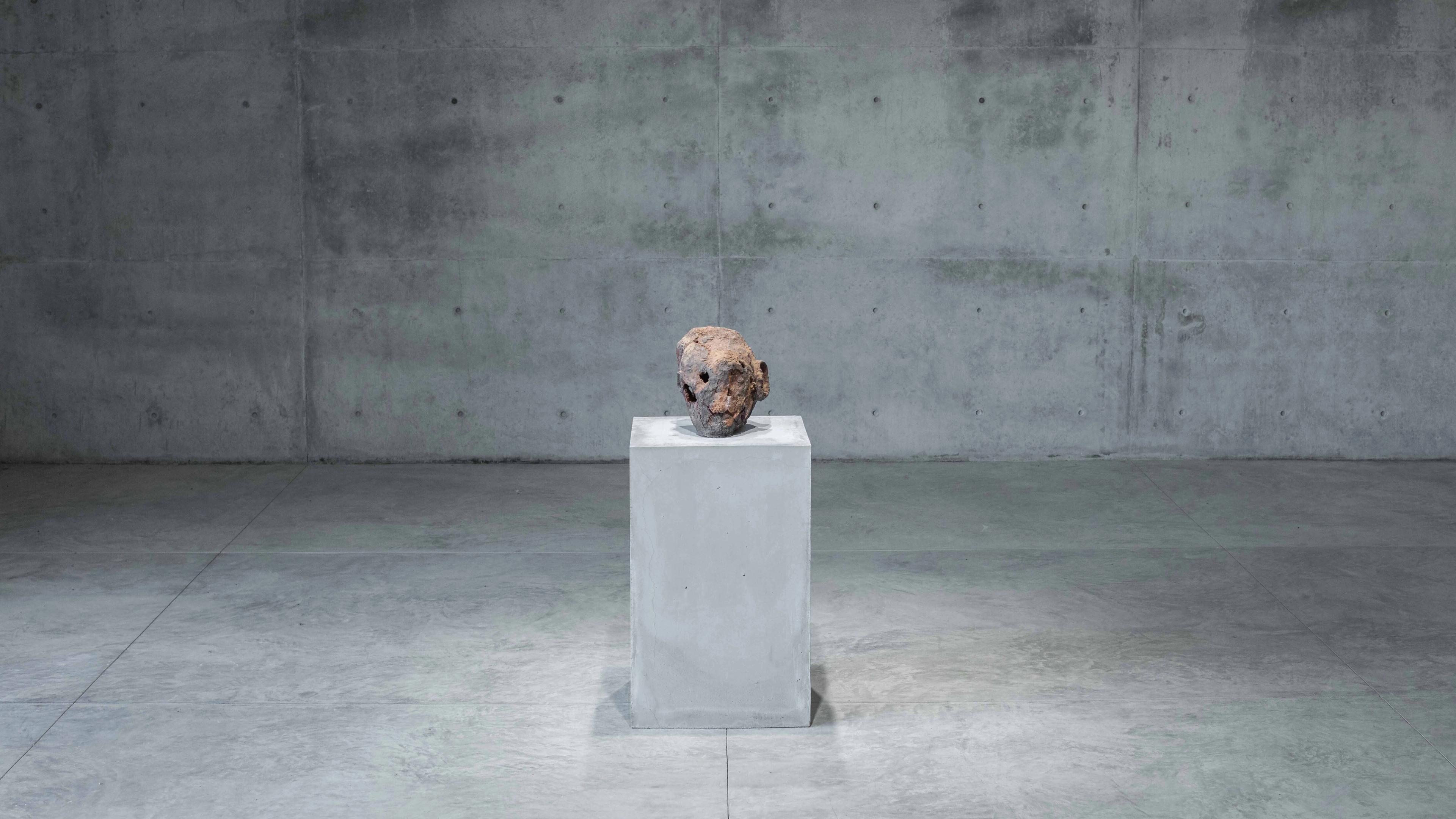
Institut Giacometti presents an original exhibition curated by Emilie Bouvard and titled « Dénoue, boucle à boucle, les cheveux d’une idole – avant que tes articulations se détachent... ». Translated in English to “And loose the loved one’s tresses knot by knot,” the show places the work of Huma Bhabha in response to Alberto Giacometti’s œuvre and was specially designed for the space, with new works made by Bhabha for the occasion in addition to a set of major works by the artist: two standing figures, various sculpted heads, sculptures with the appearance of fragments of bodies as well as drawings and photographs. Those works enter into a dialogue with emblematic works by Giacometti, among them Walking Man (1960), The Leg (1958), Women of Venice (1956) and Large Head (1960). This exhibition follows a first presentation between the two artists at the Barbican Centre in 2025 titled Nothing is Behind Us.
Inviting Huma Bhabha to work in response to Giacometti’s oeuvre was a natural choice, since she has long been interested in his work. Bhabha creates assemblages, works in clay, cork and bronze to let human forms emerge and express emotions. The encounter between the two artists takes place in their work with the figure, both fragile and strong, feminine and masculine, funny and melancholic, always resilient. An original artist among her contemporaries, Bhabha is in agreement with Giacometti’s belief that “everything revolves around the human body.”
Obsessed with the movement from life to death and death to life, their works show at the same time the strength and the transient character of human beings, their violence and tenderness.
The exhibition is tinged with a caustic, black, scathing humour. We find an echo of it in the title of the exhibition, Dénoue, boucle à boucle, les cheveux d’une idole–avant que tes articulations se détachent… The line is pulled from a quatrain by the Persian poet Omar Khayyam (1048-1131): “and loose the loved one’s tresses knot by knote’er the knots your limbs bind, rend apart.”
Both artists draw from the art of all epochs and all civilizations–from the art of Ancient Greece to the Renaissance, as well as African arts and cinema–to create new forms and original modes of perception, other visions of humanity. A fan of science-fiction, Bhabha continues here her dialogue with Giacometti, who was well-versed in the milieus of strange and surrealist films.
*Omar Khayyam, Quatrain 449, The Quatrains of Omar Khayyam of Nishapur, translation by Eben Francis Thompson, 1906.
Learn more at the Fondation Giacometti.