Roy DeCarava: the sound i saw
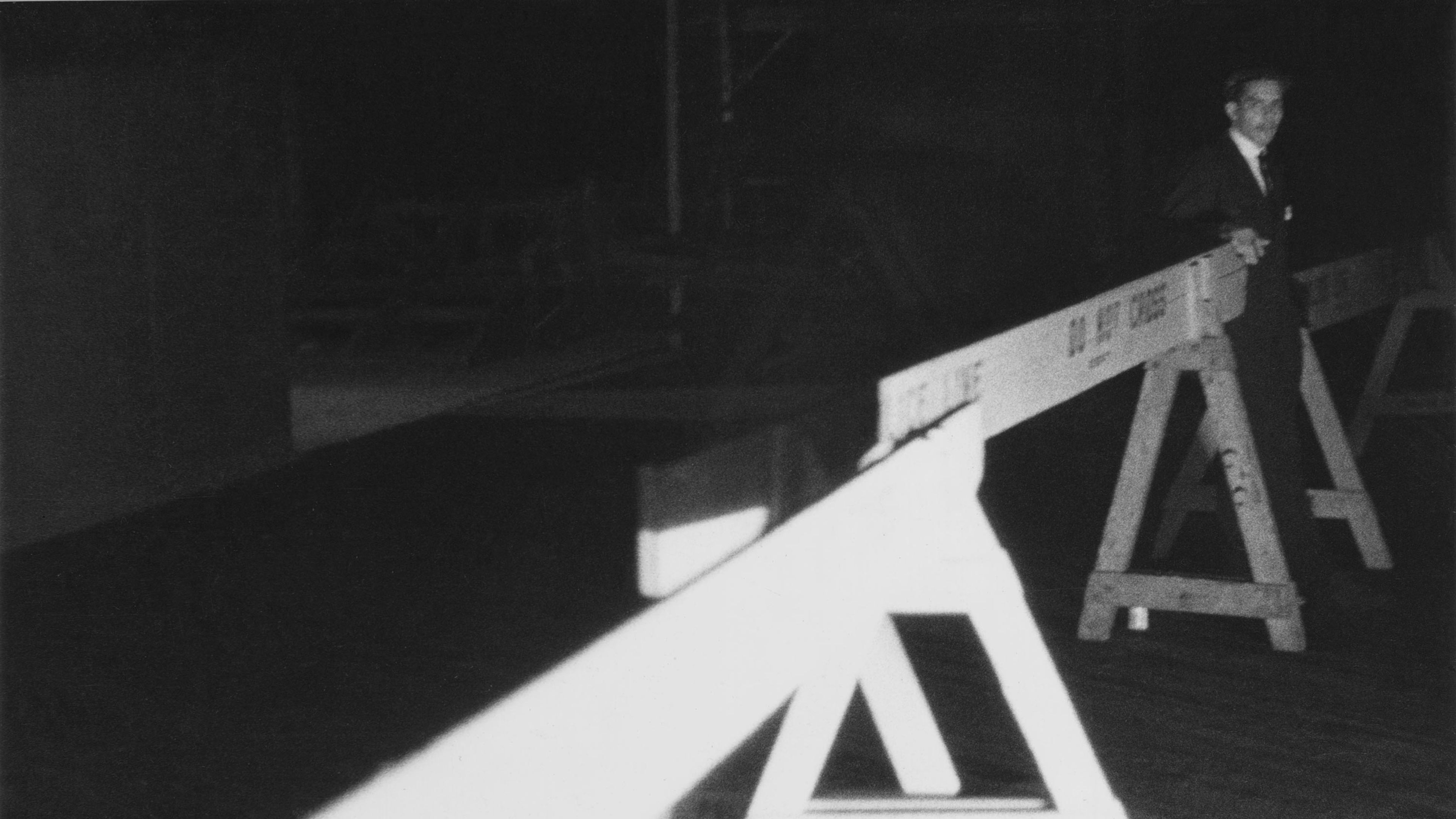
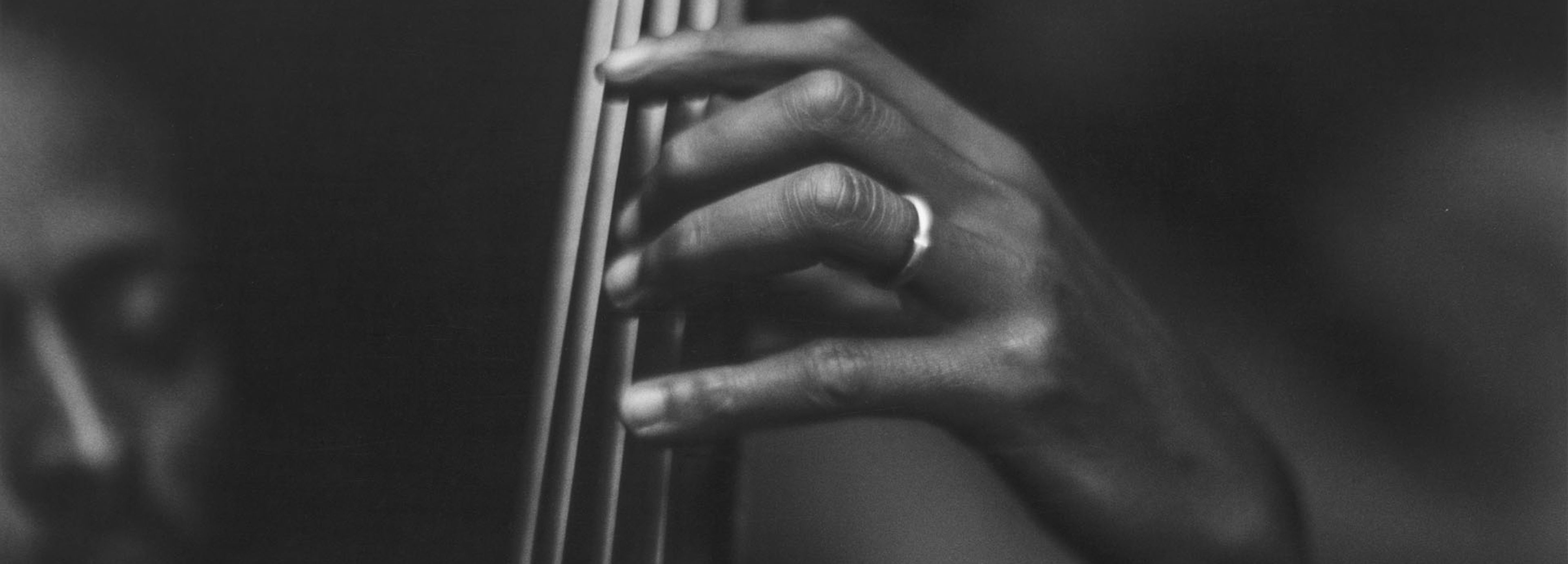
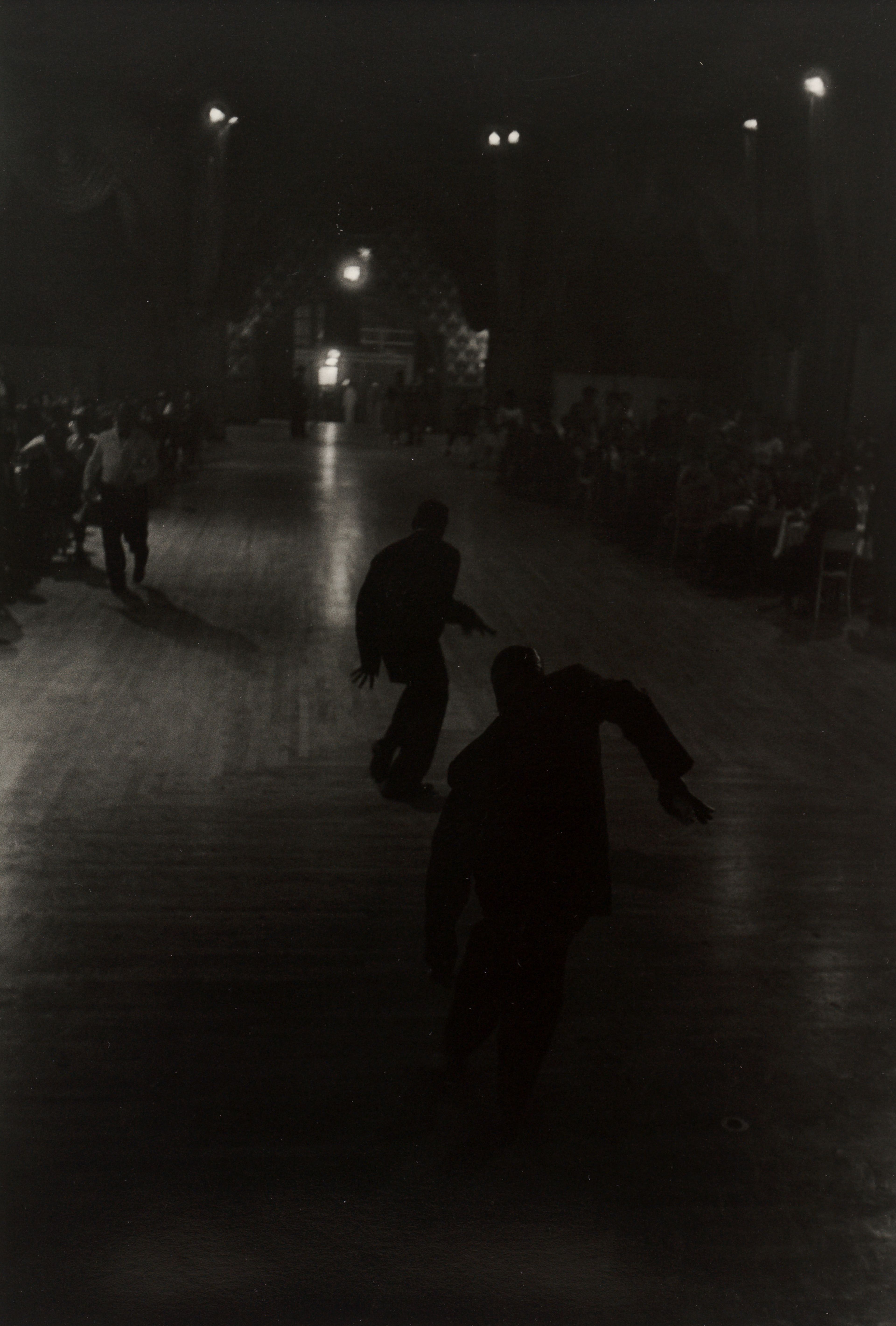
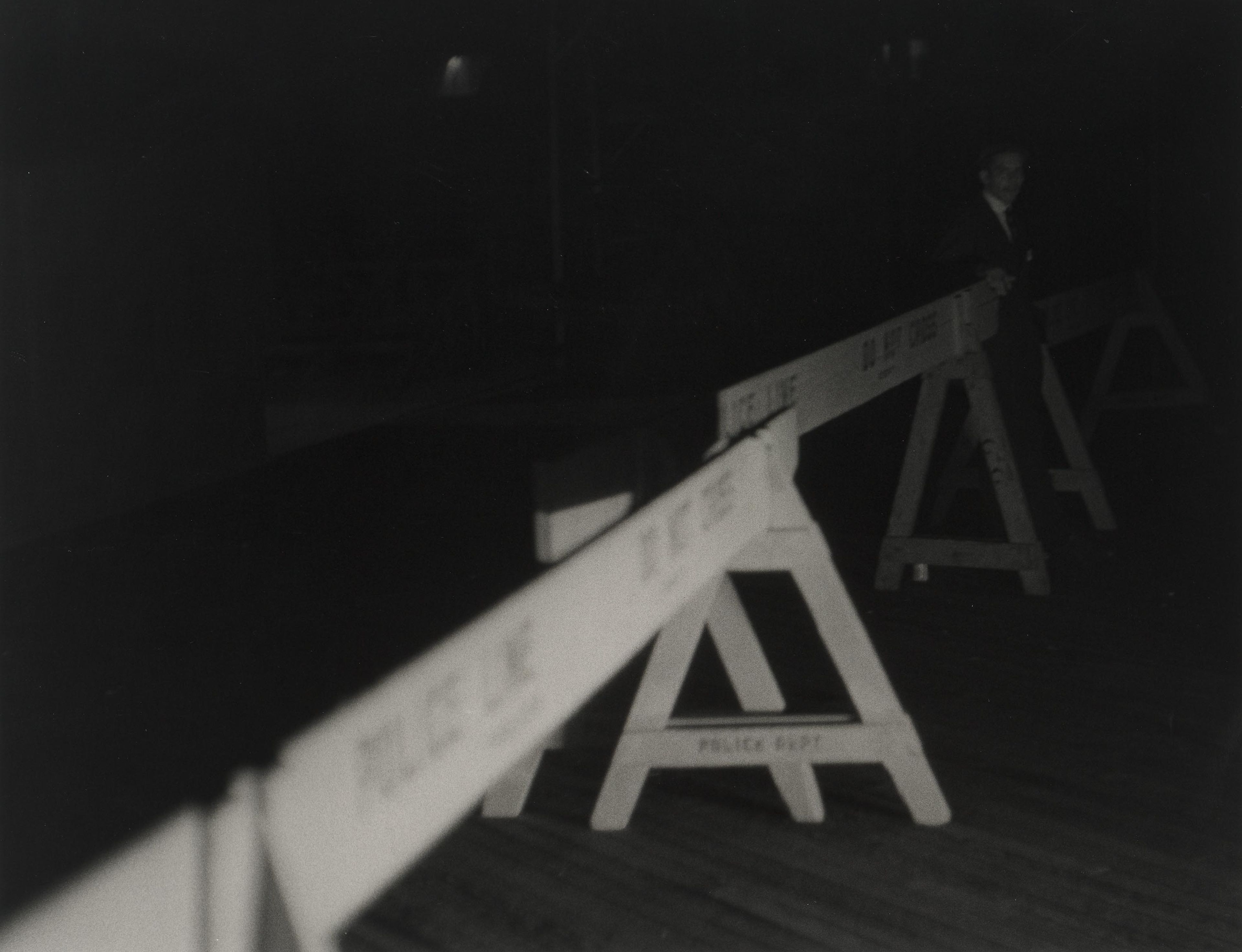
Roy DeCarava, Jackie at the barricade, c. 1956 (detail)

Roy DeCarava, Jackie at the barricade, c. 1956 (detail)

Now Open

September 19—October 31, 2026

Opening Reception

Saturday, September 19, 6–8 PM

Location

Los Angeles

606 N Western Avenue

Los Angeles, CA 90004

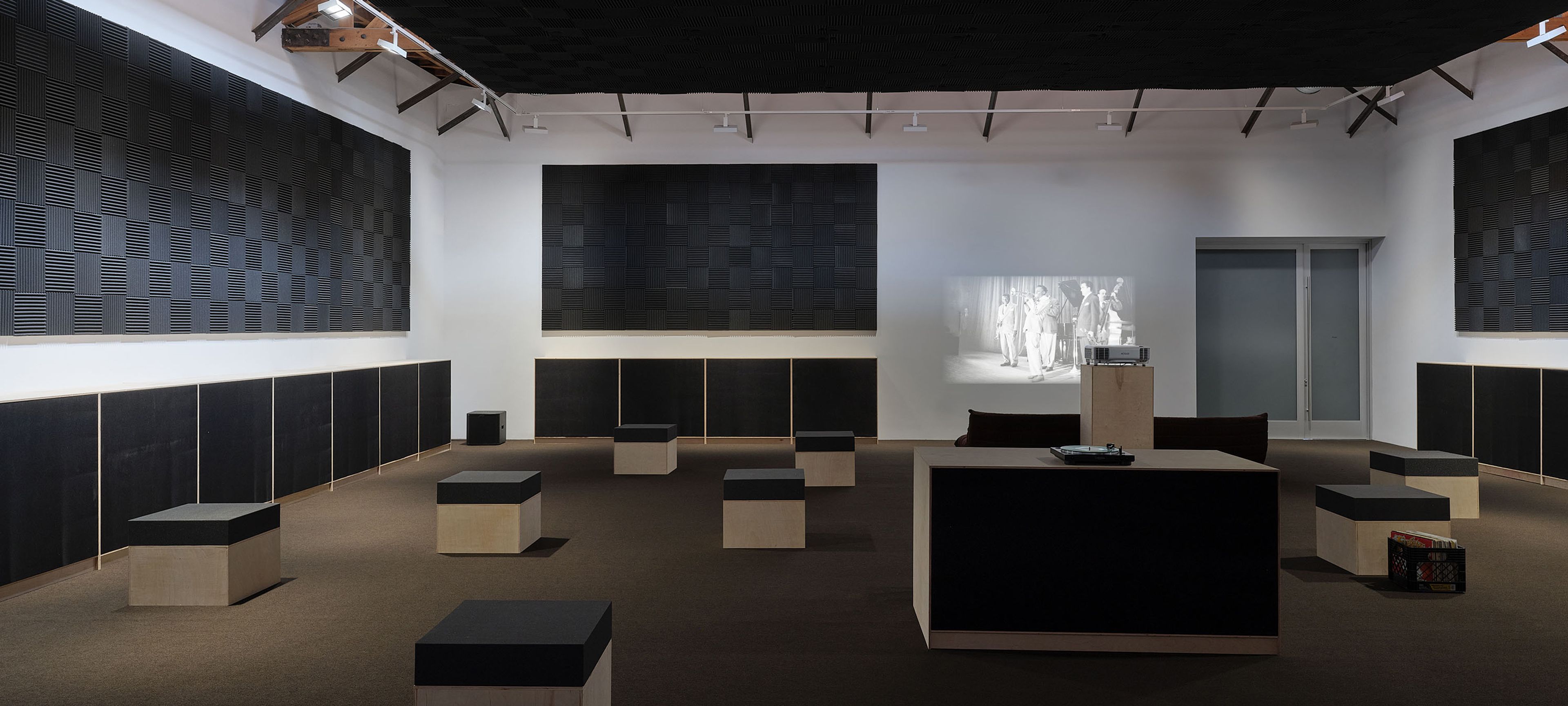
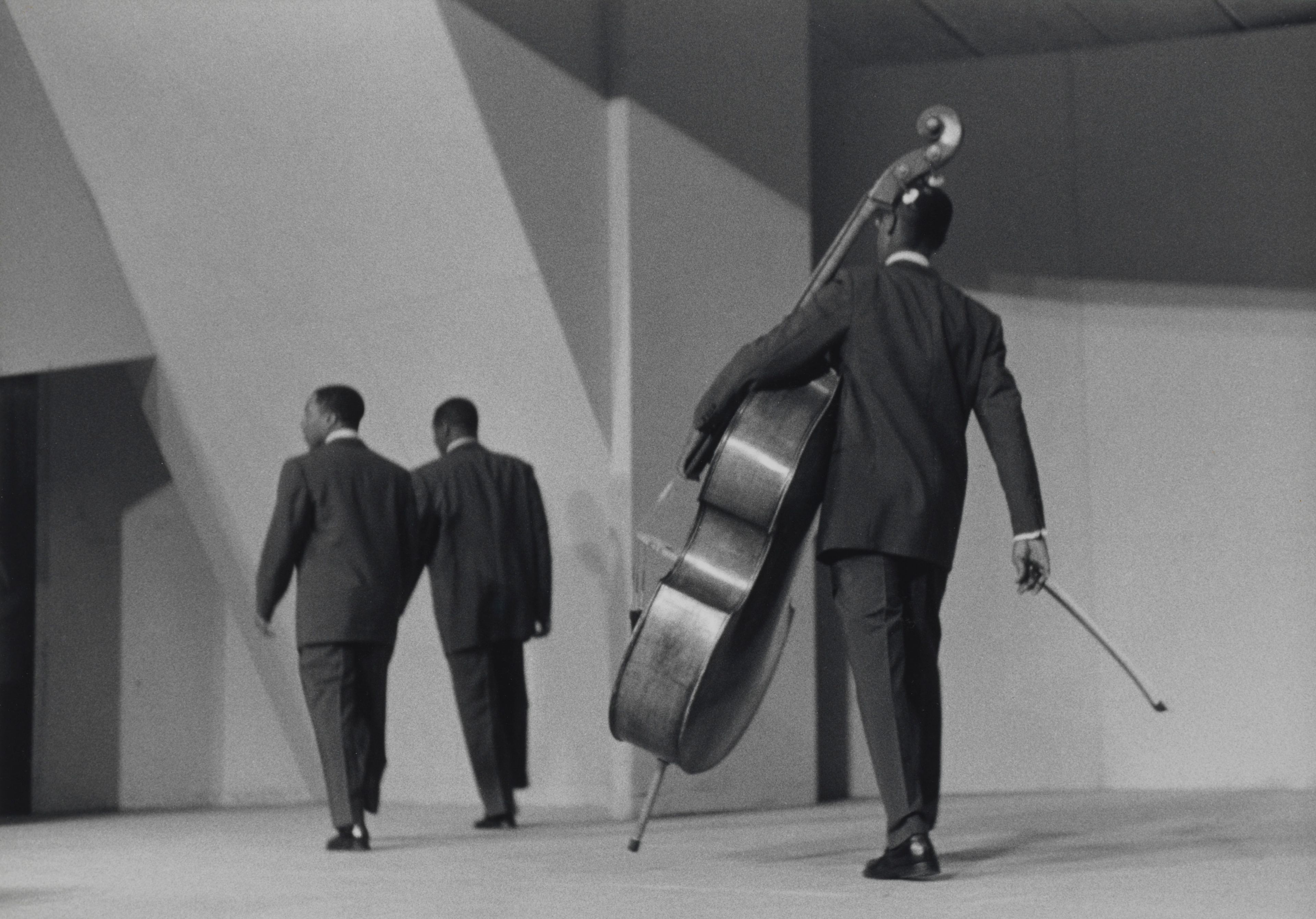
David Zwirner is pleased to present an exhibition of photographs by Roy DeCarava curated by Ebony L. Haynes, at the gallery’s 606 N Western Avenue location in Los Angeles. On view is the sound i saw, DeCarava’s unwavering exploration of the relationship between the visual and the aural created between the late 1940s and the 1960s. Bringing together more than 130 images, this is the largest presentation of this body of work since its inaugural exhibition at the Studio Museum in Harlem, New York, in 1983. Presented in an adjacent gallery at 616 N Western Avenue is SIDE B: the sounds, a listening room inspired by the artist’s personal playlists and favorite jazz album.

Explore

Explore Works

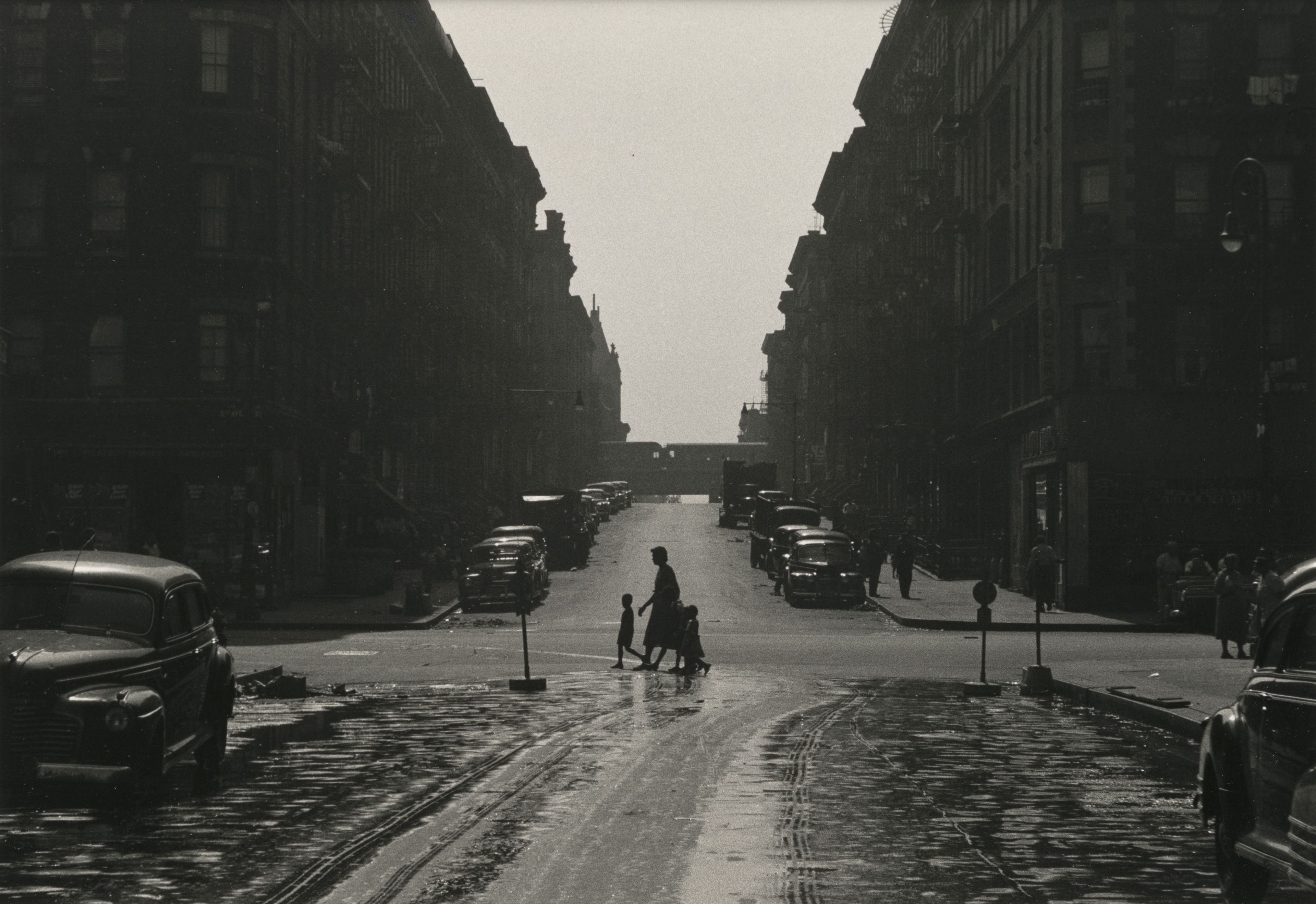
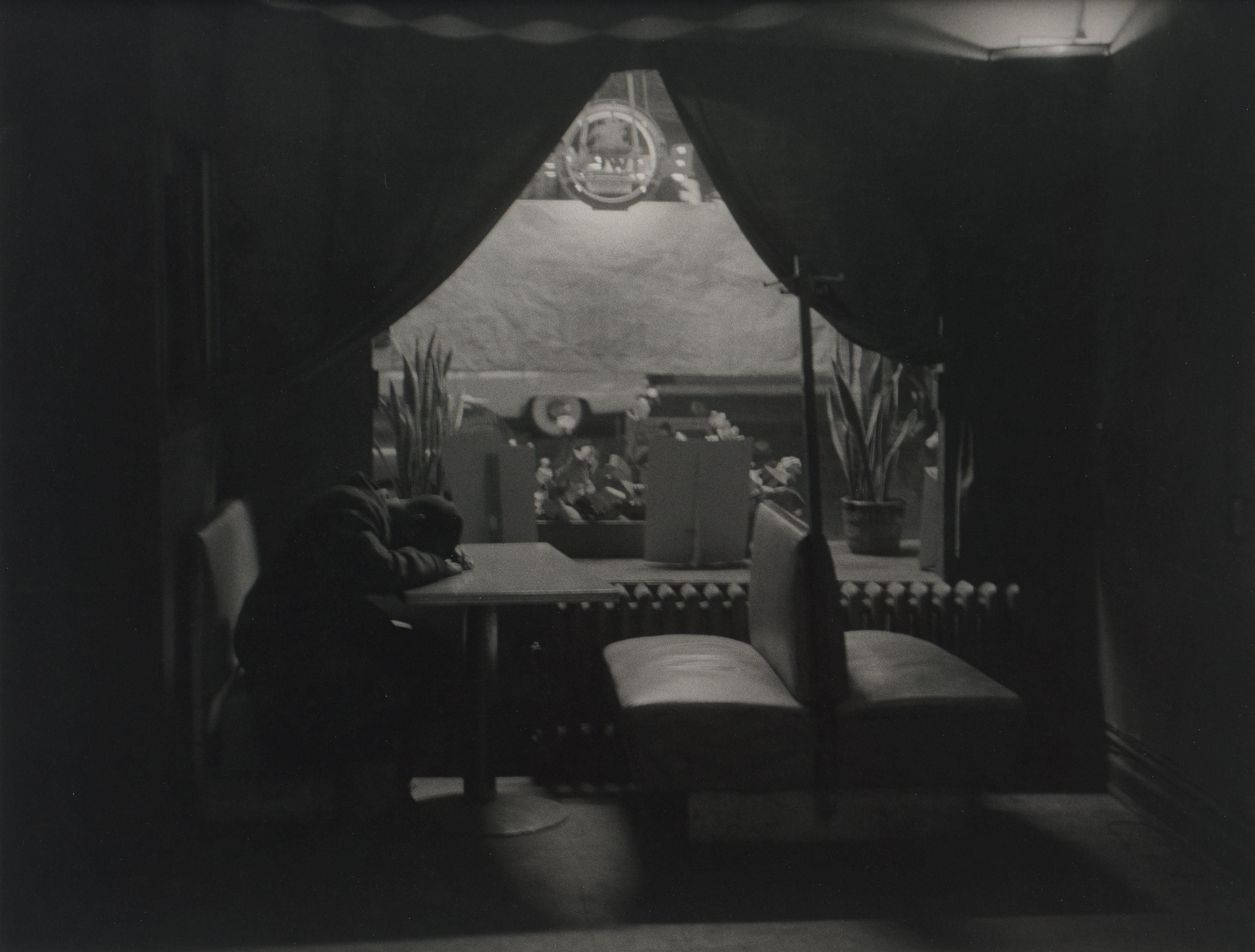
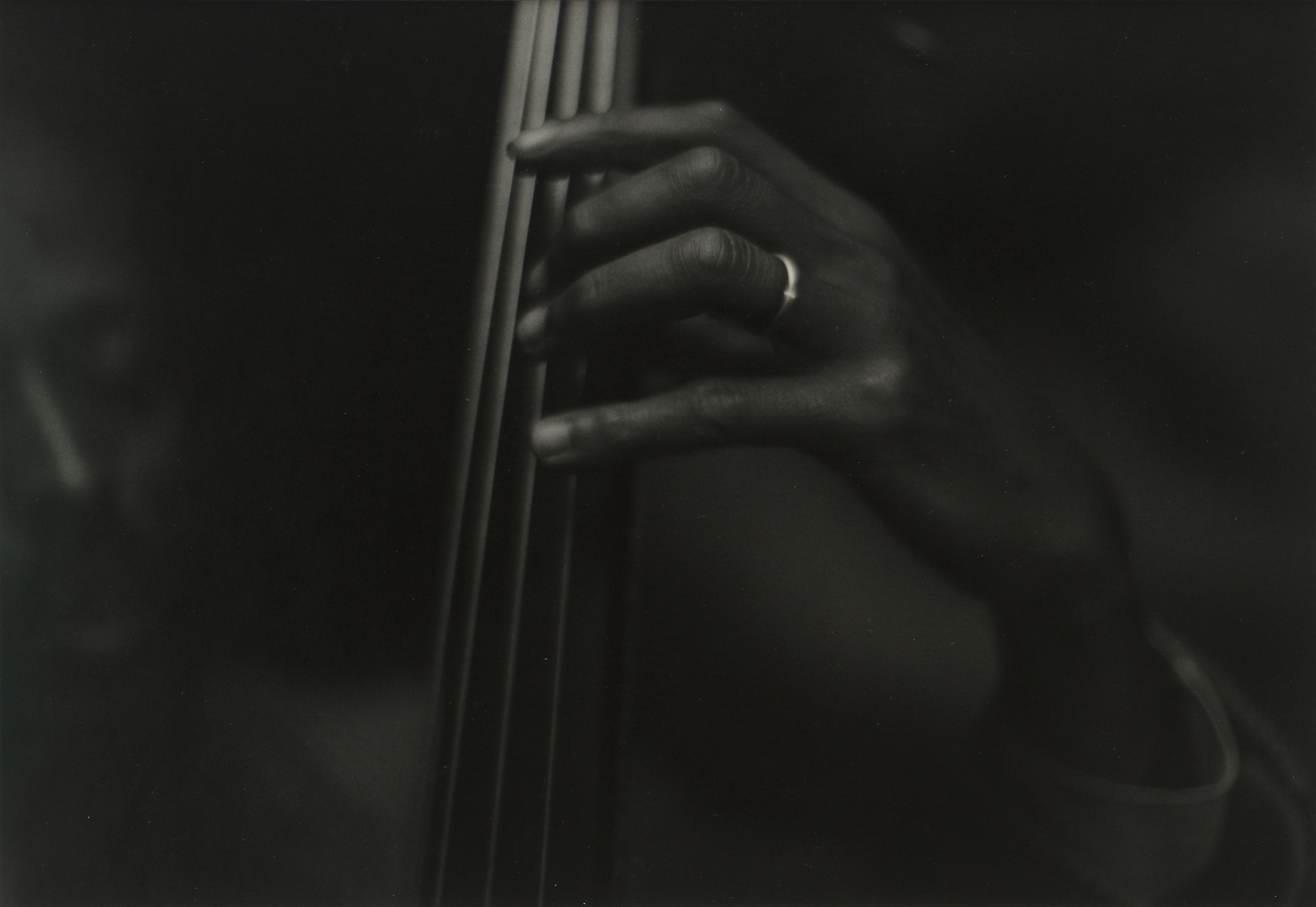
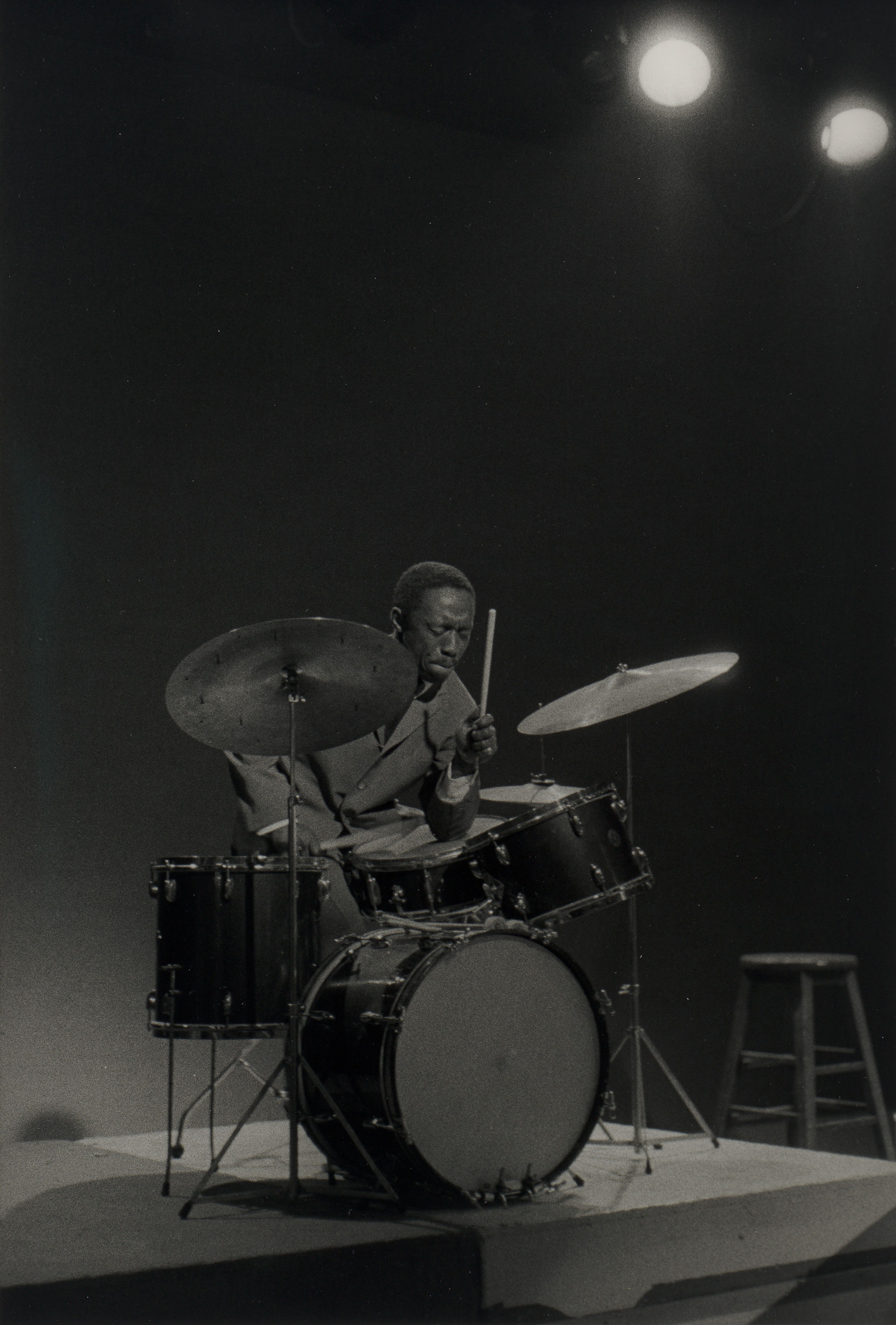
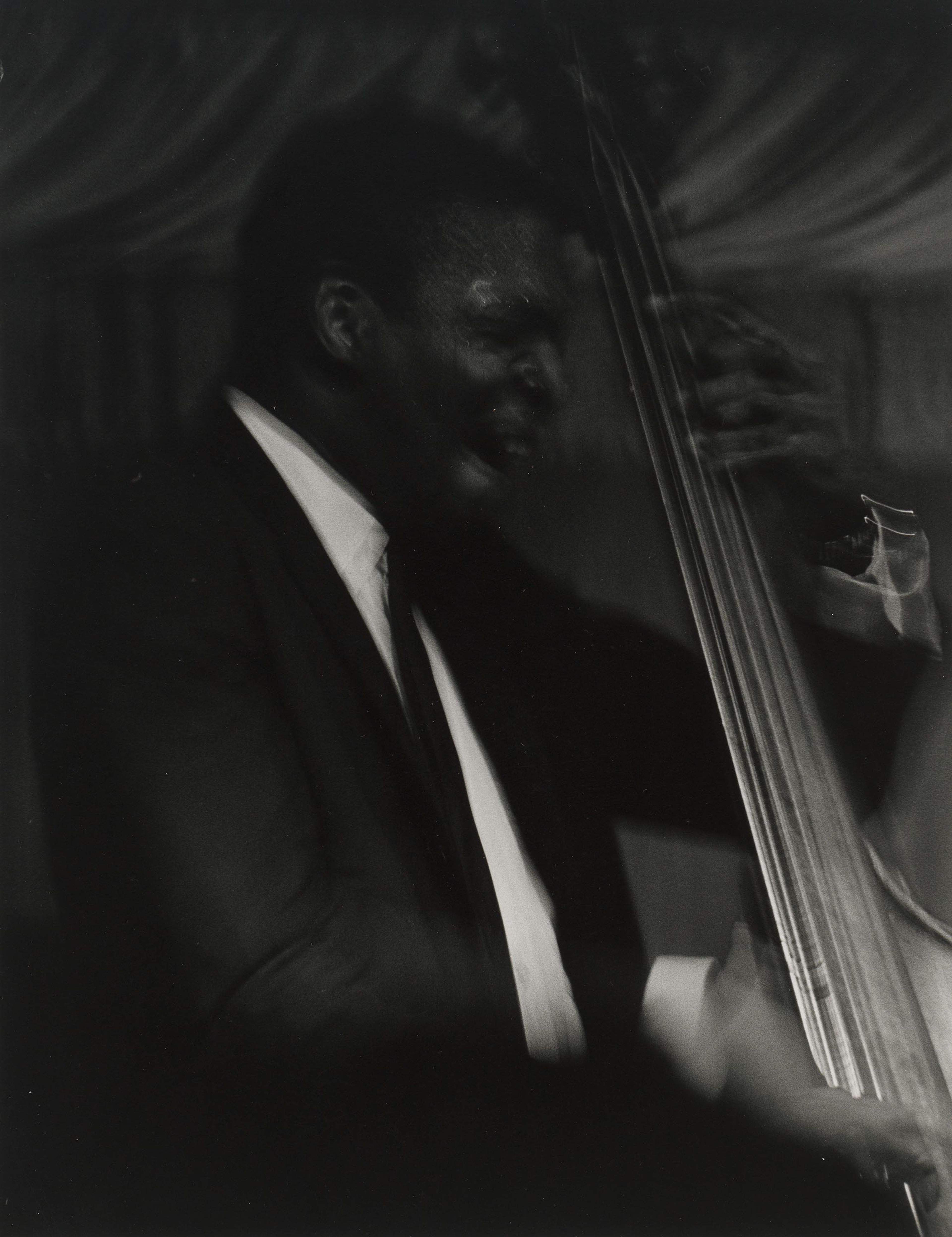
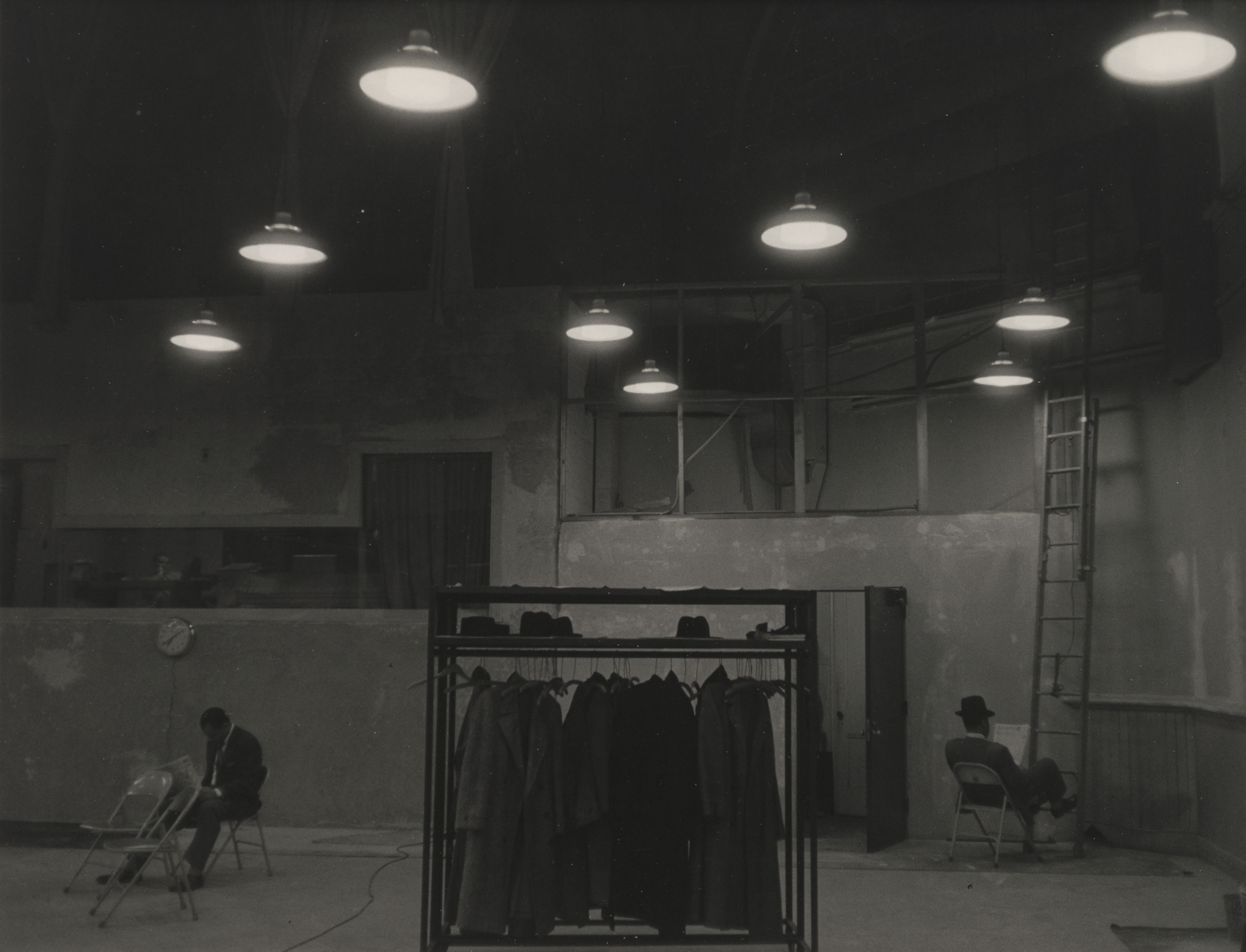
Over the course of his more than six-decade career, New-York-born-and-based DeCarava produced a singular oeuvre of black-and-white photographs of modern life that combine formal acuity with an intimate and deeply human treatment of his subject matter. He worked with a handheld 35mm camera, which enabled him to move easily throughout the city, allowing him to recognize and identify with his subjects. This body of work juxtaposes images of everyday life in New York City—elegiac street corners, deliverymen working, children playing, riders waiting for the train—with images of jazz musicians.

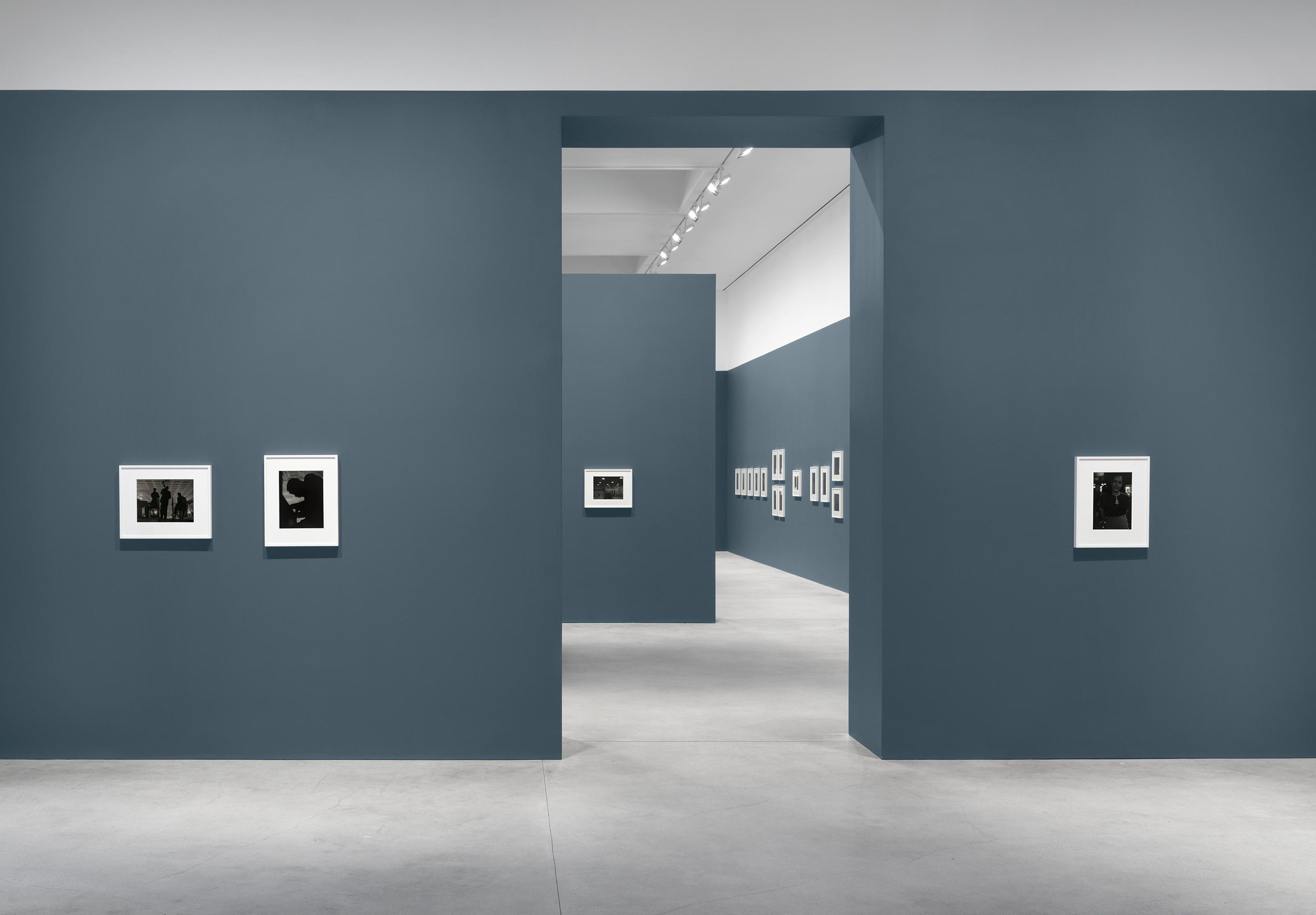
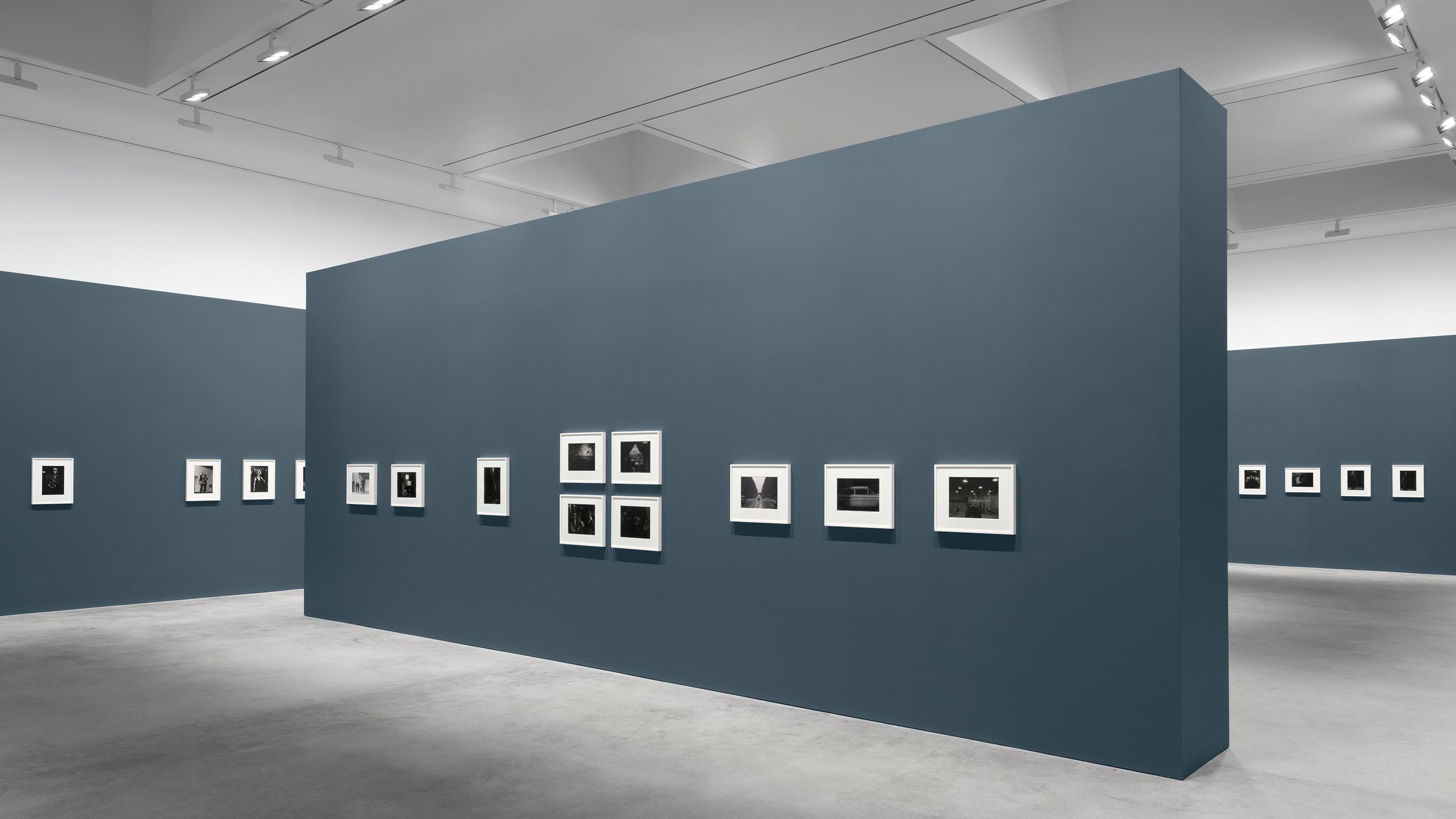
Installation view, Roy DeCarava: the sound i saw, David Zwirner, Los Angeles, 2026

“Roy DeCarava sought the humanity of his subjects through the lens of a 35mm camera. Throughout his six-decade career, DeCarava produced a singularly unique body of black-and-white photographs. the sound i saw is a discrete collection of 300 images within that oeuvre, and over 100 of these works make up this exhibition, offering more than meets the eye. More than jazz, the clubs, and the figures that filled them, together these photographs visualize a generation of black experience. Composed to the sounds of children playing in the streets, Billie Holiday crooning on stage, and chemicals sloshing around as silver gelatin prints develop in a darkroom, each composition captures a moment in time where bodies curve into one another and where silent photographs dampen the echoes of feet dancing and tapping to the drums of Art Blakey.  This exhibition of the sound i saw takes each viewer through a threshold into a microcosm of the black aesthetic. With the walls painted a navy color with dark gray undertones, every visitor is invited into the intimacy of DeCarava’s darkroom, and—because every print was made by the artist—each image holds the affective essence of DeCarava’s own hands. This is a story told in vignettes where flashes of life are only revealed through their continual becoming. Taking in this exhibition with slowness and consideration reveals the intricacies of human life: each breath, each caress, each moment can only be seen by those who seek to see and can only be heard by those who take the time to listen.”  —Ebony L. Haynes, Global Head of Curatorial Projects
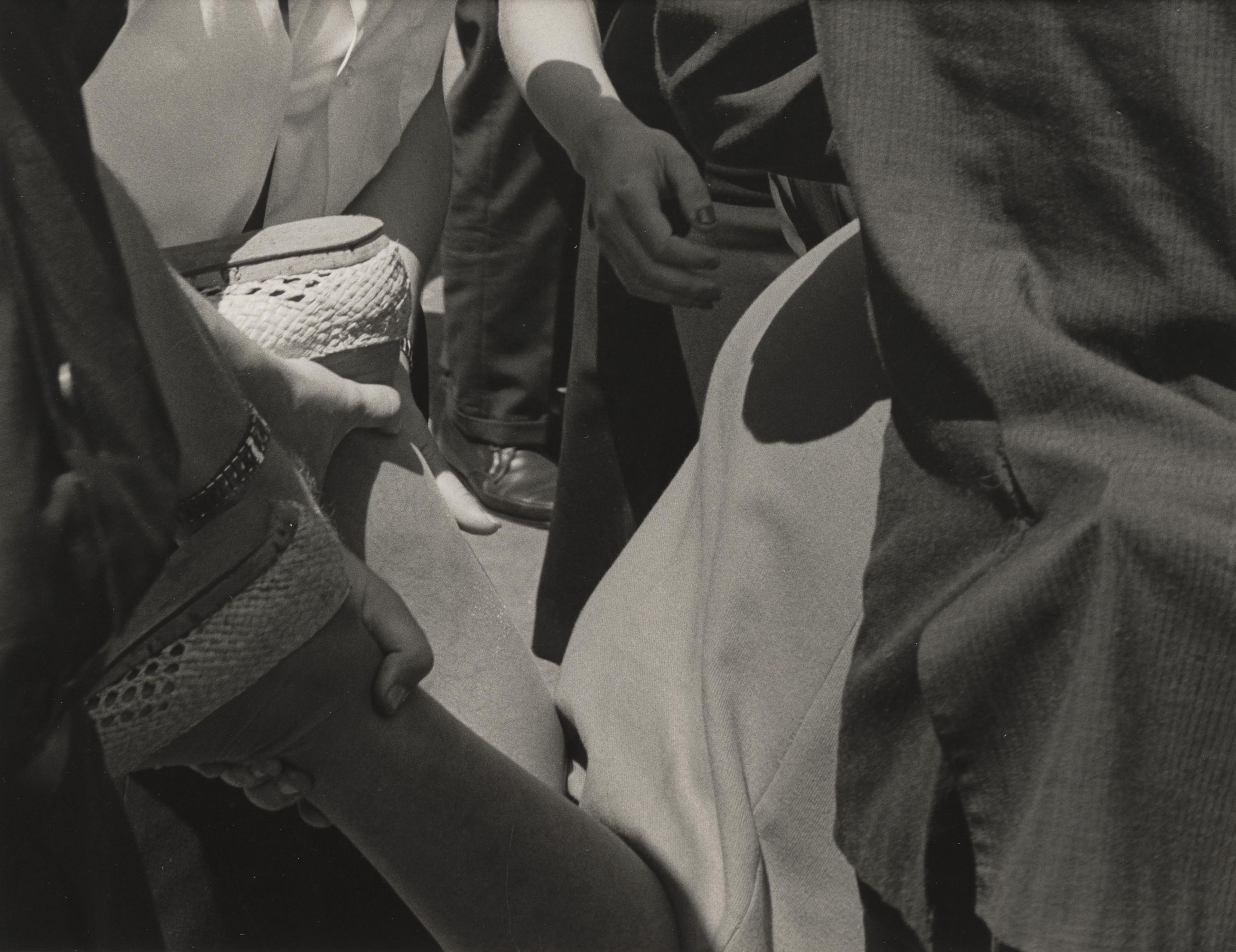
Captured in Force, New York (1963) is a demonstration organized by Black residents of a Brooklyn neighborhood to protest the destruction of their homes in order to build an addition to the Downstate Medical Center. Those who refused to move were carried away by authorities. In an interview, Roy DeCarava stated that force, as it is in this photograph, is “the desire and the will by the majority of the people in the world to reach sunlight.” He saw this particular desire as stronger than the forces used against the people, especially Black people.   "When citizens took to the streets en masse in the middle and late 1960s,” recalls art historian Sherry Turner DeCarava, “[Roy] found another context through which he could envision people’s relationships to each other and the social imperatives of the times. He proposed both the individual and the communal responsibility of the artist, and his work, uncharacteristic of a mass movement, found power in a visual course, more serene than turbulent."

DeCarava was an aficionado of jazz, which he saw as a complementary art form to photography, and he often spent evenings haunting the city’s jazz clubs, always with camera in hand. Unlike most photographers of his day, DeCarava developed and printed his own images, cultivating over time a distinct and enduring visual language defined by a rich tonal range that approaches a painterly form of expression.

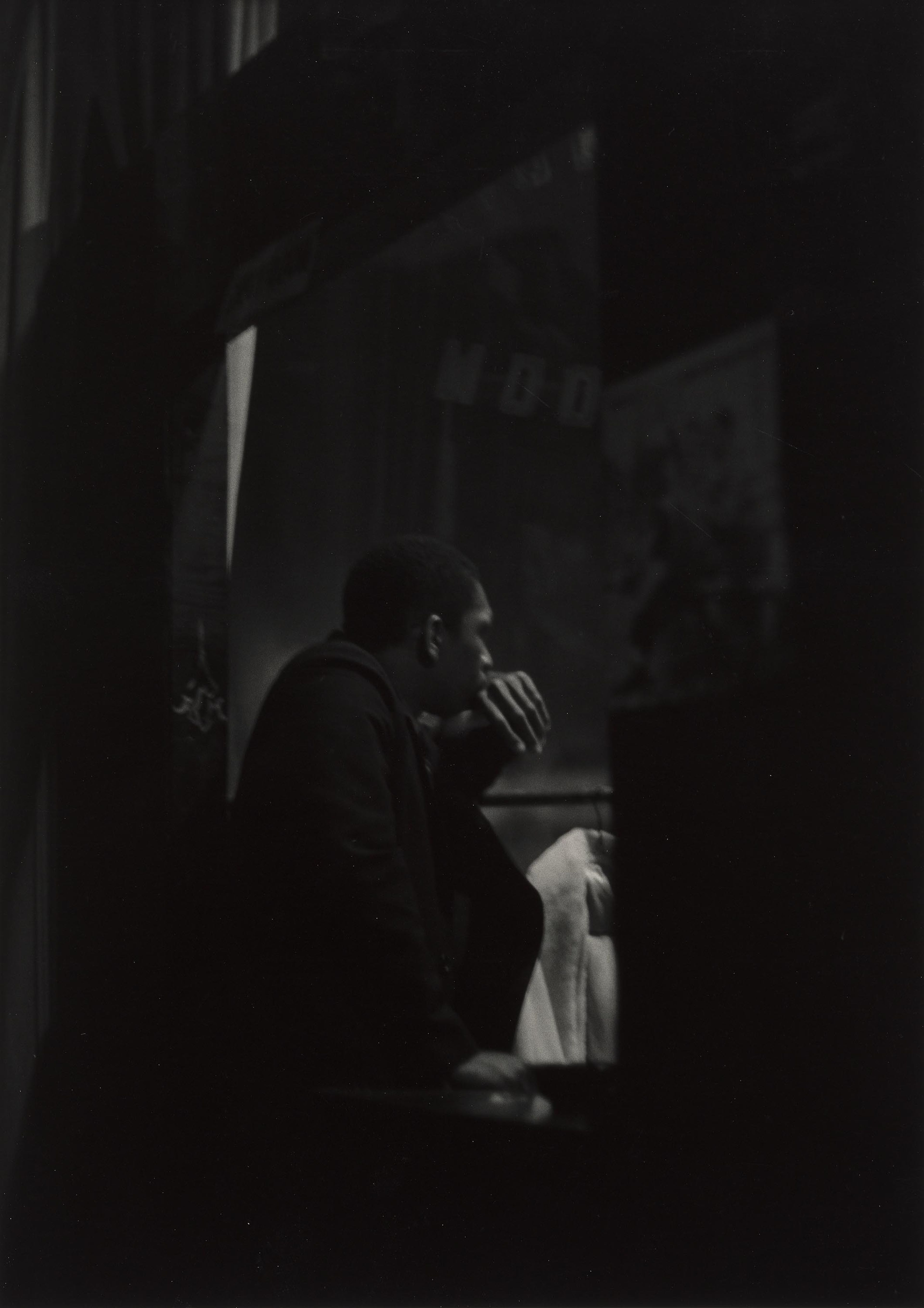
“Many of the best pictures show individuals—isolated, self-possessed, and, when performing, utterly absorbed in the act of creation.”  —Sherry Turner DeCarava

SIDE B: the sounds

A listening room inspired by Roy DeCarava’s work
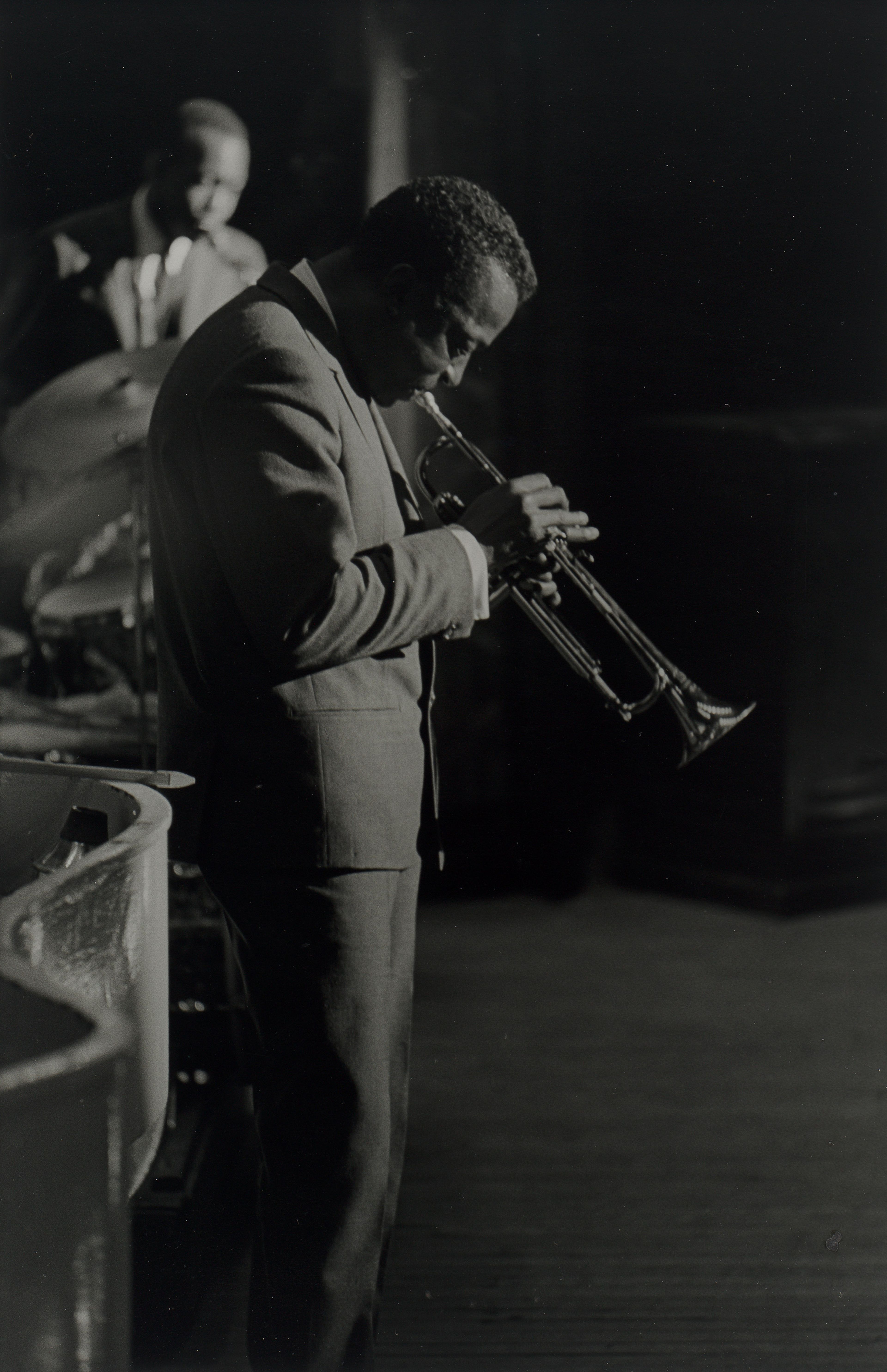
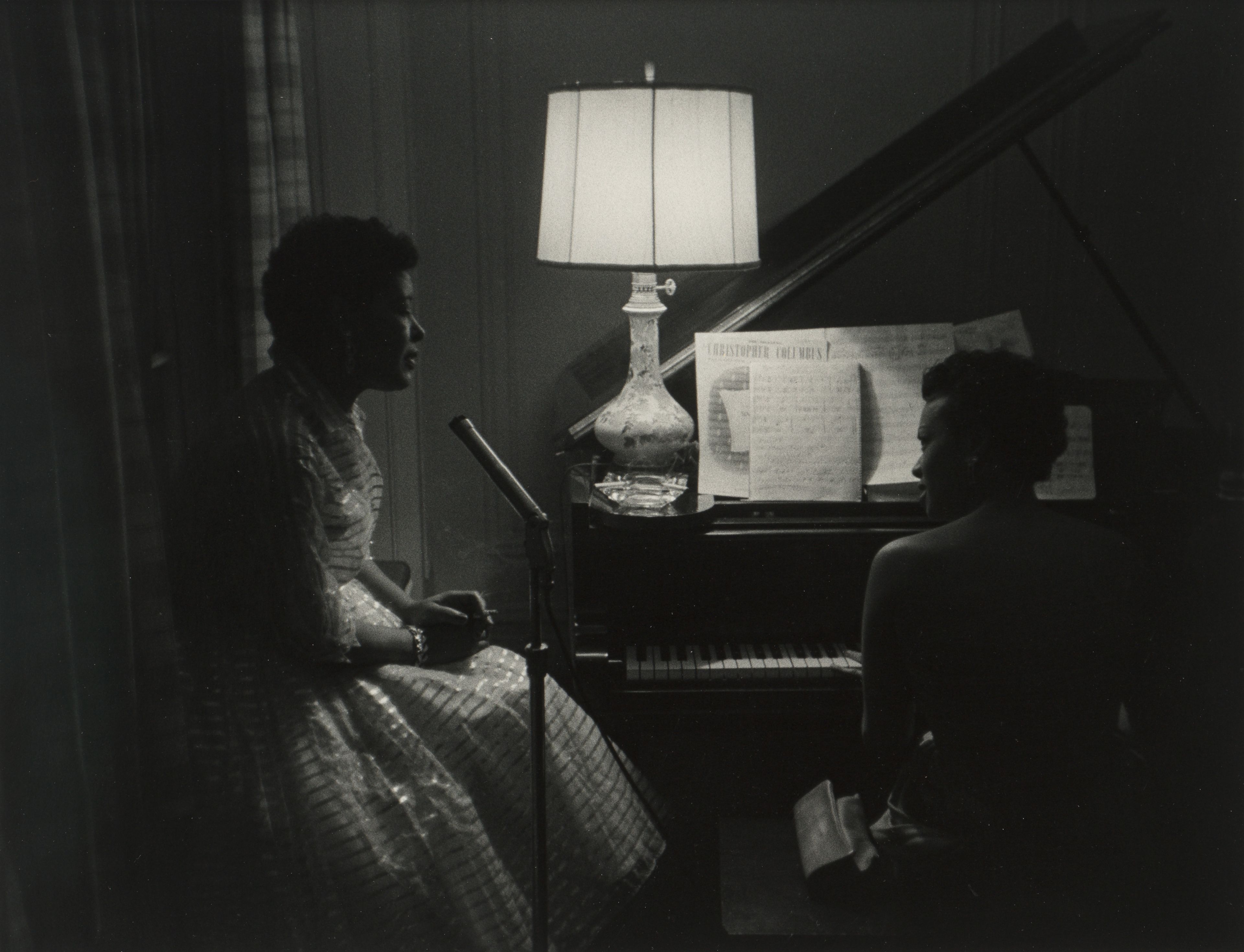
Many of the period’s jazz greats—such as Miles Davis, Count Basie, Billie Holiday, and John Coltrane—are glimpsed both mid-set and off-stage in moments of repose, emphasizing their status not simply as musical icons, but as everyday people, workers trying to make a living. Taken together, DeCarava’s highly nuanced prints redirect the viewer’s attention to the sounds of life, offering—as he noted—“images for the head and for the heart.”

“I photograph musicians as people, not as musicians. I don't feel it's necessary to photograph them while playing. What I respond to is their commitment to what they do. The intensity that they bring to life at that moment. This is something that I admire in people, and of course all people do it.”  —Roy DeCarava

In 1983, DeCarava presented 125 photographs from the sound i saw at the Studio Museum in Harlem—the first public display of this body of work in any capacity. In the exhibition’s catalog, which featured only a small portion of the images, curator C. Daniel Dawson noted that, despite the presence of myriad jazz images, “DeCarava does not consider this the definitive photographic statement on jazz. It is to him a much more personal endeavor...It is an attempt to share with us his reflections on life and the process of living, using the jazz world and photography as his instruments.”

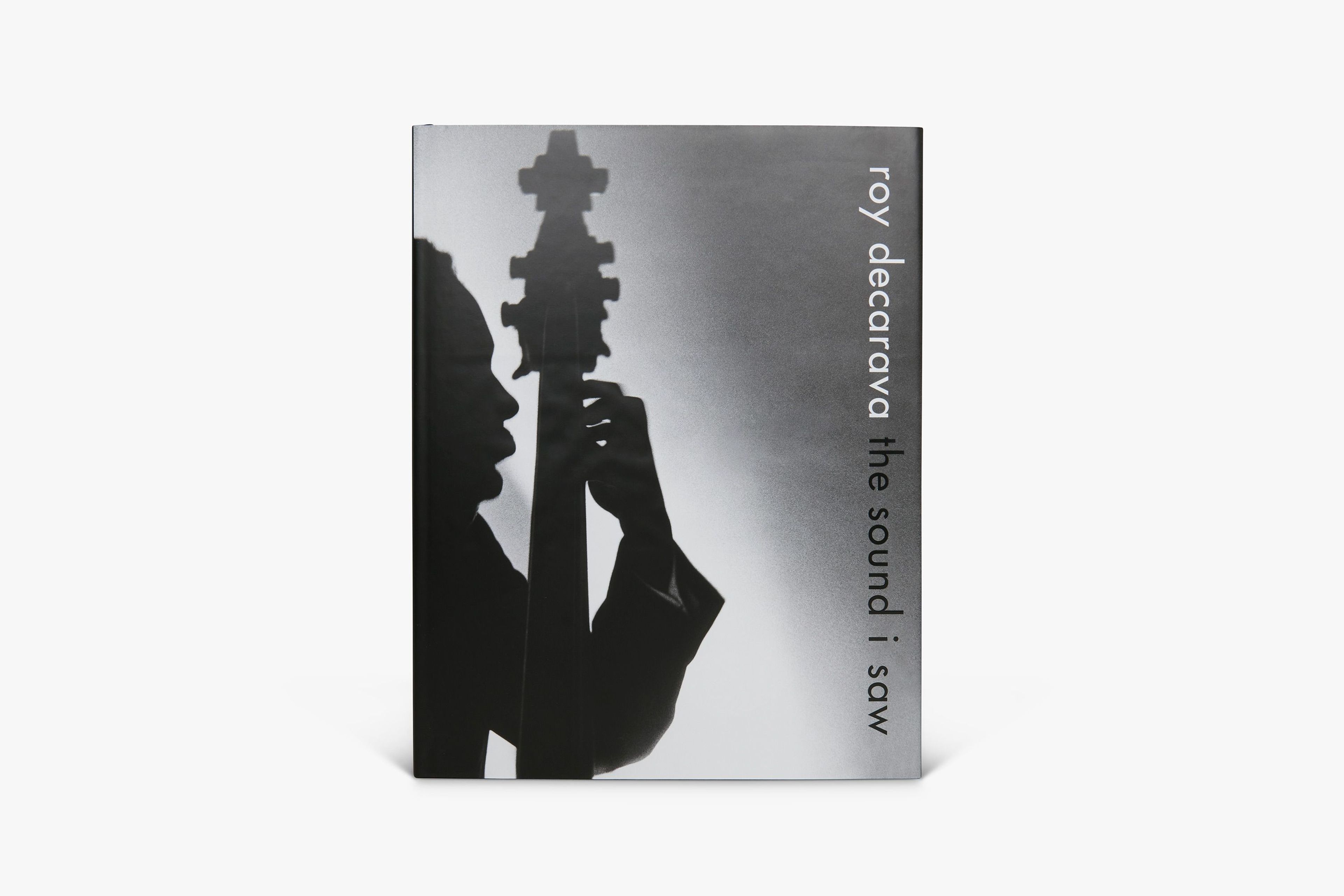
the sound i saw was eventually released as a monographic publication by Phaidon in 2001, and it was reissued posthumously in an expanded format by First Print Press and David Zwirner Books in 2019. The exhibition at David Zwirner Los Angeles includes numerous works that were on view at the original presentation at the Studio Museum in Harlem, many of which have not been exhibited since that show.  Learn More
Installation view, Roy DeCarava: the sound i saw, David Zwirner, Los Angeles, 2026

Black background, no image

Inquire about works by
 Roy DeCarava