Nocturnal

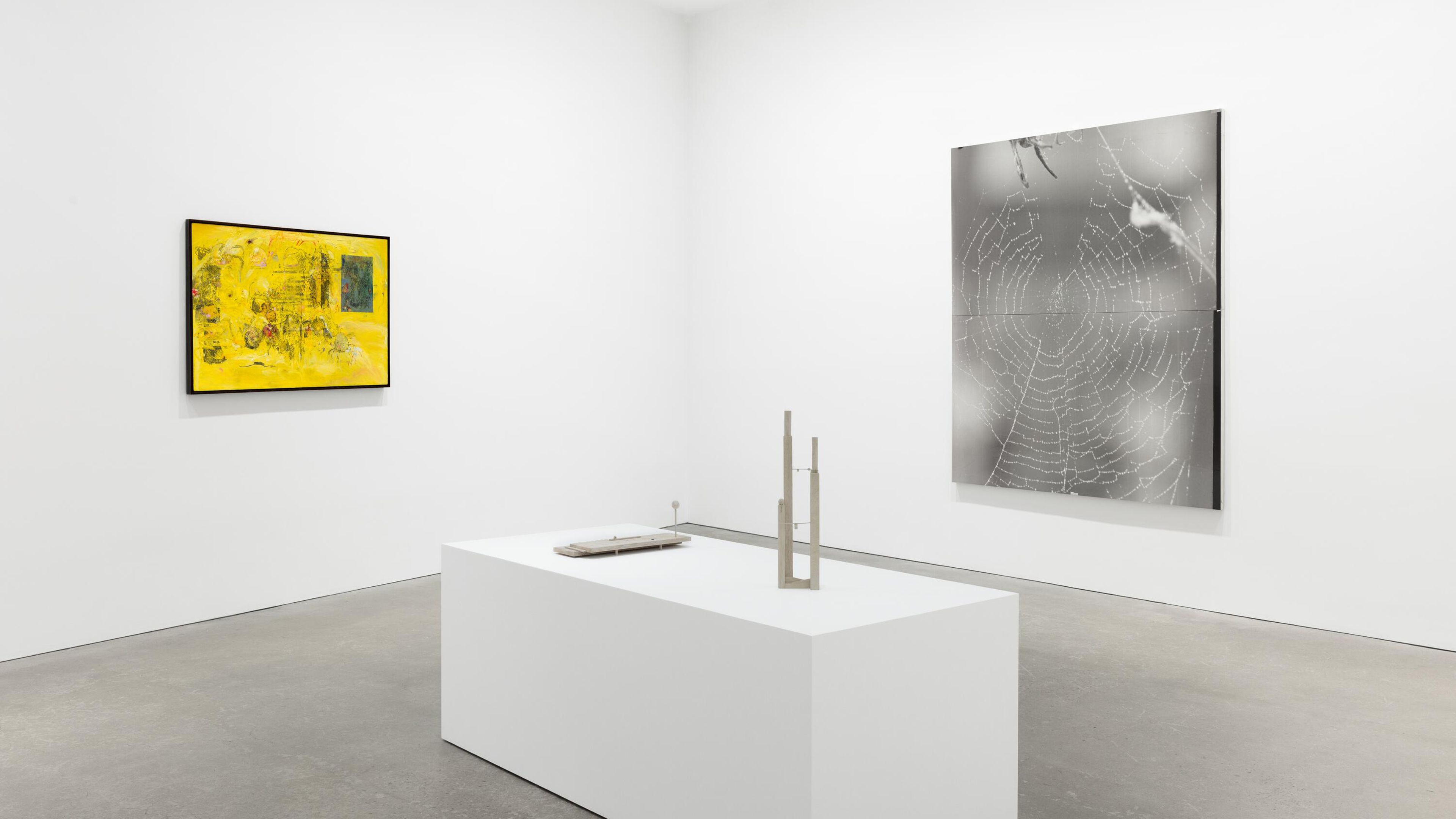
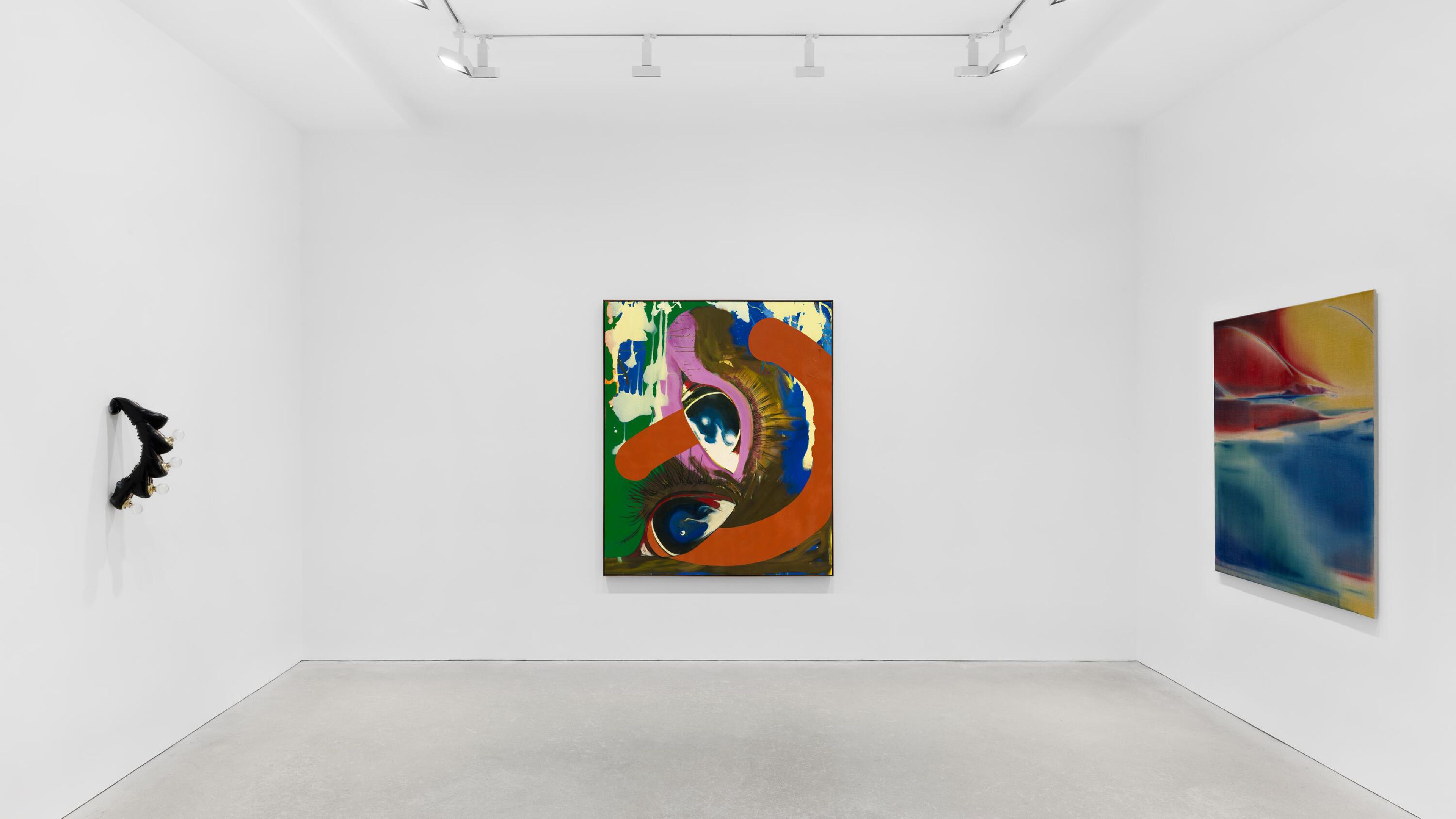
Installation view, Nocturnal, David Zwirner Hong Kong, 2026

Now Open

September 23—November 14, 2026

Opening Reception

Wednesday, September 23, 5–7 PM

Location

Hong Kong

5–6/F, H Queen’s, 80 Queen’s Road Central

Hong Kong

Tue, Wed, Thu, Fri, Sat: 11 AM-7 PM

Artists

  • Uri Aran

  • Patricia Ayres

  • Julie Beaufils

  • Sedrick Chisom

  • Carroll Dunham

  • Nat Faulkner

  • Sasha Gordon
  • Kenji Ide

  • Olivia van Kuiken

  • Heidi Lau

  • Jack O'Brien

  • Kent O'Connor

  • Trevor Shimizu

  • Michelle Uckotter

David Zwirner is pleased to present a group exhibition organized and conceived by gallerist Matthew Brown. This exhibition, titled Nocturnal, will present works by Uri Aran, Patricia Ayres, Julie Beaufils, Sedrick Chisom, Carroll Dunham, Nat Faulkner, Sasha Gordon, Kenji Ide, Olivia van Kuiken, Heidi Lau, Jack O'Brien, Kent O'Connor, Trevor Shimizu and Michelle Uckotter.

Explore

Explore All Works

“I primarily work at night because it’s the only time when it feels like everyone else turns off. There’s also something about night where I’m less inhibited, less judgmental. I can paint freely without feeling anyone’s eyes on me, let alone my own.”

—Olivia van Kuiken
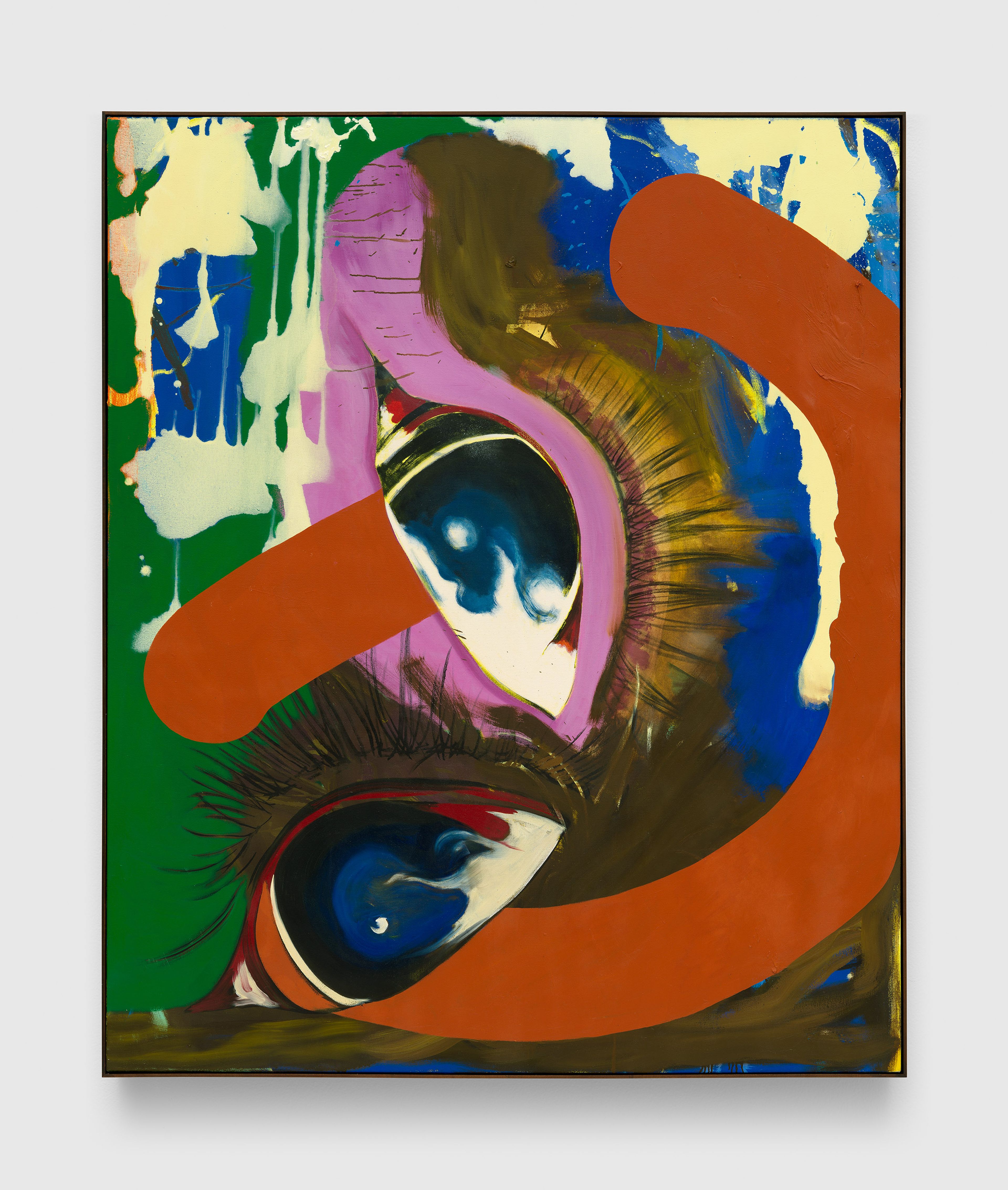
Continuously examining the relationship between images, language, and space, Olivia Van Kuiken’s (b. 1997) paintings offer a visual entry point to viewers without proposing a final verdict or destination. Drawing from an extensive visual lexicon of images and signs that she has amassed, such as forms from cave paintings and symbols from non-verbal communication, van Kuiken’s compositions coalesce images that challenge the limits of written and spoken language. In the process of creating her striking paintings, the artist intuitively transforms recognizable images and figures that invite conversations on signs and signification, while refusing to assign explicit meaning.

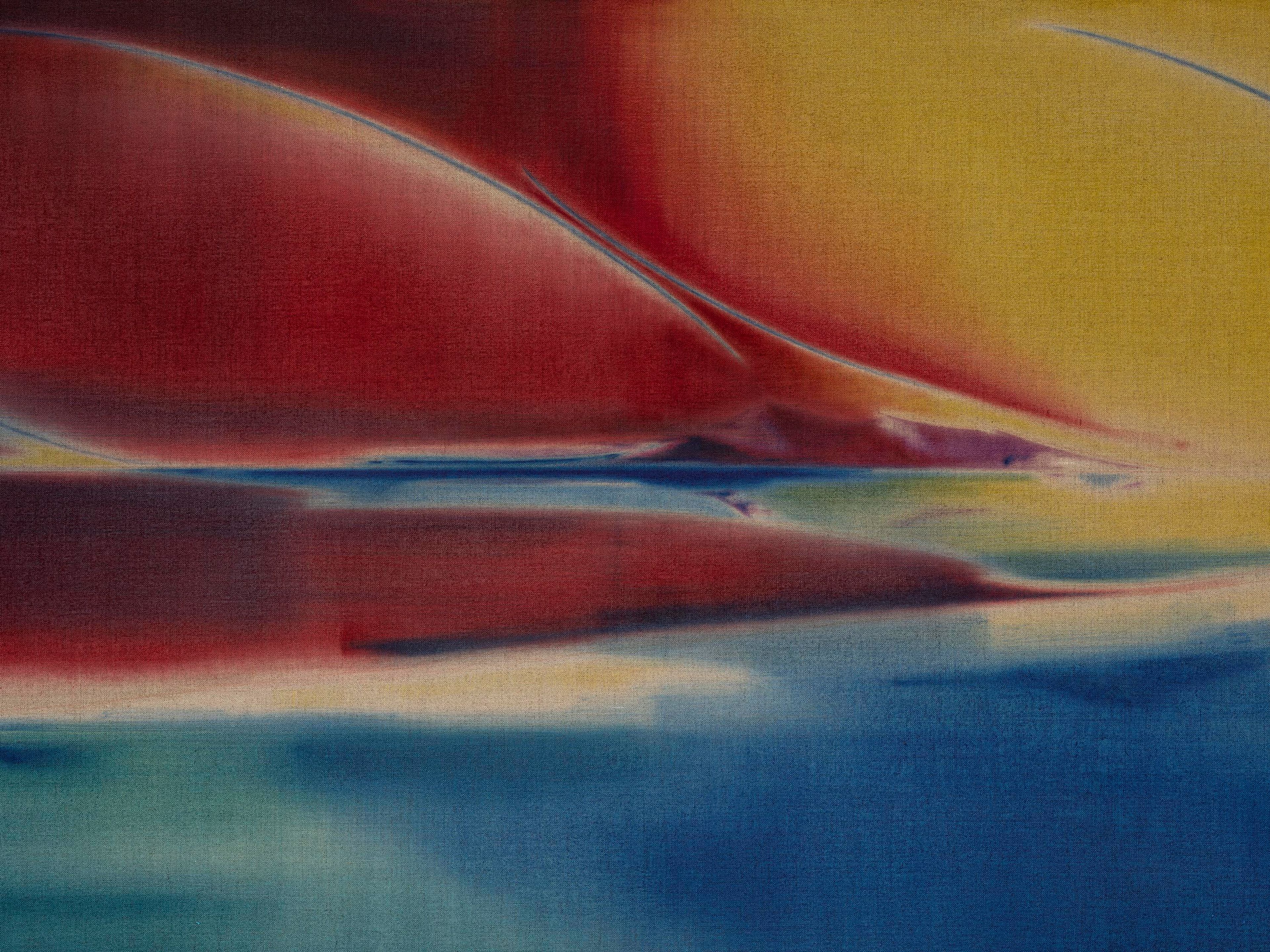
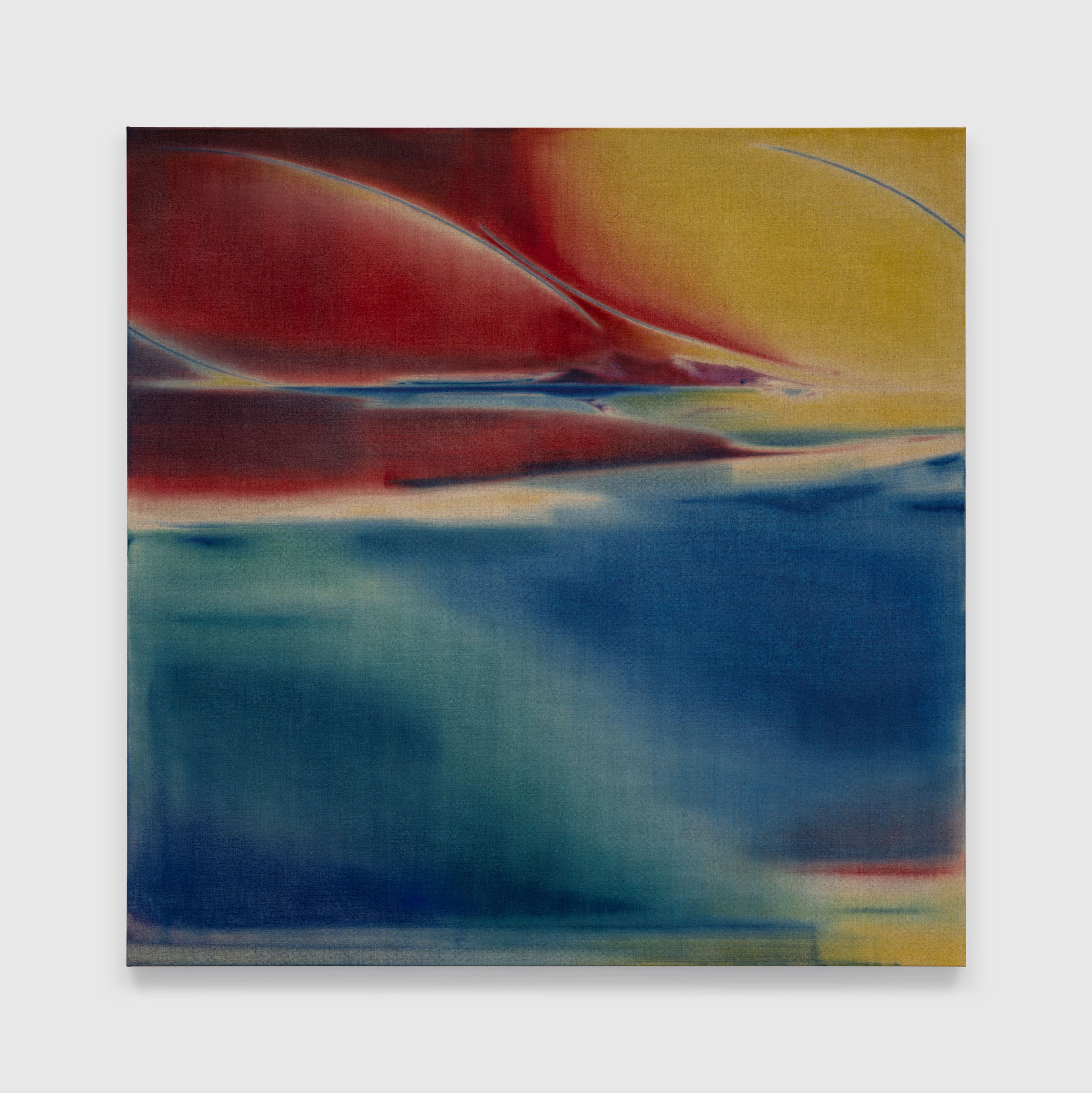
Paris-based painter Julie Beaufils (b. 1987) is known for her atmospheric, introspective abstractions, which draw from a variety of sources including desert landscapes, twentieth-century Italian cinema, and industrial architecture. The artist often creates her own paints from natural minerals, combining these hues with crisply rendered objects and shadows that hover just beyond recognition in languid, poetic compositions evoke the entropy of memory and the passage of time. In the present painting, washes of deep scarlet red and vibrant yellow hover above an oceanic blue expanse across the bottom half of the composition, creating a sense of shifting energy akin to the movements of open waters and clouded skies. Amidst this suggested landscape lies a horizontal jagged form resembling the contour of a distant mountain range.

Jack O’Brien’s (b. 1993) sculptures merge techniques from both industrial and fashion design, considering how objects are produced and manufactured in response to consumer culture. His forms utilize found objects and such materials as fabric, plastics, and shrink wrap, joining them to explore the tension and interaction between them. “I want the work to feel loaded with our desires,” explains O’Brien. “There's an electric energy to the clashes between the materials. … The materials are pushed to the edge, and the objects are stretched to their limits and nearing collapse, all these associations become evermore excruciating because more often than not, we know the feeling or the function of them."

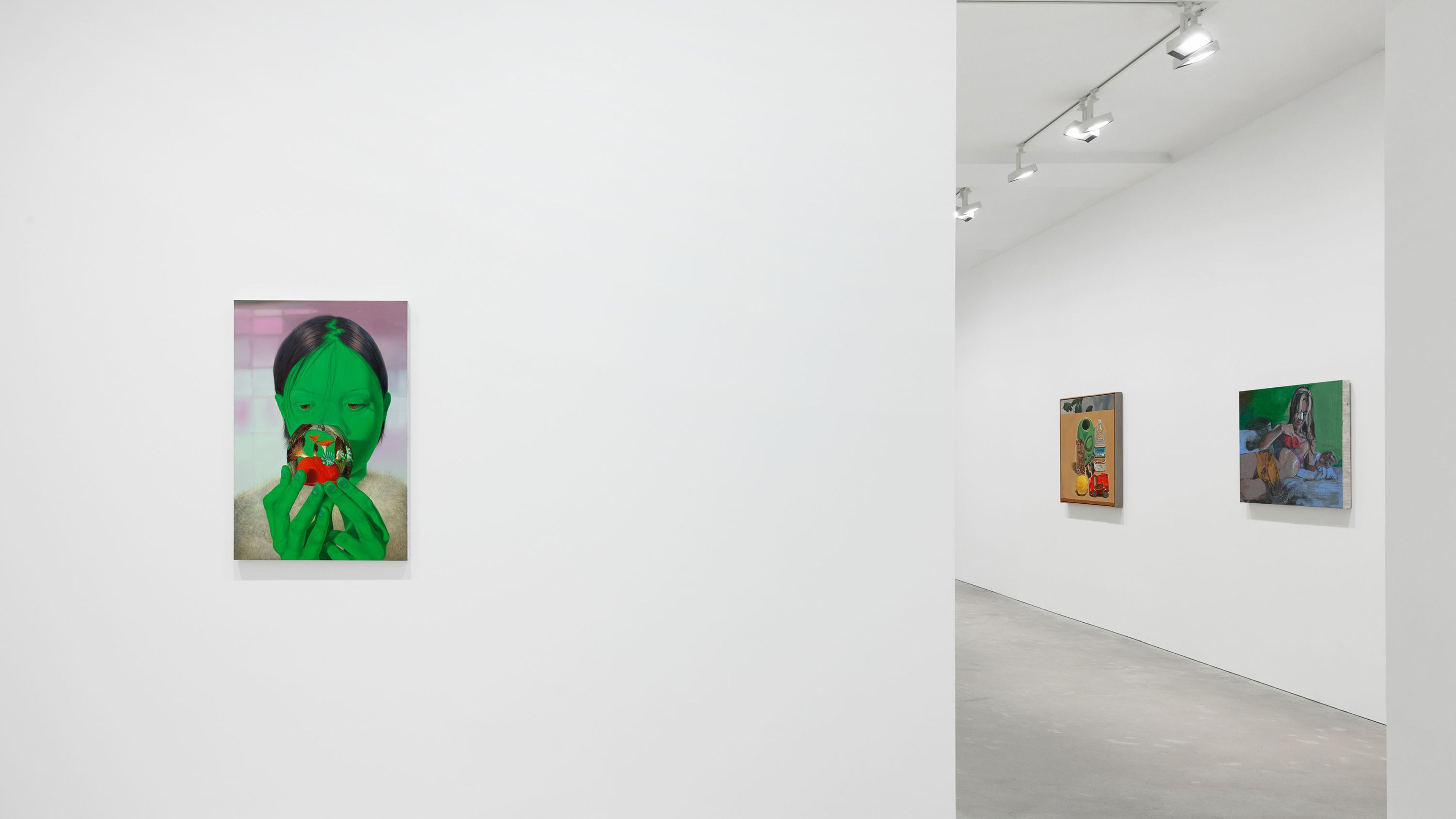
Installation view, Nocturnal, David Zwirner Hong Kong, 2026
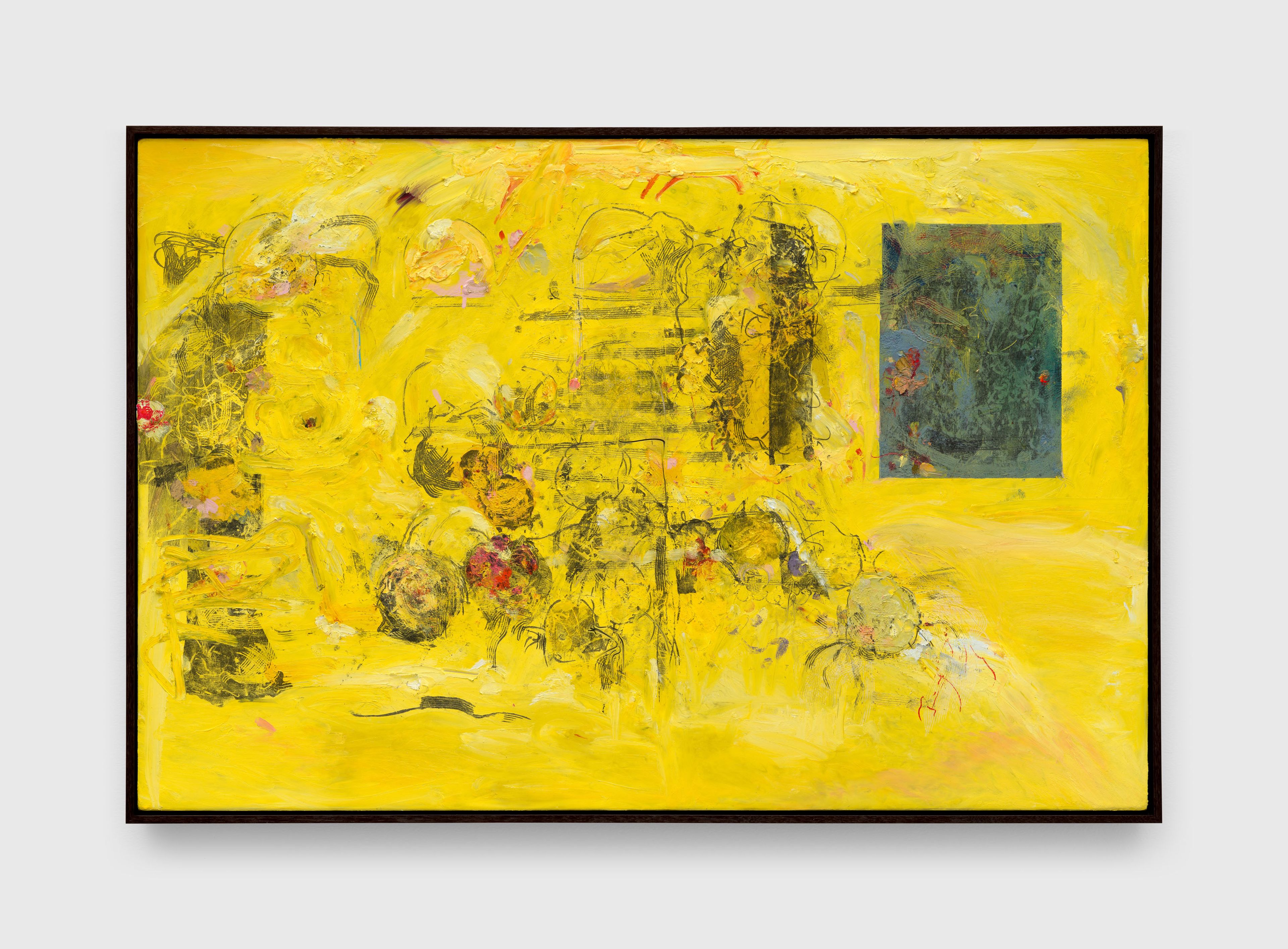
Born in Jerusalem and based in New York, Uri Aran’s (b. 1977) multifaceted works transform established systems—such as architecture, language, and history—and objects from everyday life into wholly new arrangements that engage the realms of emotional affect and intuitive connection. As the artist remarks, “In my own work the excitement and simultaneous pathos associated with the limitations of taxonomy are always present. … I activate the highly sensitive reflex responses that a viewer might have to a trigger such as a piece of music, food, or a photo and I adjust the allegiances of that reflex. In this manner objects, language, intonation, everything develops an eccentricity that can be unnerving, perplexing, funny, poetic, and tragic ad infinitum.”

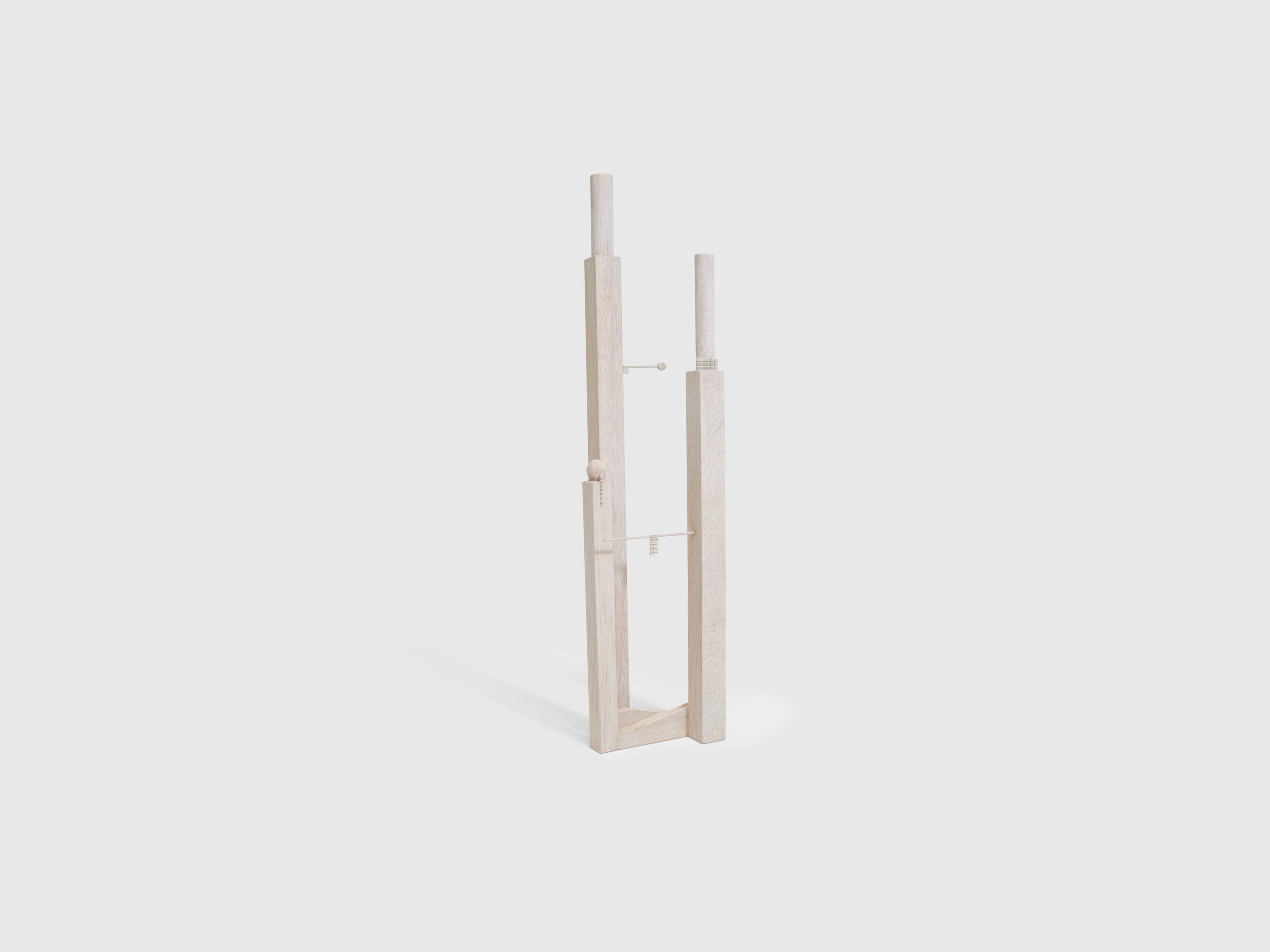
Tokyo-based artist Kenji Ide (b. 1981) is known for his carefully constructed architectural arrangements that are imbued with the gravity of personal memory. Primarily made from hand-carved lauan wood at a tabletop size, these works—which he deliberately calls objects rather than sculptures—often incorporate found items that the artist collects from his surroundings. Through these poetic compositions, Ide explores what it means for physical matter and psychological experience to persist—and become altered—through the passage of time.

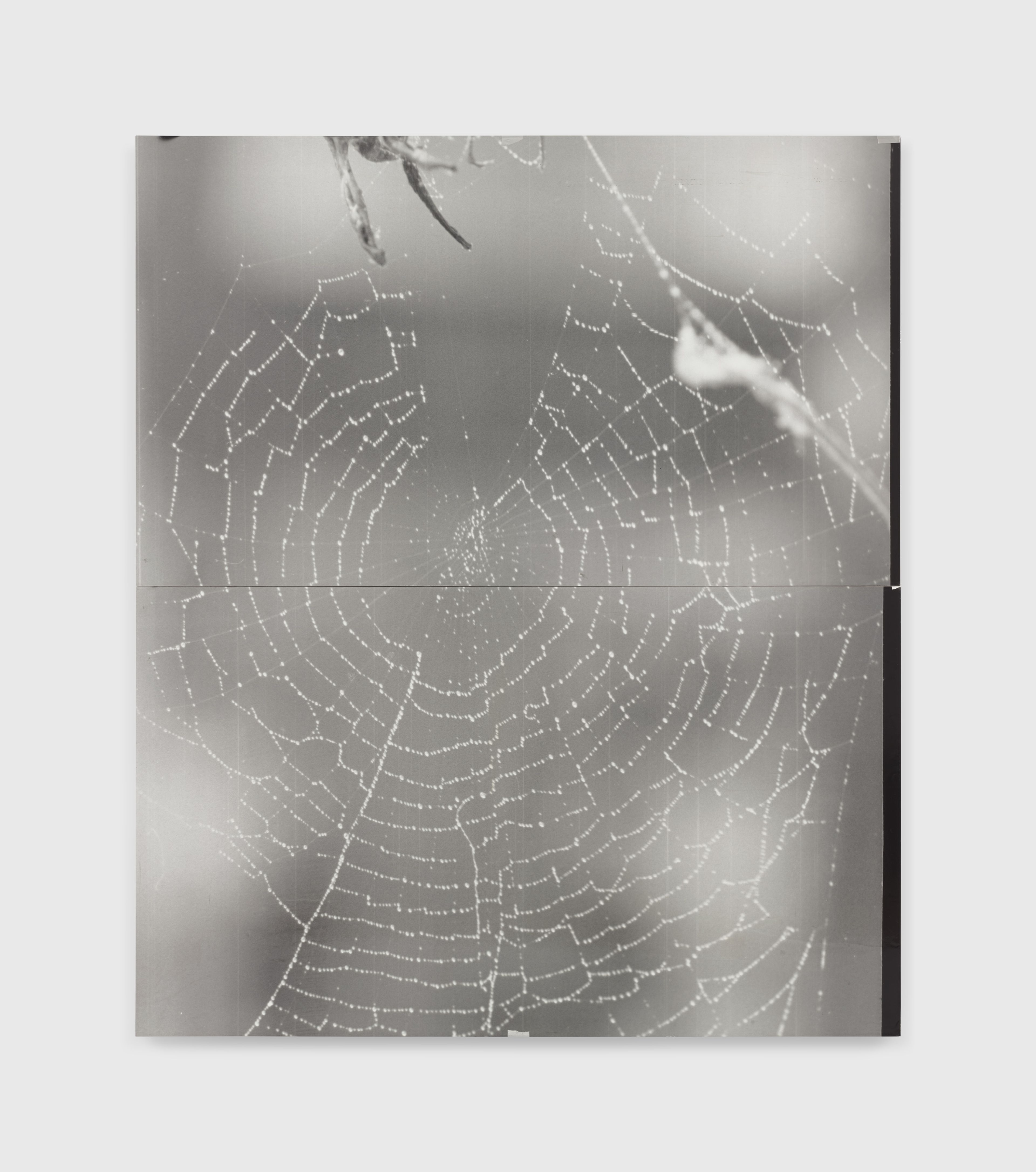
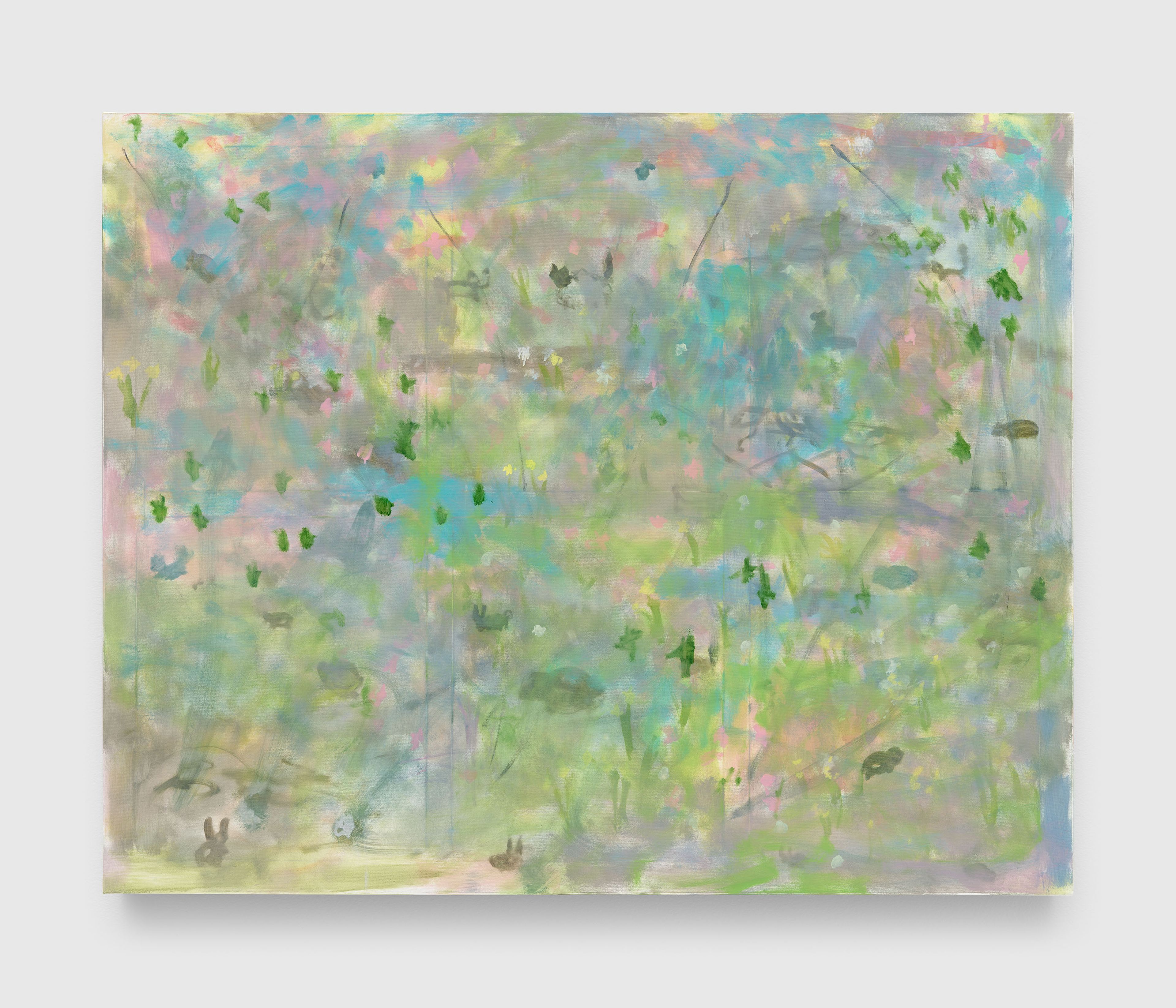
London-based artist Nat Faulkner (b. 1995) creates sculptural and photographic work that engages with the vocabularies and processes of analog photography. For Faulkner, the studio is a site of development akin to the darkroom, harnessing the mythology of such processes as alchemy or metamorphosis. The artist frames the images against dark, expansive margins that feature marks from his activity in the studio—acknowledging the photonegative as an object that is handled. Faulkner takes into account the material transformations of the photographic medium that are driven by chemistry, chance, and unknowing. For example, the present work comprises two sheets of photo paper that are stitched together to create one complete image and mounted on panel. Slightly offset, the arrangement of these silver gelatin prints point toward the work’s analog production. In the artist’s words, “The black strip that exaggerates the offset functions simultaneously as a compositional device and an anomaly; in reality it is the edge of the negative, which I cut out of the film and tape into the glass carrier of the enlarger. The viewer becomes aware of the fact they are seeing an enlargement of a piece of gelatin and a physical object, which provides a ‘scale reference’ and situates it in the world as a physical and graspable event ... Subject, process, and alchemy interface and transform on the surface, rendering the invisible visible.”  The wry paintings, drawings, and video work of New York–based artist Trevor Shimizu (b. 1978) have their roots in the expanded field of postwar performance. Shimizu is influenced by the likes of Dan Graham, Shigeko Kubota, and Carolee Schneemann, artists with whom he formed relationships through his time working at Electronic Arts Intermix. In self-effacing depictions of himself and family members, other explorations of genre painting, and filmed video portraits that lay bare aspects of his personal life, the artist has built a practice that renders complex representations of how masculine subjectivity and identity are mediated. The present painting portrays a landscape of the eponymous spring flowers in a palette of pastel pinks, greens, and blues. In the quotidian scene of a garden view, Shimizu also includes loose renderings of his family’s pets within the thick tangle of gestural paint marks.

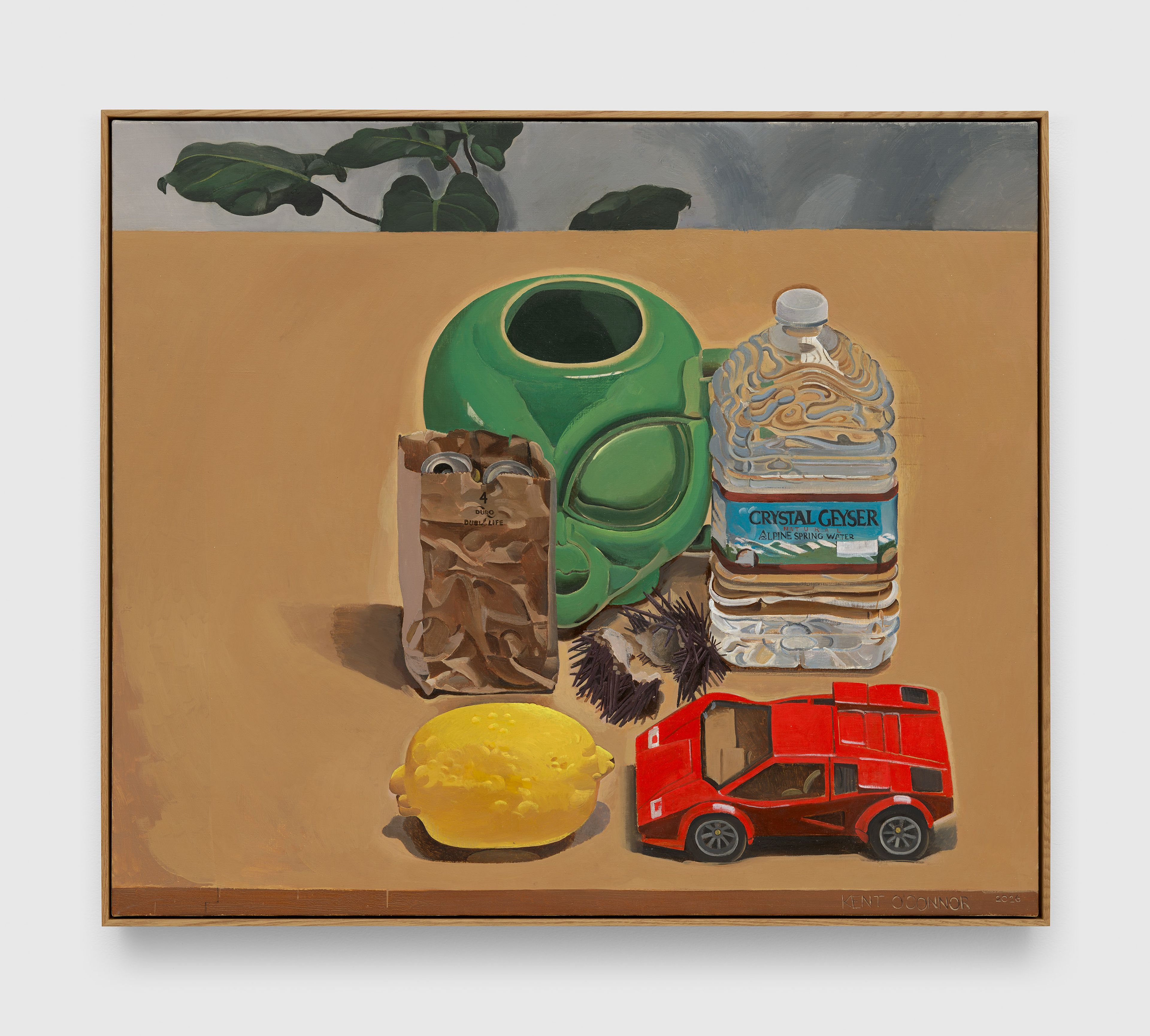
Intimately and earnestly arranged, the paintings of Los Angeles–based artist Kent O’Connor (b. 1987) reveal a deep reverence for both his subjects and their transitory nature. The artist works directly from life; through landscapes painted en plein air, portraits composed in front of their sitters, and still lifes that constitute a durational meditation, O’Connor’s studied observation becomes a mirror to the steady passage and distortions of time. His crisply rendered paintings fold multiple perspectives, shadows, and scales into one, allowing his works to exist not as a single moment, but as an endless compounding of layered experiences.  O’Connor utilizes a recurring cast of motifs—what he calls “misfit objects” from around his studio—across his body of still lifes. His off-kilter assortments of items in these “table paintings” range from a green alien mug to a large zebra’s head, and they dot his otherwise meticulously considered oeuvre with a playful irreverence that centers his work in lived experience.

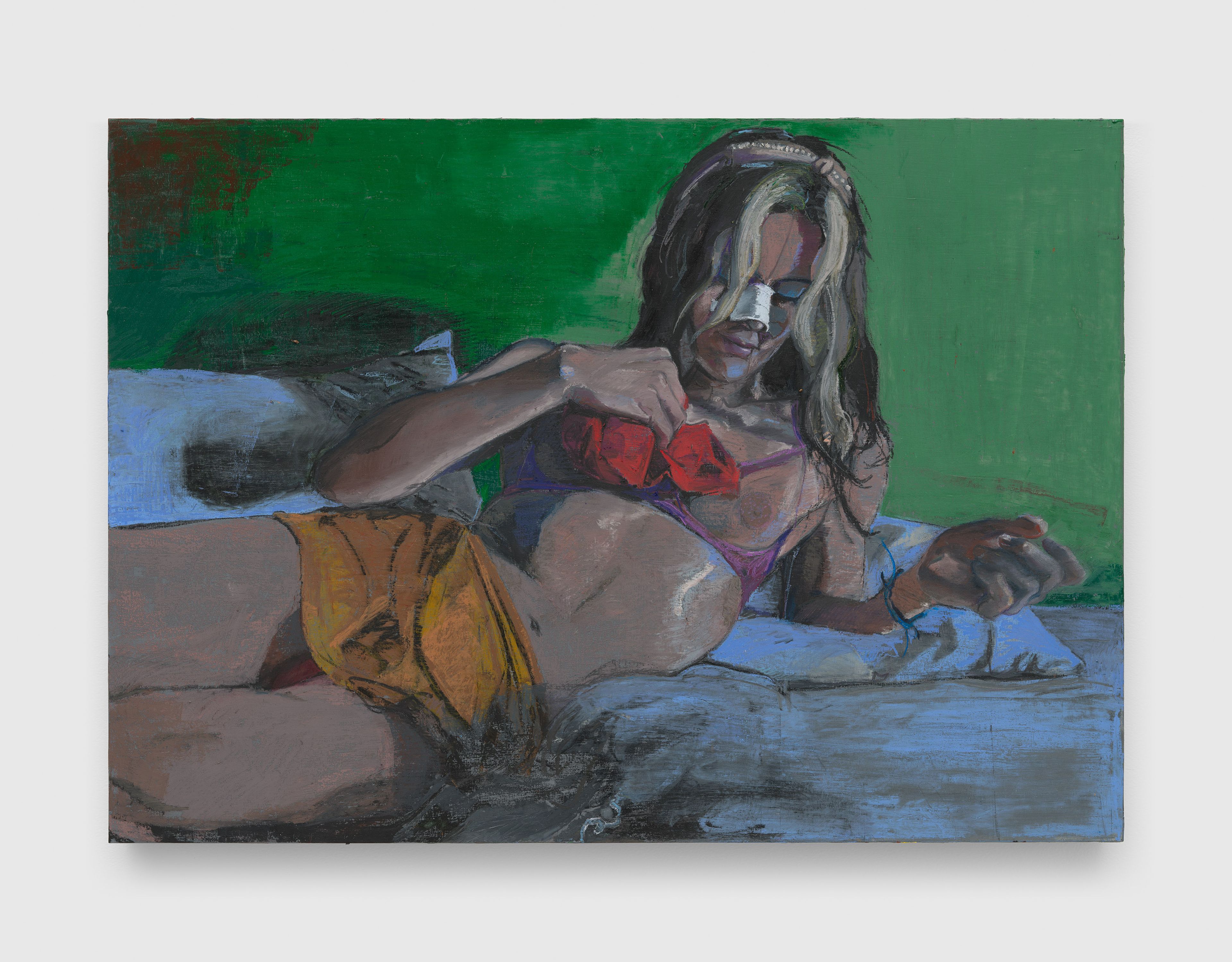
The New York–based artist and filmmaker Michelle Uckotter (b. 1992) creates paintings that probe the construct of femininity through visual tropes that reference Hollywood genres such as horror and noir, as well as the history of Western painting. In her compositions, Uckotter calls upon French realists such as Édouard Manet, works by Neue Sachlichkeit artists and other German expressionists, and the dolls of Hans Bellmer. Simultaneously alluding to gestural markmaking and cinematic notions like blocking and mise en scène, Uckotter’s works, such as the present painting of a mysterious scene of a young woman in her underwear reclining, capture moments of narrative tension and interiority while musing on the interconnected nodes of sex and violence.

Installation view, Nocturnal, David Zwirner Hong Kong, 2026
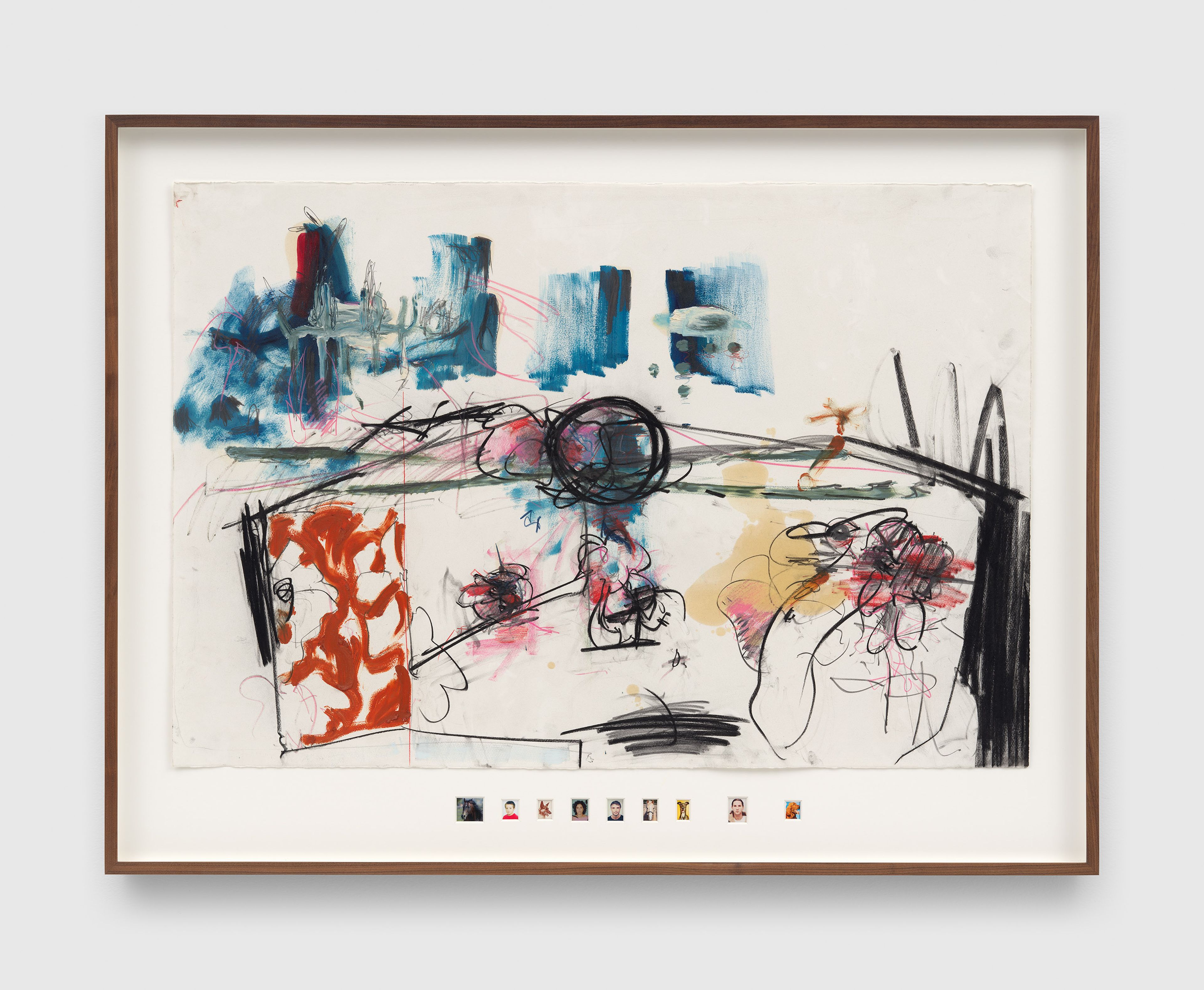
This work is a rare example of a portrait by Sasha Gordon (b. 1998) depicting another sitter rather than the artist herself. The subject is seen peering into a crystal paperweight that belonged to Gordon's grandmother. For this painting, the artist eschews a narrative focus, typical to her conception of an artwork, and instead responds to the color of the green underpainting, here making the lurid color a visual centerpiece. In Gordon's words, "It was my first time painting someone else's portrait in a while, which felt novel, and I let myself become more intuitive [with the process].”

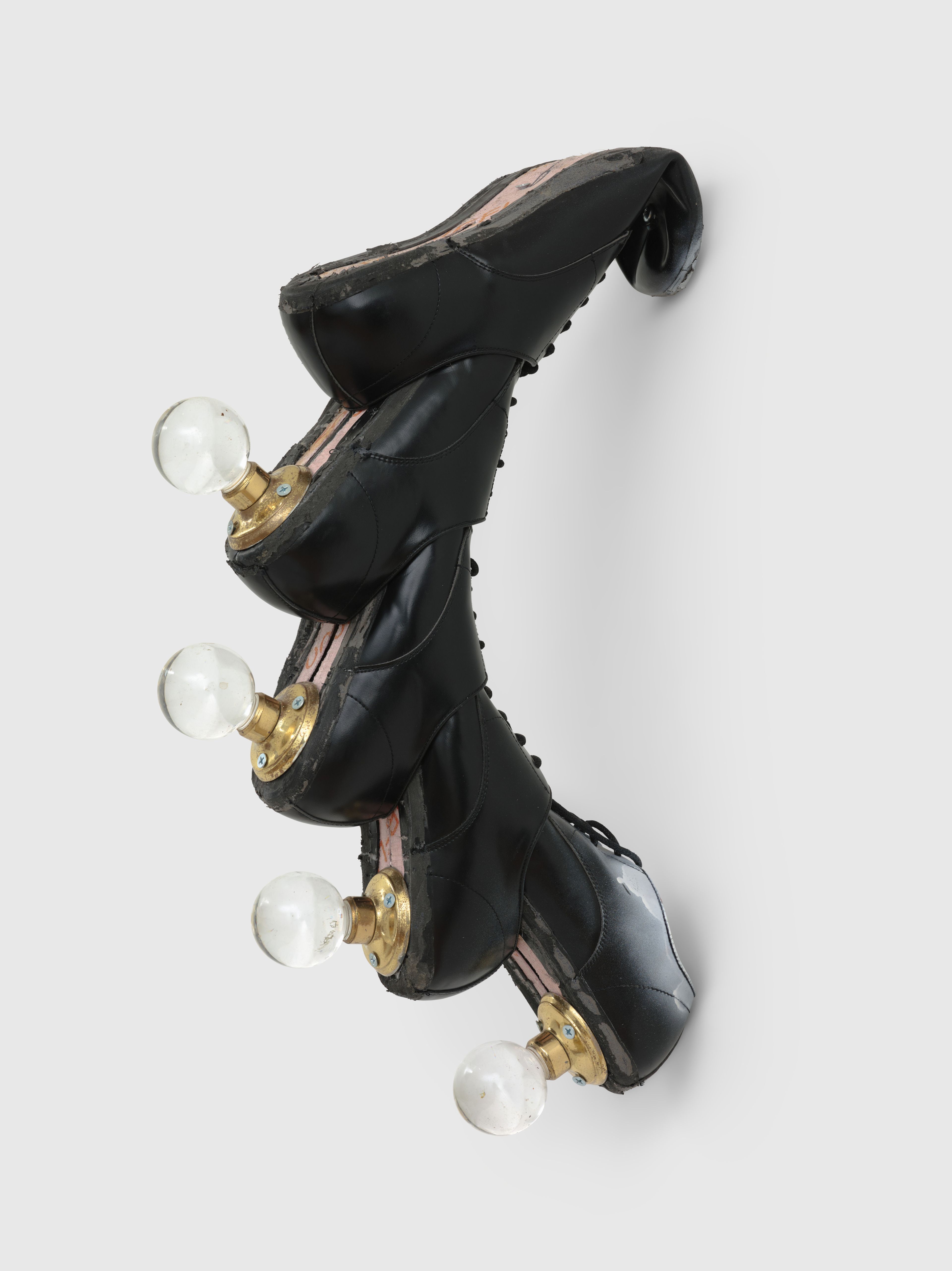
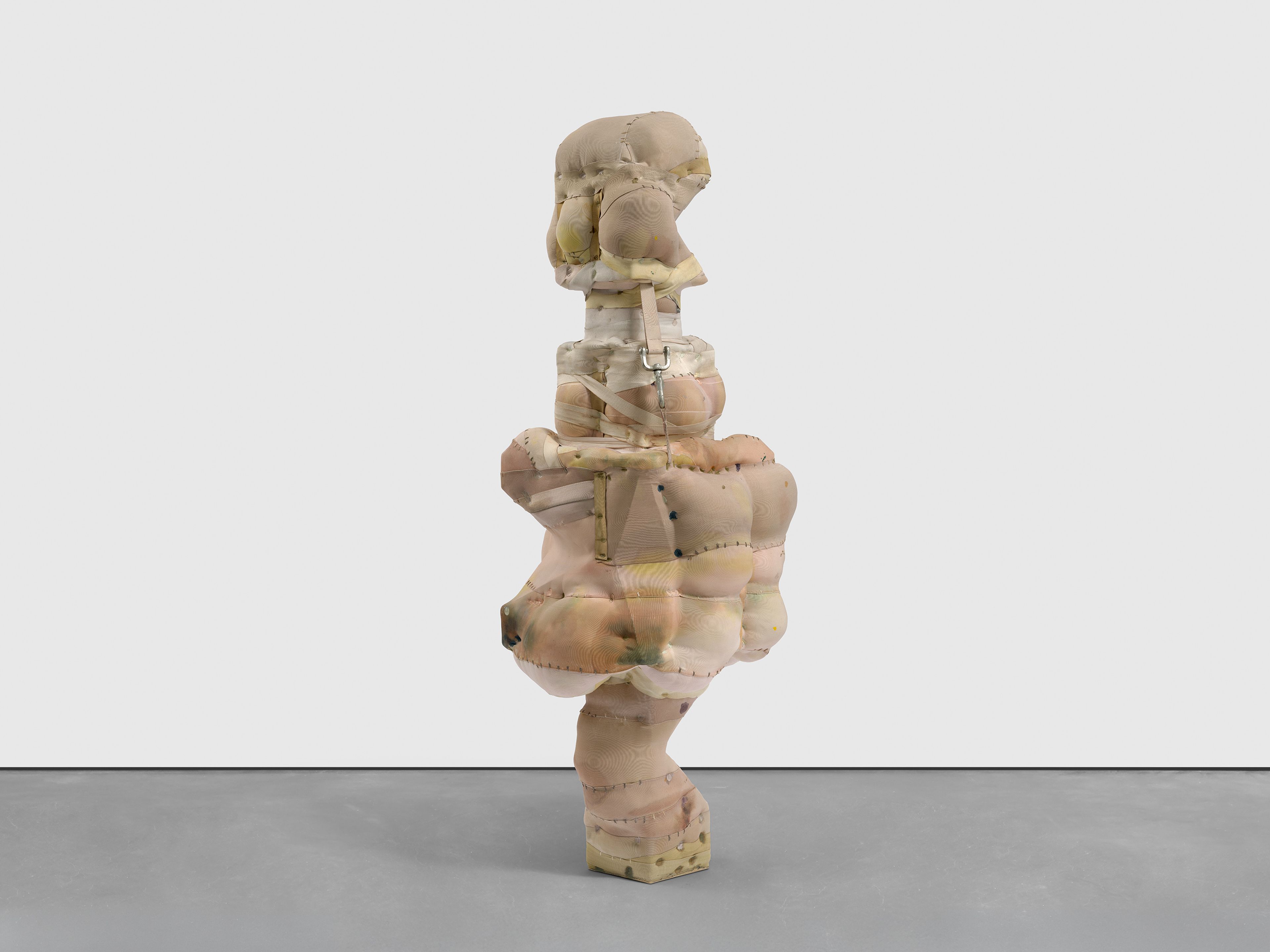
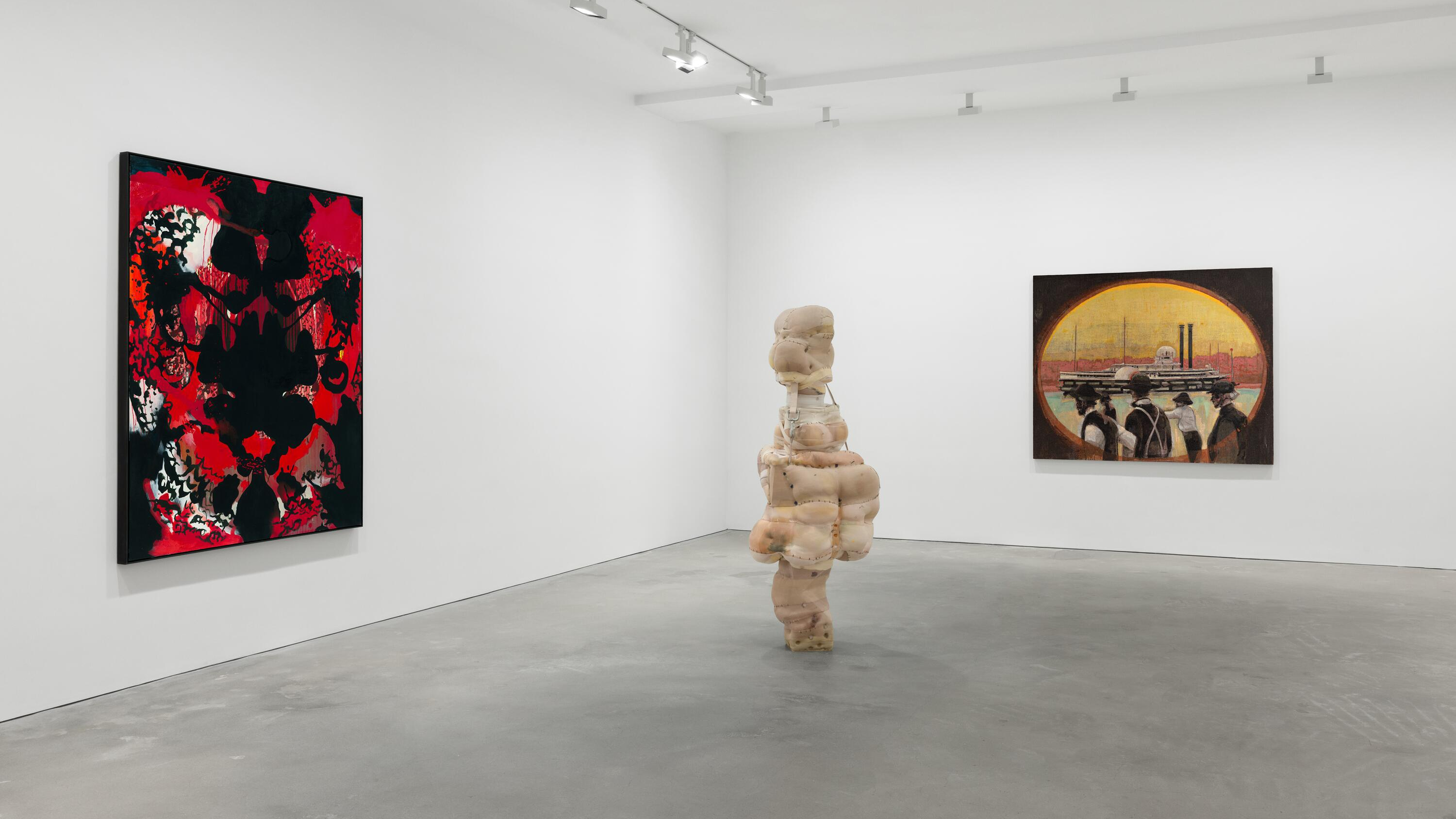
New York–based sculptor Patricia Ayres (b. 1975) creates process-driven sculptures that index bodies and the social constraints upon them. These solid, corporeal figures of wood and foam are further bound with hardware such as metal hooks or harnesses, invoking both the erotic and carceral, and anointed with liquids—ink, oil, or wine—which she terms “gunk.” Ayres’s work reflects her initial studies and experience in fashion design, while also considering systems such as religion, gender, and sexuality, that inform human existence.  The numerical title of the present work references Peter of Alcántara, the sixteenth-century Spanish Franciscan friar who was canonized in 1669. Famed for his extreme poverty and austerity, Saint Peter was said to have slept only ninety minutes to two hours per night while seated or kneeling, often in the cold. He is recognized as the patron saint of night watchmen because he remained awake and kept vigil throughout the night while his fellow friars slept.

Installation view, Nocturnal, David Zwirner Hong Kong, 2026
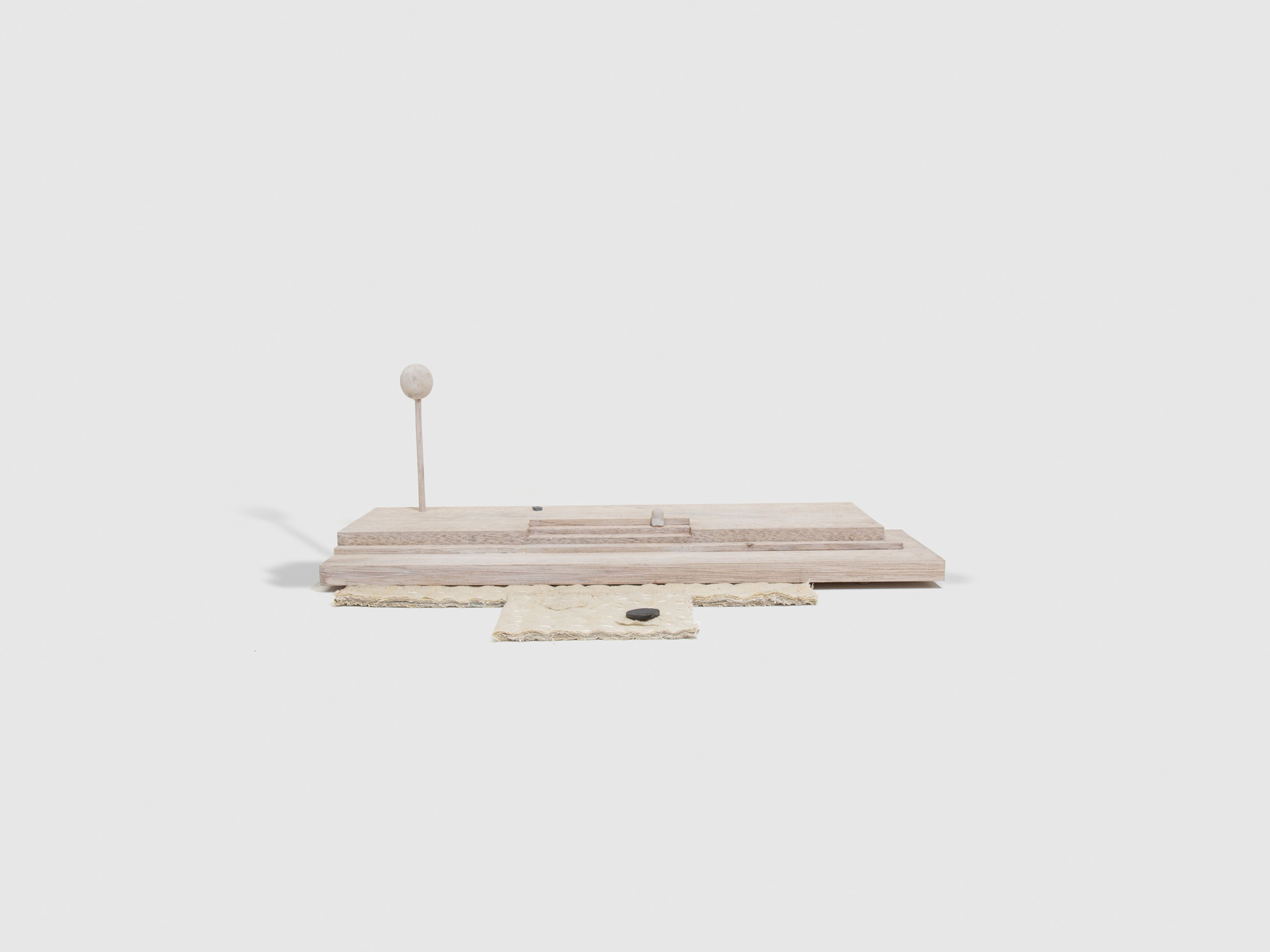
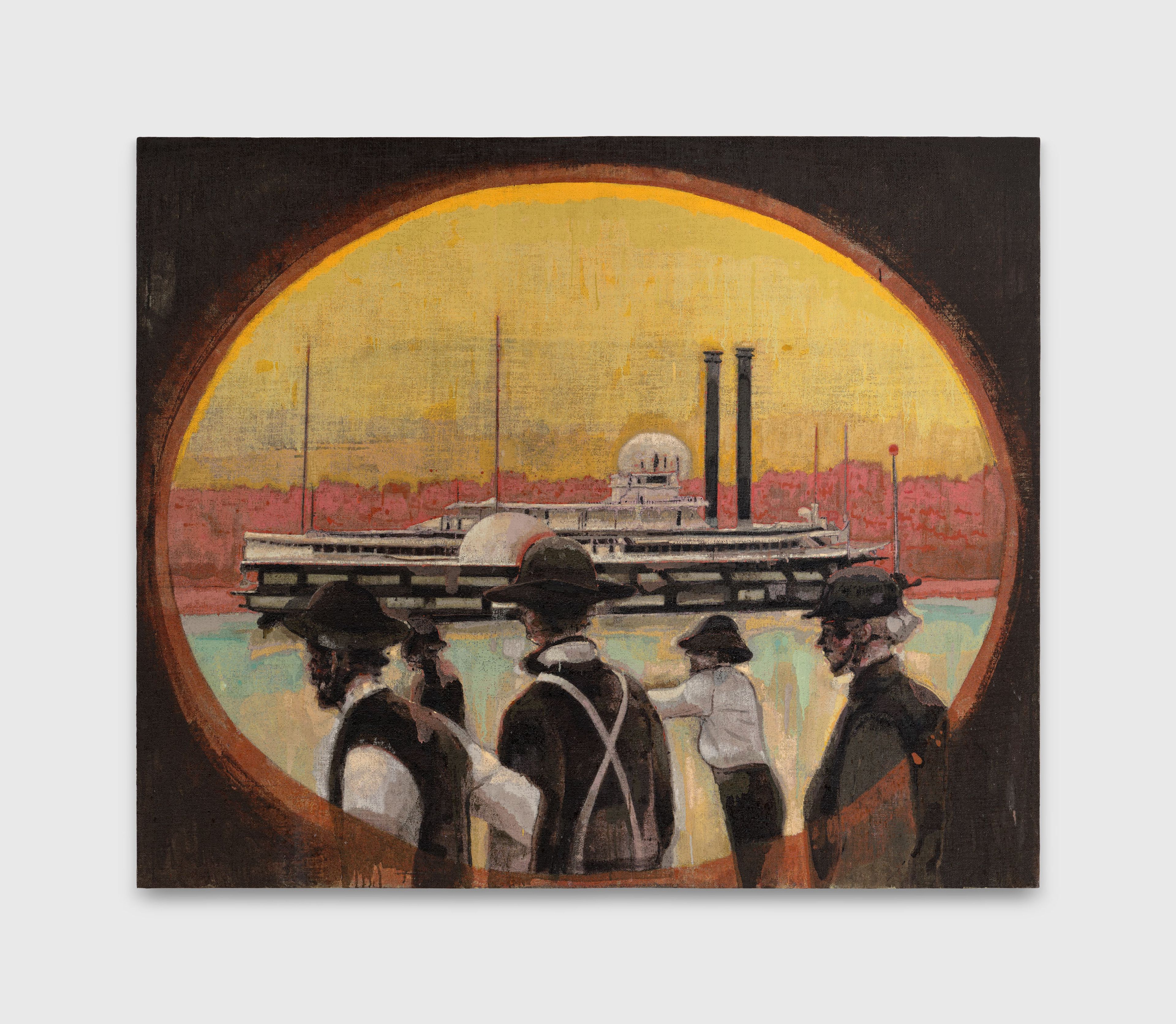
In his paintings, Brooklyn–based artist Sedrick Chisom (b. 1989) collapses a range of historical eras into a single picture plane, creating future mythologies of an apocalyptic world. Intense and physically demanding, the artist’s practice engages in the legacy of color field abstraction through the lens of a figurative storyteller. Built up layer by layer on unstretched raw canvas, Chisom’s color-drenched compositions mirror, in their construction, the complex accumulation of the shared global histories he seeks to unearth.  Since 2017, Chisom’s paintings have centered on a three-act play composed by the artist which examines the ideology of an imagined civilization characterized by right-wing revolution in the year 2200. In these works, Chisom’s hollow white subjects, dressed in Civil War–style garb, appear to perform rituals of hierarchy and power in a world where those notions have collapsed, trapping them in a perpetually disillusioned state of their own making. Much of this body of work exists in the time surrounding the play, providing a surface onto which the artist can implement his devotional study of history to interrogate its resonances and repetitions.

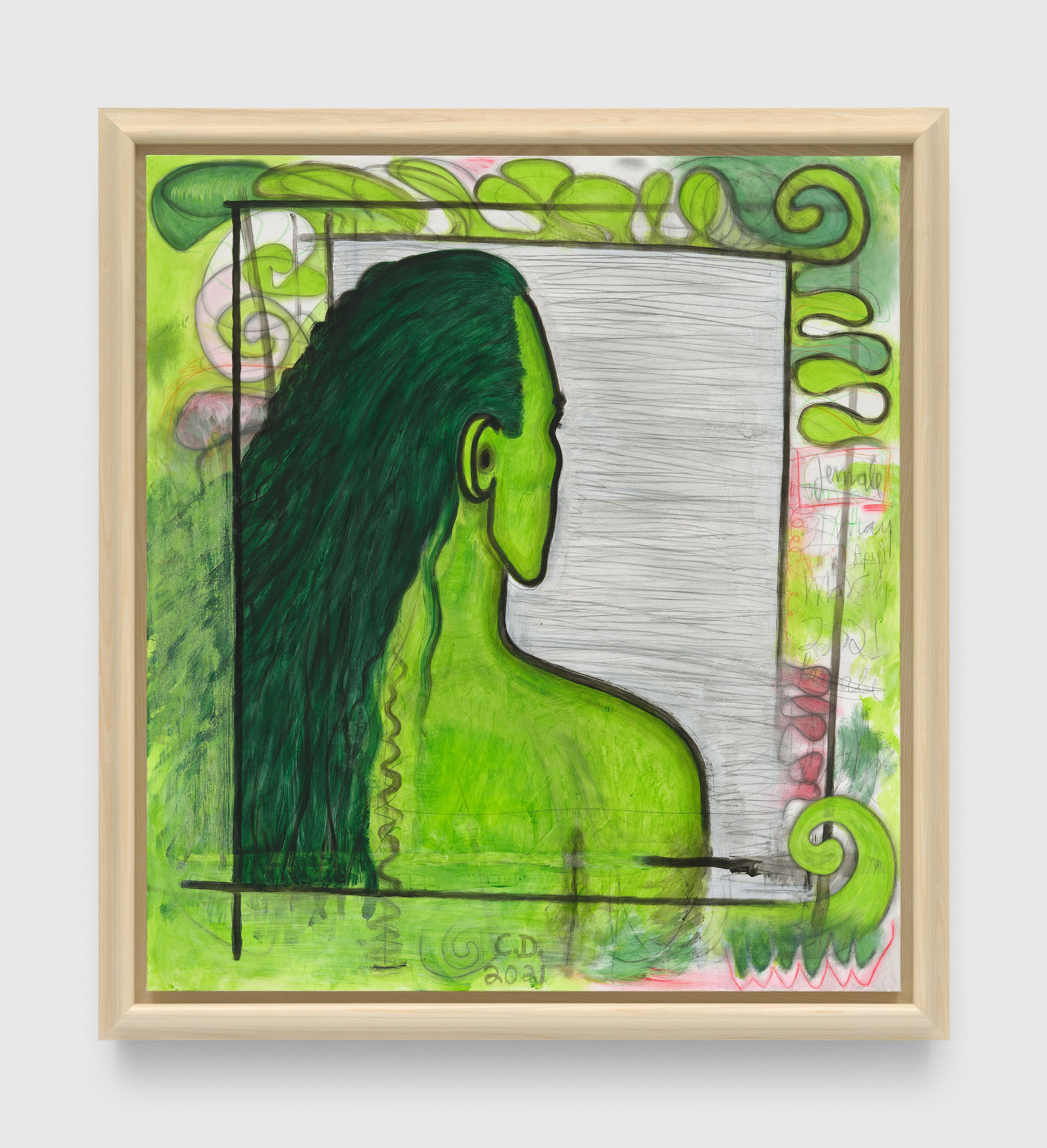
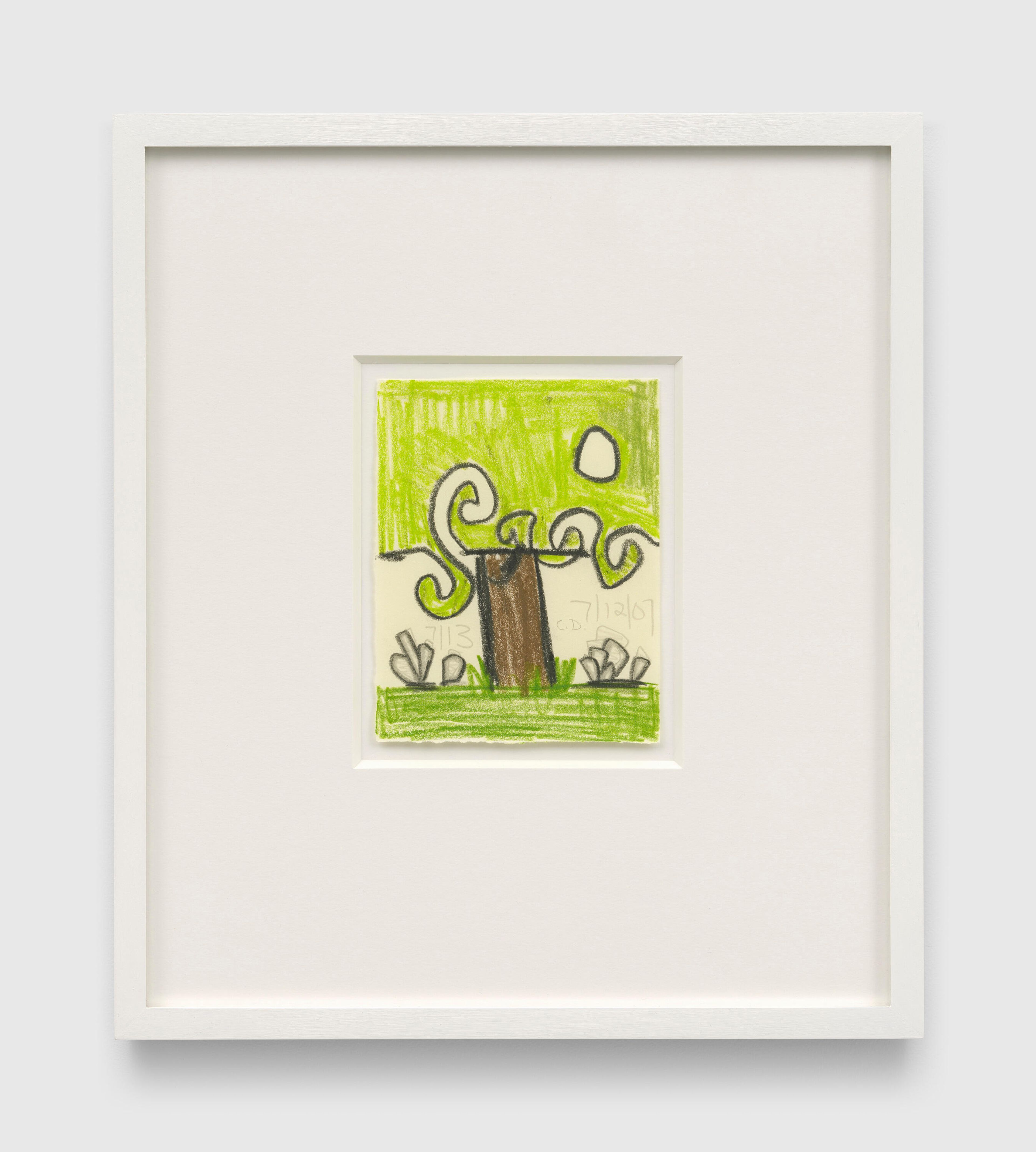
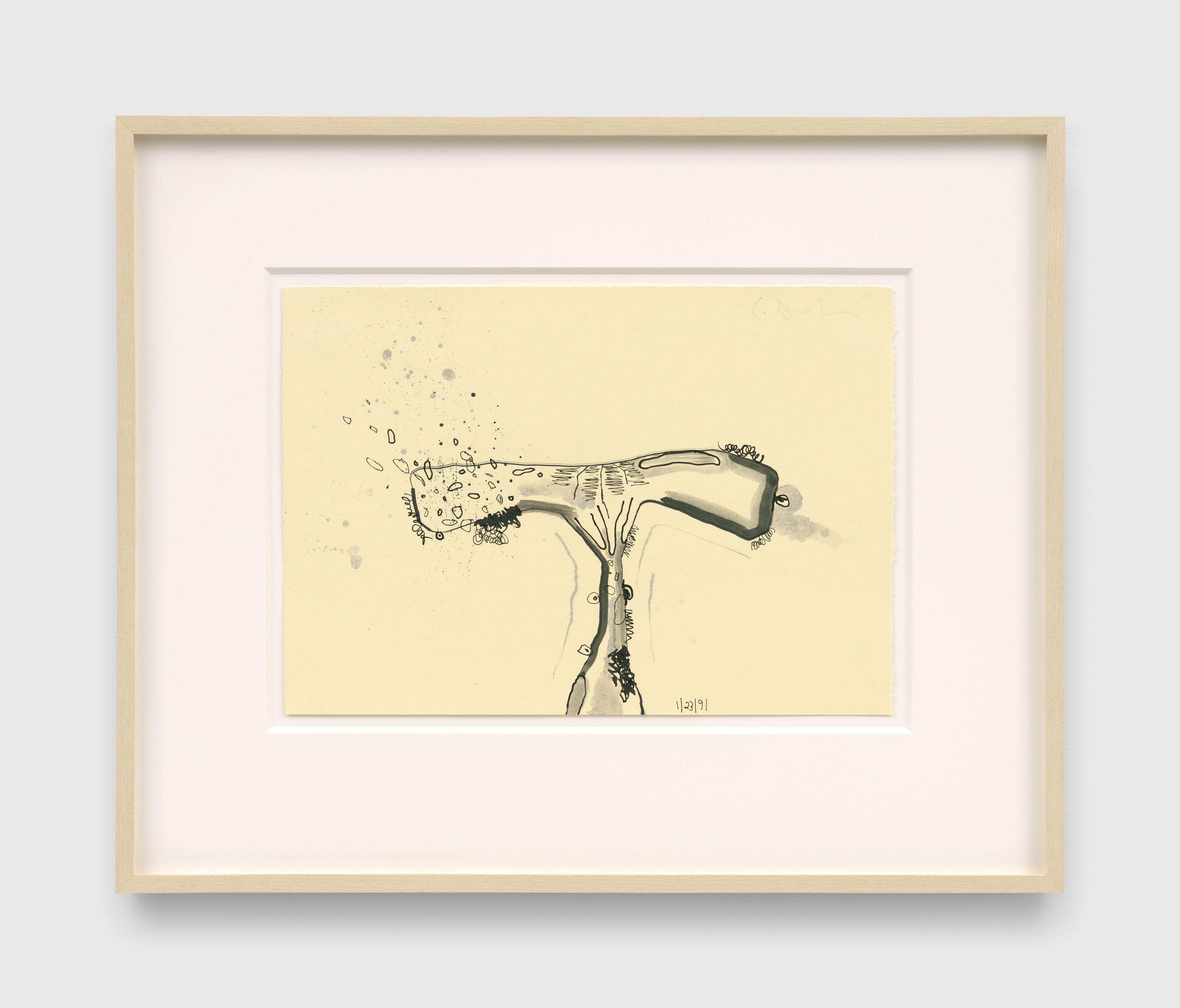
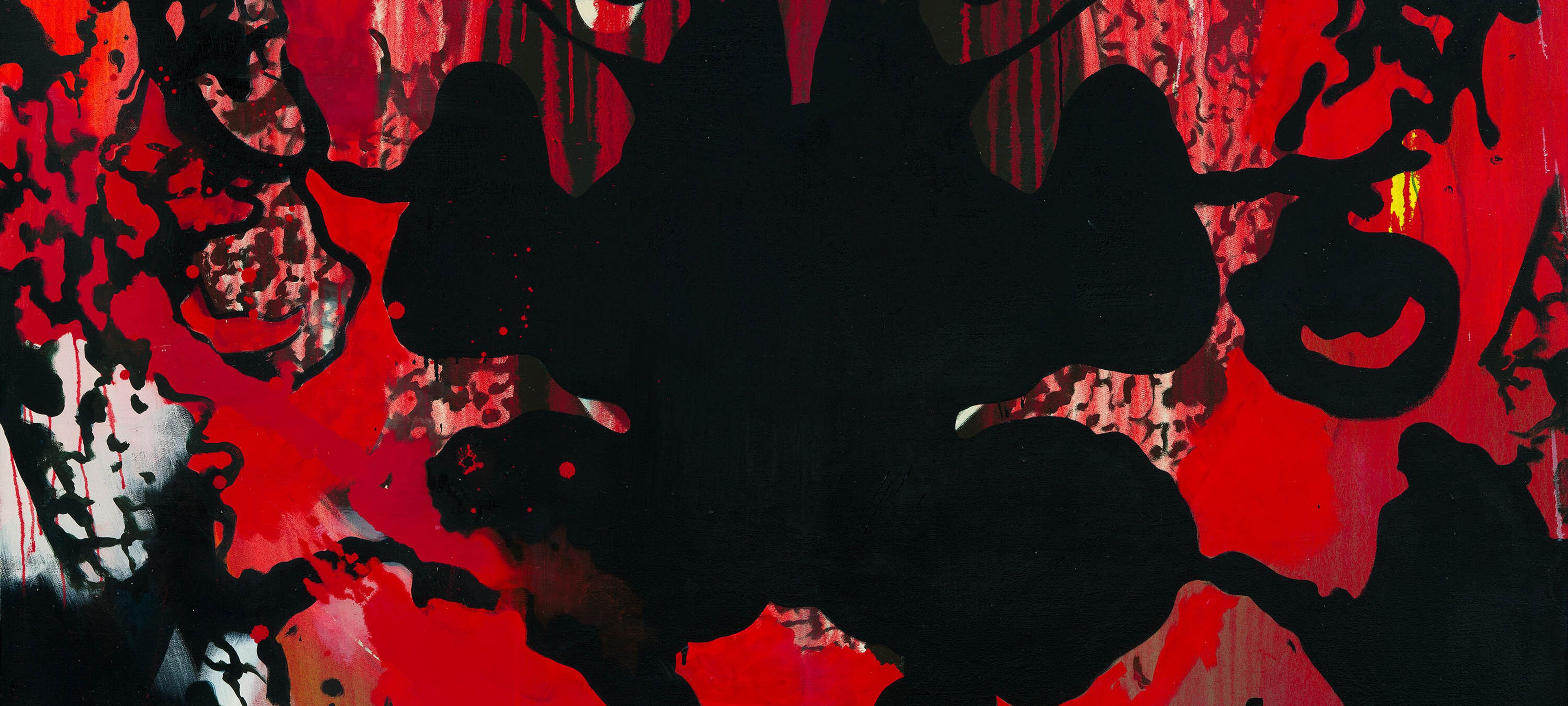
Over the past five decades, Carroll Dunham (b. 1949) has created a rich body of work that evolved from early abstract compositions into increasingly biomorphic abstractions, before arriving at the vibrant figurative works for which he has become known. Dunham draws equally from the works of diverse art-historical precedents such as Édouard Manet, Paul Cézanne, Paul Gauguin, and Tarsila do Amaral, in addition to Japanese ukiyo-e woodblock prints, as from American popular culture, science fiction novels, and the history of cartoons. Dunham’s compositions are ultimately centered on formal concerns such as process and structure, with the artist preferring to work from imagination rather than from life. Rendered in a uniquely exaggerated style, his thickly outlined figures and shapes are set in a highlighter-hued natural environment—a landscape that, according to the artist, either pre- or postdates civilization.

Installation view, Nocturnal, David Zwirner Hong Kong, 2026
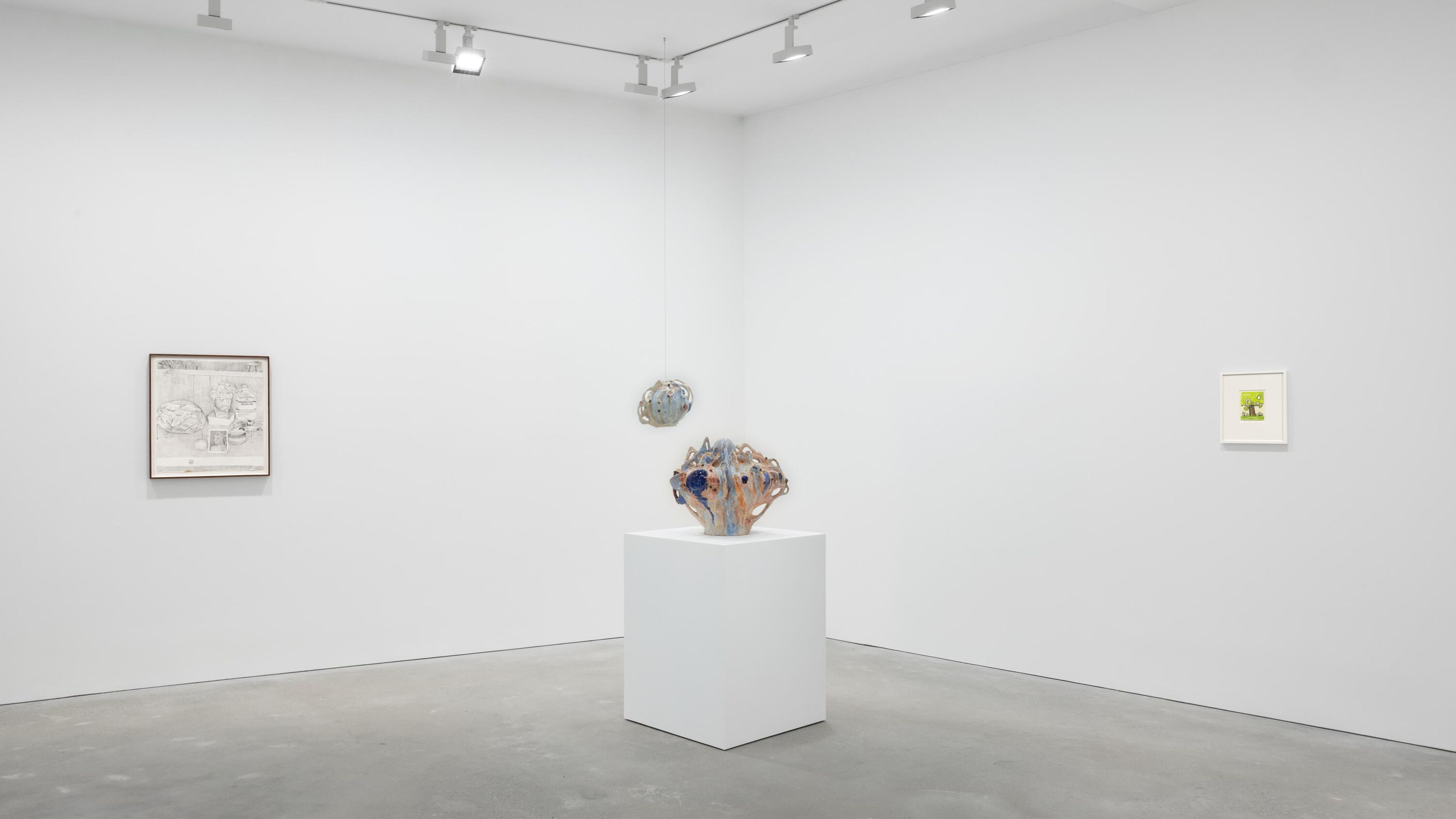
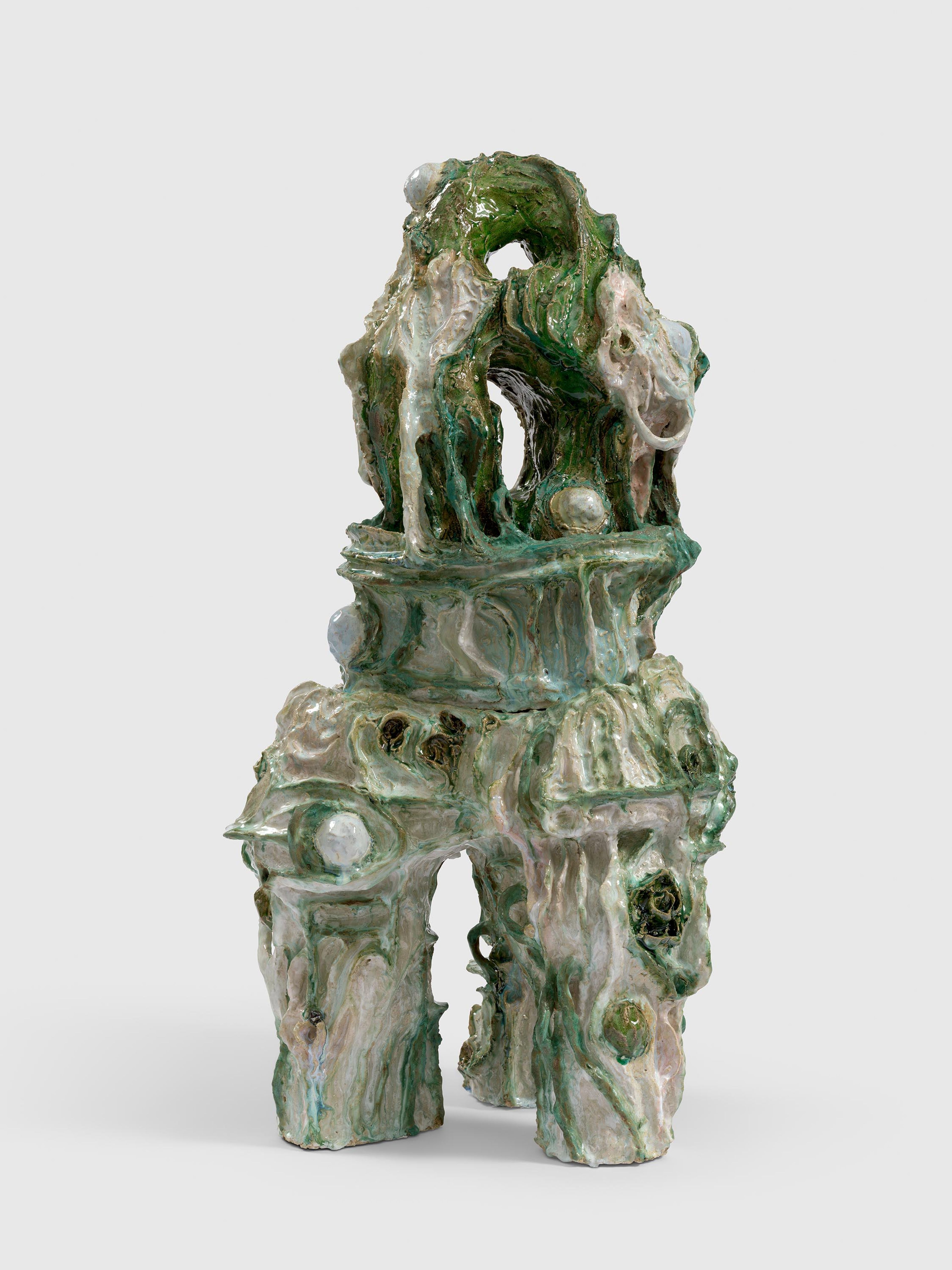
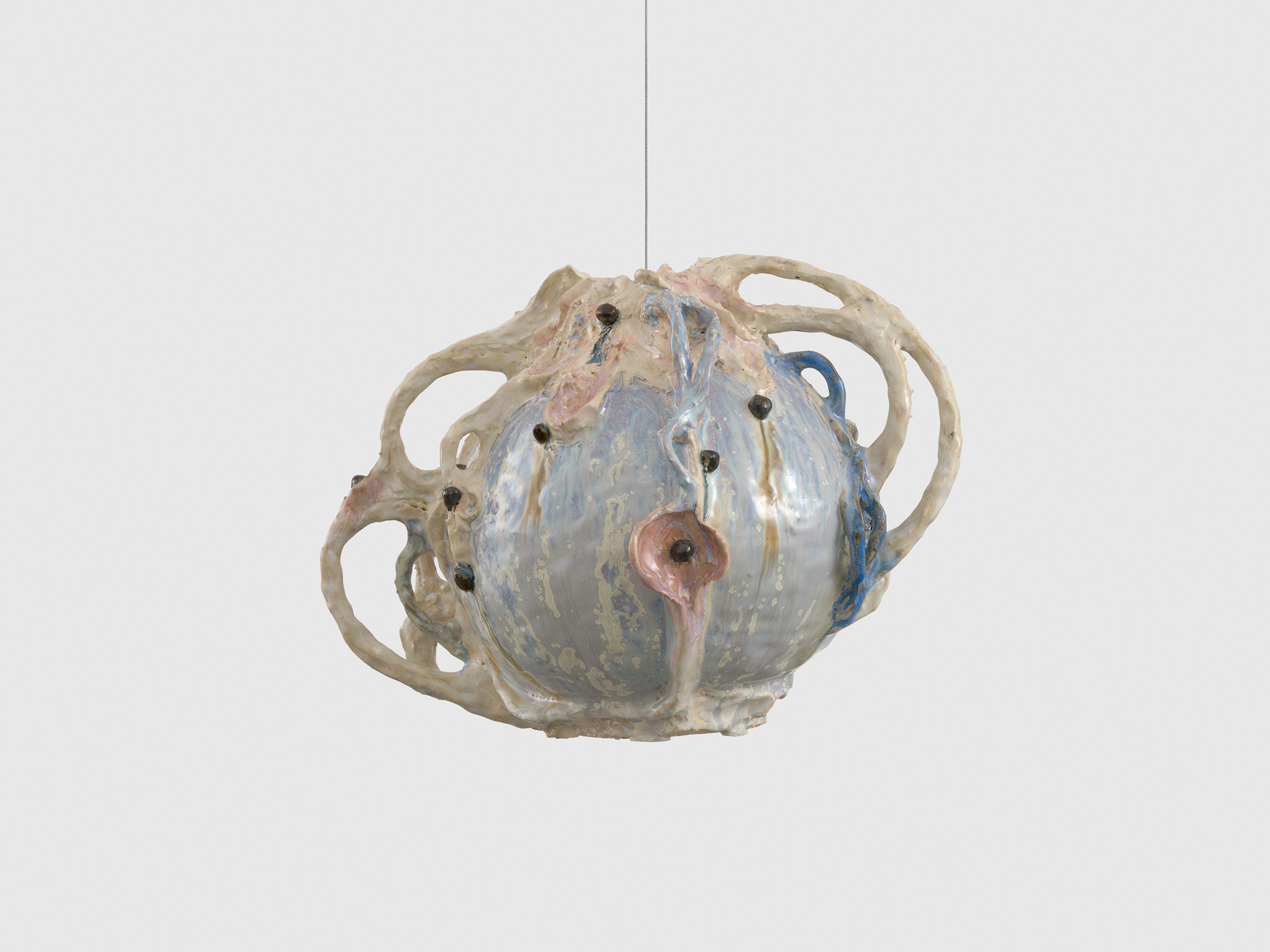
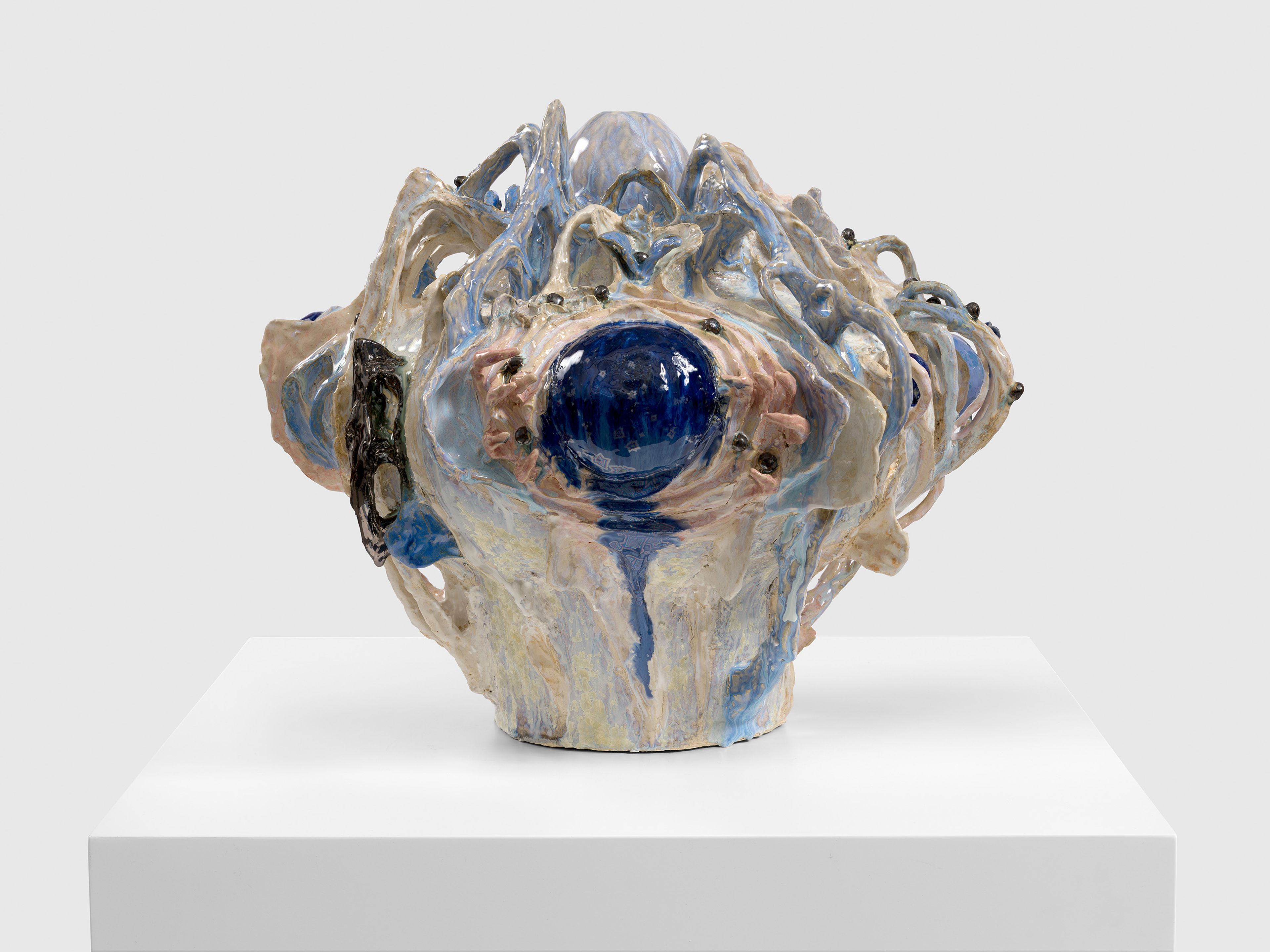
Heidi Lau’s (b. 1987) otherworldly ceramic sculptures serve as reliquaries of time and cultural memory. Built and glazed by hand—and ranging in size from handheld objects to sprawling, site-specific compositions that hang from ceilings or sprawl across the floor—Lau’s work engages such references as Taoist folk mythology, funereal monuments, and the colonial past and present of her homeland of Macau, China. She combines elements drawn from these diverse touchpoints into primordial arrangements that seem to breathe, shapeshift, and slip between physical states of matter before the viewer’s gaze. Her sculptures revel in a state of hybridity, straddling the line between ruin and rebirth, and the mortal and spiritual realms.

“The night frequently appears in my work; it is a time when I walk, reflect, and feel truly free. As the movement of society comes to a halt, I feel that my own personal time begins. The darkness and minimal light shift the weight of my mind, allowing me to reach the entrance of an imaginative world. Blurred shapes, with their outlines faded and softened, overflow their boundaries and blend into one another. In such a hazy space, I am able to project and see my own mind.”

—Kenji Ide
Inquire about works in the exhibition