Michaël Borremans: French Painting
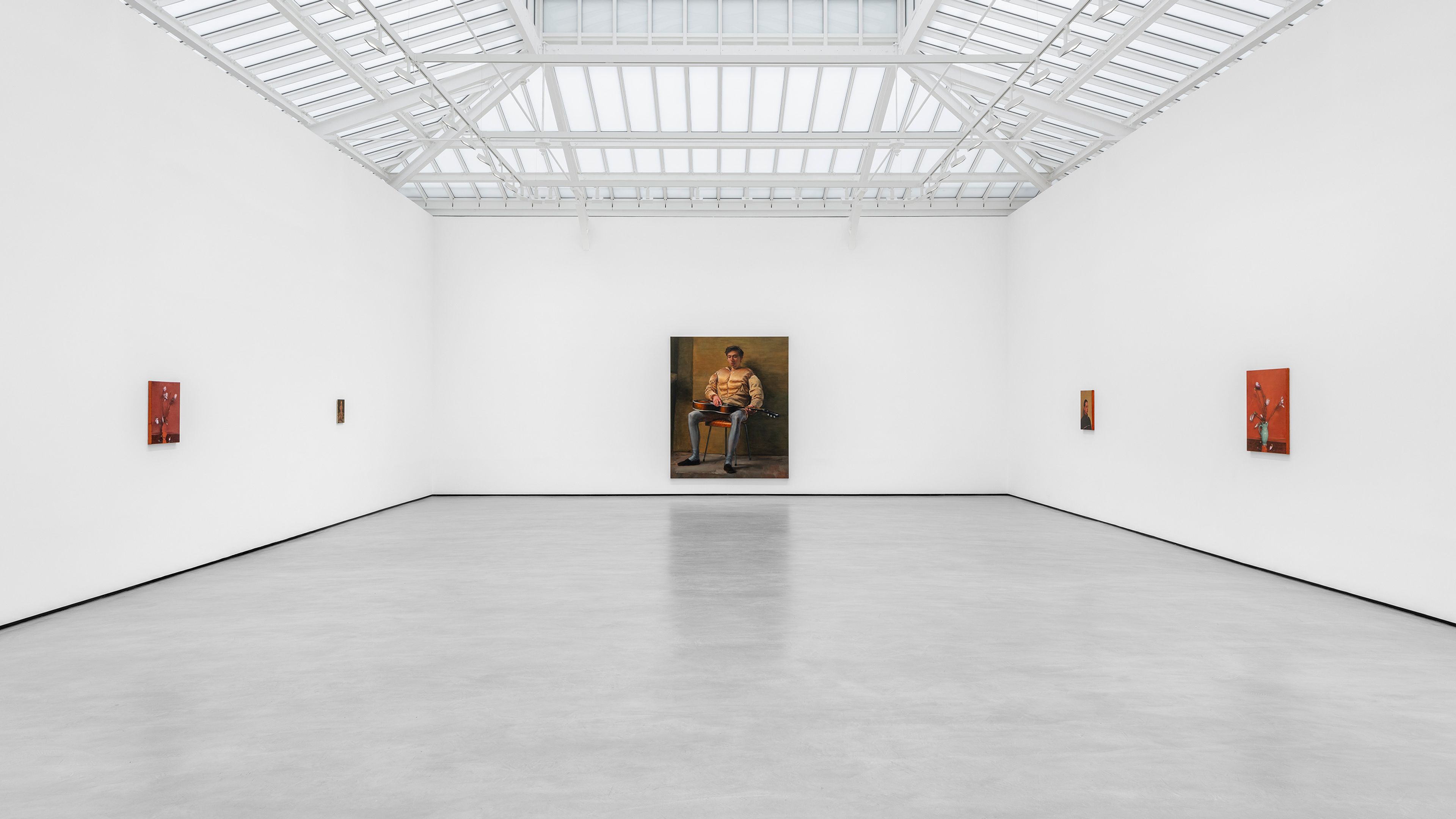
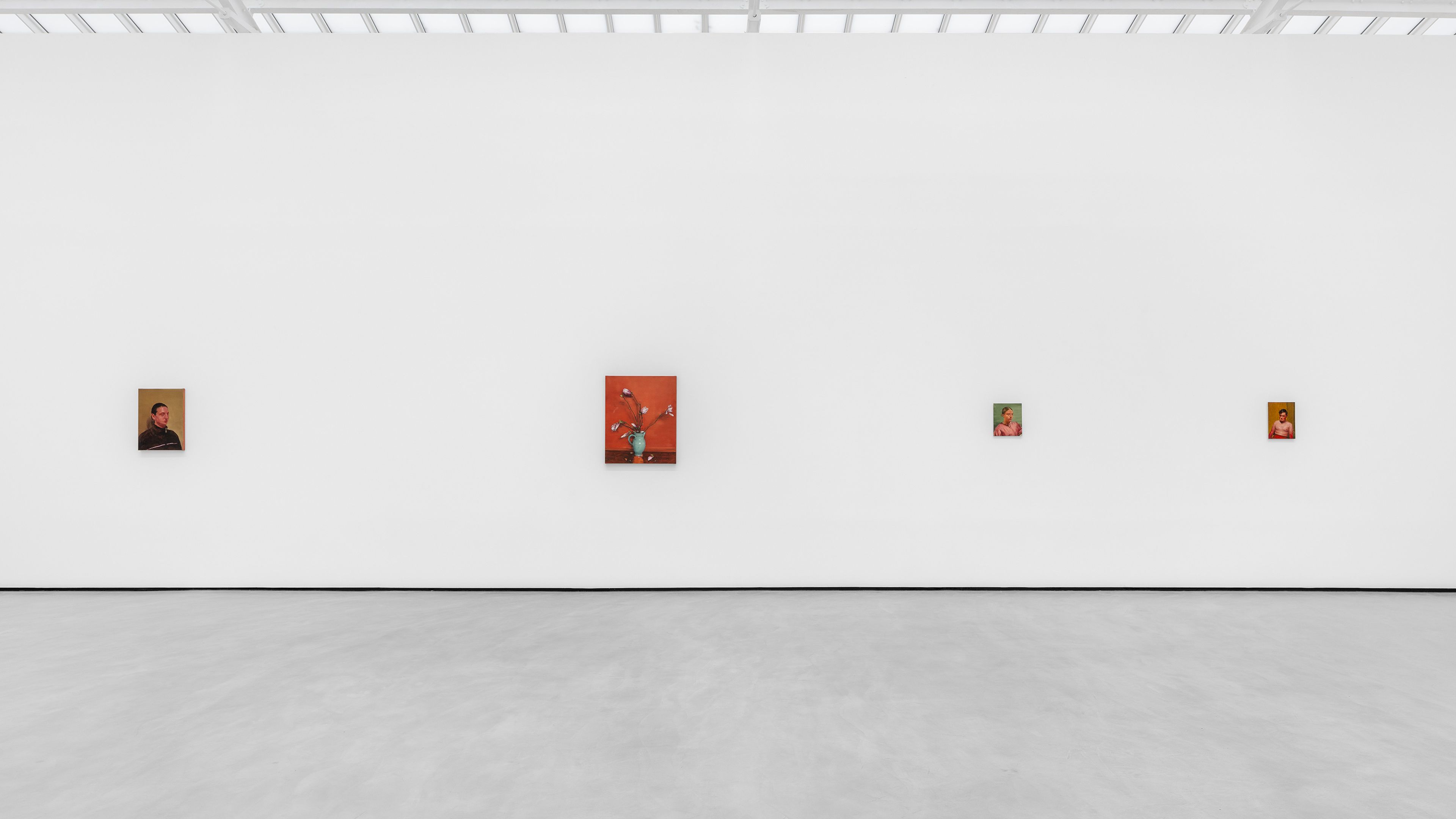
Installation view, Michaël Borremans: French Painting, David Zwirner, Paris, 2026
Past
June 5—July 22, 2026
Opening Reception
Friday, June 5, 6–8 PM
Opening Reception
Friday, June 5, 6–8 PM
Location
Paris
108 Rue Vieille du Temple
75003 Paris
Artist
Explore
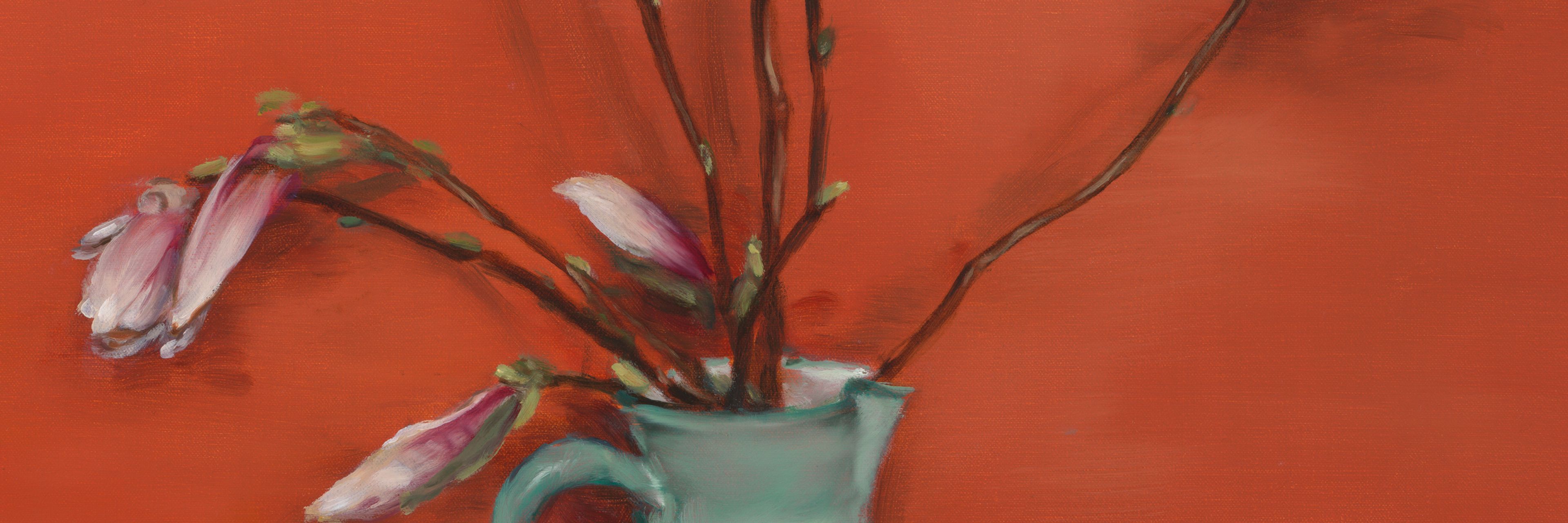
Explore All Works
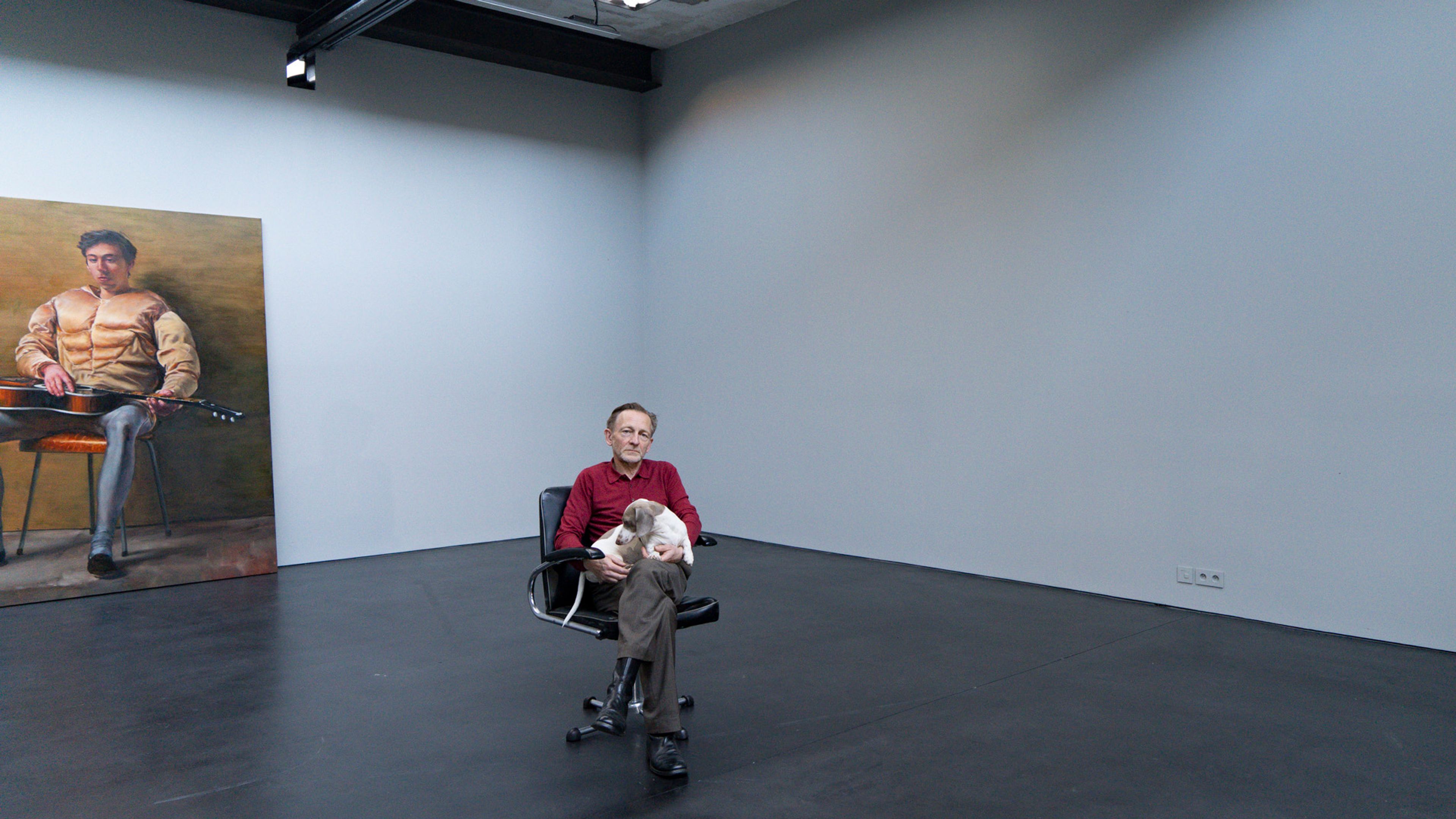
Michaël Borremans in his studio, 2026. Photo by Alex Salinas
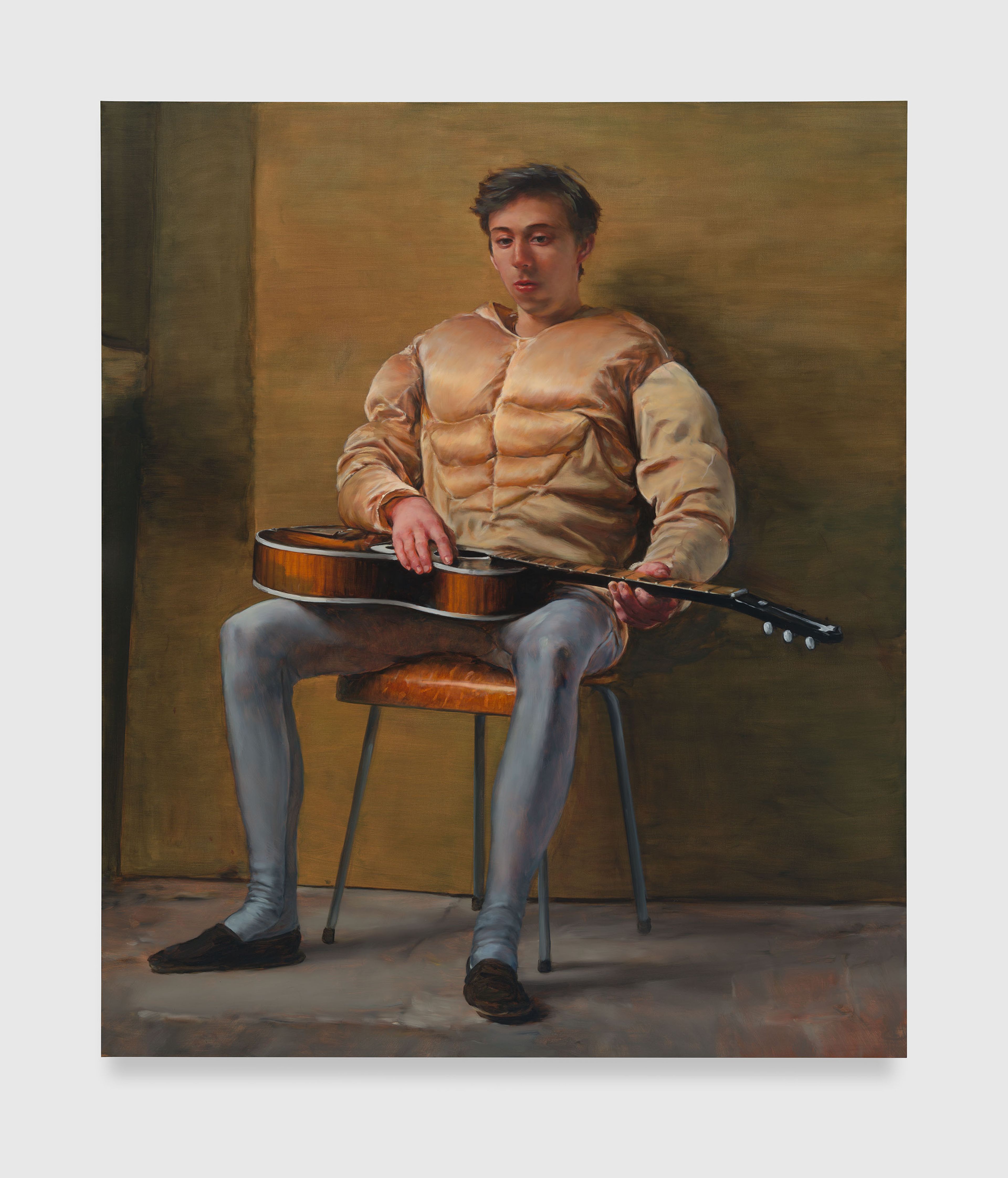
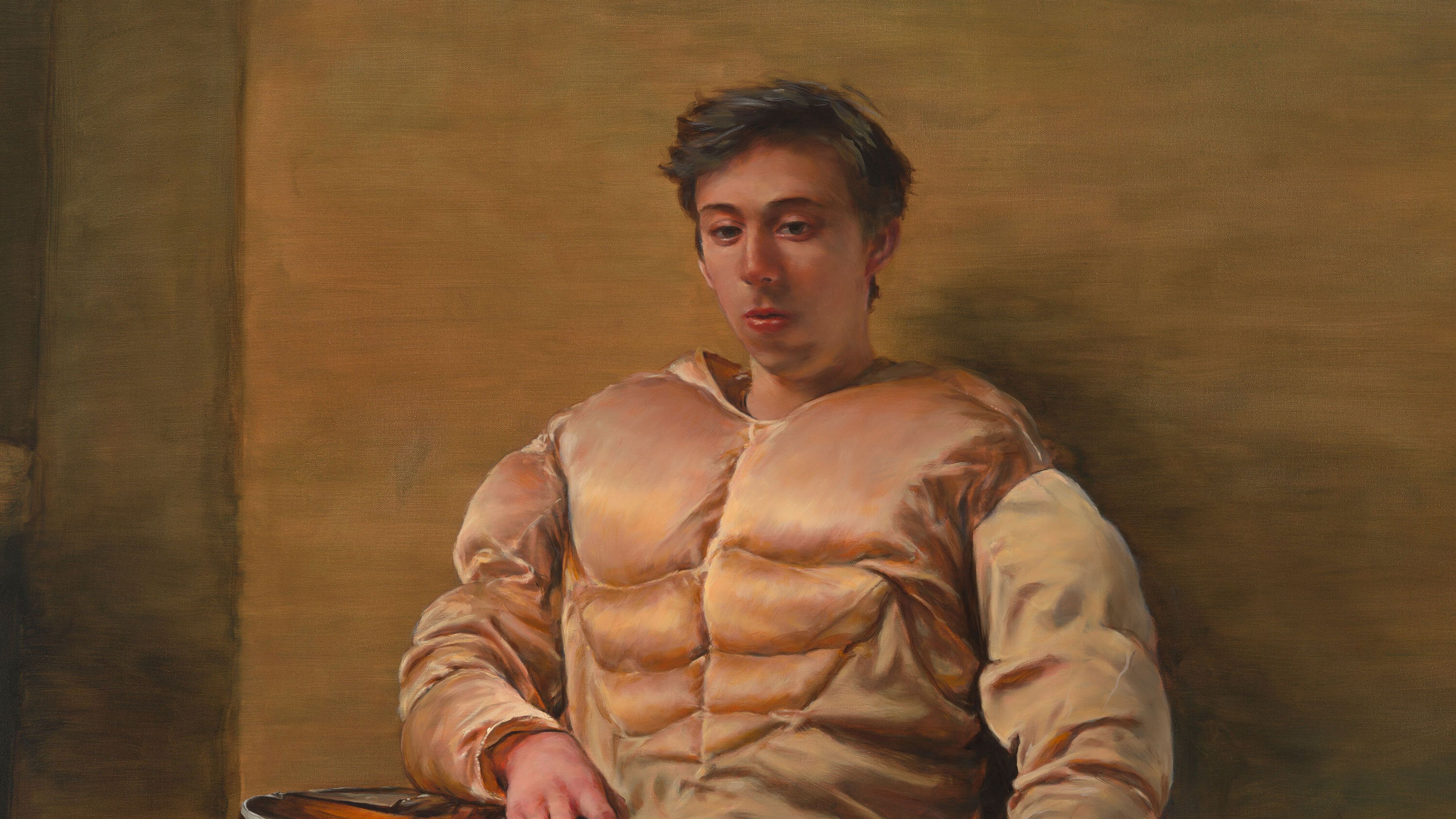
Michaël Borremans, French Painting, 2026 (detail)
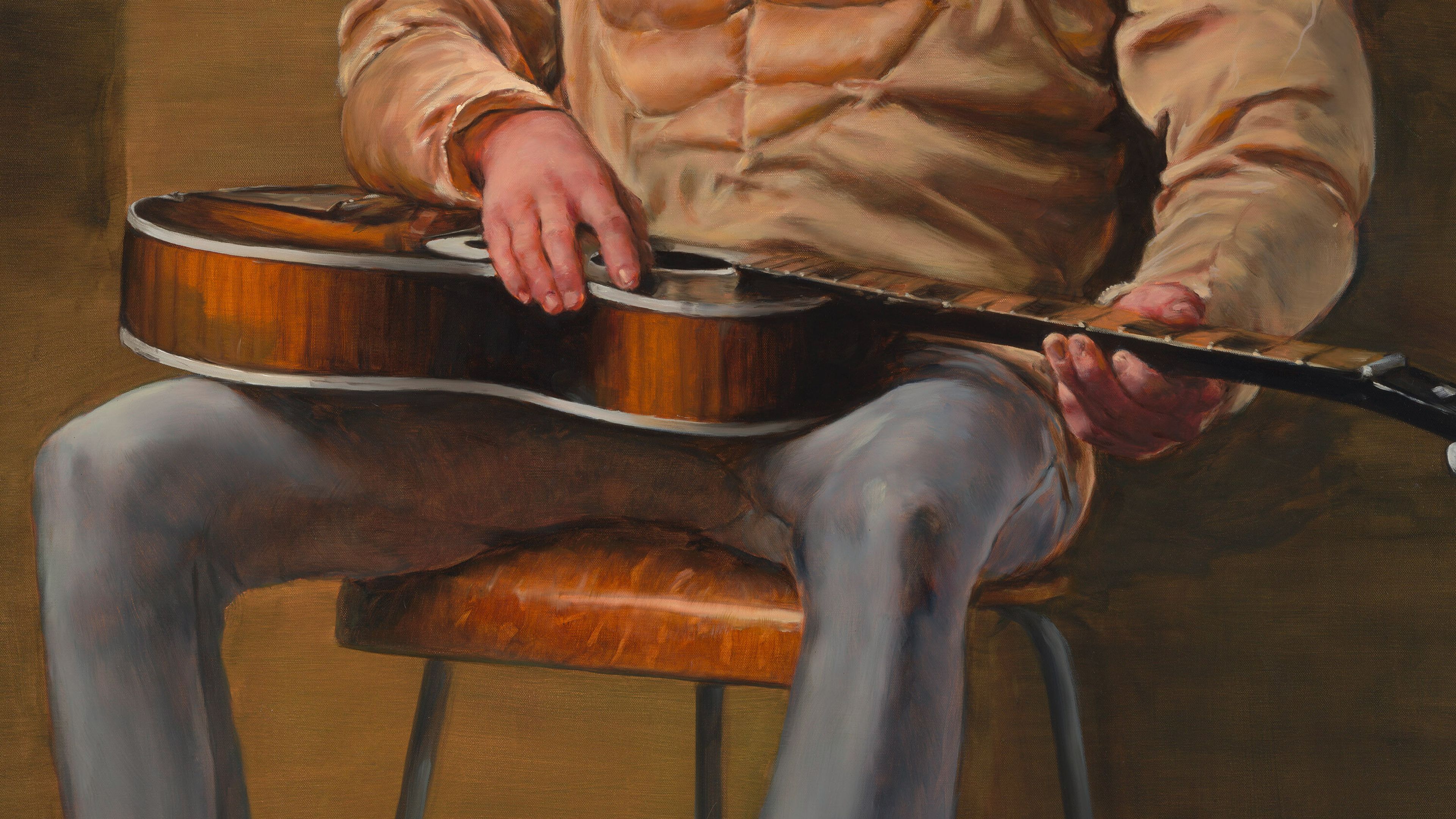
Michaël Borremans, French Painting, 2026 (detail)
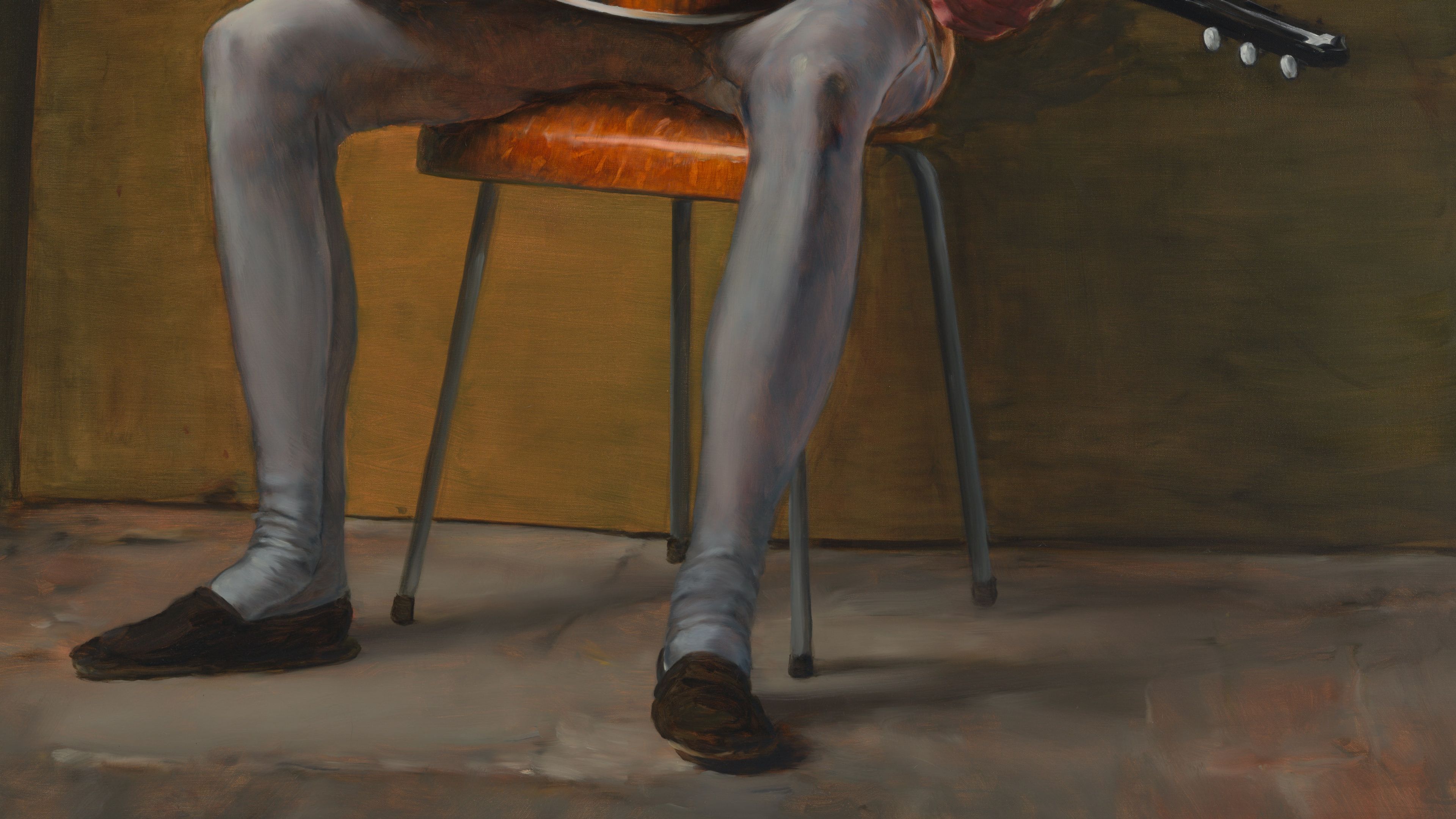
Michaël Borremans, French Painting, 2026 (detail)
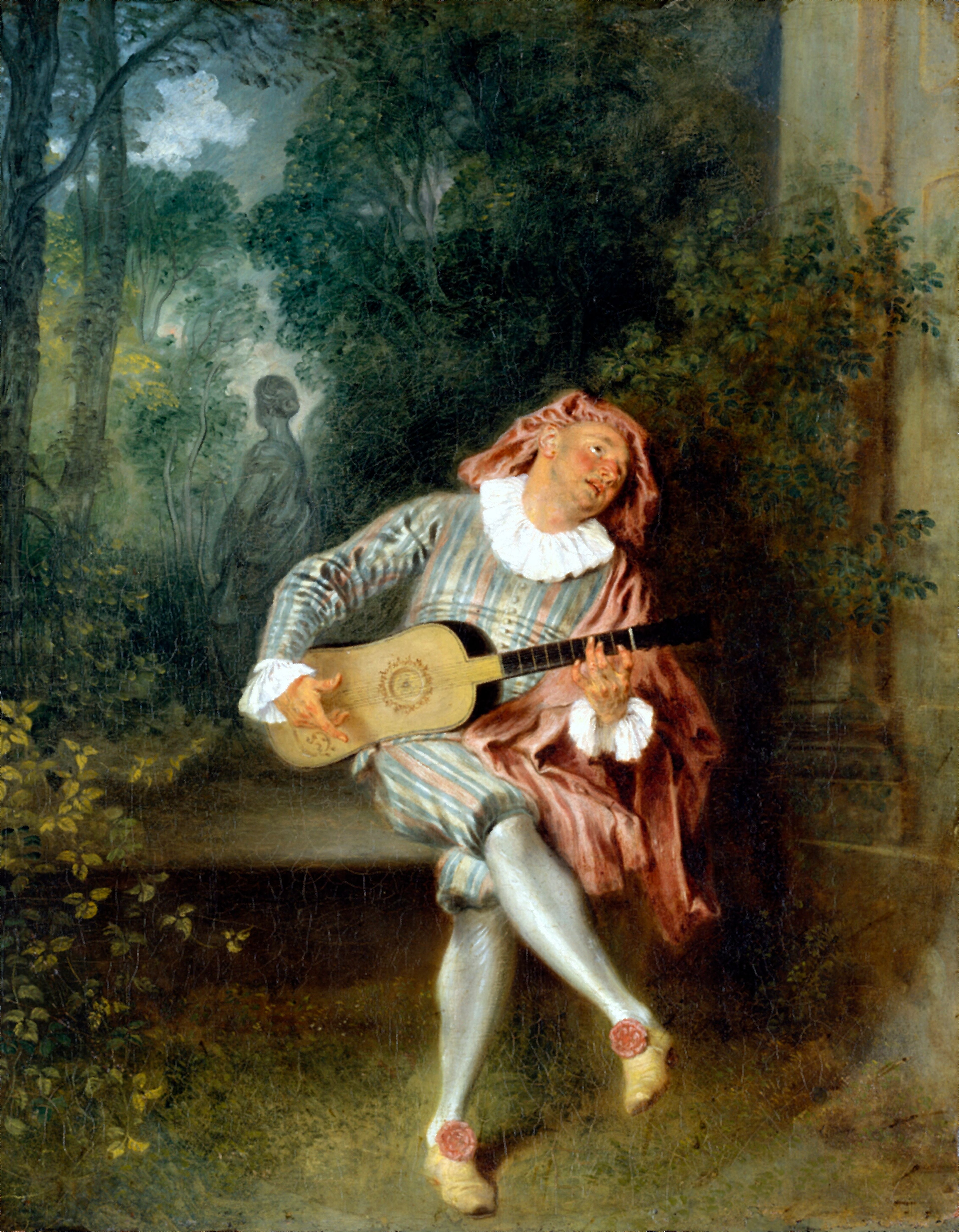
Jean-Antoine Watteau, Mezzetino, c. 1717–1720, Metropolitan Museum of Art, New York
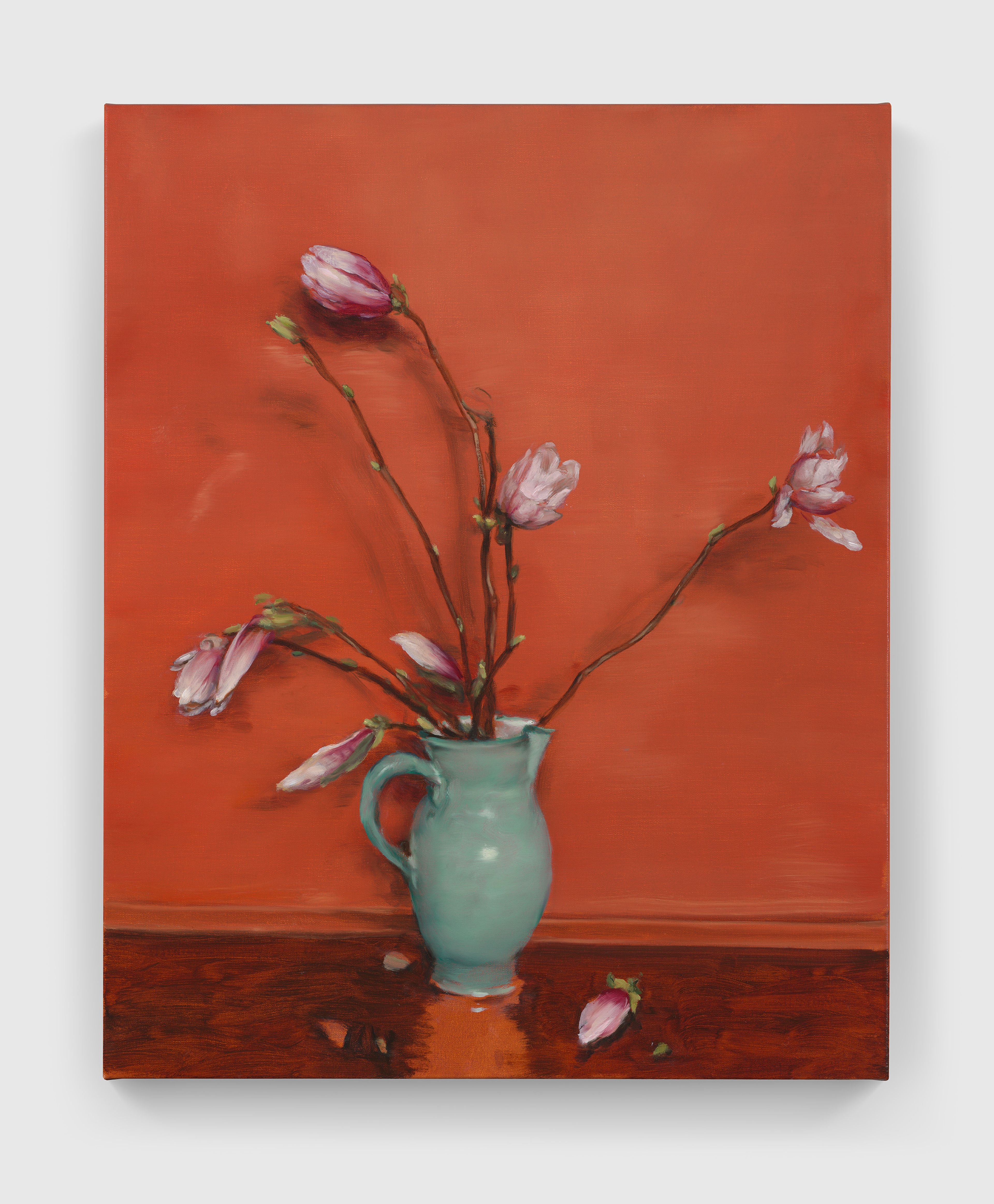
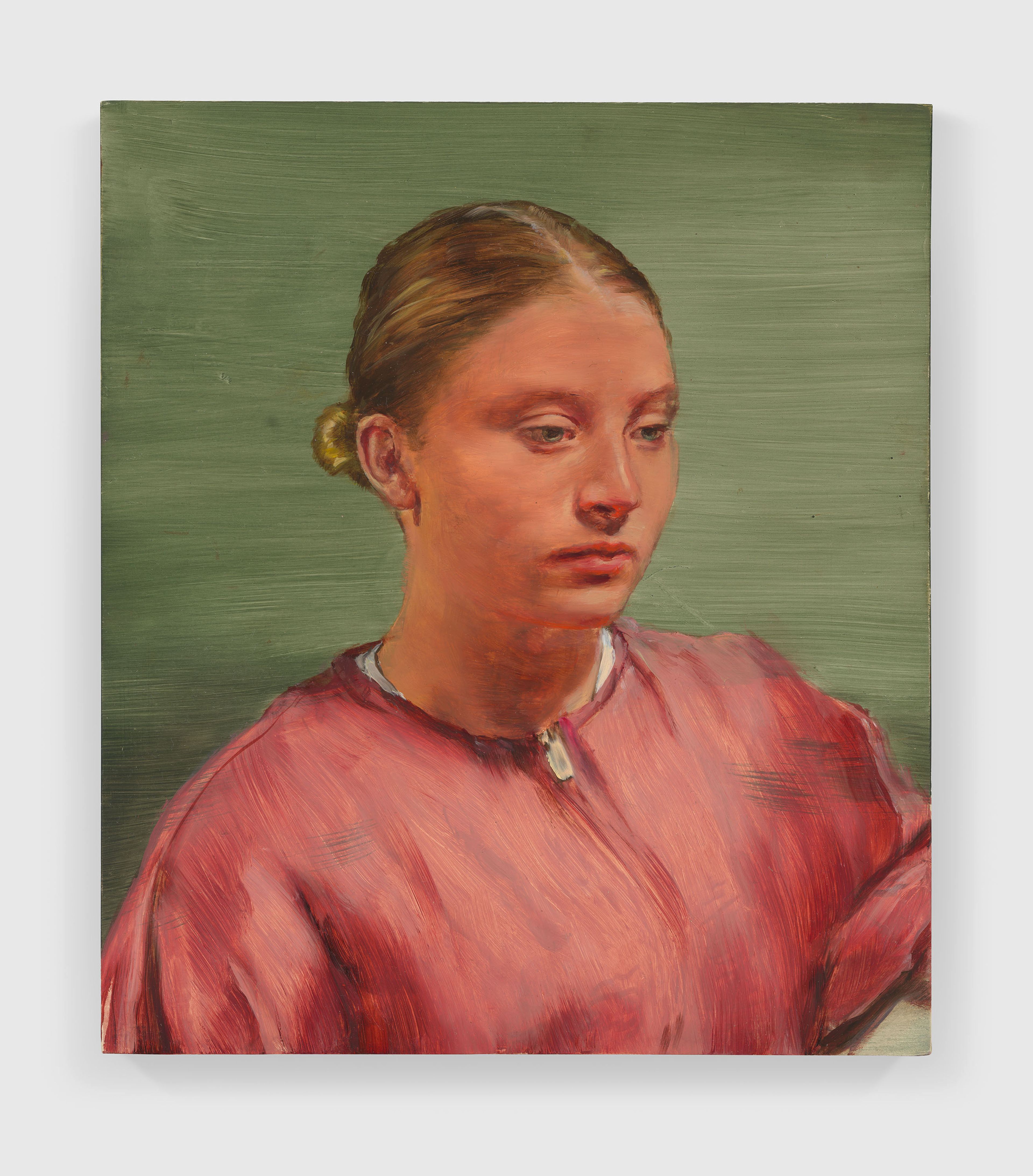
While the show’s title evokes a lineage of classical image-making by figures such as Jean-Siméon Chardin (1699–1779), Jean-Antoine Watteau (1684–1721), and Édouard Manet (1832–1883), and a range of academic genres such as still life and portraiture, the paintings do not easily situate themselves within that heritage. Rather, they implicitly evoke a sensibility and way of image-making without ever fully settling within that history. Here, the practice of French painting is not celebrated outright, but subtly unsettled.
“Like most artists, I try to reflect on life, on humanity, but with the tools that are suitable for me.... I try to relate in terms of the visuals of today and the visuals of yesterday, because they are still present.”
—Michaël Borremans
“Michaël Borremans may be the greatest living figurative painter.... He has subsumed 500 years of painting into his art. Yet his work is informed by history, not mired in it.”
— Art critic John Vincler in the New iYork Times
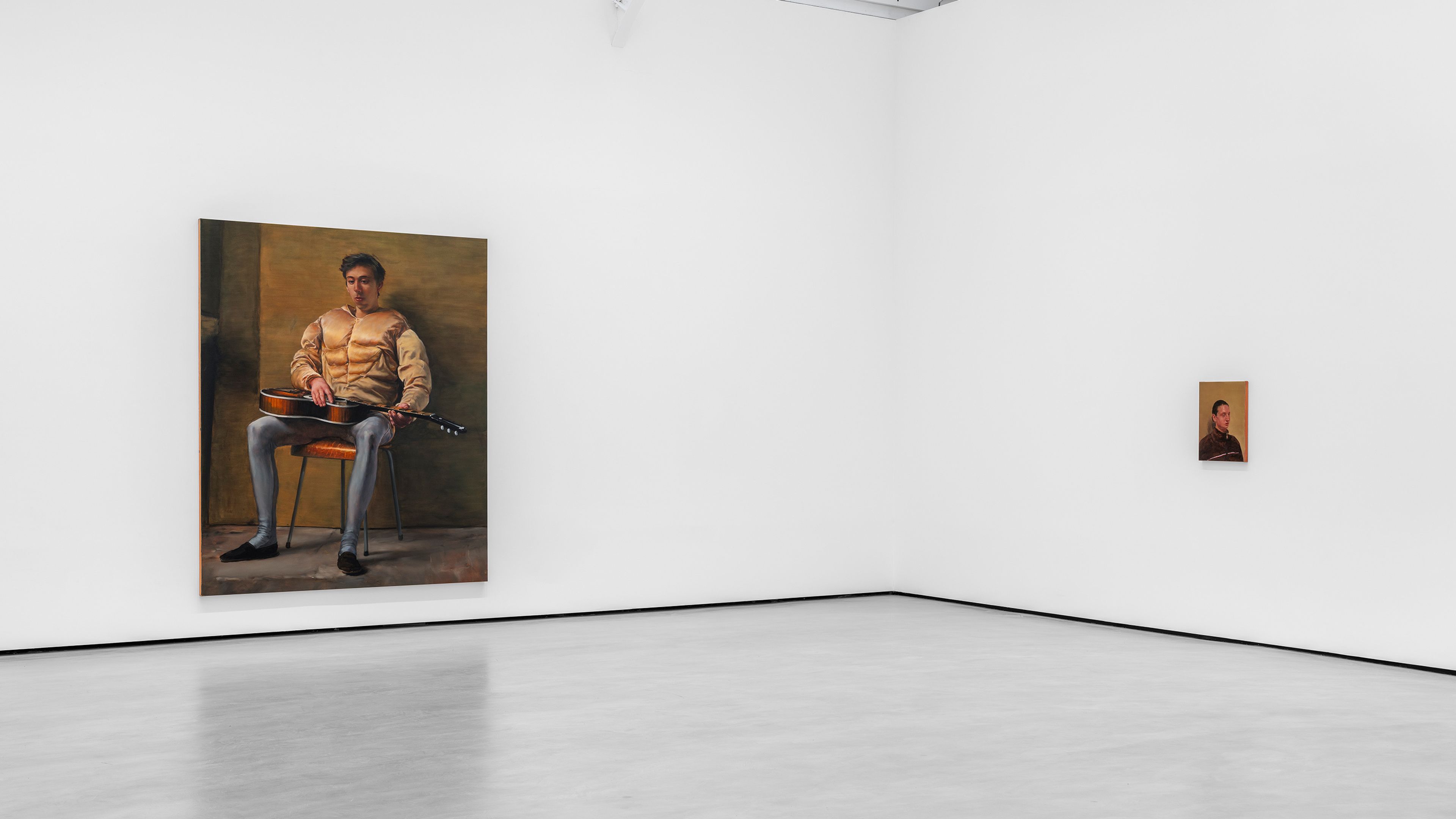
Installation view, Michaël Borremans: French Painting, David Zwirner, Paris, 2026
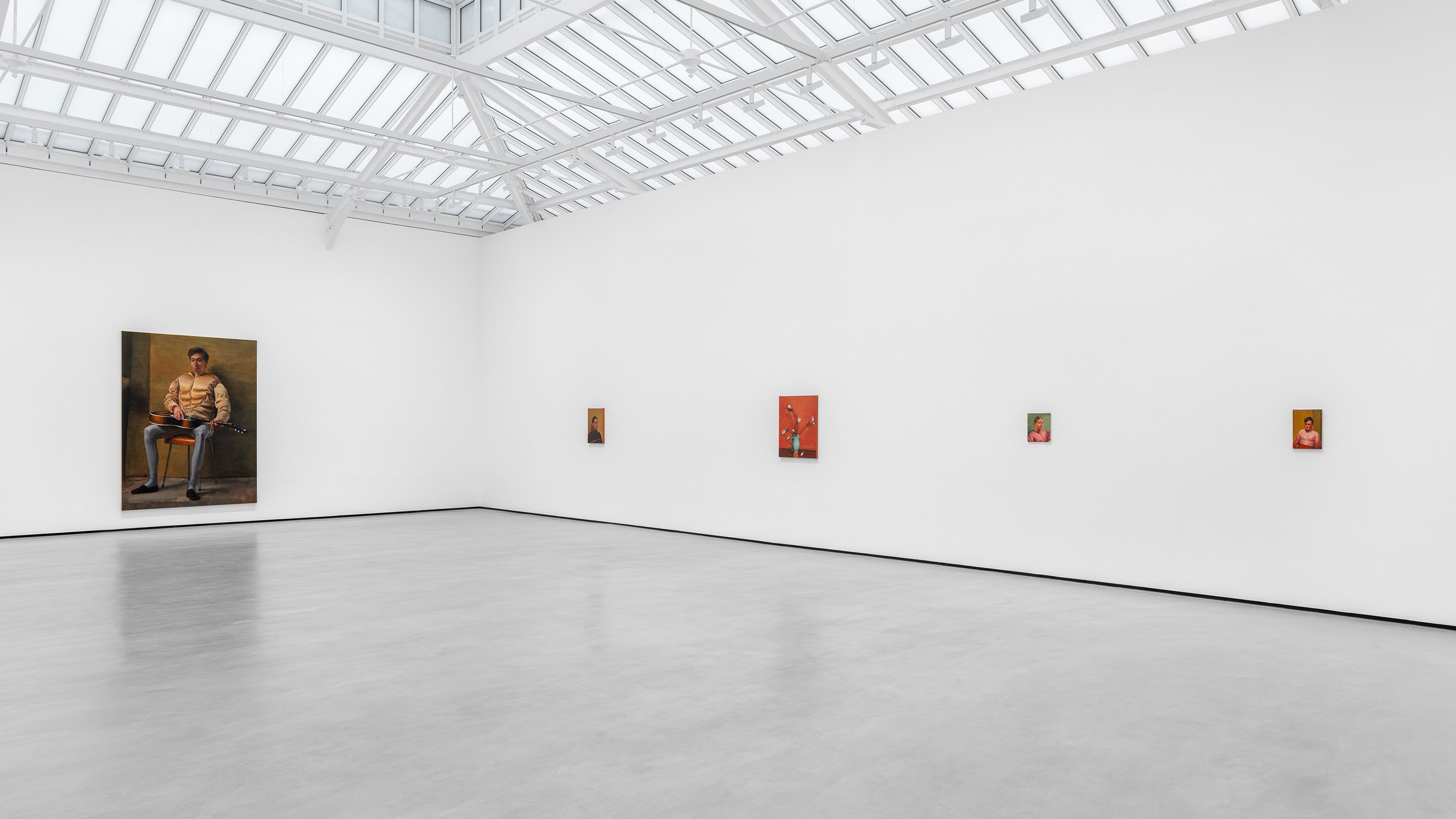
Installation view, Michaël Borremans: French Painting, David Zwirner, Paris, 2026
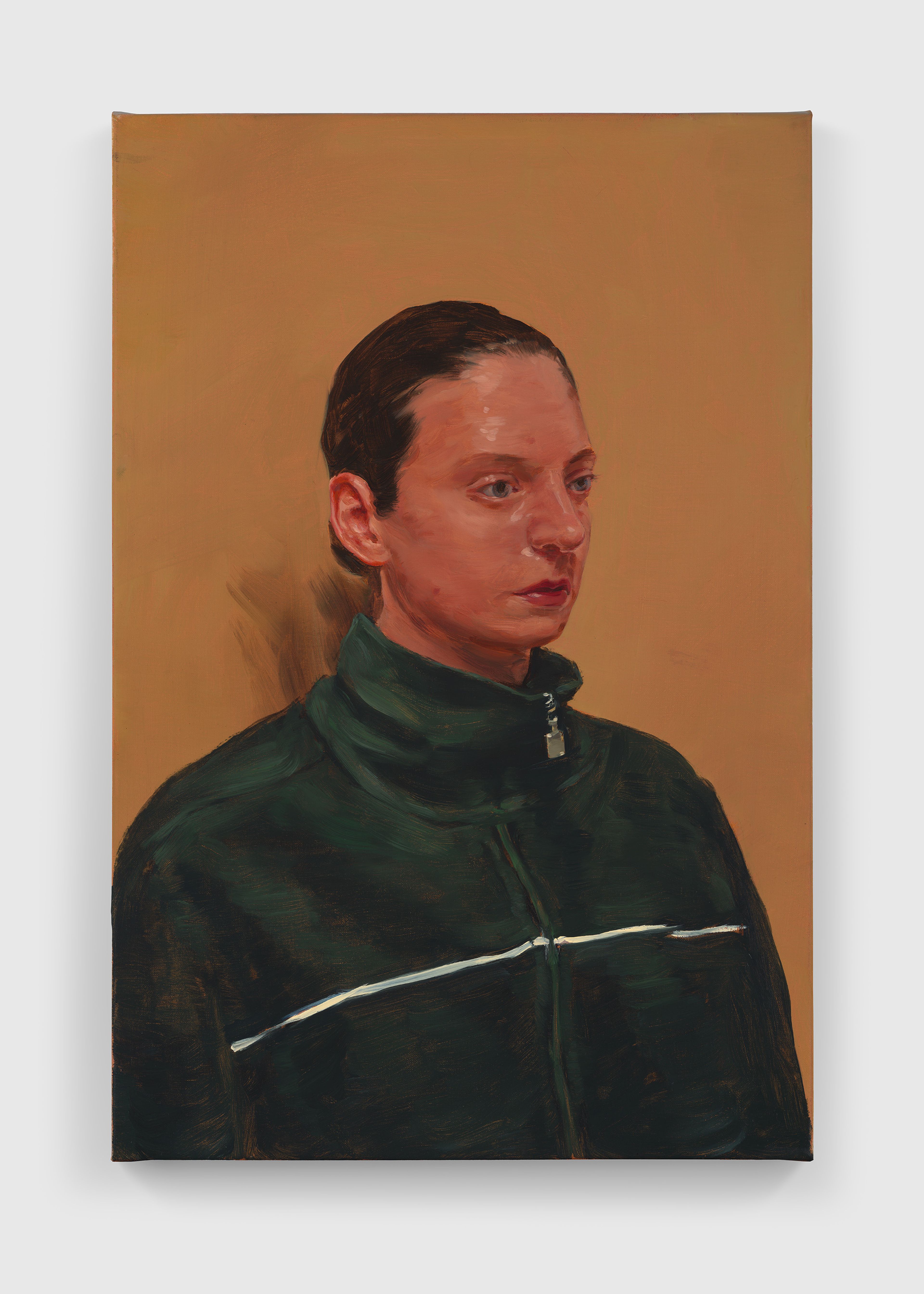
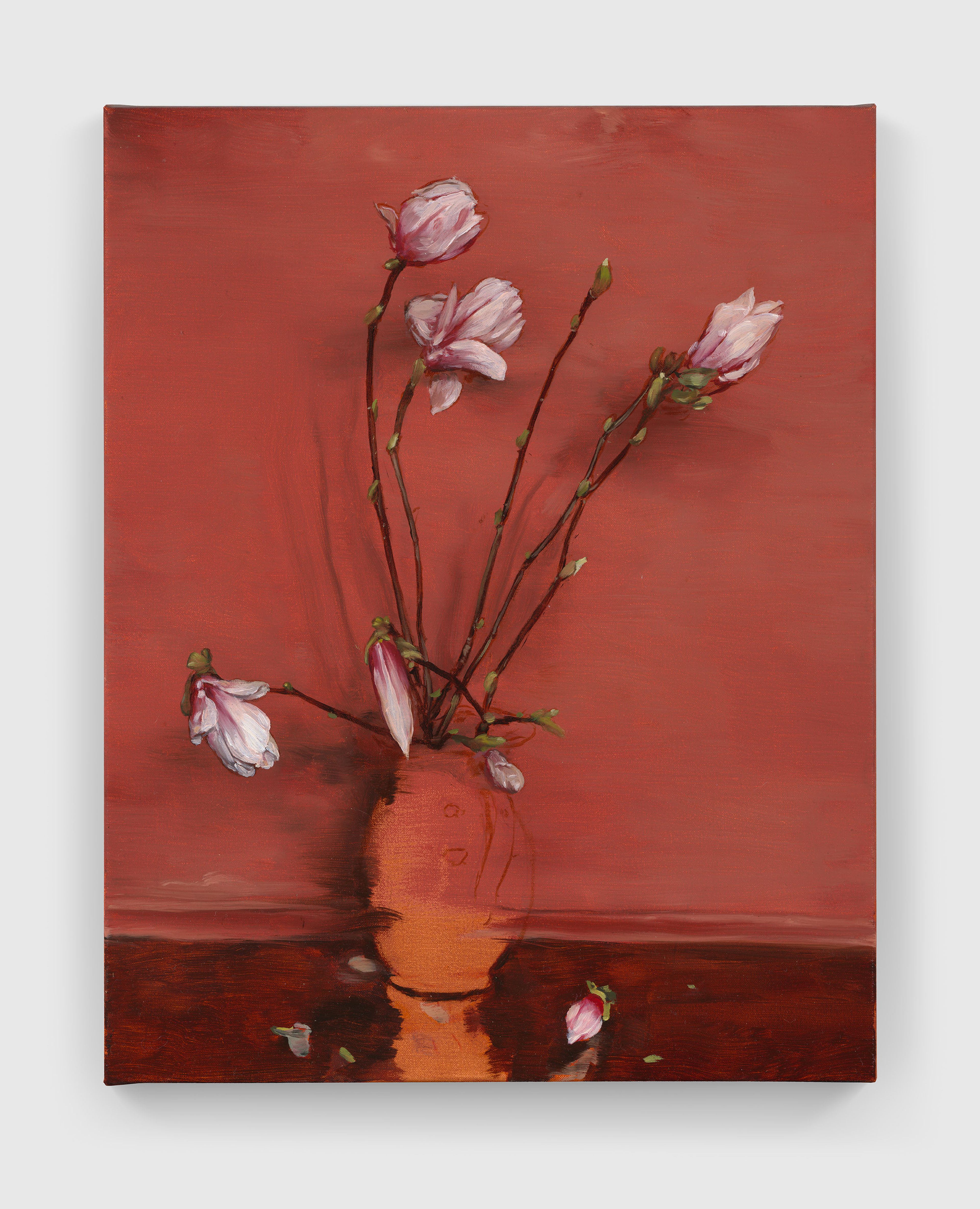
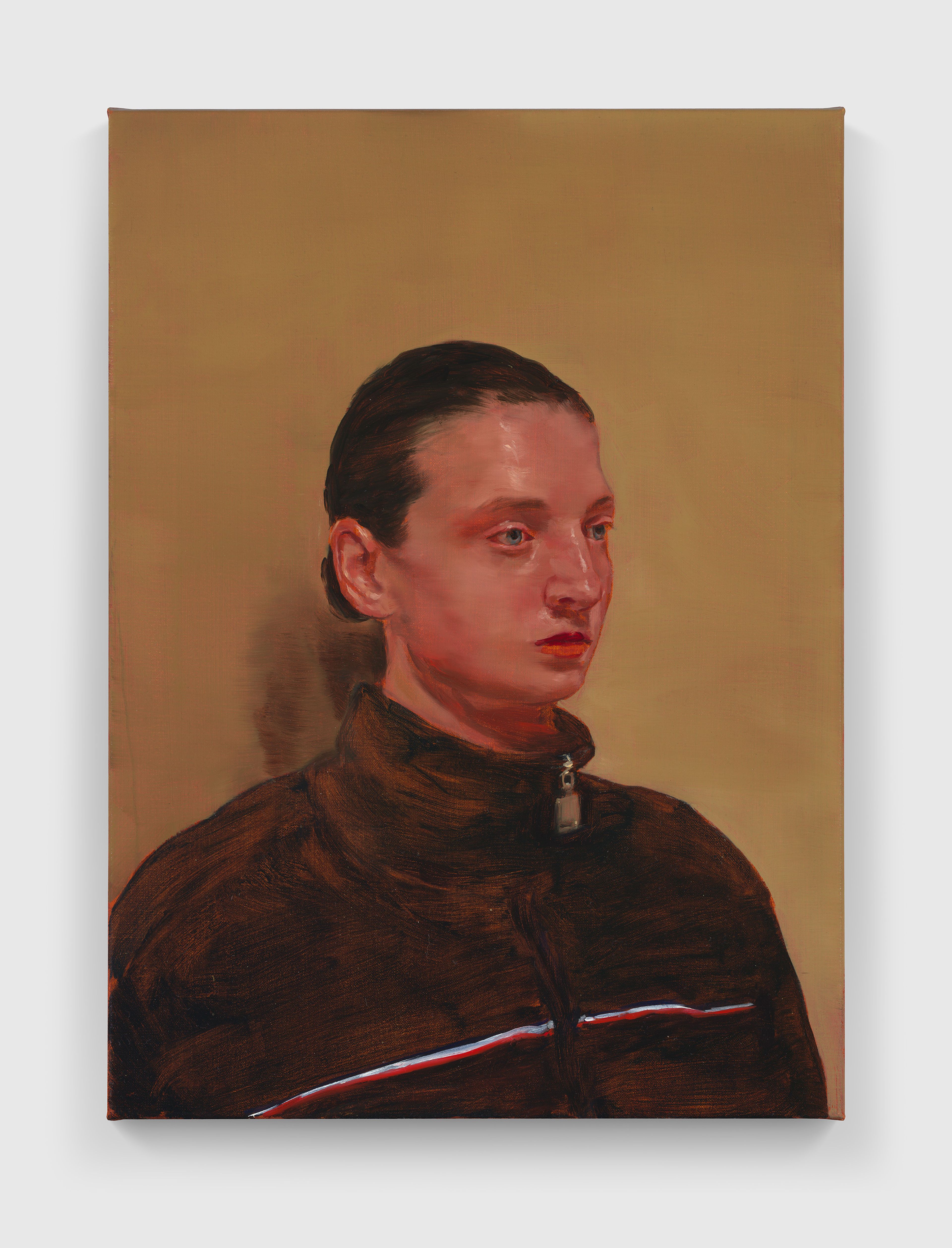
“I always paint [from] culture, never from nature. Even if I depict a human figure, it’s already the representation of a human figure that I want to show. In my opinion, painting from nature is very old fashioned.”
—Michaël Borremans in conversation with curator Jeffrey Grove
Installation view, Michaël Borremans: French Painting, David Zwirner, Paris, 2026
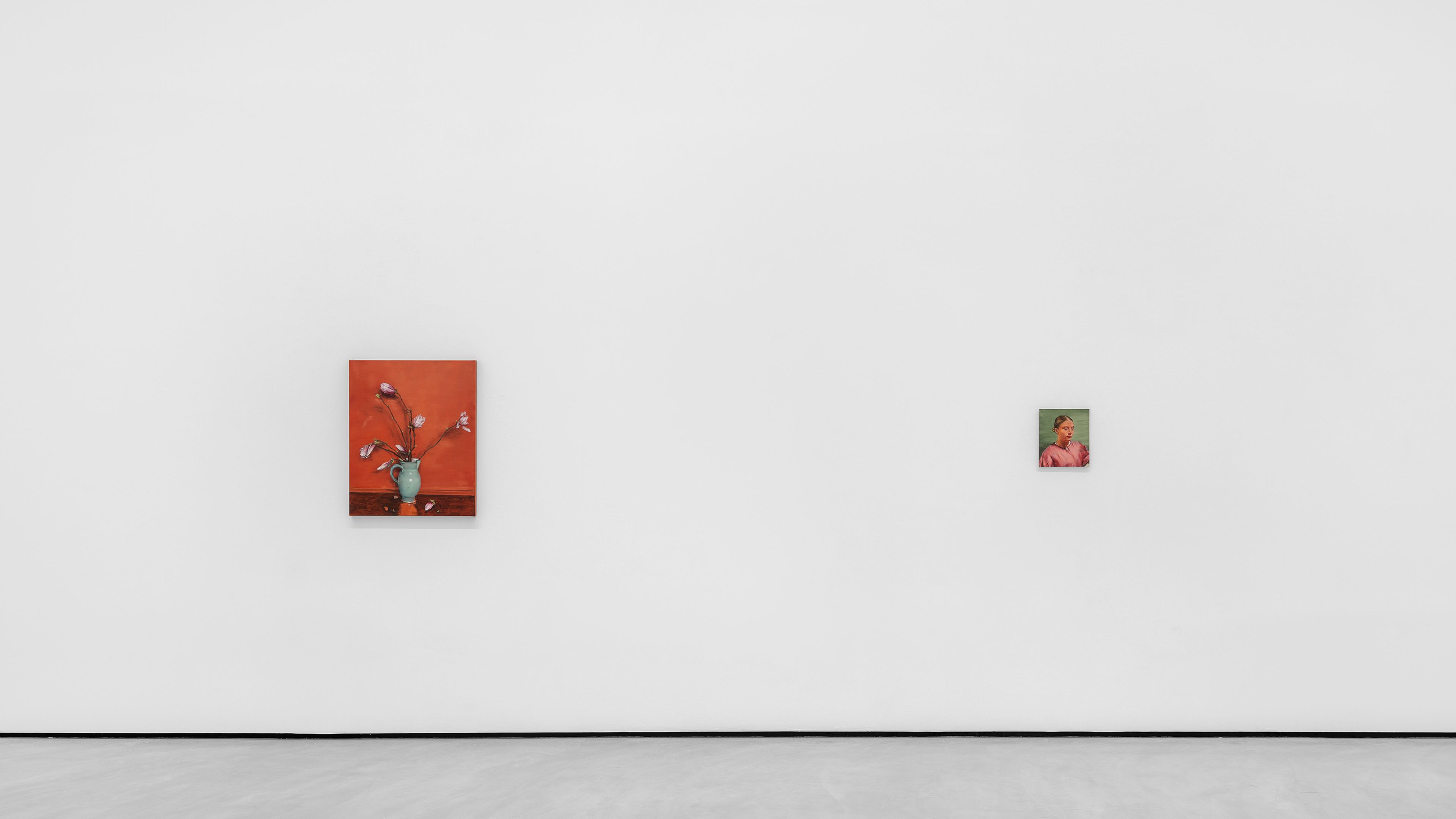
Installation view, Michaël Borremans: French Painting, David Zwirner, Paris, 2026
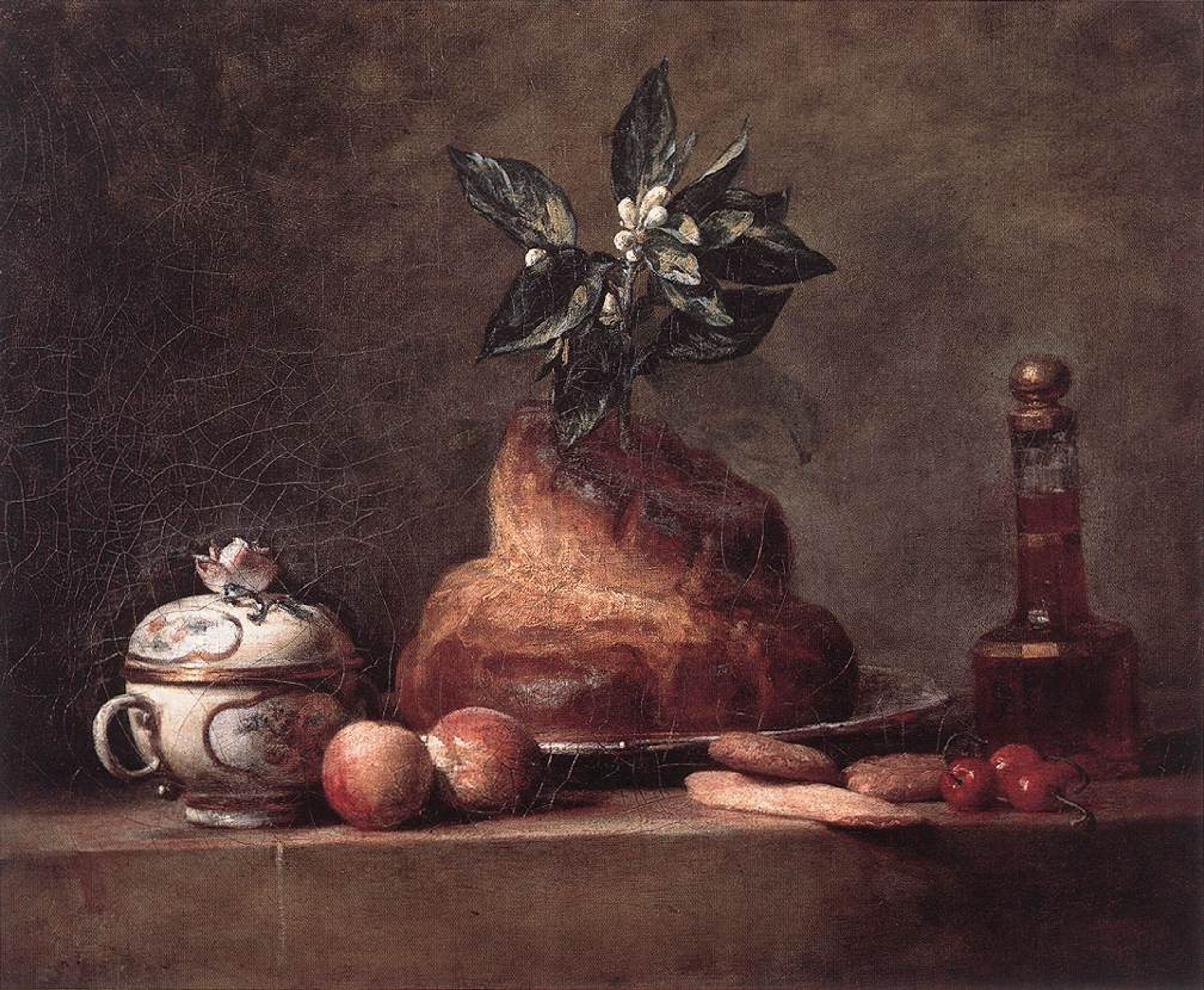
Jean-Baptiste-Siméon Chardin, La Brioche, 1763. Louvre Museum, Paris
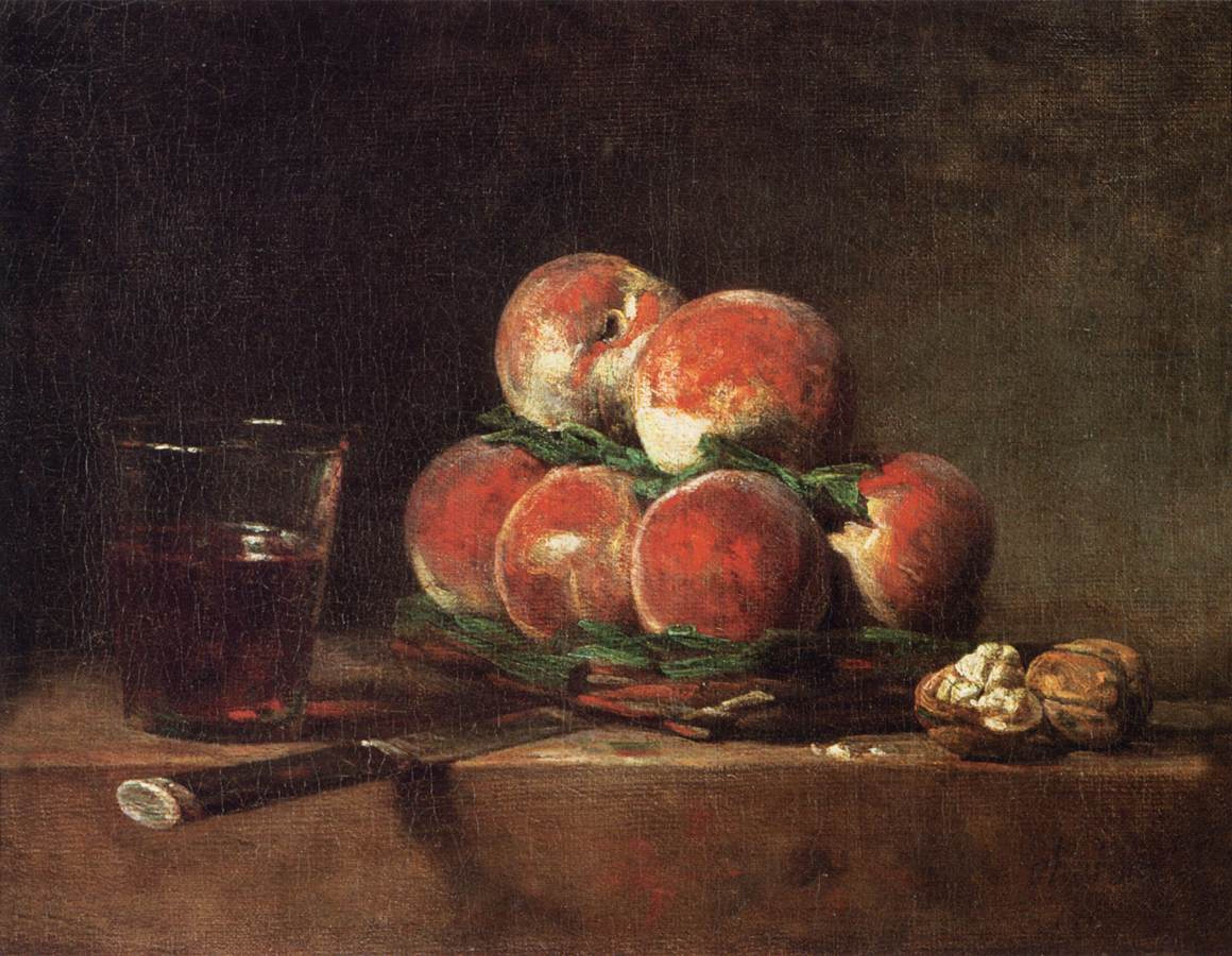
Jean-Baptiste-Siméon Chardin, Le Panier de fraises des bois, 1761. Louvre Museum, Paris
The works here carry a distinct conceptual imprint yet remain deliberately ambiguous—understated and restrained but densely layered with references, notably to Chardin. As Borremans states, “despite their seemingly straightforward depictions, Chardin’s works often transmit the auric vibrations from the world around the players, objects, and scenes of eighteenth-century France that he portrayed, which further reflect the artist’s own taste, sensibility, and humor.”
“There were a lot of painters like [Chardin] doing this but he somehow made something else out of it. It became spiritual, it went further than the still life. When he paints a brioche, the whole 18th century and the mindset of the 18th century is reflected in the brioche.”
—Michaël Borremans interviewed in Arcane
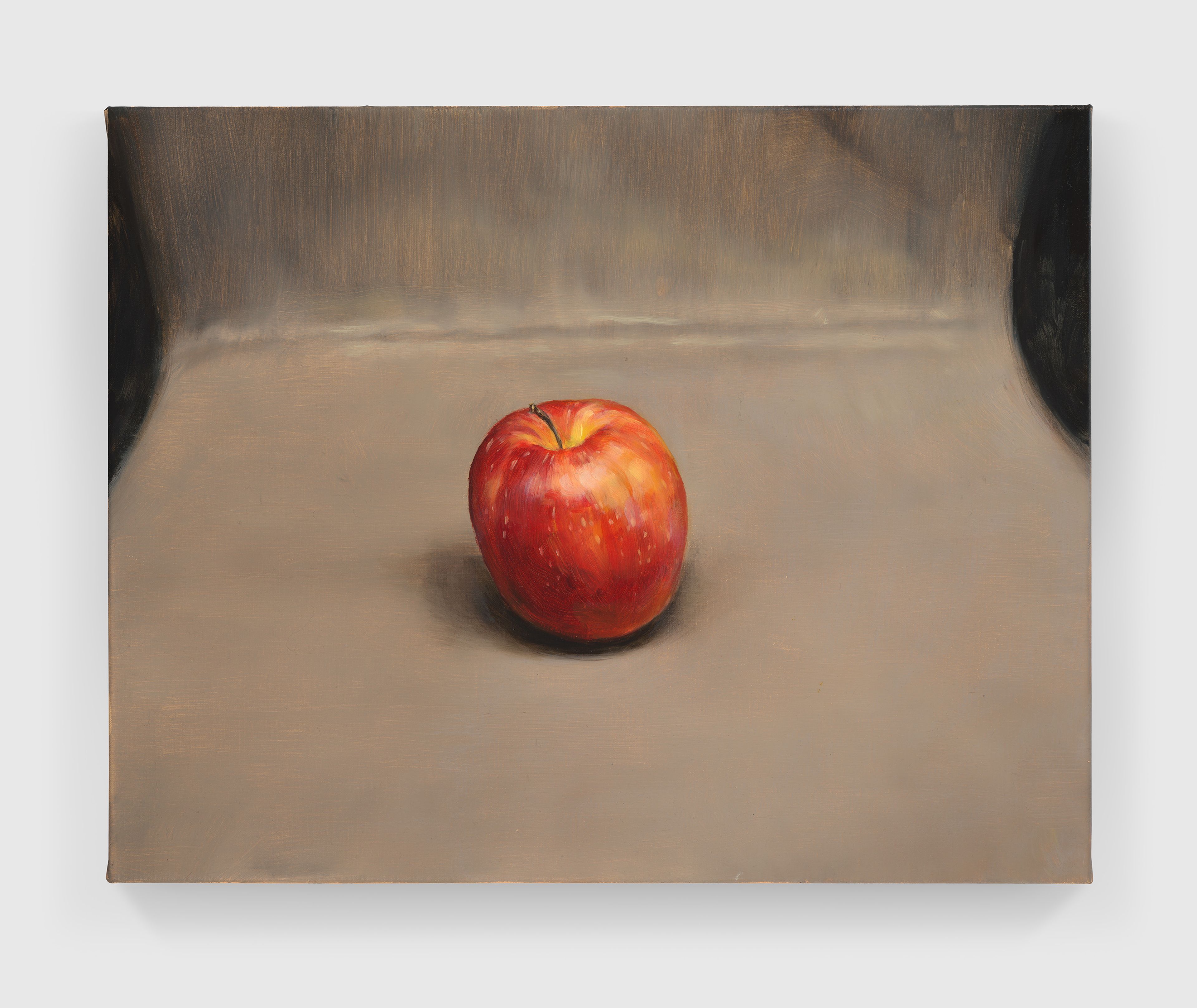
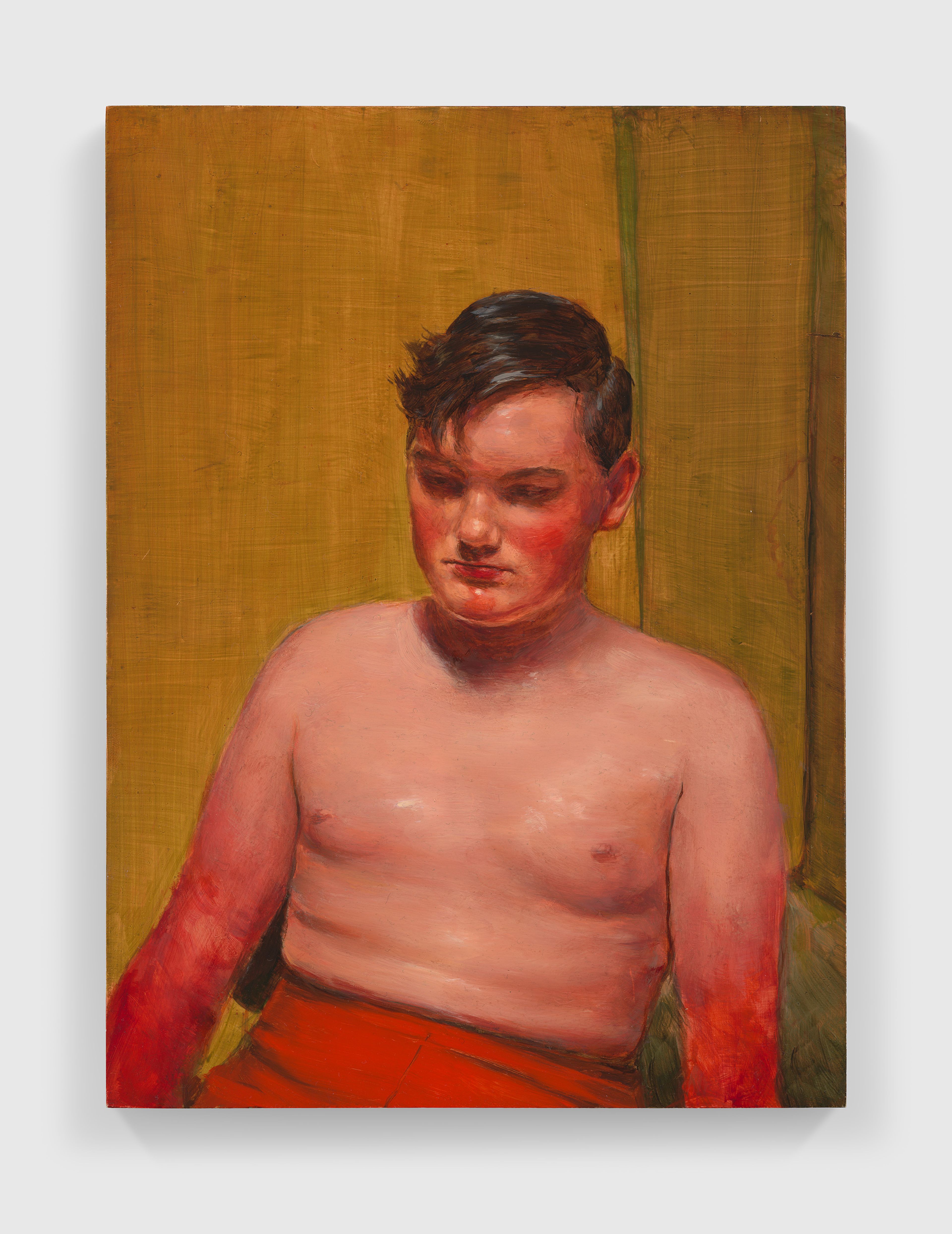
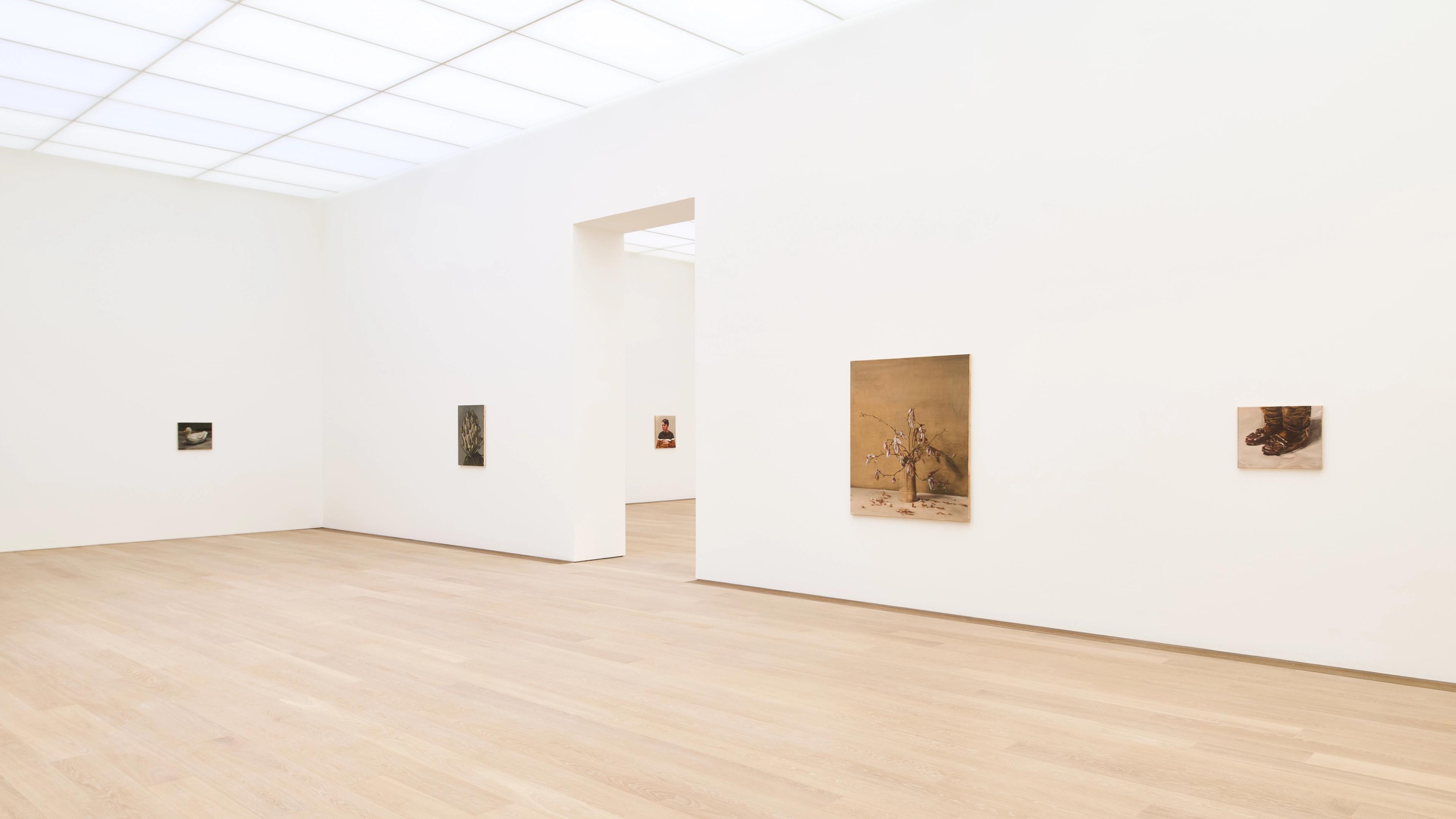
Installation view, Michaël Borremans: A Confrontation at the Zoo, Museum Voorlinden, Wassenaar, Netherlands, 2024-25
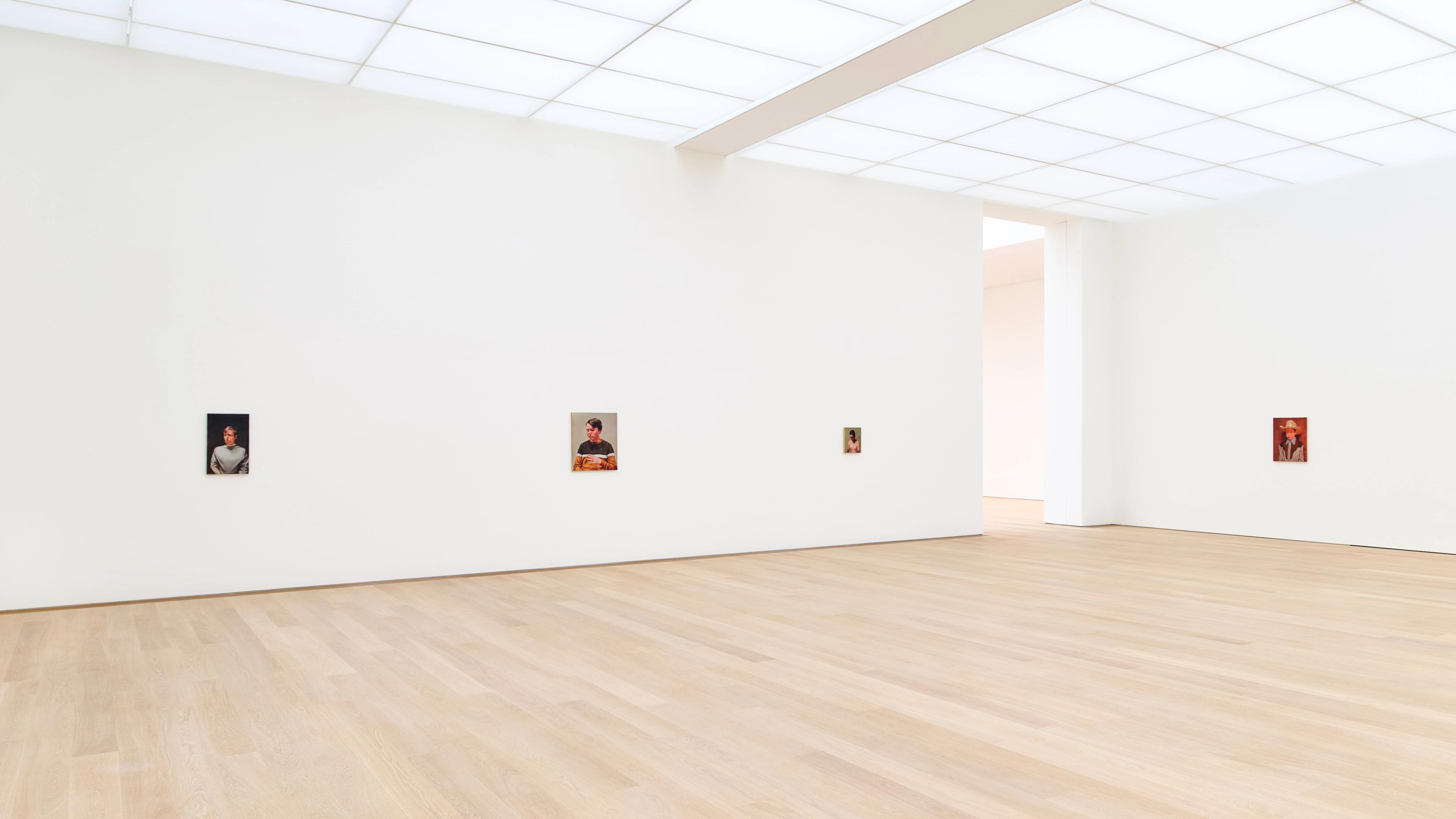
Installation view, Michaël Borremans: A Confrontation at the Zoo, Museum Voorlinden, Wassenaar, Netherlands, 2024-25
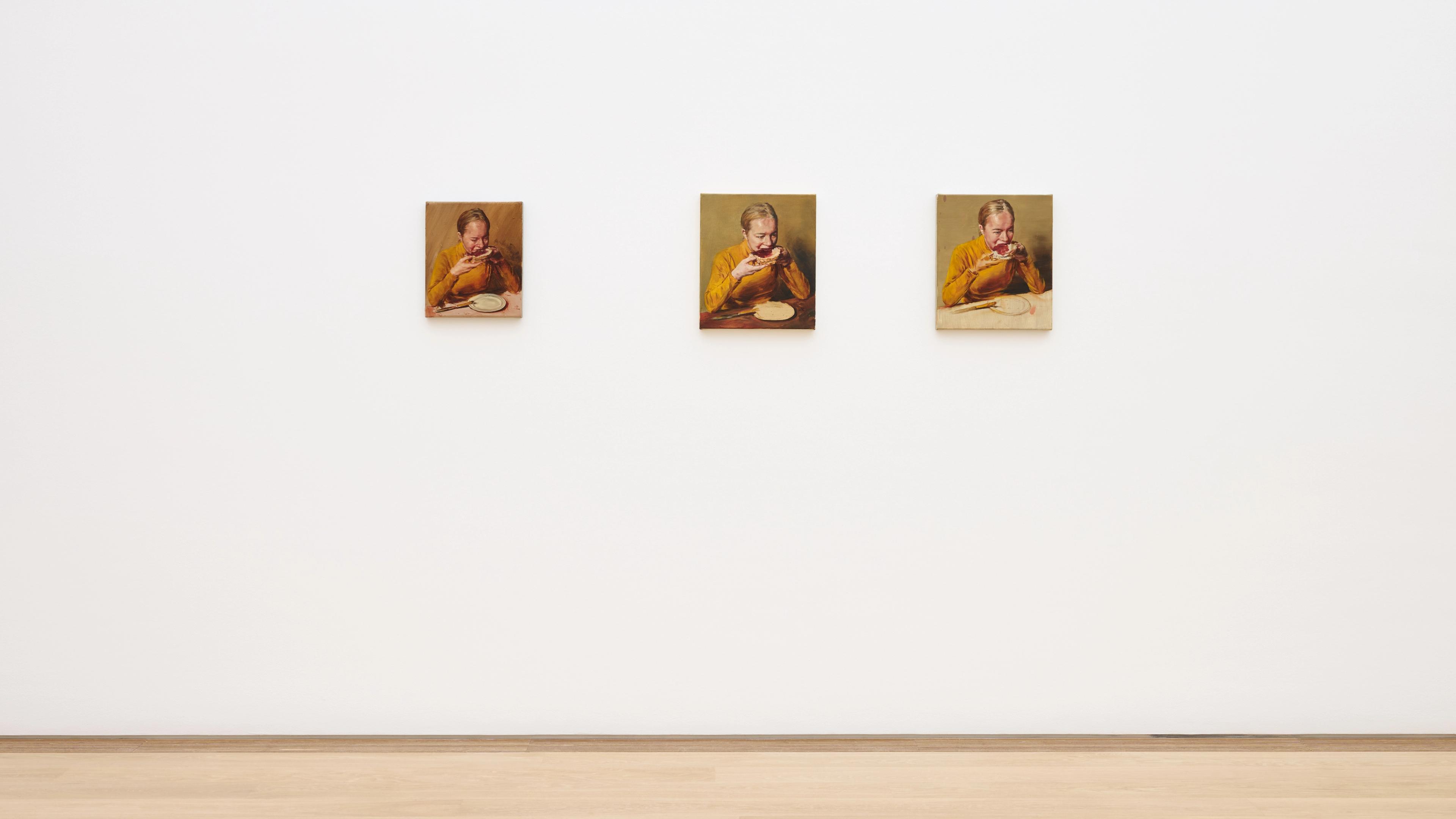
Installation view, Michaël Borremans: A Confrontation at the Zoo, Museum Voorlinden, Wassenaar, Netherlands, 2024-25
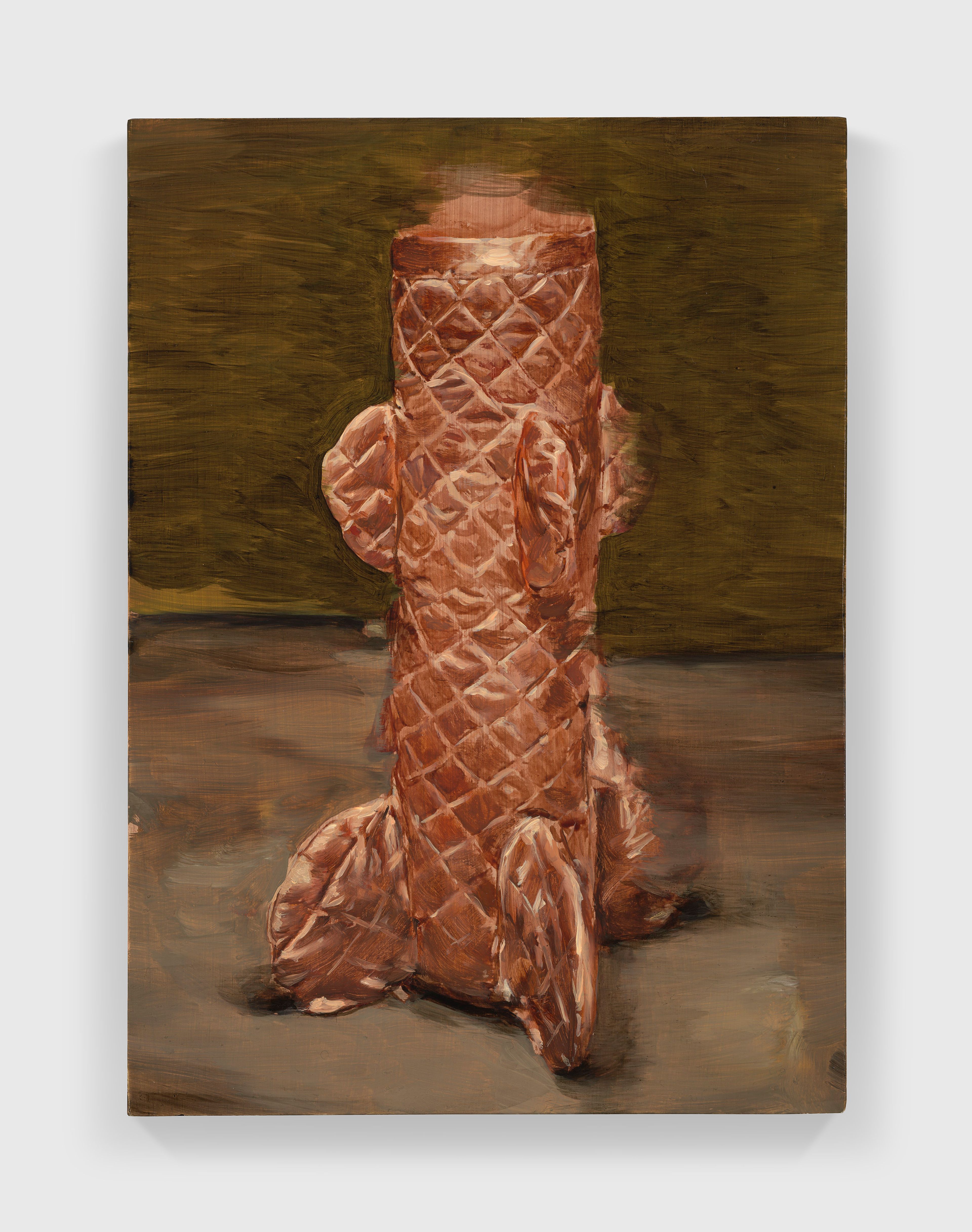
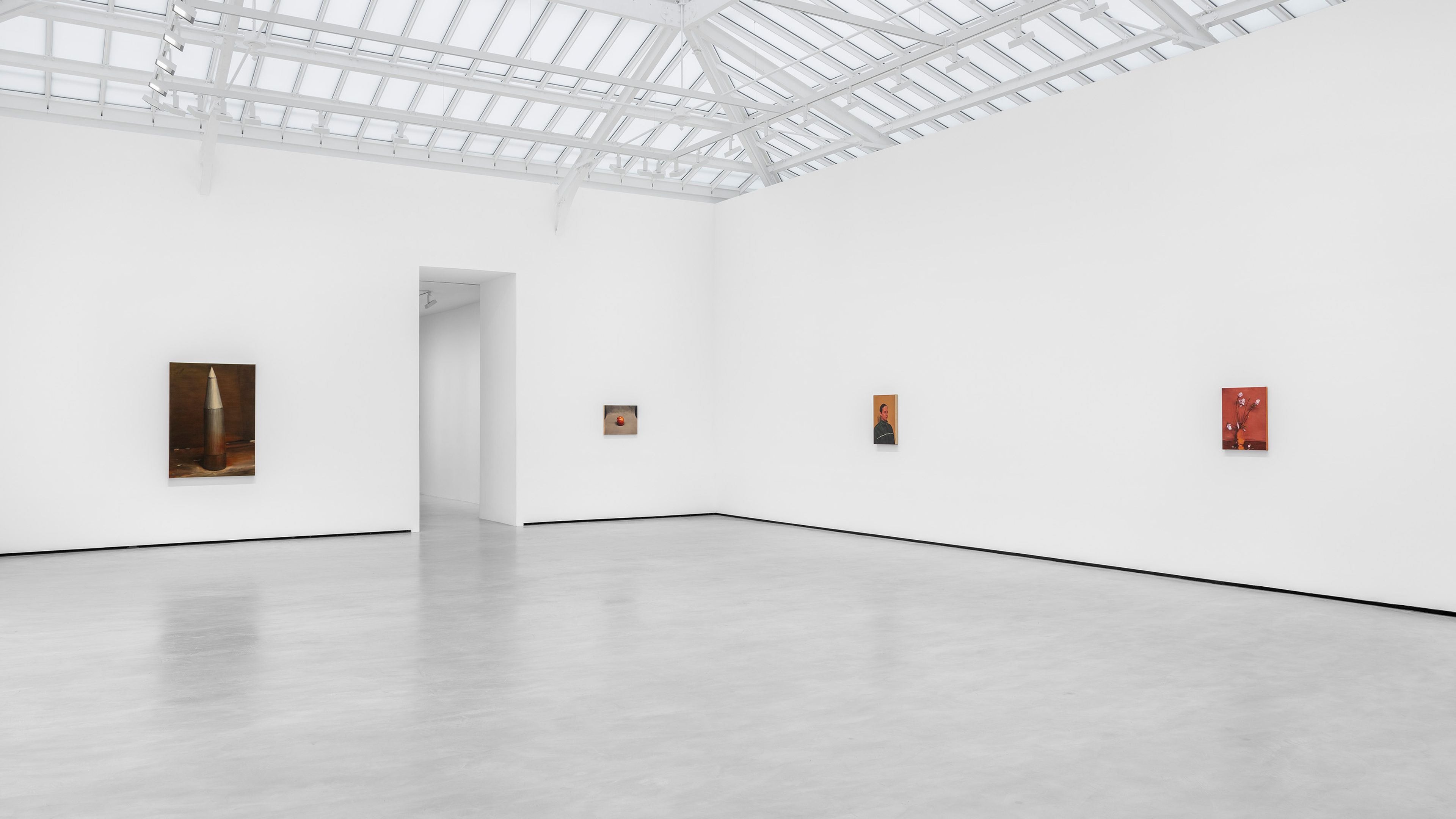
Installation view, Michaël Borremans: French Painting, David Zwirner, Paris, 2026
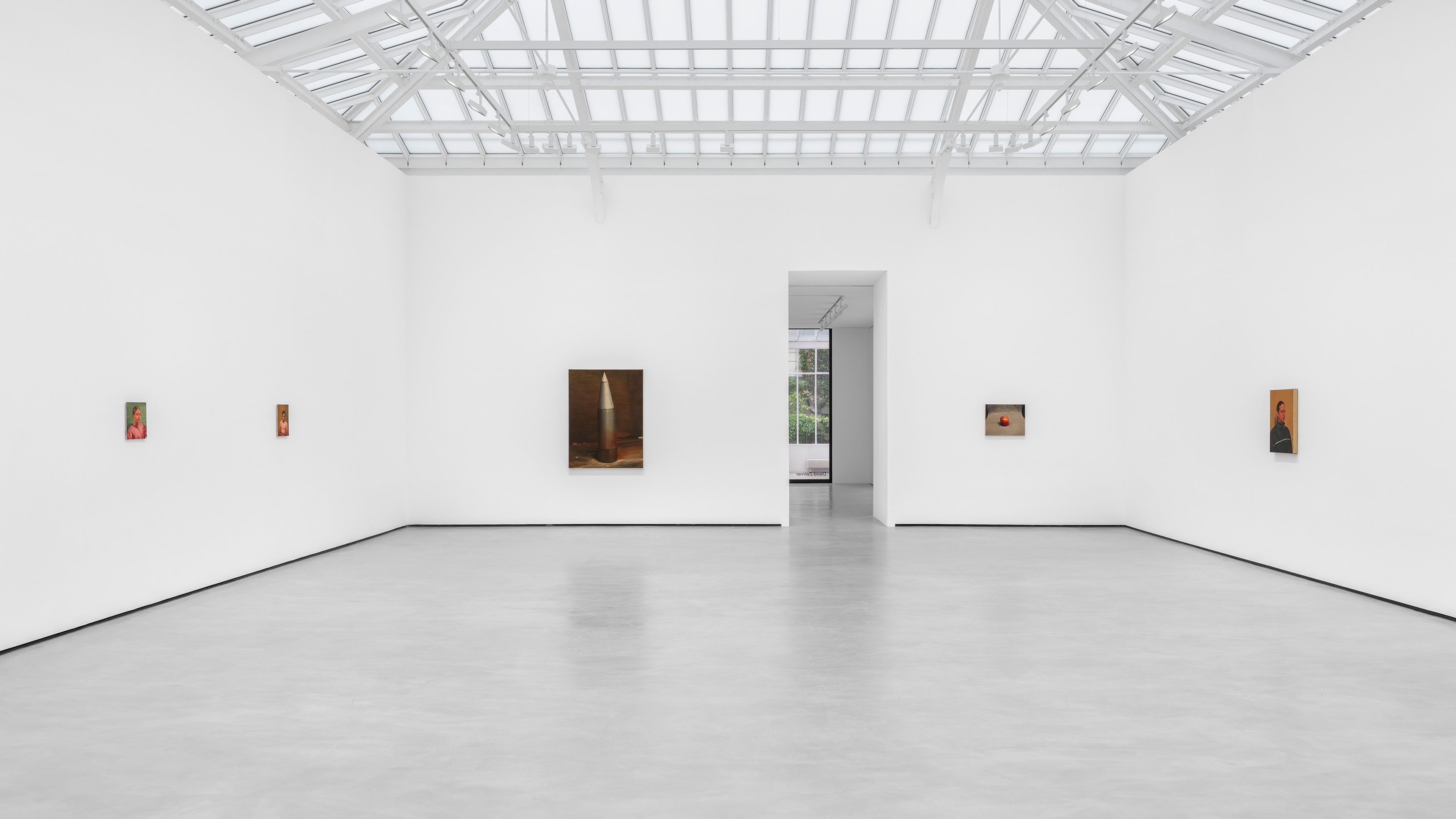
Installation view, Michaël Borremans: French Painting, David Zwirner, Paris, 2026
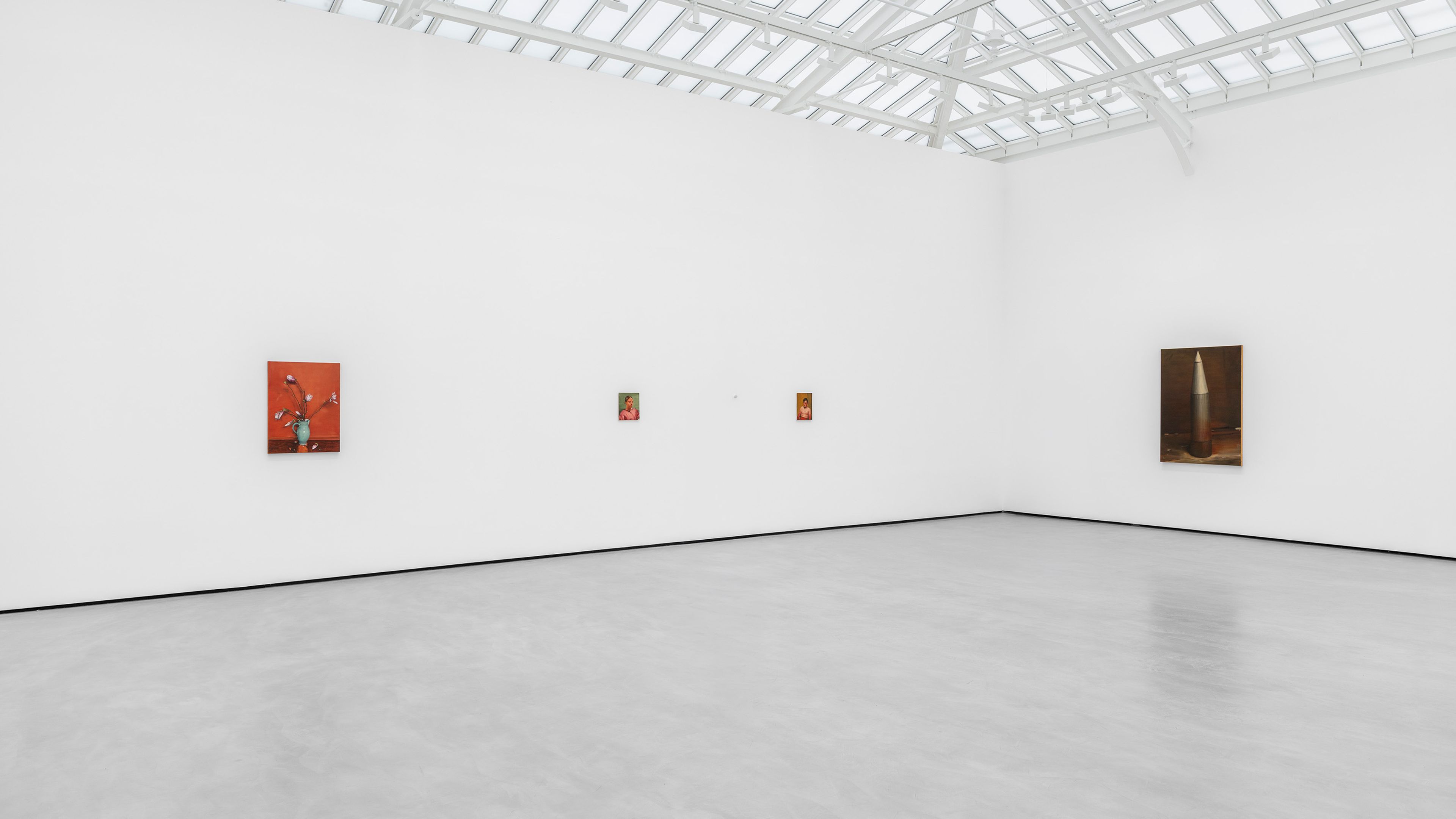
Installation view, Michaël Borremans: French Painting, David Zwirner, Paris, 2026
“For Borremans, the most seductive form of spectacle resides in an act of suspension, a kind of inaction.”
—Massimiliano Gioni, artistic director, New Museum
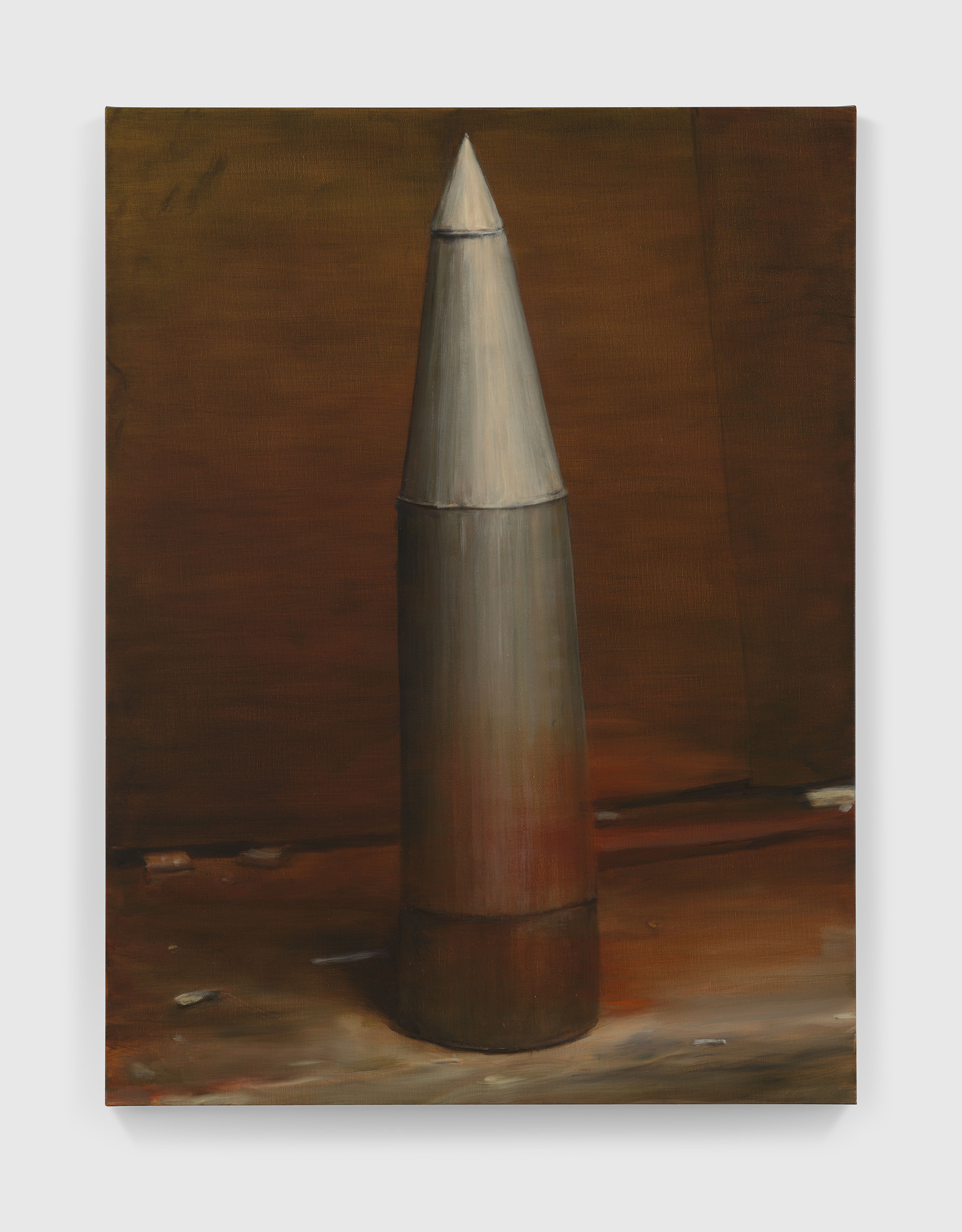
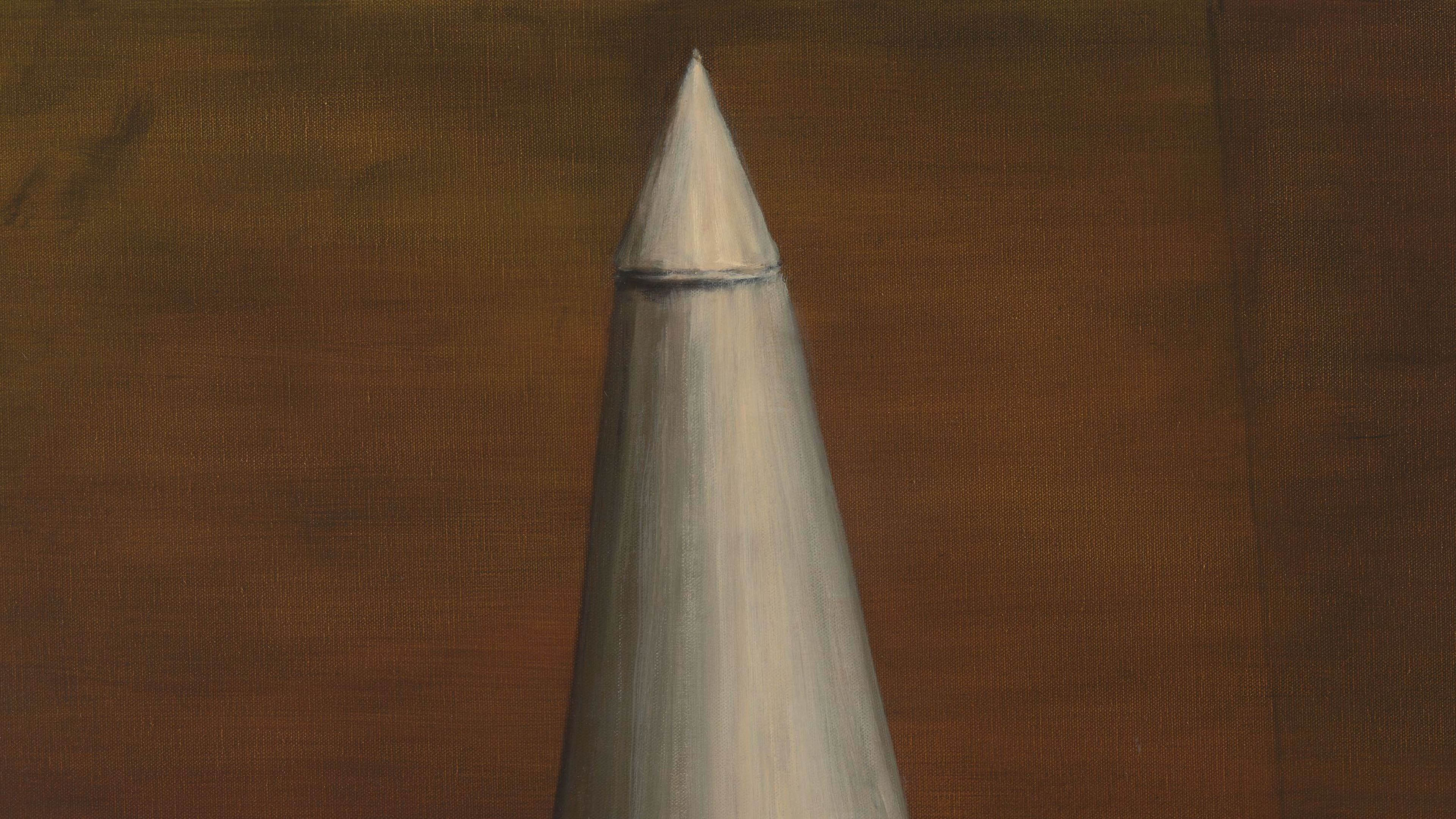
Michaël Borremans, Phantom, 2026 (detail)
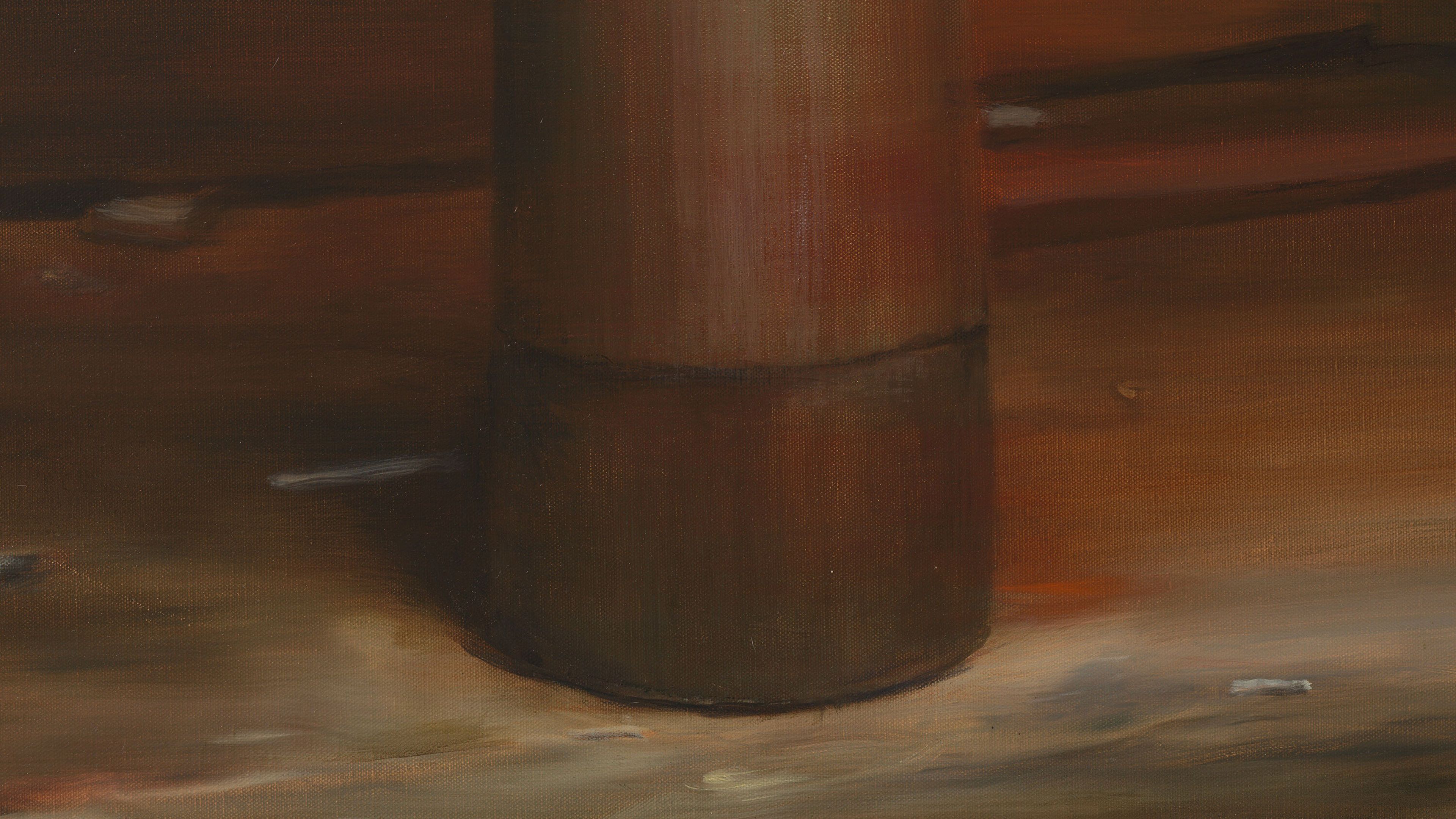
Michaël Borremans, Phantom, 2026 (detail)
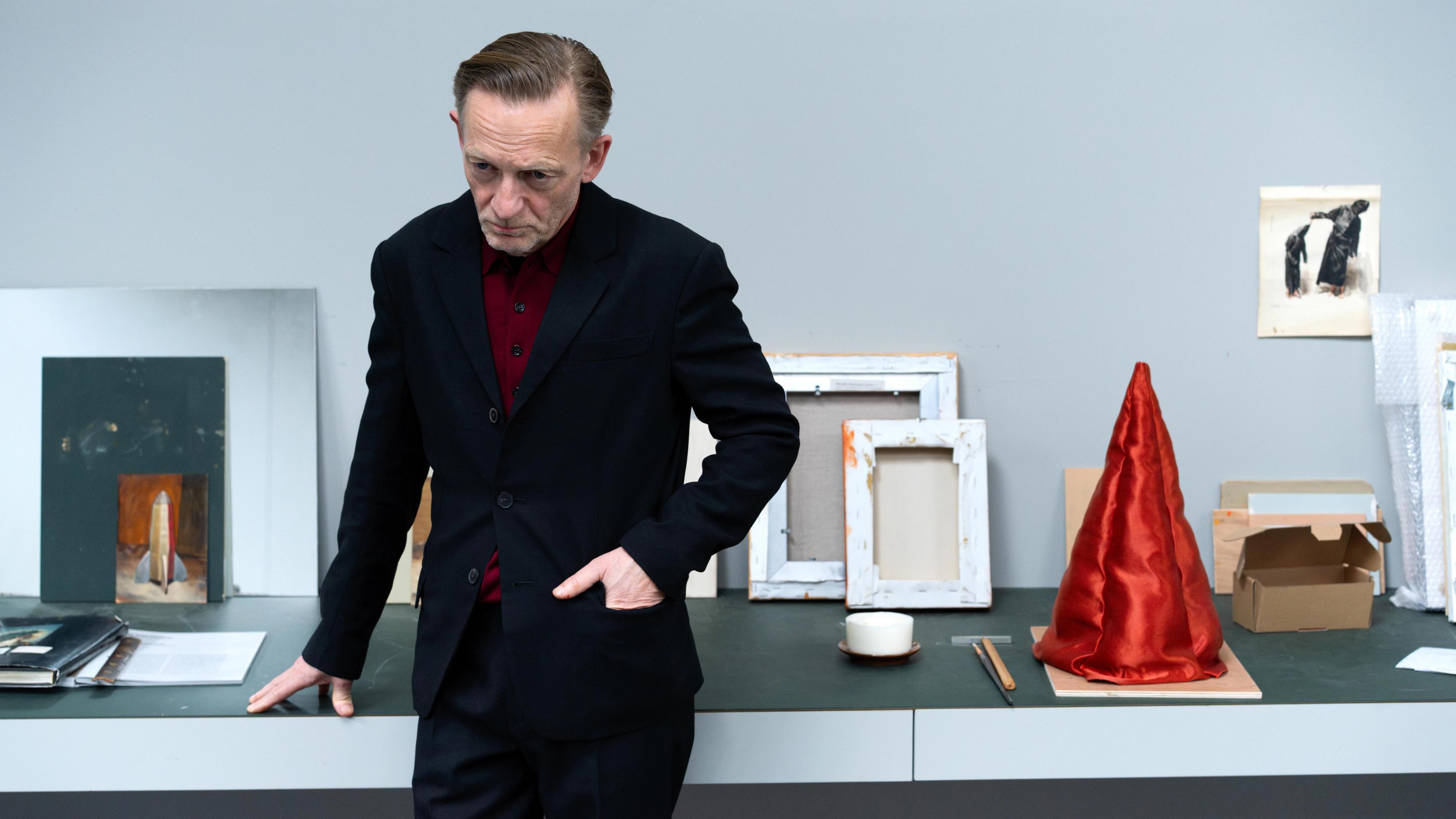
Michaël Borremans in his studio, 2026. Photo by Alex Salinas
“I play with the conventions of painting as a medium and the conventions of imagery in Western culture.”
—Michaël Borremans in conversation with Luca Guadagnino

Inquire about works by Michaël Borremans