Josef Albers: Duets

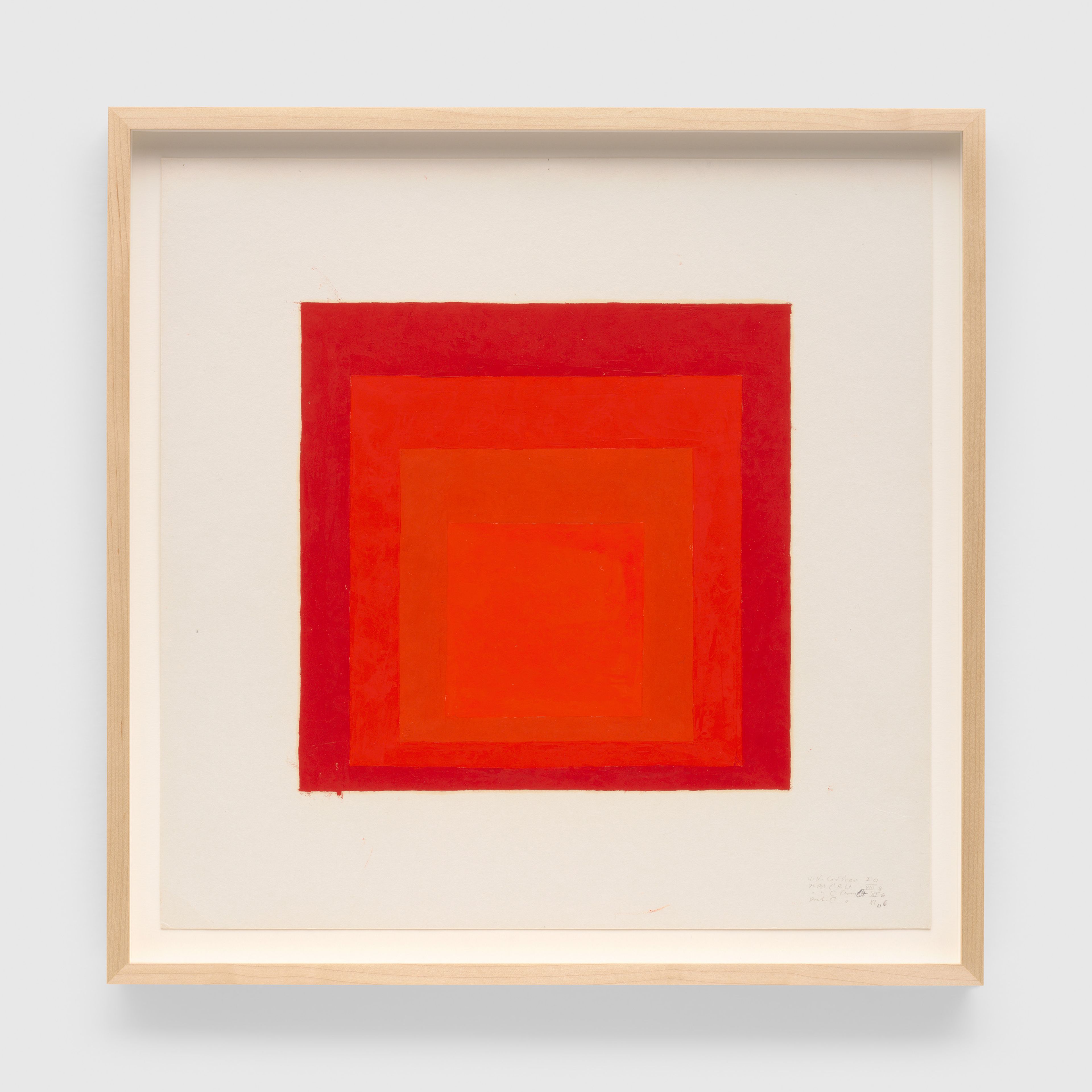
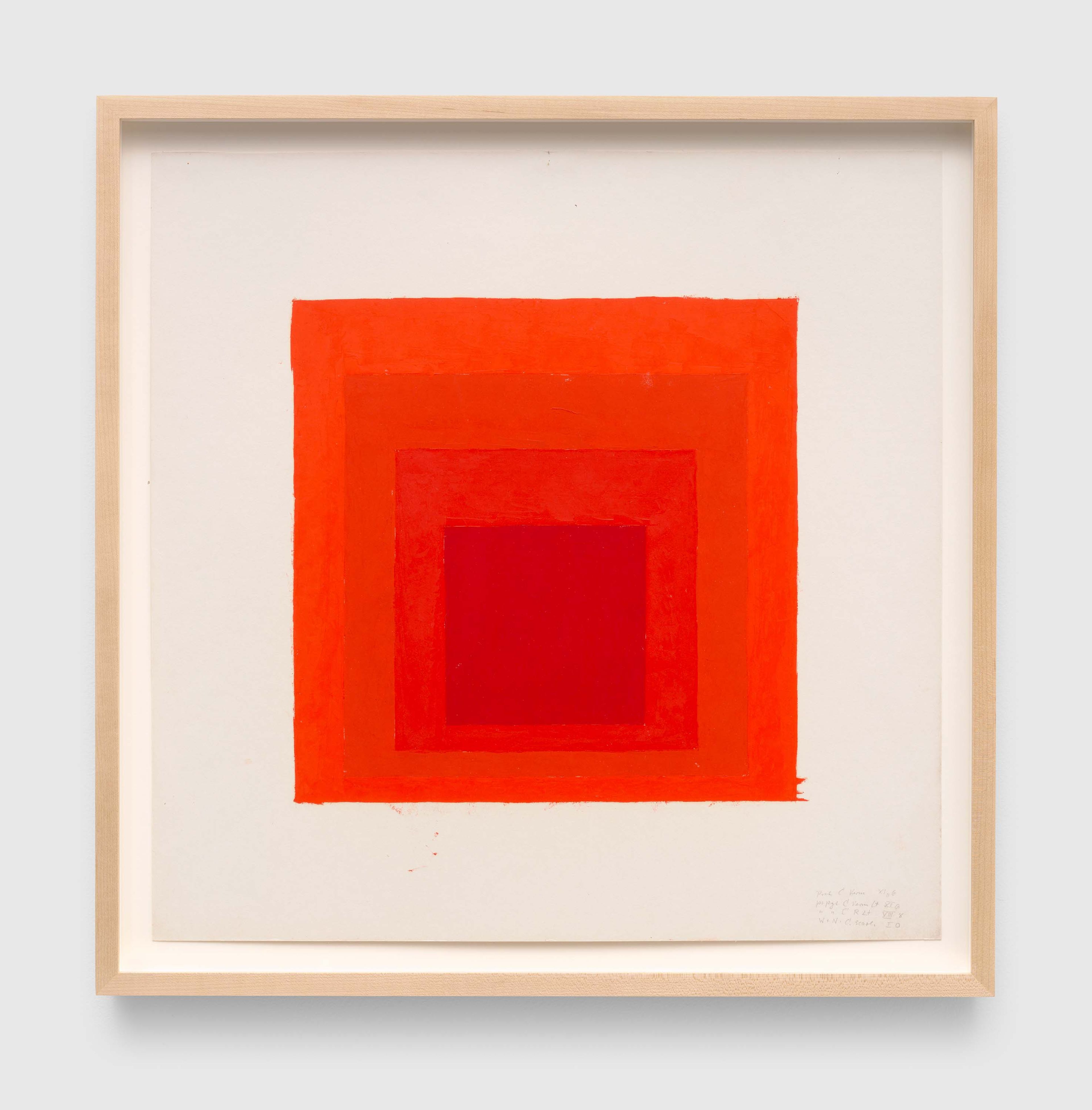
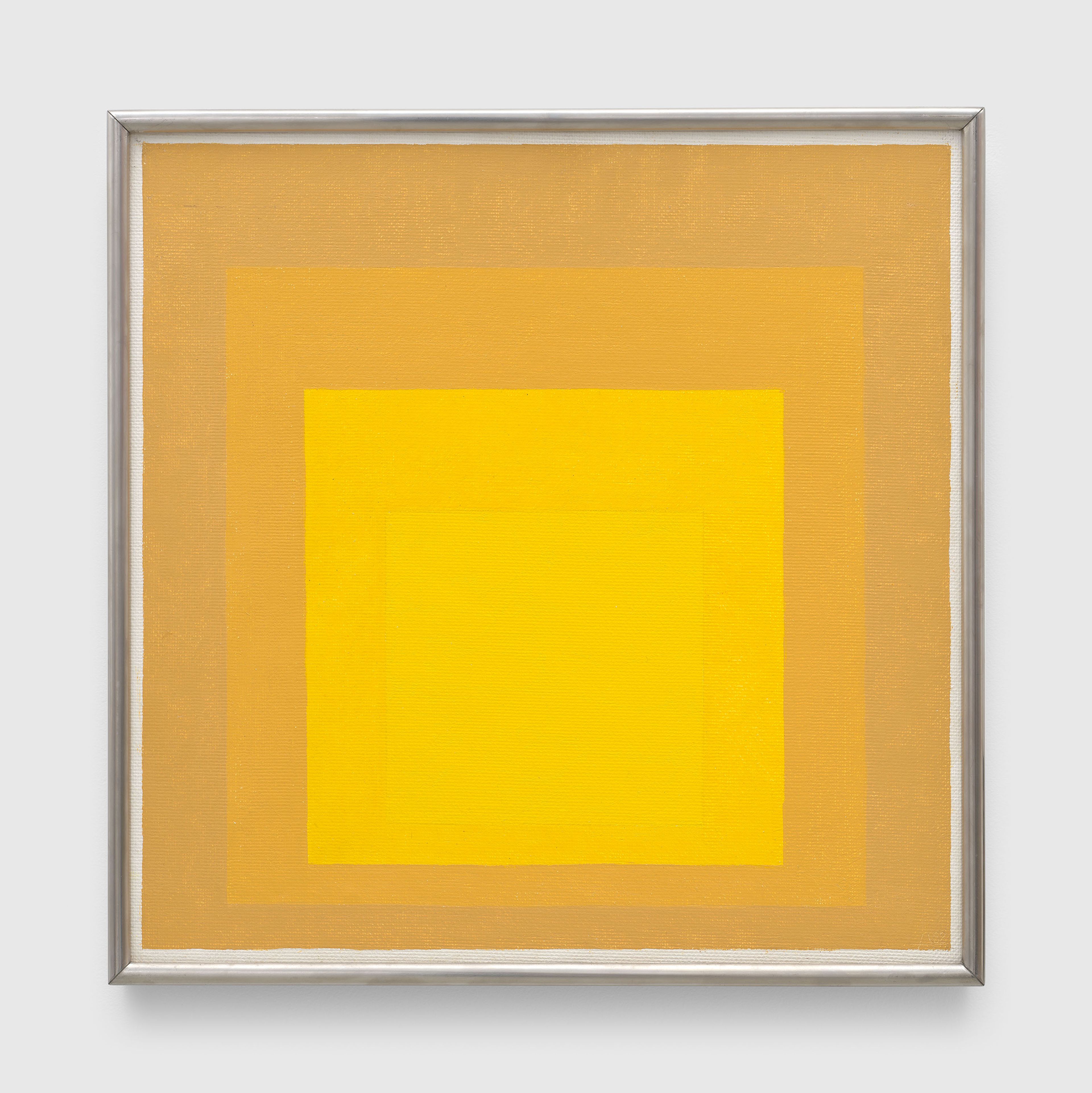
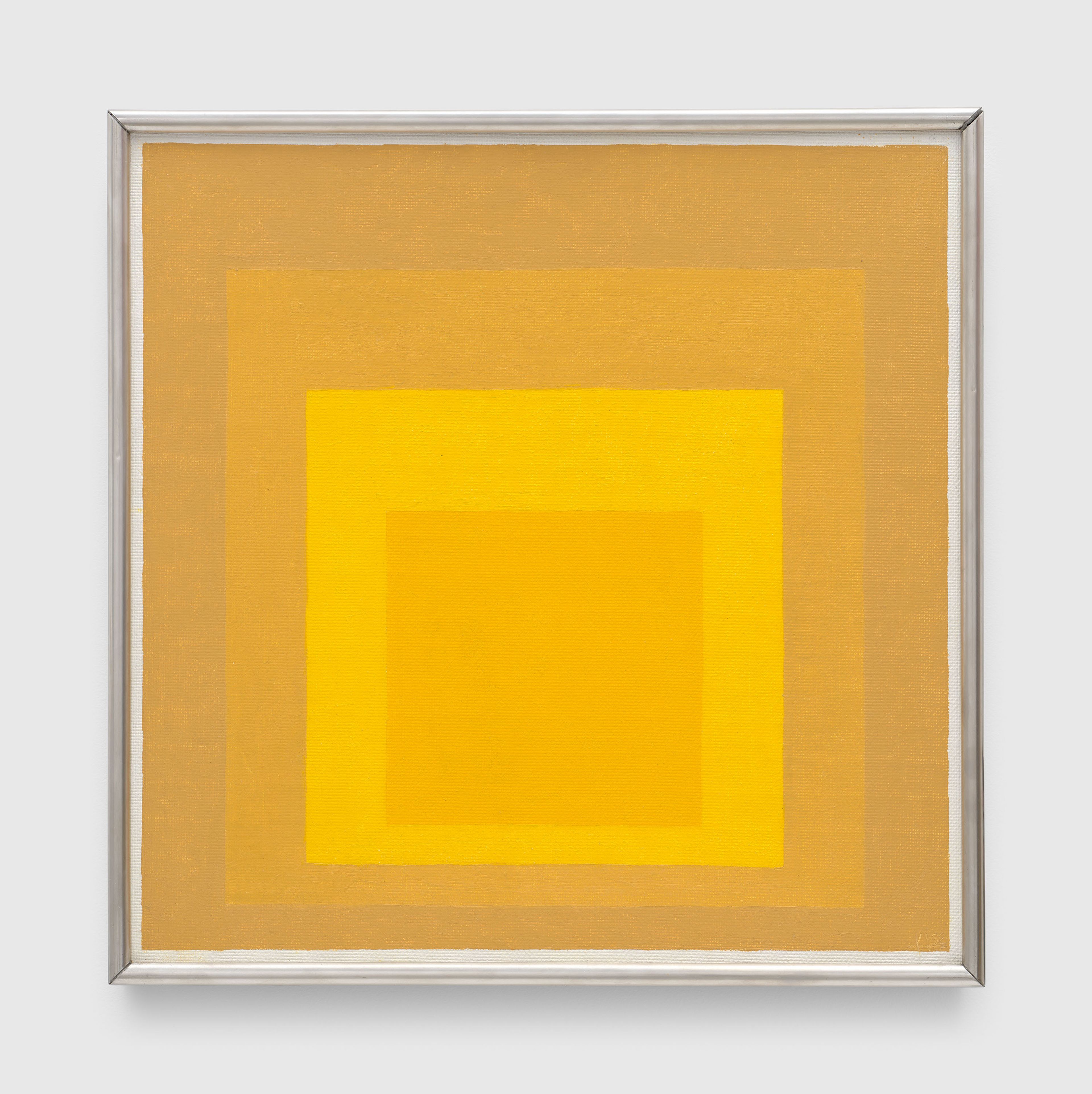
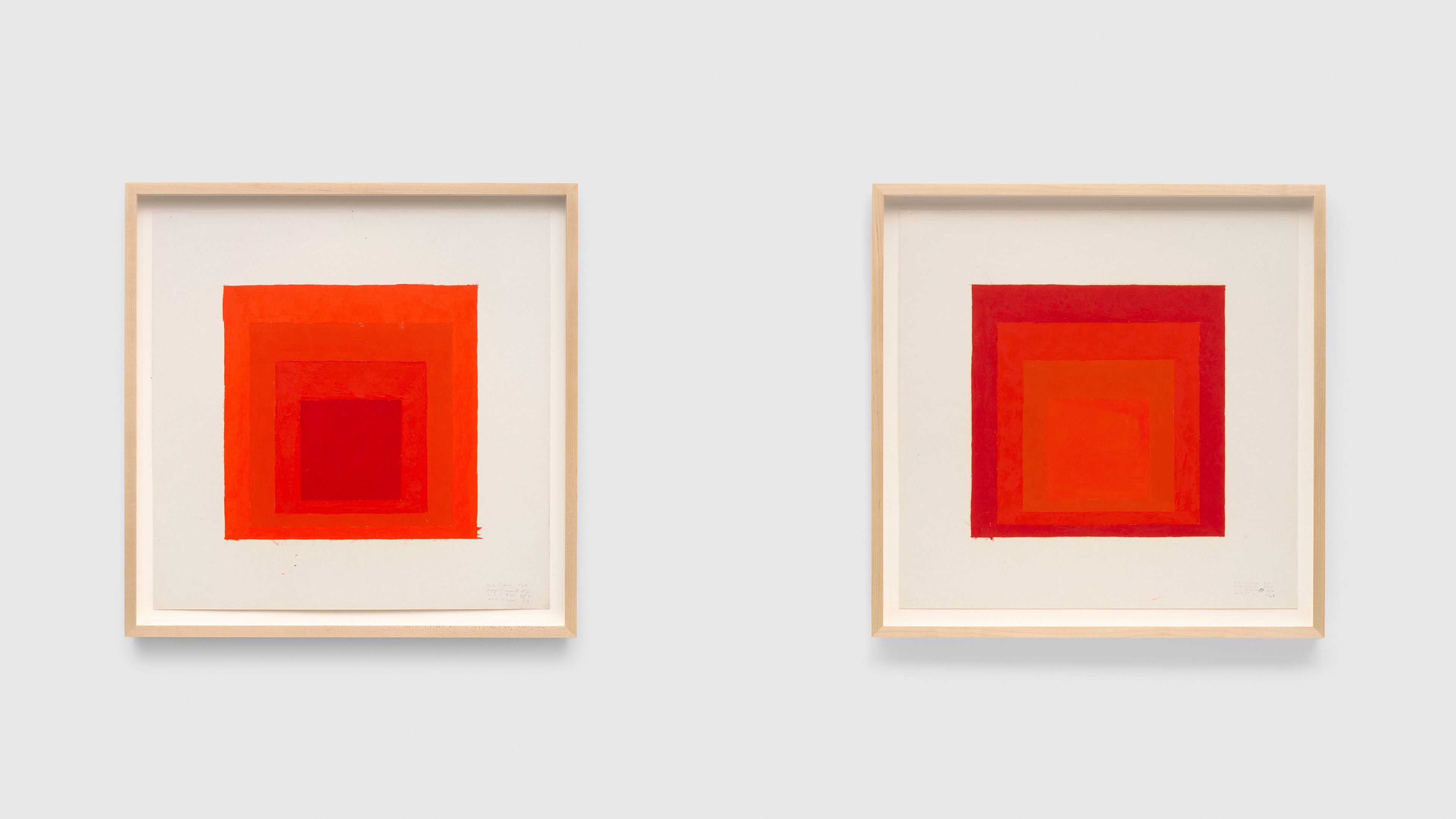
Josef Albers, Study for a Homage to the Square, c. 1970-1973, and Study for a Homage to the Square, c. 1970-1973

Now Open

April 9—May 22, 2026

Opening Reception

Thursday, April 9, 5–7 PM

Location

Los Angeles

606 N Western Avenue

Los Angeles, CA 90004

David Zwirner is pleased to present an exhibition of paintings and works on paper by Josef Albers (1888–1976) at the gallery’s 606 N Western Avenue location in Los Angeles. Organized in collaboration with the Josef & Anni Albers Foundation, this exhibition is an iteration of Josef Albers: Duets, recently on view at David Zwirner Paris. This is the first significant show in Los Angeles devoted to the artist’s work in several decades and opens simultaneously with the solo exhibition Josef Albers: Meditations at Villa Panza, Varese, Italy.

Explore

Explore All Works

“Albers delighted in pointing out that ‘in math and science, one plus one is two; in art, one plus one is two and also many more’.... To juxtapose closely related forms enabled Albers to give you, the audience whom he cherished, a visual feast.”

—Nicholas Fox Weber, executive director, Josef & Anni Albers Foundation
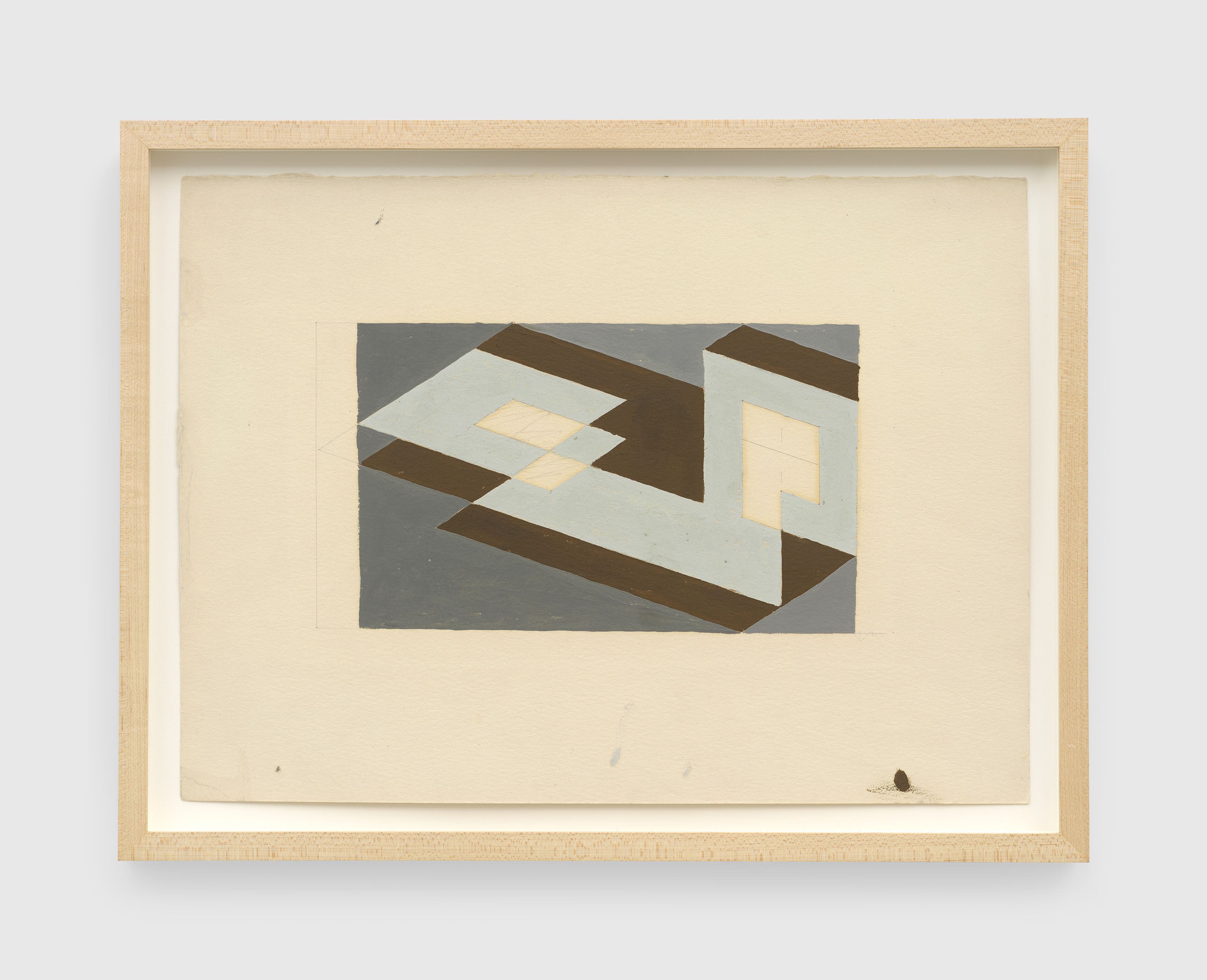
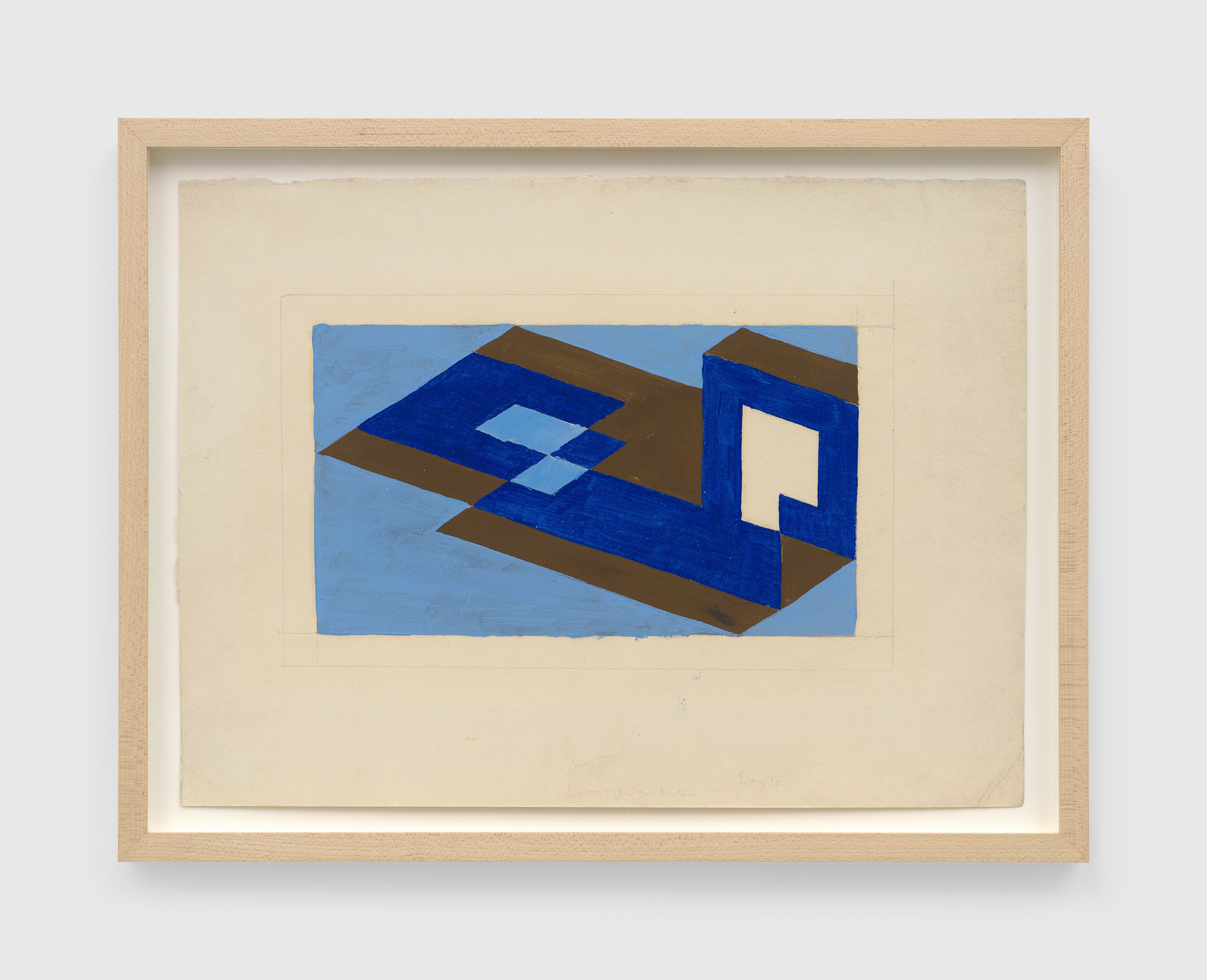
Organized in collaboration with the Josef & Anni Albers Foundation, this exhibition features significant paintings and works on paper from the 1930s through the 1970s in which two related forms are played against one another. Albers was fascinated by such dualities. He guides us to recognize first that either two disparate paintings or two disparate elements within a single painting are in many ways the same but also vary from one another because of shifts in color or their internal structures.

A short film, “Josef Albers: The Magic of Color,” featuring Brenda Danilowitz. A David Zwirner production.

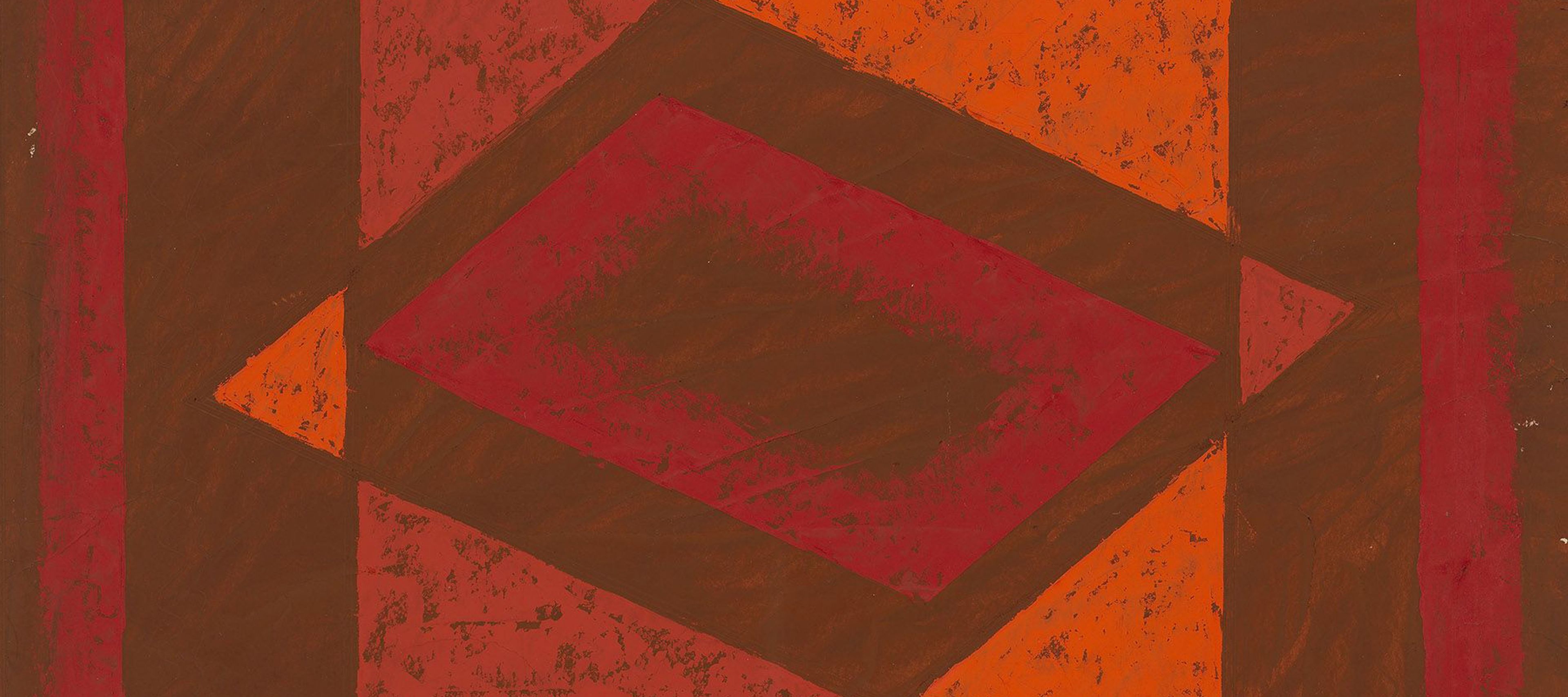
Paintings and works on paper from Albers’s groundbreaking series Homage to the Square (1950–1976), in which he experimented with endless chromatic combinations and perceptual effects set in precise formats, are featured. In two medium-scale studies from c. 1970–1973, both executed on blotting paper—Albers’s preferred support for such works due to how quickly it absorbed oil paint—hues of vermillion, red, and fiery orange become especially vibrant when viewed side by side.

“The square is just a vehicle for [Albers’s] experience of the colors. What he wanted to show with this series was that ... you never experience a color the same way twice. It is always conditioned by the context in which the color is seen. The color functions like a human being.... We are not the same.”

—Julia Garimorth, curator of Anni and Josef Albers: Art and Life, Musée d’Art Moderne de Paris

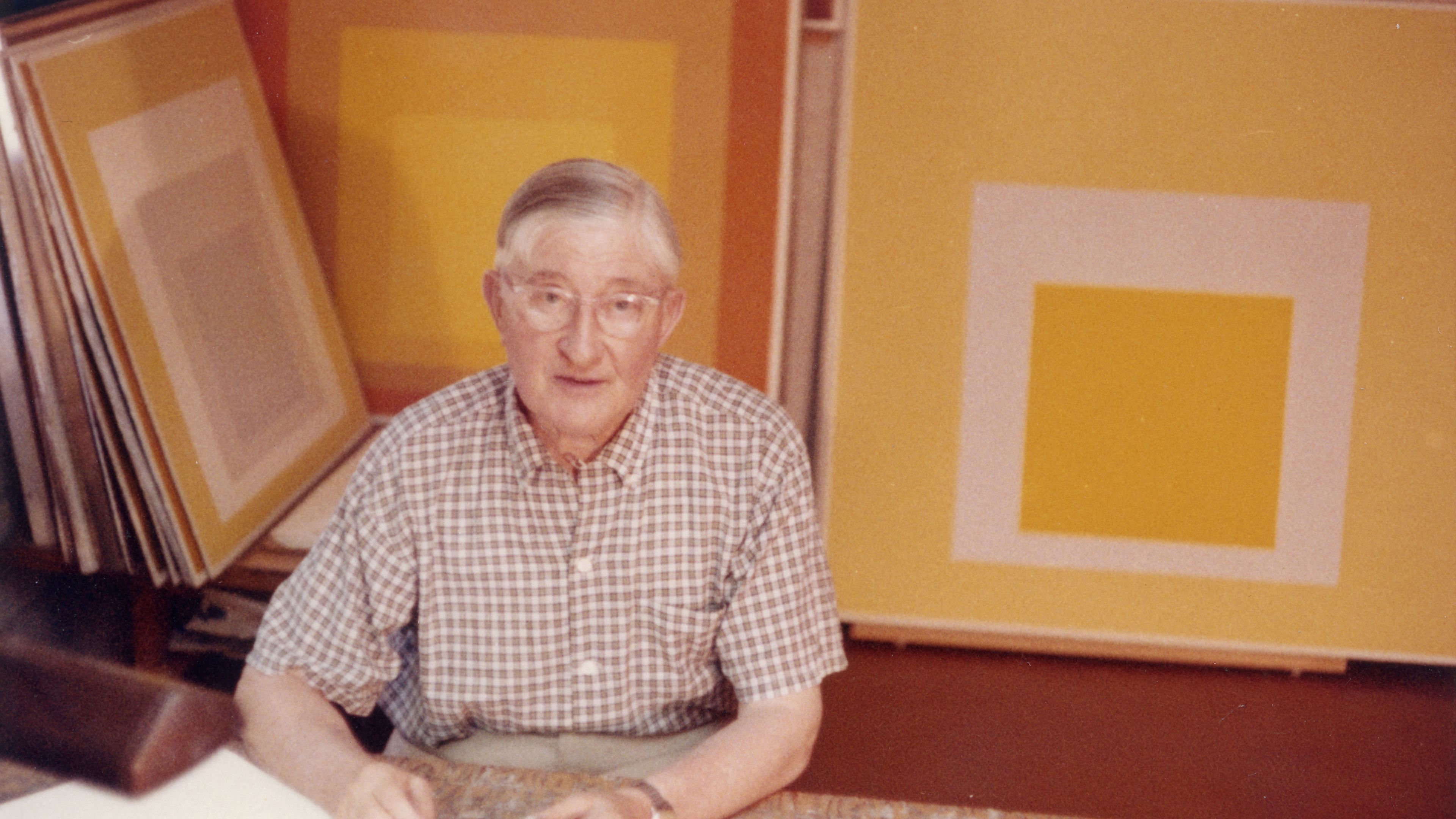
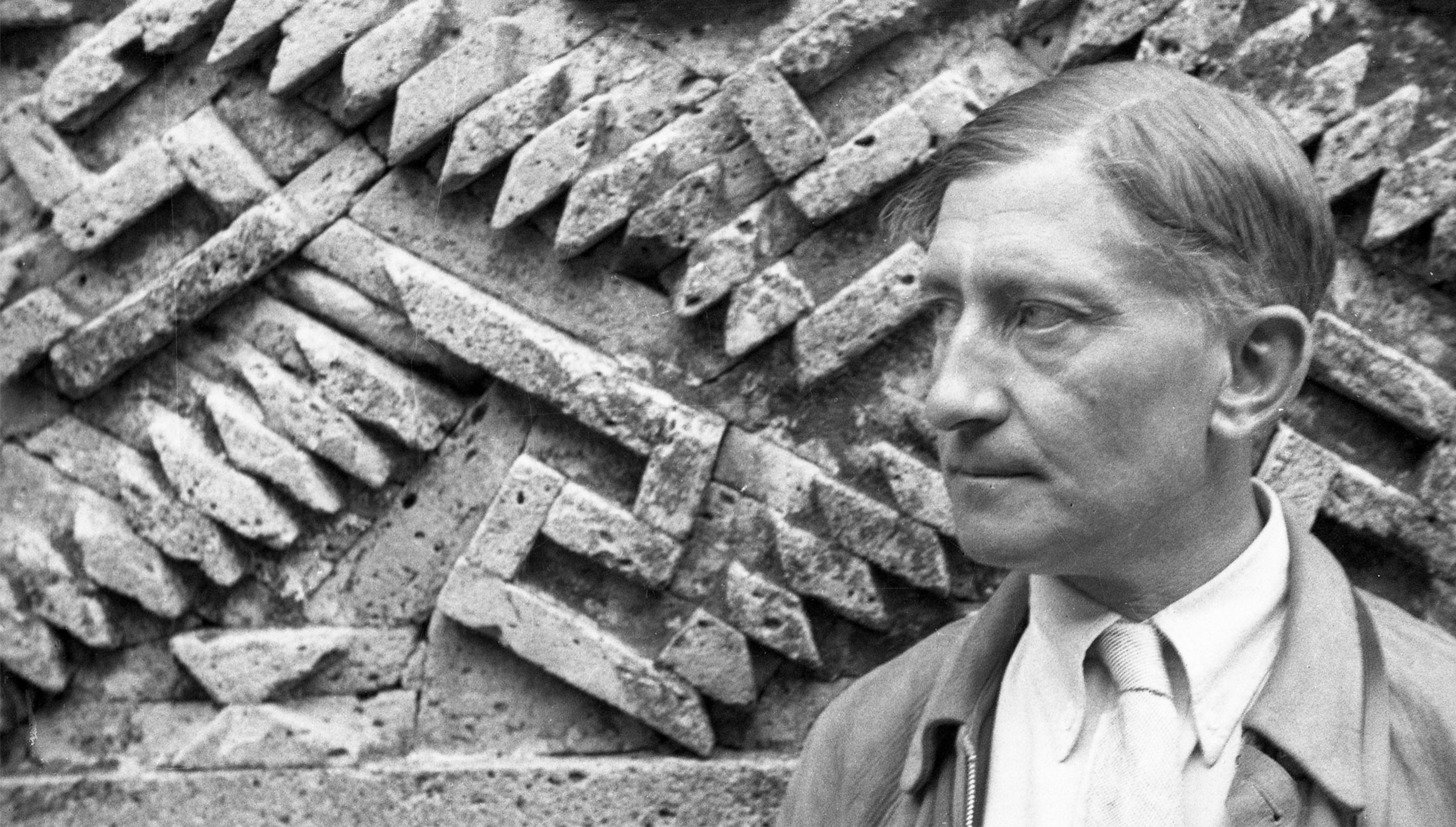
Photo of Josef Albers in his studio, August 1960. © The Josef and Anni Albers Foundation/Artists Rights Society (ARS), New York/DACS, London

“[The colors] are juxtaposed for various and changing visual effects. They are to challenge or to echo each other, to support or to oppose one another … in order to make obvious how colors influence and change each other; that the same color, for instance—with different grounds or neighbors—looks different.”

—Josef Albers

In the main gallery, the color yellow and its various permutations appear throughout works from the Homage to the Square series, including in two seemingly identical paintings from 1962, both titled Study for Homage to the Square: Rare Echo and dominated by shades of golden ochre.

“Albers liked the dynamic of learning through repetitive doing. He had the patience and the curiosity for it, which made him an avid student and a tireless teacher. He enjoyed craft—the manipulation of forms and materials—as an end in itself.”

—Holland Cotter, critic, The New York Times

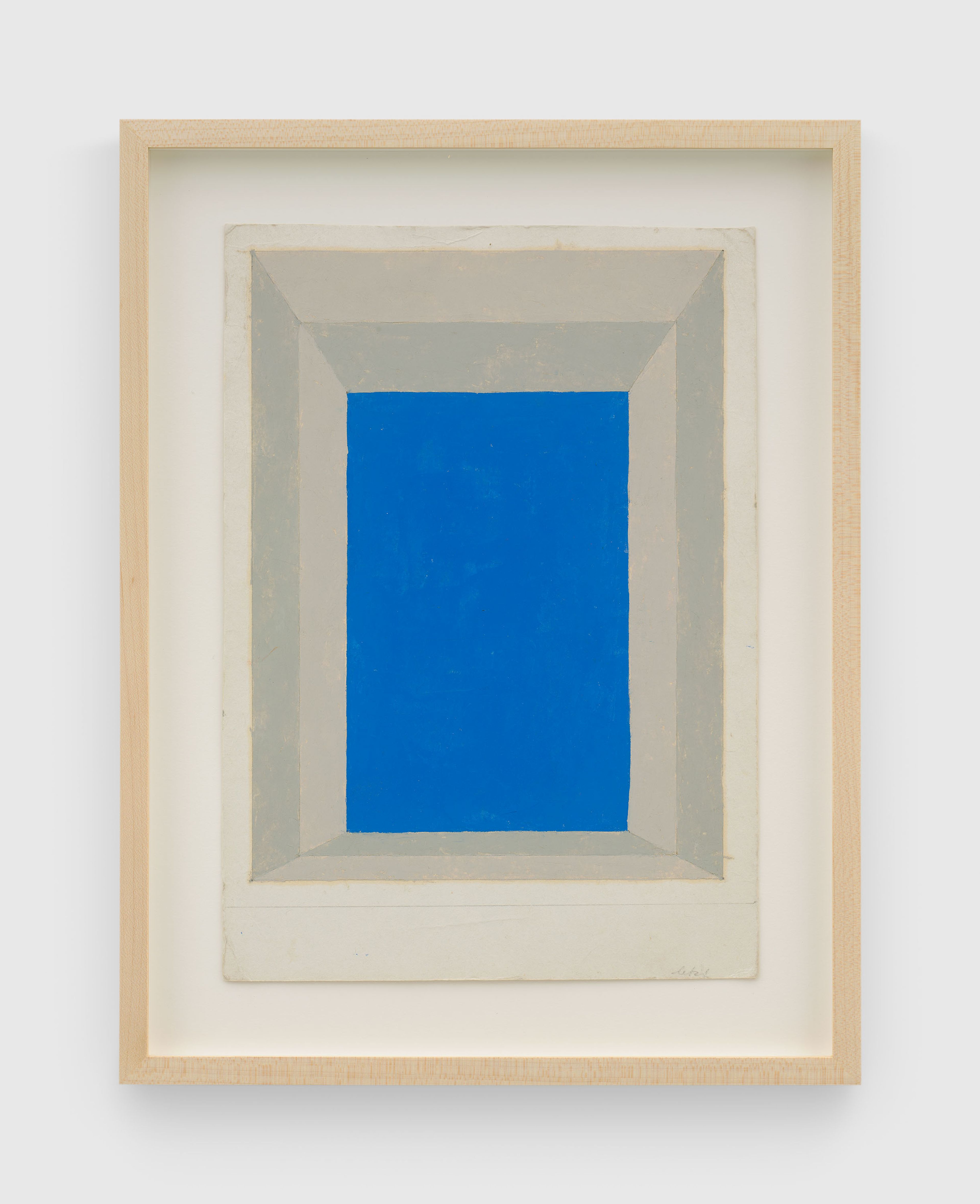
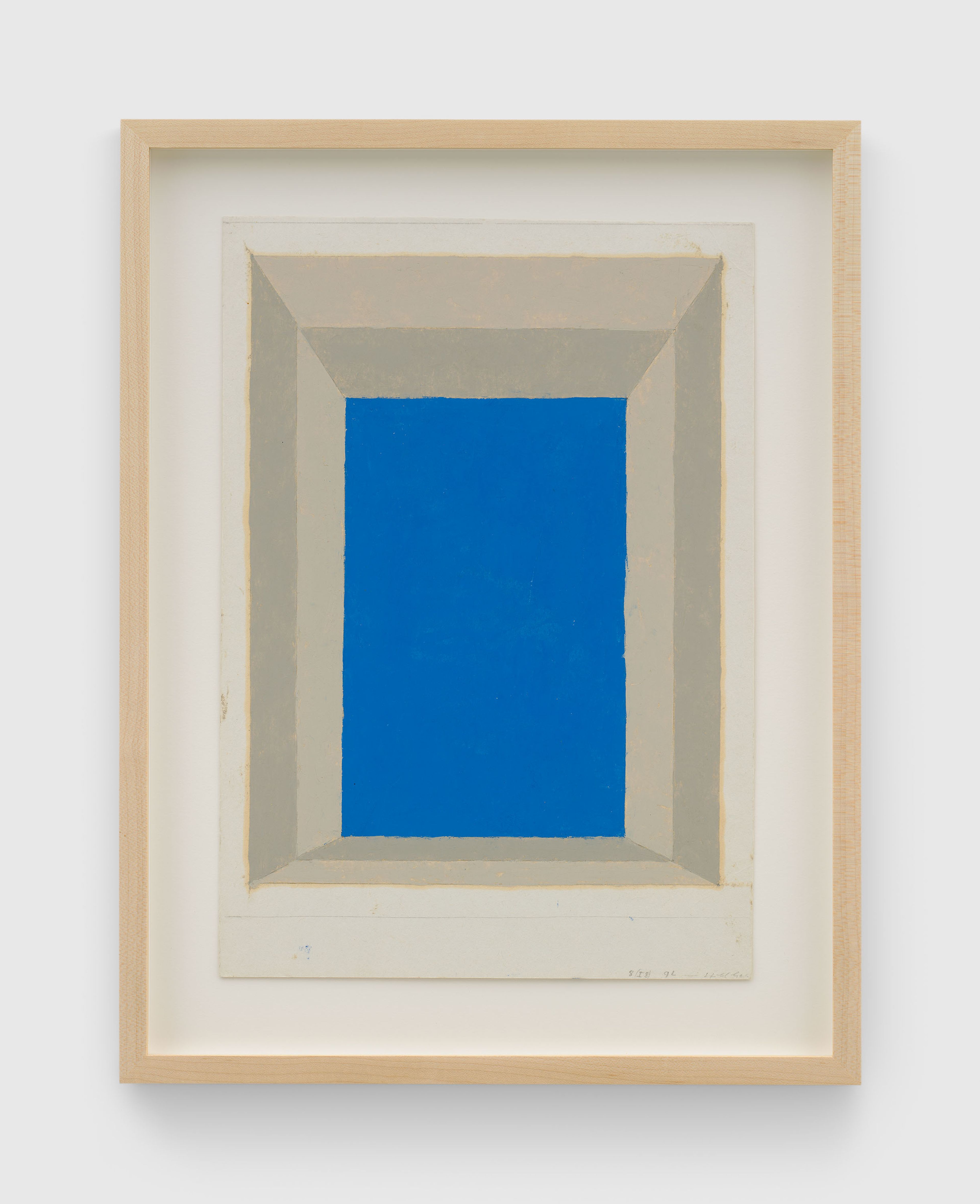
Also exhibited are two studies for the poster Albers designed for the 1972 Olympic Games in Munich, one of twenty-eight posters by various artists published for the occasion. With a central field of blue framed by two concentric rectangular forms, the works resemble elongated versions of Albers’s Homage to the Square compositions. The alternating tones of the exterior forms further recall the artist’s mitered square compositions, a variation on his signature nested squares that adds an even greater illusion of depth through its optical play of light and dark.

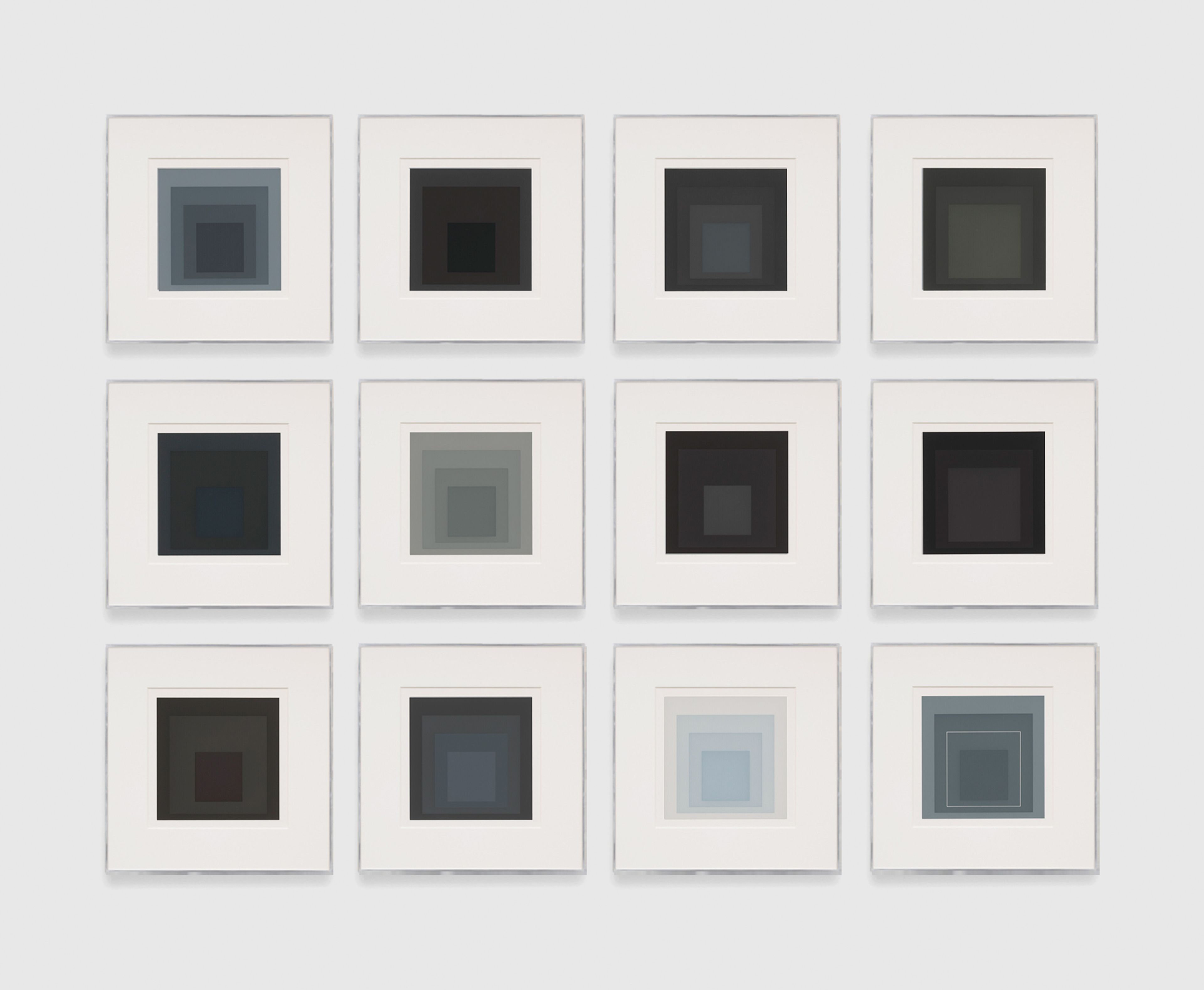
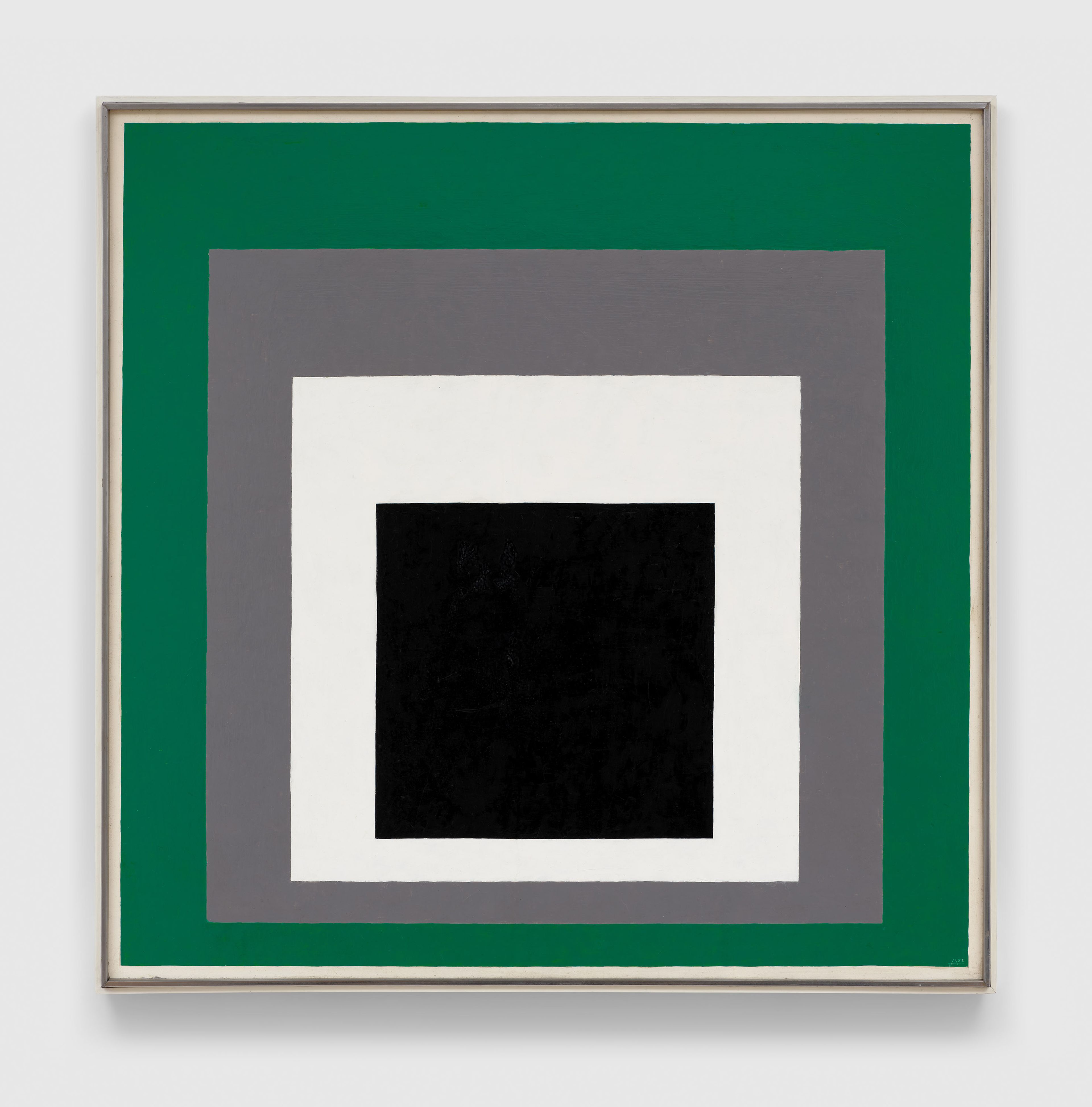
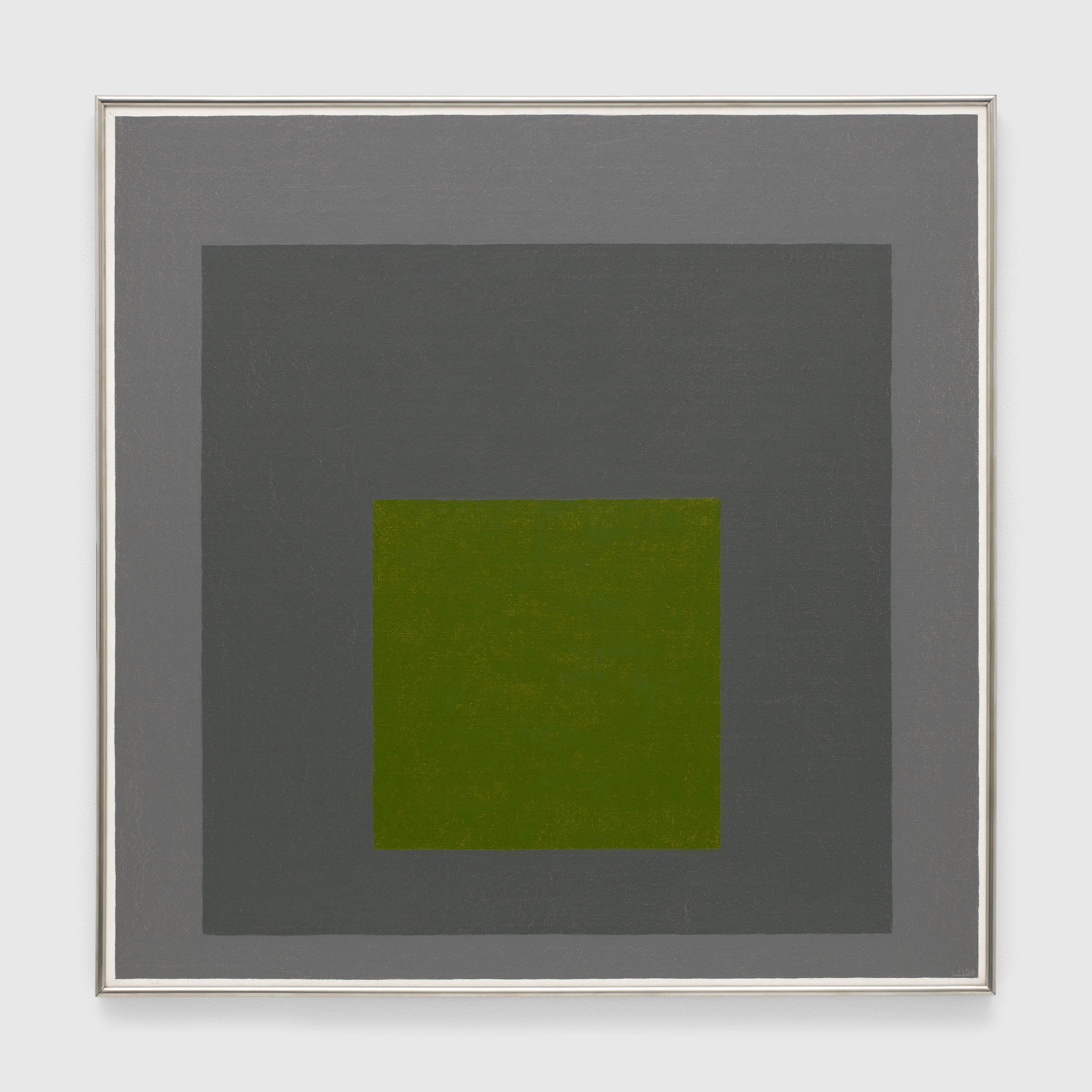
“Albers never considered grays, blacks, or whites non-colors. They were, rather, colors of particular utility for him because they were so malleable.... He explored the capacity of grays to be perceived as warm or cool, greenish or bluish, depending on adjacent colors. Grays were especially susceptible to changing their identity completely.”

—Jeannette Redensek, research curator and Josef Albers catalogue raisonné director, Josef & Anni Albers Foundation
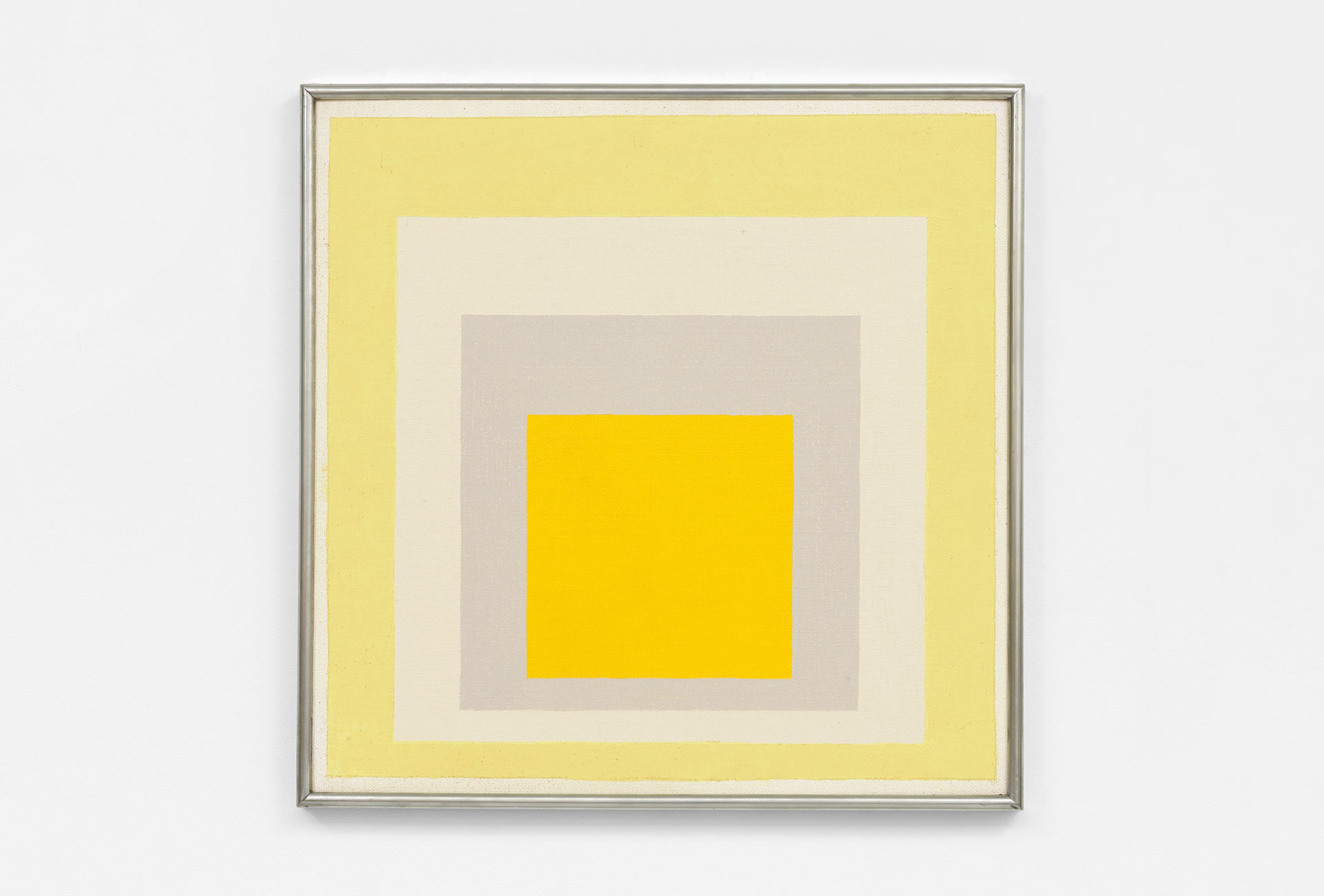
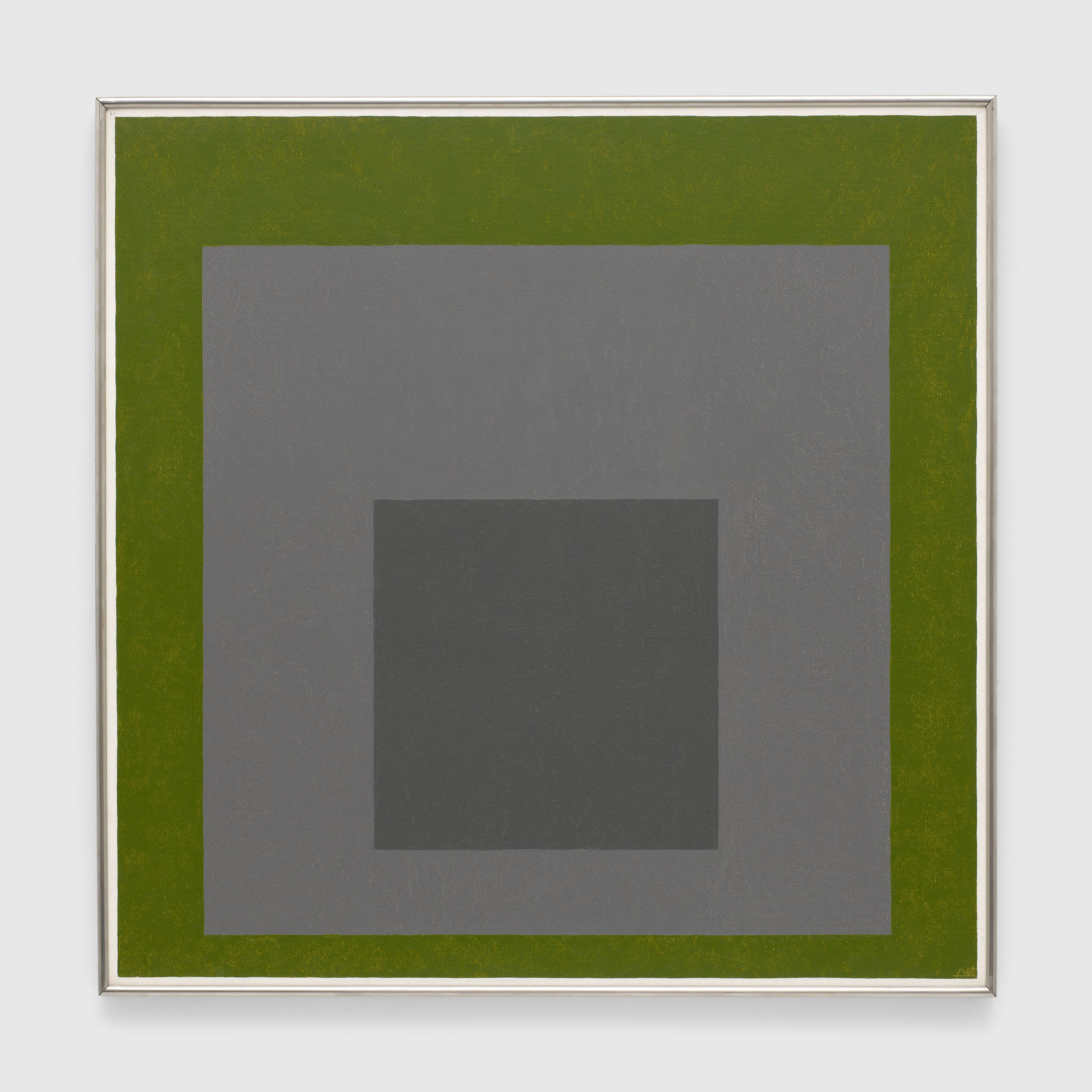
The exhibition additionally highlights Albers’s work in black, white, and gray, including a complete portfolio of Gray Instrumentation I (1974), comprising a suite of Homage to the Square screenprints published by Tyler Graphics in Bedford Village, New York. The portfolio explores what Albers called the “uncountable” shades of gray.

“As a totality, the ... prints that comprise [this portfolio] are in many ways Albers's ultimate masterpiece. They realize their lush yet subtle palettes in one triumph after another. To behold just one of them is a luxury, an experience in which calm and stimulation coexist. To follow them in the order in which Josef intended them provides an experience as otherworldly, as exquisite as listening to a late Beethoven string quartet. Everything is weightless and ethereal; the spiritual and the material become one and the same.”

—Nicholas Fox Weber, executive director, Josef & Anni Albers Foundation
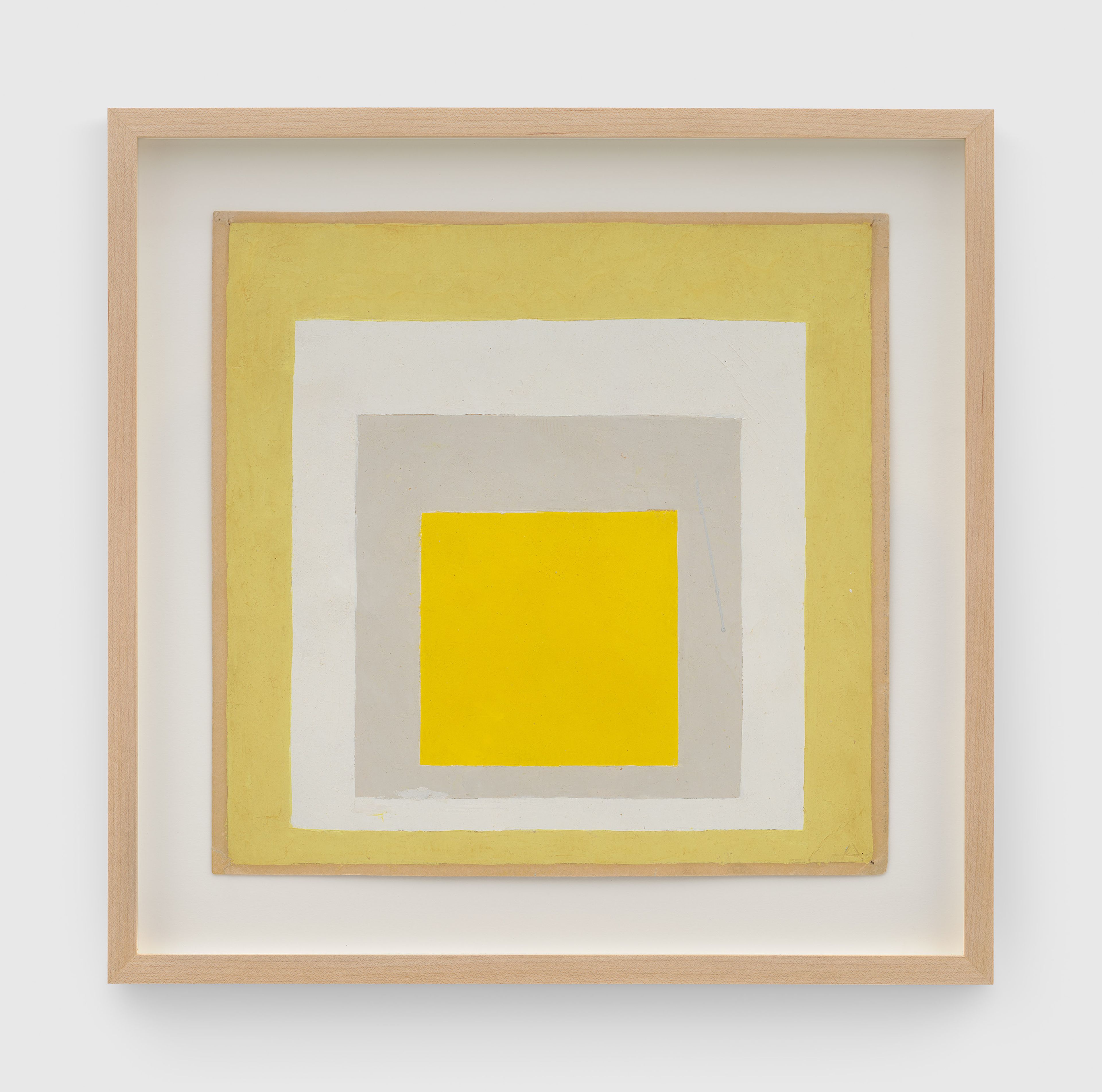
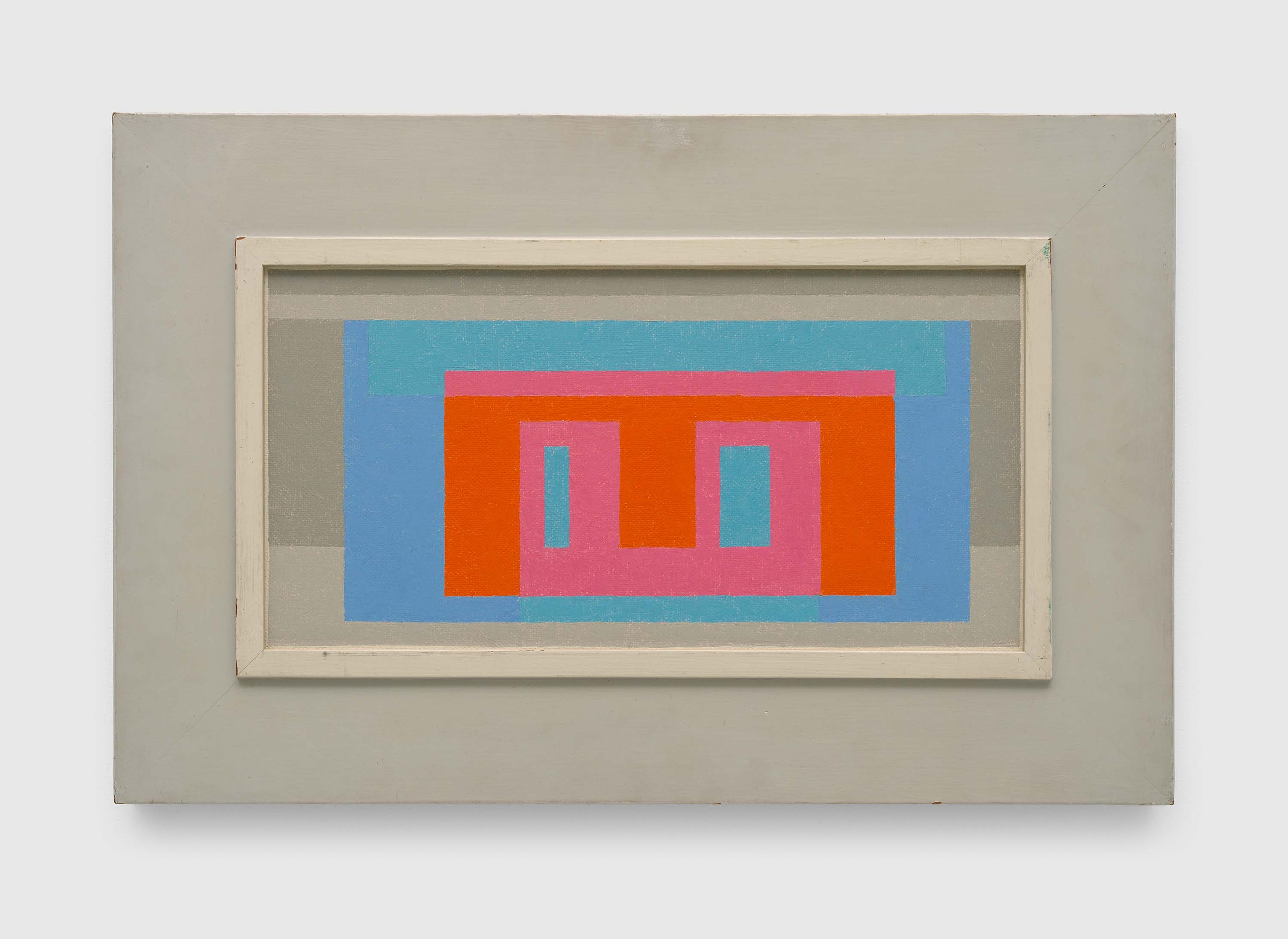
The exhibition includes selections of Albers’s series of Variants (begun in 1947), also called Adobes because of their relationship to the architecture that riveted the artist in Mexico and the American Southwest, with one of its hallmarks being the presence of two entrances, inviting the viewer to experience the same structure following two different but related routes.

Variant of "Related" (1943) clearly foreshadows the development of the Variant/Adobe series, and is emblematic of the artist’s evolving approach to painting during his time at Black Mountain College. The painting relates to a handful of similar works depicting what appear to be two distinct forms composed of long overlapping planes of color. Unique to this work are the nested rectangles that lie beneath the forms at the top of the composition.

Albers was very aware that these alternate visual experiences were analogous to what happens in life itself when one considers or takes different paths, emotionally or physically, rather than adhering to the idea that there is only a single way to do something.

Josef Albers, Mitla, Mexico, 1936–37. © 2023 The Josef and Anni Albers Foundation/Artists Rights Society (ARS), New York/DACS, London

“Through his journeys to Mexico, [Albers] ... discovered his fascination with the boundaries of aesthetic perception and blind spots in historical experience that not only resonate with 1930s modernist art, but also look forward to the 1960s avant-garde.”

—Lauren Hinkson, associate curator, Solomon R. Guggenheim Museum, New York
As Nicholas Fox Weber states in his introductory text for the exhibition: “Albers was, at heart, a magician. Pairing resemblant forms created a surcharge of visual activity.... He inspired people to recognize the infinite possibilities of parallel shapes. Eventually, as an octogenarian, he loved nothing more than to guide open-eyed children to see the wonderful visual events that can occur when two disparate elements are placed side by side.”

“Albers does not want to definitely solve a precisely defined question like a scientist. This would contradict his understanding of reality.... Each of the images represents one perspective that is valid but not exclusive since there are always also other possibilities for representing reality. New questions always arise from the answers. This was the drive for Albers, to not let up on the intensity of work.”

—Heinz Liesbrock, art historian

Black background, no image

Inquire about works  by Josef Albers