Jasper Johns: Copy/Trace
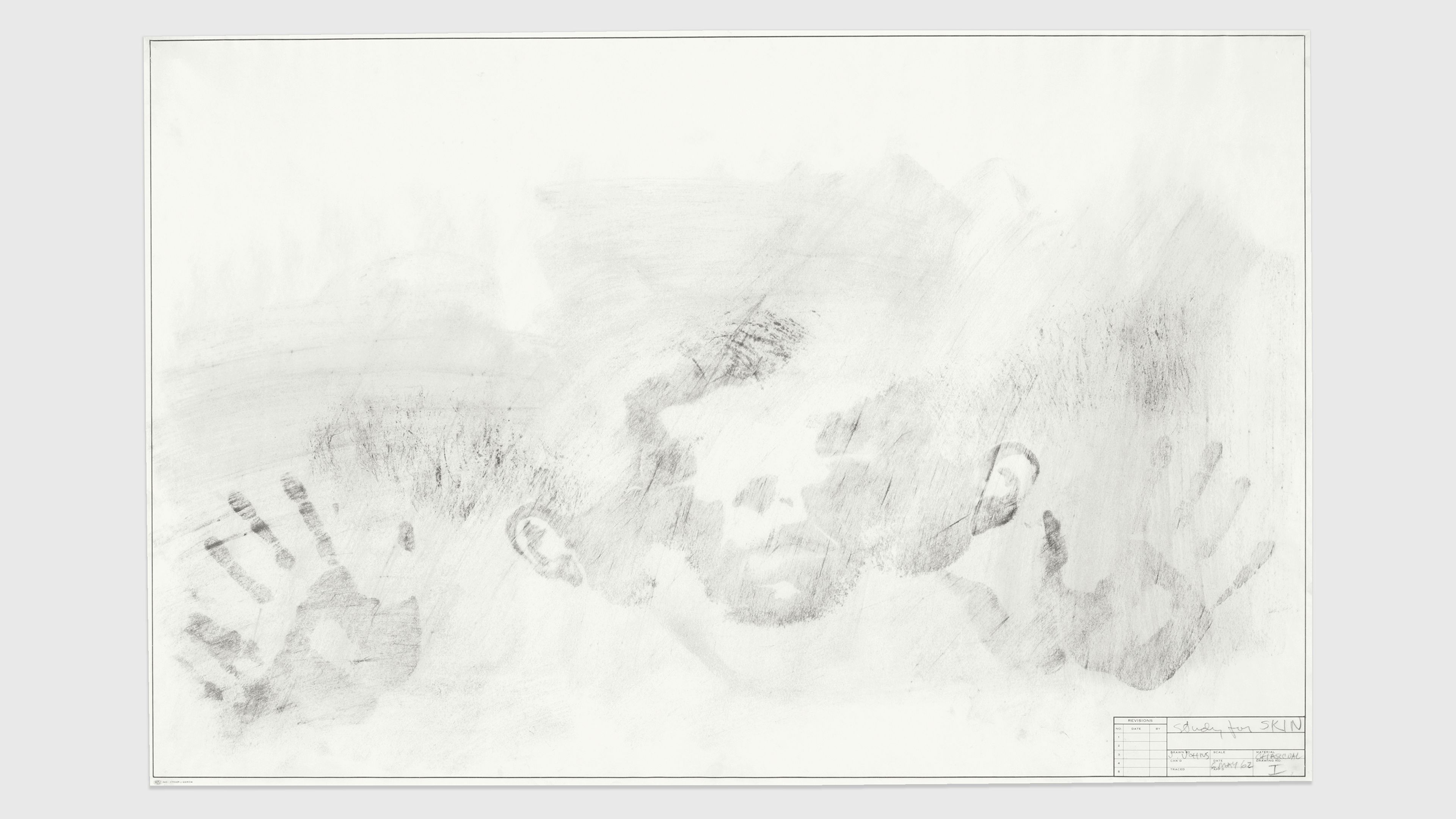
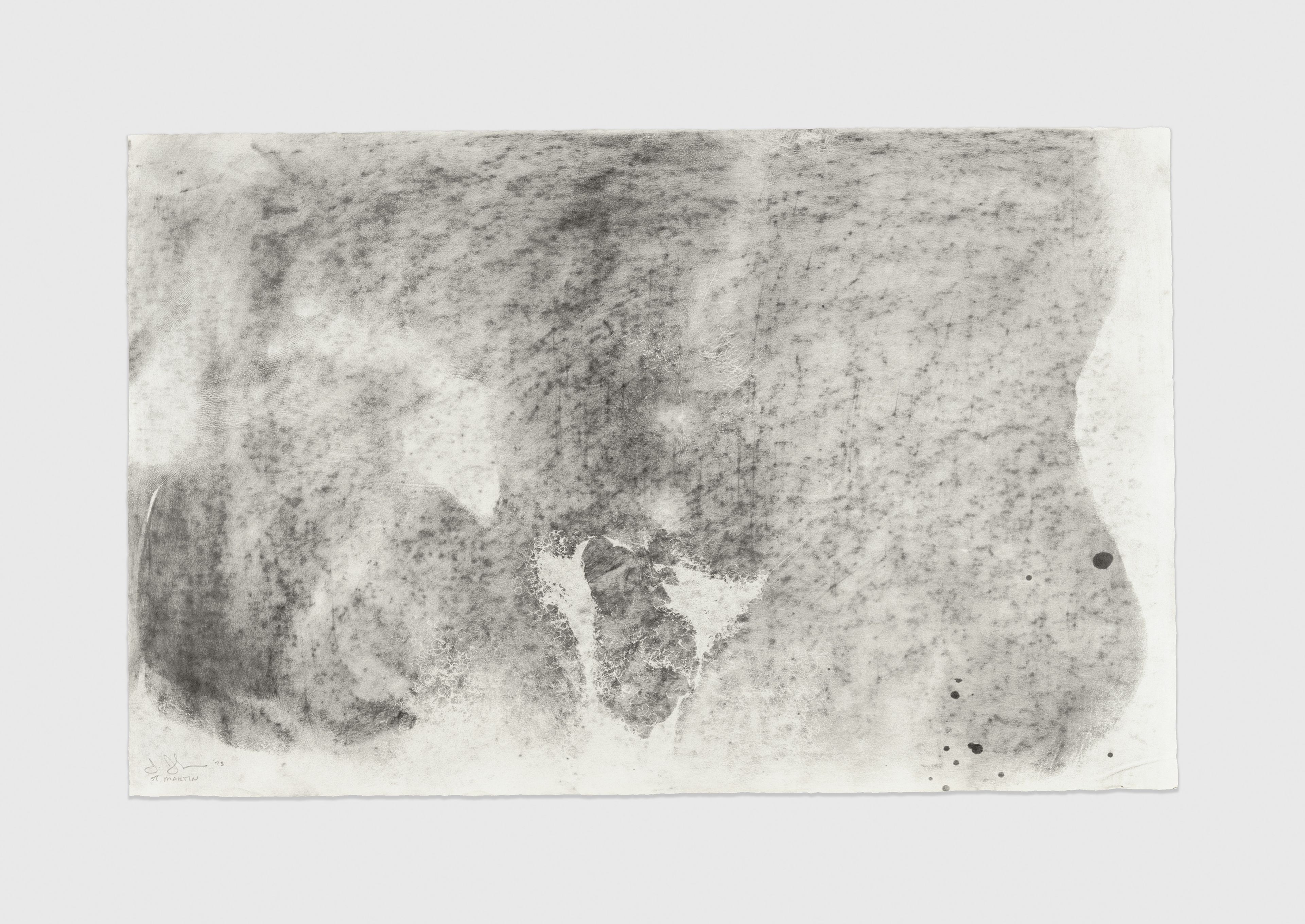
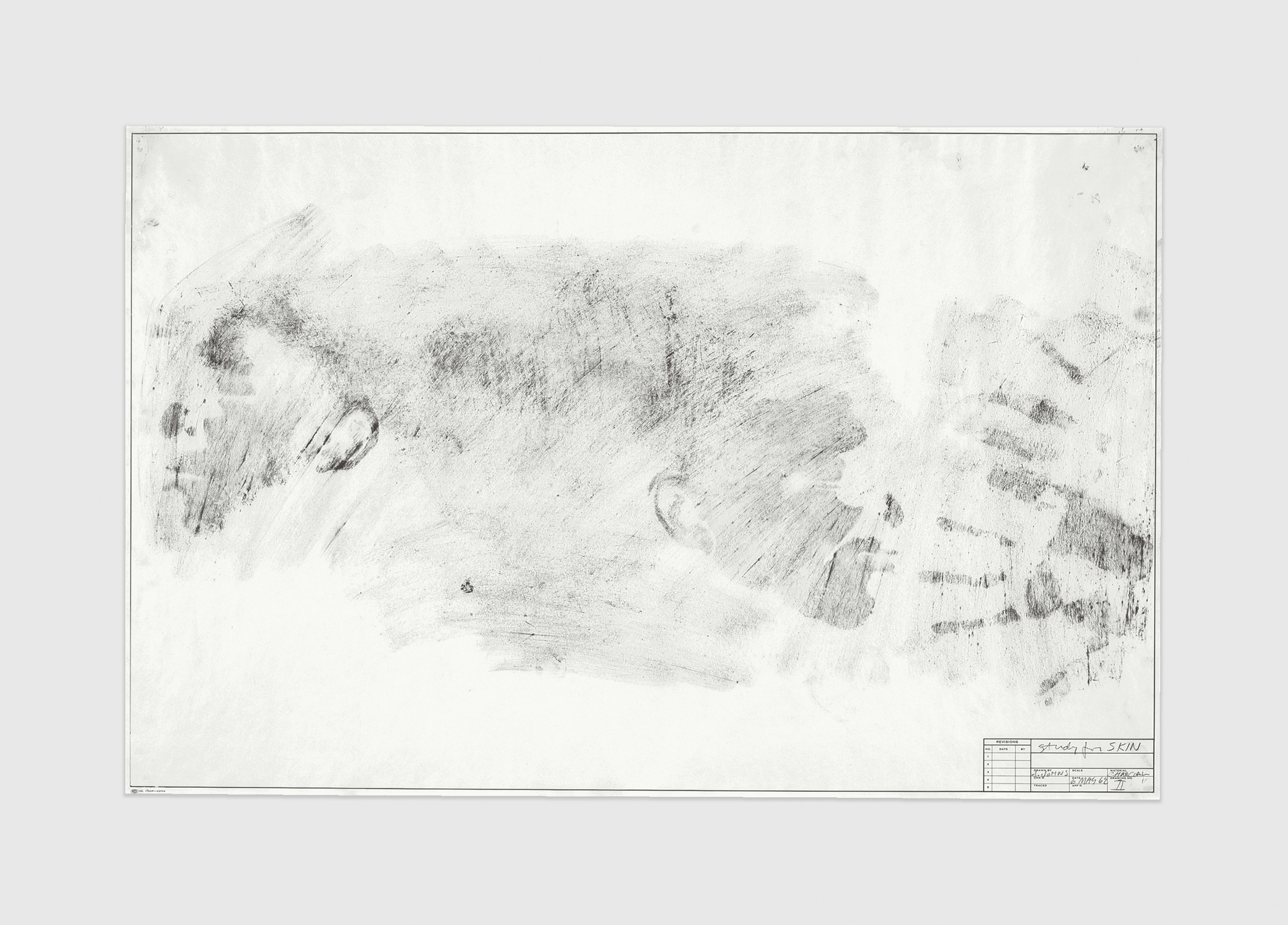
Jasper Johns, Study for Skin I , 1962. Charcoal and oil on paper. Art Institute of Chicago, Regenstein Endowment Fund, 2025.434.1 © 2026 Jasper Johns / Artists Rights Society (ARS), NY

Now Open

May 7—June 26, 2026

Opening Reception

Thursday, May 7, 6–8 PM

Location

New York: 20th Street

537 West 20th Street

New York, New York 10011

Tue, Wed, Thu, Fri, Sat: 10 AM-6 PM

David Zwirner is pleased to announce an exhibition of works by American artist Jasper Johns (b. 1930) at the gallery’s West 20th Street location in New York. Conceived by independent curator Jeffrey Weiss, the exhibition focuses on related approaches to process in the artist’s practice, together signified by the terms copy and trace.

On view are drawings and prints spanning the 1960s through the 2010s that demonstrate the various ways Johns has deployed methods of copying and tracing as means of representation—by copying one of his own paintings, by leaving an imprint, or trace, of the body, or by tracing an existing image through a translucent support. Comprising important works borrowed from museums and private collections as well as a selection of loans from Johns’s personal collection, Jasper Johns: Copy/Trace illuminates a significant throughline in the artist’s practice and provides new insights into the relation of meaning to making in his work.

The content throughout this page is excerpted from curator Jeffrey Weiss’s exhibition texts. Weiss has written a new scholarly essay titled “Jasper Johns: Copy/Trace” to accompany this exhibition. Read the full essay here.

Explore

“Well, of course, one thing changing into another involves process.”

—Jasper Johns
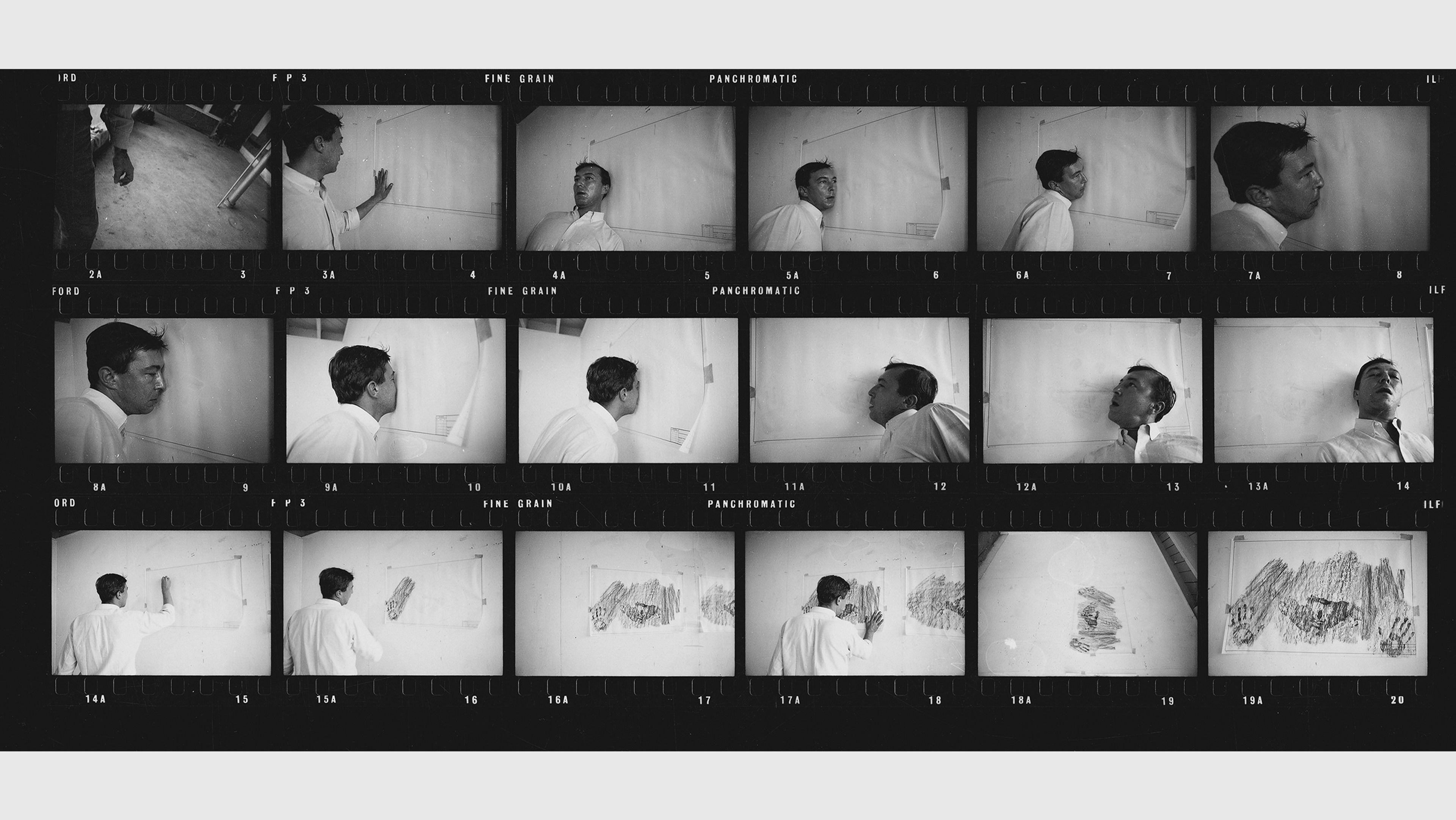
Ugo Mulas, Jasper Johns, Edisto Beach, 1965 (contact sheet, detail). Photo by Ugo Mulas. © Ugo Mulas Heirs. All rights reserved
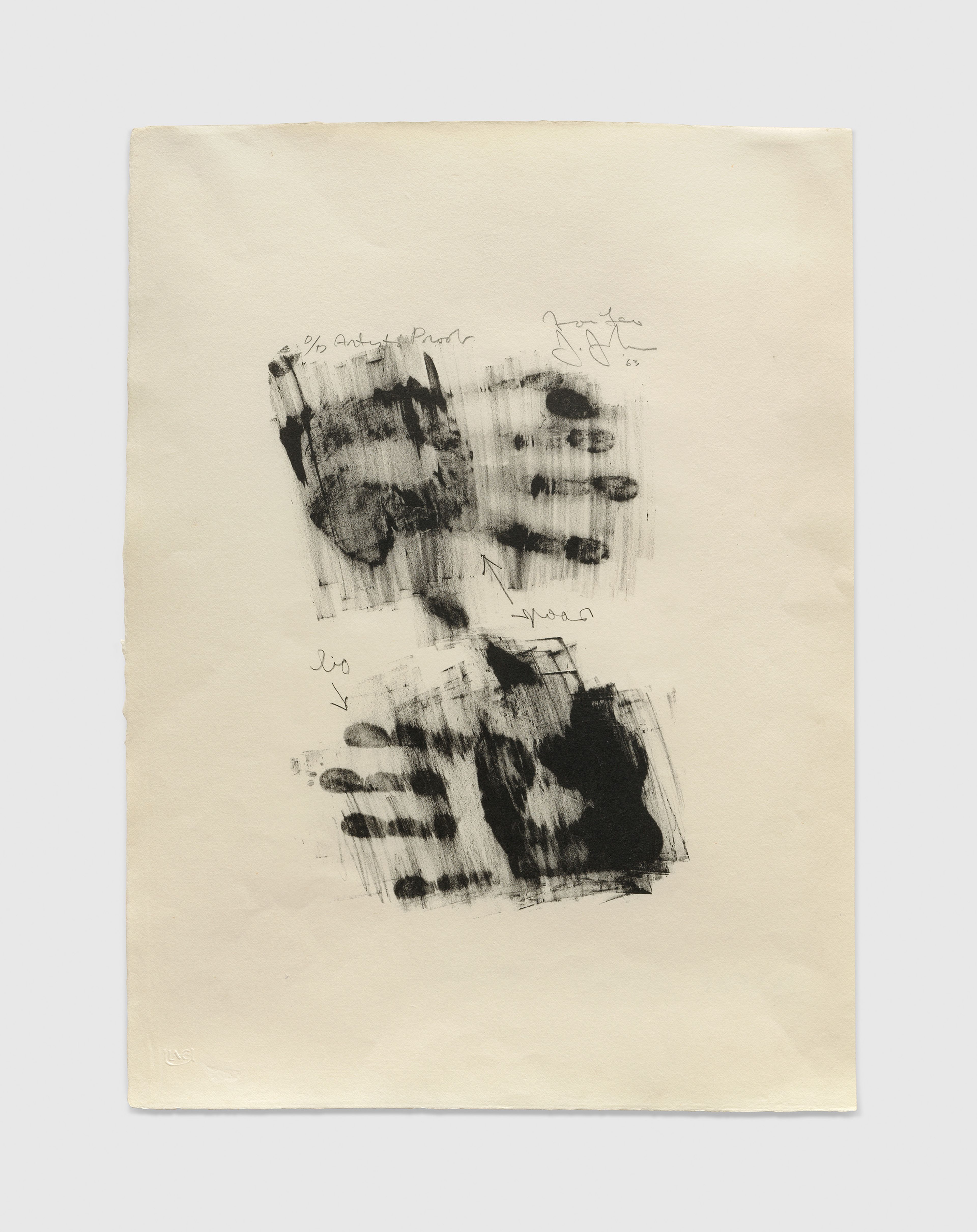
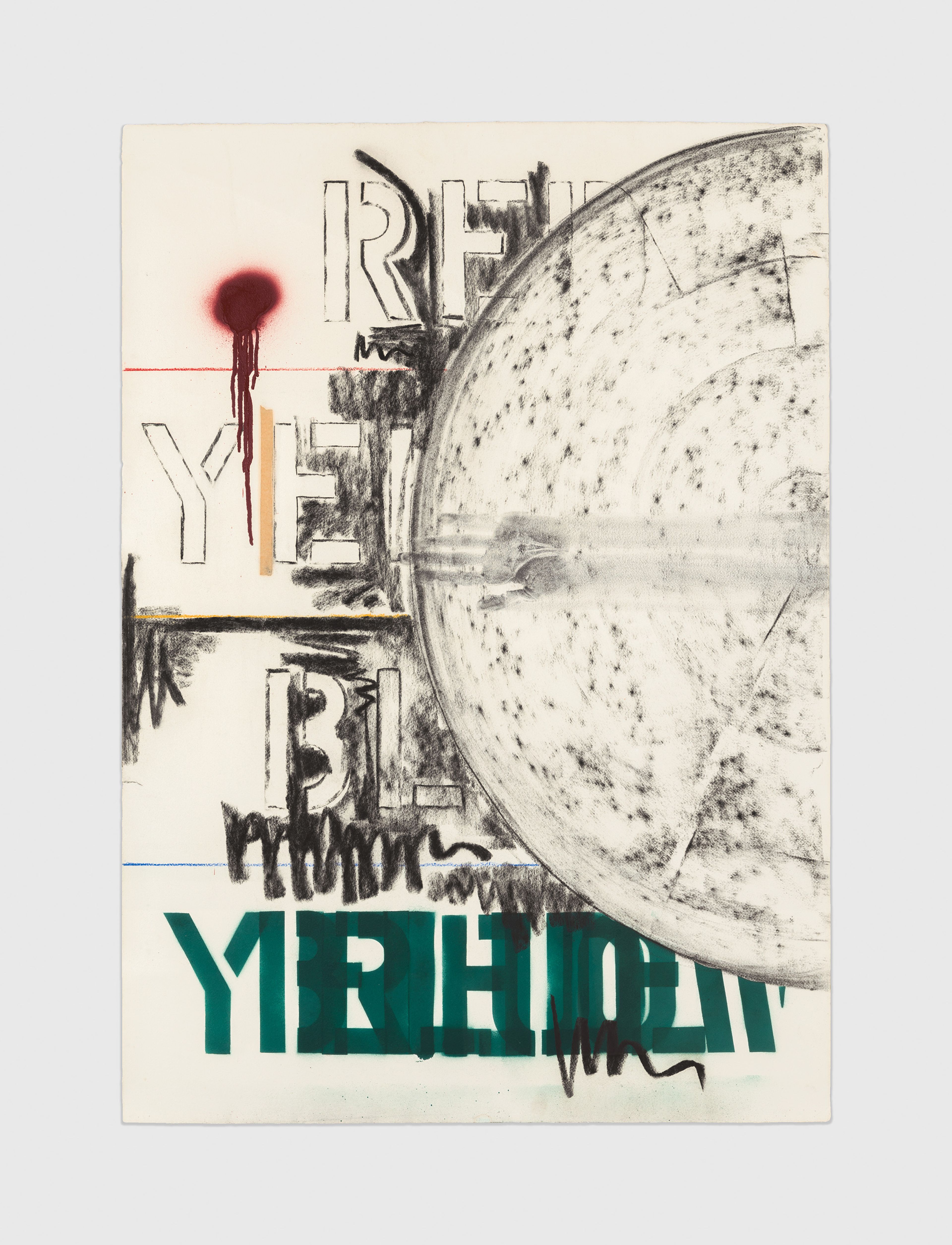
Jasper Johns (b. 1930) is a towering figure of the American avant-garde. Since the 1950s his work has been occupied with images that take the form of flat signs: the target, the flag, the map, the number, among many others—what Johns once referred to as “things the mind already knows.” One chief strategy of his practice is that of replication and revision, through which these readymade images are both repeated and transformed. In Jasper Johns: Copy/Trace we assemble drawings and prints from six decades that reflect this impulse—the motivation of the copy—as an explicit rationale of Johns’s oeuvre.

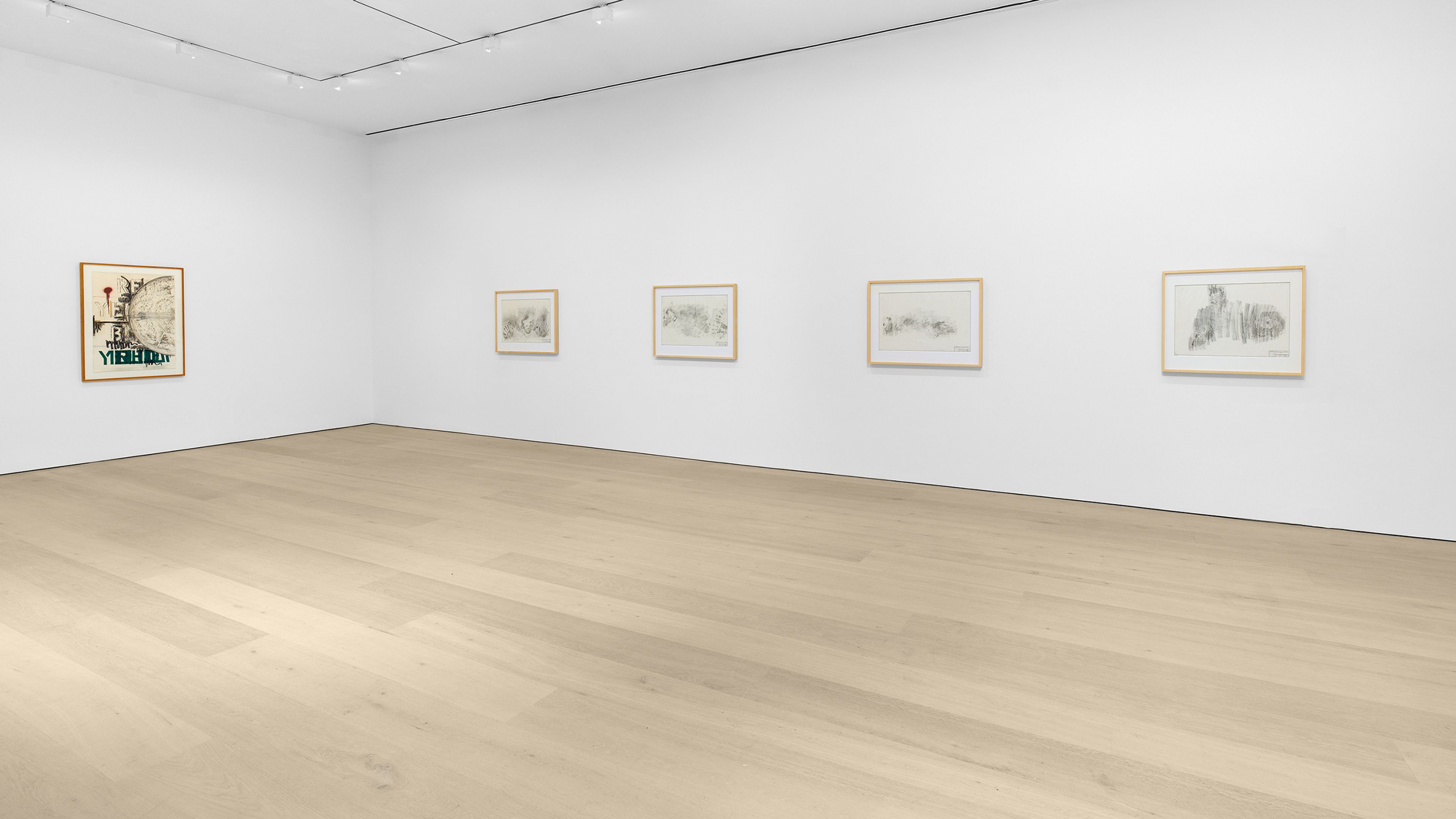
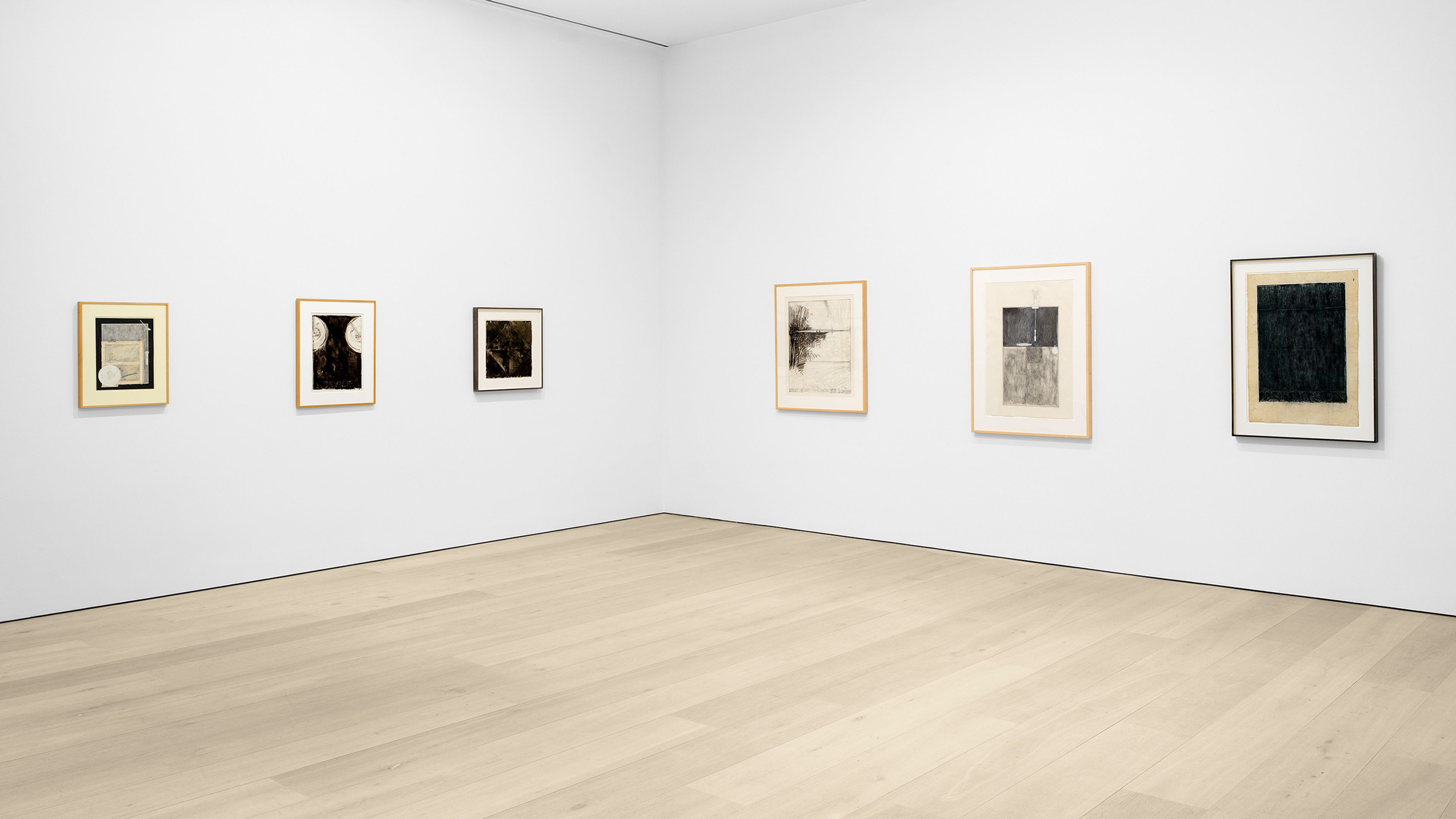
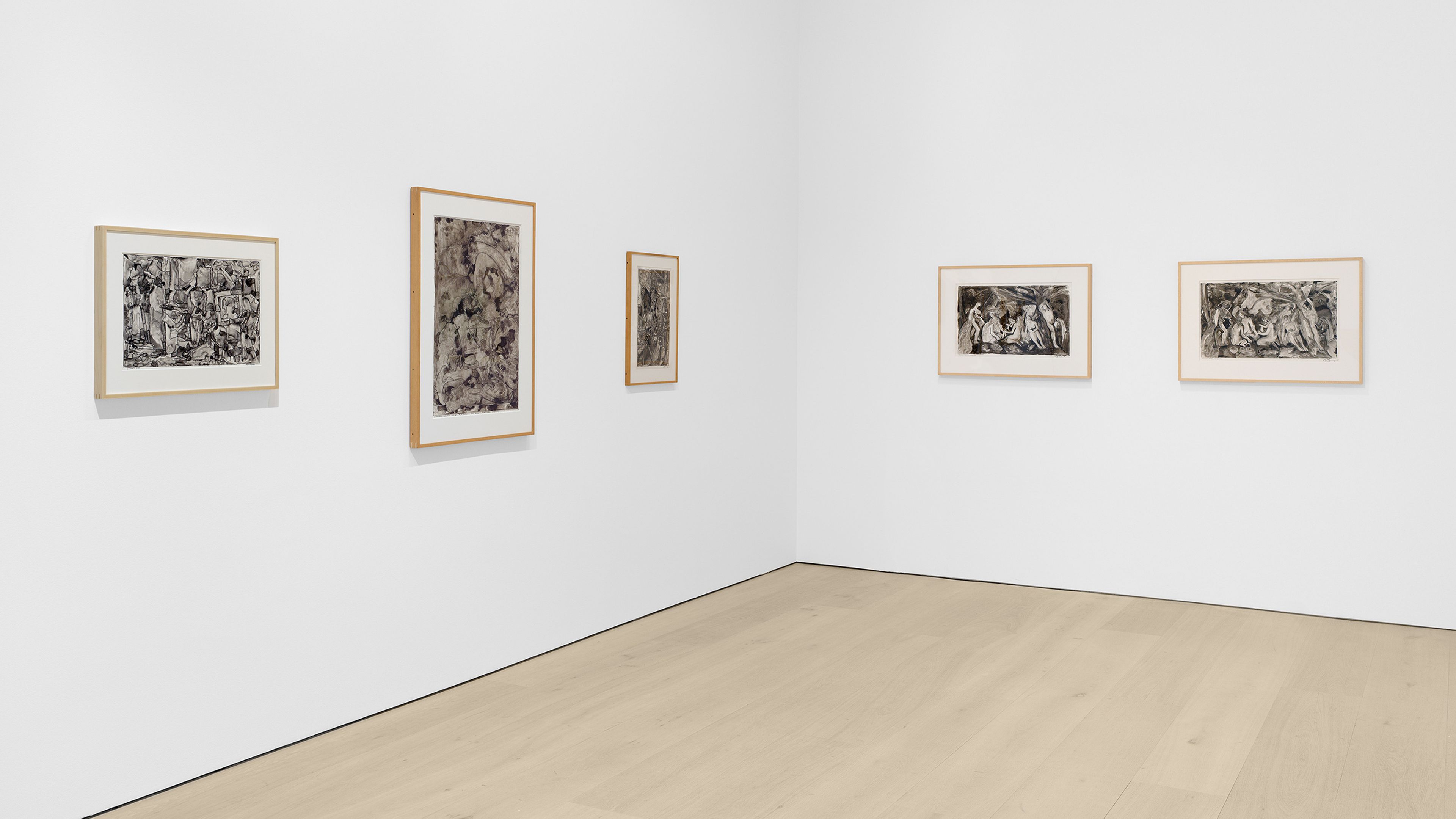
Installation view, Jasper Johns: Copy/Trace, David Zwirner, New York, 2026
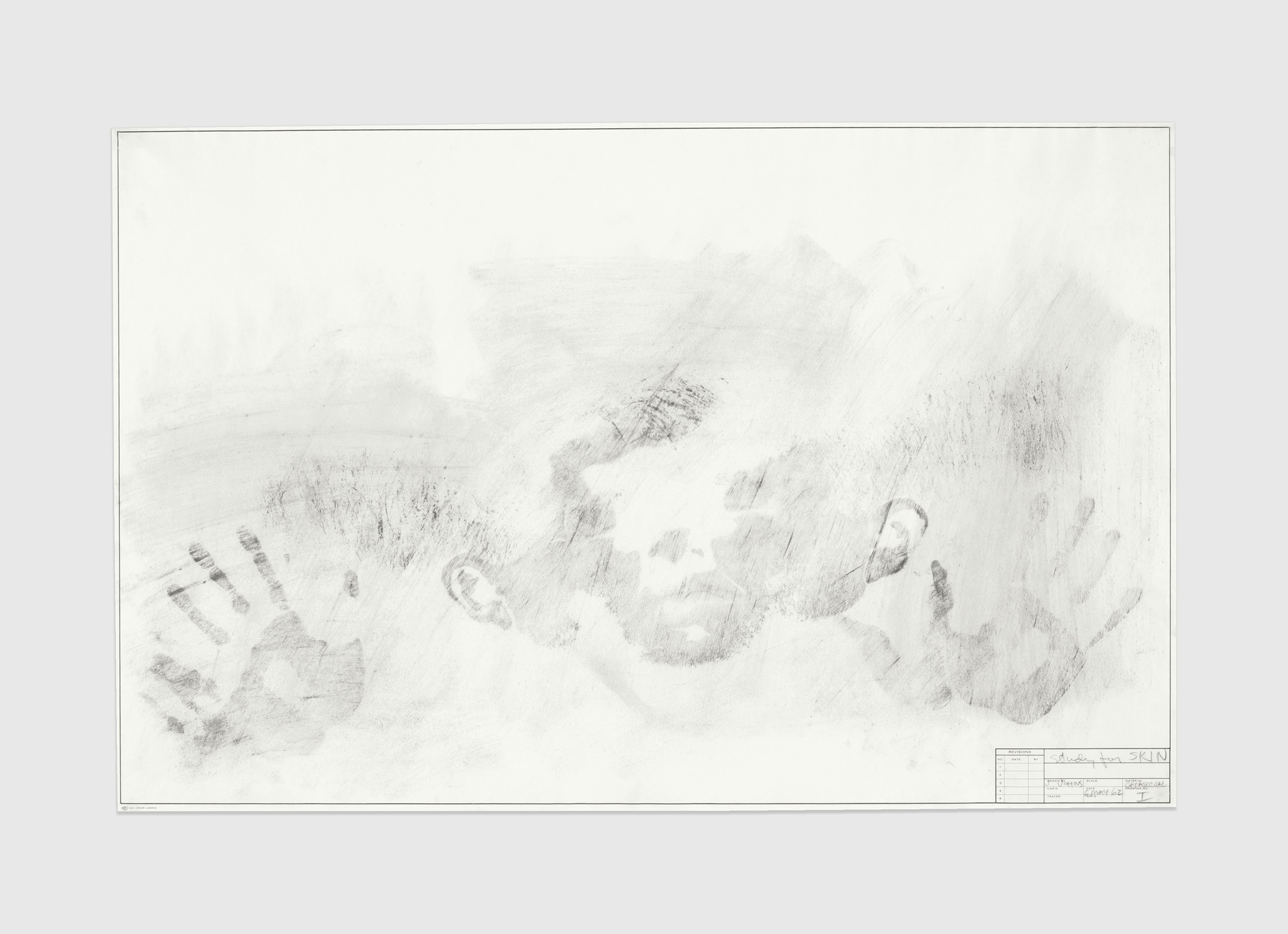
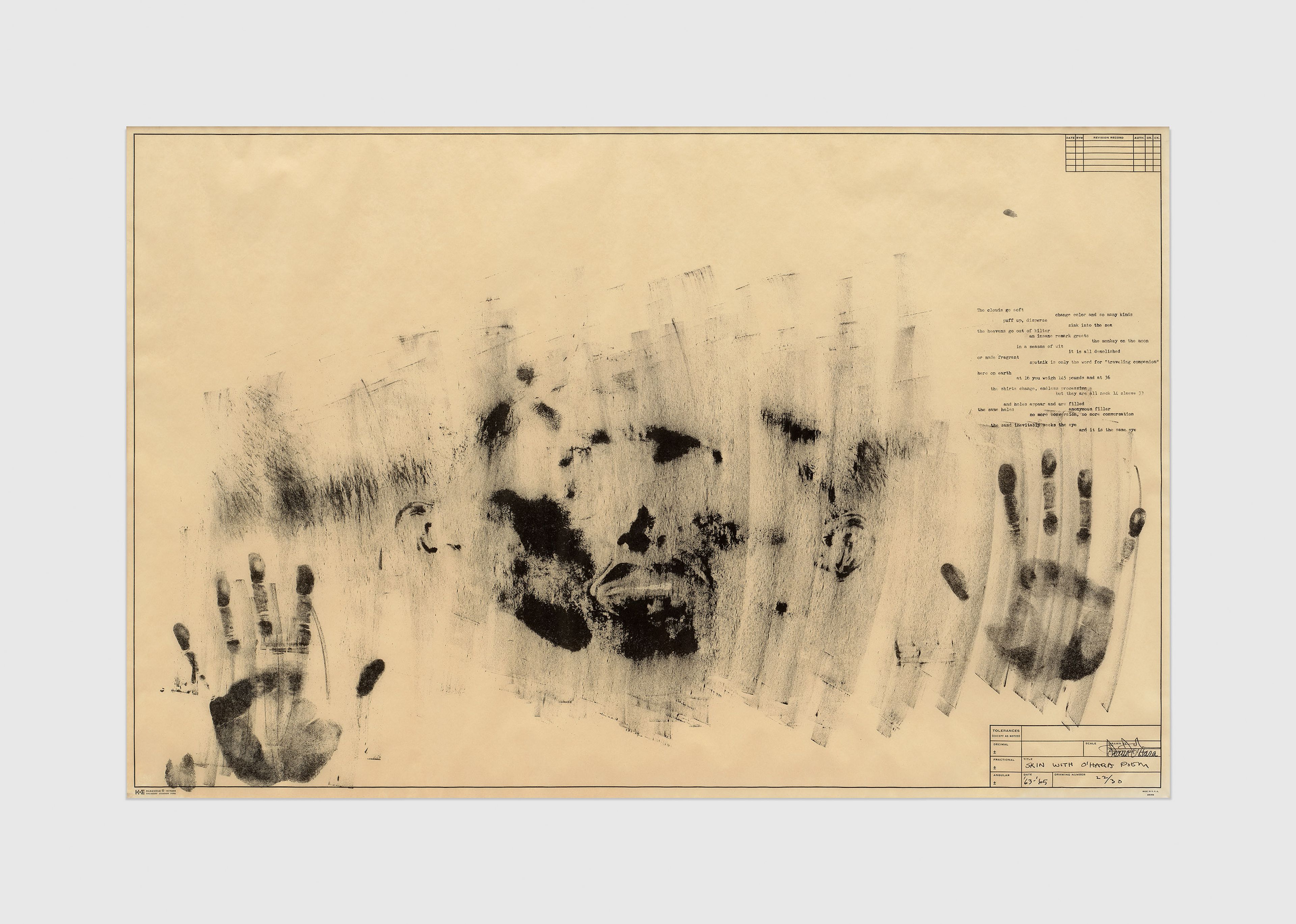
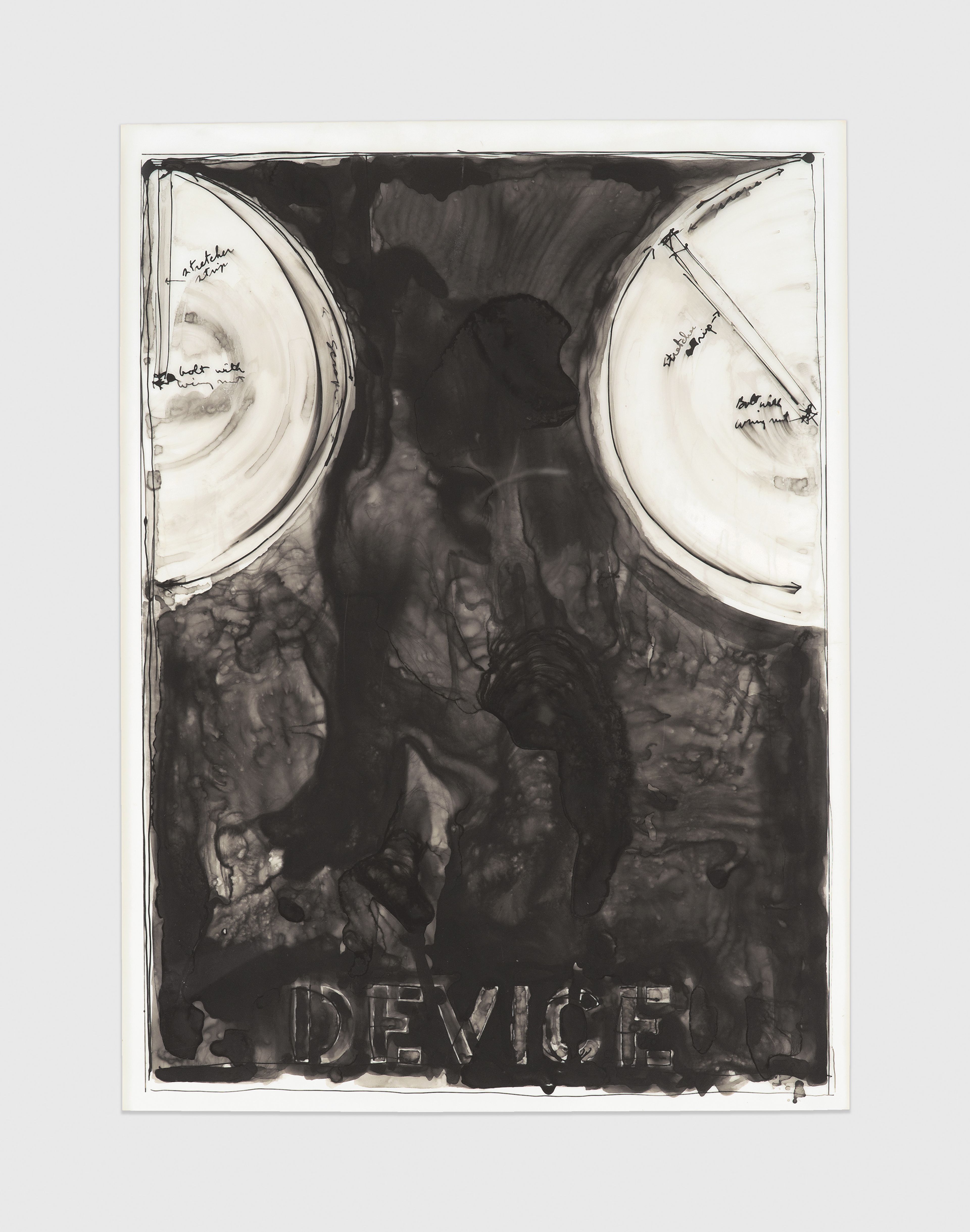
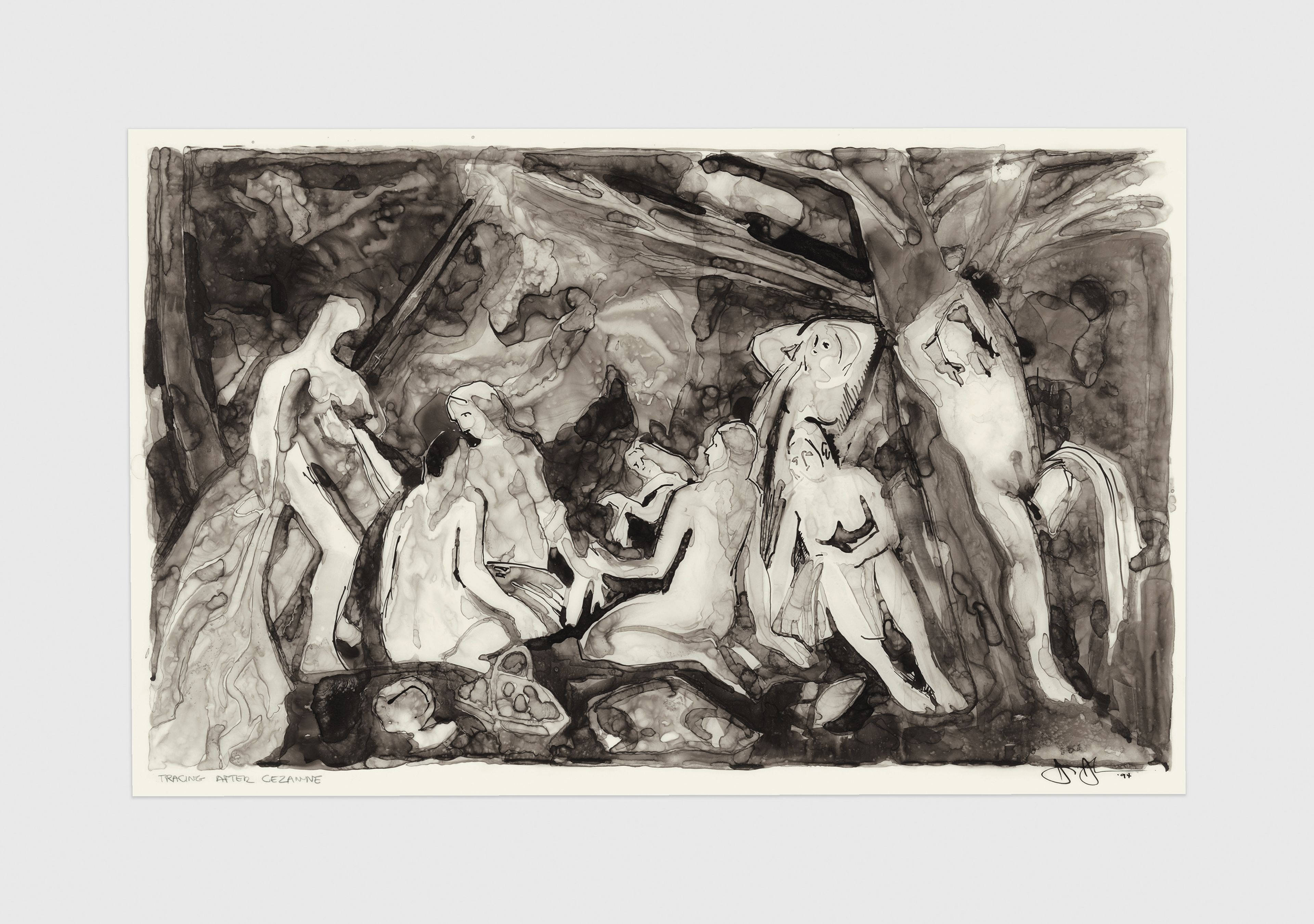
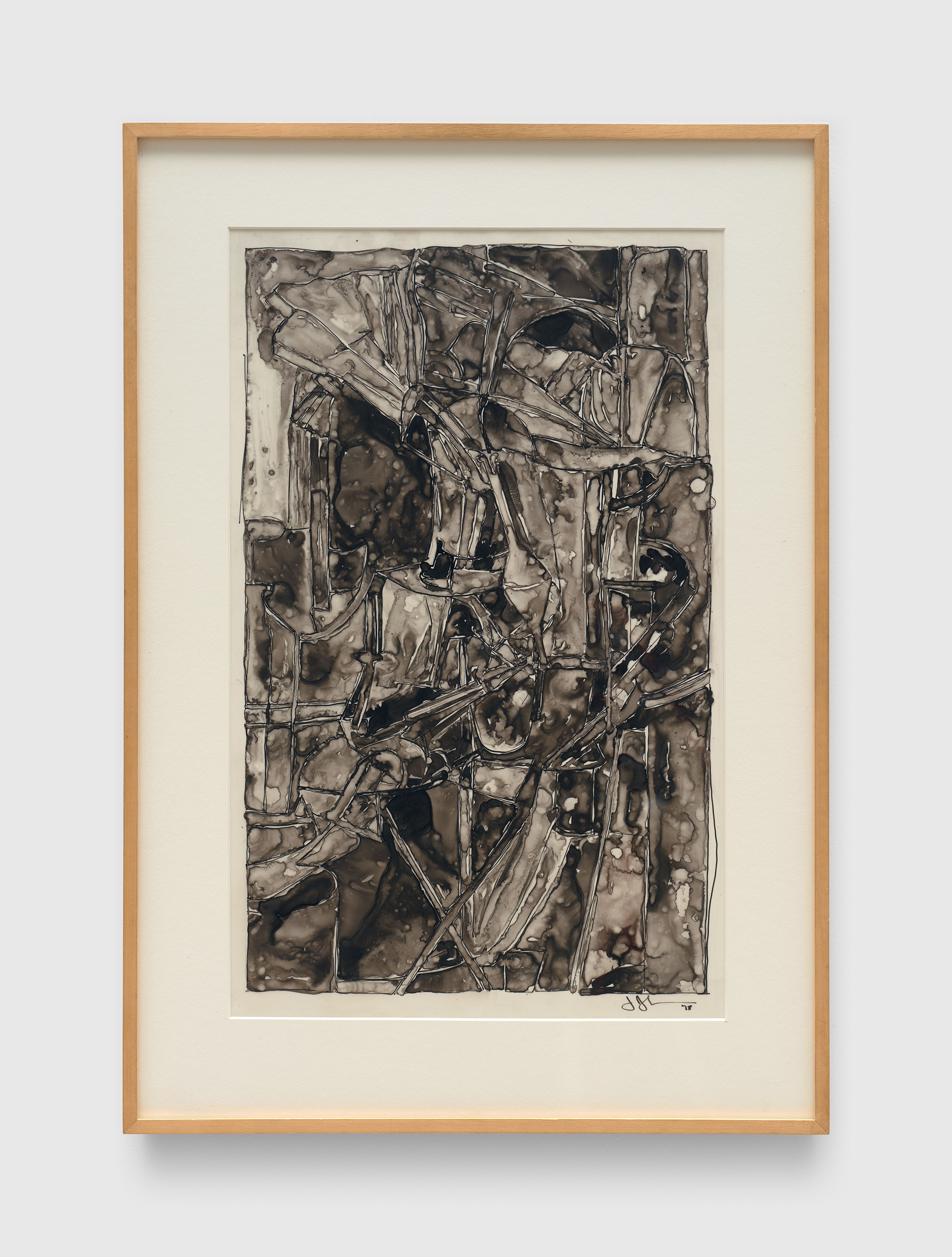
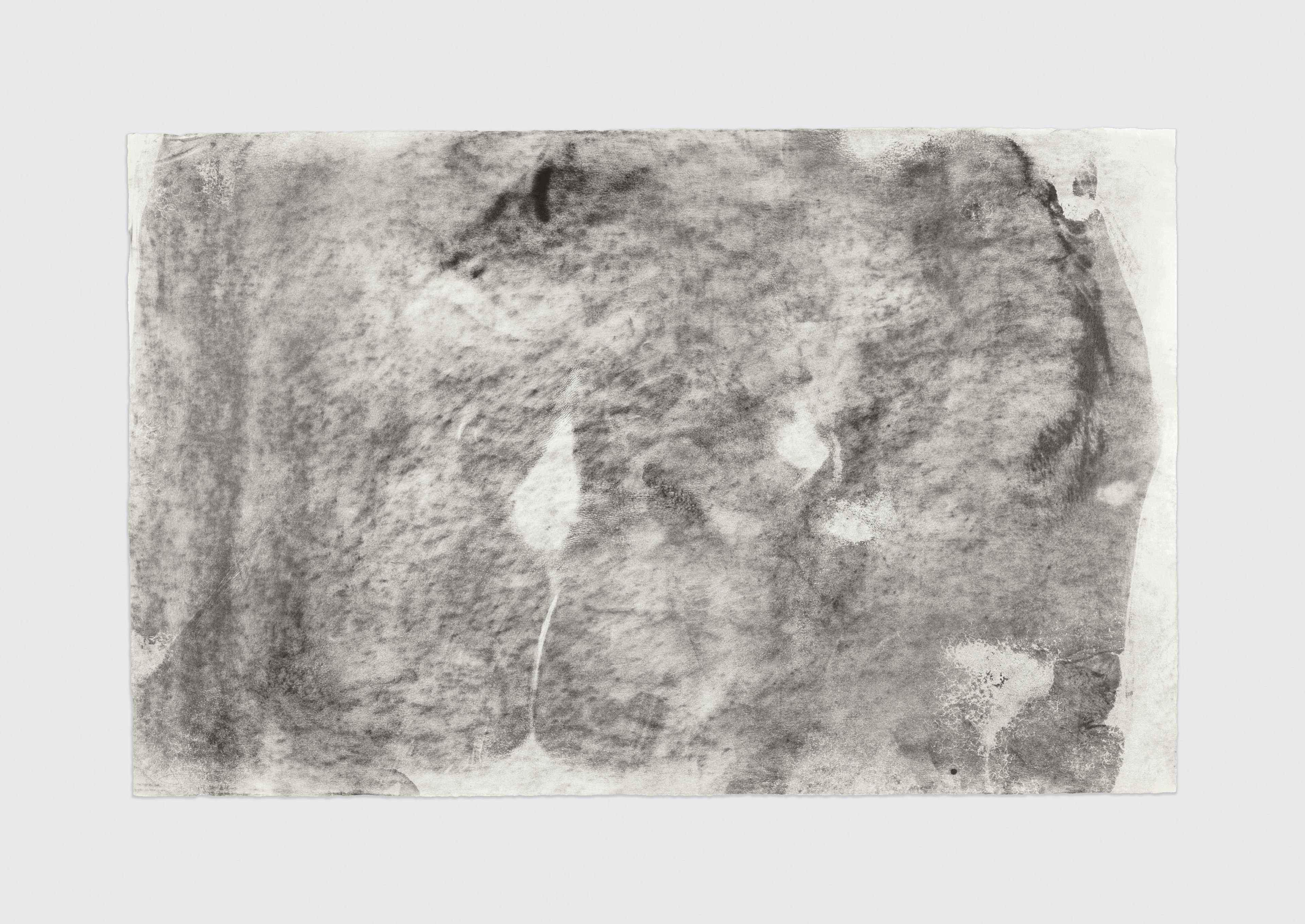
The exhibition is specifically focused on three direct forms of replication. Two can be designated by the term trace. The first is the trace of the body: the direct imprint in oil on paper of Johns’s head, face, hands, pelvis, or torso, which is then revealed through broad strokes of charcoal. The second is that of tracing: using ink and other water-based media to trace an existing image, often a photoreproduction of a work of art, onto a sheet of translucent Mylar. The third form of replication is the copy, or variant: the representation—and transformation—of selected paintings by the artist, resulting in multiple drawings after the same work.

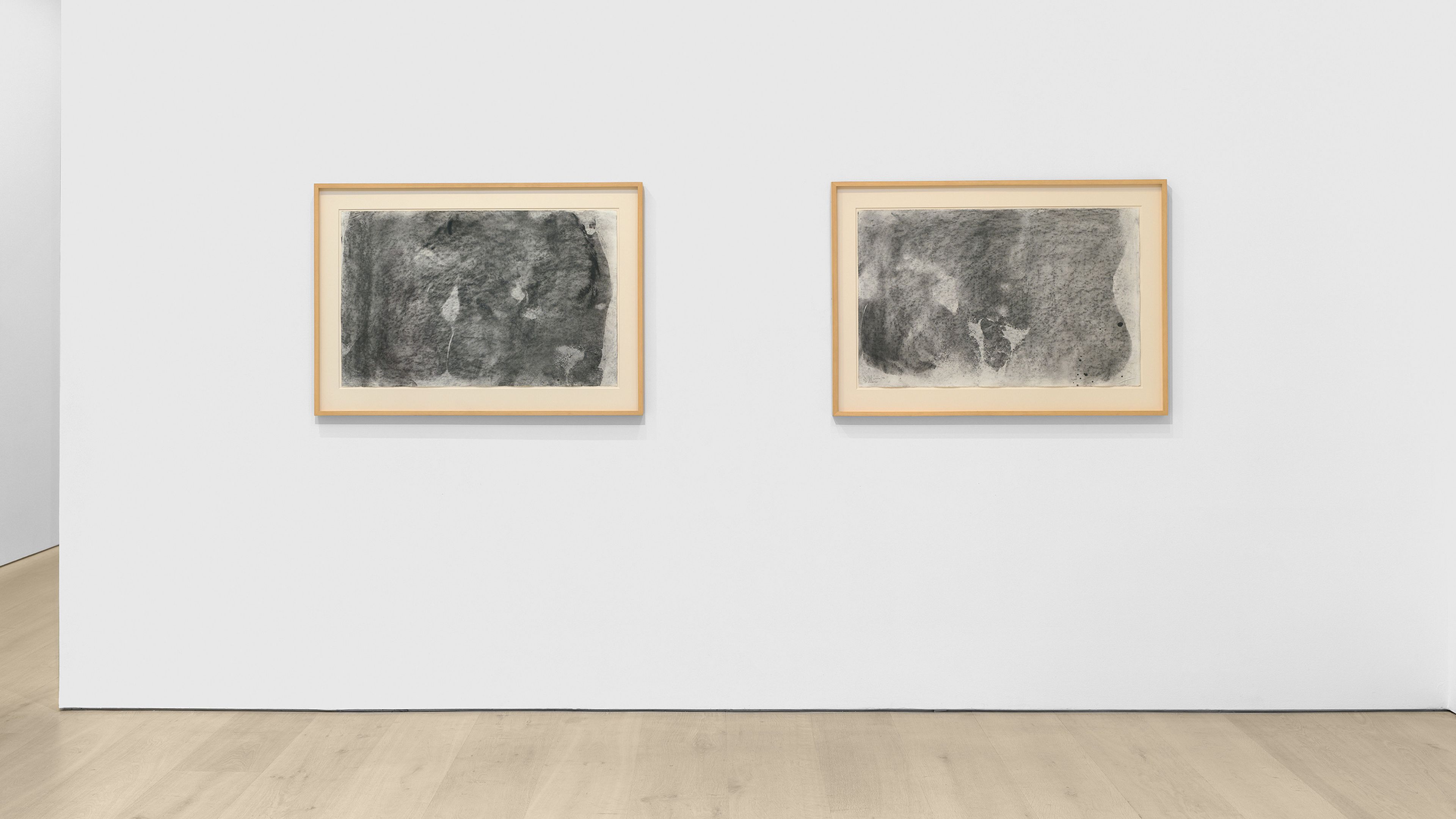
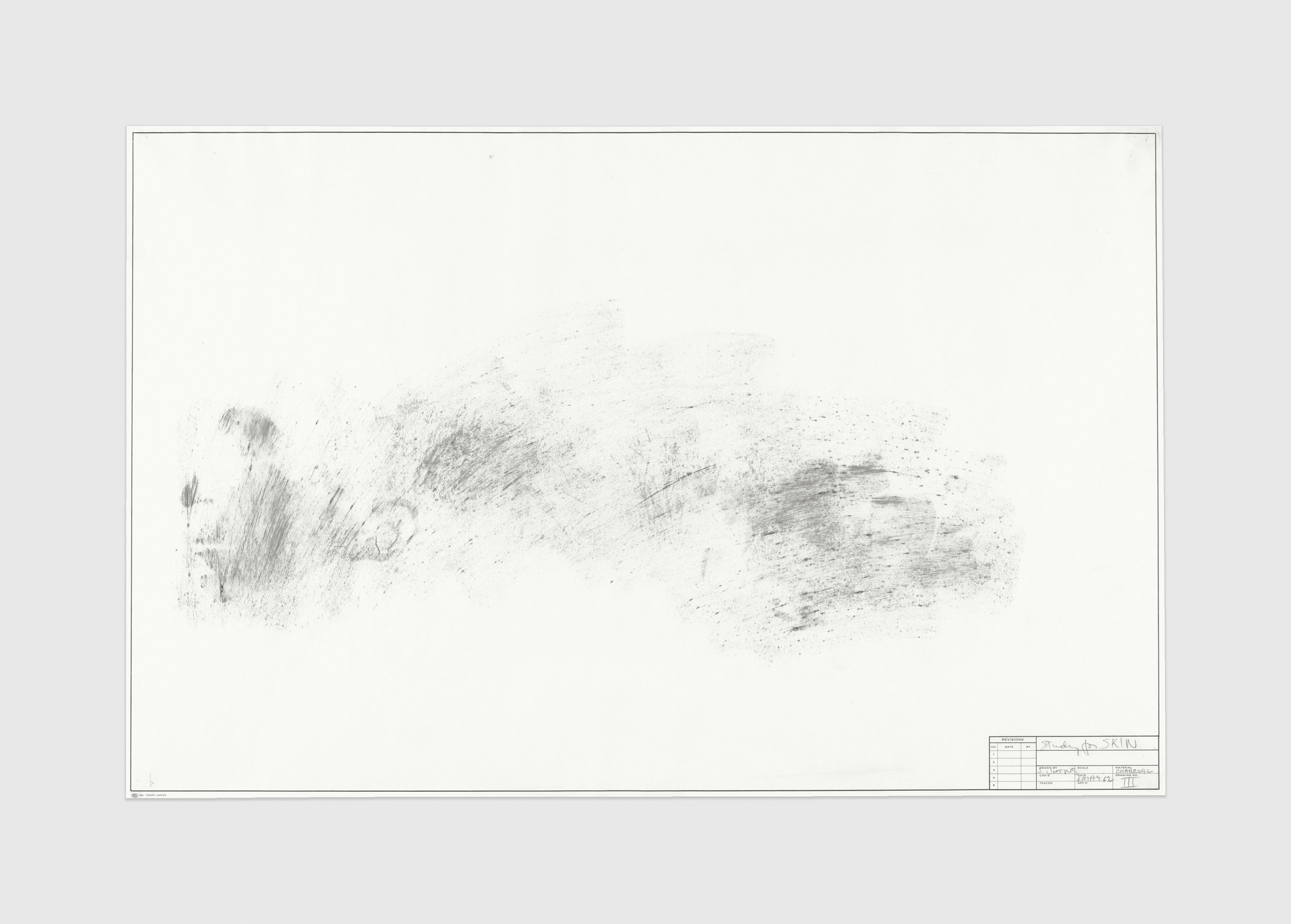
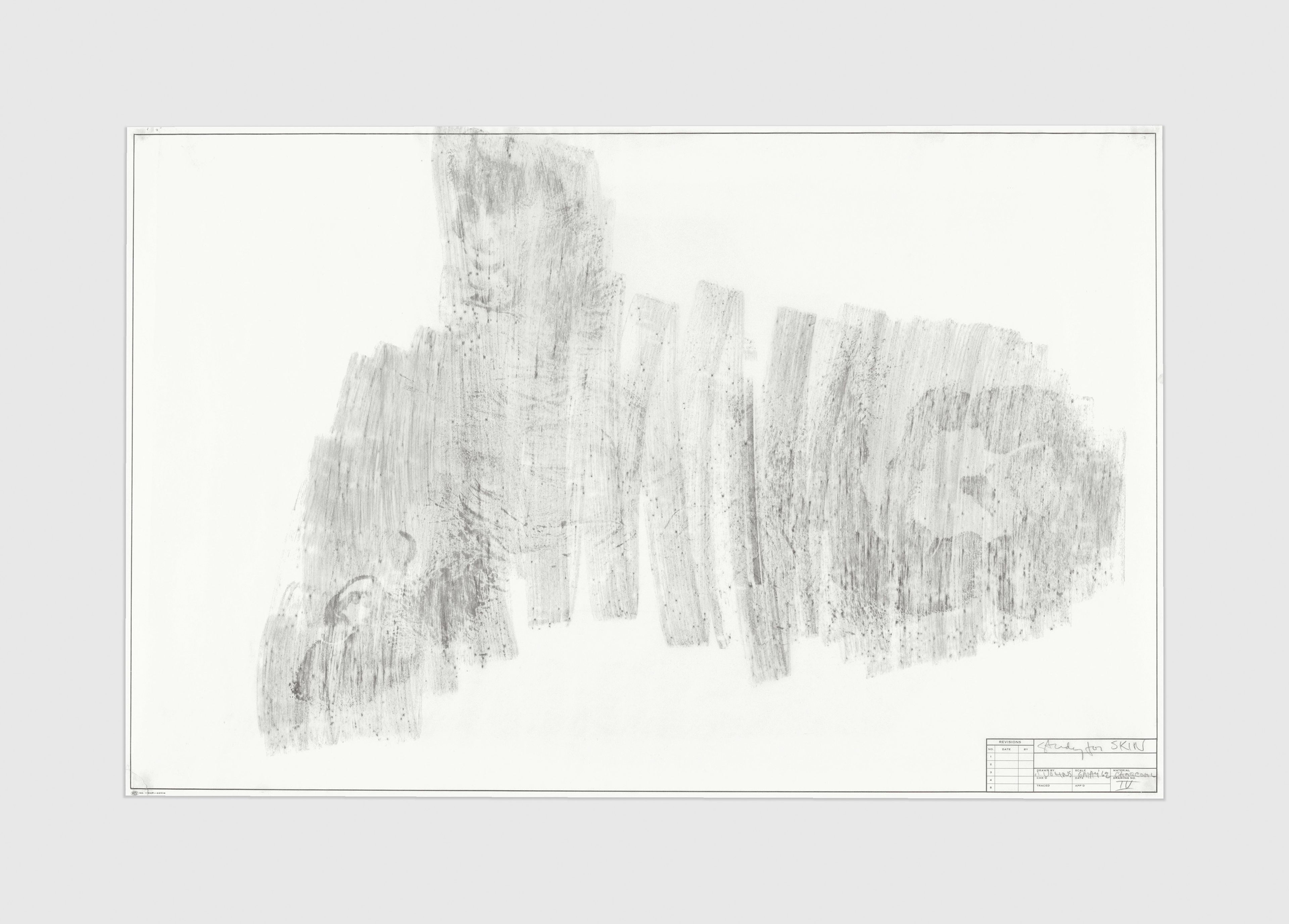
On view are works on paper from the 1960s and early 1970s that exemplify Johns’s nascent and ongoing interest in using the body as both subject and tool, including a suite of four major drawings on loan from the Art Institute of Chicago, Study for Skin I–IV (1962). These spectral images grow more abstract with each iteration.

Installation view, Jasper Johns: Copy/Trace, David Zwirner, New York, 2026
Speaking in 2011 to curator Lynne Cooke, Richard Serra, who acknowledged a debt to the ethos of process in Johns’s work, remarked that in Johns’s drawings we observe the artist “teaching himself to draw.” The body print is at once intimate and isolating because, with a single move, Johns makes himself both subject and object—self and other.

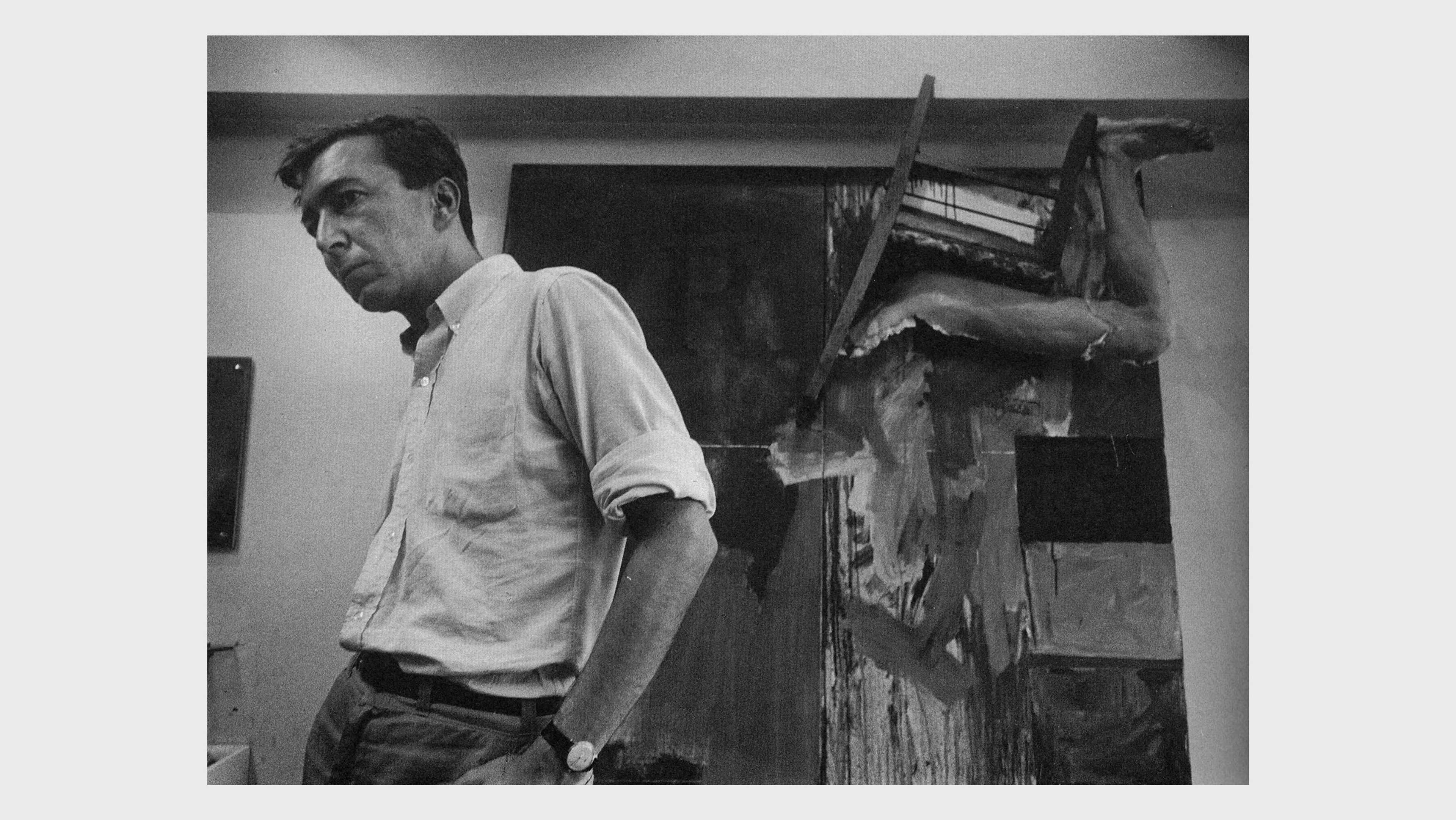
Jasper Johns with Watchman (1964) in Tokyo, c.June 1964. Photo by Kunitoshi Matsuzaki. Artwork by Jasper Johns © 2026 Jasper Johns/Artists Rights Society (ARS), NY

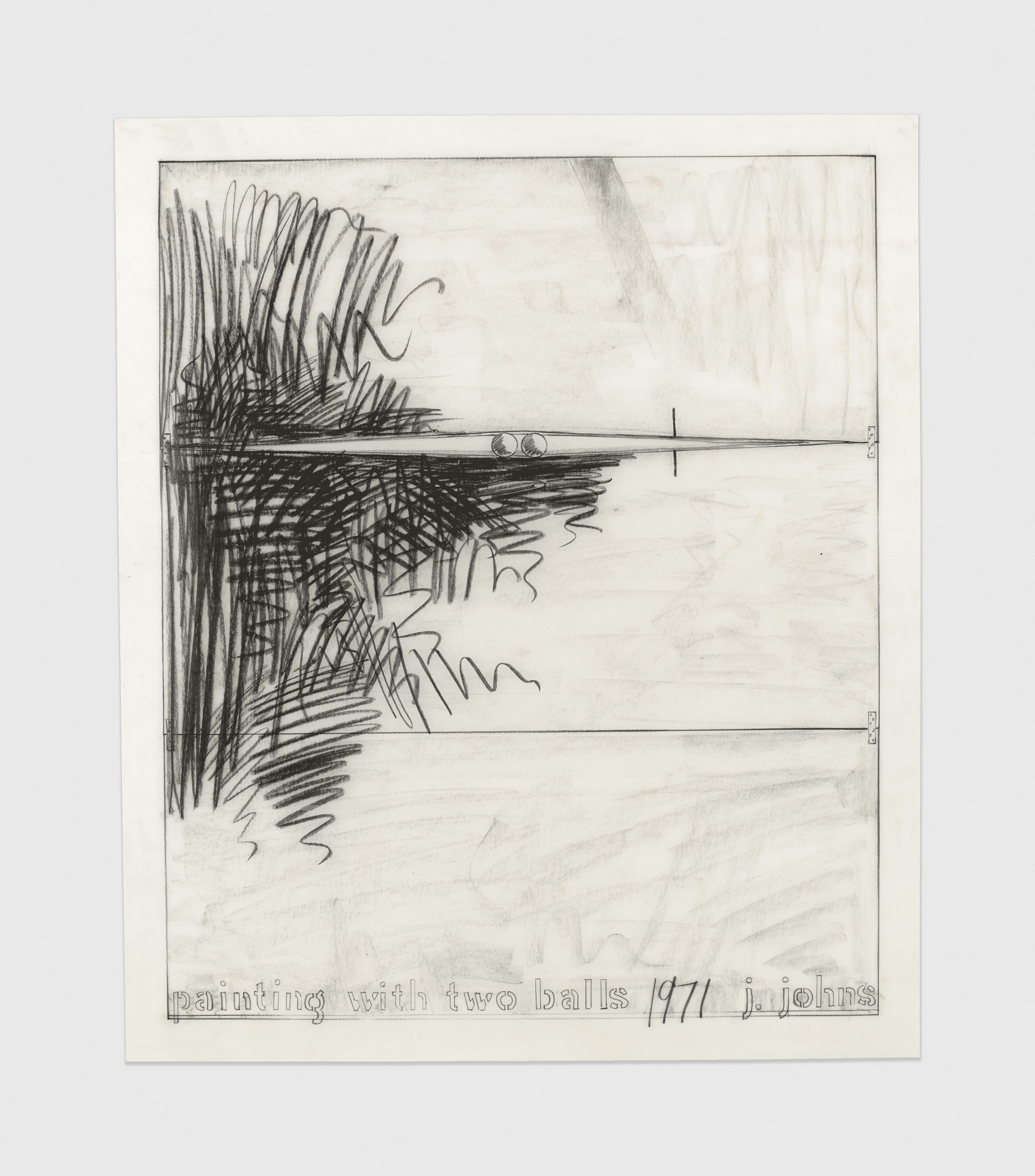
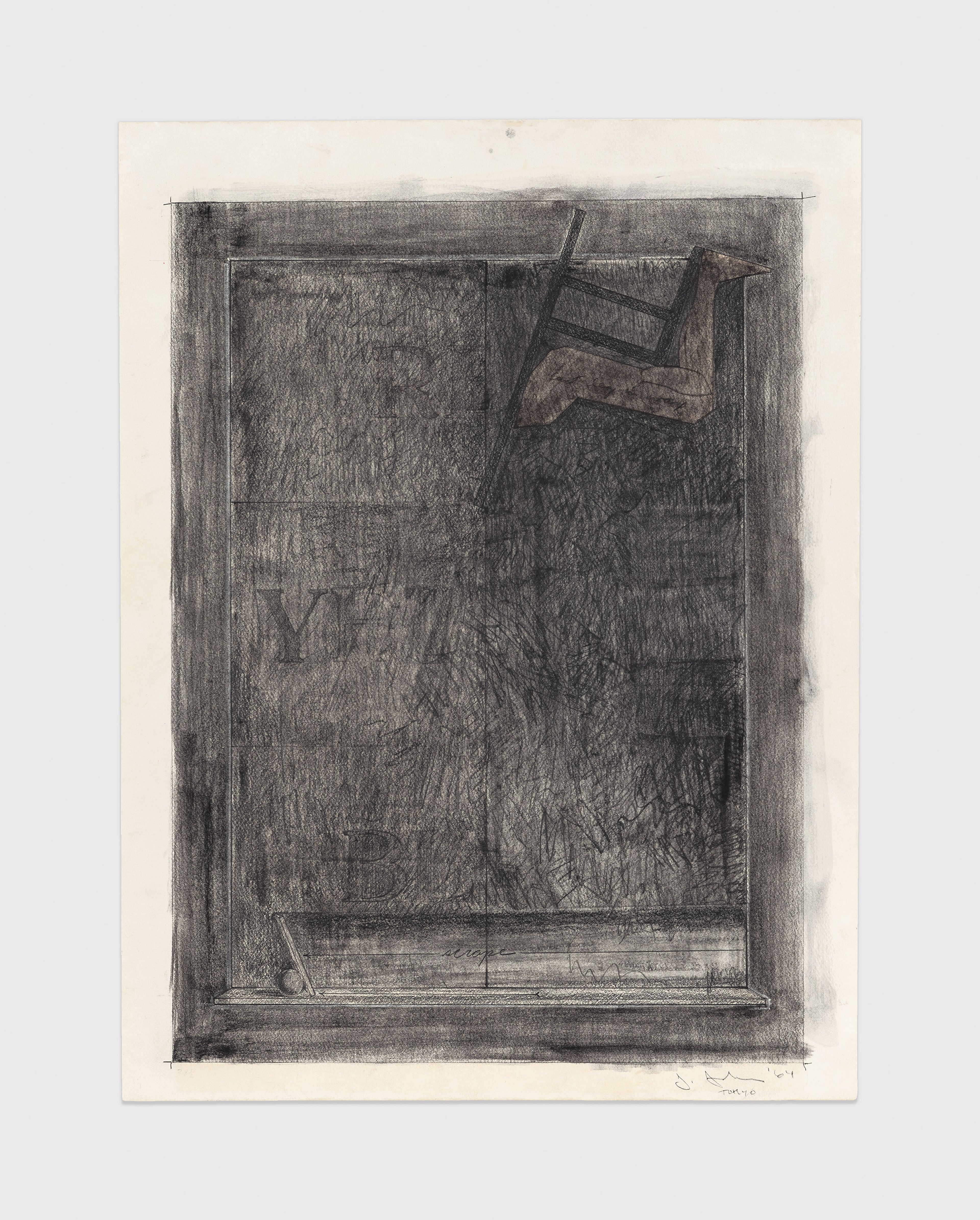
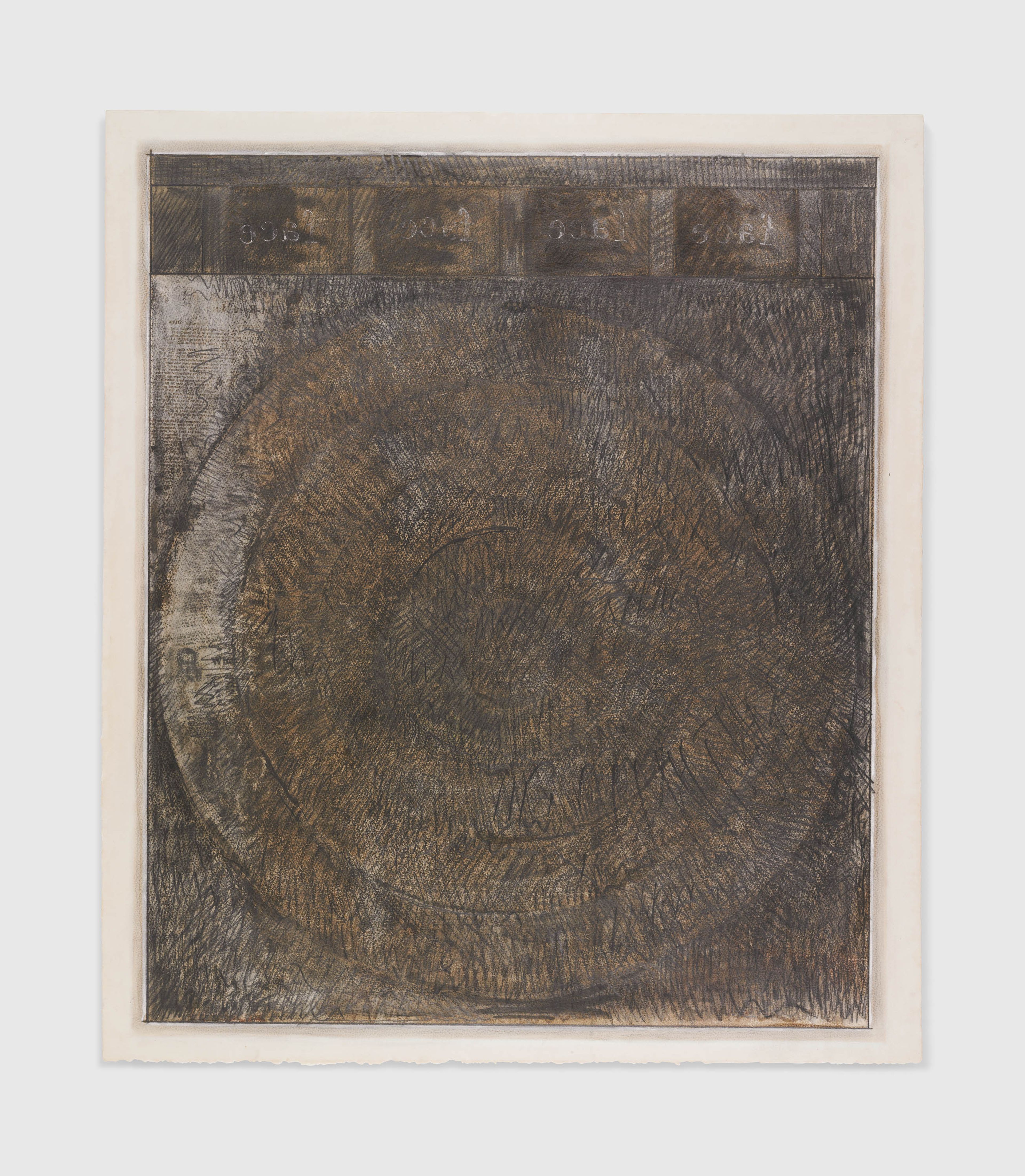
Other works in the exhibition showcase Johns’s practice of producing variants or copies of his own oeuvre, such as Painting with Two Balls (1971), Watchman (1964), and Target with Four Faces from 1968. For this latter work, the artist returned to one of his most iconic paintings, the 1955 work of the same title in the collection of The Museum of Modern Art, New York, over a decade after its creation, drawing in various mediums over a 1968 screenprint proof made after the same composition.

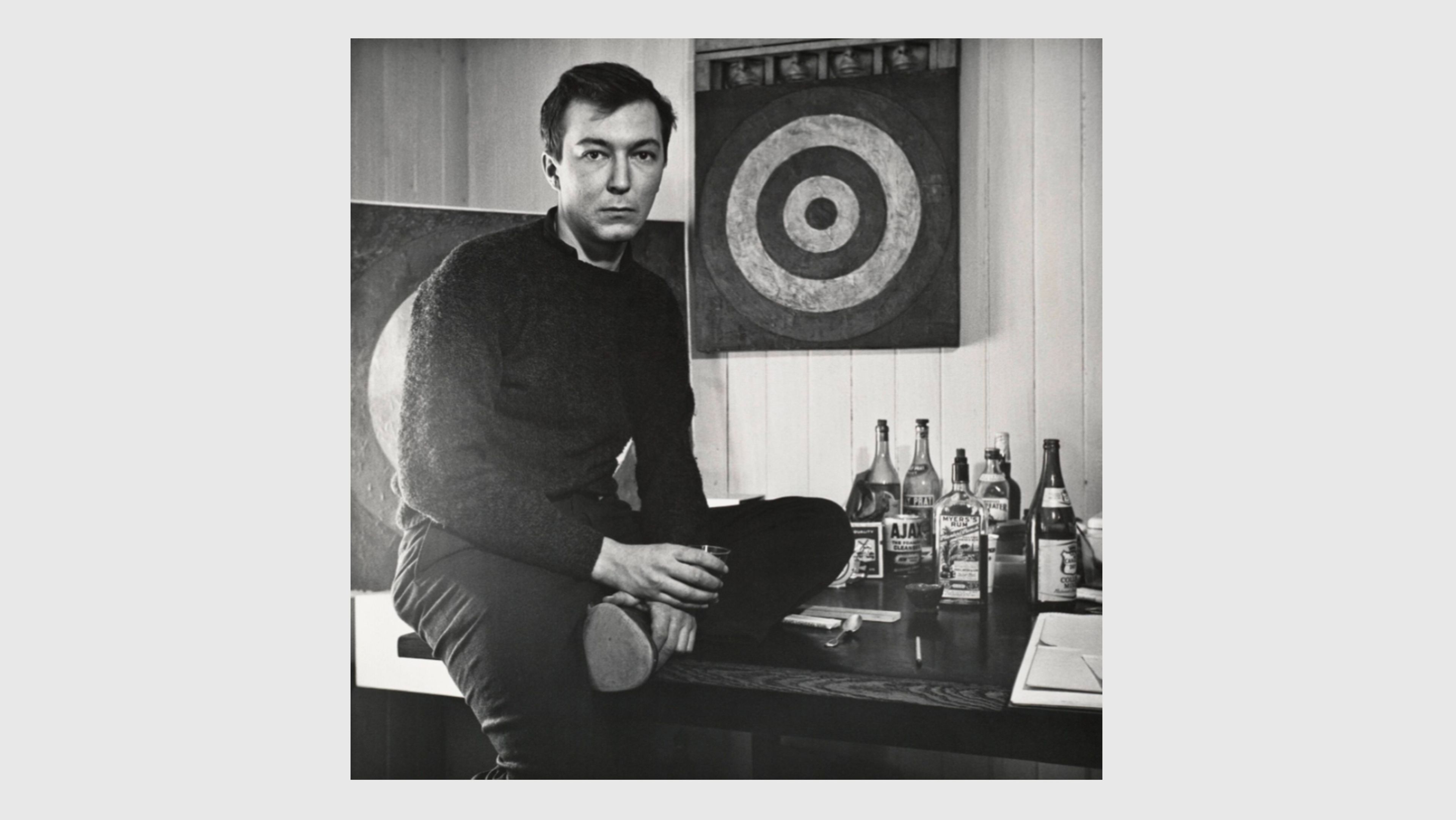
Robert Rauschenberg, Jasper—Studio N.Y.C., 1958, printed 1981. Artwork by Jasper Johns © 2026 Jasper Johns/Artists Rights Society (ARS), NY

“A finished painting seems to have a clear image, and using it as a subject of drawings may be … a way of dealing with an absence of a larger idea. Or one might say that it is a way of bypassing ideas in order to concentrate on the activity of making.”

—Jasper Johns

Installation view, Jasper Johns: Copy/Trace, David Zwirner, New York, 2026
A significant group of works highlights Johns’s tracing of reproductions of works by other artists—Paul Cézanne, Hans Holbein, and Pablo Picasso, for example—from posters, books, and elsewhere. In Tracing (1978), Johns references two artists at once, having traced an impression of Jacques Villon’s 1934 etching The Bride, which itself was made after Marcel Duchamp’s 1912 painting of the same title (Philadelphia Museum of Art).

“I am concerned with a thing’s not being what it was, with its becoming something other than what it is, with any moment in which one identifies a thing precisely and with the slipping away of that moment, with at any moment seeing or saying and letting it go at that.”

—Jasper Johns

Installation view, Jasper Johns: Copy/Trace, David Zwirner, New York, 2026
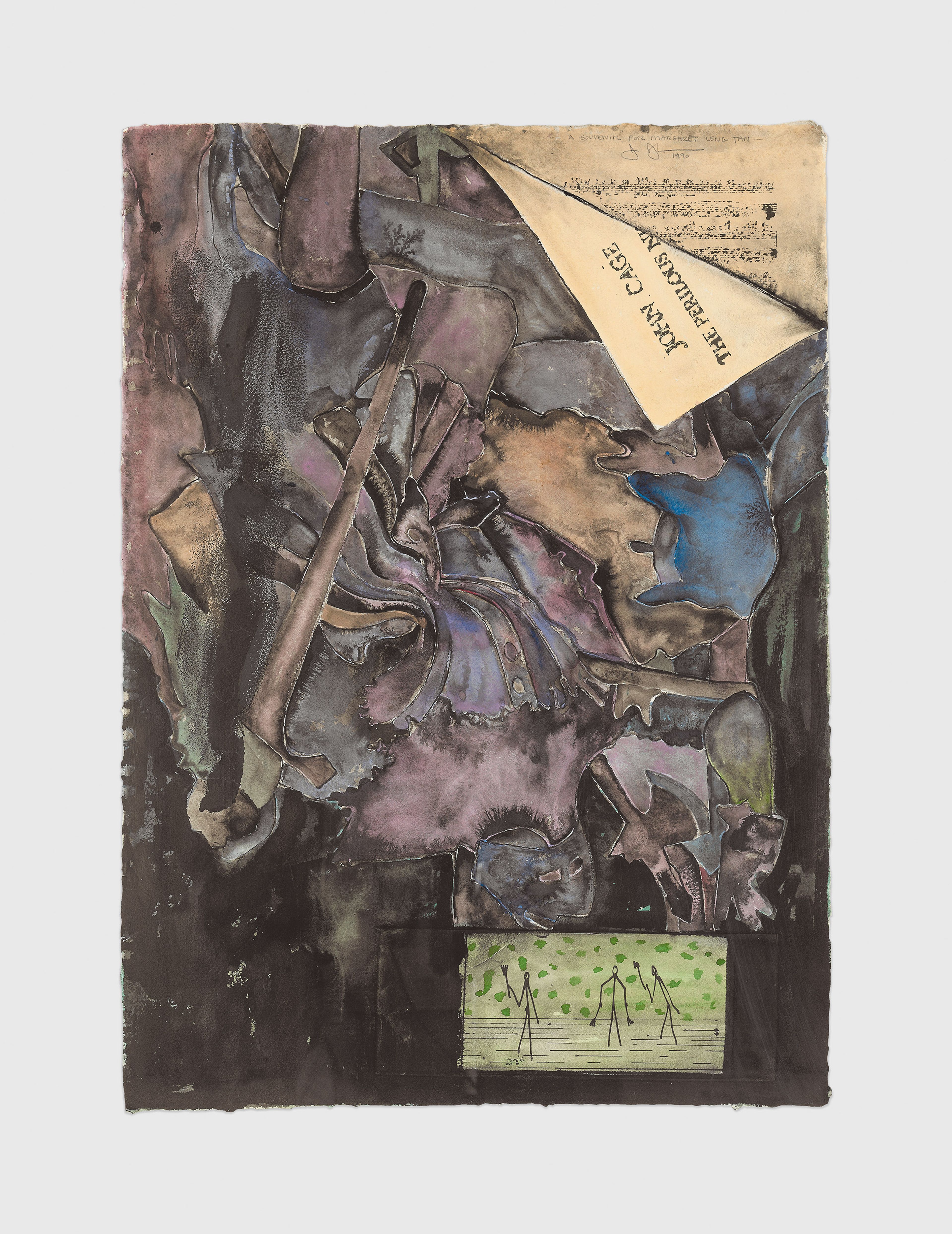
Johns derived a less obvious pictorial source from the Isenheim Altarpiece by German Renaissance painter Matthias Grünewald. From the altarpiece Johns lifted the image of two soldiers sleeping at the base of the cross in the panel that depicts the Resurrection. Johns used this image in many works, where—through cropping, rotation (one turn to the left or right), and the use of a dark, monochromatic palette—it becomes an almost unrecognizable tangle of lines and forms. The image was first applied to the painting Perilous Night (1982; National Gallery of Art, Washington, DC), a title borrowed from a score by composer John Cage, one page of which Johns incorporated in the painting and related drawings.

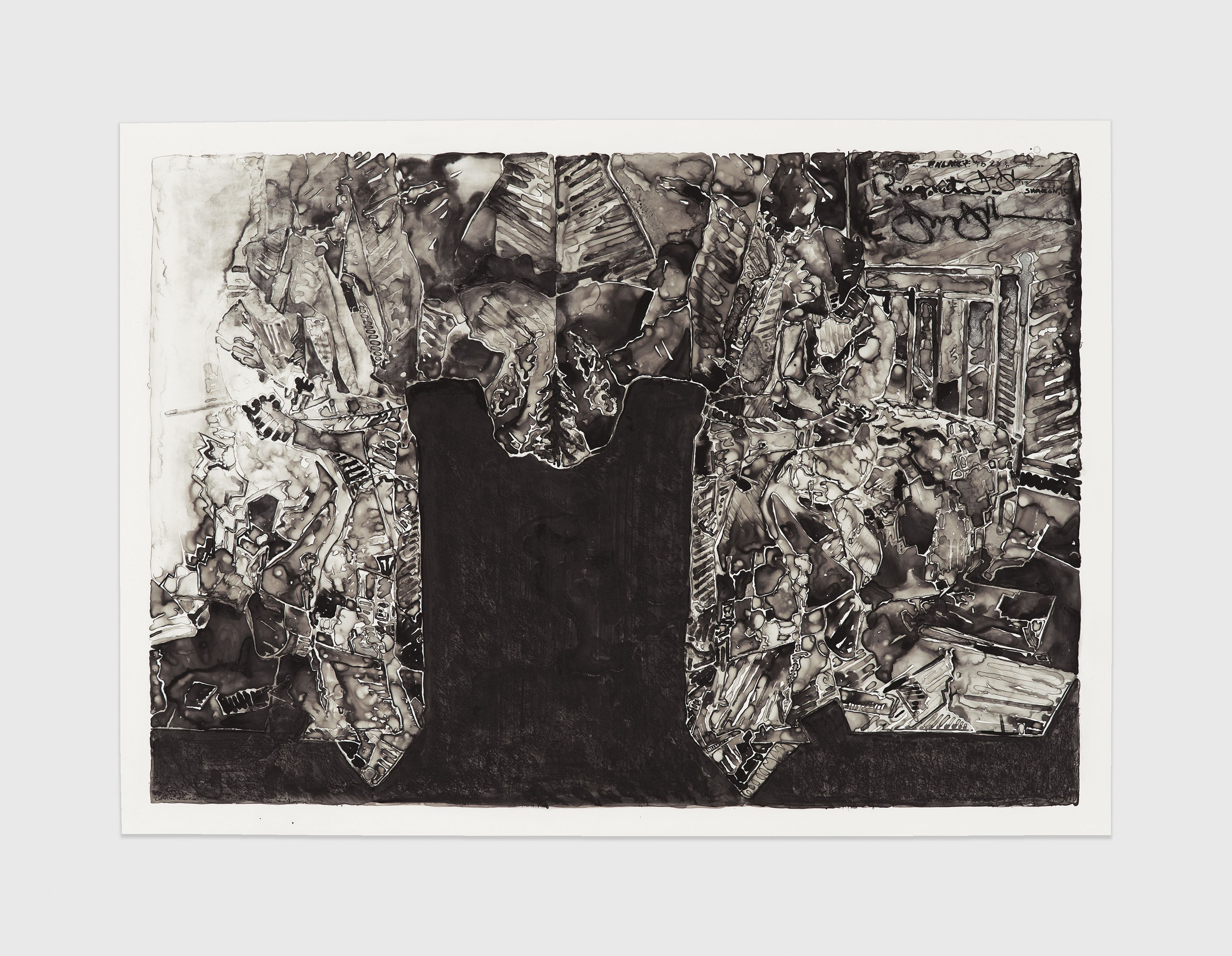
The artist also traced images from photographs. Untitled (2013) draws from a black-and-white photograph by John Deakin of artist Lucian Freud. The photo was taken around 1964 but discovered by Johns in a 2012 auction catalogue, where it was reproduced as source material for a painting by Francis Bacon. Johns subjected the image to numerous manipulations in a series of ten drawings, two paintings, and two sets of aquatints called Regrets (2013–2014).

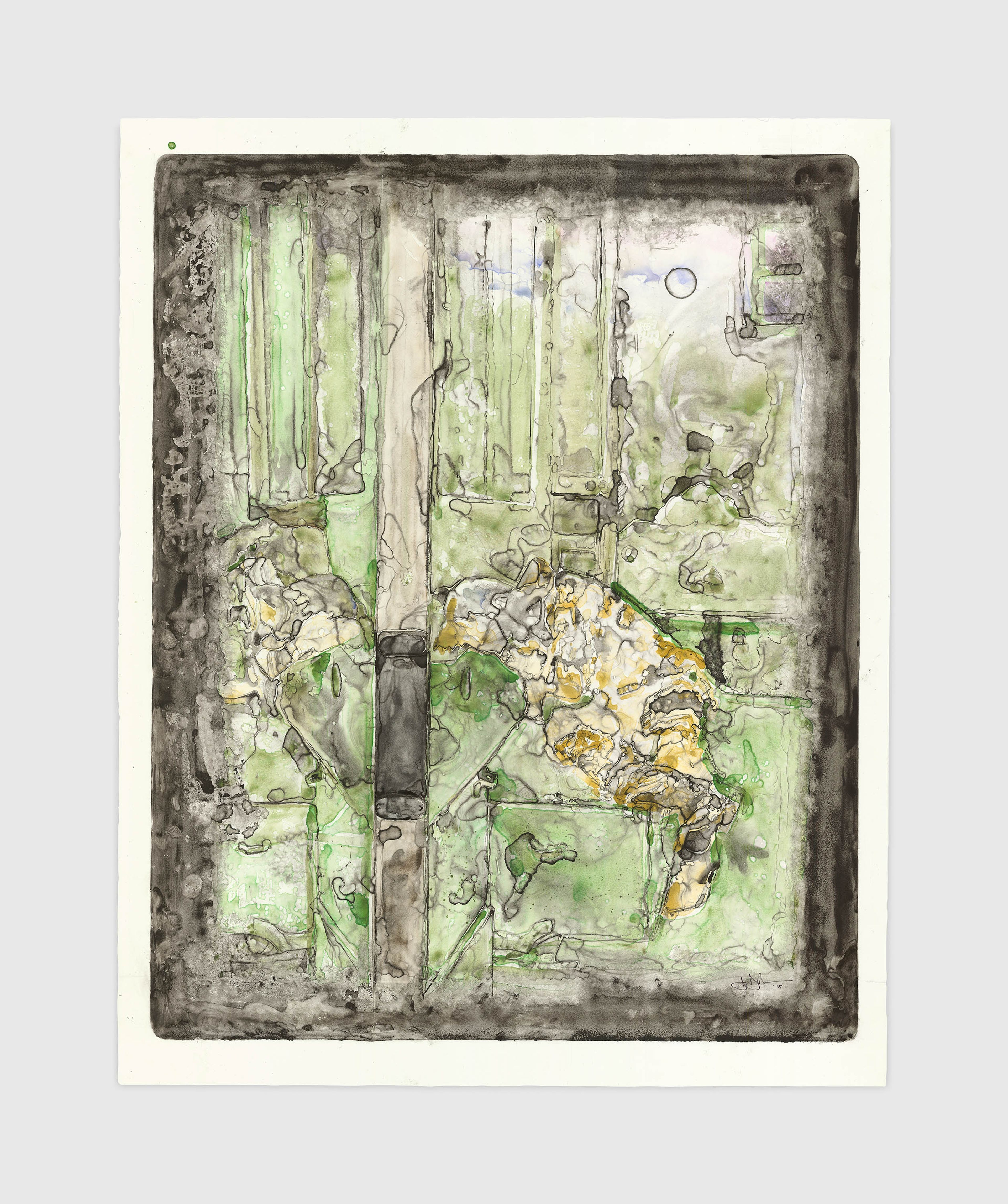
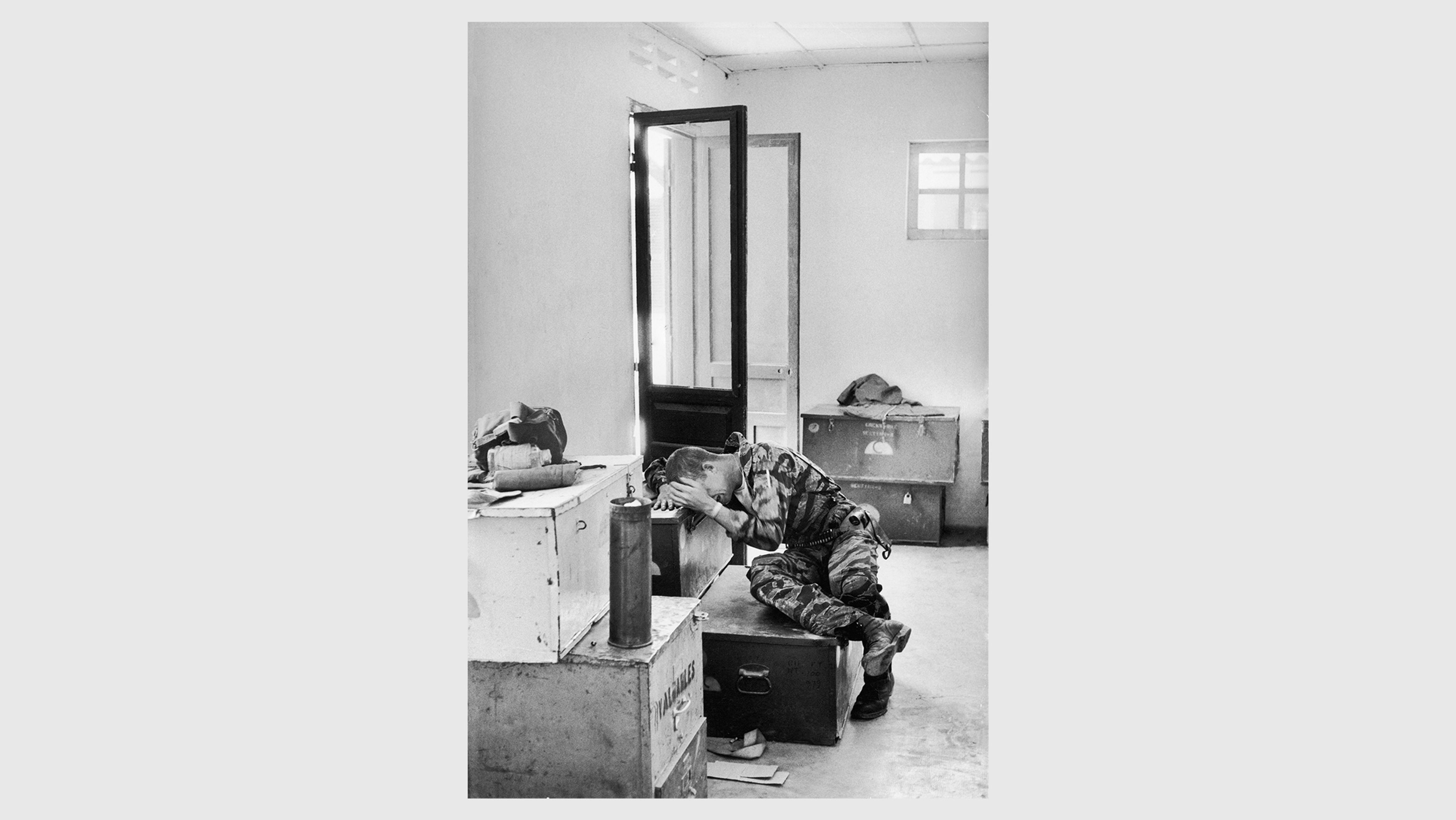
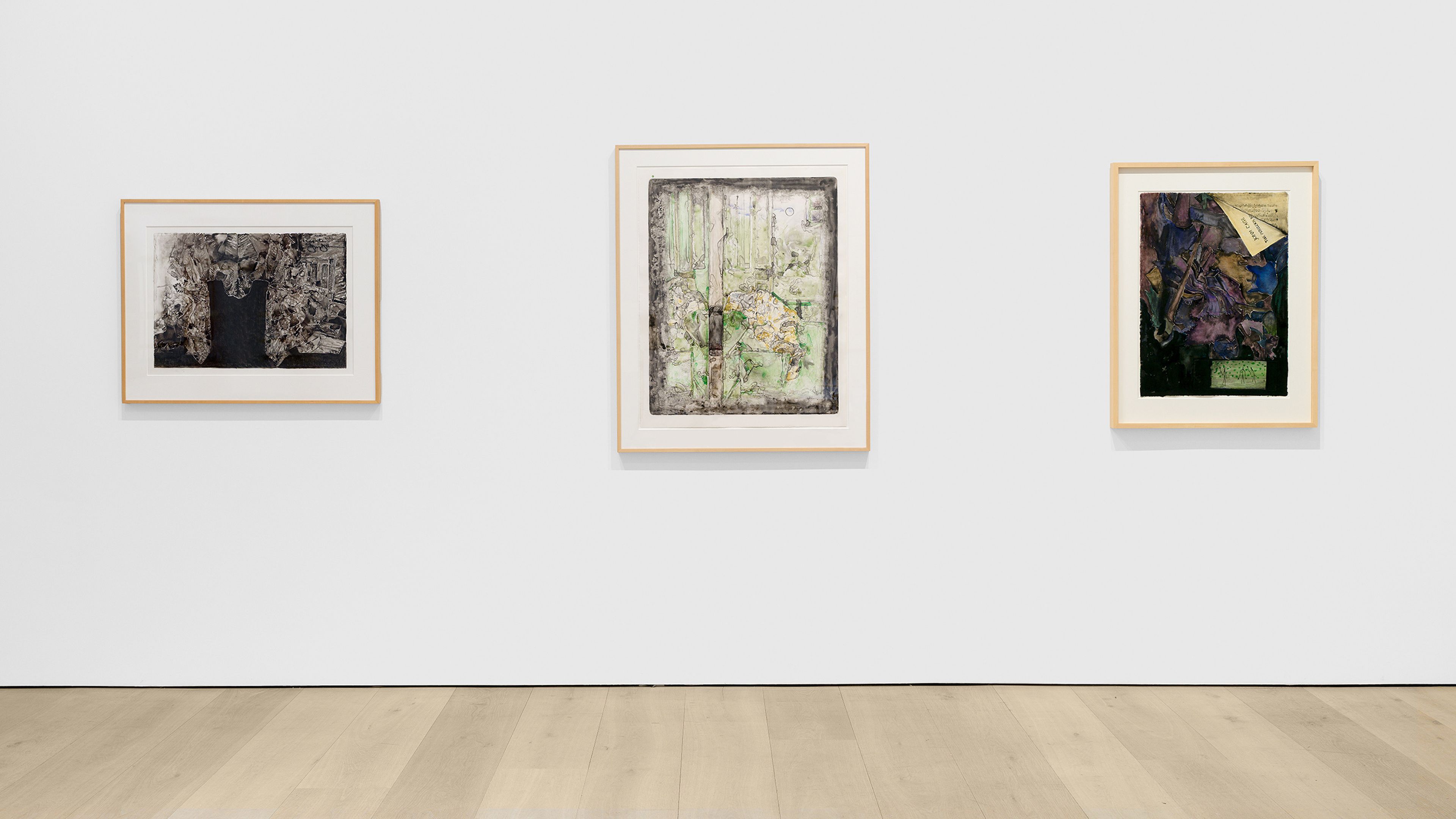
Untitled, a monotype from 2015 and a rare instance of color in the show, is one of several works Johns made beginning in 2002 that reproduces an image by photojournalist Larry Burrows. The original photograph, which was published in a 1965 issue of Life magazine, shows Marine Lance Corporal James C. Farley in Vietnam, distraught after a failed mission under his command.

Larry Burrows, Marine lance corporal James C. Farley crying in office over death of fellow soldiers during Vietnam War, Vietnam, March 31, 1965. Larry Burrows/The LIFE Picture Collection/Shutterstock

“The implications of Johns’s implementation of copy and trace include the variant as an analogue for cognition—for presence and absence, actuality and metaphor, memory and forgetting. The paradox at the heart of his practice is that difference is intrinsic to the act of making things the same.”

—Jeffrey Weiss, curator

Installation view, Jasper Johns: Copy/Trace, David Zwirner, New York, 2026
Essay © 2026 Jeffrey Weiss 

Black background, no image

Explore All Works