Isa Genzken: VACATION
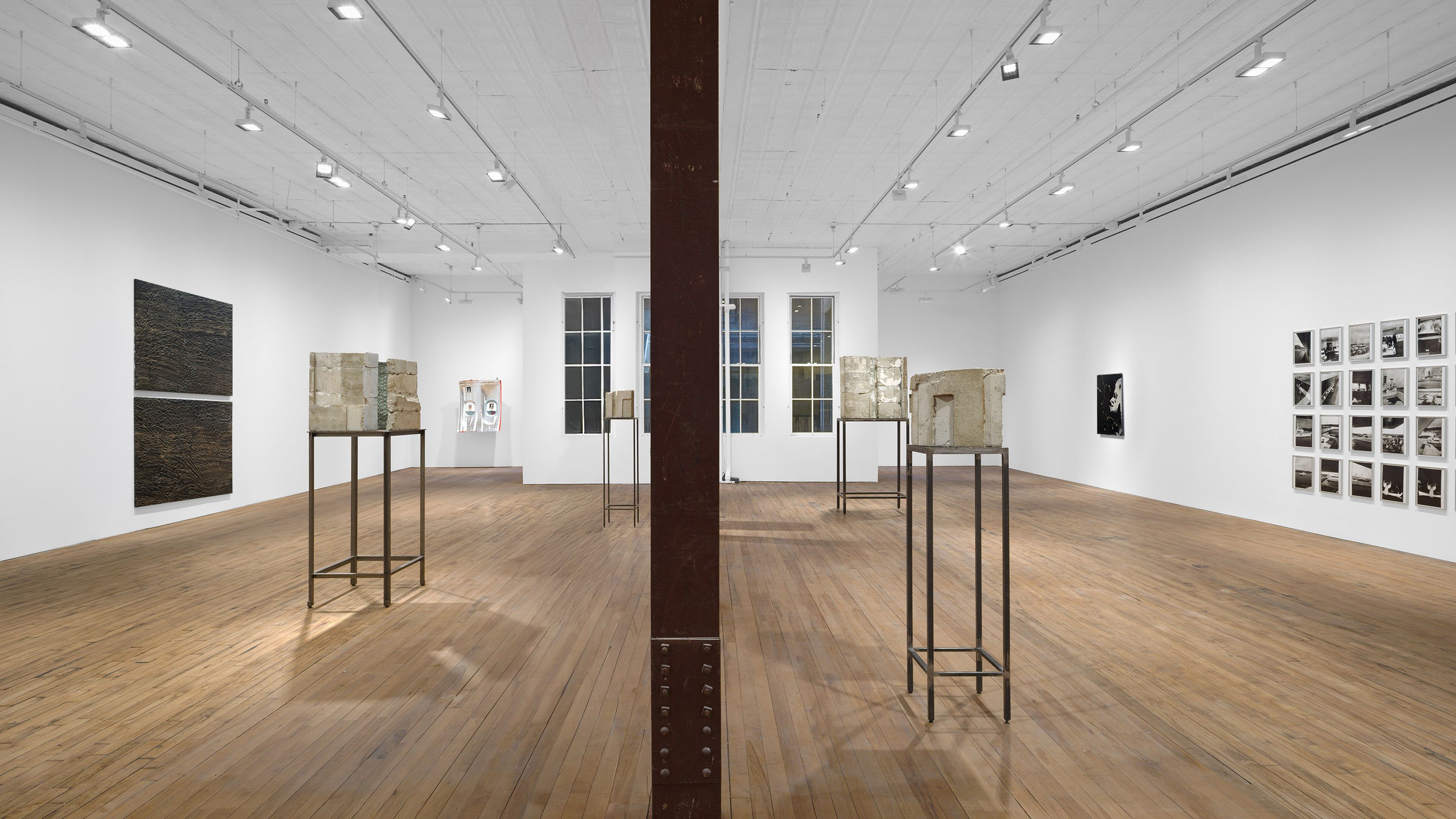
Installation view, Isa Genzken: VACATION, David Zwirner, New York, 2026
Past
March 13—April 18, 2026
Opening Reception
Friday, March 13, 6–8 PM
Opening Reception
Friday, March 13, 6–8 PM
Location
New York: Tribeca
52 Walker Street
New York, New York 10013
Tue, Wed, Thu, Fri, Sat: 10 AM-6 PM
Artist
Curators
Ebony L. Haynes
Explore

Explore All Works
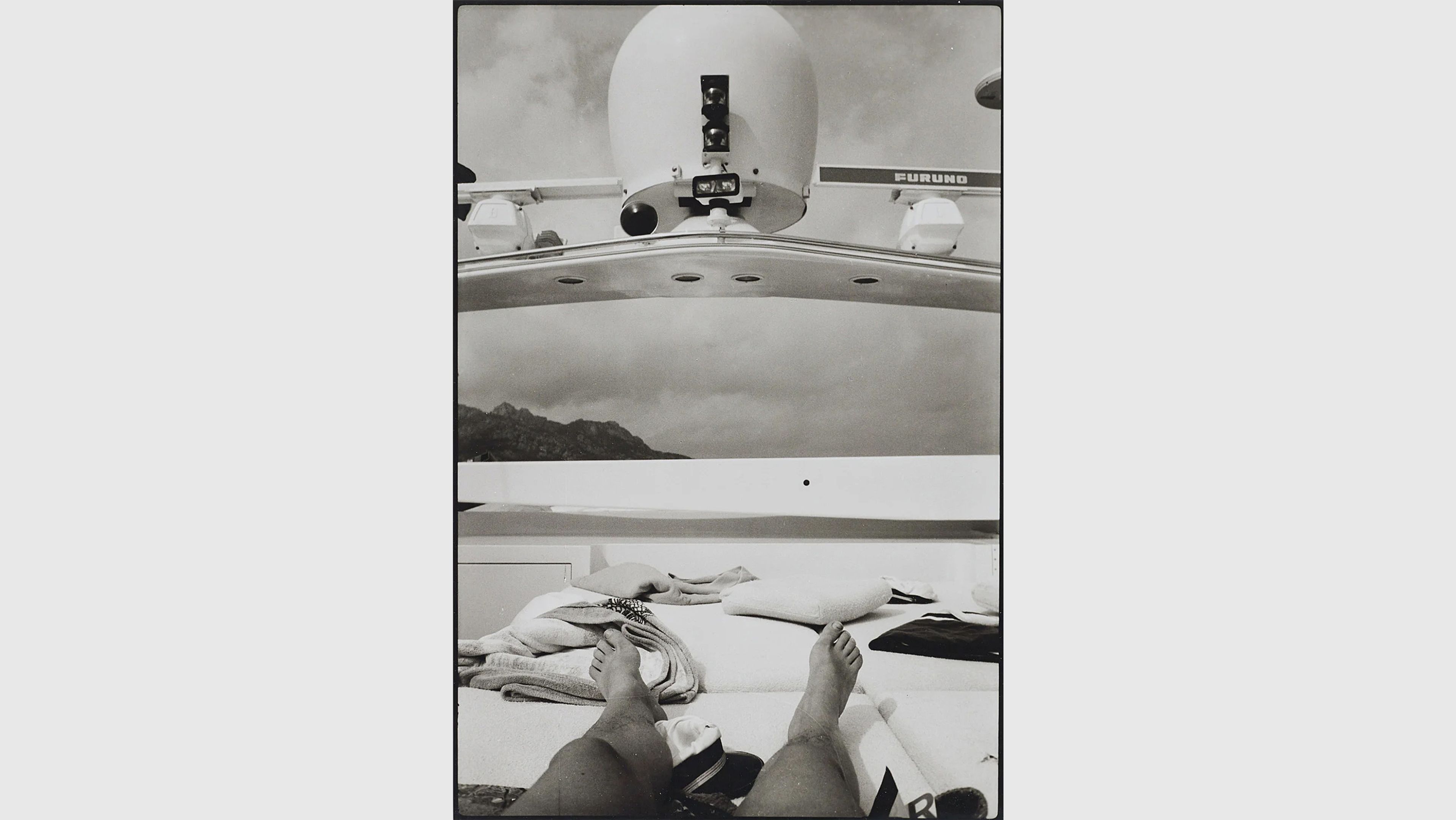
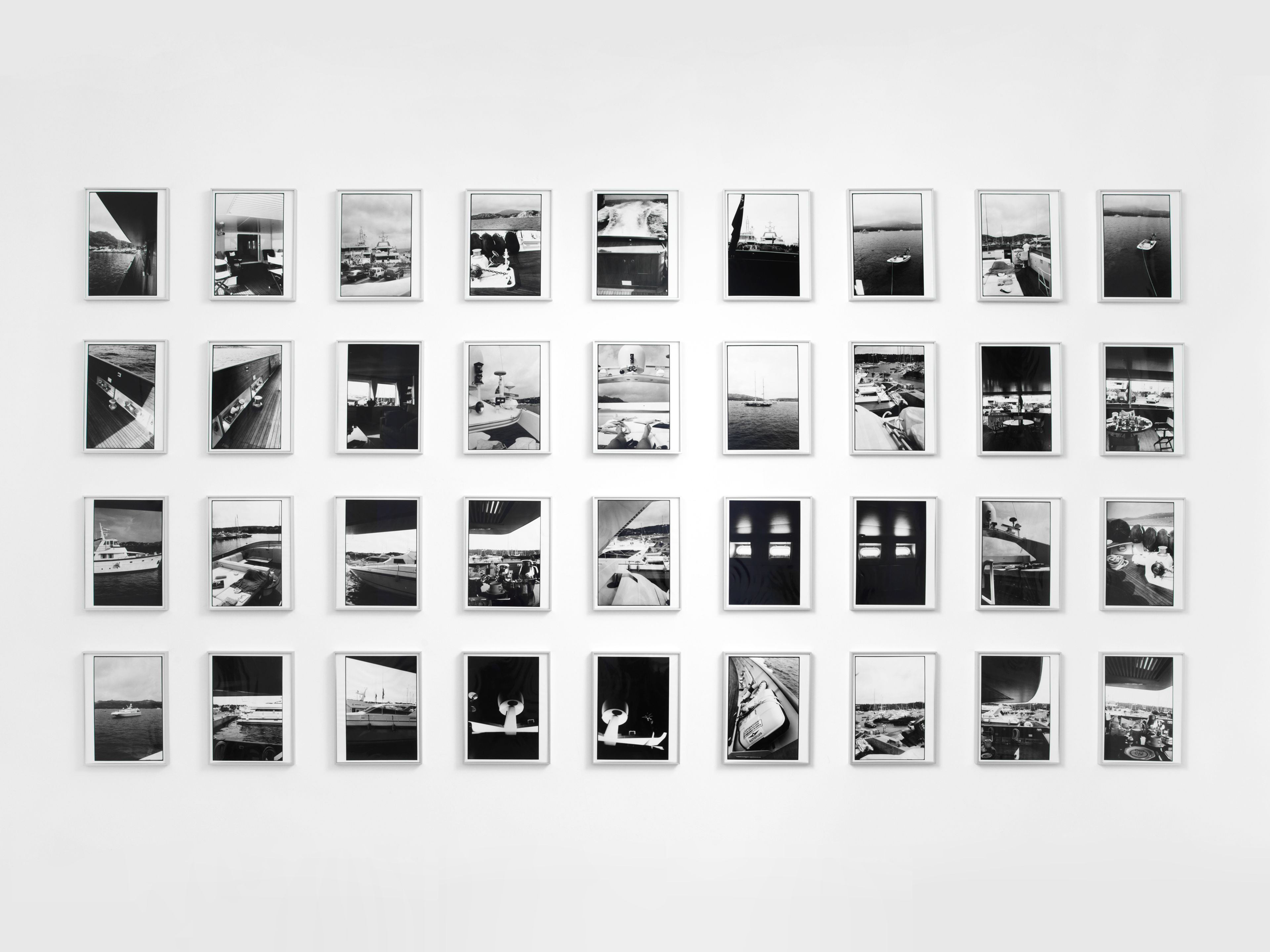
Isa Genzken, Yachturlaub, 1993 (detail)
“The entire art system urgently needs a vacation.”
—Isa Genzken
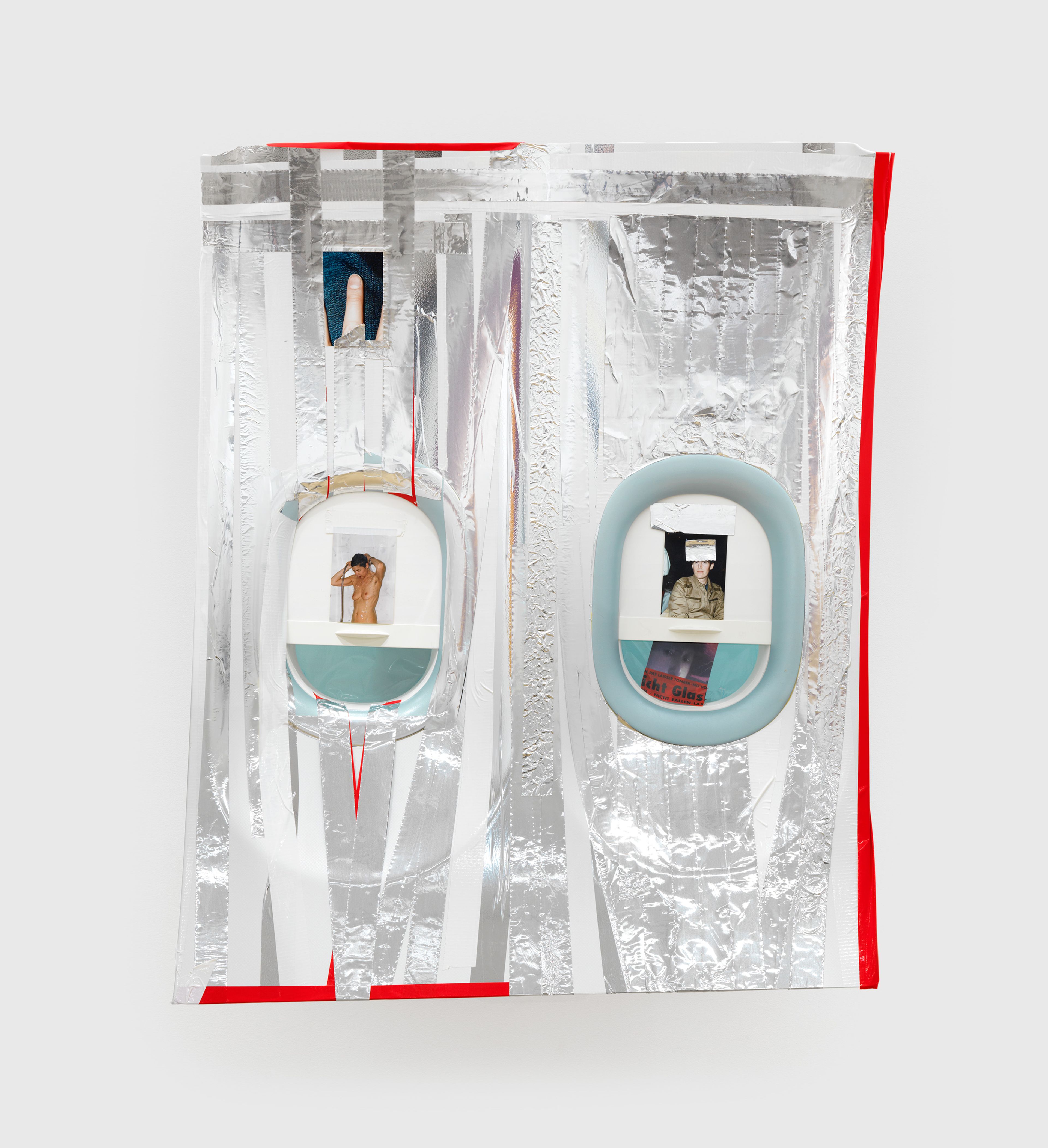
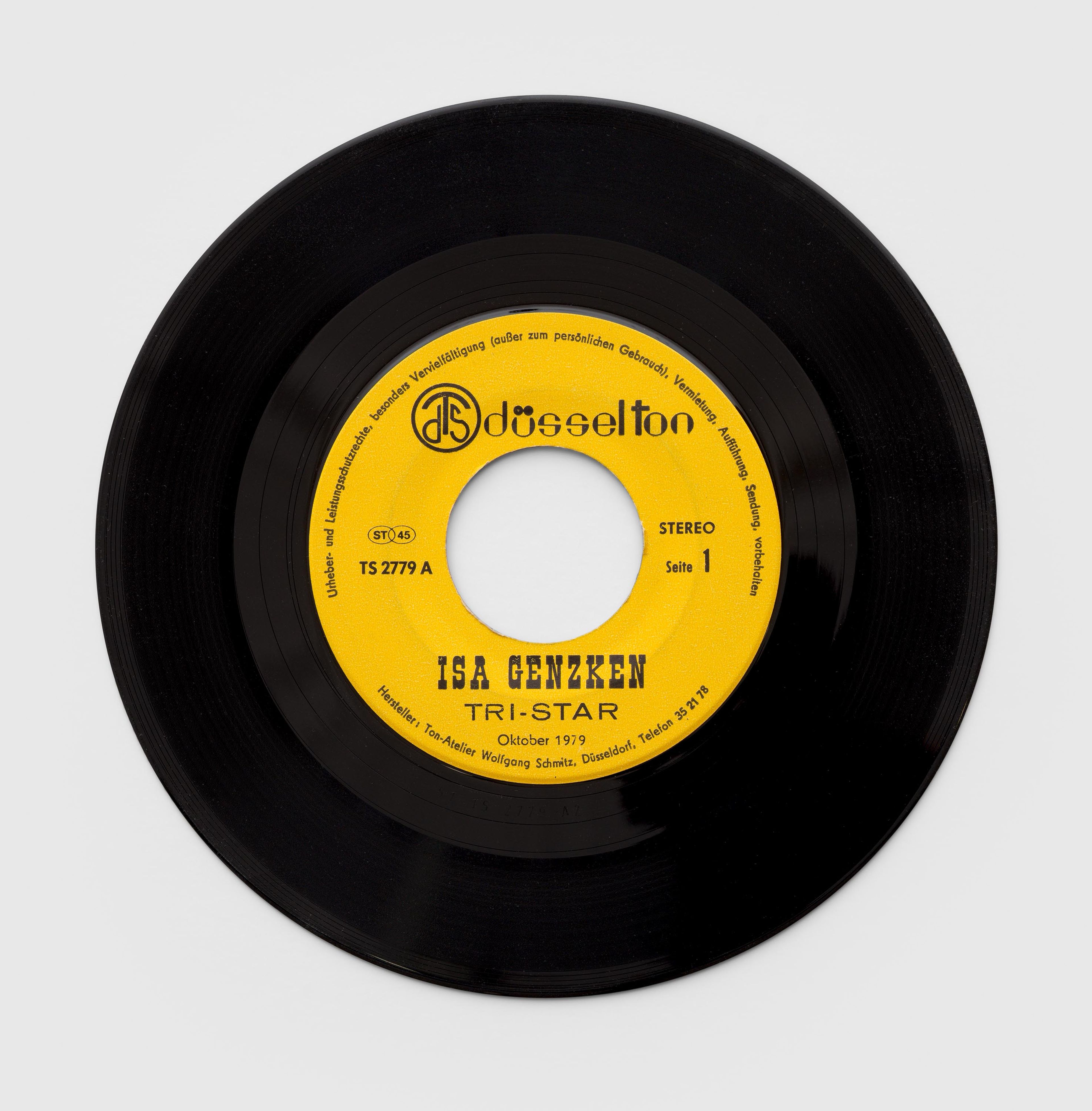
Isa Genzken, Tri-Star, 1979. Seven-inch vinyl record
Adding an aural dimension to the collage is Isa Genzken’s Tri-Star (1979), a phonograph recording of noises made by the motor of the Lockheed L-1011 TriStar airplane, both on display and piped throughout speakers in the gallery.
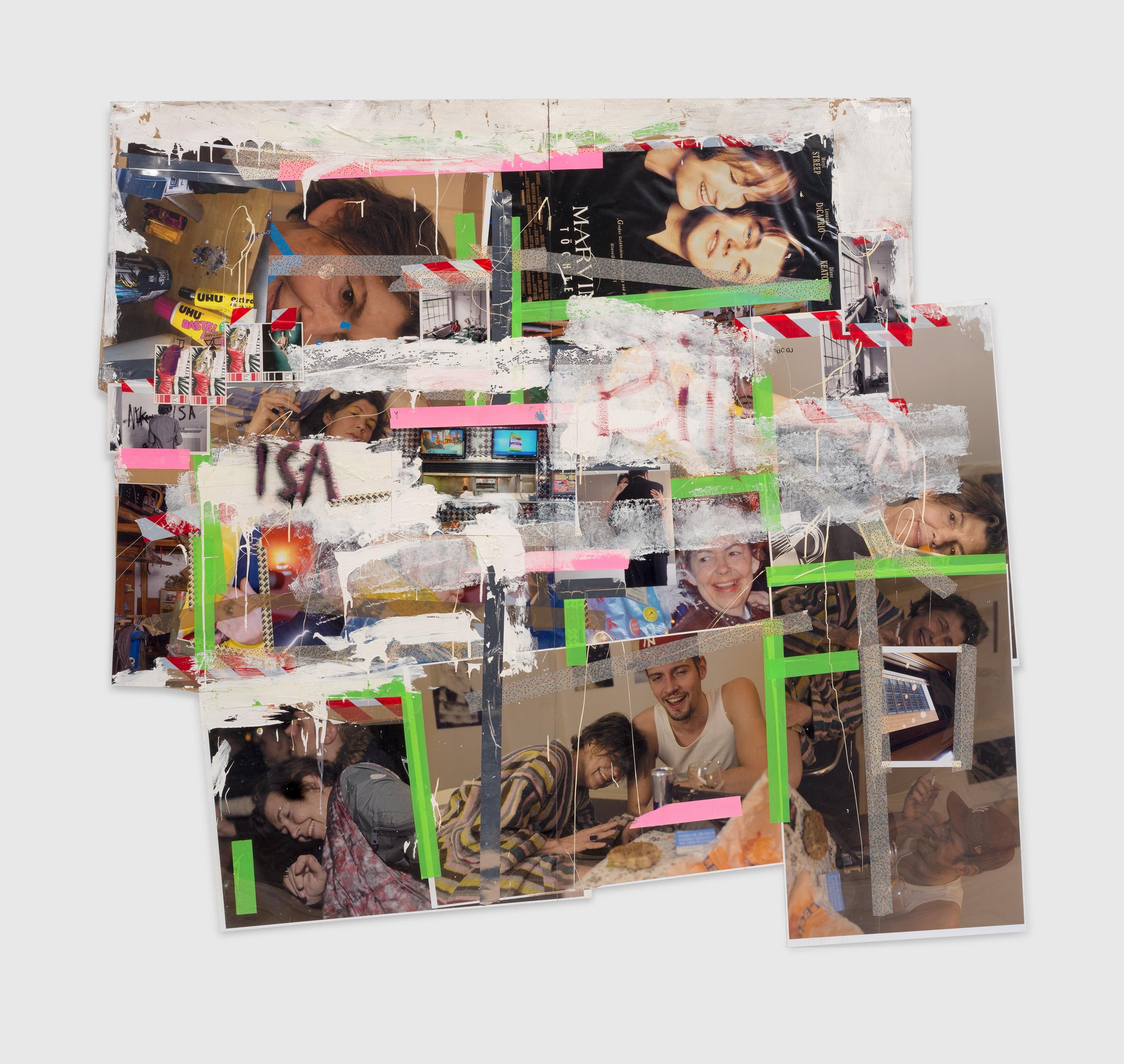
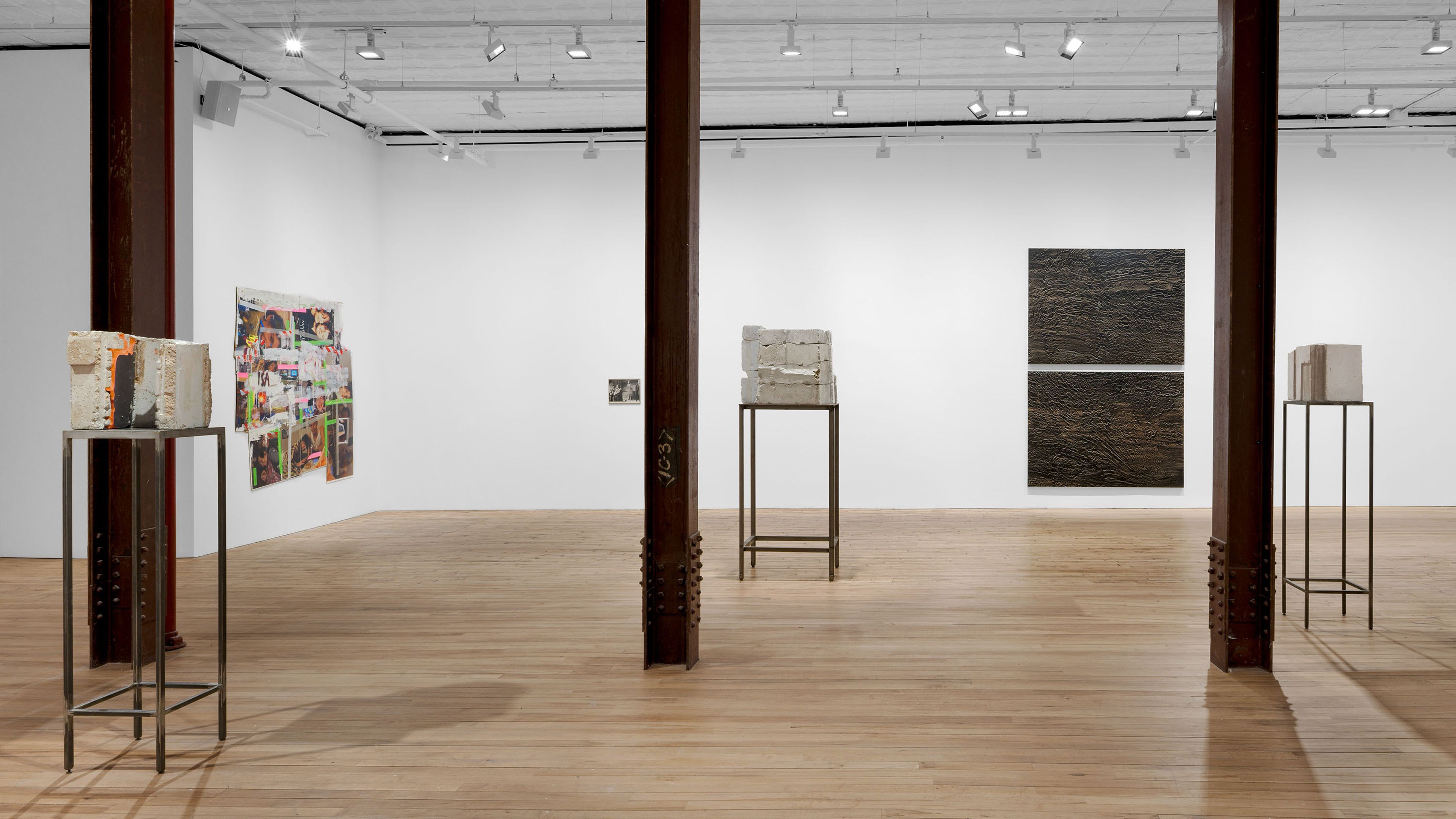
Installation view, Isa Genzken: VACATION, David Zwirner, New York, 2026
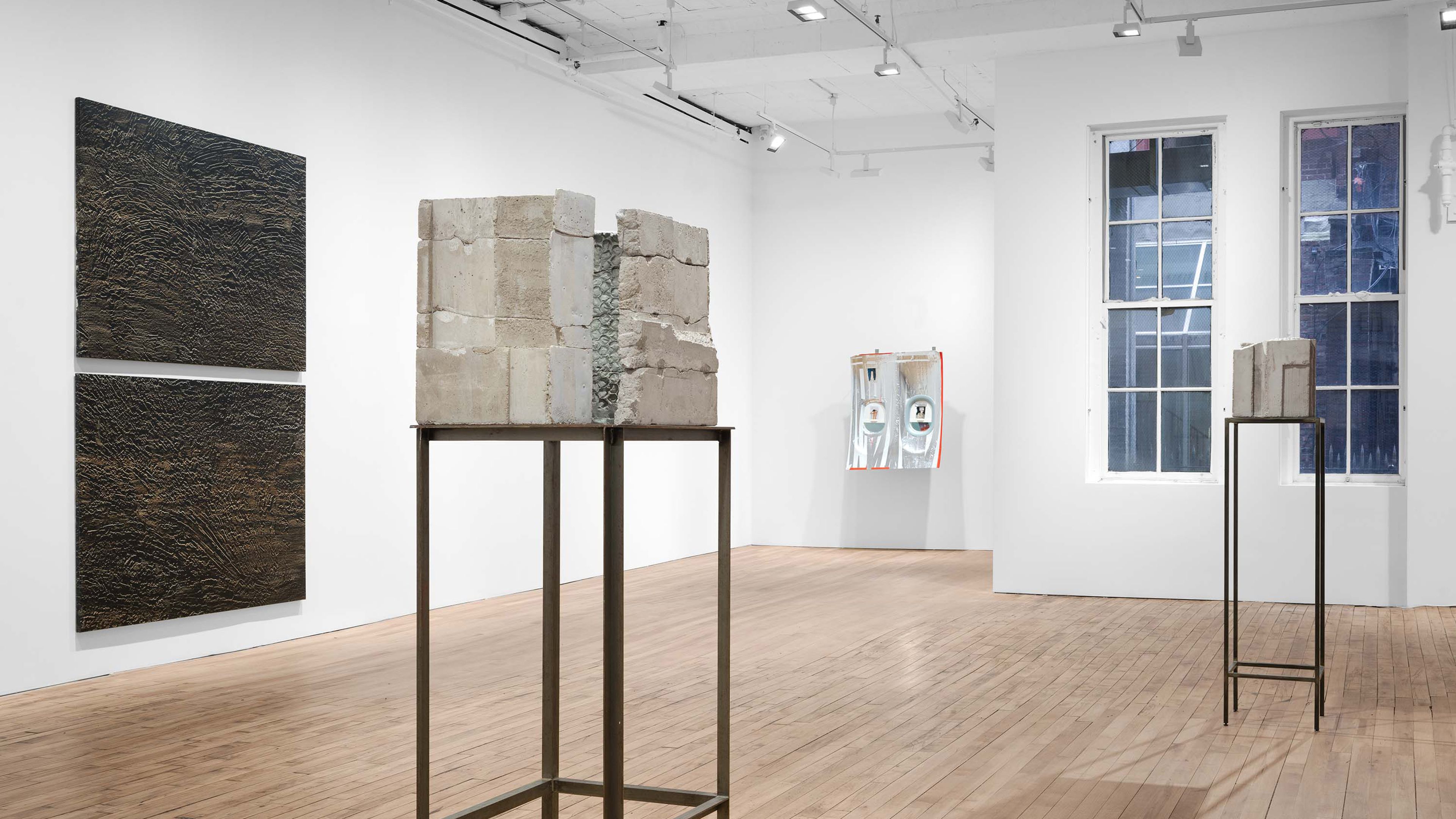
Installation view, Isa Genzken: VACATION, David Zwirner, New York, 2026
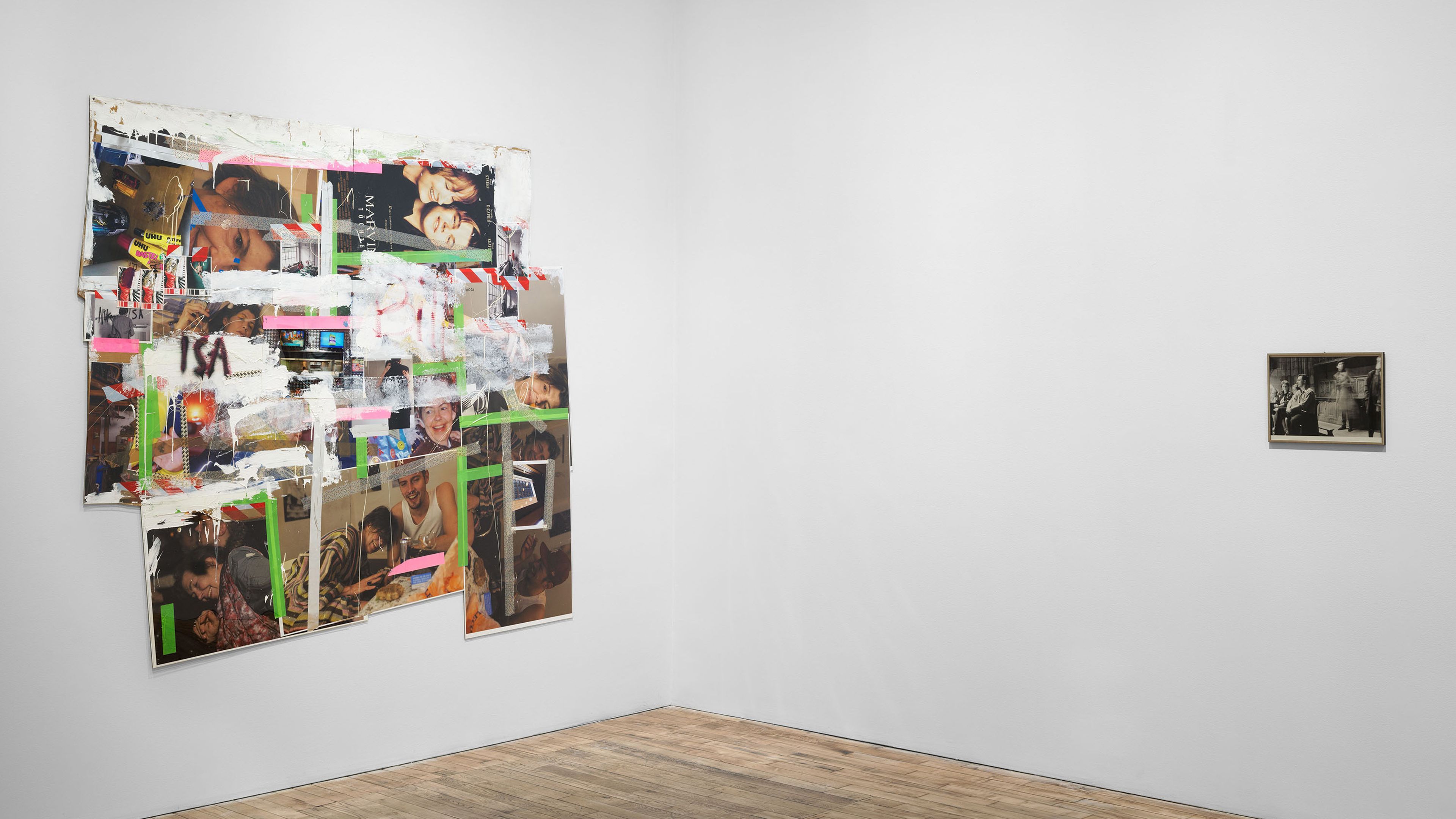
Installation view, Isa Genzken: VACATION, David Zwirner, New York, 2026
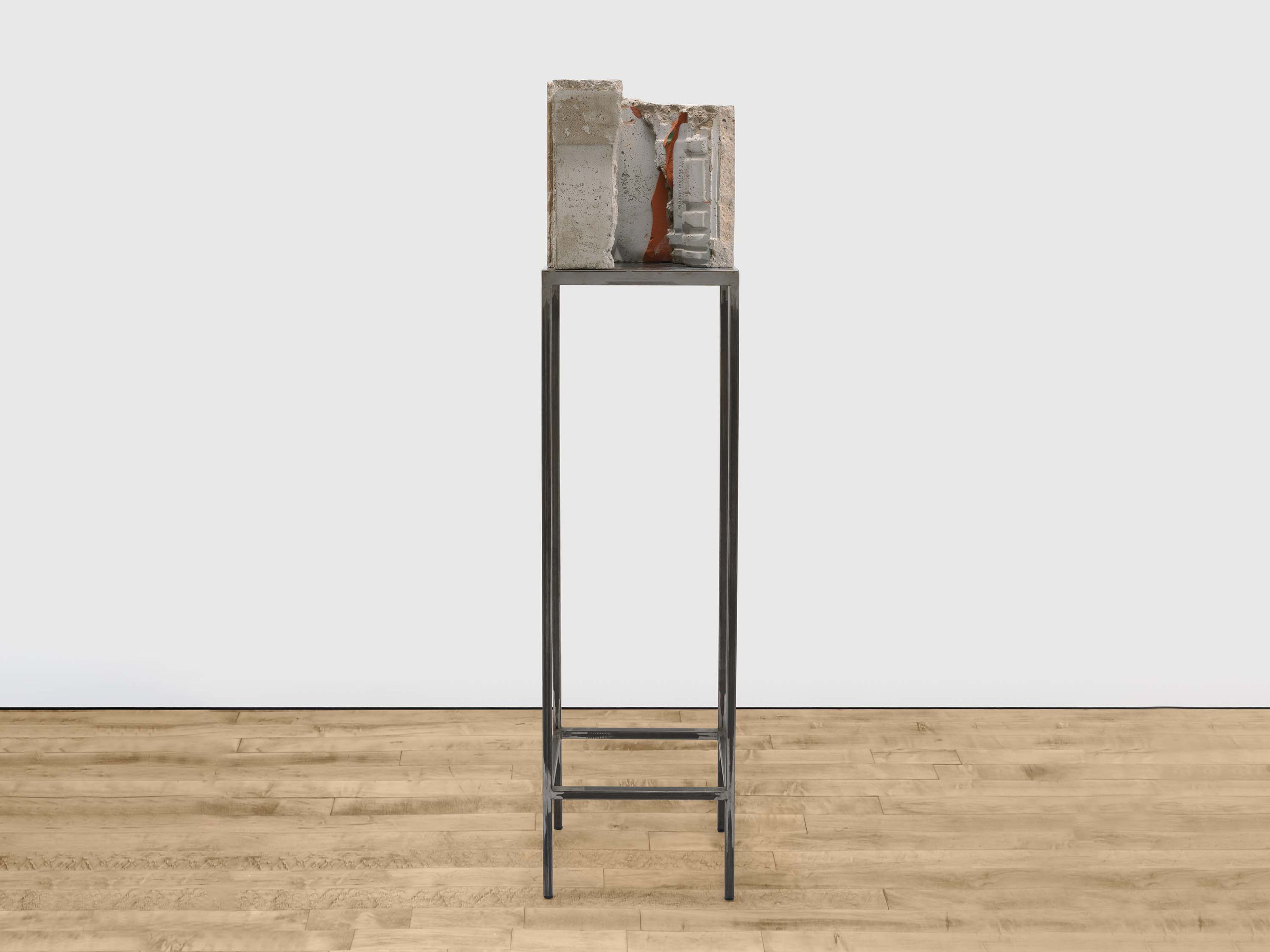
Isa Genzken, Kapelle, 1989 (detail)
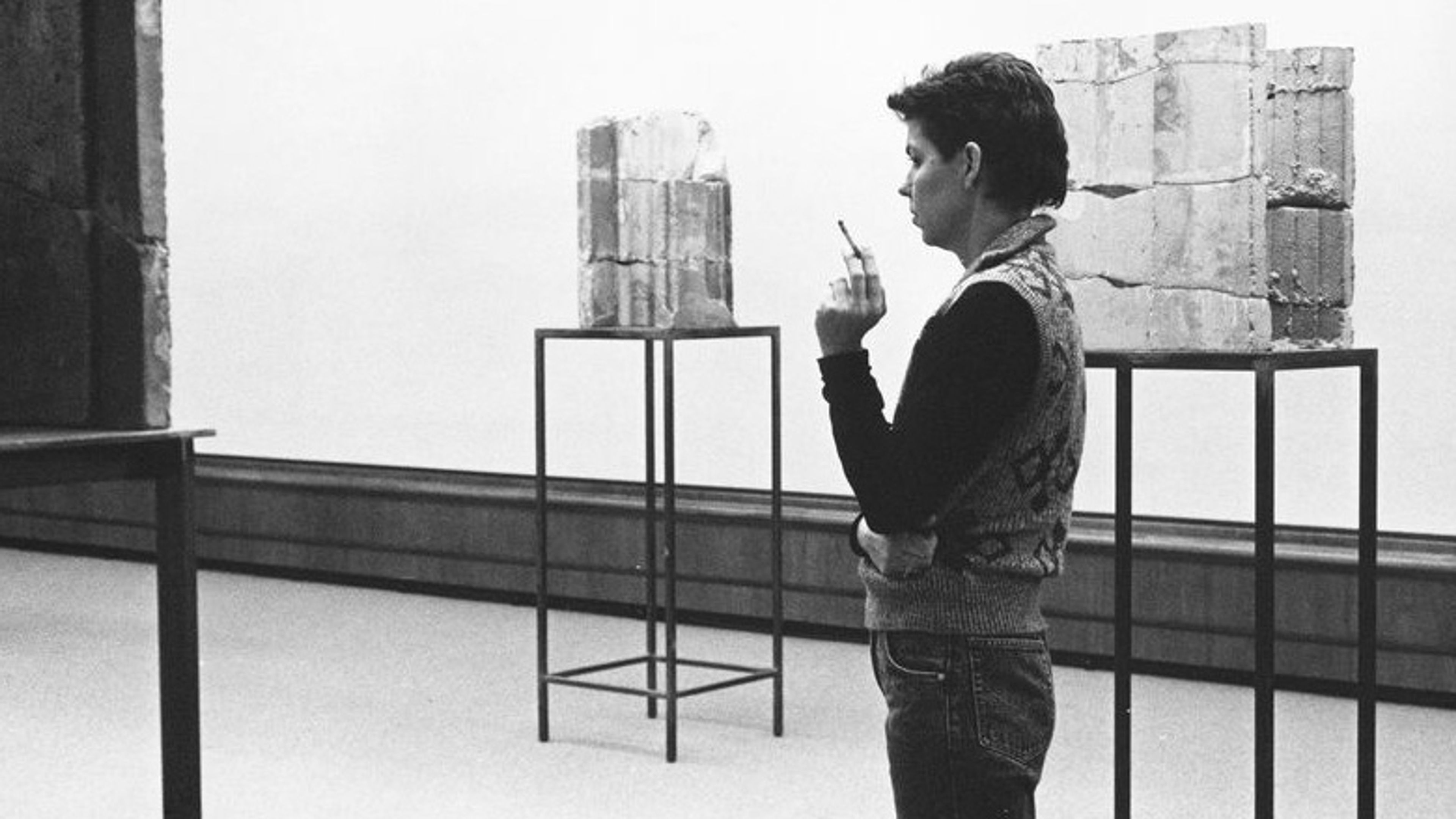
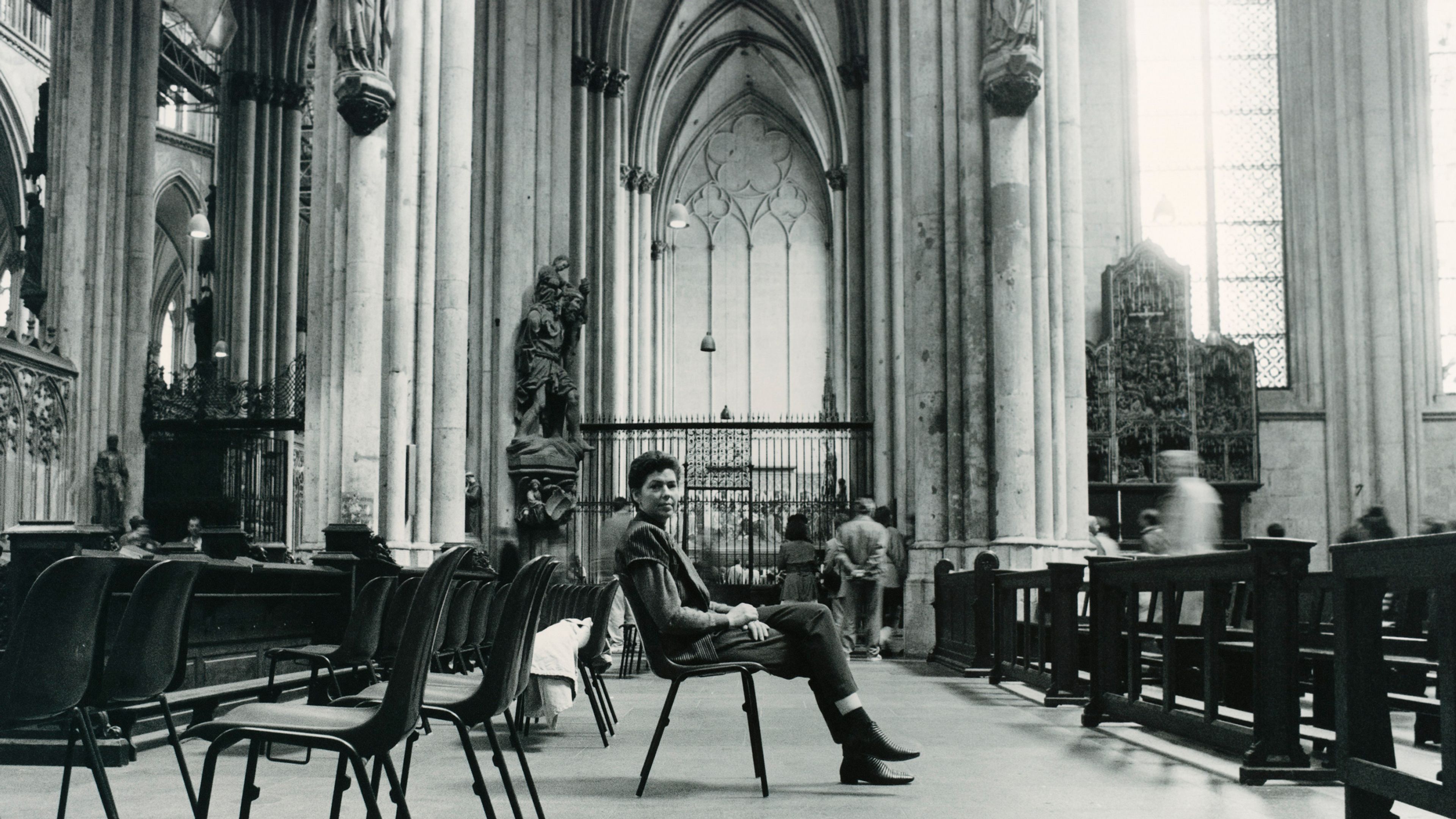
Isa Genzken at her exhibition at Kunstmuseum Winterthur, Switzerland, 1989. © 2026 Artists Rights Society (ARS), New York / VG Bild-Kunst, Bonn. Photo by Jan Jedlicka
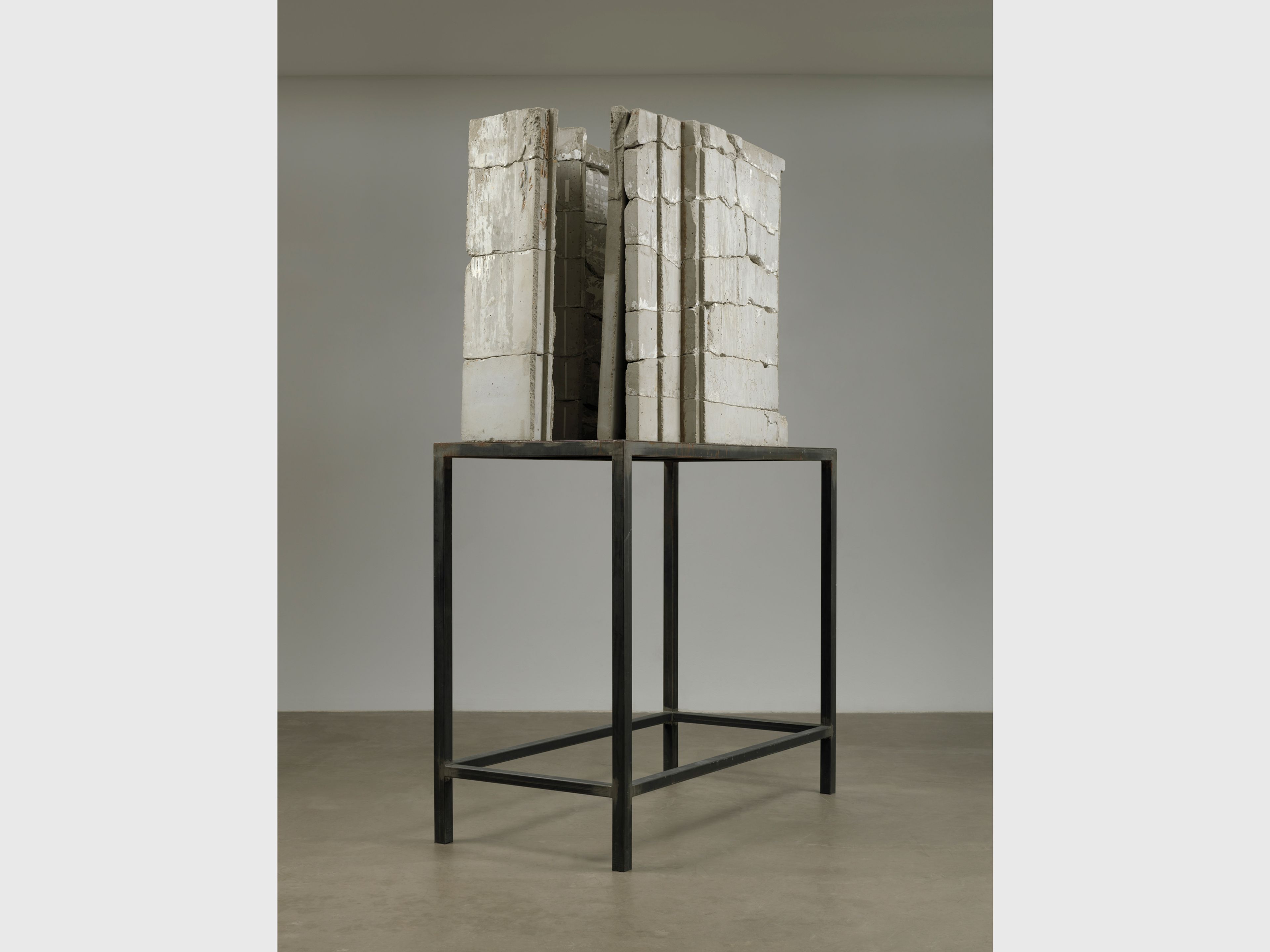
Isa Genzken, Bilder (Painting), 1989. Collection of the Museum of Modern Art, New York. Digital Image © The Museum of Modern Art/Licensed by SCALA / Art Resource, NY
“Not only negating any notion of an innate sculptural dynamic toward architecture and collective public experience in the present, her ruinous refusals assaulted the governing codes and prevailing conditions of German reconstruction architecture in all its misery.”
—Benjamin Buchloh
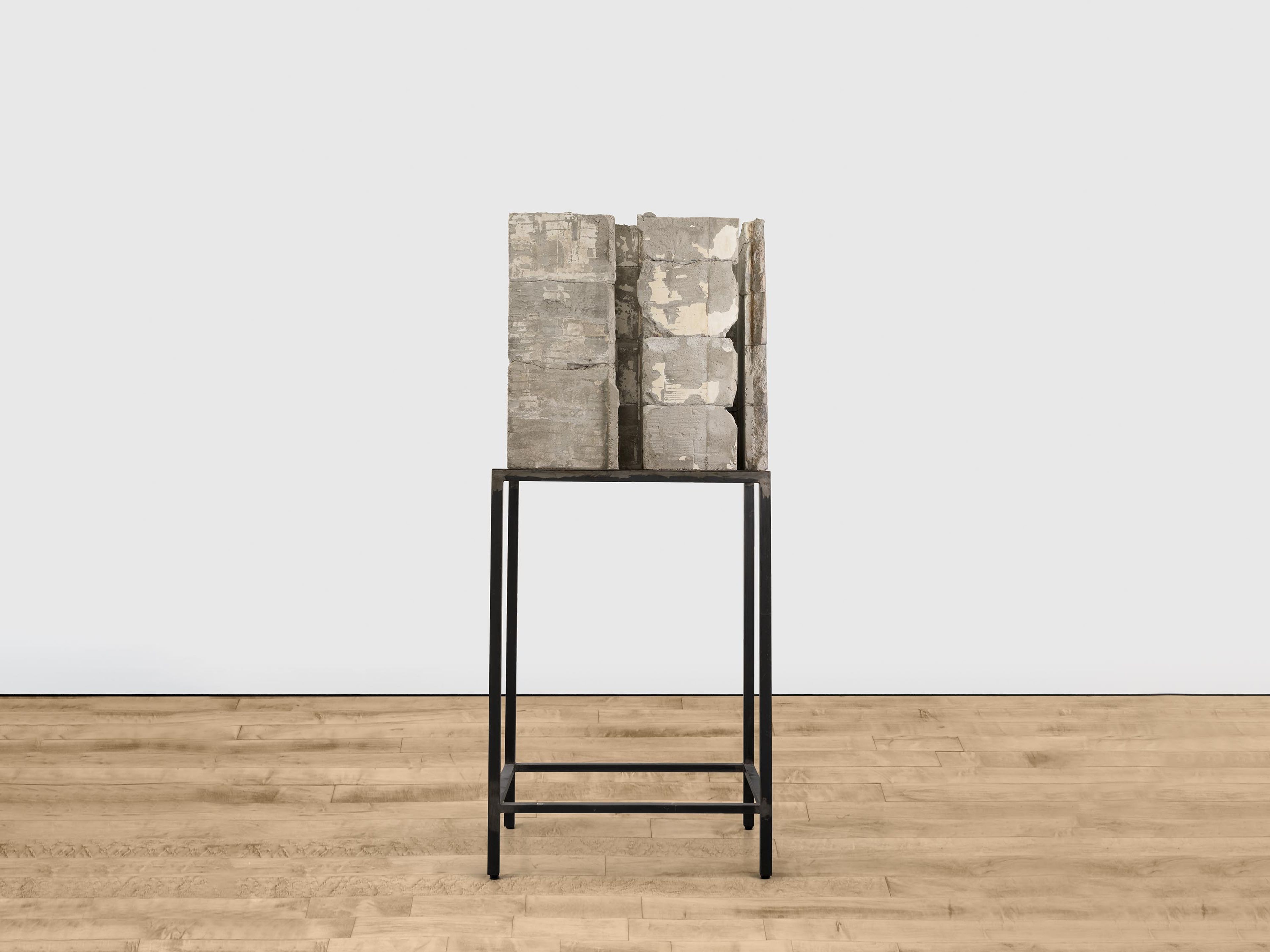
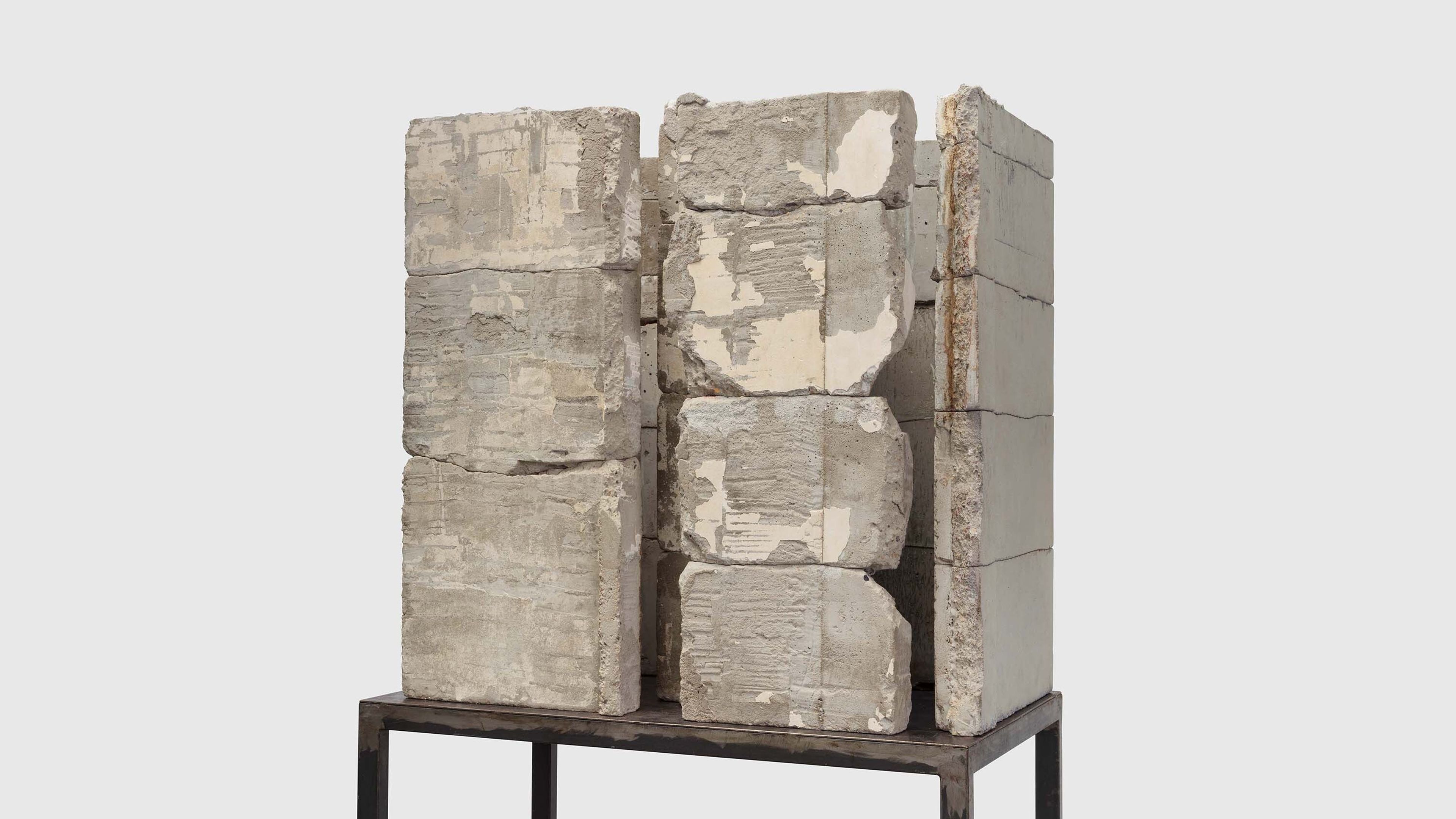
Isa Genzken, Dom, 1989 (detail)
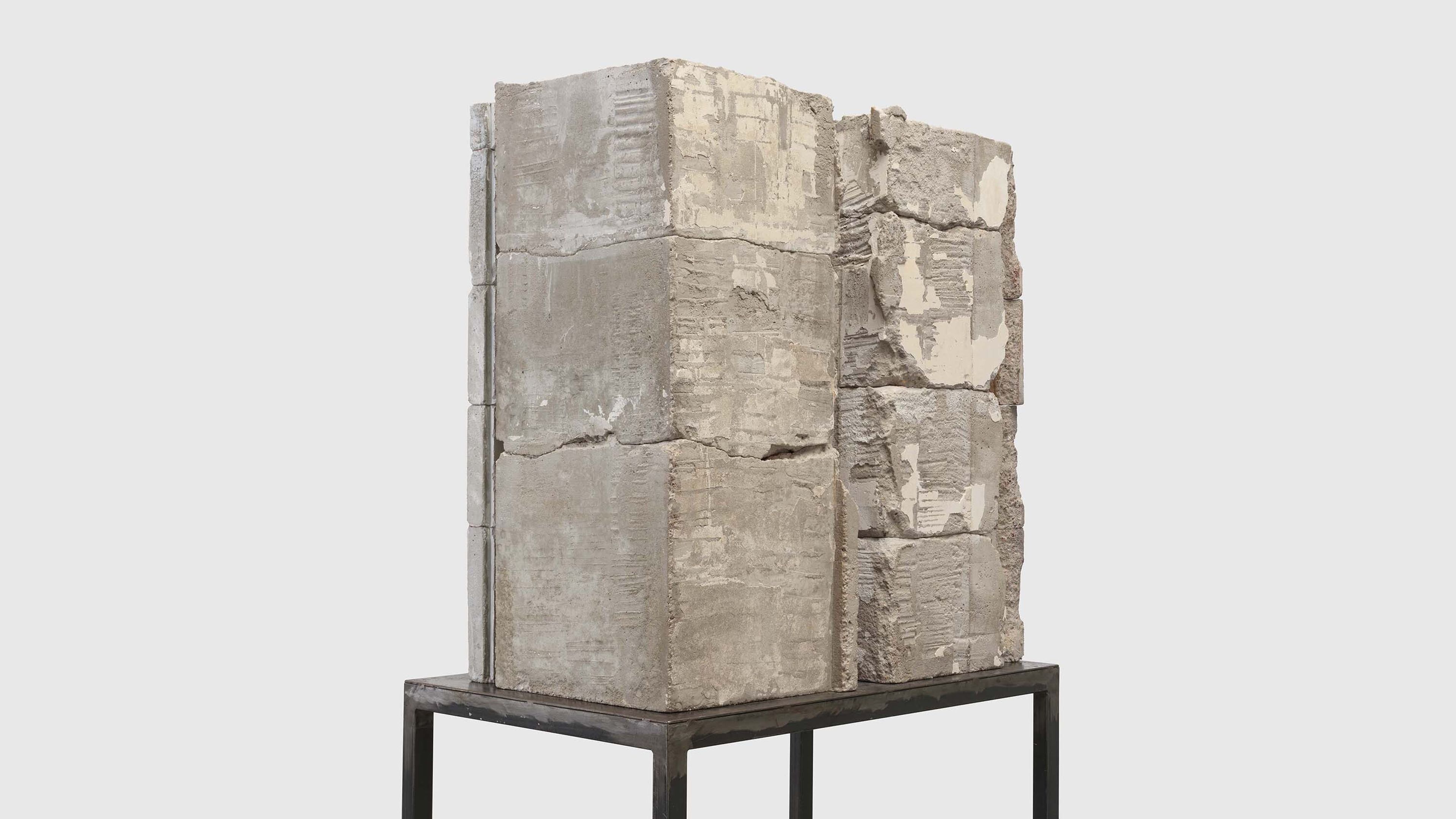
Isa Genzken, Dom, 1989 (detail)
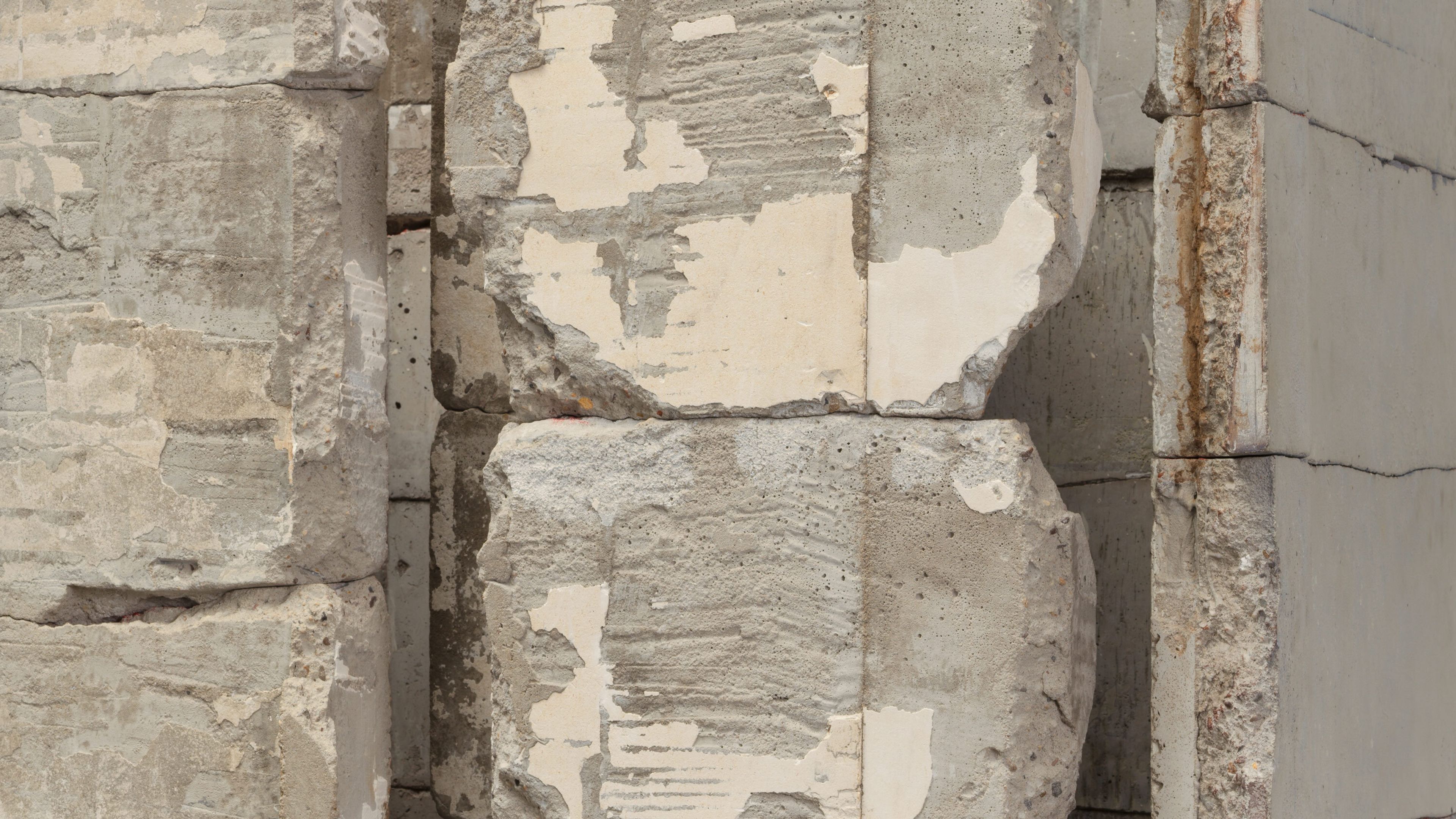
Isa Genzken, Dom, 1989 (detail)
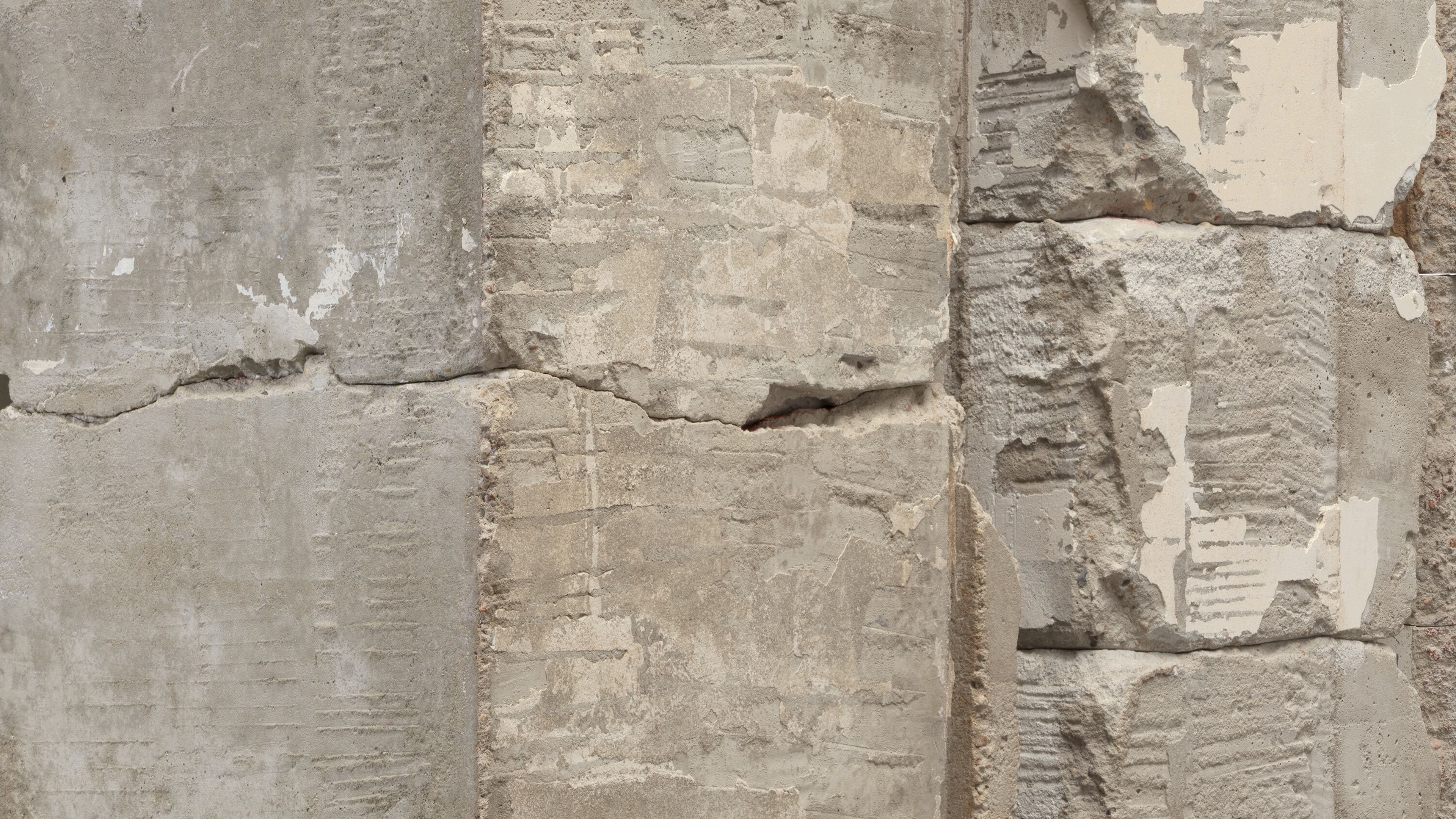
Isa Genzken, Dom, 1989 (detail)
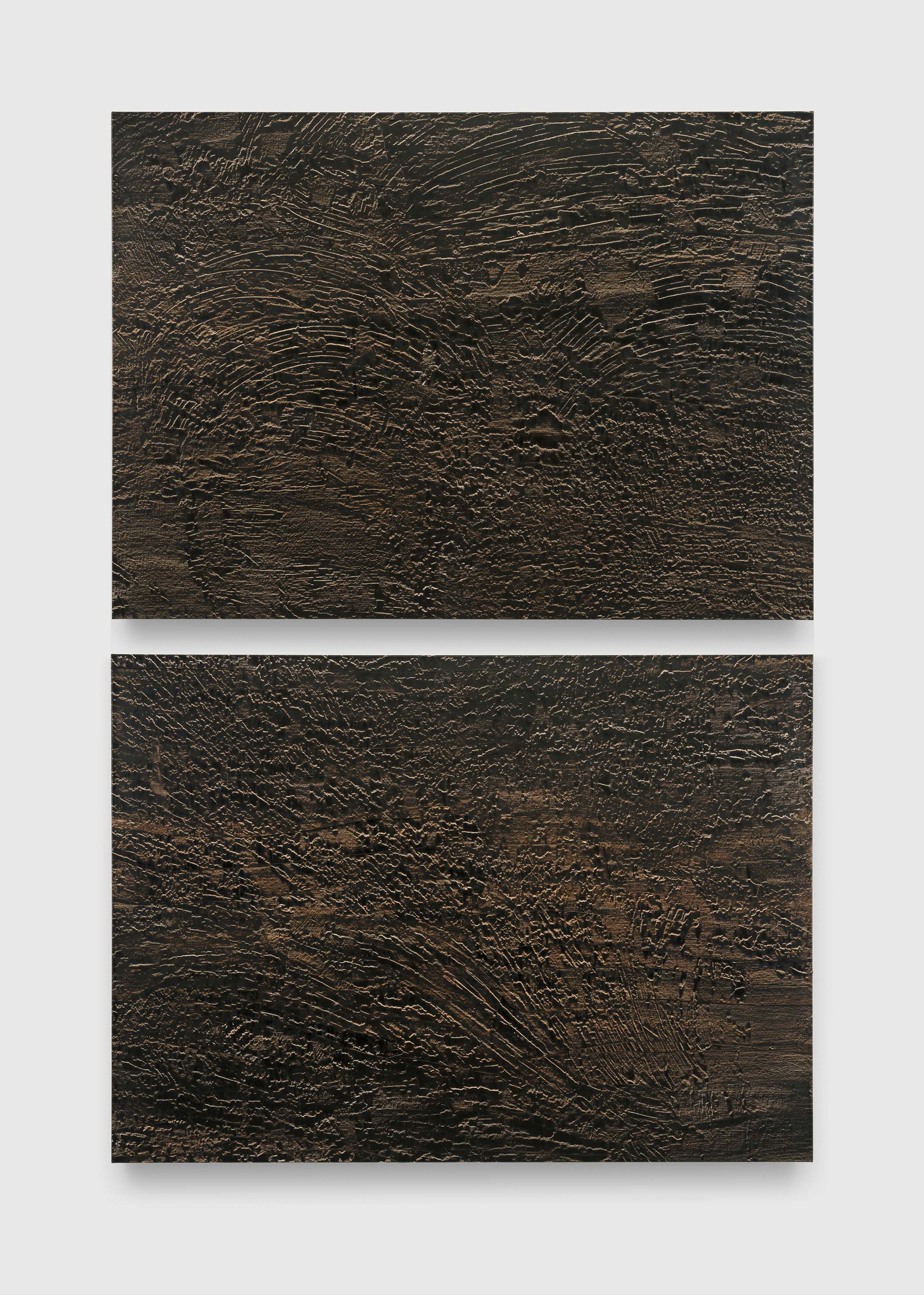
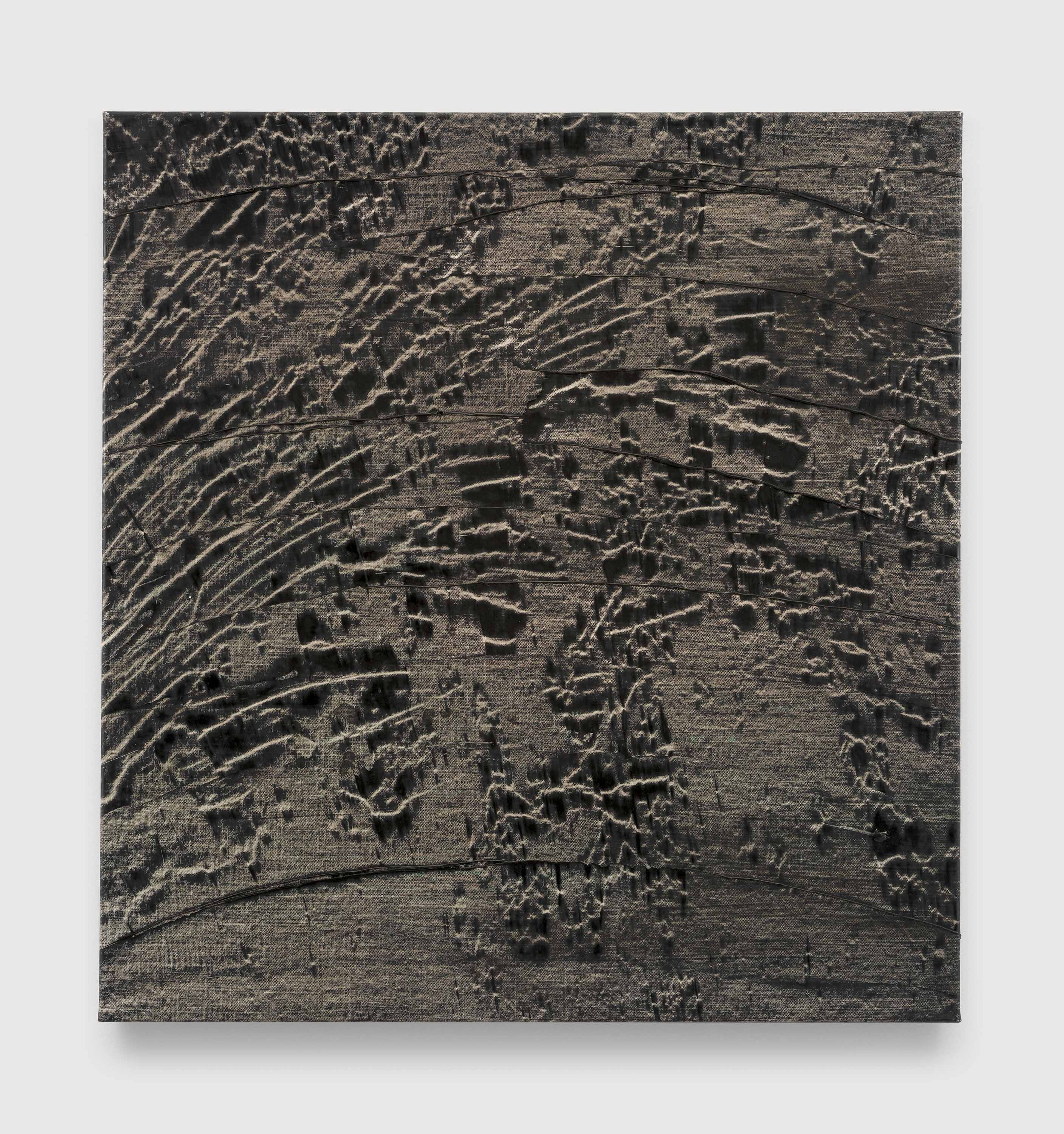
“The result is reminiscent, both in form and content, of a photograph—and, in a larger sense, an artist’s portrait, represented by an index of her activities in the studio.”
—Sabine Breitwieser, curator
Installation view, Isa Genzken: VACATION, David Zwirner, New York, 2026
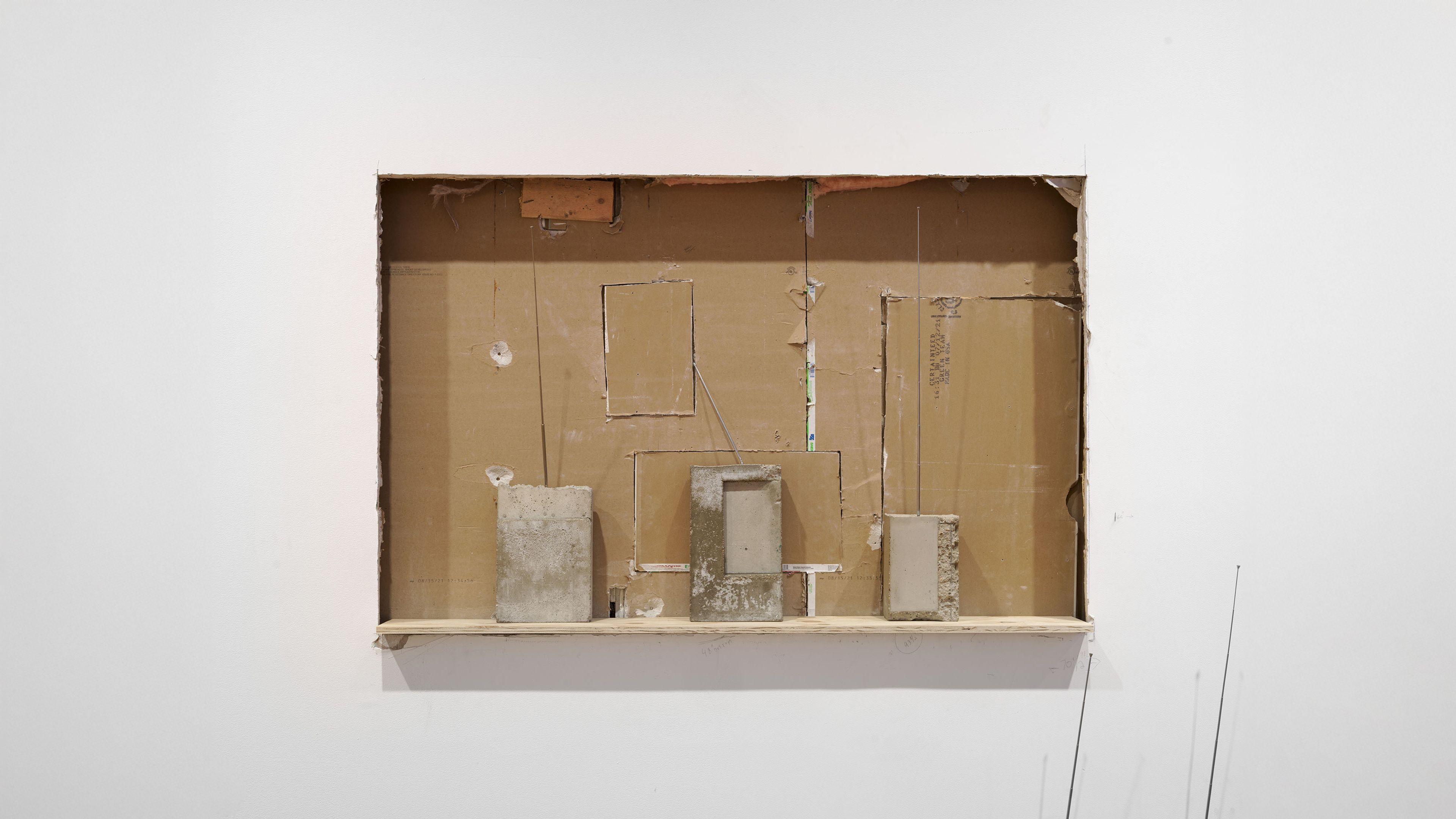
Installation view, Isa Genzken: VACATION, David Zwirner, New York, 2026
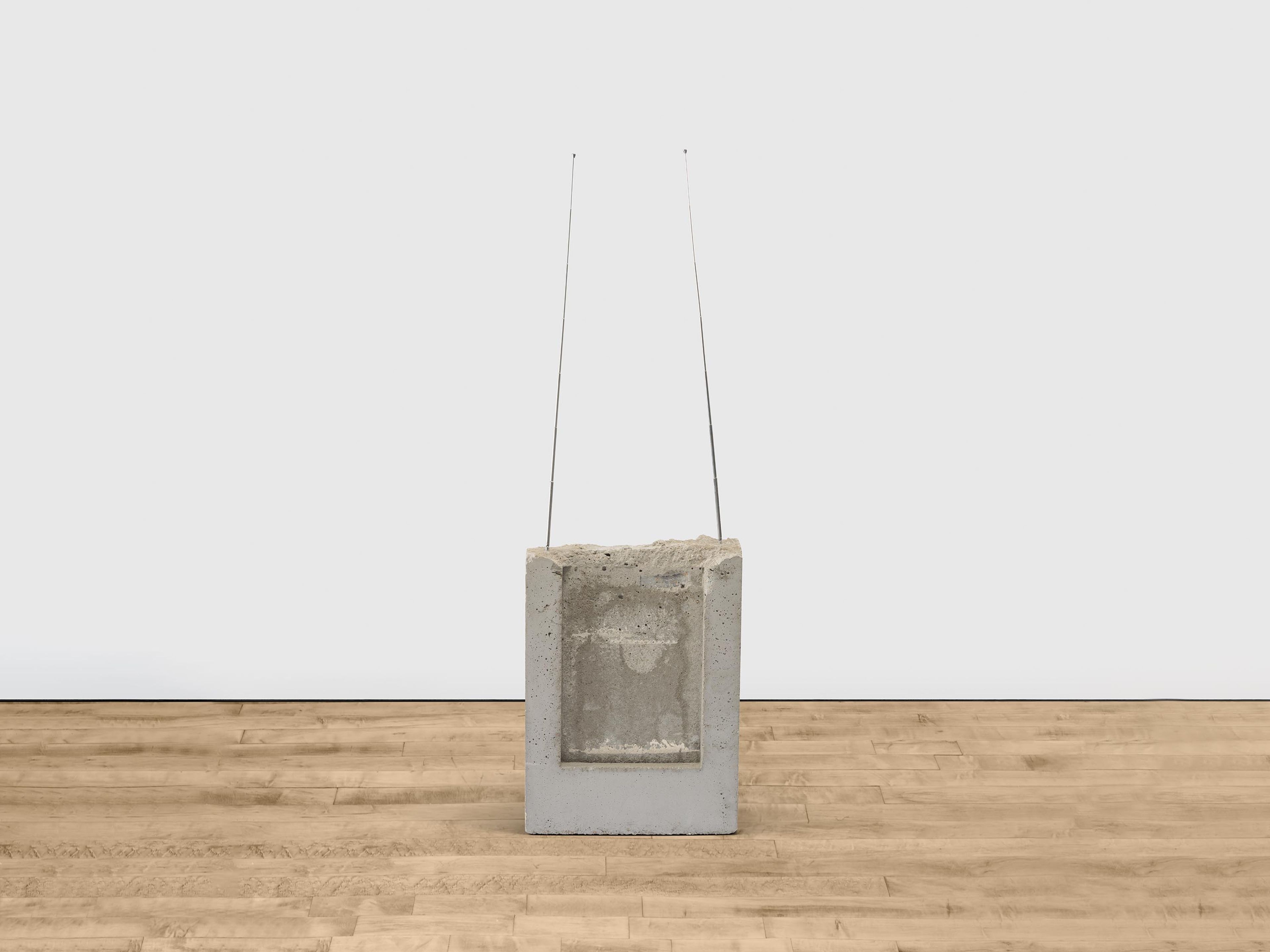
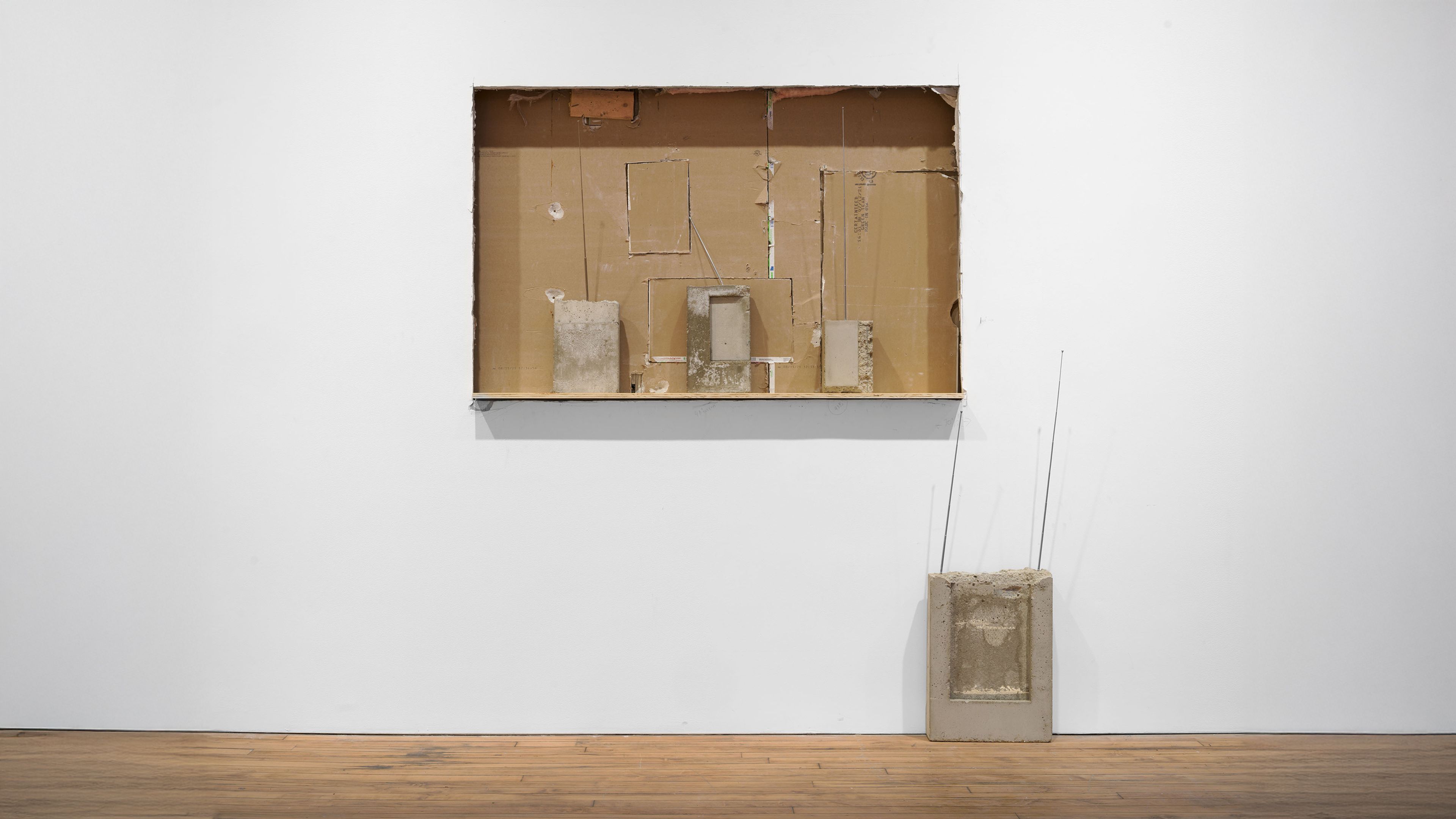
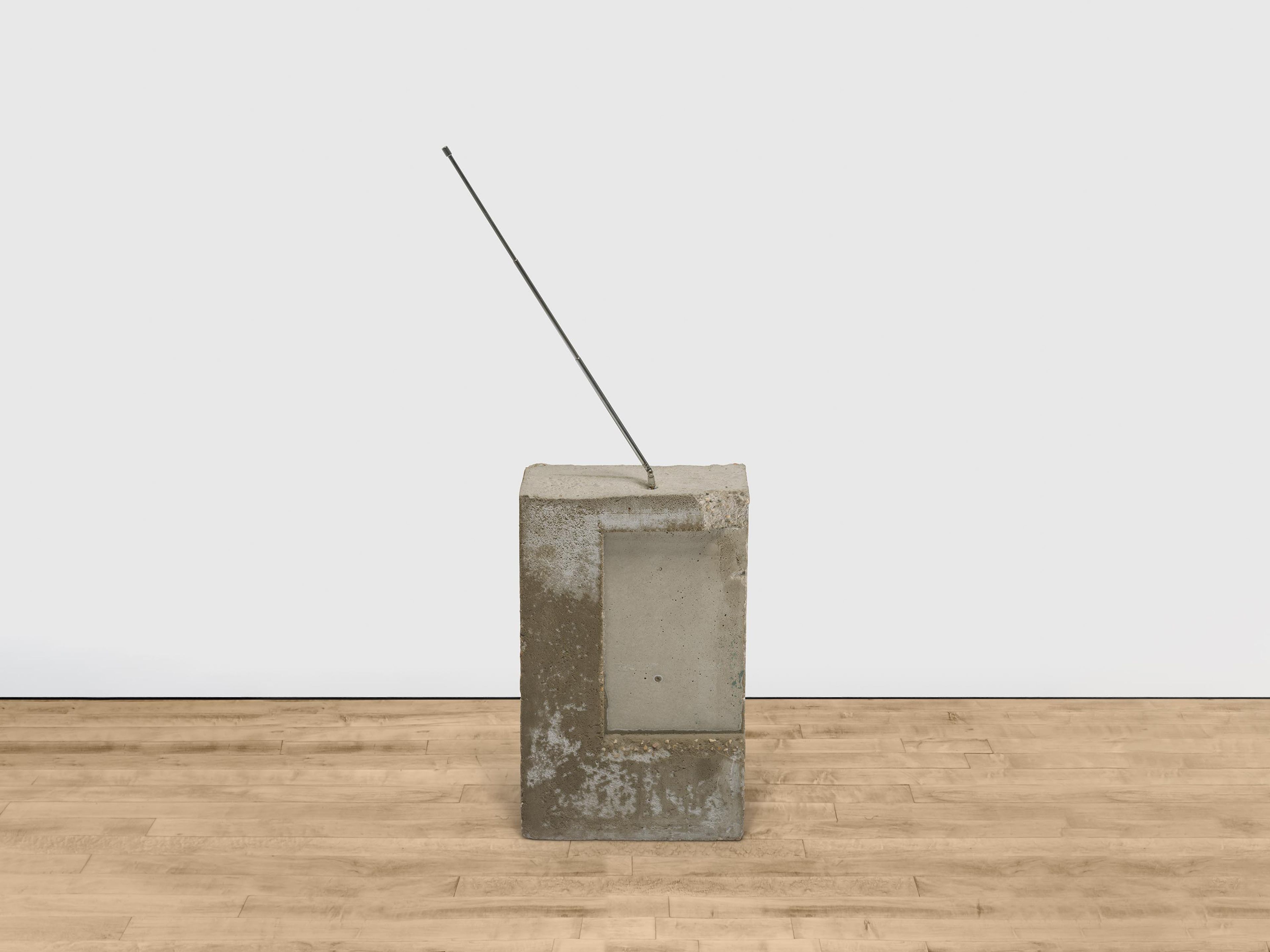
“The concrete World Receivers also precisely expressed a sense of hopelessness, of failure, and of a fragmented world view.”
—Dieter Schwarz, curator
Wolfgang Tillmans and Isa Genzken, Atelier (Studio), 1993 (detail)
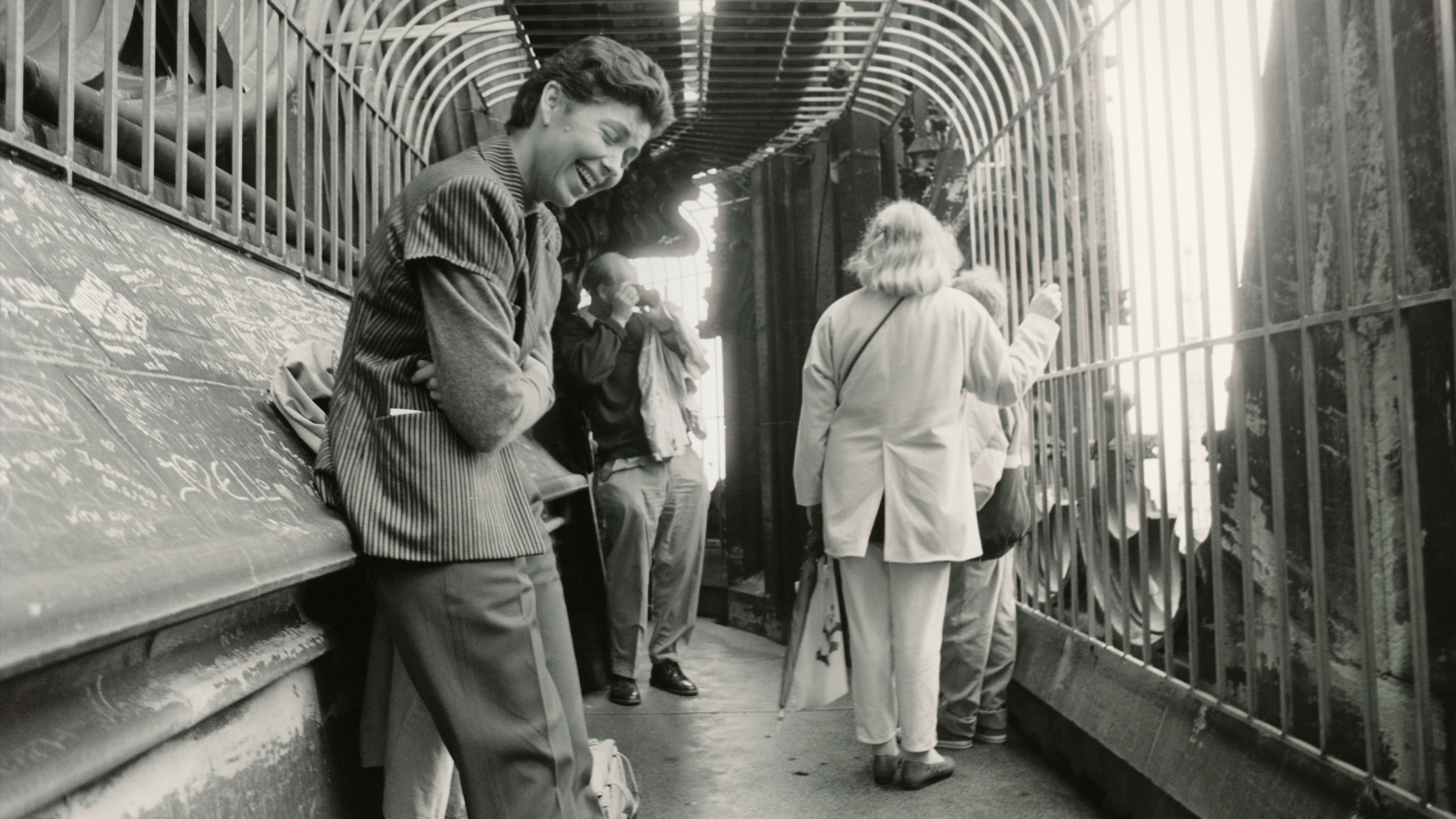
Wolfgang Tillmans and Isa Genzken, Atelier (Studio), 1993 (detail)
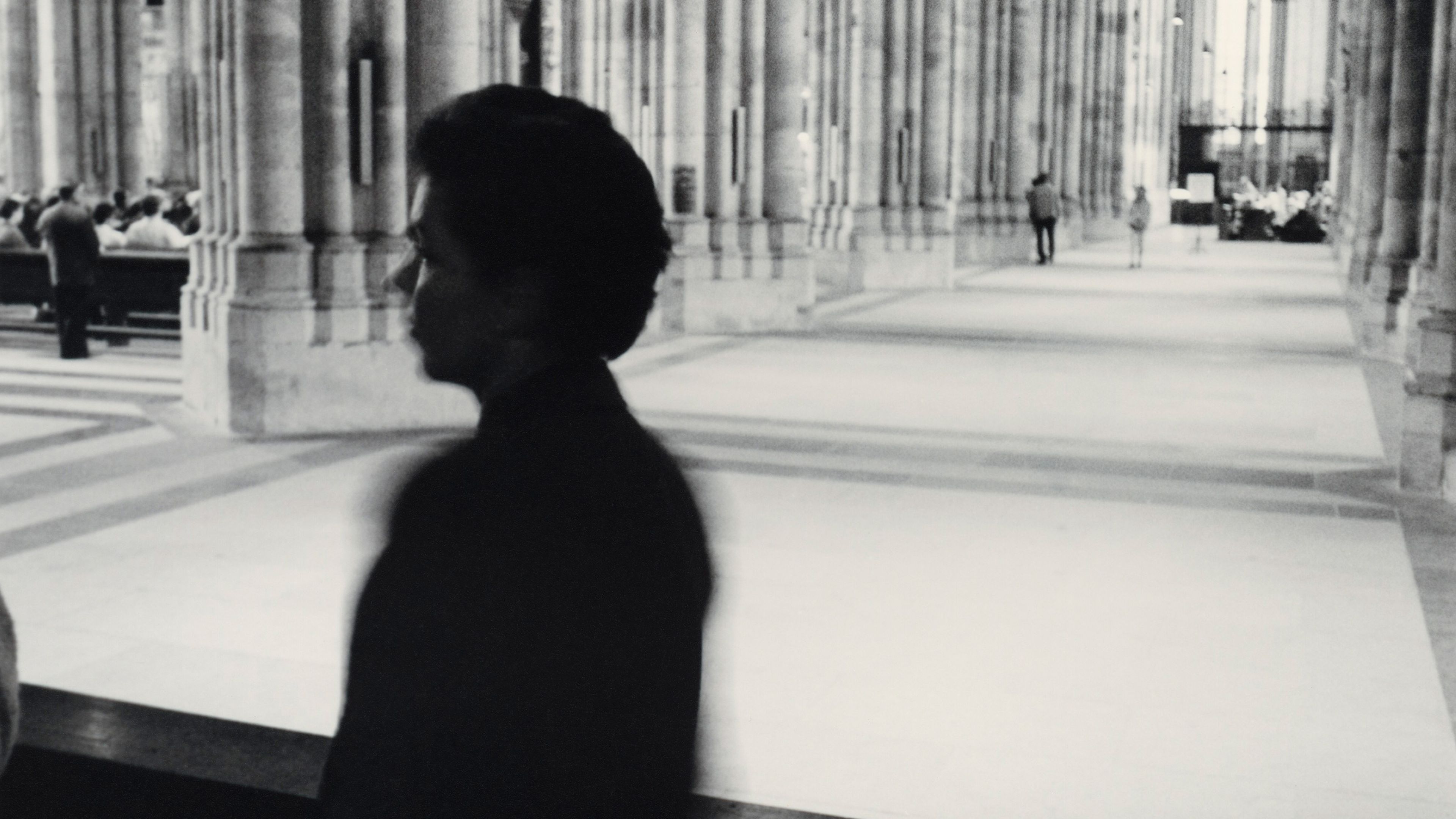
Wolfgang Tillmans and Isa Genzken, Atelier (Studio), 1993 (detail)
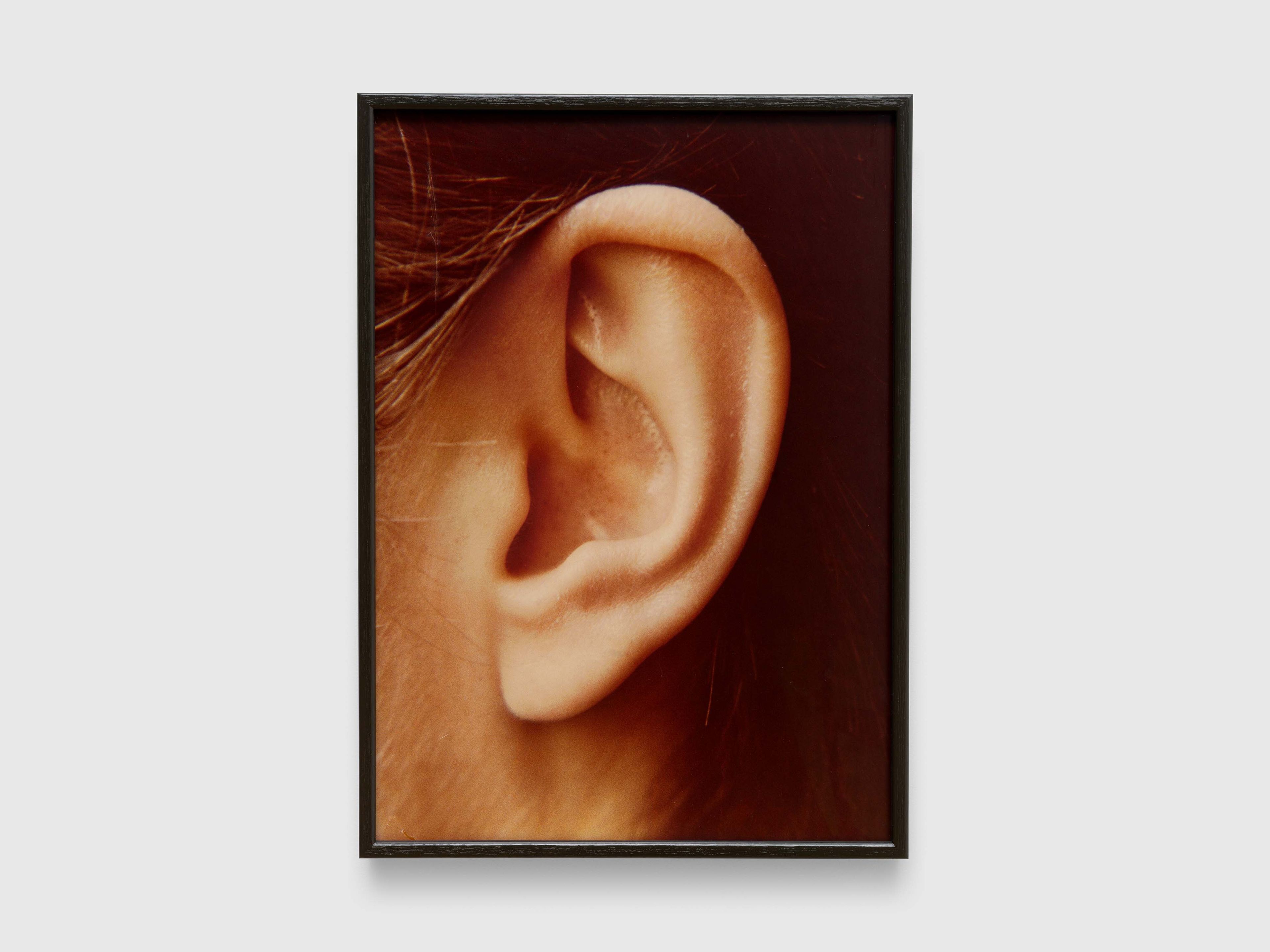
Isa Genzken, Unknown, c. 1980 from the Ohr (Ear) series
In VACATION, these sculptures are paired with an X-ray of Genzken’s own head from 1991, which shows her drinking, and a photograph from her Ohr (Ear) series, begun in 1980, picturing close-ups of the ears of women she approached on New York City streets. The Weltempfänger and Ohr works have been shown together since the 1980s, highlighting the modes of alert transmission and reception that these images convey.
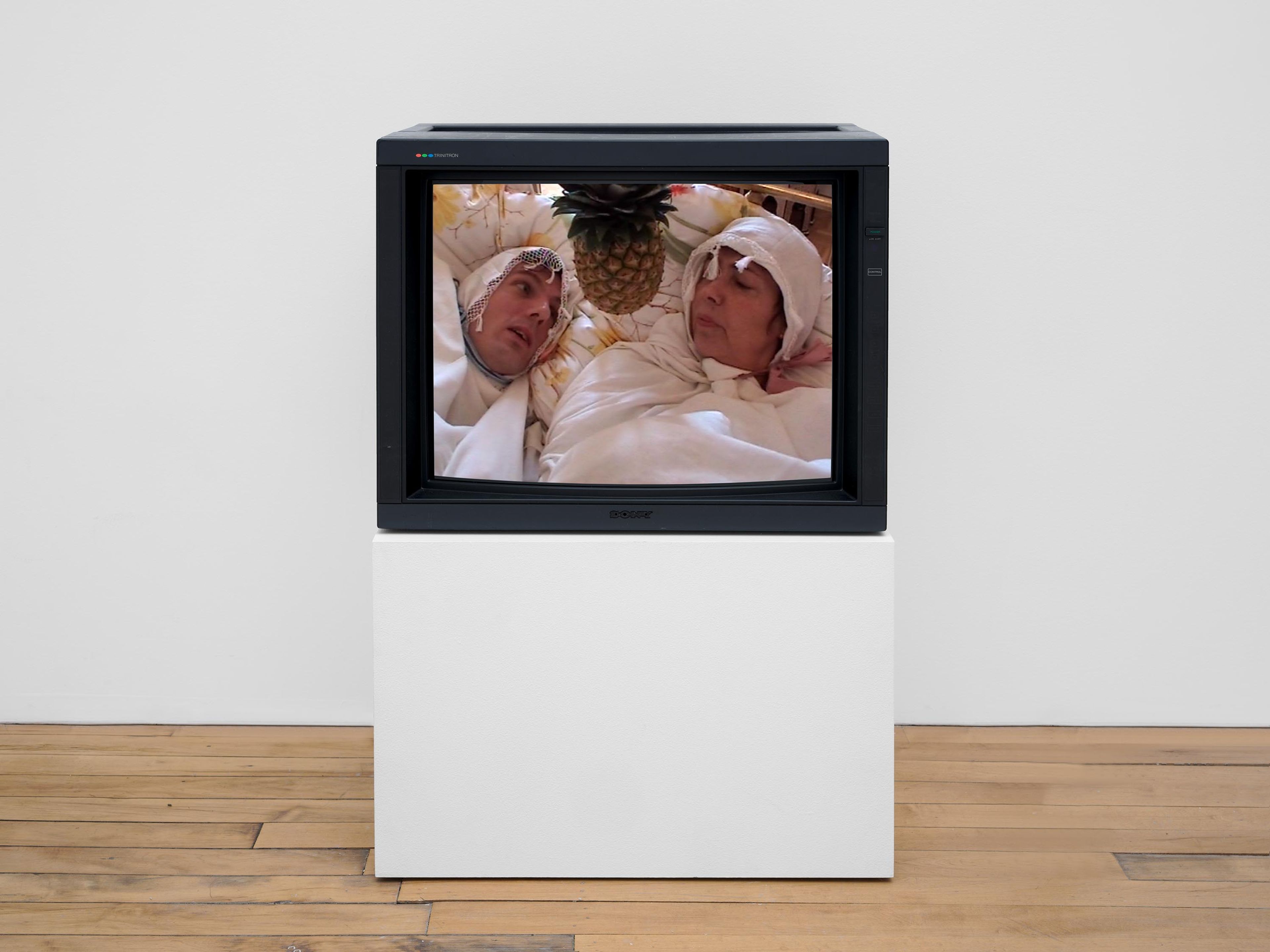
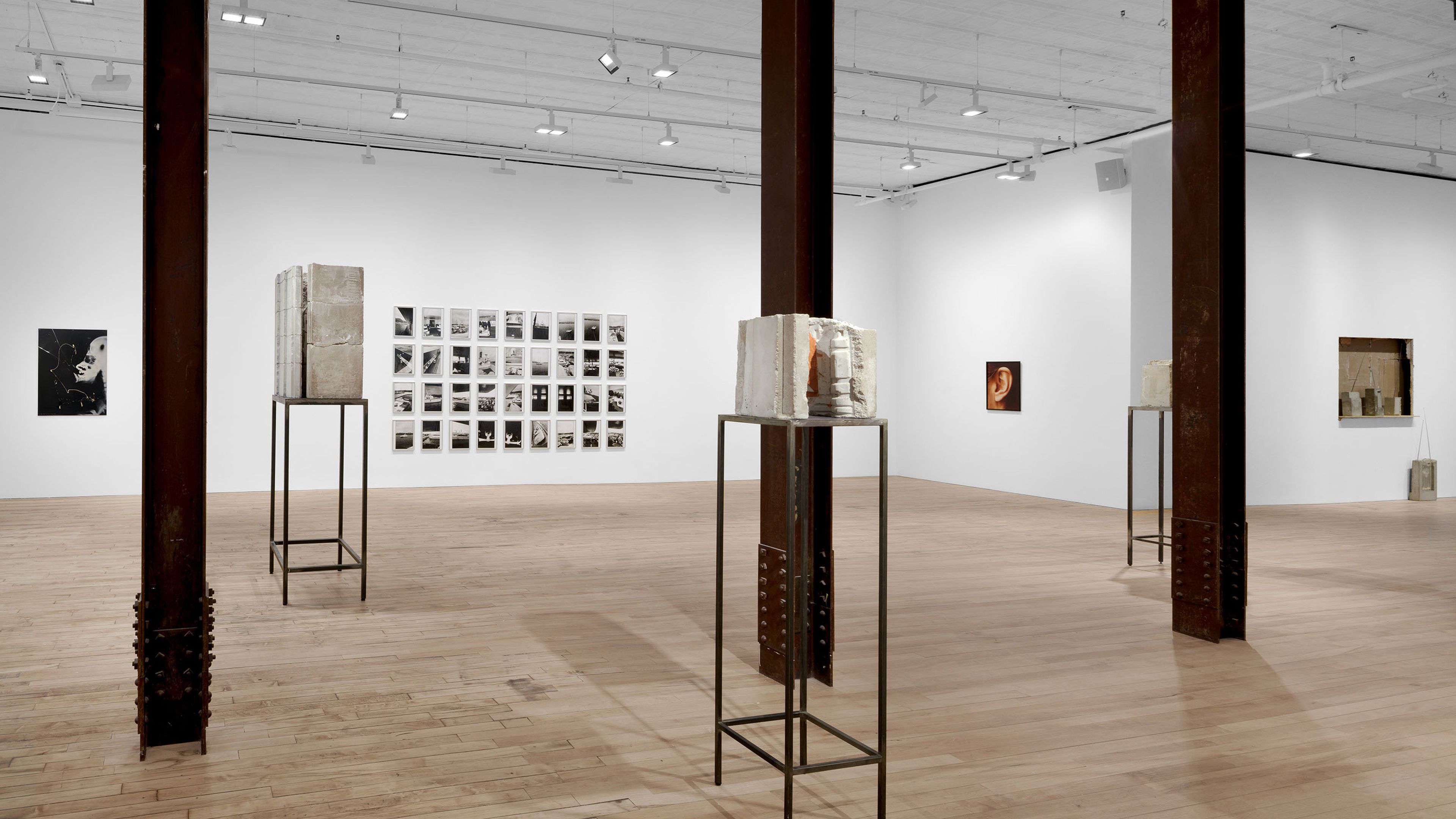
Installation view, Isa Genzken: VACATION, David Zwirner, New York, 2026
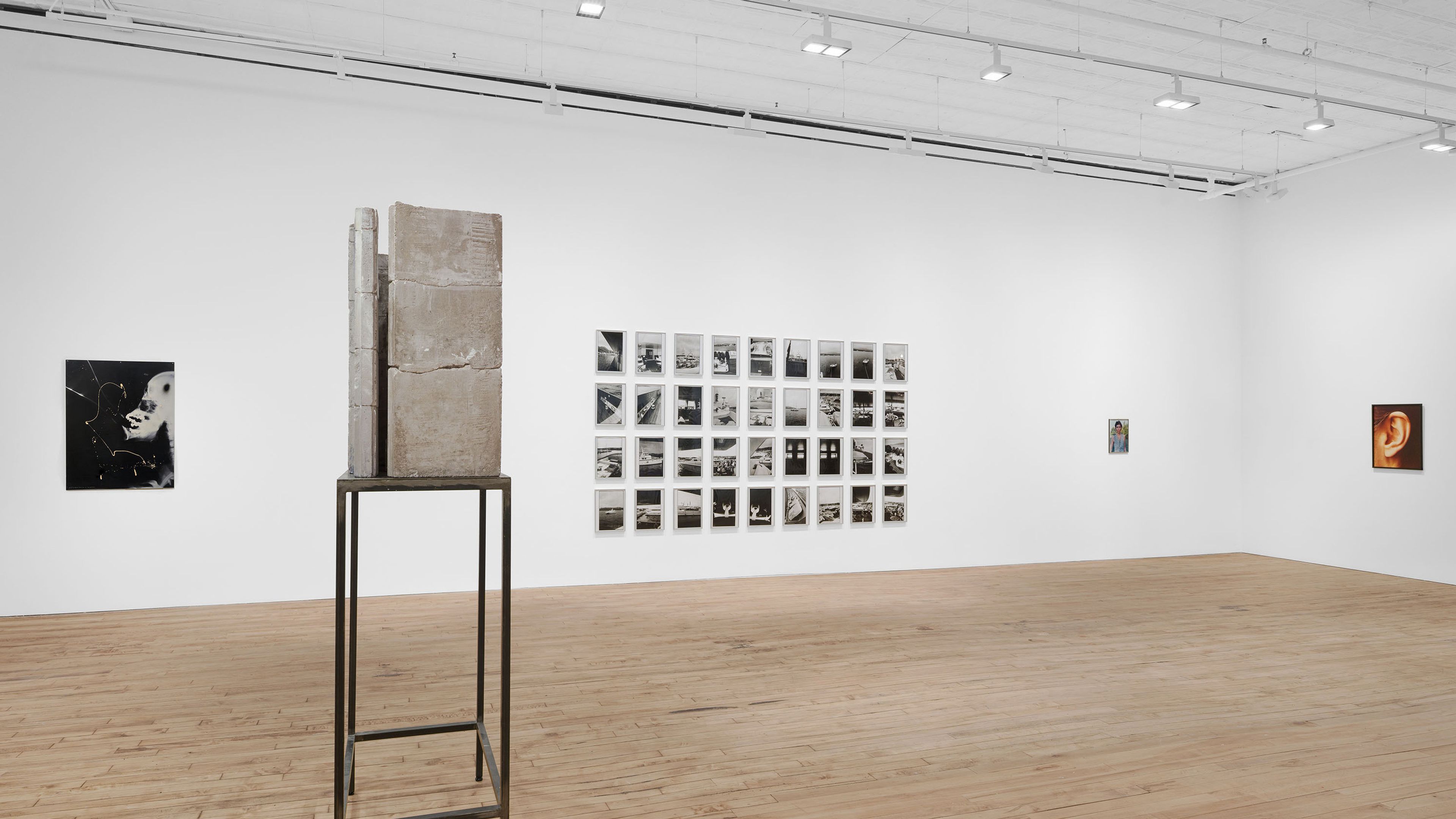
Installation view, Isa Genzken: VACATION, David Zwirner, New York, 2026
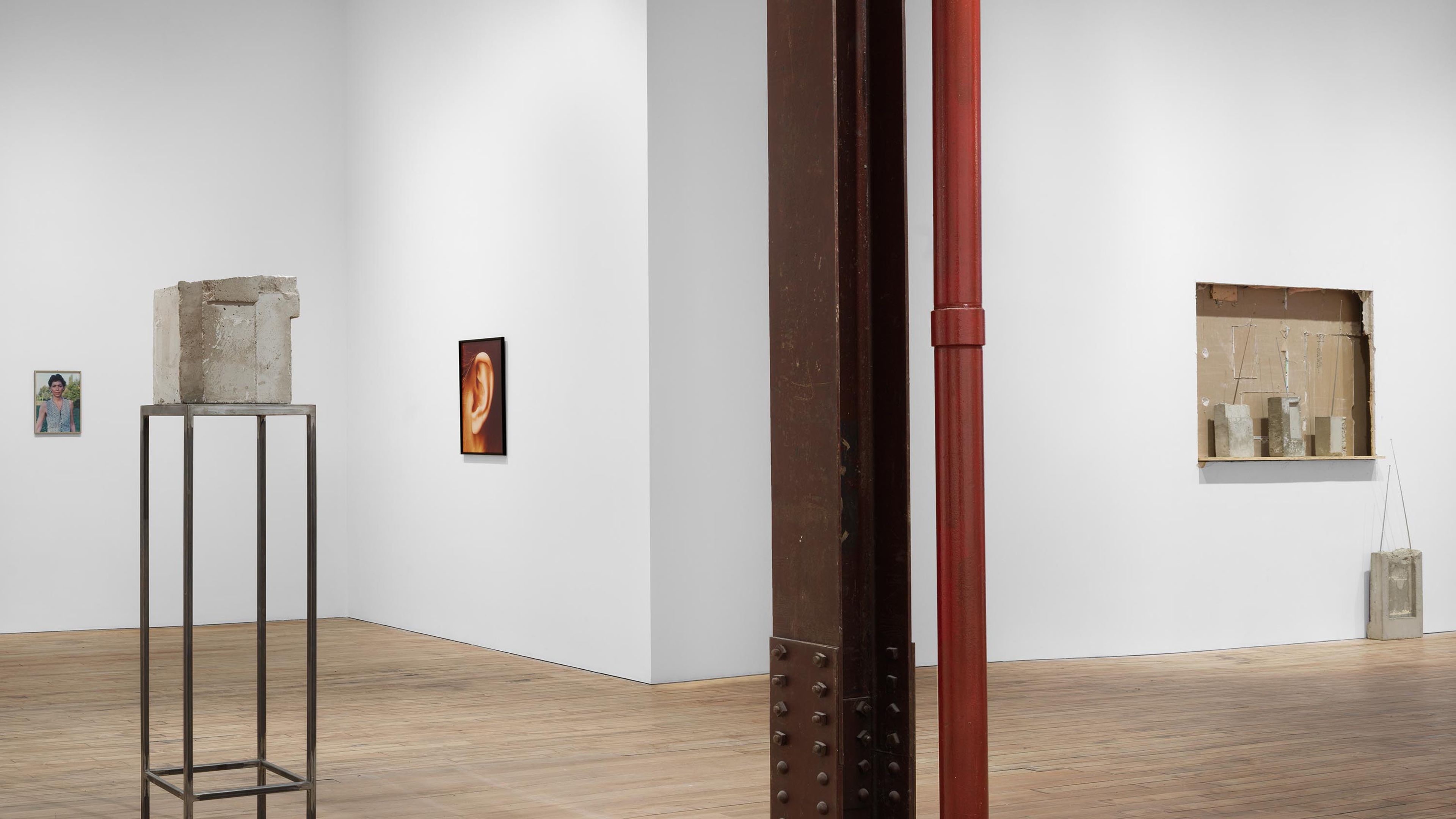
Installation view, Isa Genzken: VACATION, David Zwirner, New York, 2026
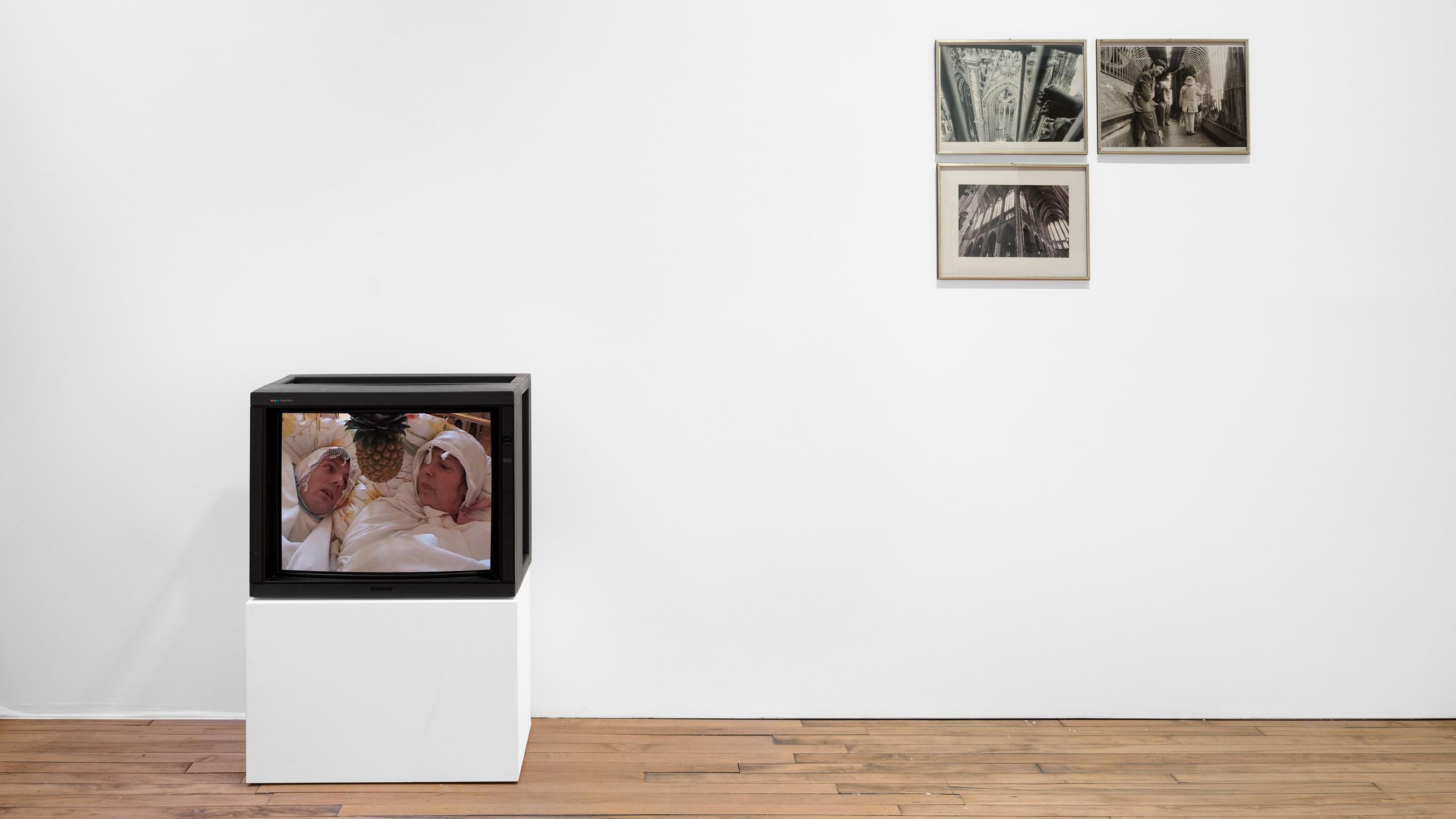
Installation view, Isa Genzken: VACATION, David Zwirner, New York, 2026
“I have always said that, with any sculpture you have to be able to say that although this is not a readymade, it could be one. That’s what a sculpture has to look like. It must have a certain relation to reality.”
—Isa Genzken, in conversation with Wolfgang Tillmans, 2003

Inquire about works by Isa Genzken