Gerhard Richter: Landschaften
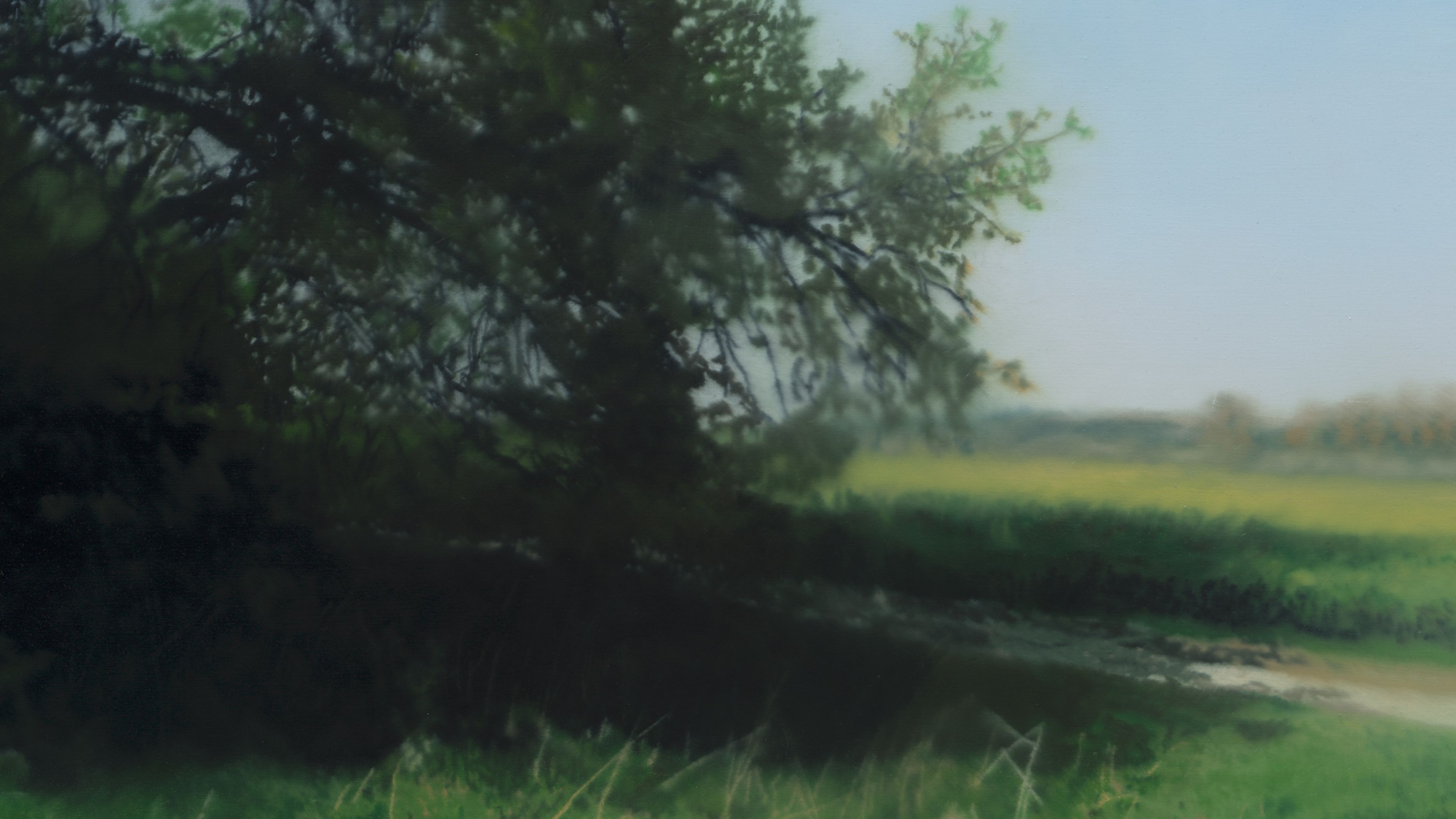
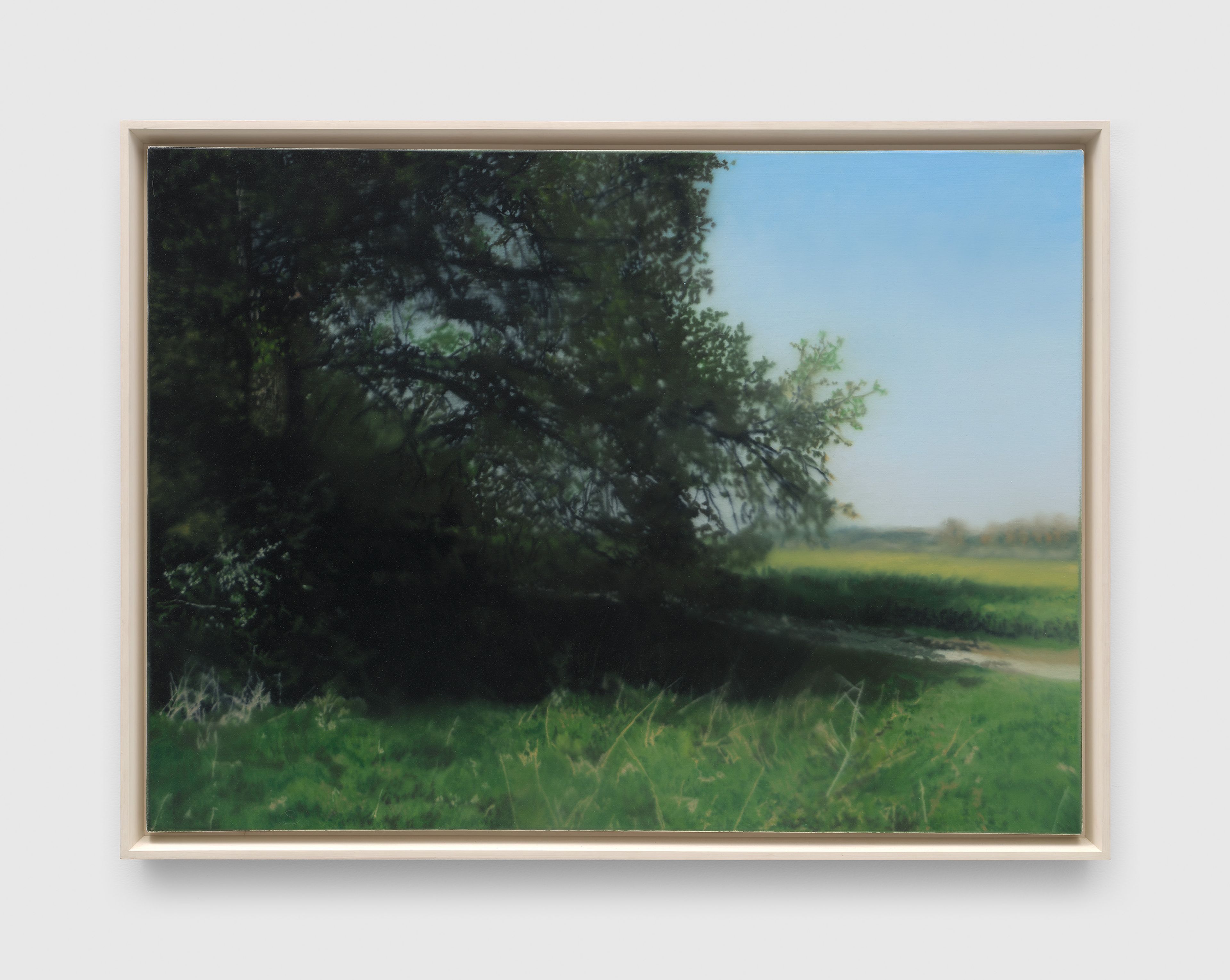
Gerhard Richter, Buche (Beech Tree), 1987 (detail). © Gerhard Richter 2026 (07052026).
Past
May 7—July 10, 2026
Opening Reception
Thursday, May 7, 6–8 PM
Opening Reception
Thursday, May 7, 6–8 PM
Location
New York: 20th Street
537 West 20th Street
New York, New York 10011
Tue, Wed, Thu, Fri, Sat: 10 AM-6 PM
Artist
Explore
“When I look out of the window … truth for me is the way nature shows itself in its various tones, colors and proportions. That’s a truth and has its own correctness. This little slice of nature, and in fact any given piece of nature, represents to me an ongoing challenge, and is a model for my paintings.”
—Gerhard Richter
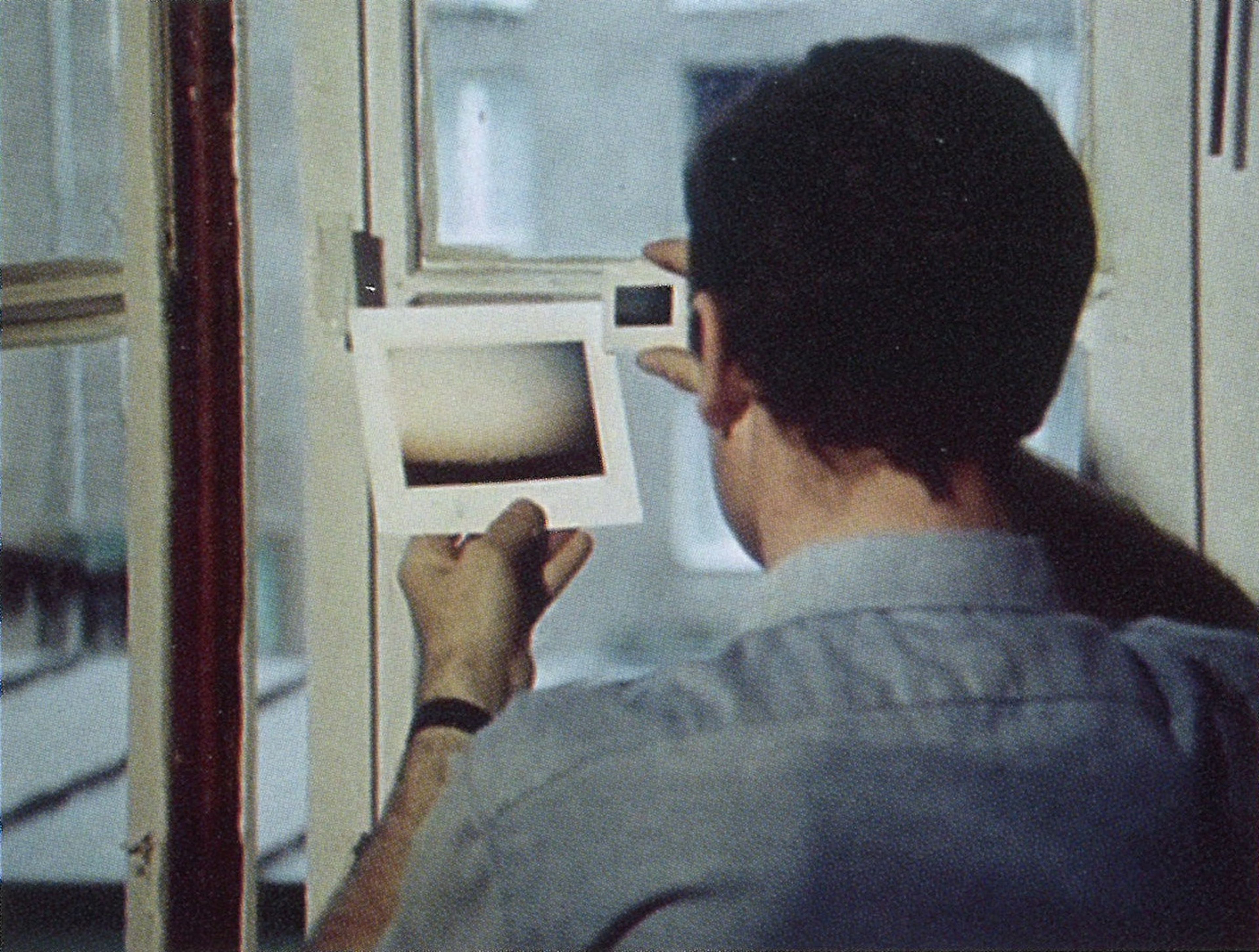
Gerhard Richter in his studio, 1969
In the late 1960s, Richter began to engage the subject of landscape in his Photo Paintings following a formative visit to the French island of Corsica. Using snapshots from his trip as a compositional basis, he created a series of atmospheric landscapes and seascapes that evoke art-historical precedents while eschewing traditional notions of the aesthetic sublime.
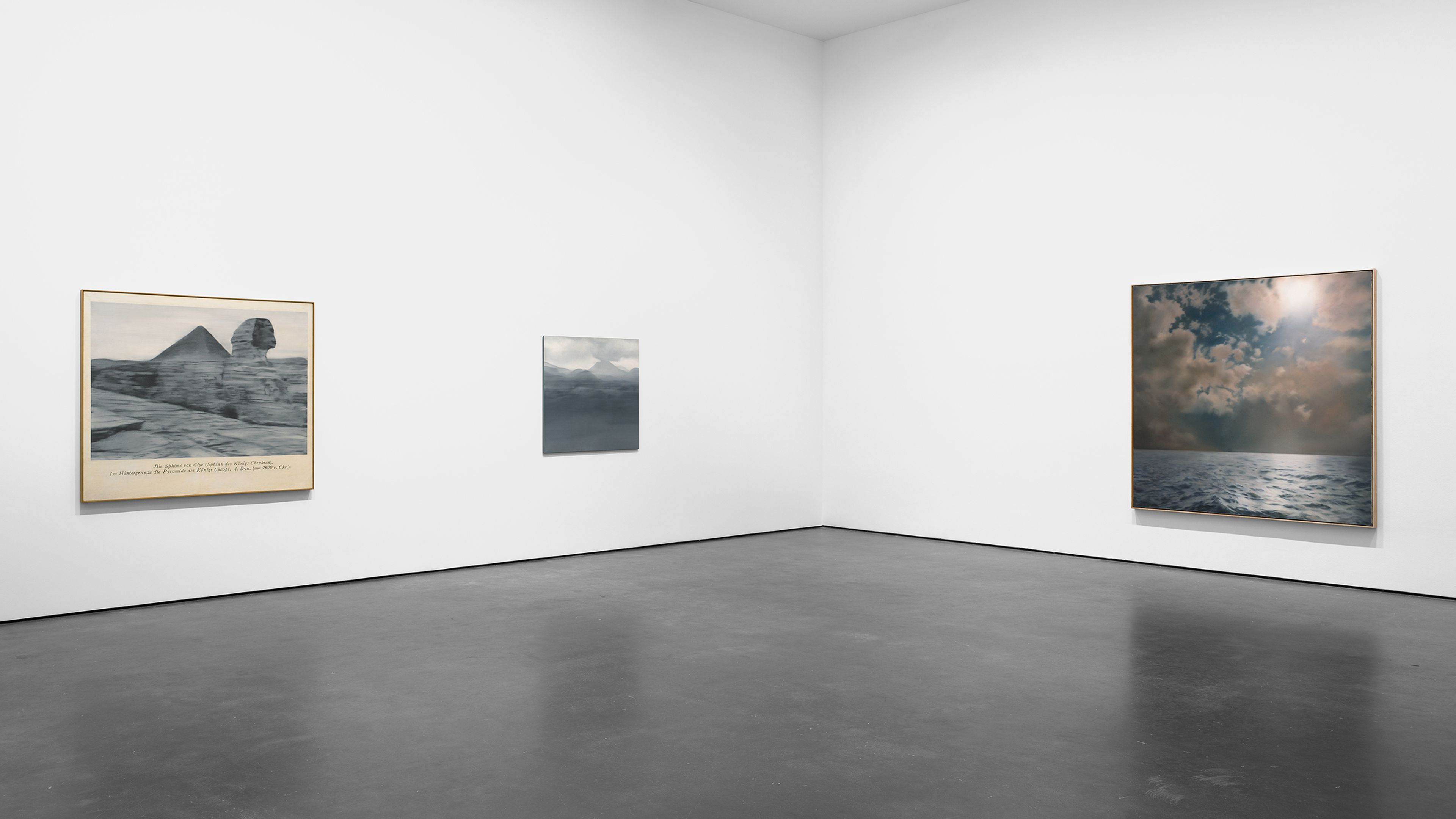
Installation view, Gerhard Richter: Landschaften, David Zwirner, New York, 2026
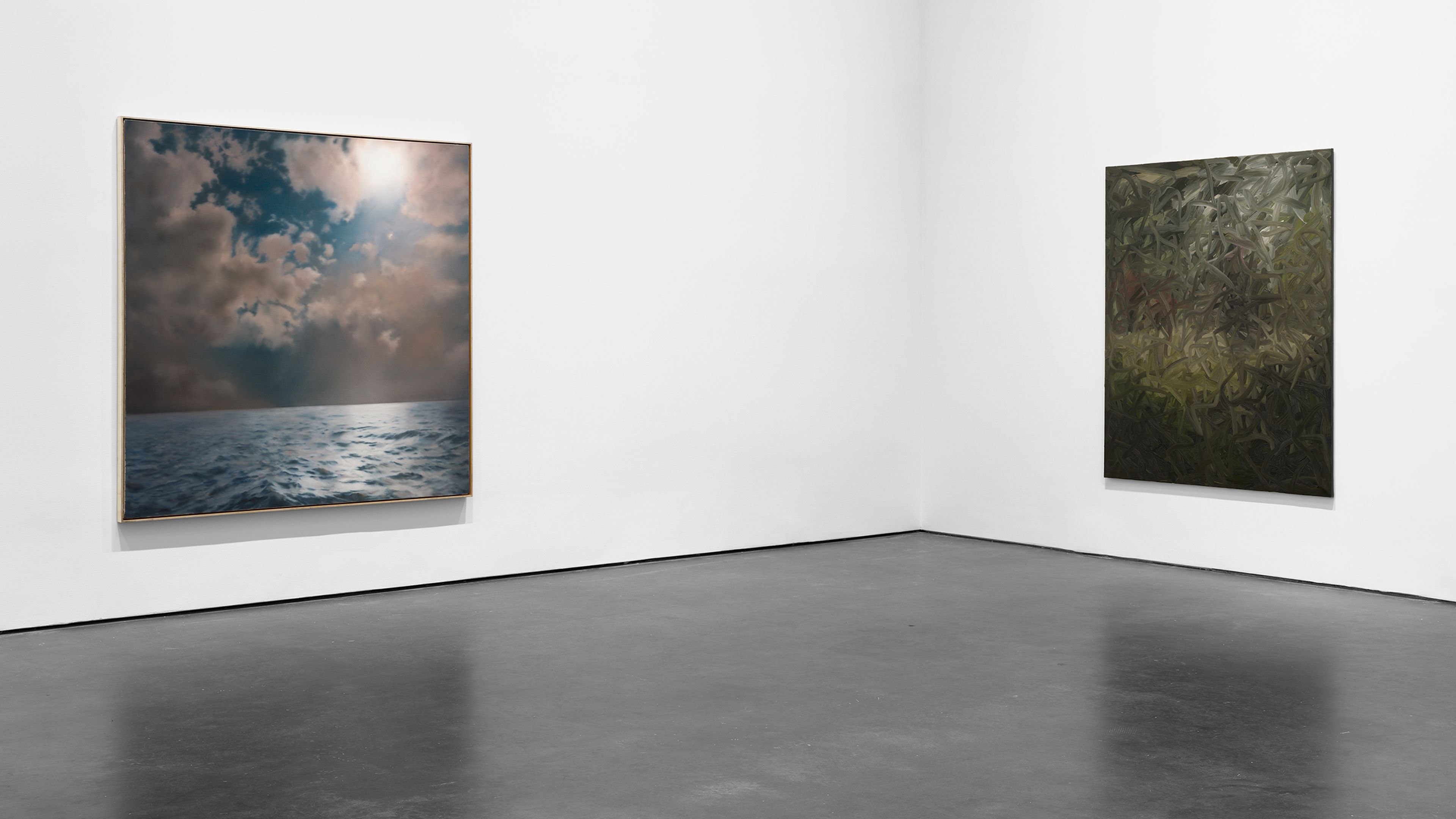
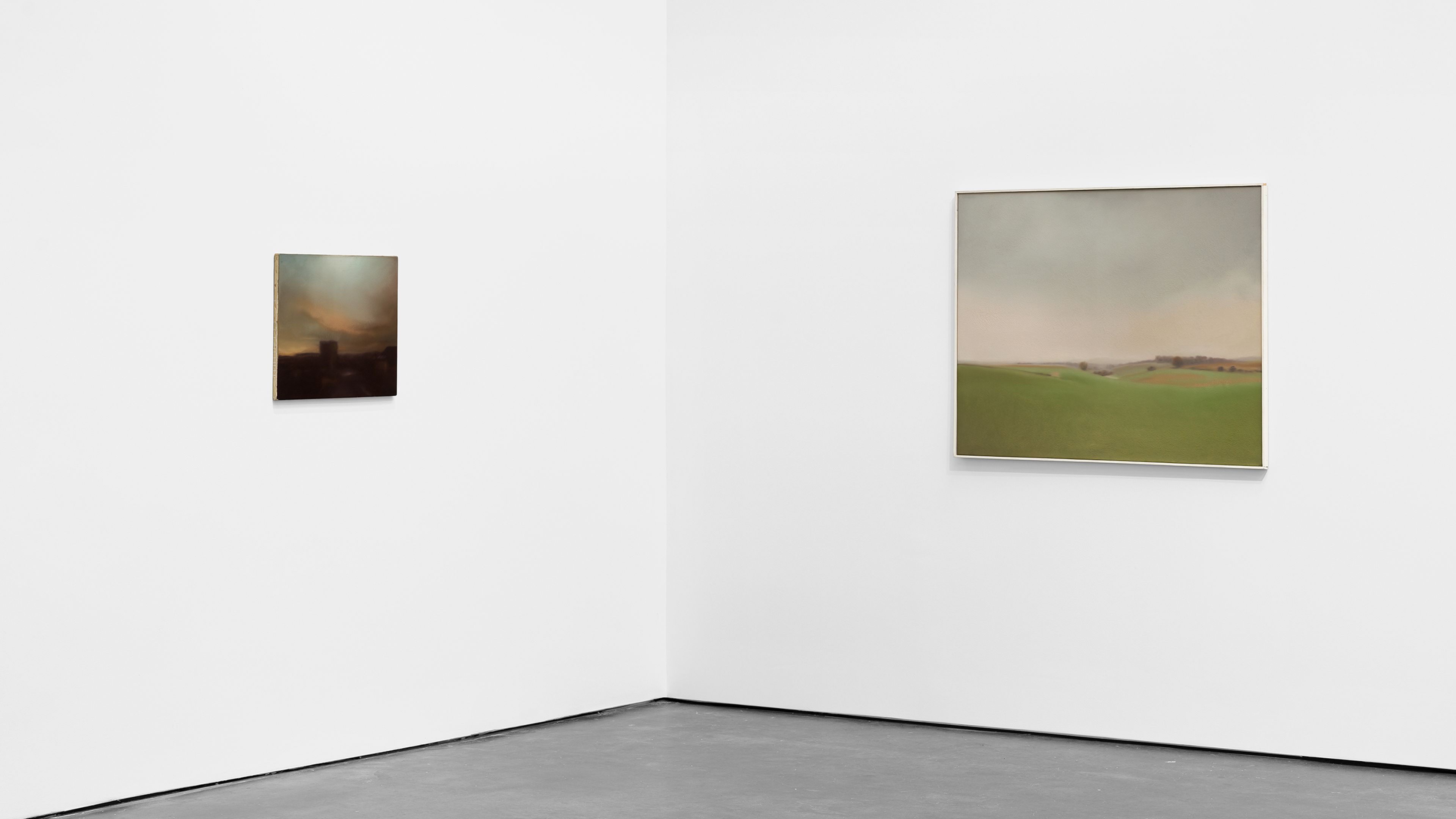
Installation view, Gerhard Richter: Landschaften, David Zwirner, New York, 2026
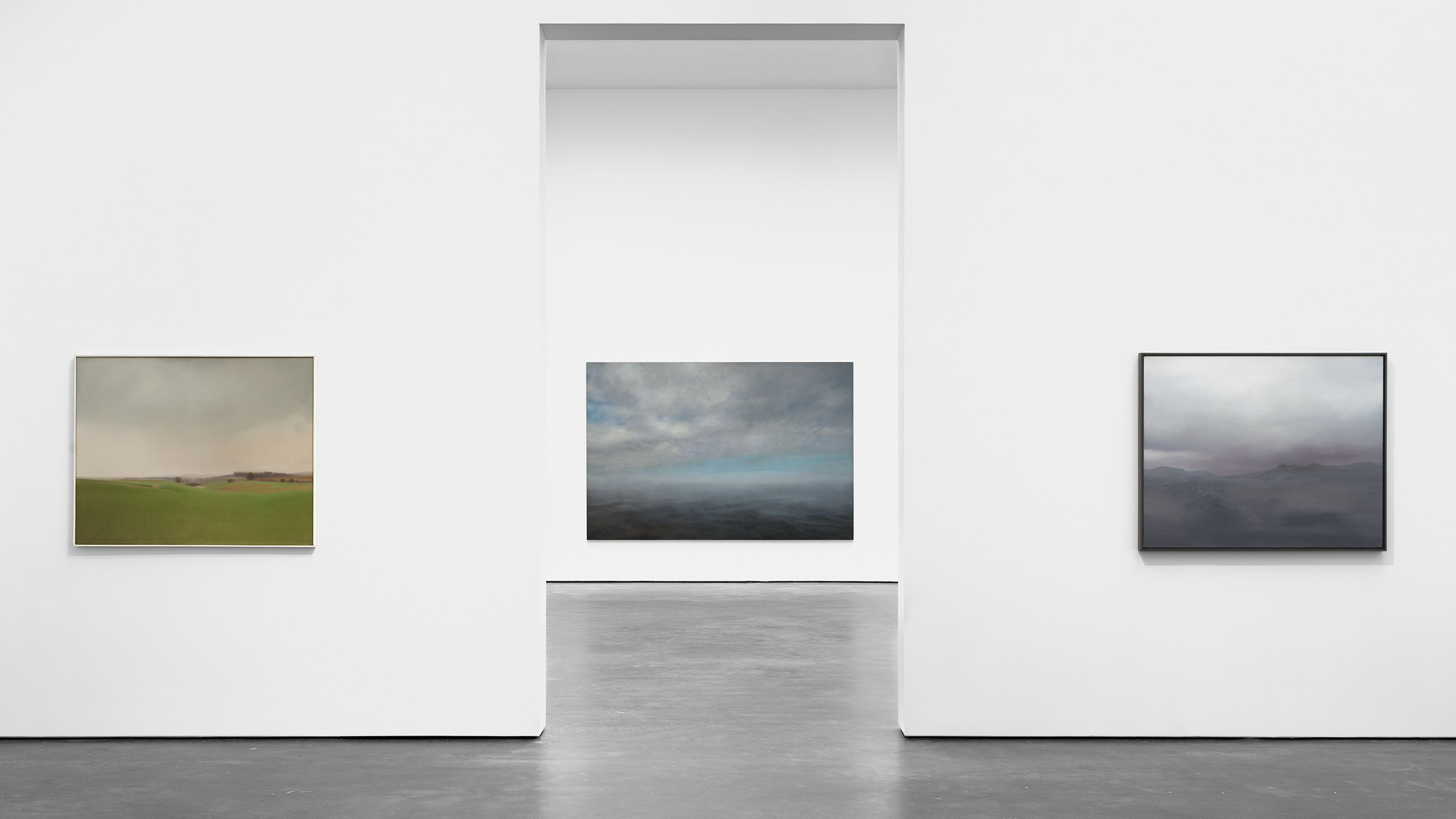
Installation view, Gerhard Richter: Landschaften, David Zwirner, New York, 2026
“Richter has been painting landscapes on and off for more than fifty years. No other motif has absorbed him in quite the same way.... In several senses—conceptual, aesthetic, and technical—they would serve as a bridge from the photo-paintings to the abstract paintings soon to come.”
—Dietmar Elger
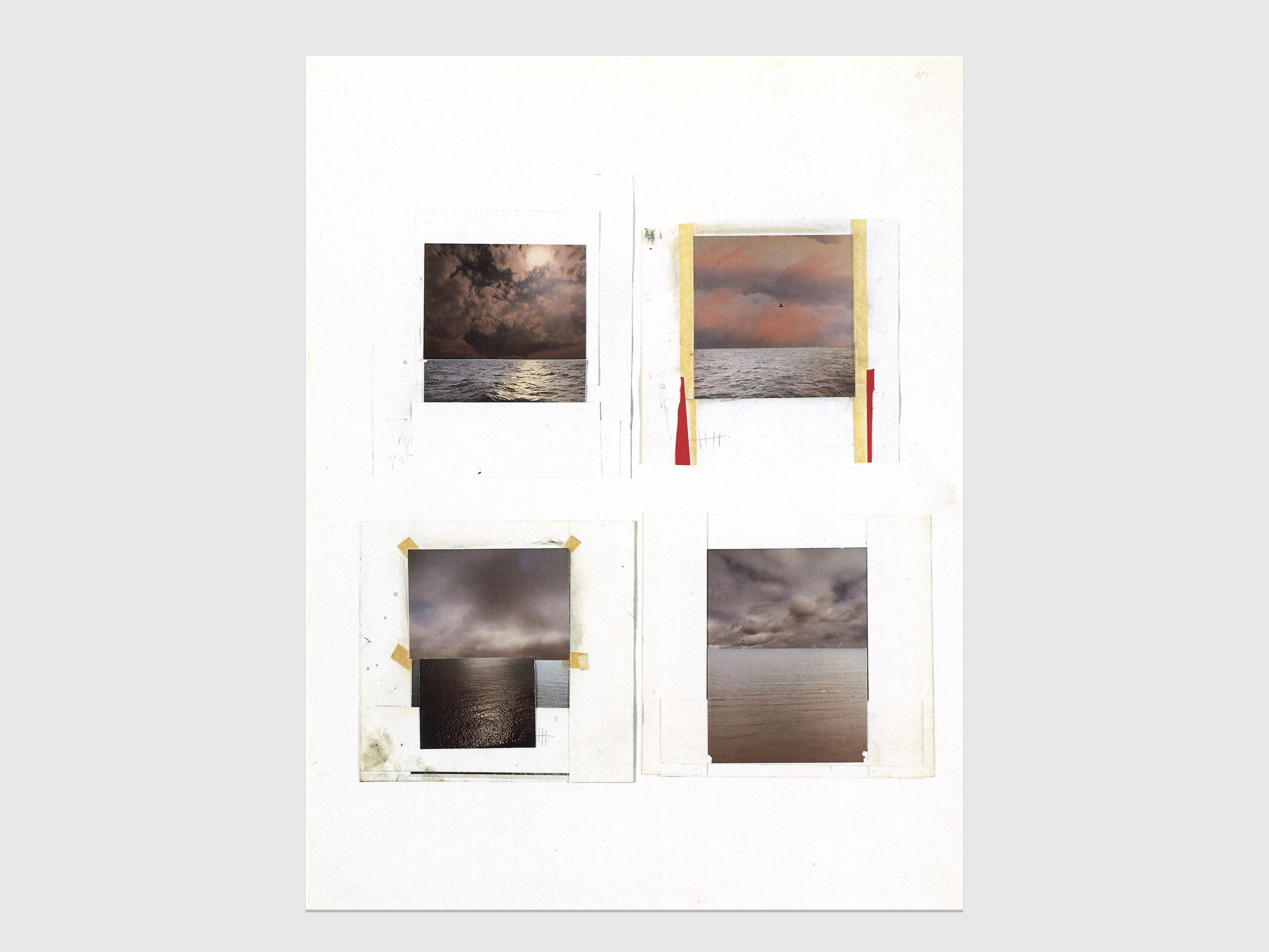
Page from Gerhard Richter's Atlas
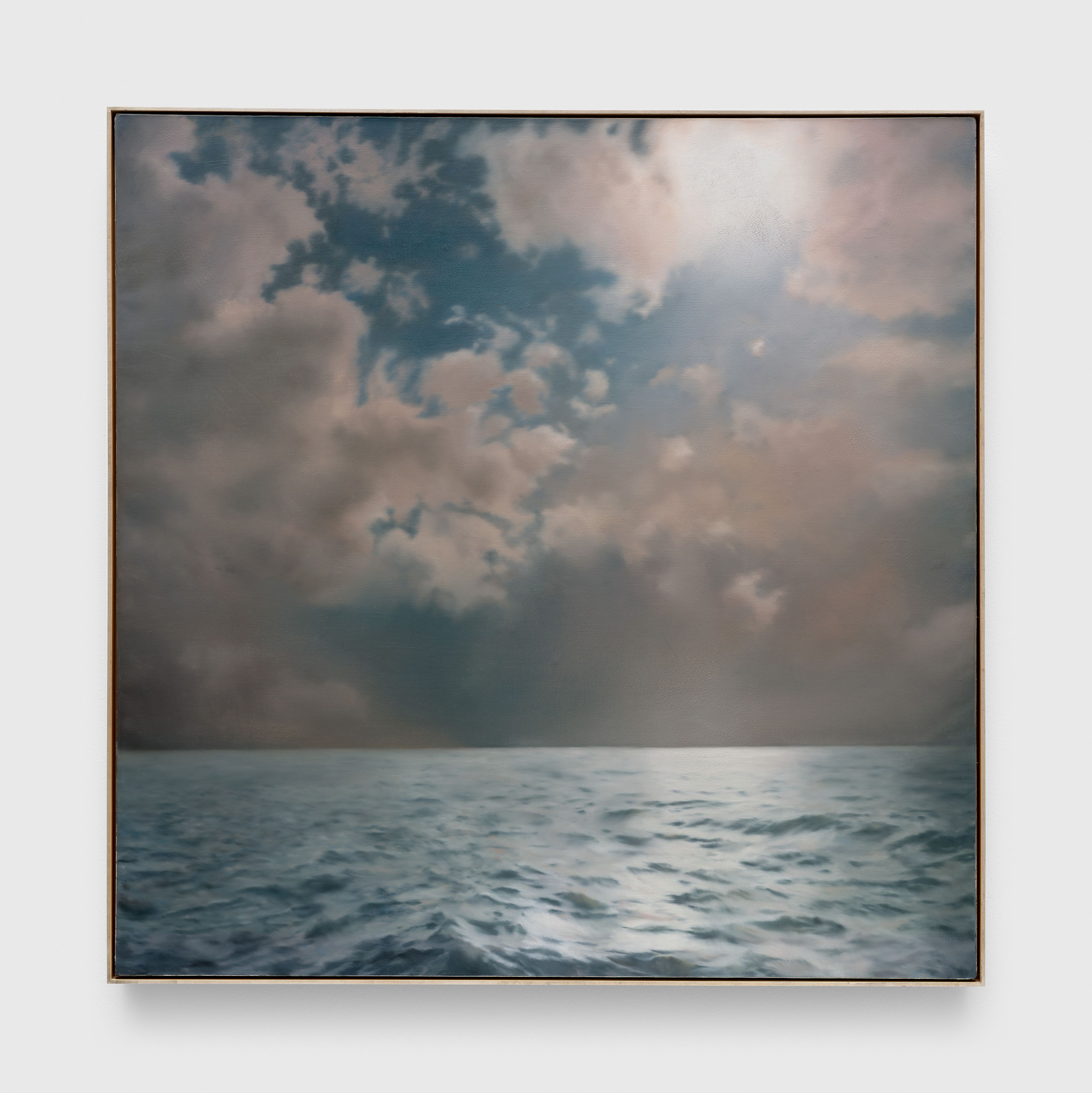
Richter used the photos he had taken on a visit to the Canary Islands as the basis for a group of large-scale square seascapes from 1969–1970 that show views of open waters—among his earliest in-depth engagements with the genre of landscape. Furthering his conceptual experiments with the iterative translation and interplay of mediums, Richter created some of these paintings—including Seestück (Gegenlicht) (Seascape [Contre-jour])—by collaging two photographs of sea and sky and using the resultant composite as a reference for the final work. Atmospheric and evocative, these manipulated landscapes investigate the existence of a subjective visual reality that exceeds the bounds of real-world perception.
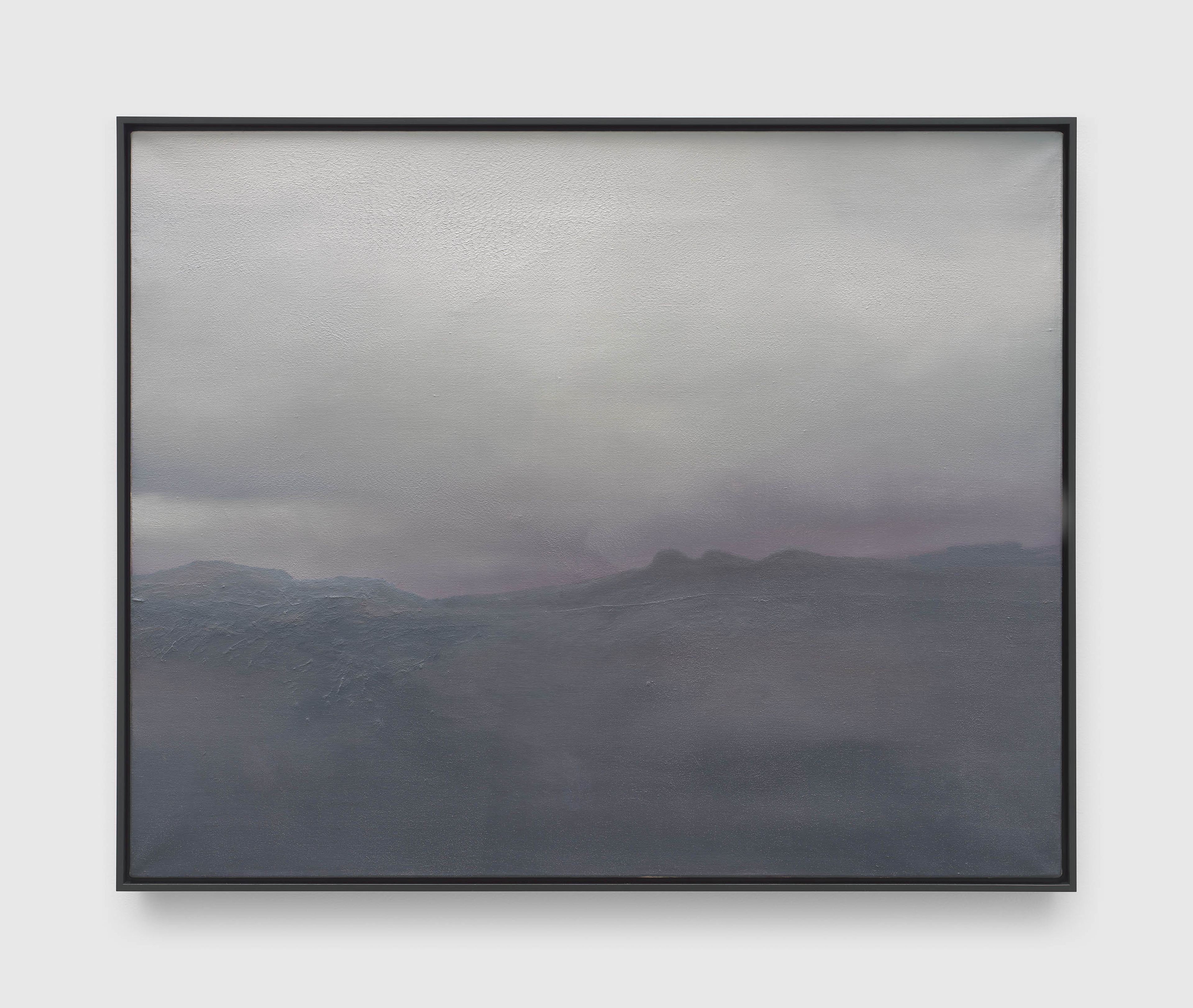
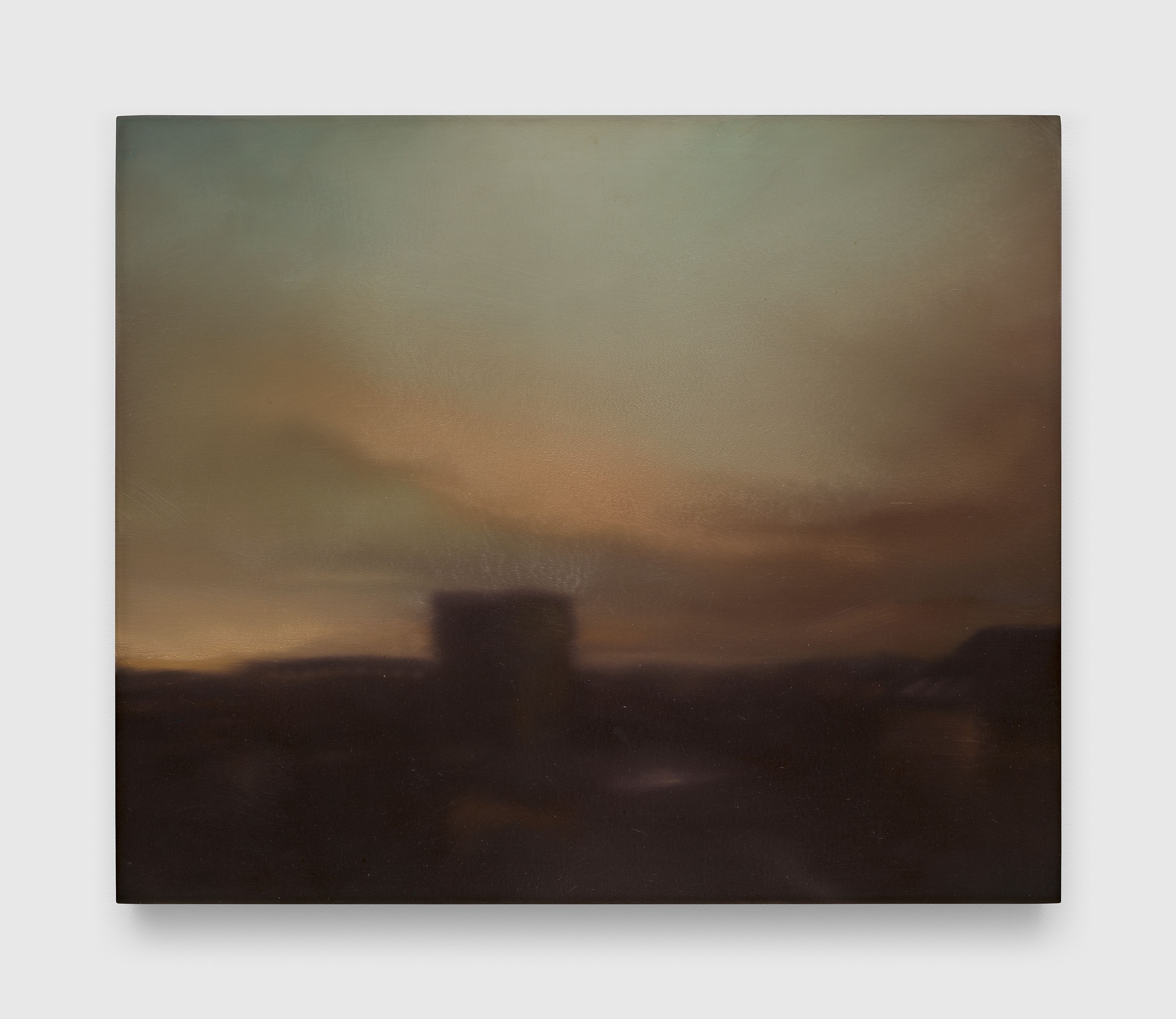
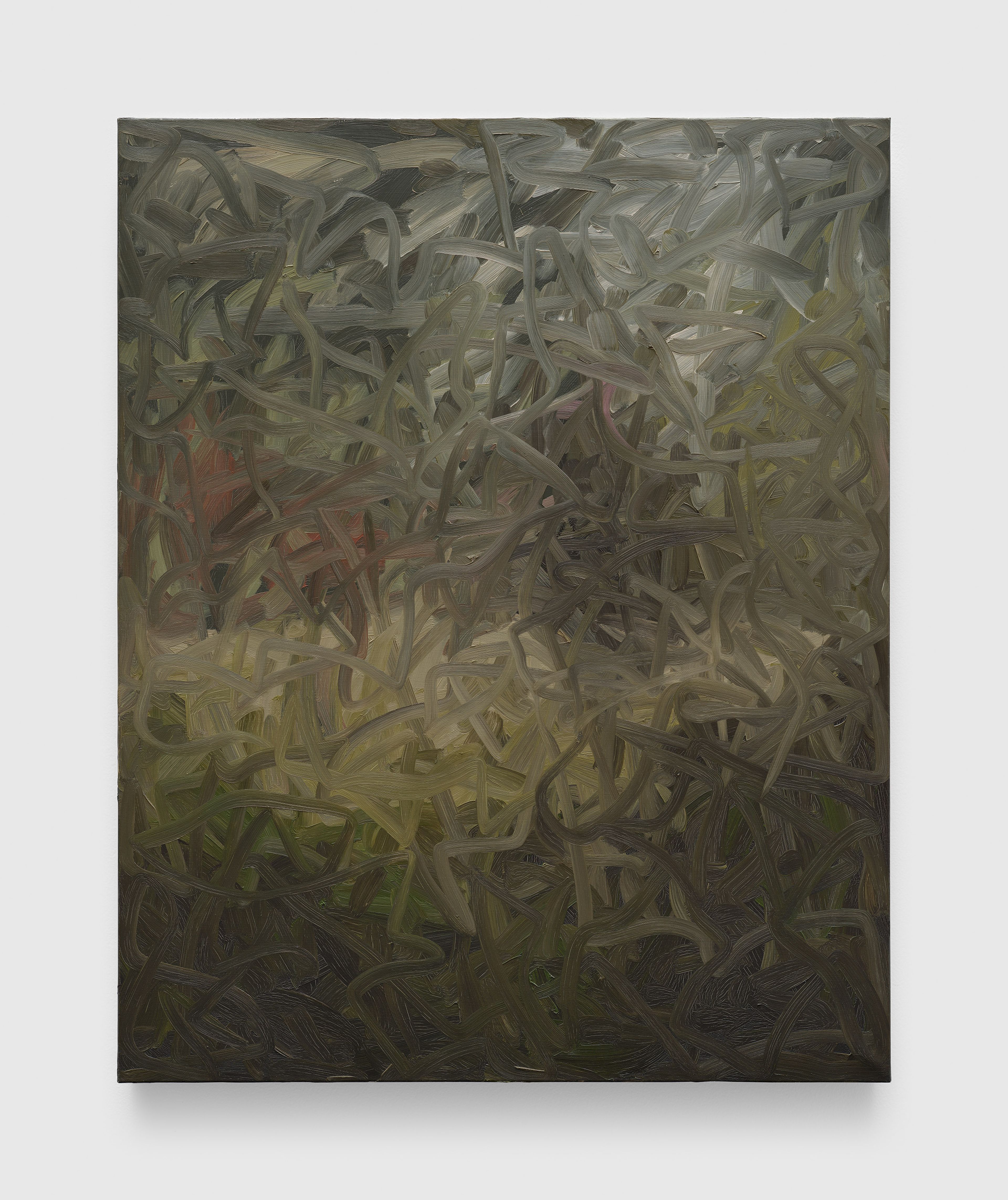
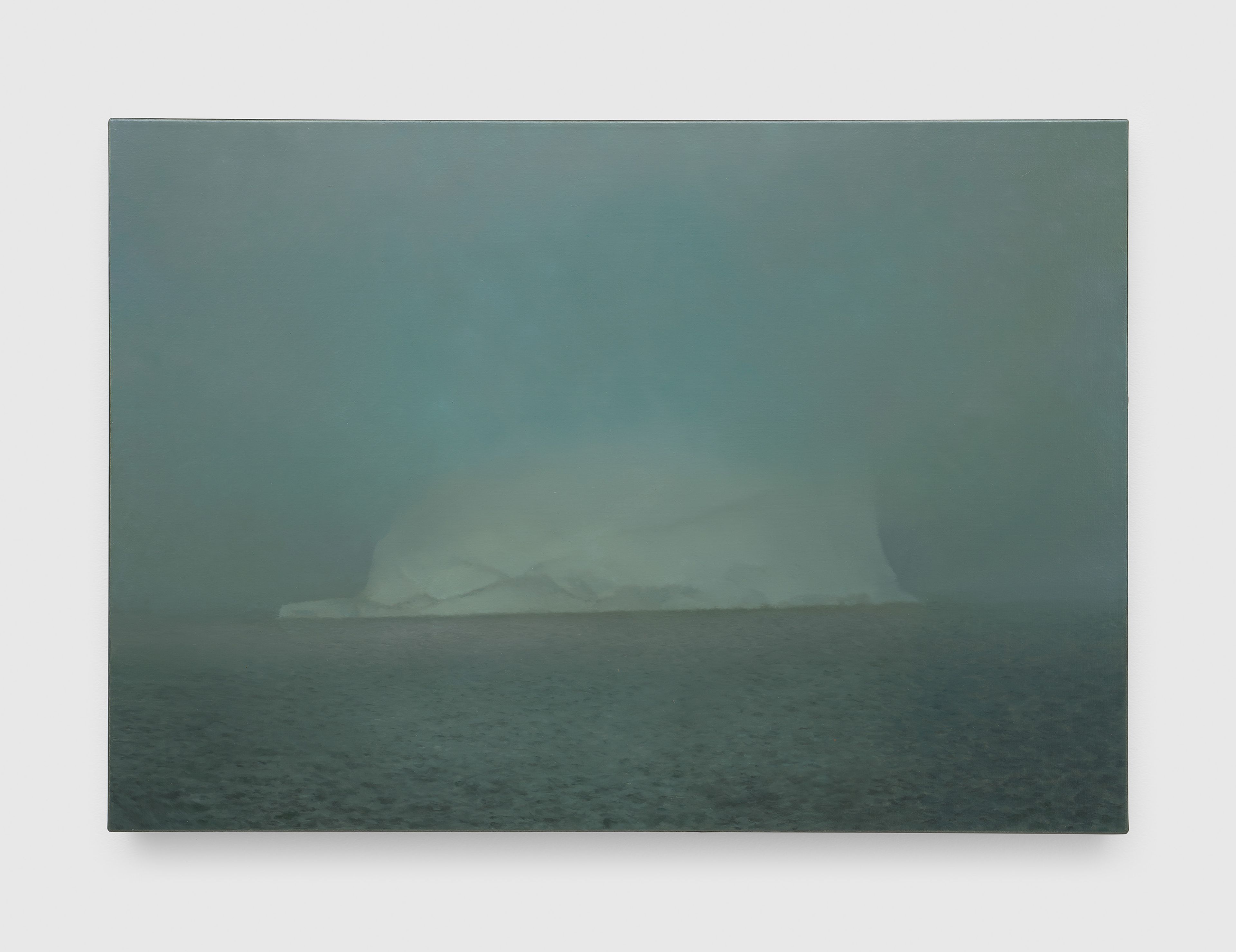
“In Davos S., the sun is just burning through diffuse clouds above an alpine peak, and in Eisberg im Nebel (Iceberg in Mist), an iceberg floats in the sea, obscured by a wraith of bluish fog. Both images have a radiant, steely, classical beauty, and while they evoke the allegorical landscapes of Caspar David Friedrich, they neither make reference to a human presence nor defer to human meaning. These are images which, like nature, exist in and of themselves, at once beautiful and unforgiving.”
—Daniel Baird, art critic
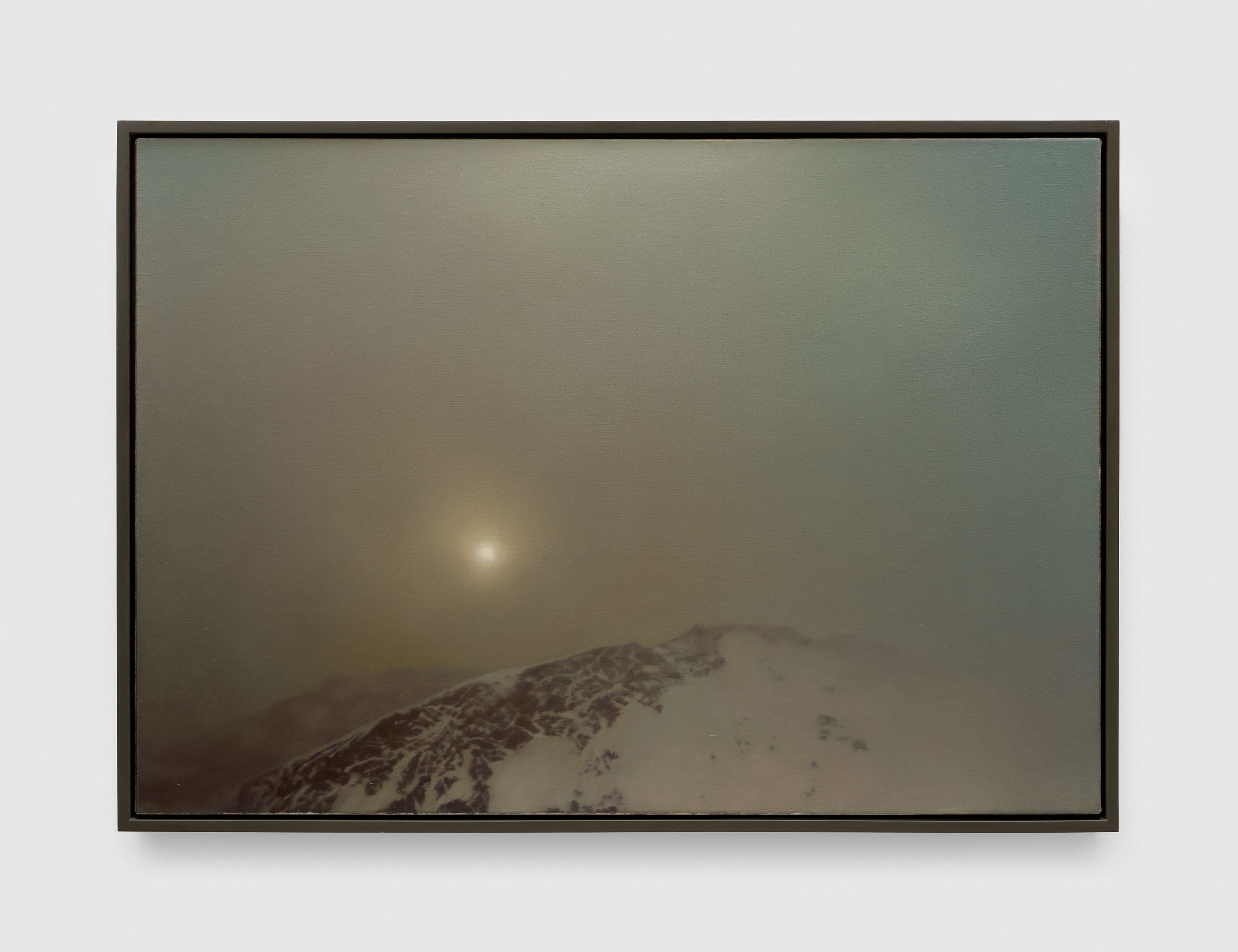
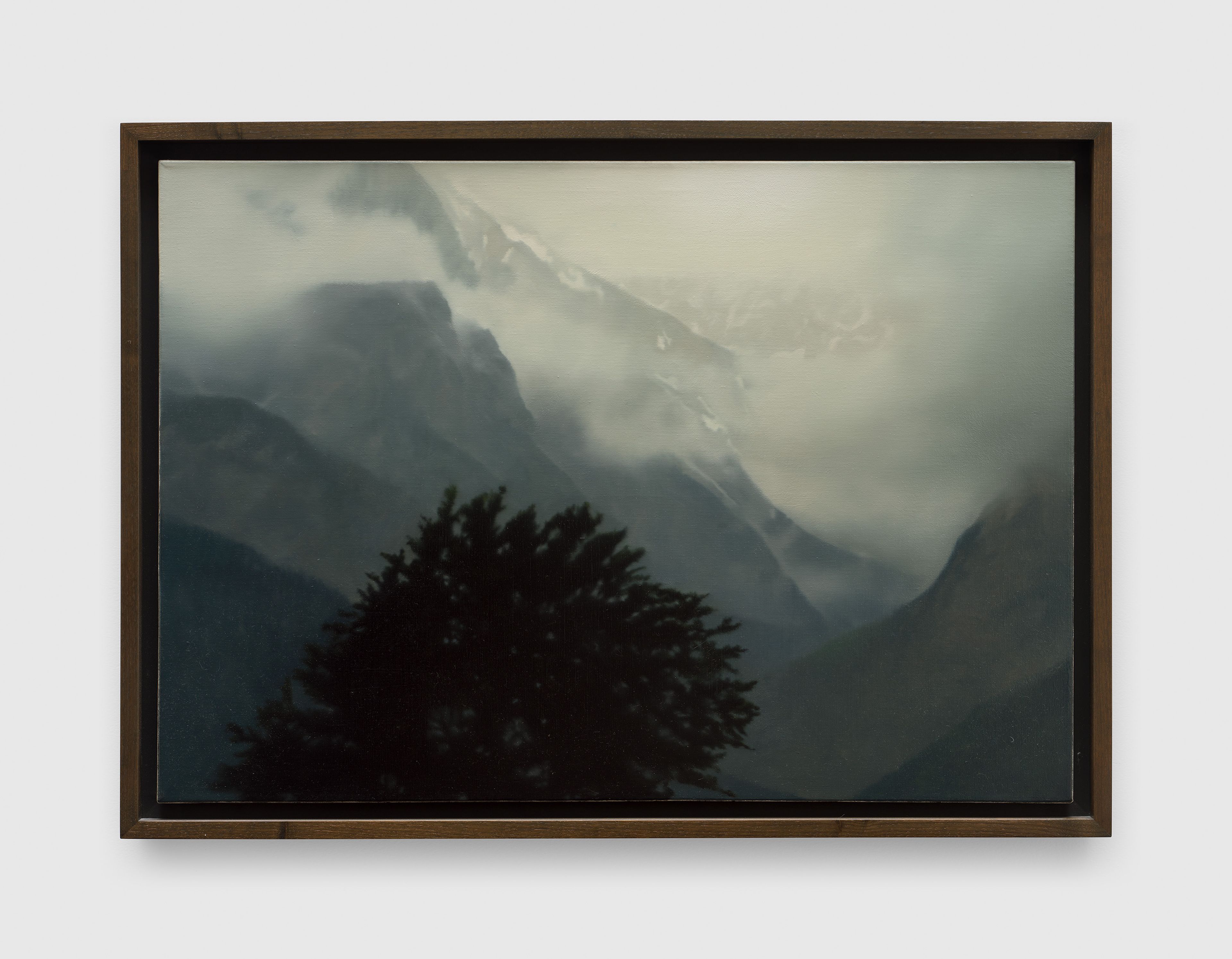
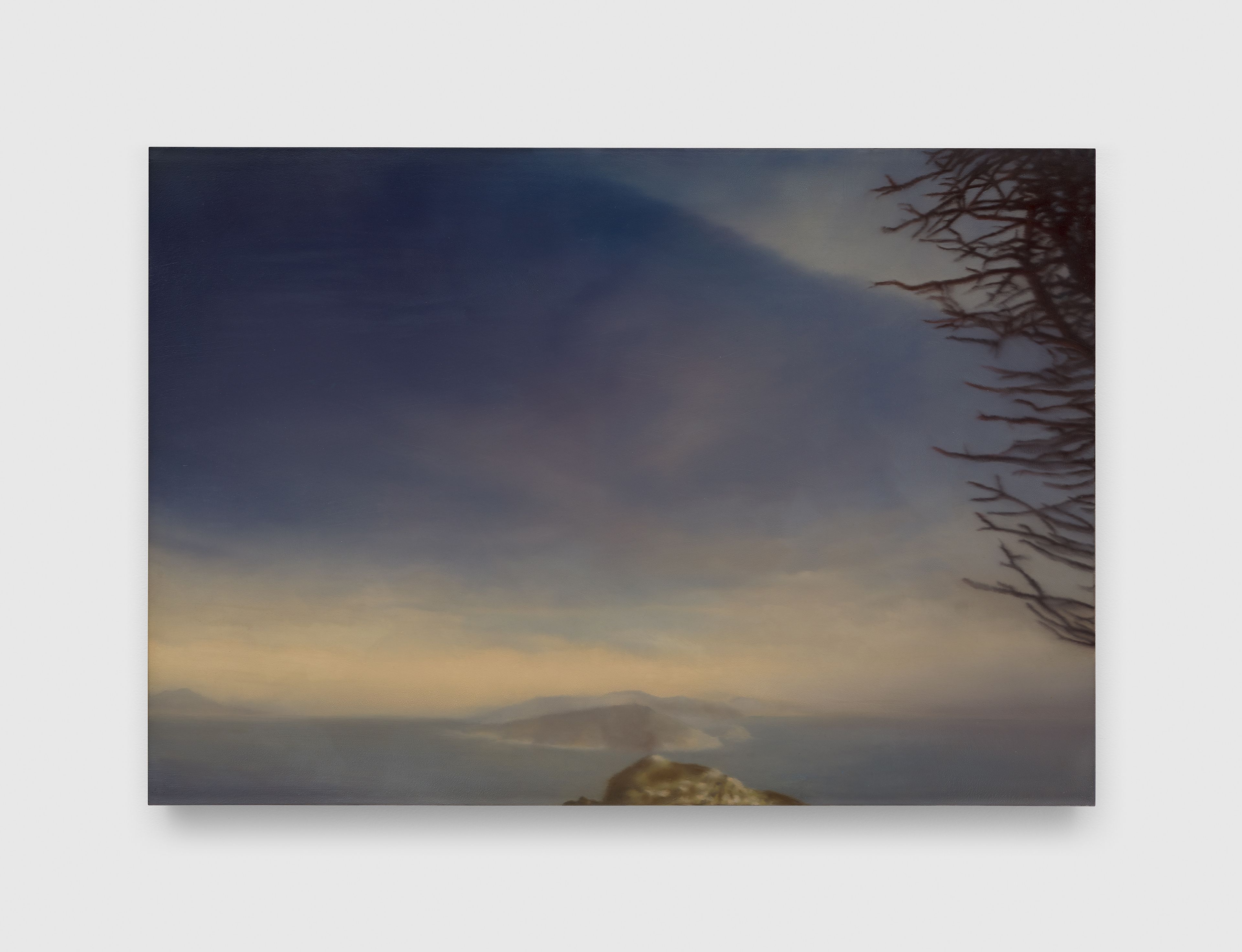
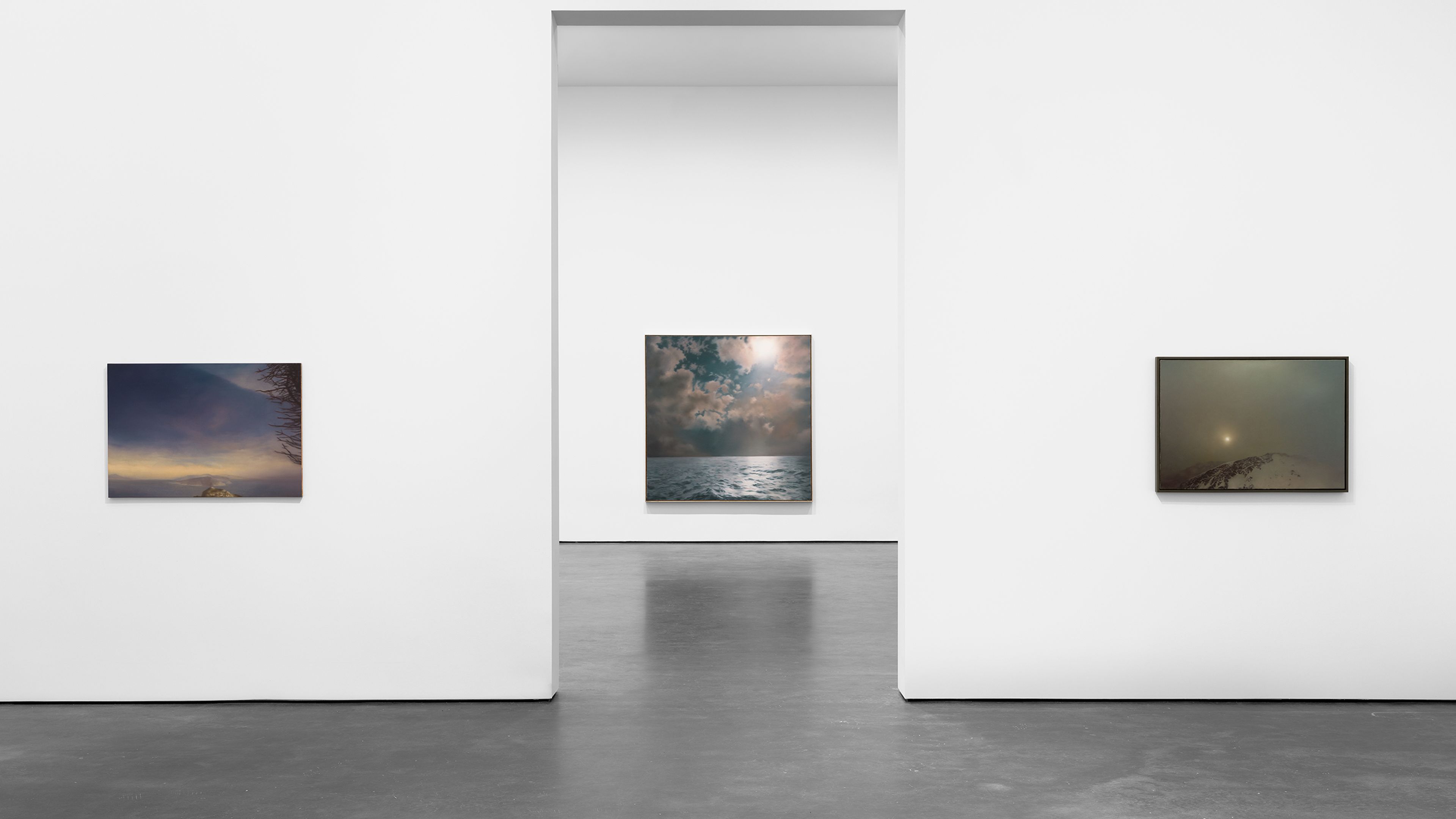
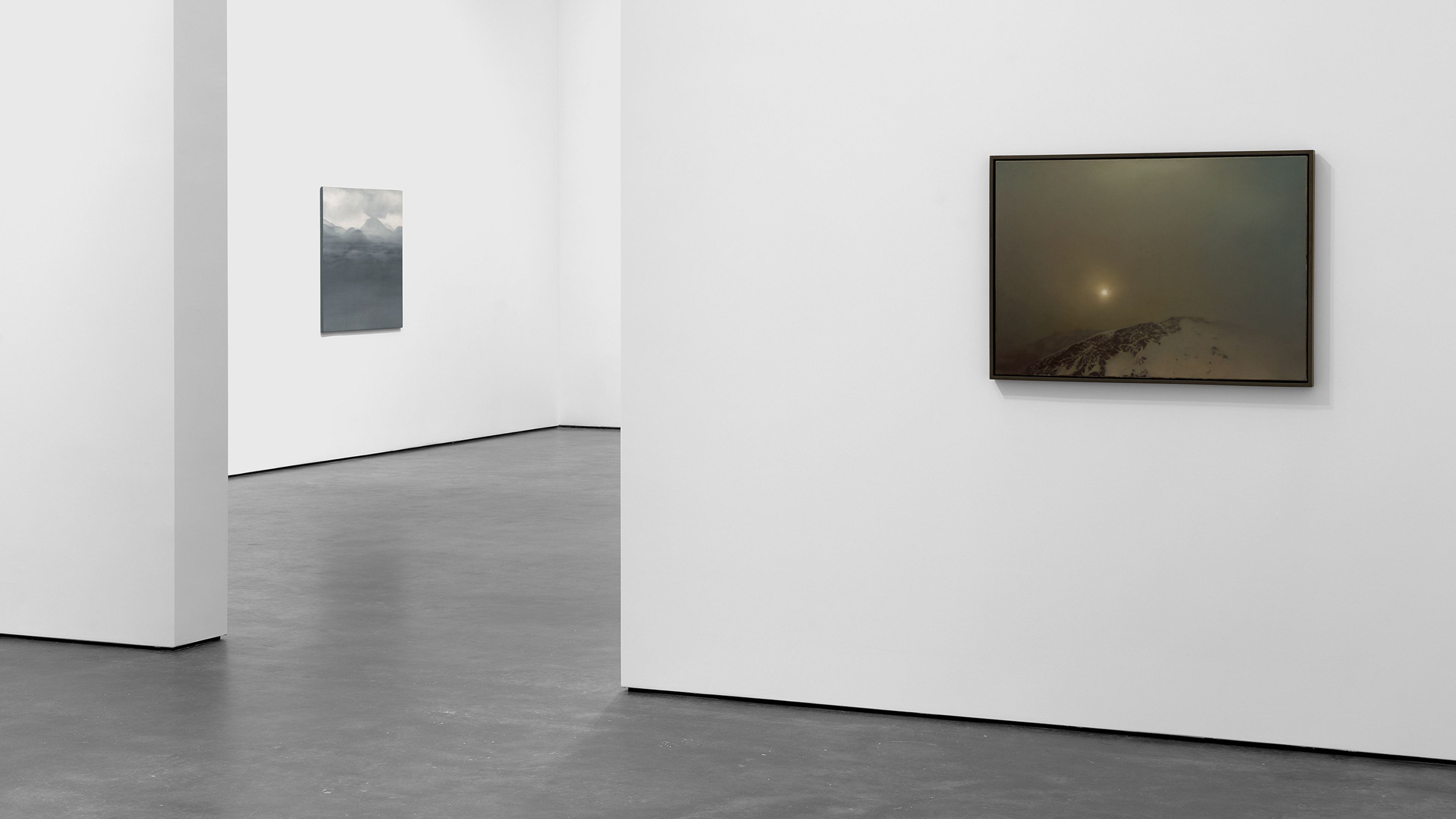
Installation view, Gerhard Richter: Landschaften, David Zwirner, New York, 2026
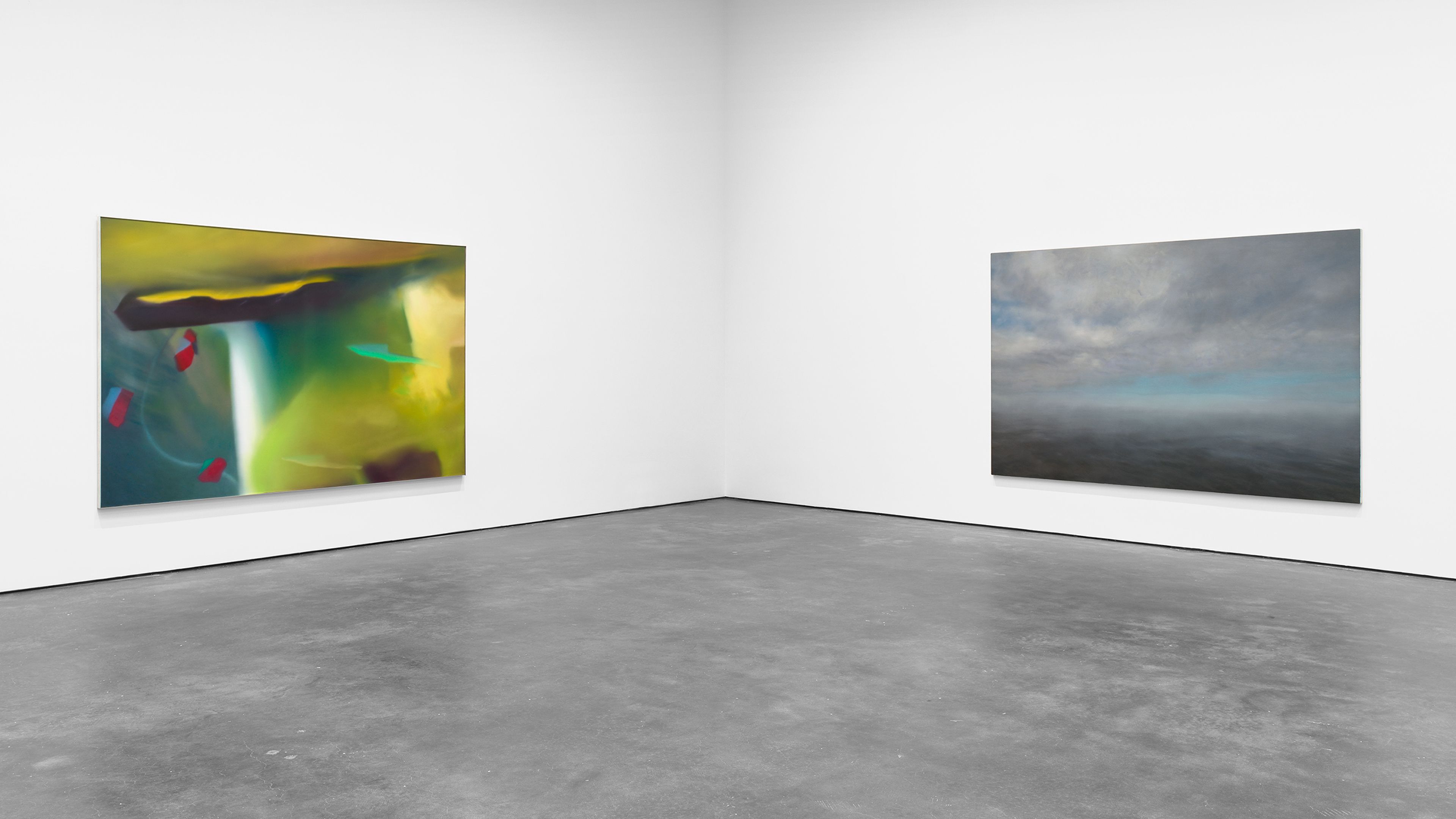
Installation view, Gerhard Richter: Landschaften, David Zwirner, New York, 2026
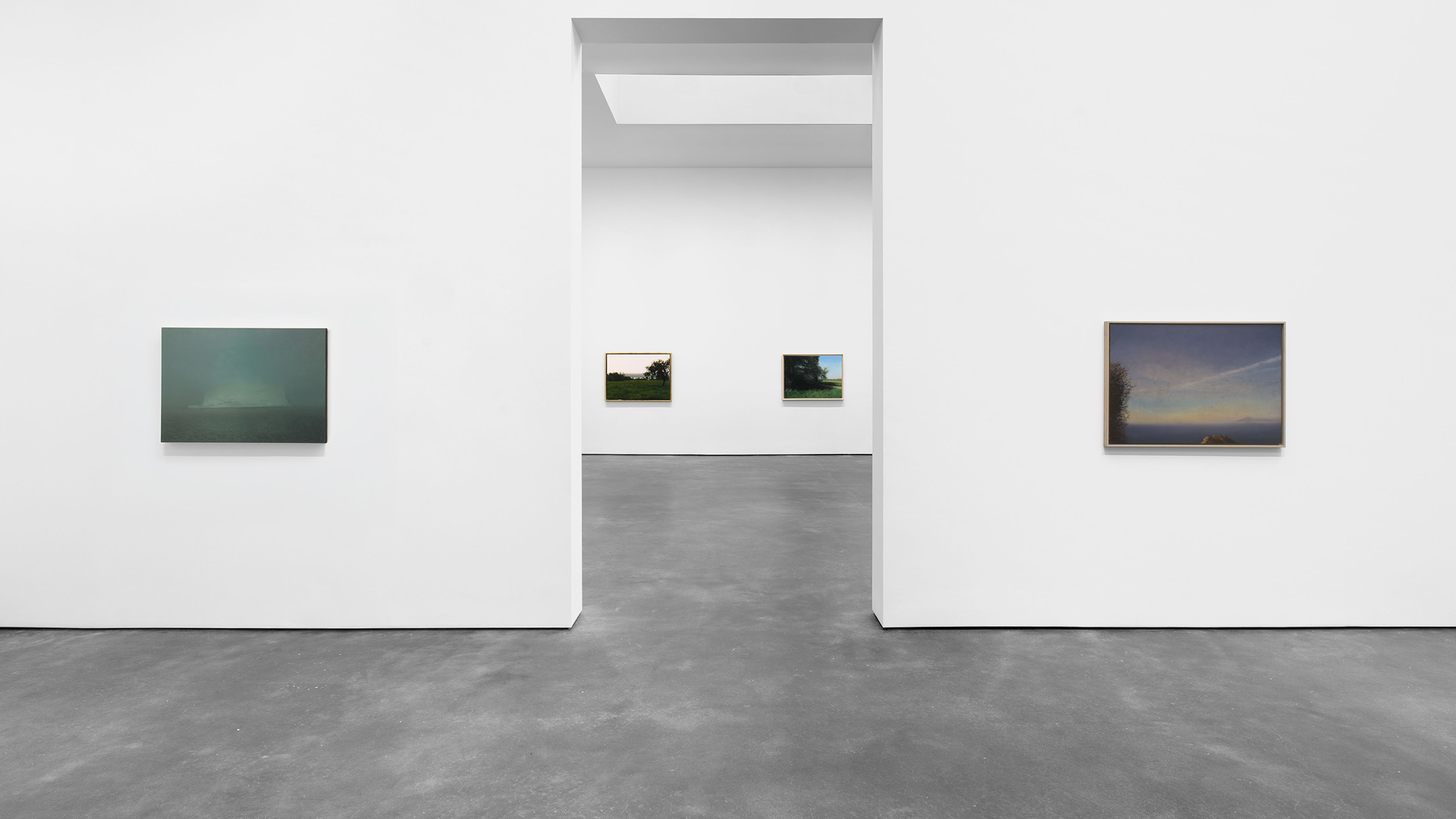
Installation view, Gerhard Richter: Landschaften, David Zwirner, New York, 2026
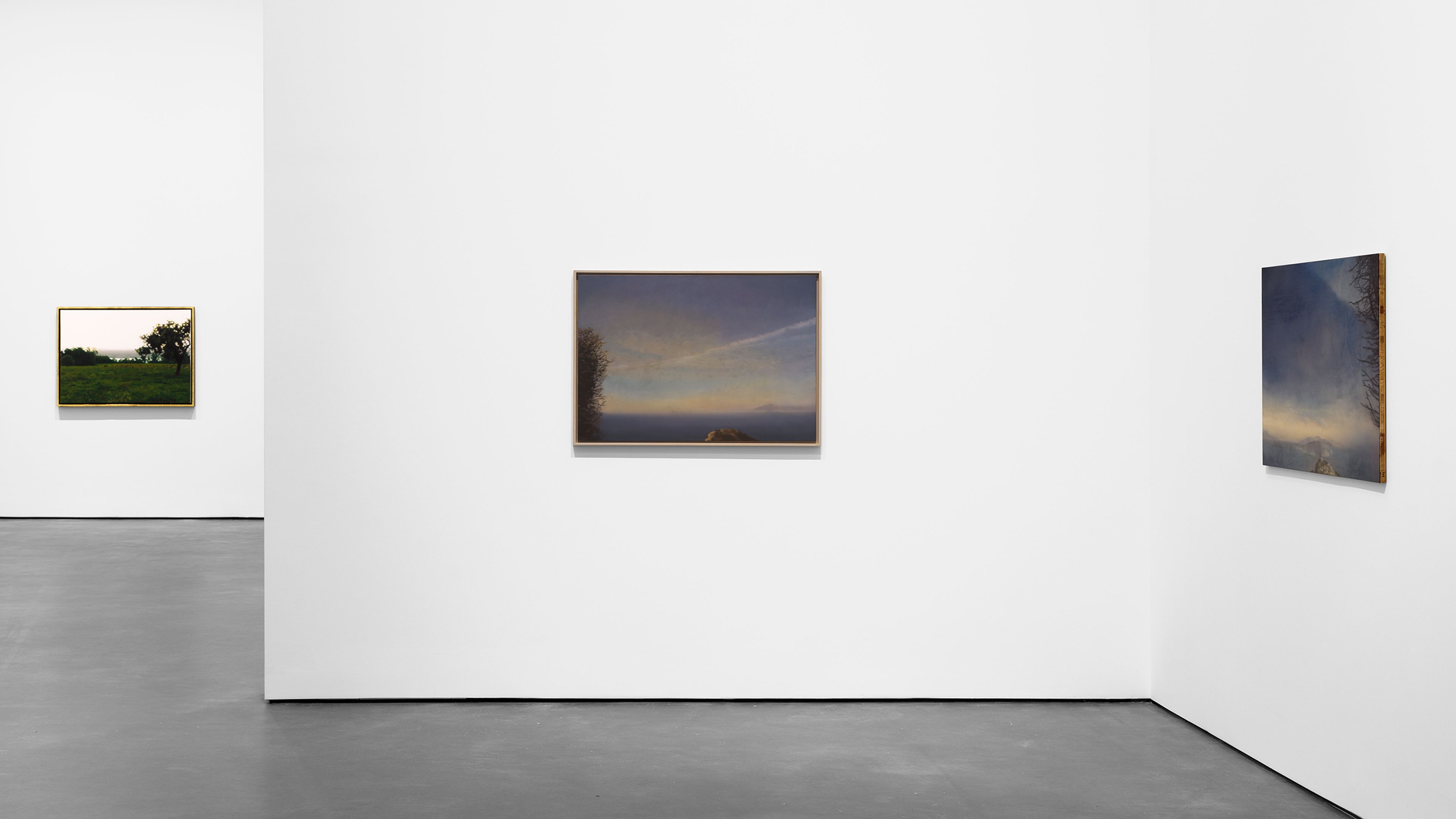
Installation view, Gerhard Richter: Landschaften, David Zwirner, New York, 2026
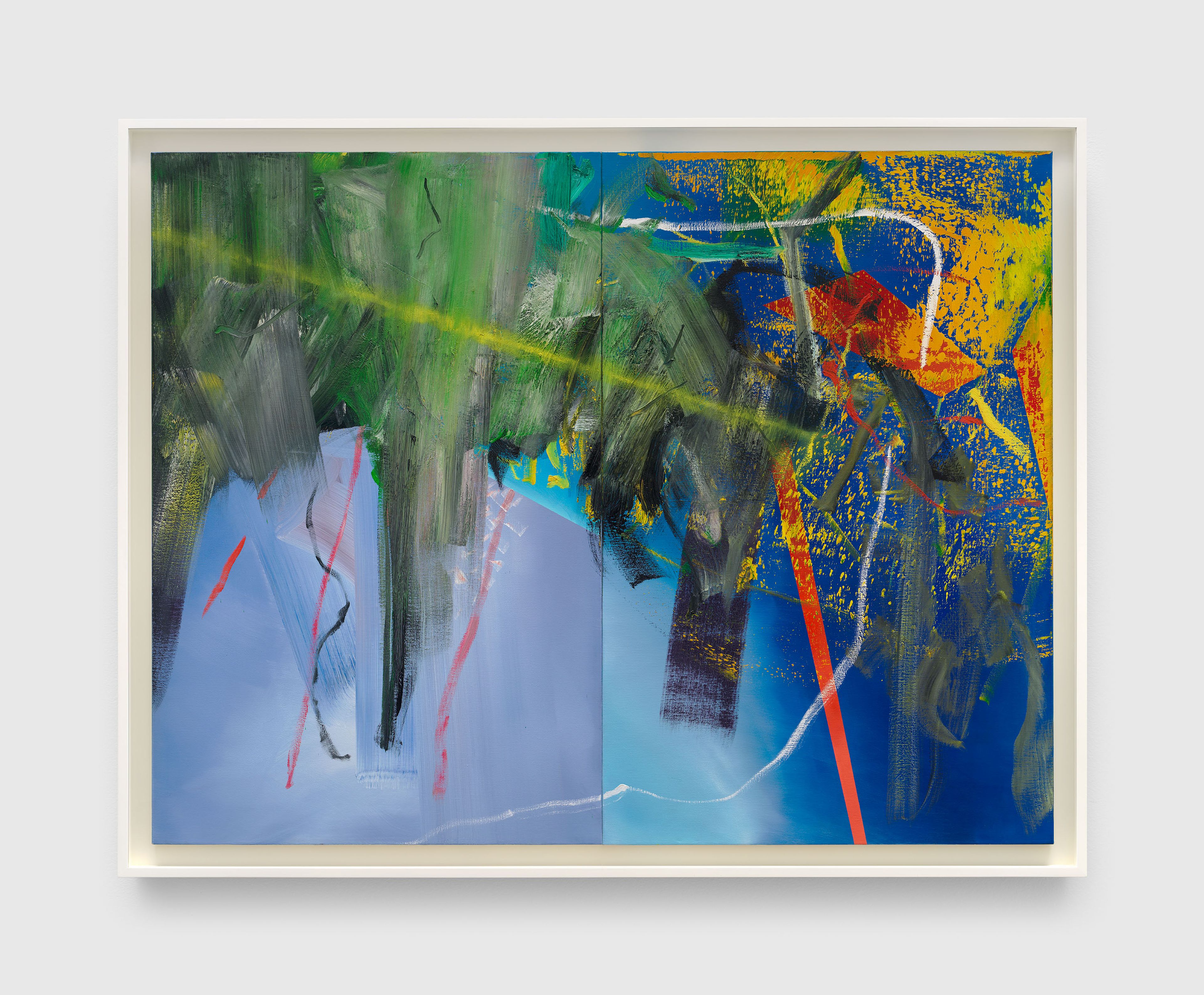
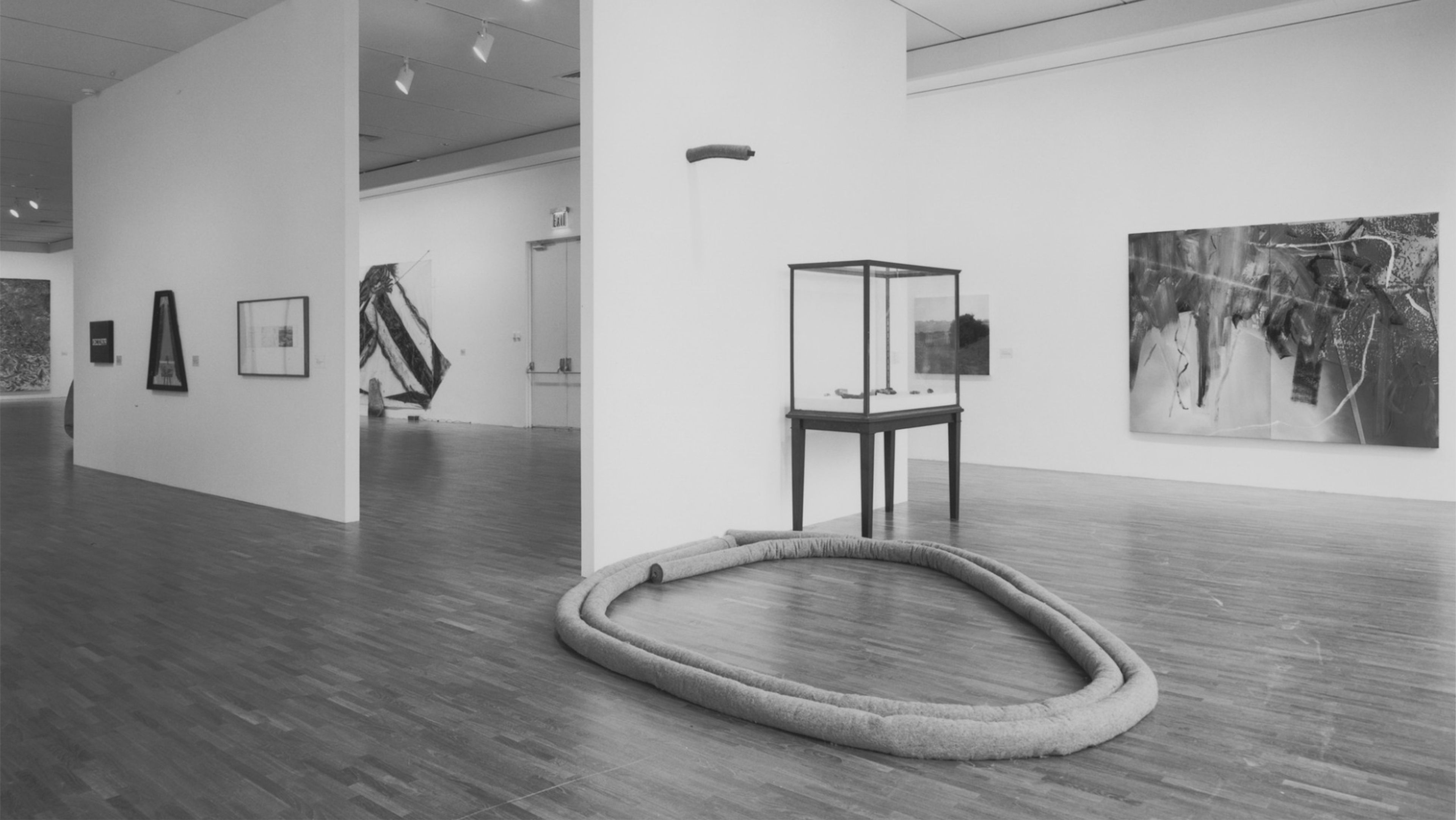
Installation view, Contemporary Works in the Collection [with Wolken (Clouds), 1982 seen at right], Museum of Modern Art, New York, 1986
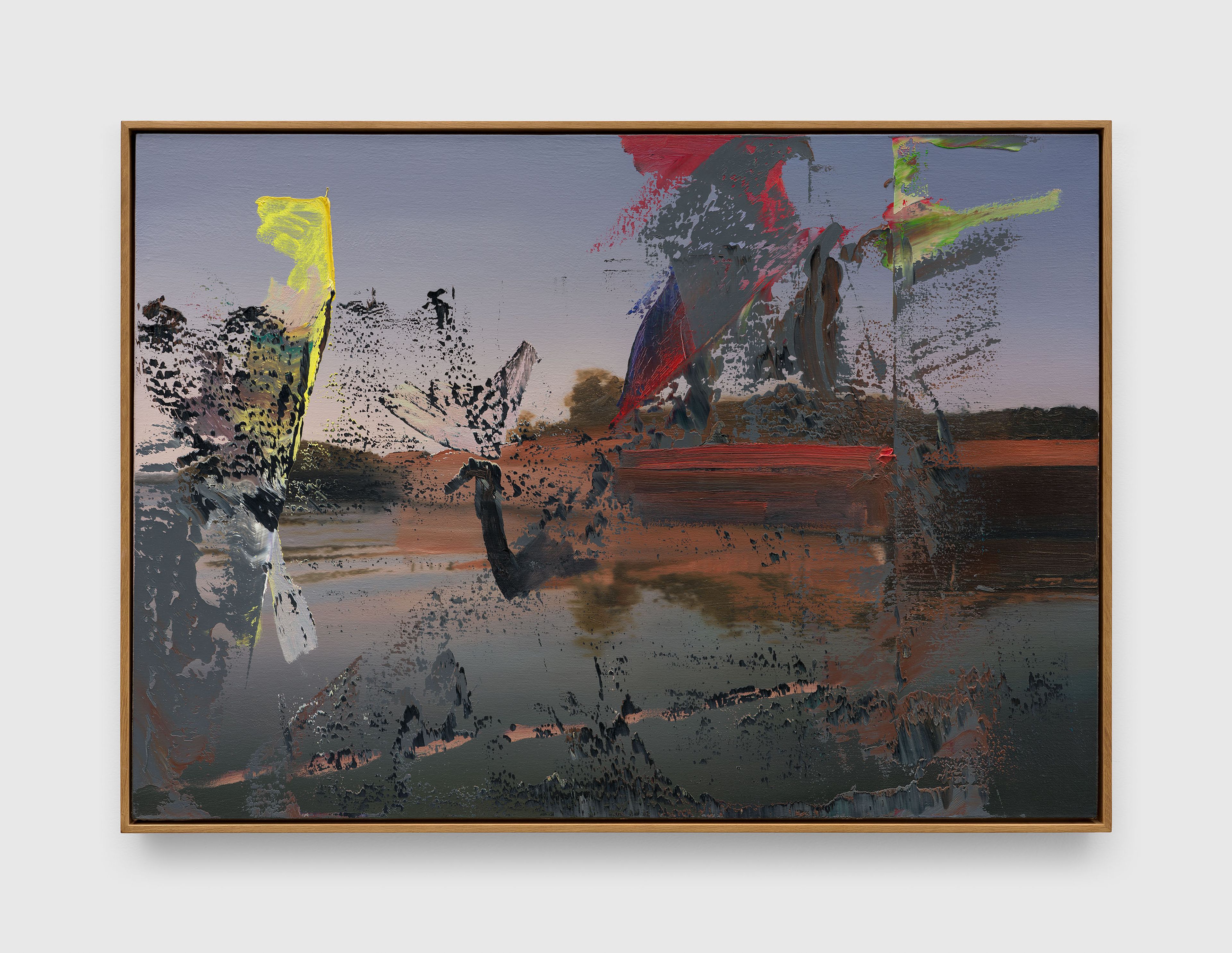
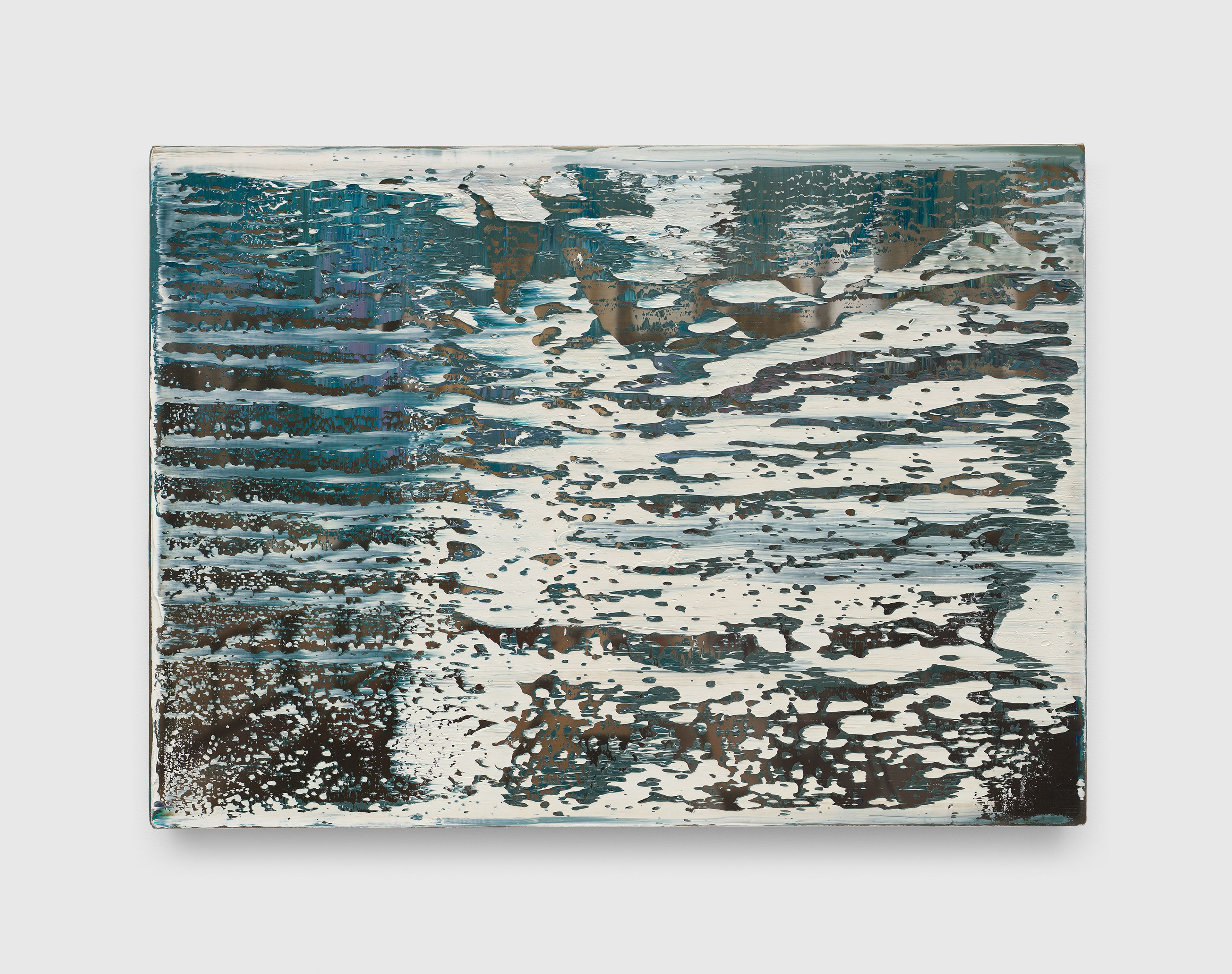
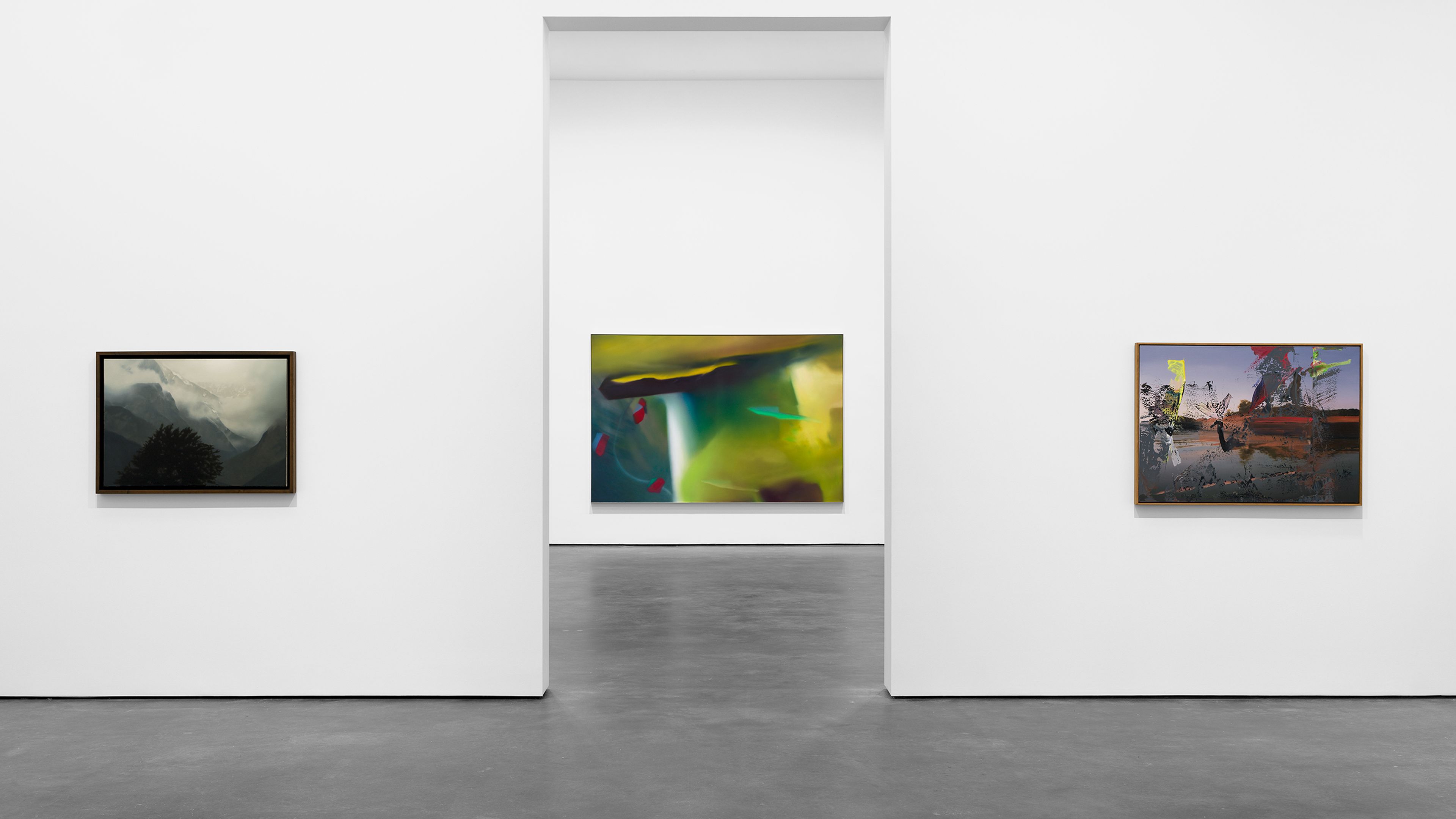
Installation view, Gerhard Richter: Landschaften, David Zwirner, New York, 2026
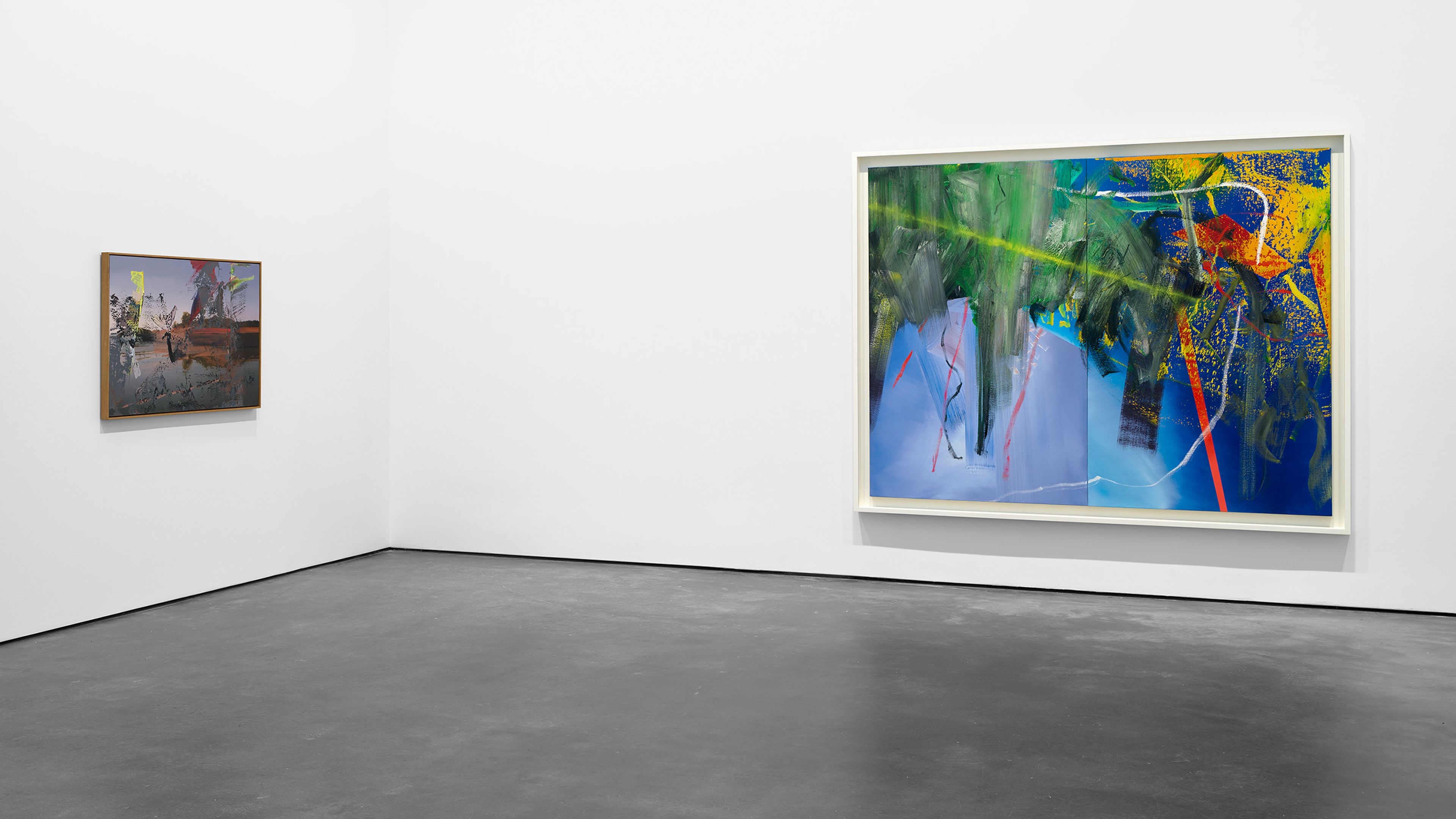
Installation view, Gerhard Richter: Landschaften, David Zwirner, New York, 2026
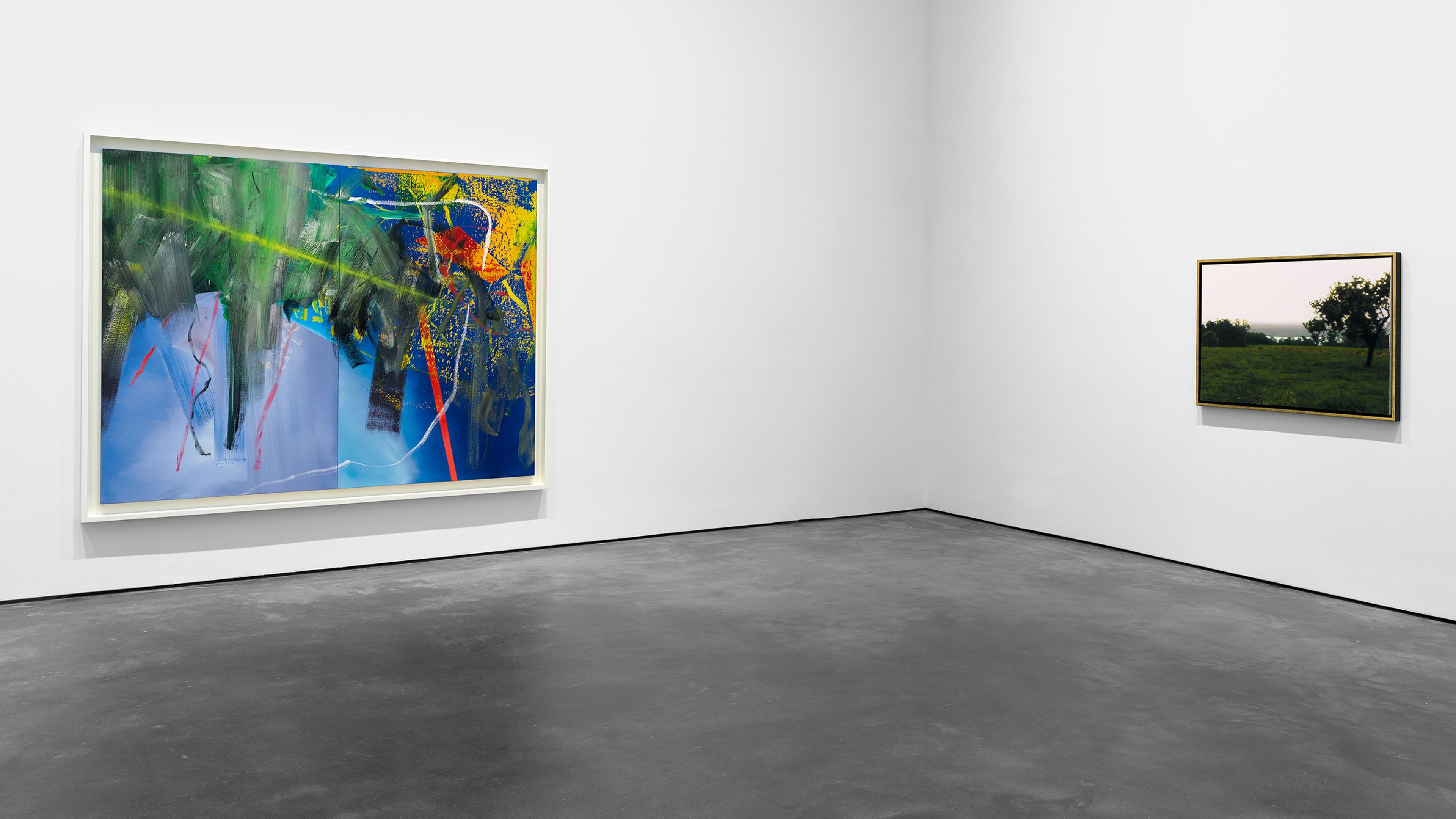
Installation view, Gerhard Richter: Landschaften, David Zwirner, New York, 2026
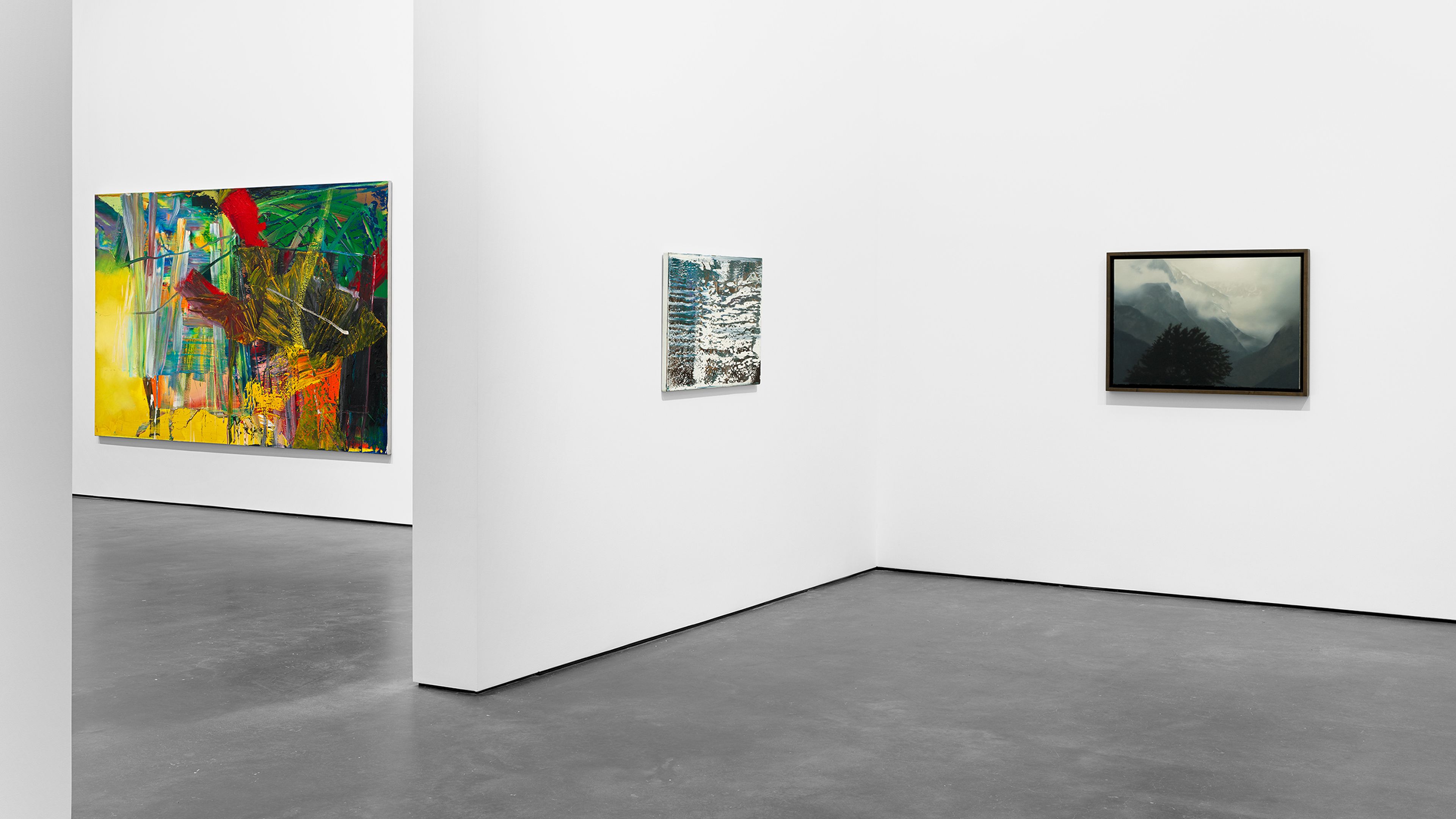
Installation view, Gerhard Richter: Landschaften, David Zwirner, New York, 2026
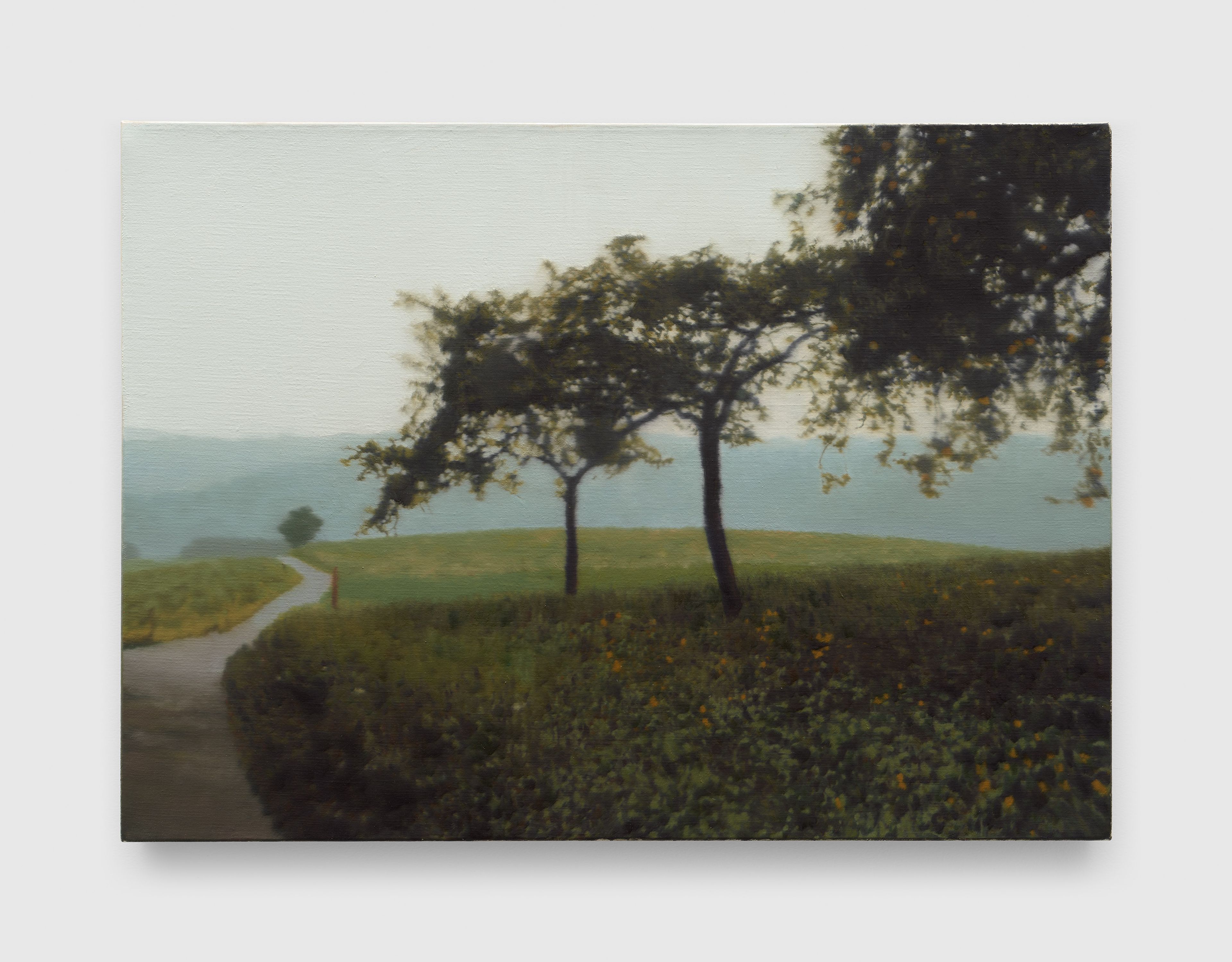
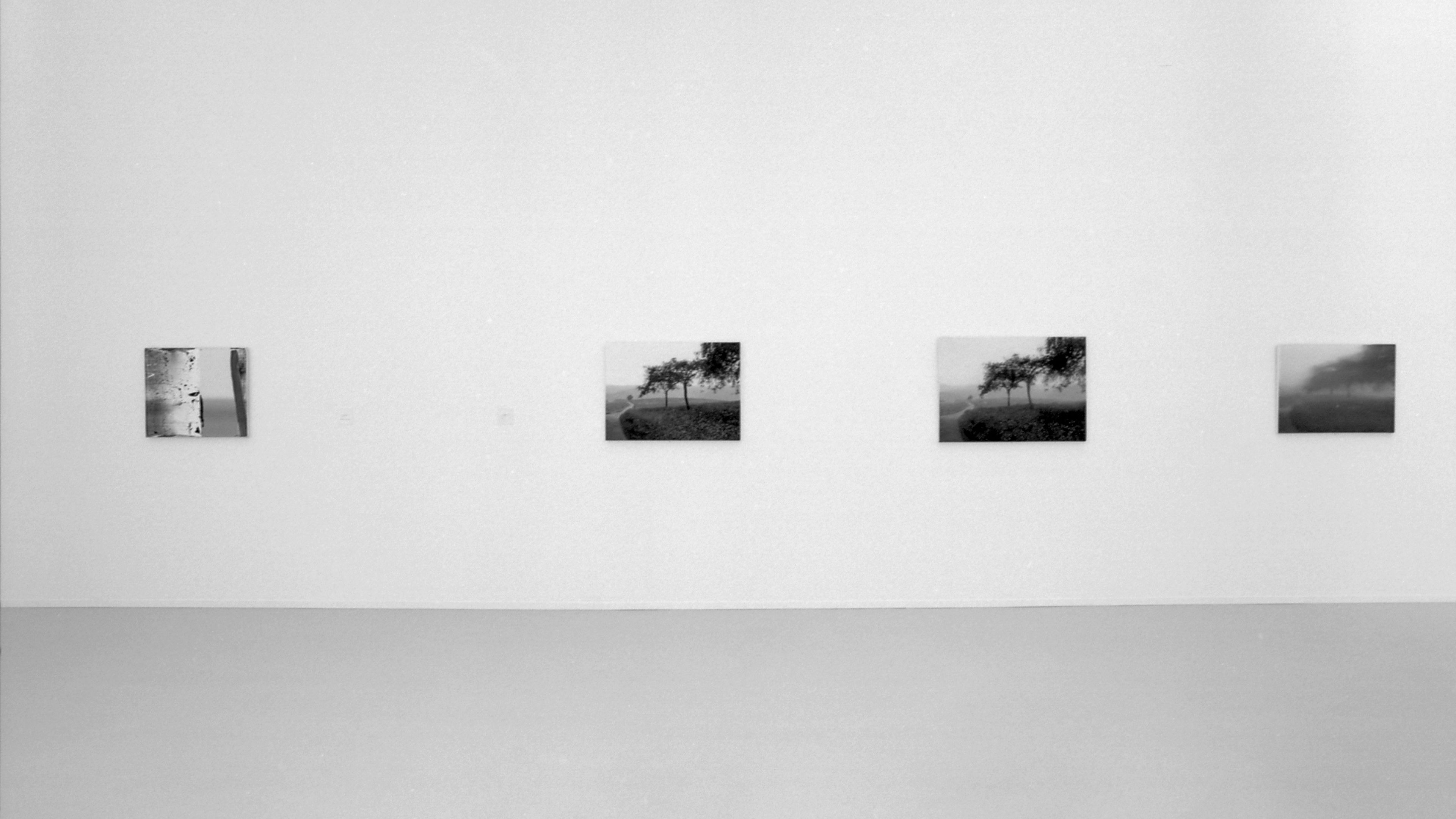
Installation view, Gerhard Richter: Landschaften, Sprengel Museum Hannover, 1998. Photo by Michael Herling / Sprengel Museum Hannover
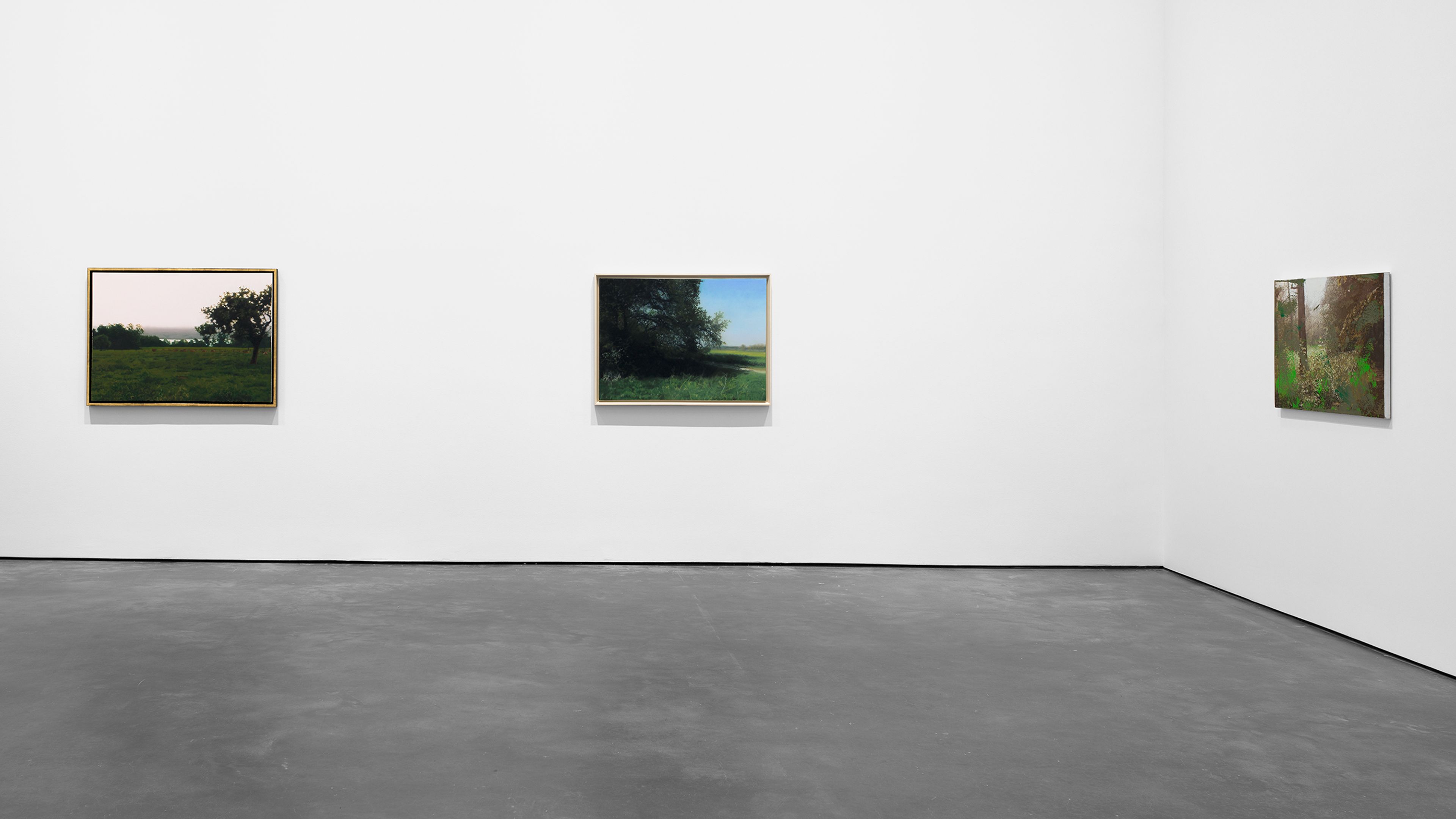
Installation view, Gerhard Richter: Landschaften, David Zwirner, New York, 2026
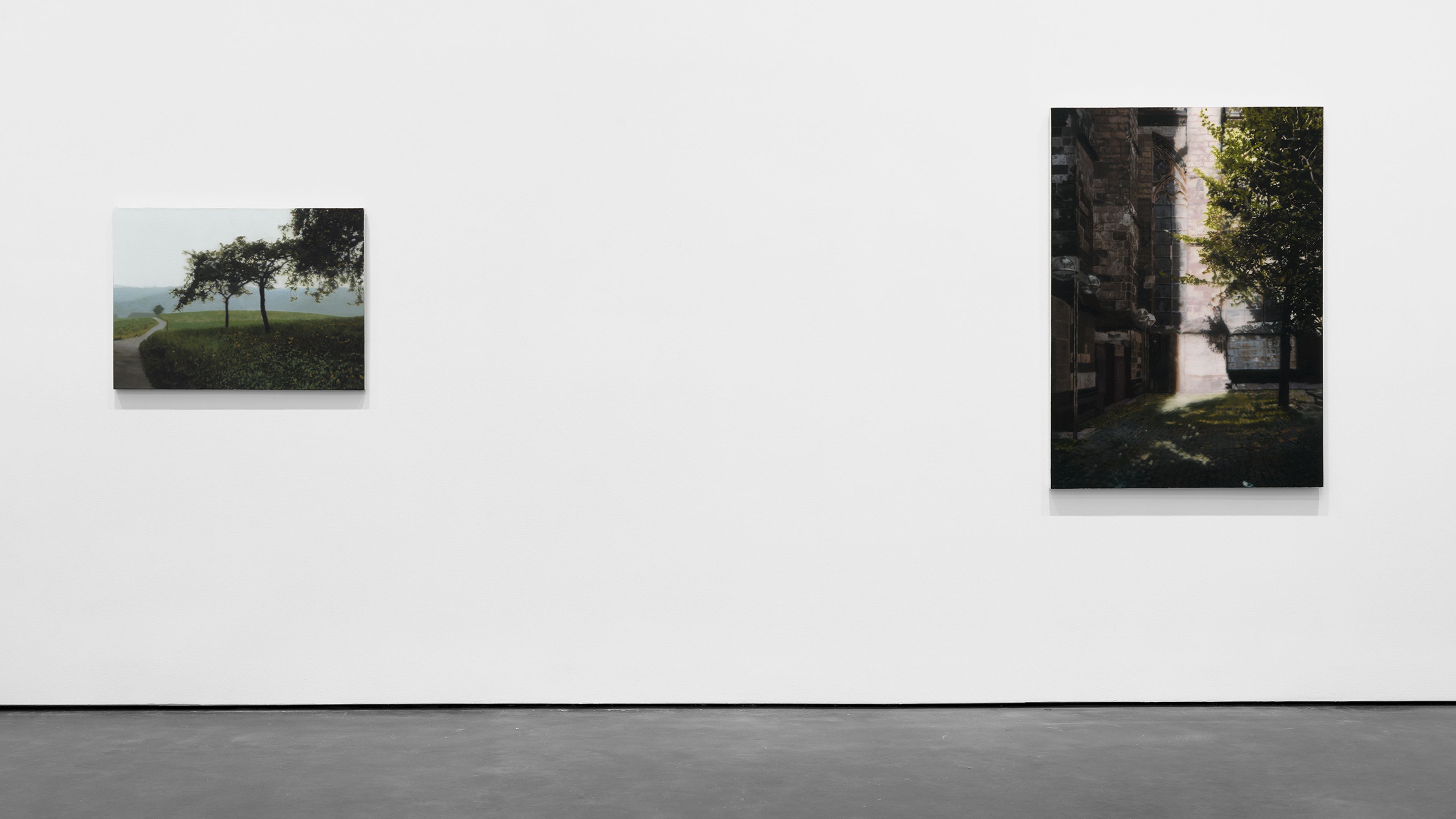
Installation view, Gerhard Richter: Landschaften, David Zwirner, New York, 2026
“Richter has often chosen to exhibit individual landscape paintings in amongst his large abstract canvases. Not in order to highlight any formal discrepancies but rather to draw the viewer’s attention to their conceptual similarity.... [The] Abstract Paintings and landscapes complement each other and together make up a ‘world view’ which will nevertheless always remain fragmentary.”
—Dietmar Elger
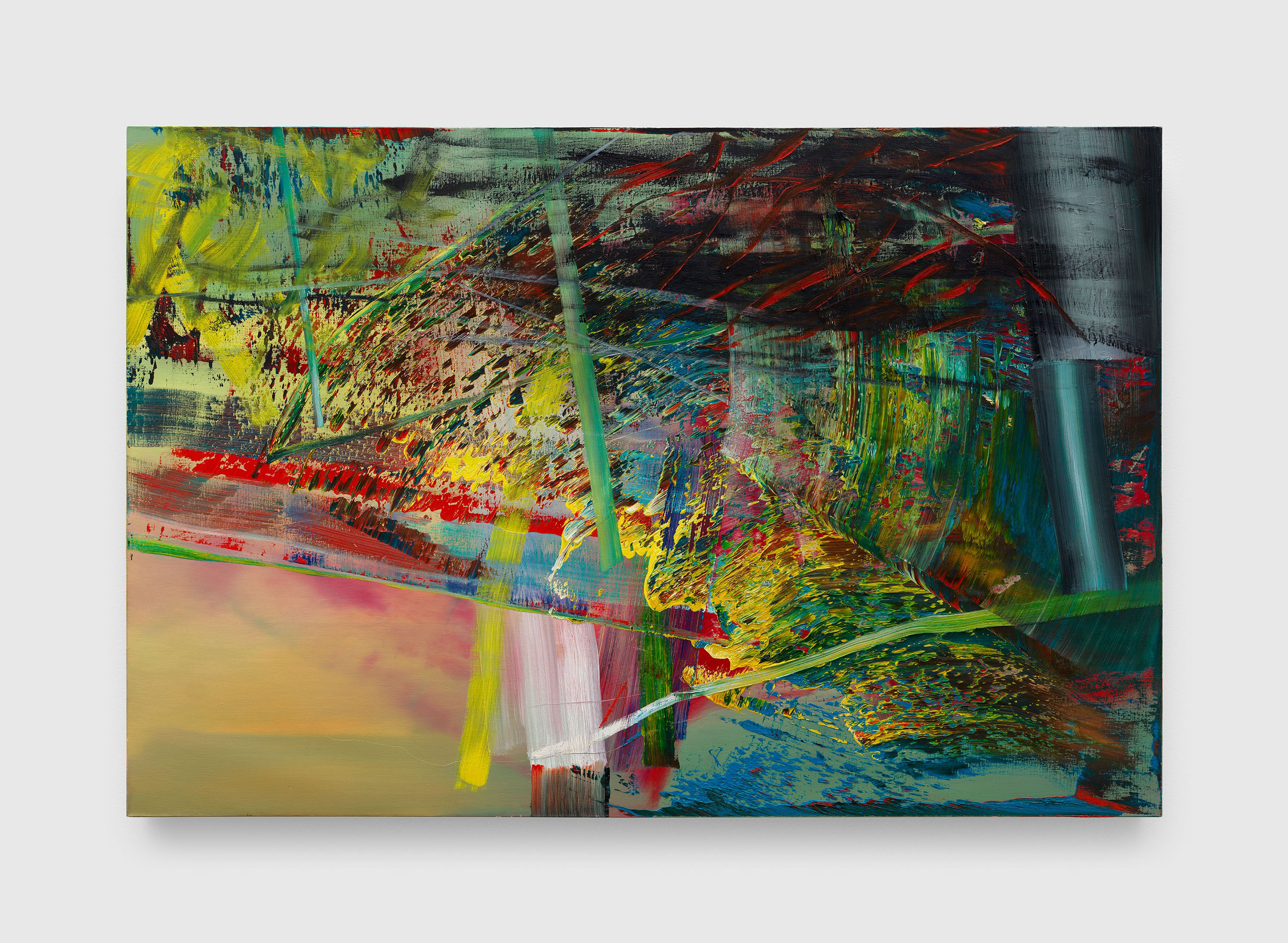
“I believe that every detail from nature has a logic that I would also like to see in abstraction.”
—Gerhard Richter
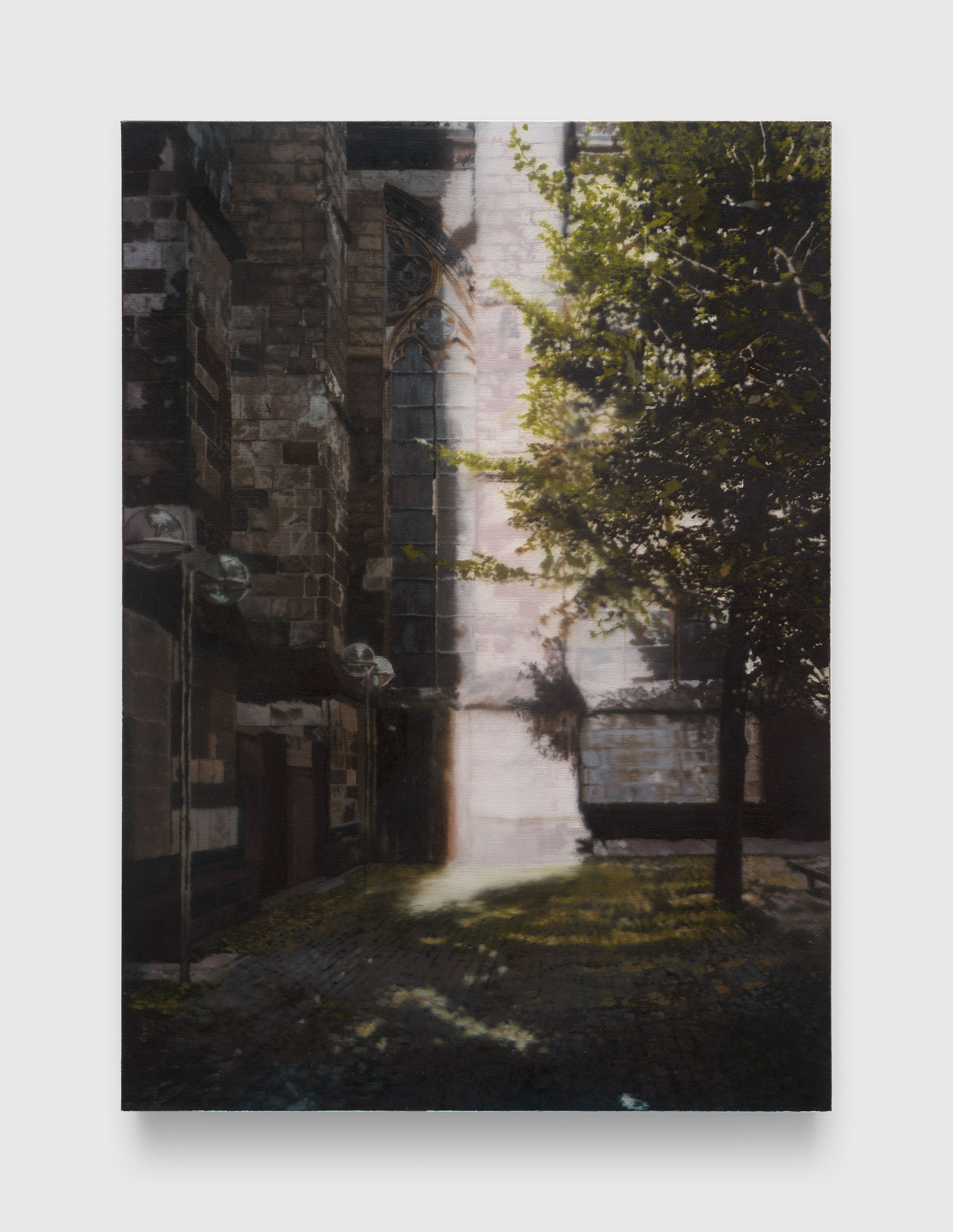
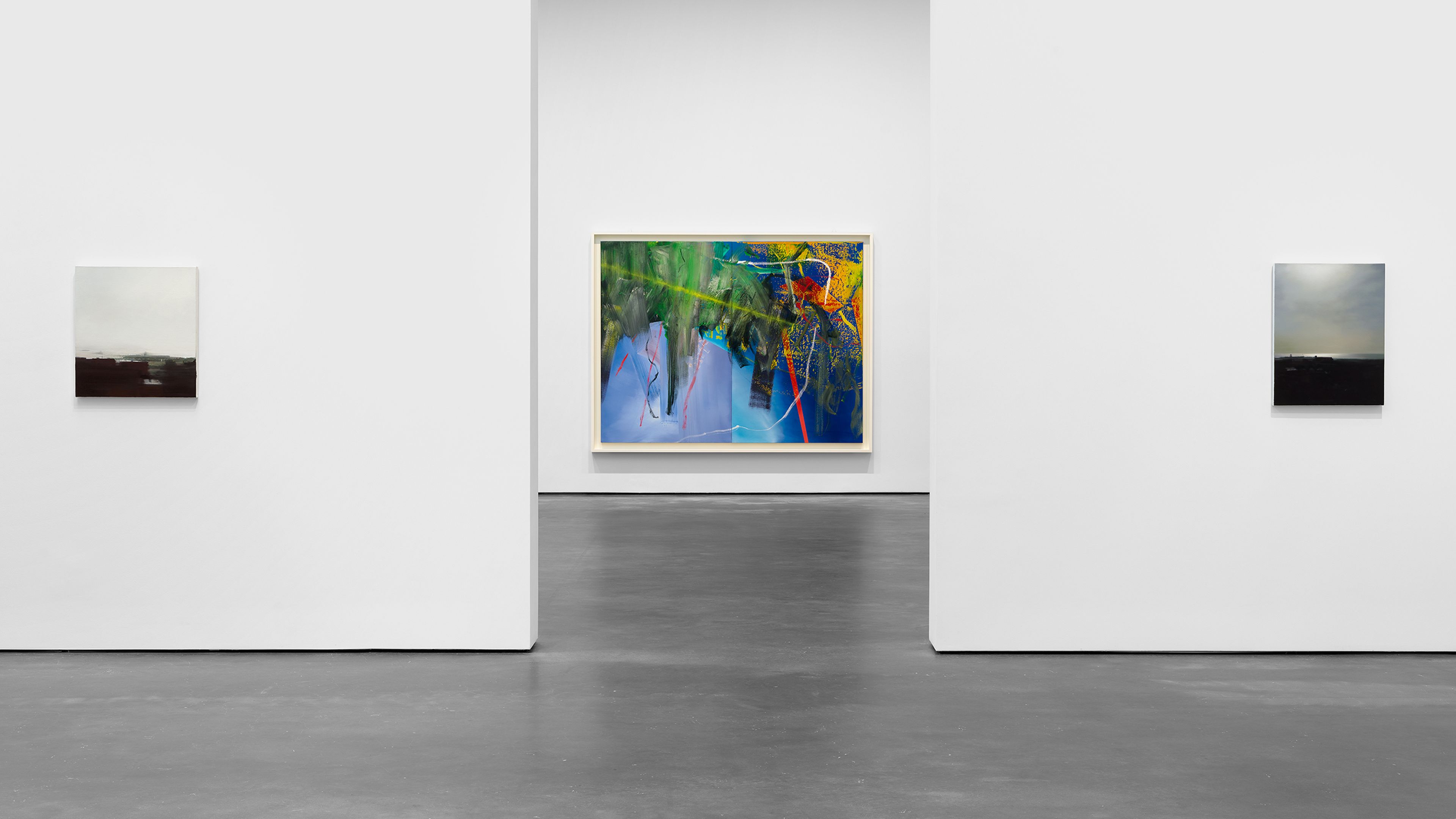
Installation view, Gerhard Richter: Landschaften, David Zwirner, New York, 2026
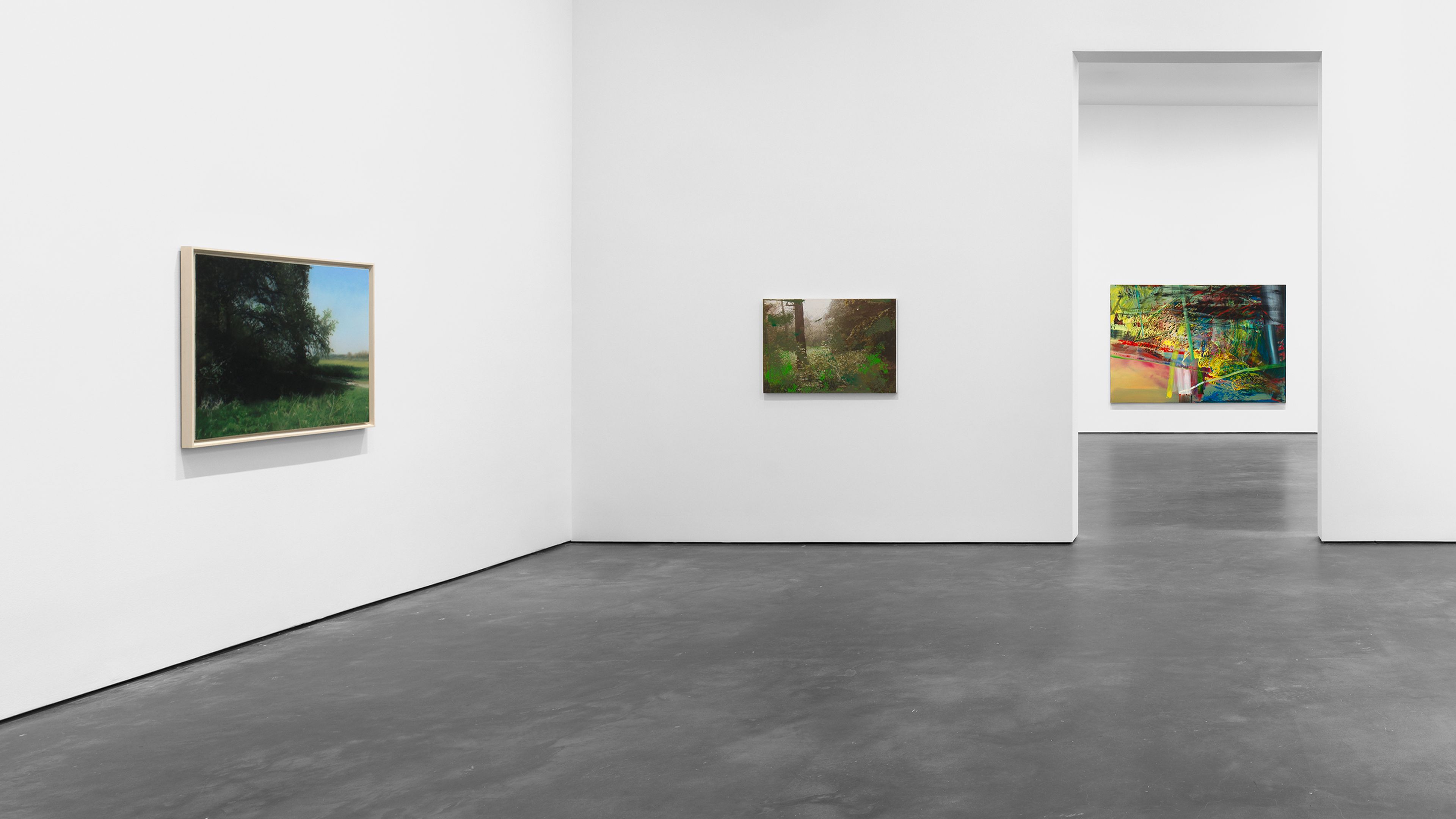
Installation view, Gerhard Richter: Landschaften, David Zwirner, New York, 2026
Installation view, Gerhard Richter: Landschaften, David Zwirner, New York, 2026
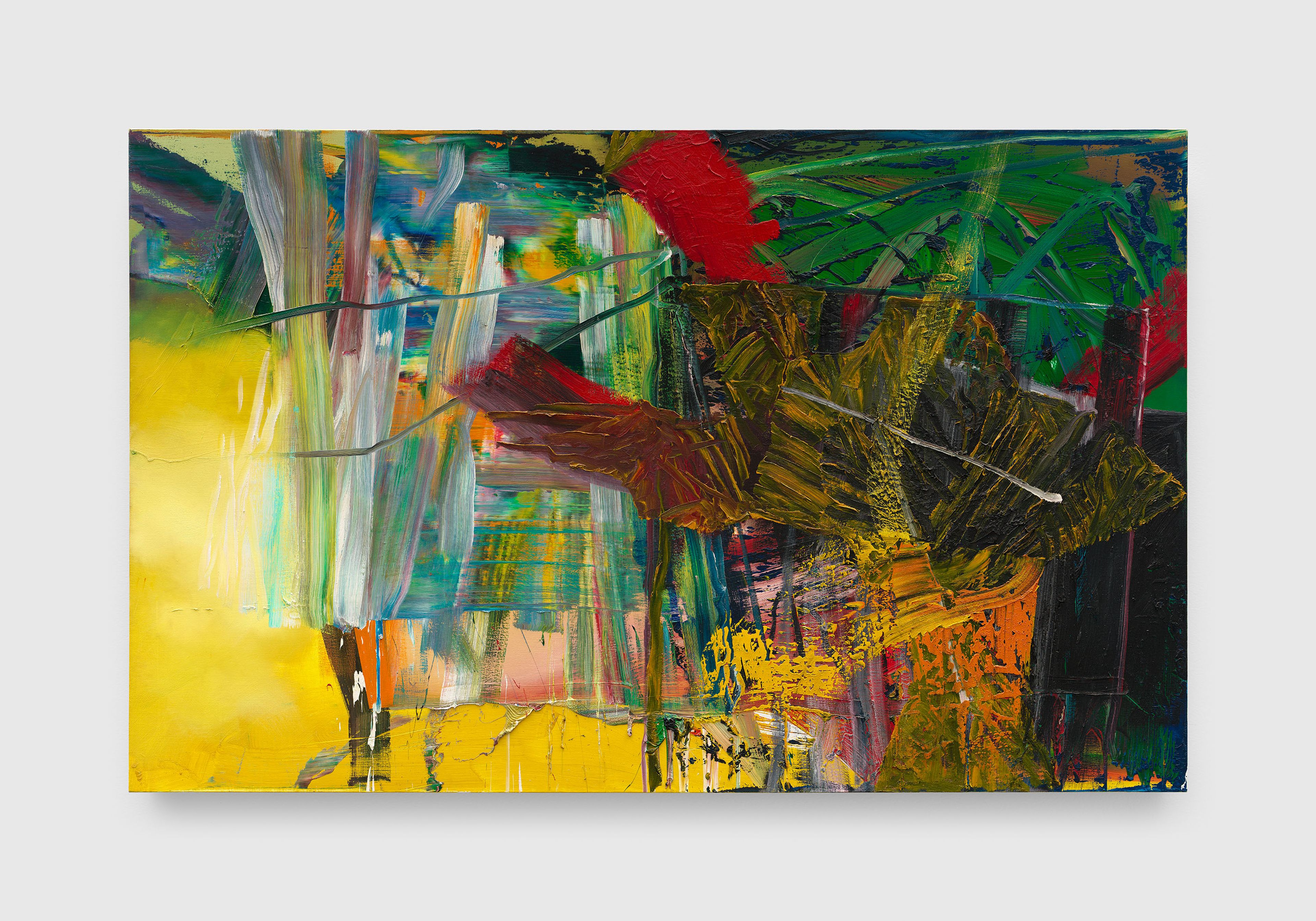
“If the Abstract Pictures show my reality, then the landscapes … show my yearning.... Though these pictures are motivated by the dream of classical order and a pristine world—by nostalgia, in other words—the anachronism in them takes on a subversive and contemporary quality.”
—Gerhard Richter
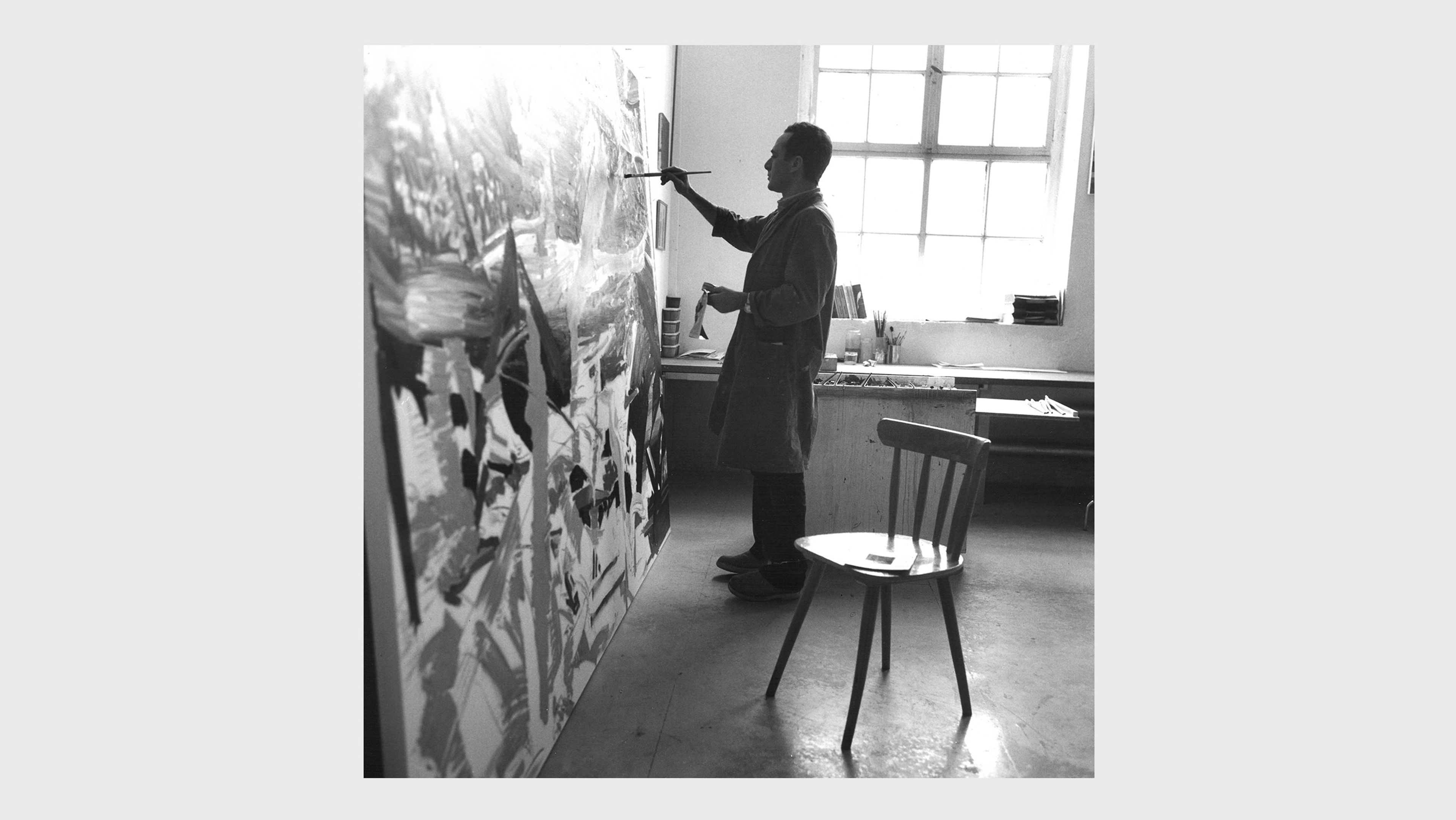
Gerhard Richter in his studio, Brückenstraße, Düsseldorf, 1977. Museum Kunstpalast, AFORK, Düsseldorf. © Erika Kiffl, 2026. © Gerhard Richter, 2026 For all works by Gerhard Richter © Gerhard Richter 2026 (07052026)

Inquire about Works by Gerhard Richter