Exceptional Works: Robert Ryman
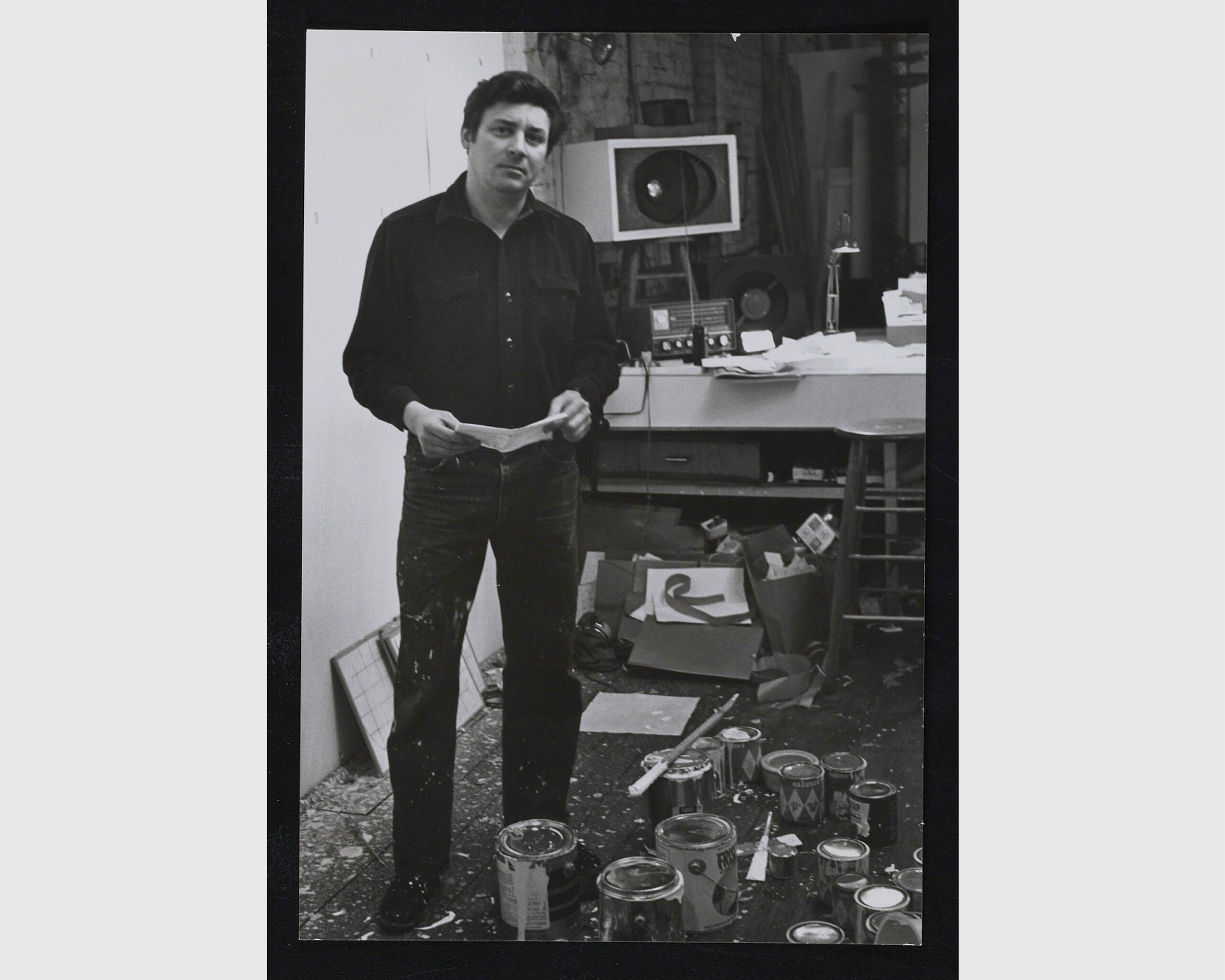
Robert Ryman in his studio, New York, late 1960s
Widely celebrated for his tactile monochromatic works, from the outset Ryman gave precedence to the physical gesture of applying paint to a support. As Suzanne Hudson writes, “Unlike so many of his peers, he never passed through a landscape phase, tried for the human figure, or abstracted from objects.” Born in Nashville, Tennessee, Ryman moved to New York in 1953 to pursue a career as a jazz musician. The same year, he took a job as a security guard at The Museum of Modern Art, New York. His time working at the museum in part inspired Ryman to devote his life to painting, with which he began experimenting in 1954.
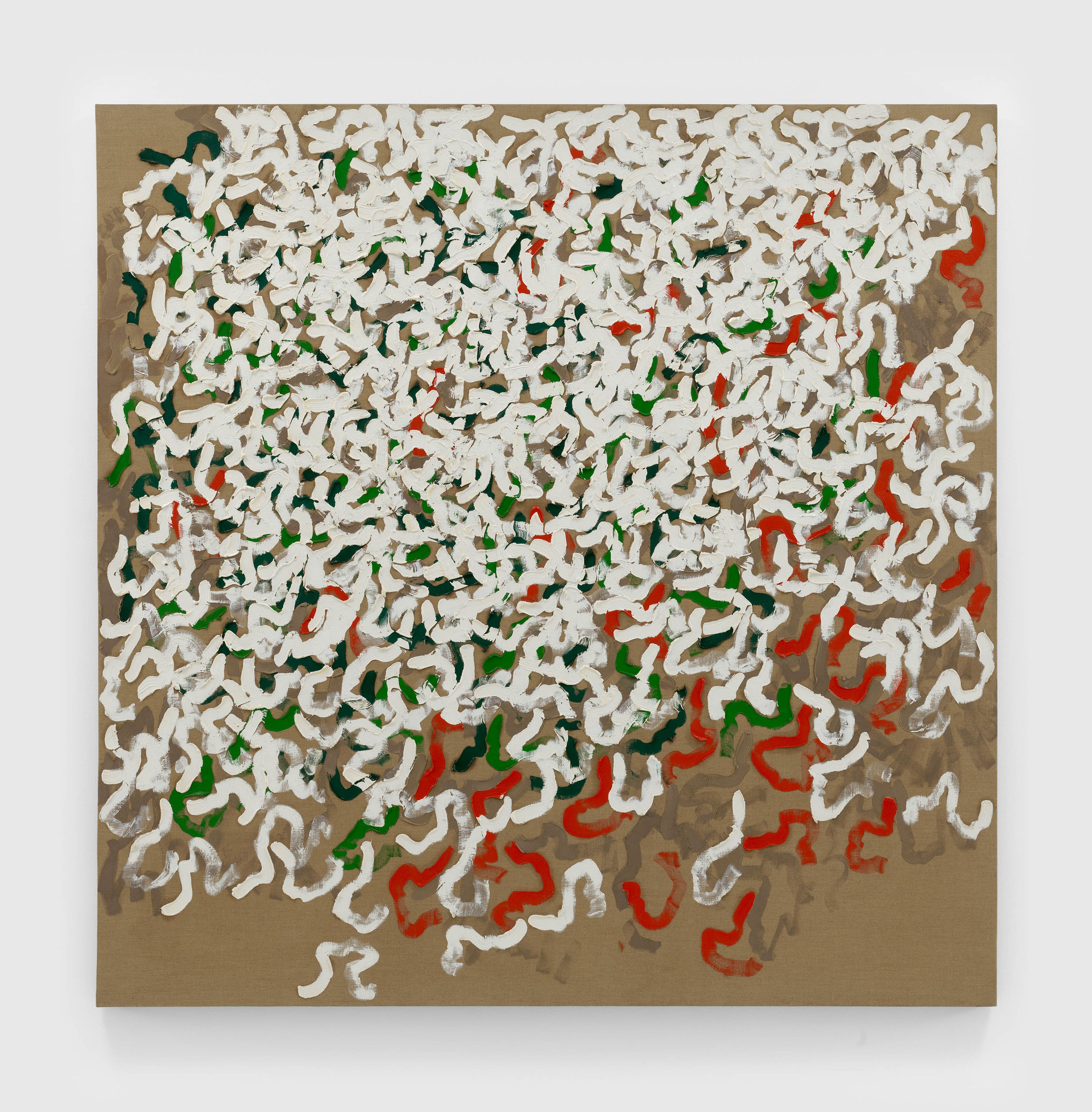
Gallery Senior Director Susan Dunne on Untitled, c. 1963
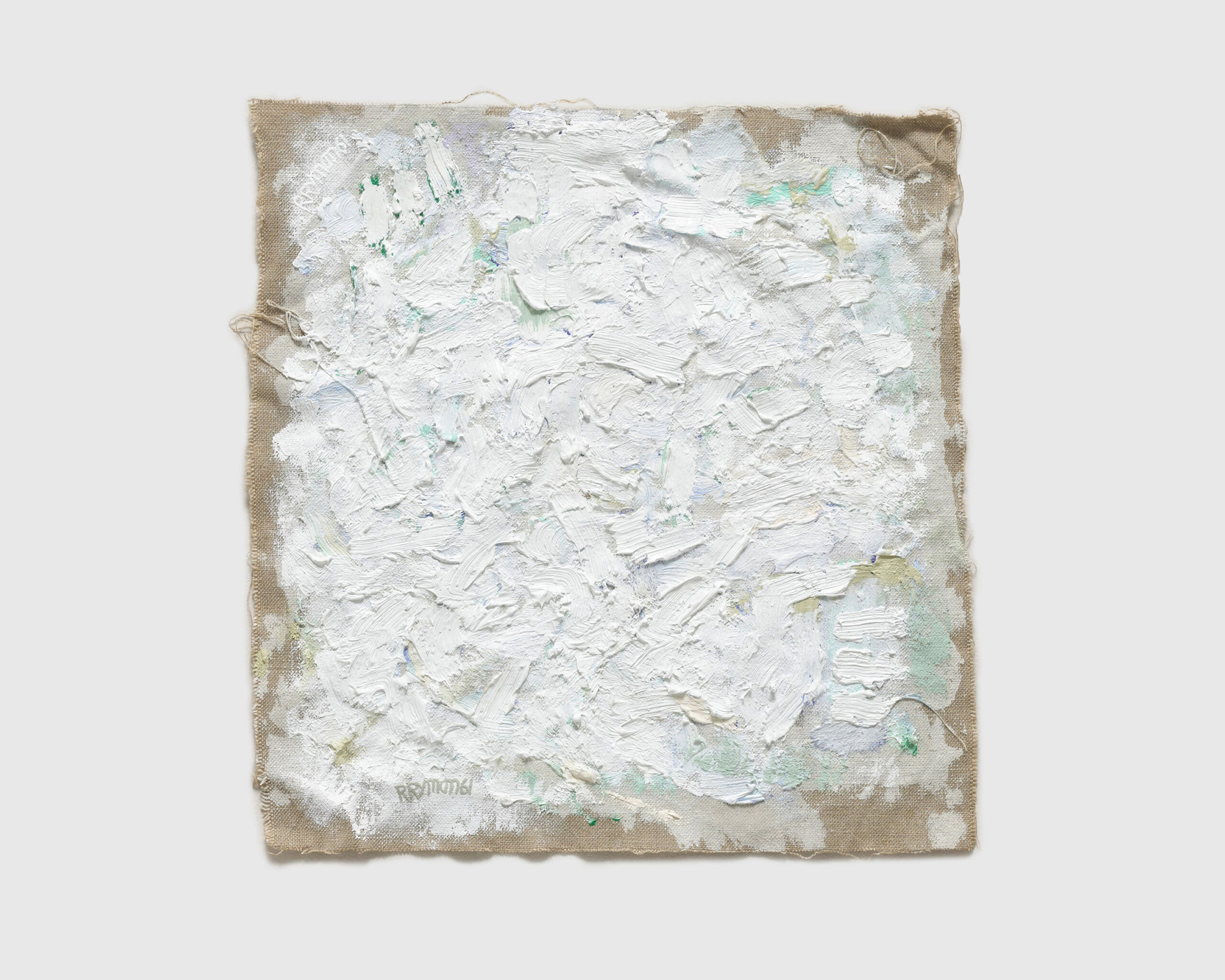
Robert Ryman, Untitled, 1961. The Museum of Modern Art, New York. Photo © The Museum of Modern Art/Licensed by SCALA / Art Resource, NY
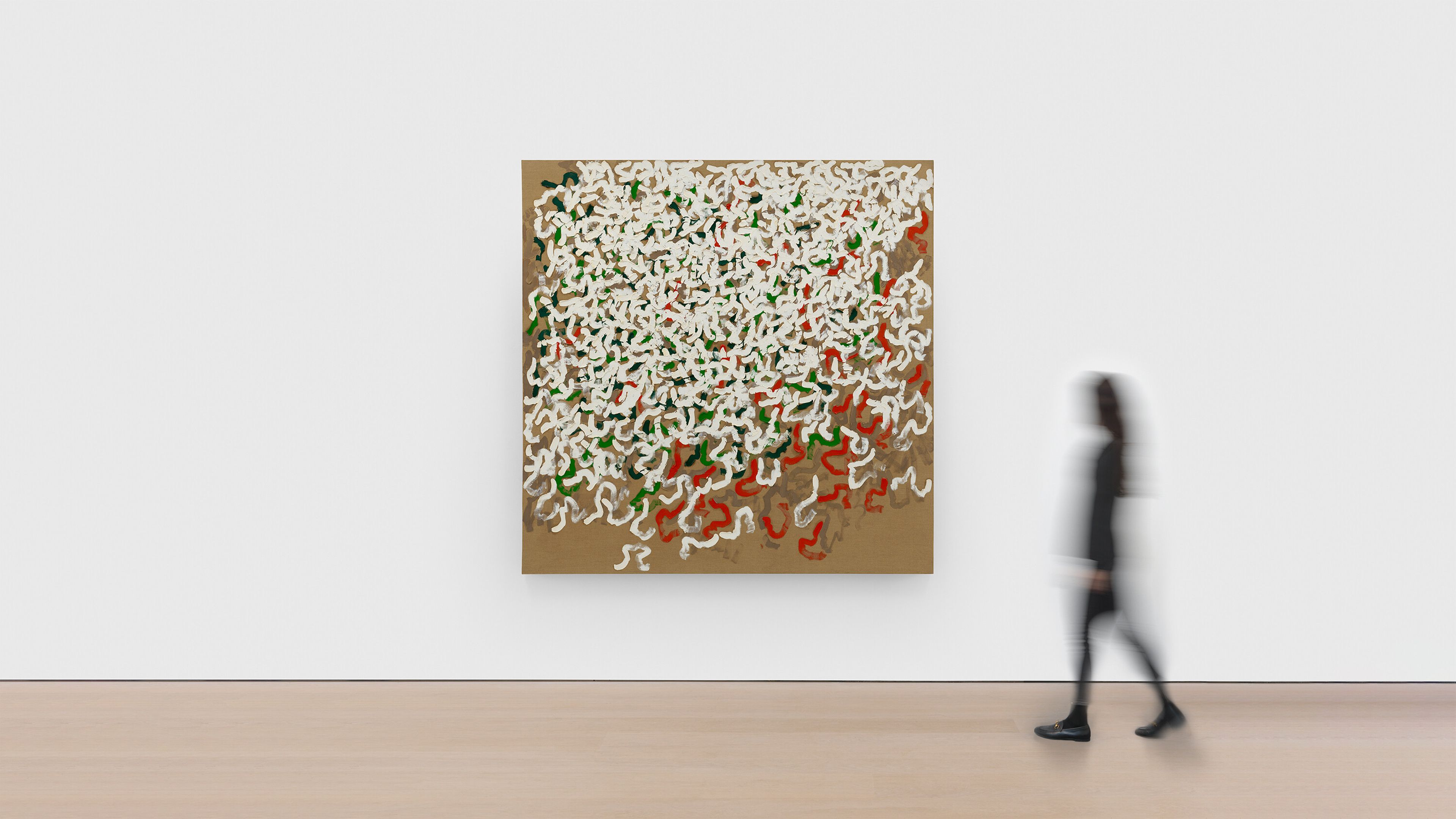
“It was a matter of making the surface very animated, giving it a lot of movement and activity. This was done not just with the brushwork and use of quite heavy paint, but with color which was subtly creeping through the white.”
—Robert Ryman, 1993
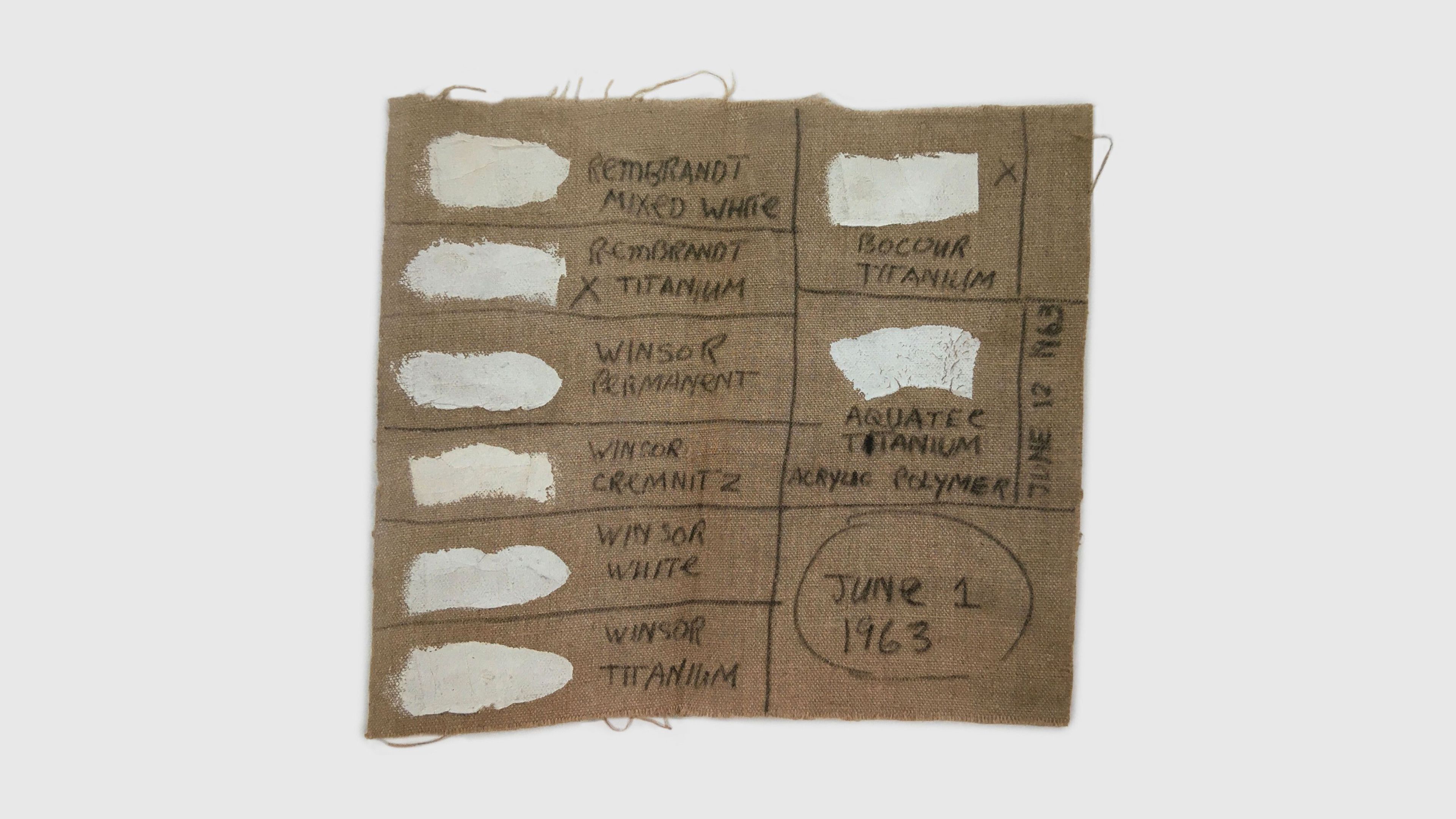
Archival material test, 1963
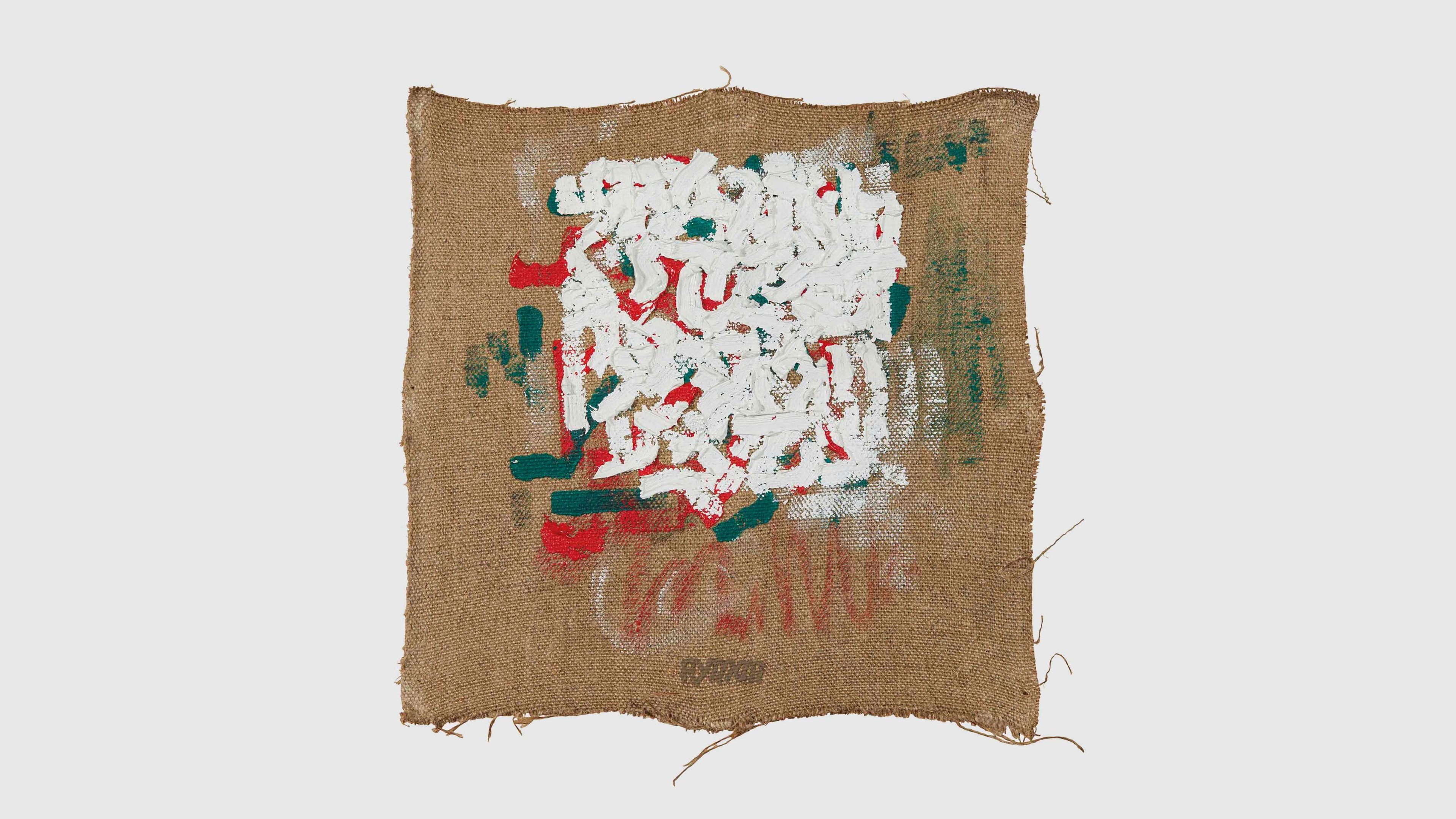
Robert Ryman, Untitled #32, 1963
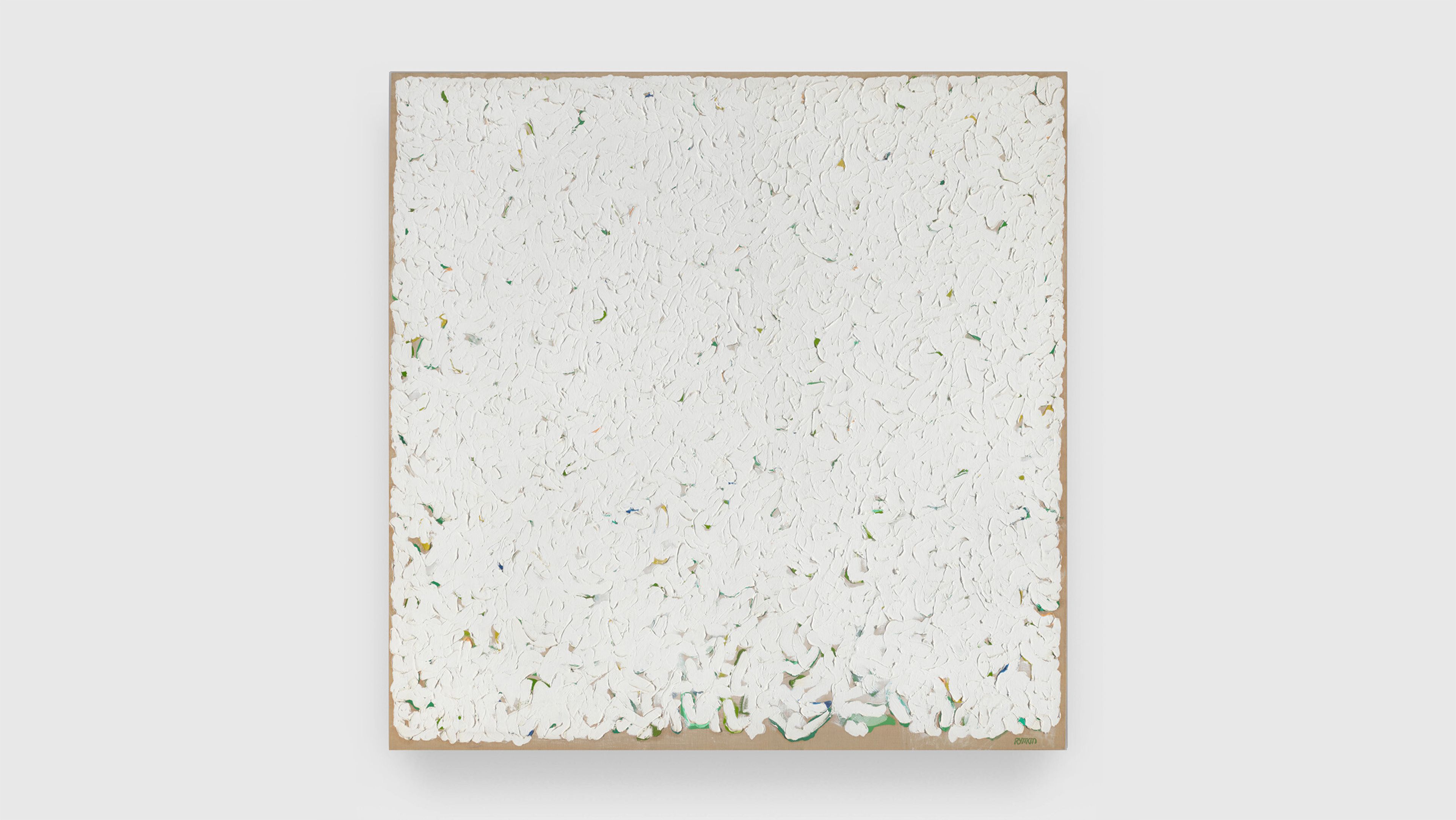
Robert Ryman, Untitled, 1962. Whitney Museum of American Art
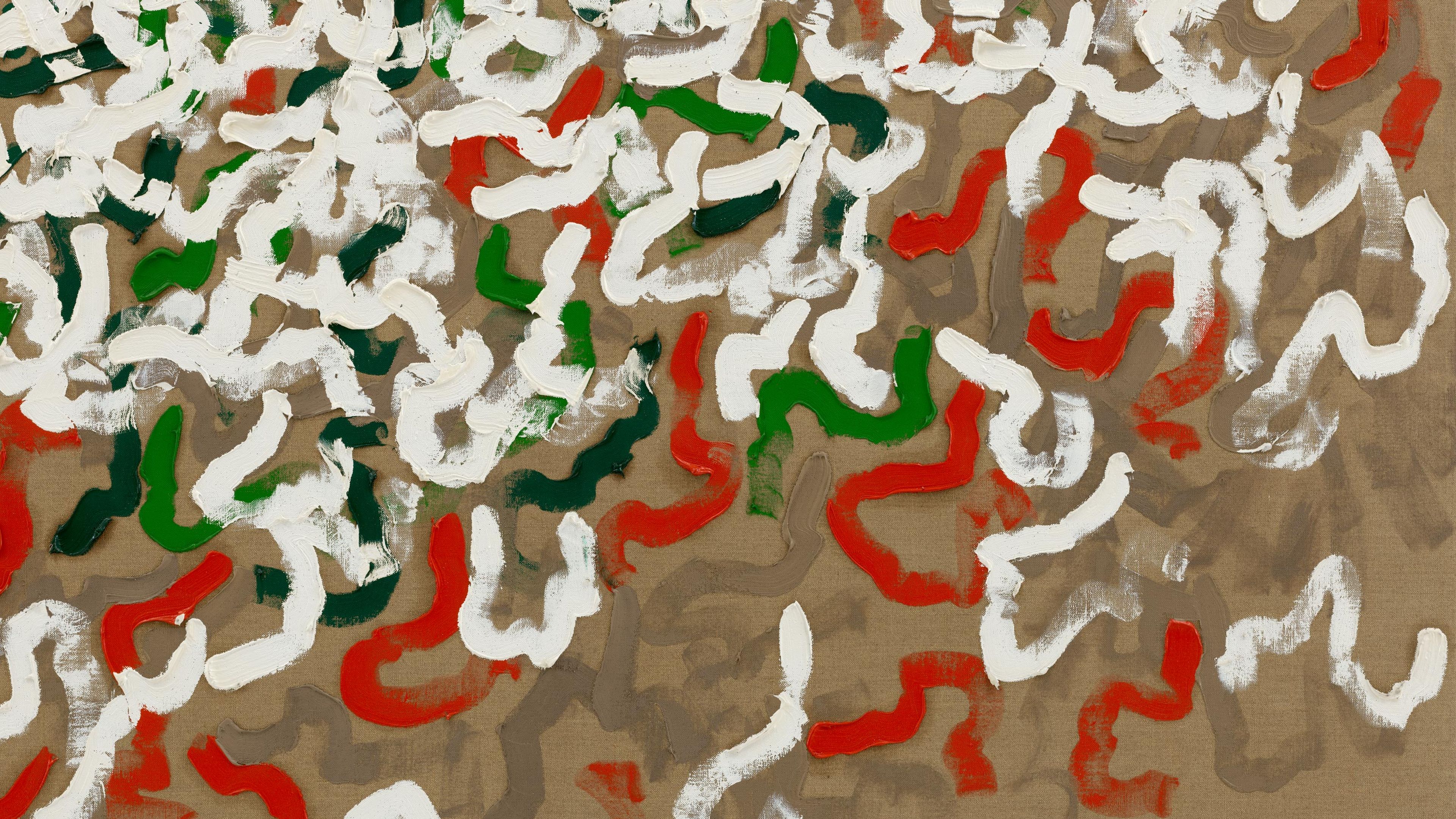
While unique in terms of scale, Untitled relates to paintings made in 1962 that demonstrate denser, more static facture. Expanding across a square field of more than six feet, the forms in the present work have a new rhythmic quality; like syncopation—a musical term that describes a variety of rhythms played together to make a piece of music—the flashes of color create unexpected visual incidents that further enliven the surface.
Here, the artist speaks about his work in 2007. The jazz heard in the background is Lennie Tristano playing at the Half Note jazz club in New York City with Lee Konitz and Warne Marsh in 1964.
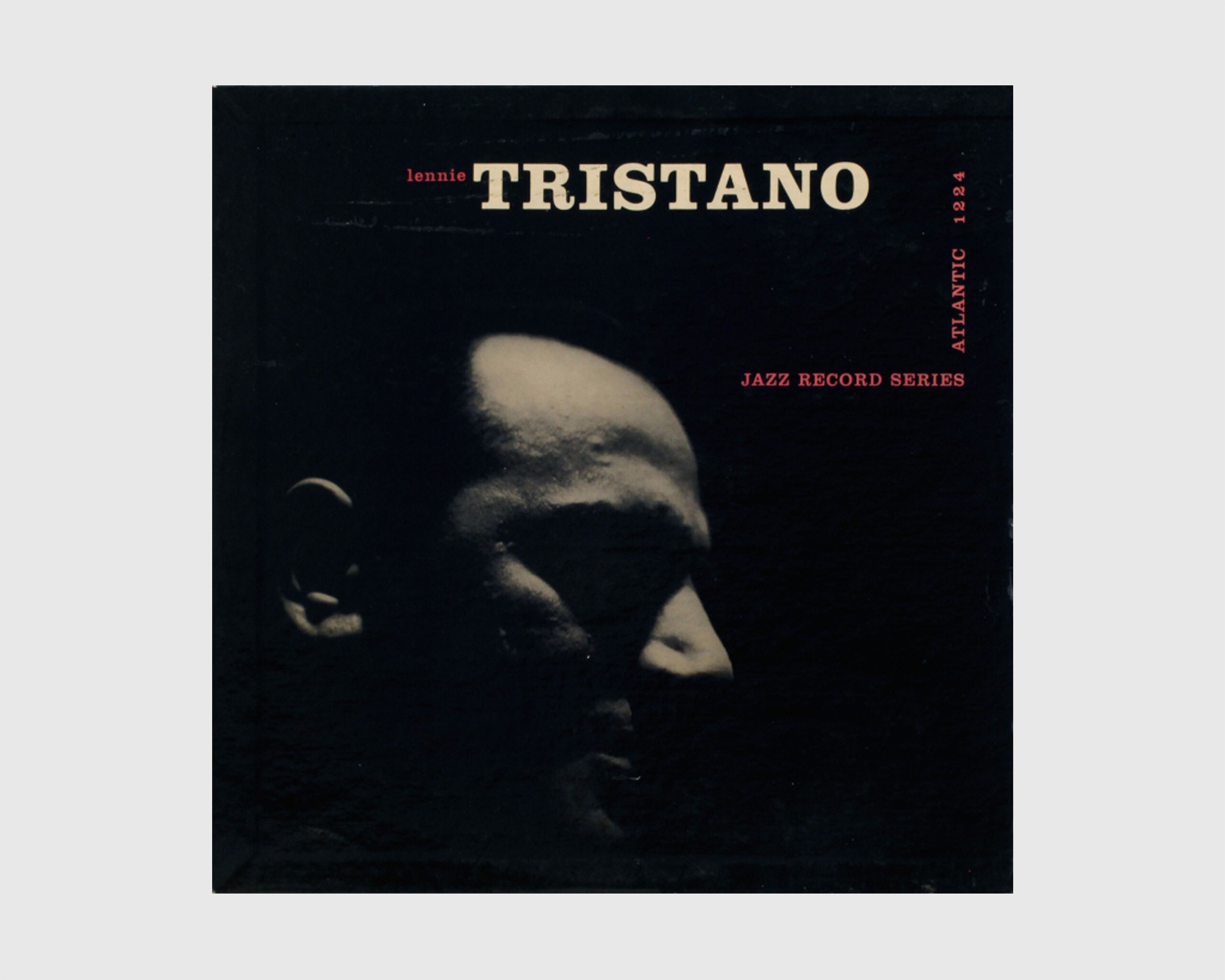
Lenny Tristano, Lenny Tristano, 1955
In 1952, Ryman, who had long been fascinated by jazz and studied the saxophone at college, began studying with Lennie Tristano. A blind pianist, Tristano played a central role in the New York jazz scene of the 1940s and 1950s. As a teacher, Tristano was notable for his systematic breakdown of the elements of improvisation. While some criticized what they saw as an over-intellectual approach to an intuitive art form among Tristano and fellow musicians like Lee Konitz, whom Ryman also admired, Konitz defended their style in a way that echoes Ryman’s attitude to painting. Konitz’s “sitting back and putting everything right into the groove where it’s supposed to be” seems to anticipate Ryman’s description of his own approach: “If I miss, then there isn’t any overpainting.… Once you play, that’s it.”
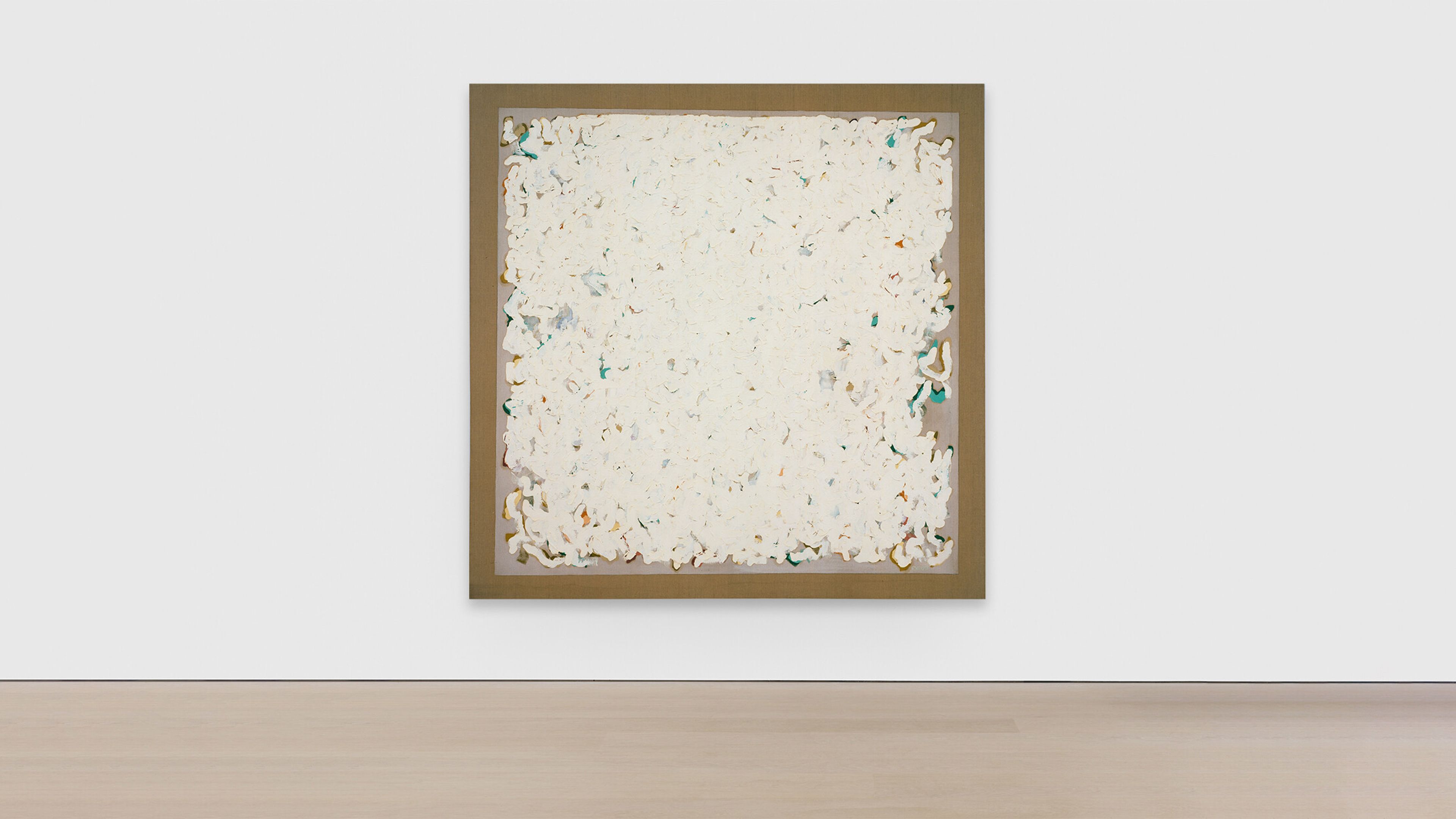
Ryman named one of his paintings from 1962 Love Lines, after a piece on Lennie Tristano's album, The New Tristano, released the same year.
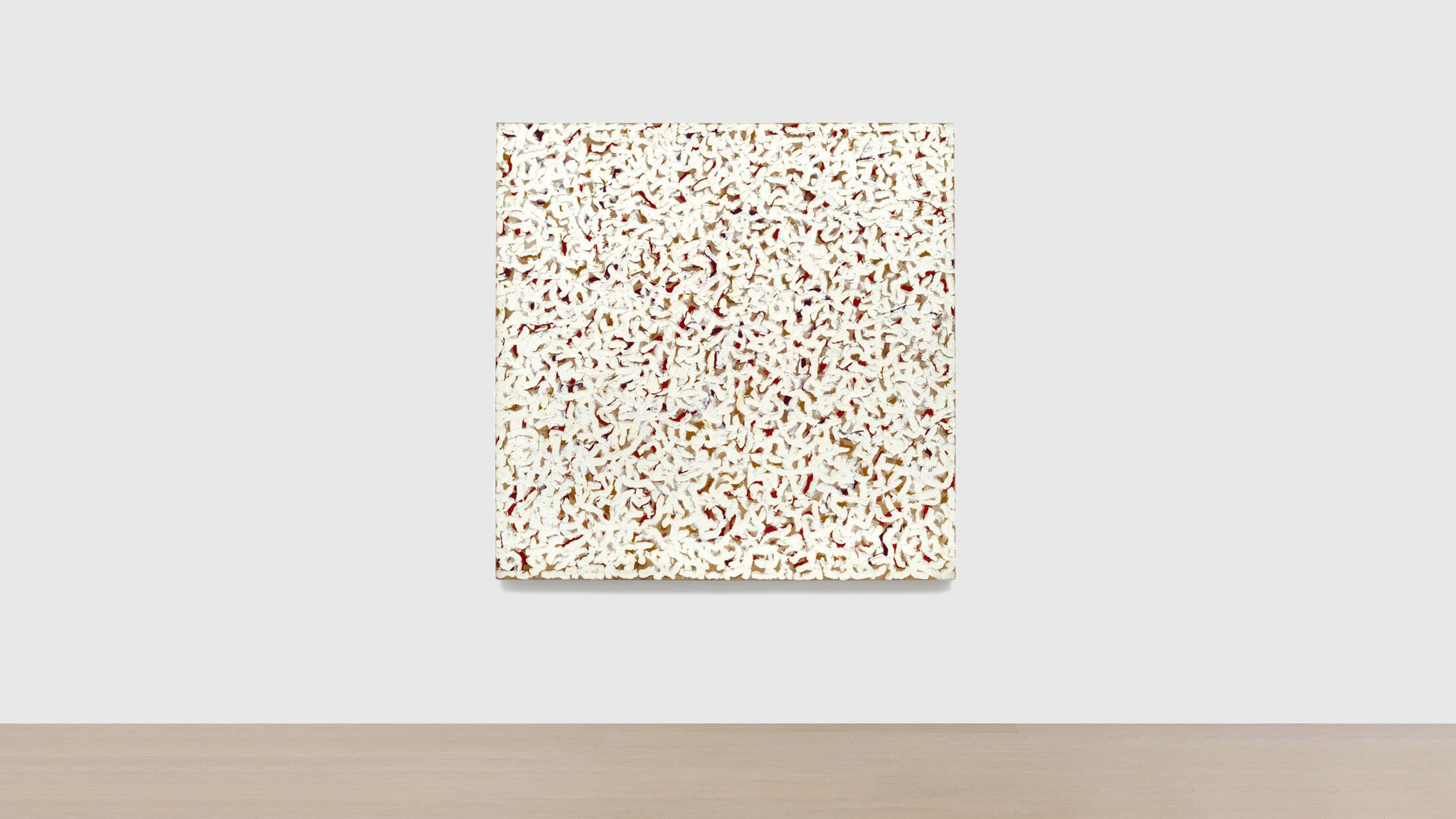
Ryman's Untitled (background music), 1962, may refer to a composition of the same title from c. 1962 by Warne Marsh, a saxophonist who played with Tristano and Lee Konitz
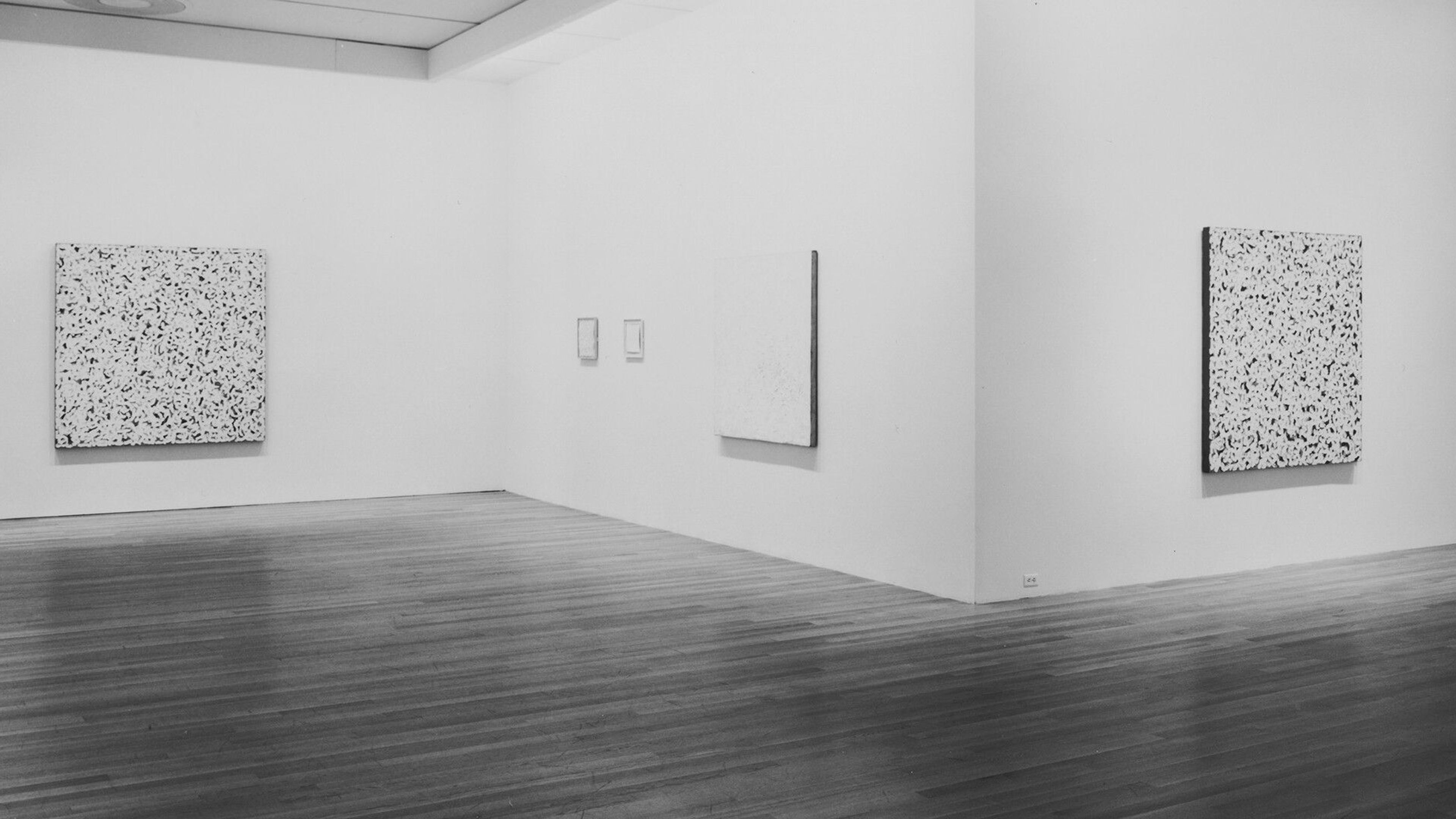
Installation view, Robert Ryman, The Museum of Modern Art, New York, 1993
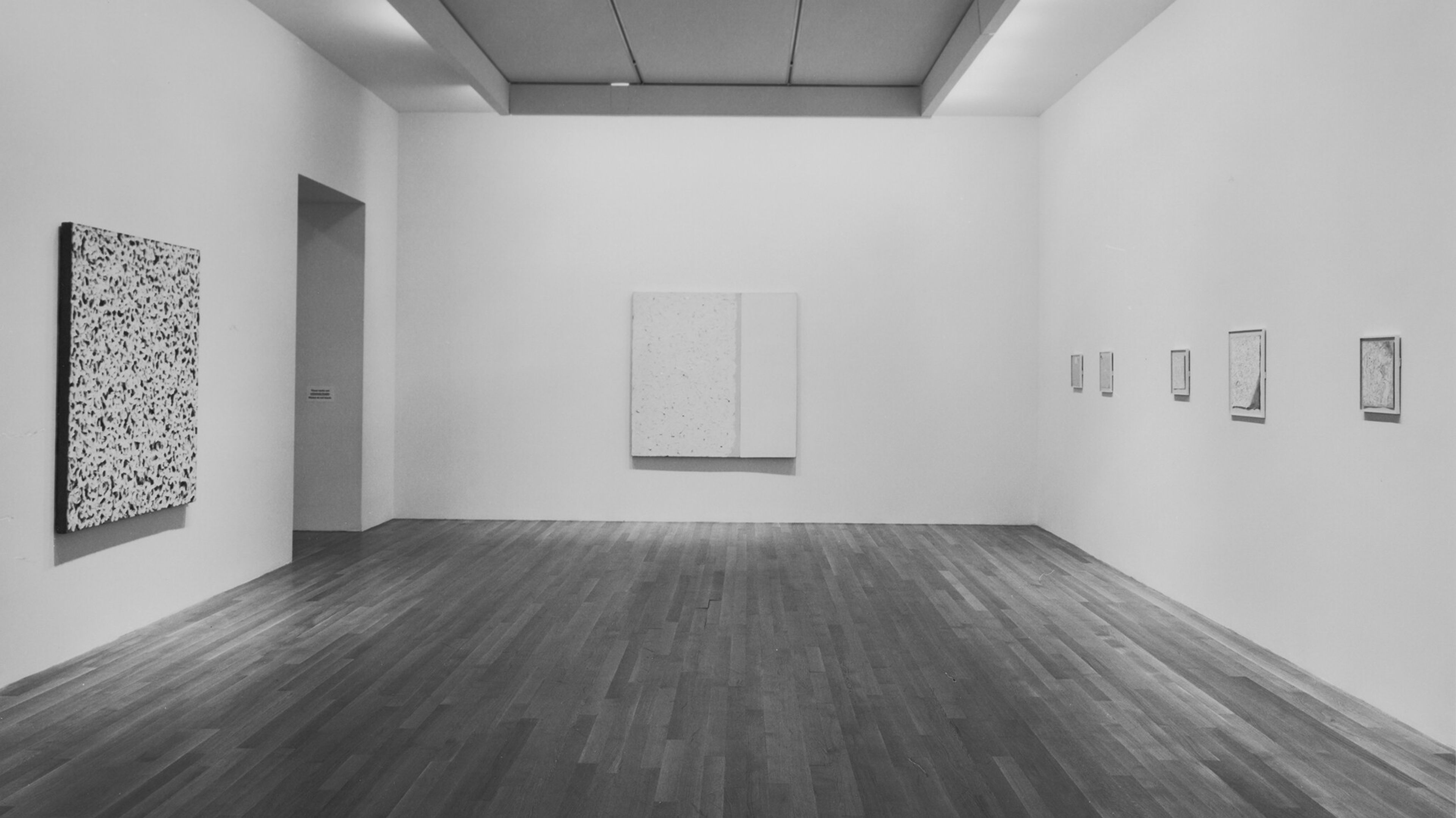
Installation view, Robert Ryman, The Museum of Modern Art, New York, 1993
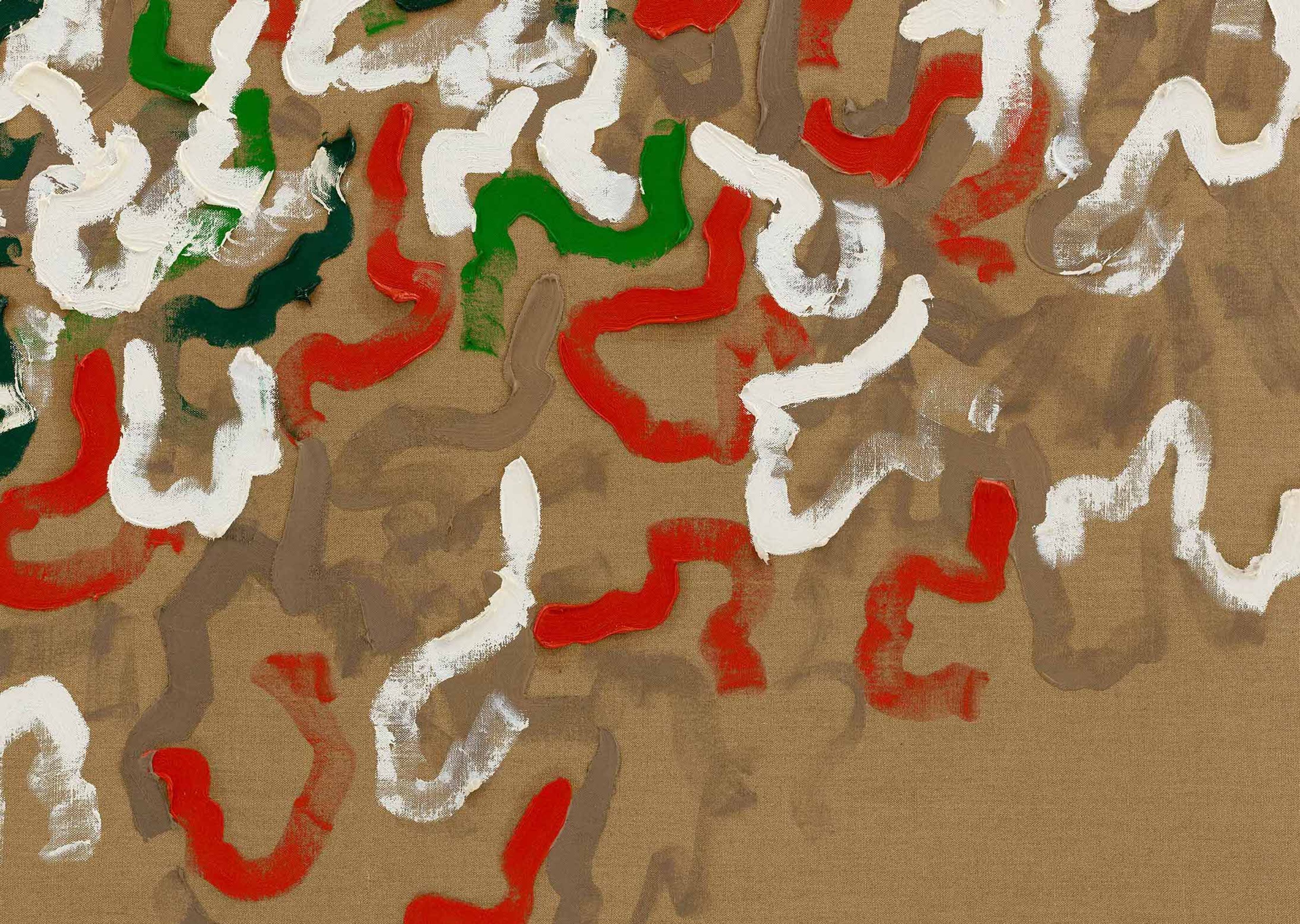
Robert Ryman, Untitled, c. 1963 (detail)
“[I want to communicate] an experience of enlightenment. An experience of delight, and well-being, and rightness. It’s like listening to music. Like going to an opera and coming out of it feeling somehow fulfilled that what you just experienced was extraordinary.”
—Robert Ryman, 1986

Inquire about works by Robert Ryman