Exceptional Works: George Morrison
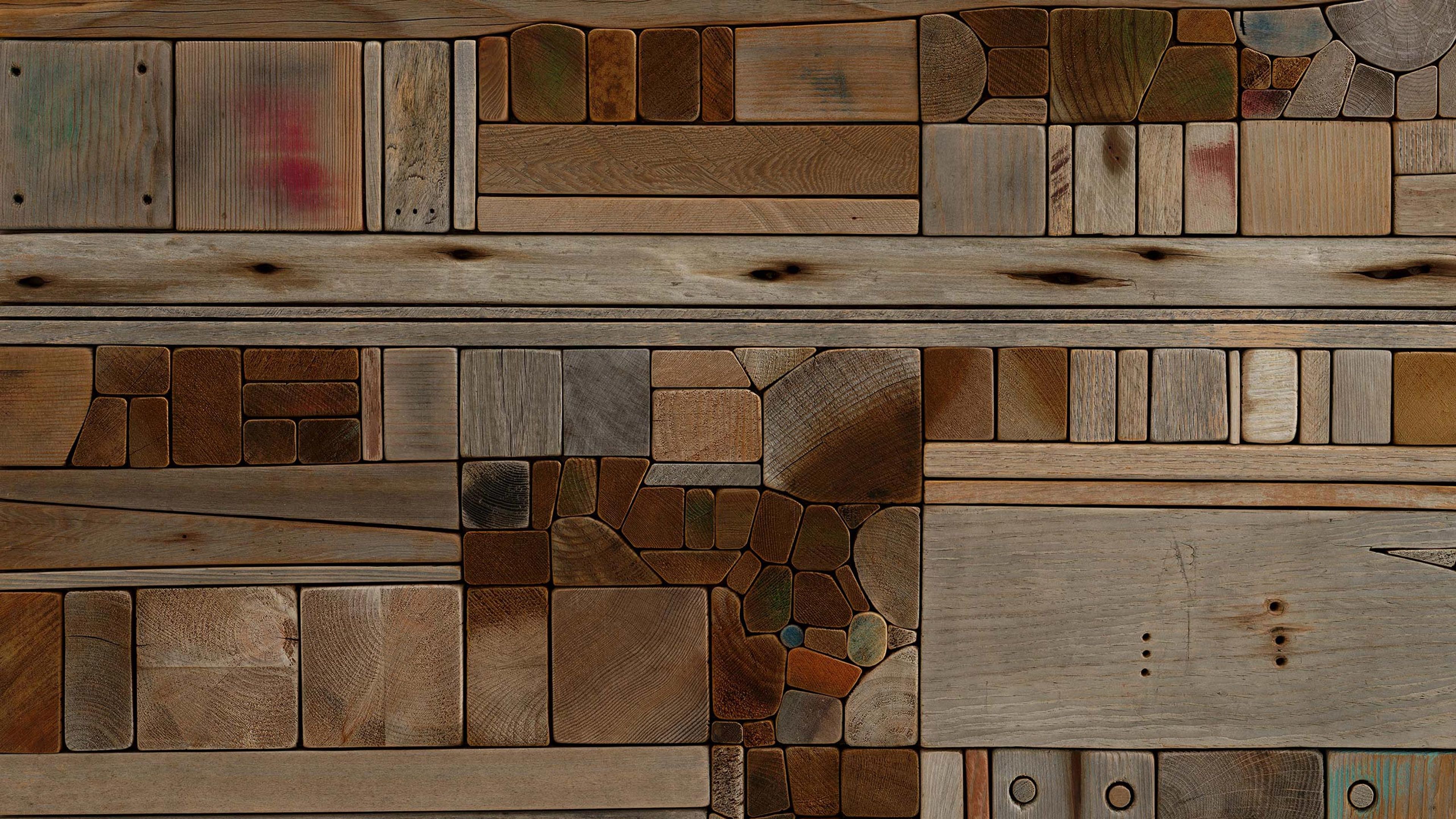
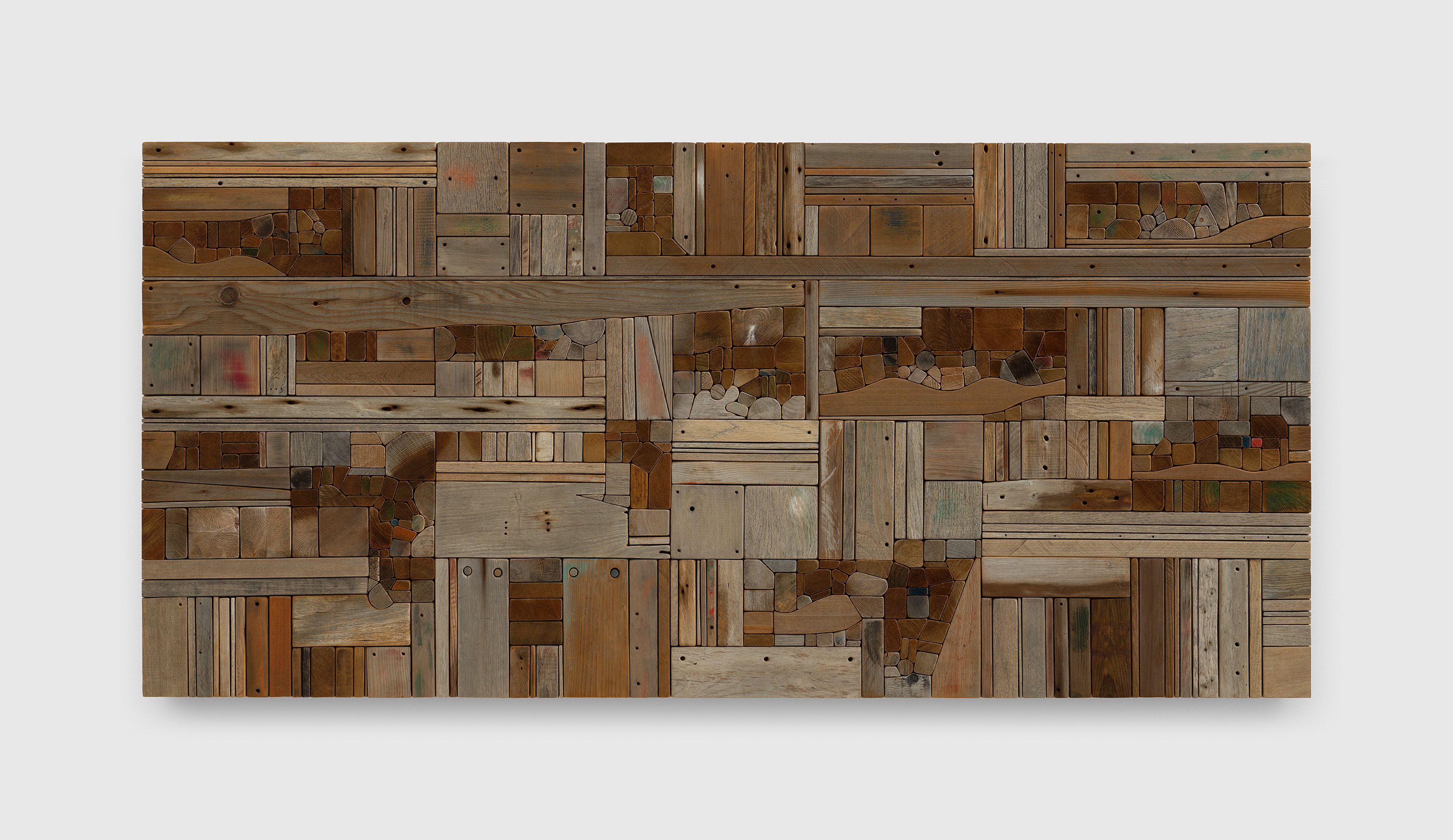
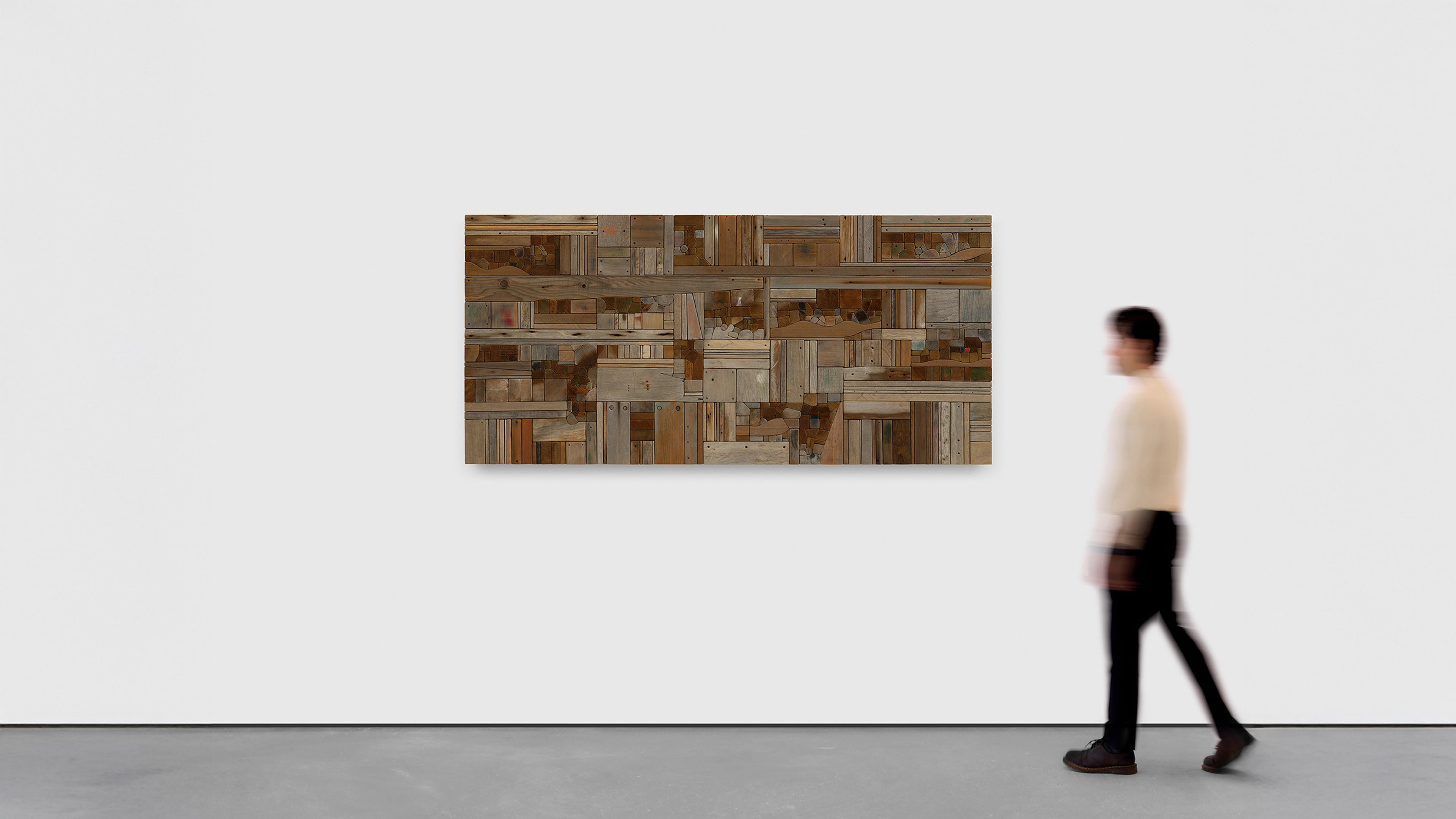
Landscape: Wood Collage, 1980
Found and prepared wood 38 x 80 x 2 1/4 inches 96.5 x 203.2 x 5.7 cm
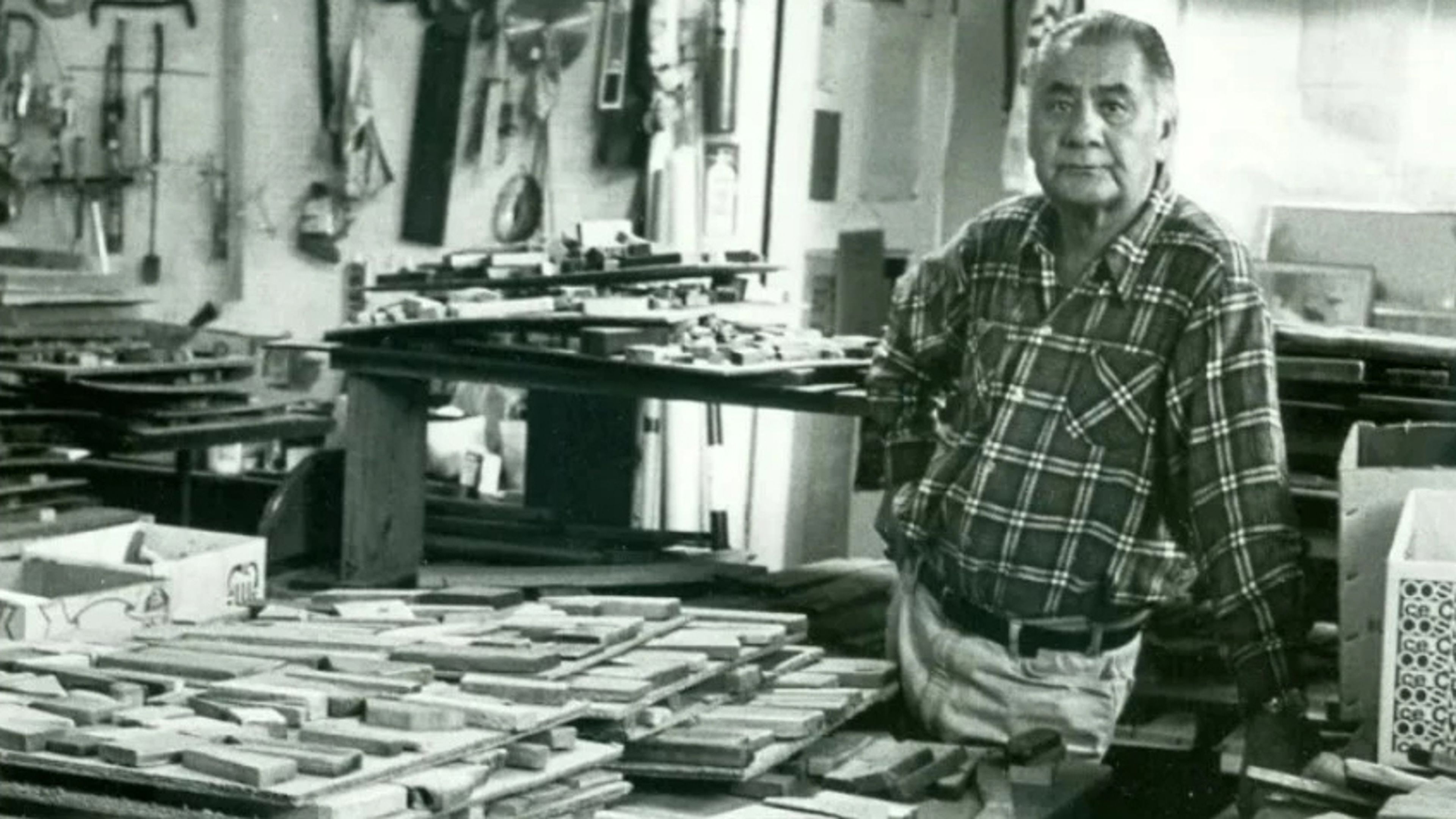
George Morrison in his home studio, Saint Paul, Minnesota. 1975. George Morrison Estate/Bockley Gallery
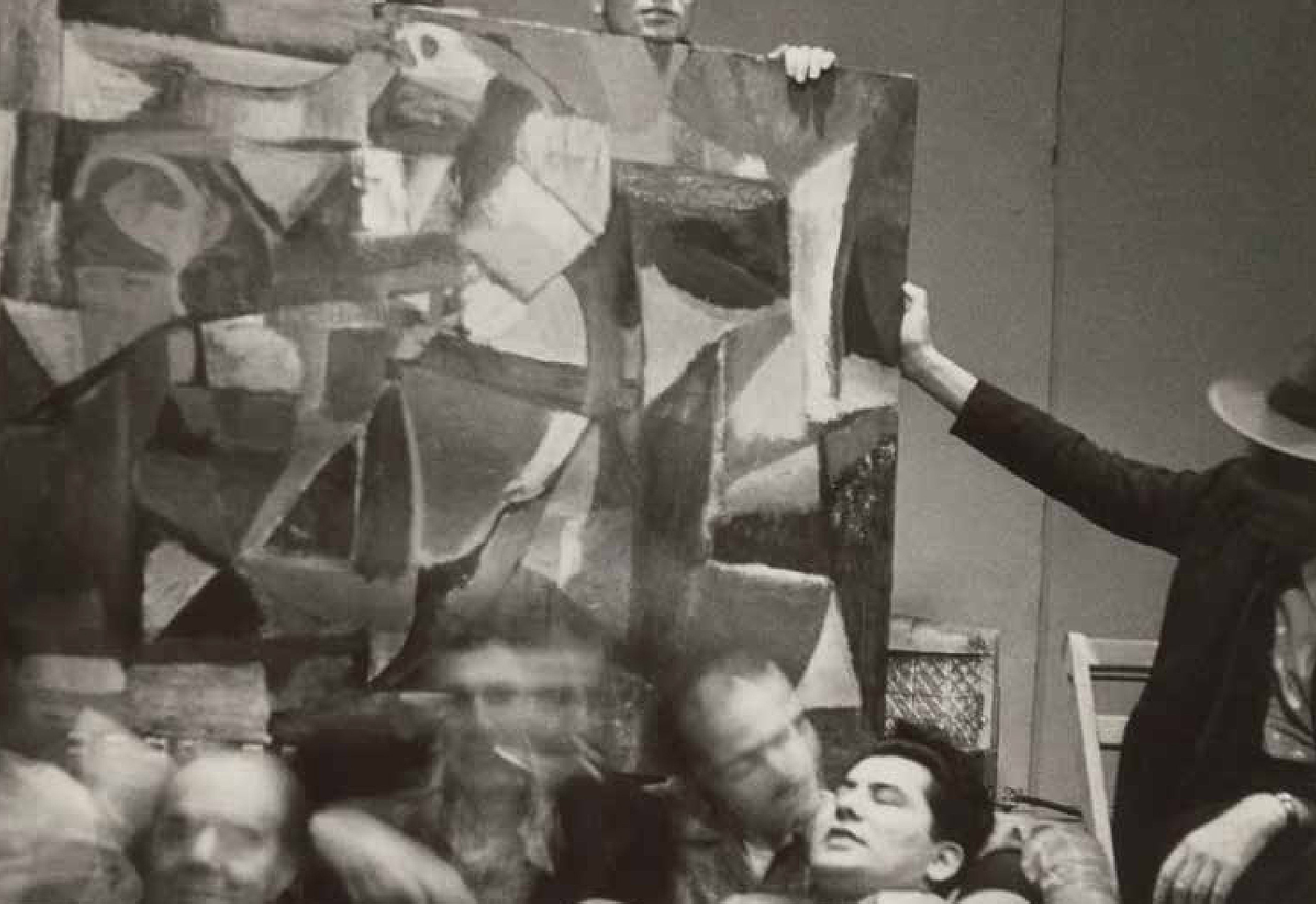
George Morrison (in focus, bottom right) at a loft party in New York, 1940s. George Morrison Estate/Bockley Gallery
Born and raised on the North Shore of Lake Superior in Minnesota, Morrison moved to New York on scholarship in 1943. Studying at the Art Students League, Morrison promptly entered the fold of the dynamic downtown art scene, forging close friendships with artists such as Franz Kline, Louise Nevelson, and Herman Cherry, and becoming acquainted with contemporaries including Willem de Kooning and Jackson Pollock. Incorporating aspects of cubism and surrealism, Morrison’s abstract expressionist style invokes an intuitive subtlety with colors and textures while demonstrating a deep understanding of the interconnected effects of light and form. He traveled to France as a Fulbright Scholar in 1952, where he continued to develop a signature style of abstraction that combined elements of expressionism, cubism, and surrealism.
The Magical City: George Morrison’s New York is on view at the Metropolitan Museum of Art in New York through May 31, 2026.
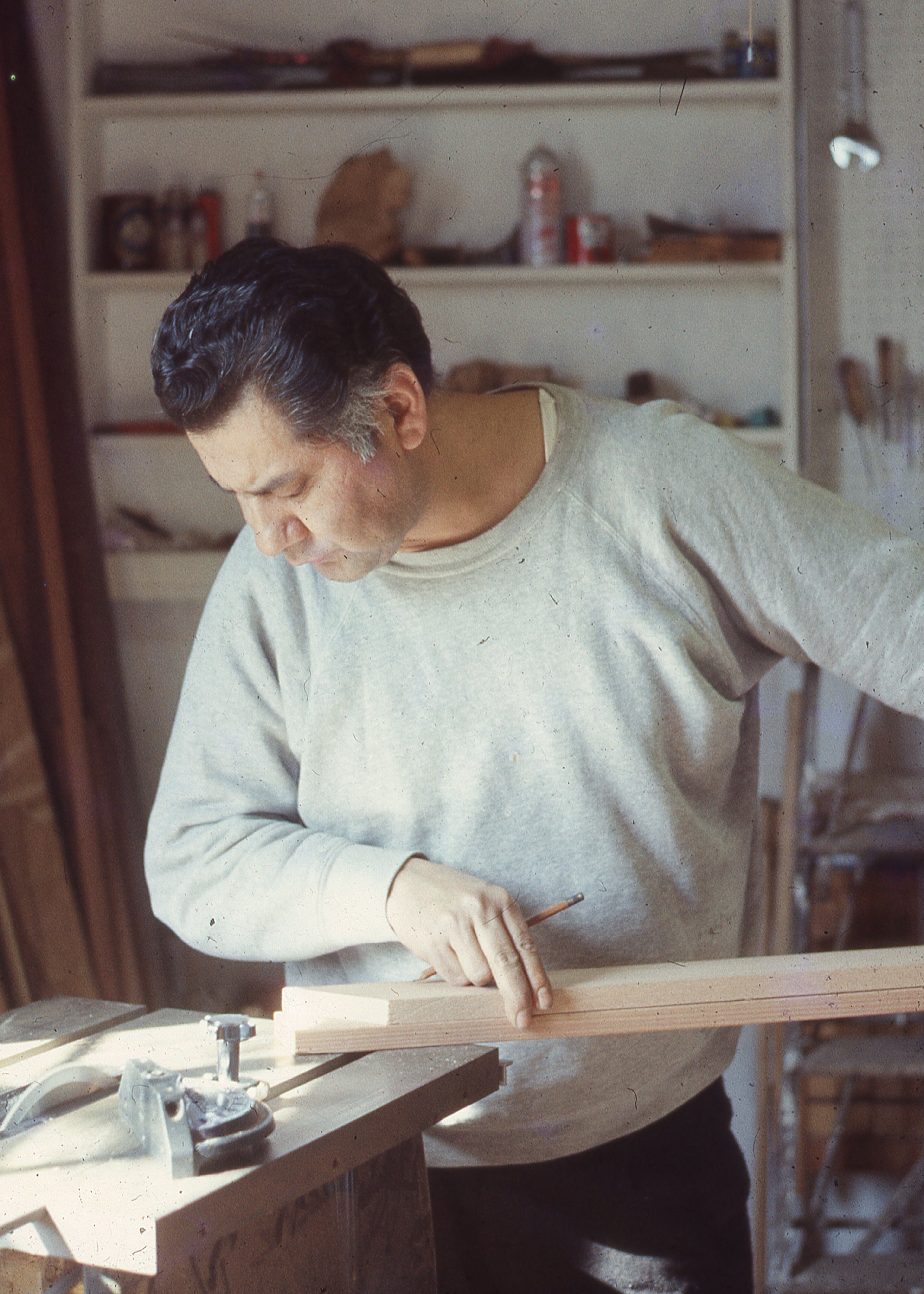
George Morrison in his studio, Provincetown, 1965. George Morrison Estate/Bockley Gallery
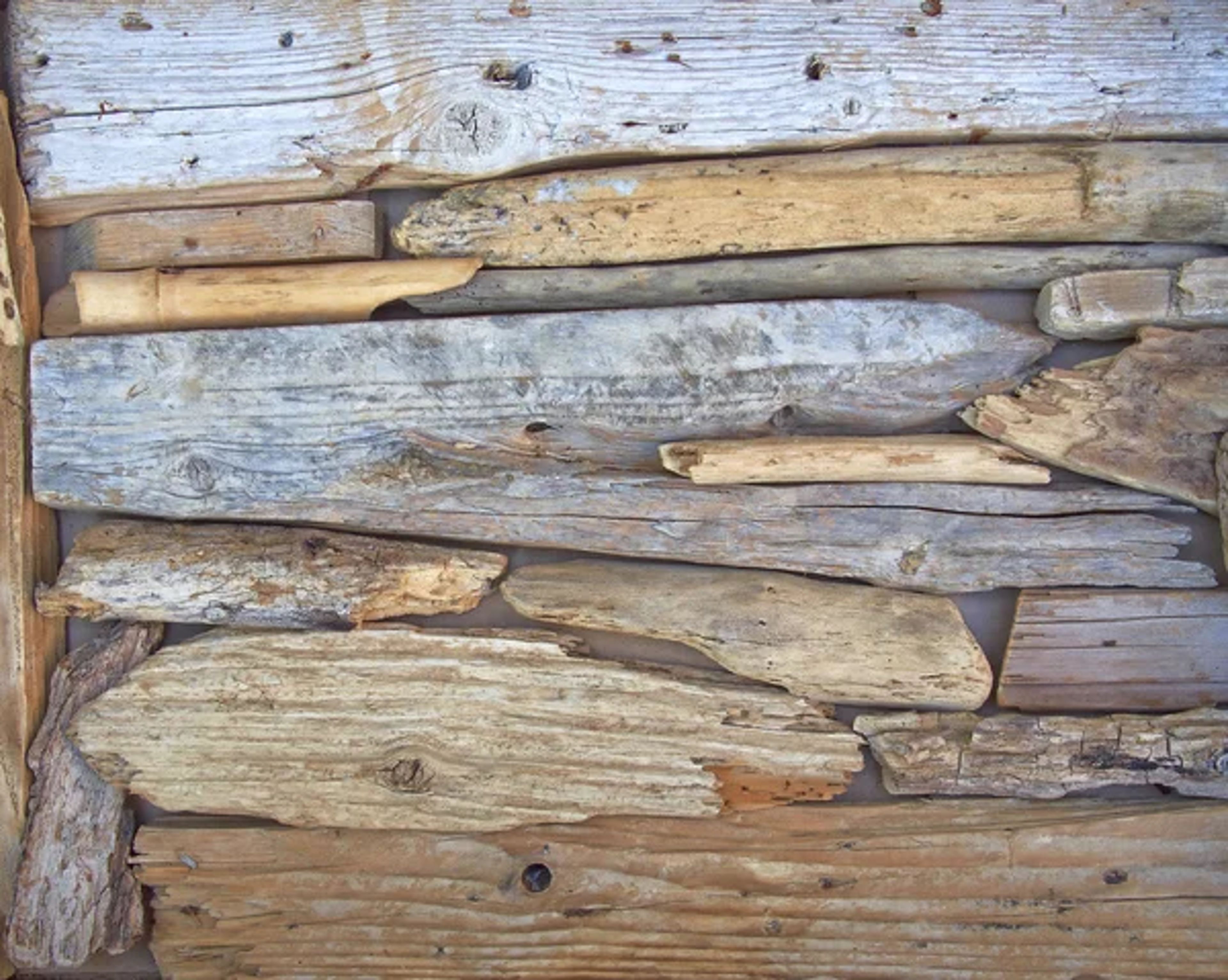
In 1965, Morrison began creating his wood collages or “paintings in wood” from driftwood found while summering in Provincetown, Massachusetts. Gathering driftwood he found there and when combing the nearby beaches on Cape Ann, Martha’s Vineyard, and Nantucket, he began to construct monumental collages, fitting and forming the pieces of wood together to create cubist-inspired relief compositions that are mostly rectangular in form.
The artist juxtaposes natural materials, whose appearance and surface qualities make apparent their history and age, with fragments of commercial-grade wood used for utilitarian objects. Marked by paint, holes, or saw blades, these industrially fabricated pieces of wood appear as weathered as the naturally-occurring driftwood Morrison fits together.
“[The driftwood came from] the South Seas, the Caribbean, the North Atlantic. It all washed up on this tip of Cape Cod. Some had bits of paint, half worn off. Some had rust stains or colors soaked in. Industrial boards were washed nice and gray. Nail holes added texture and color where rusted nails had oxidized the wood. There was an interesting history in those pieces—who had touched them, where they had come from.”
—George Morrison, 1998
George Morrison, Landscape: Wood Collage, 1980 (detail)
An excerpt from the WDSE-8 documentary George Morrison: Reflections, 1999
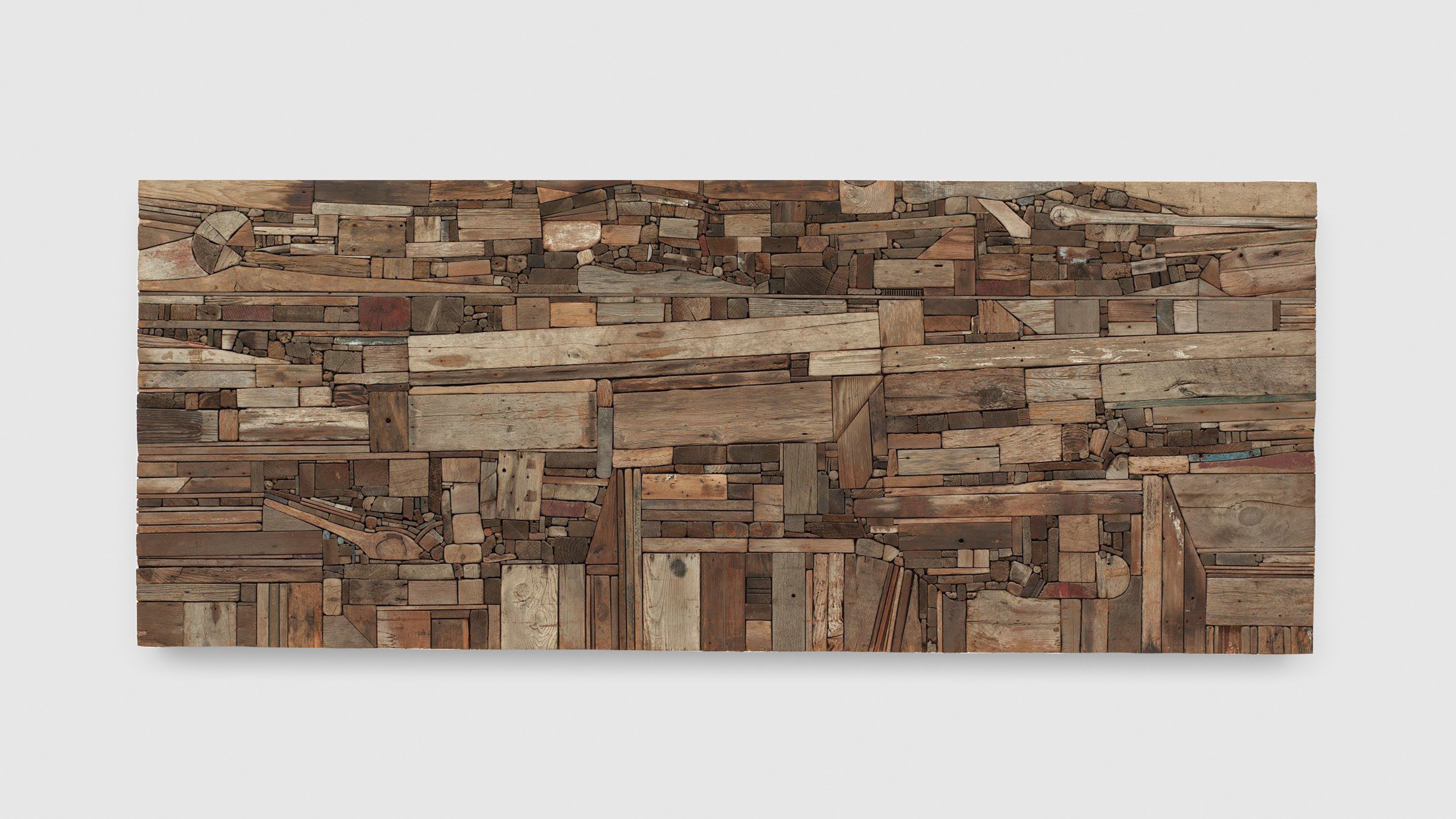
George Morrison, New England Landscape, 1965–1967. Detroit Institute of Arts
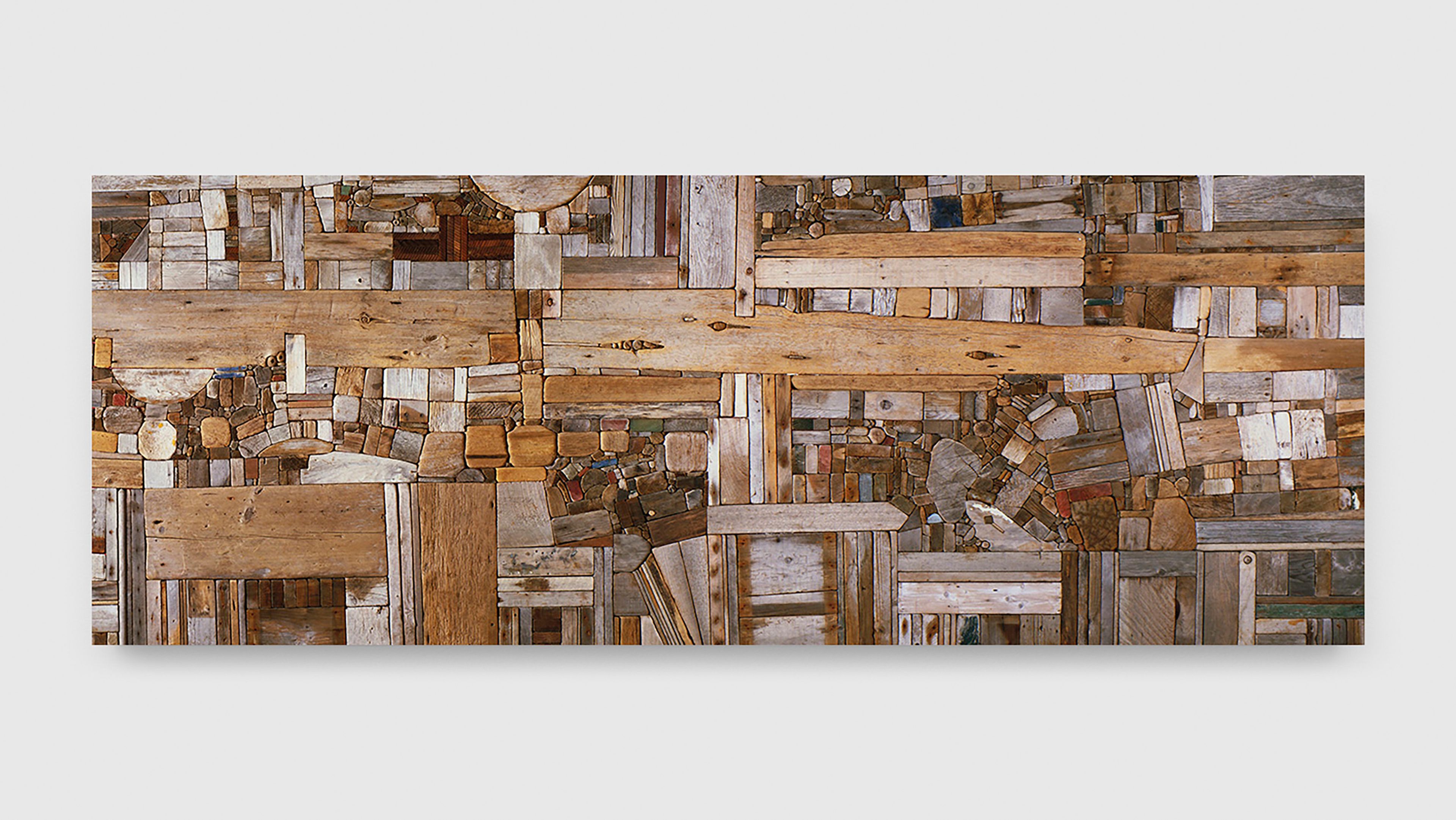
George Morrison, Collage IX: Landscape, 1974. Minneapolis Institute of Art
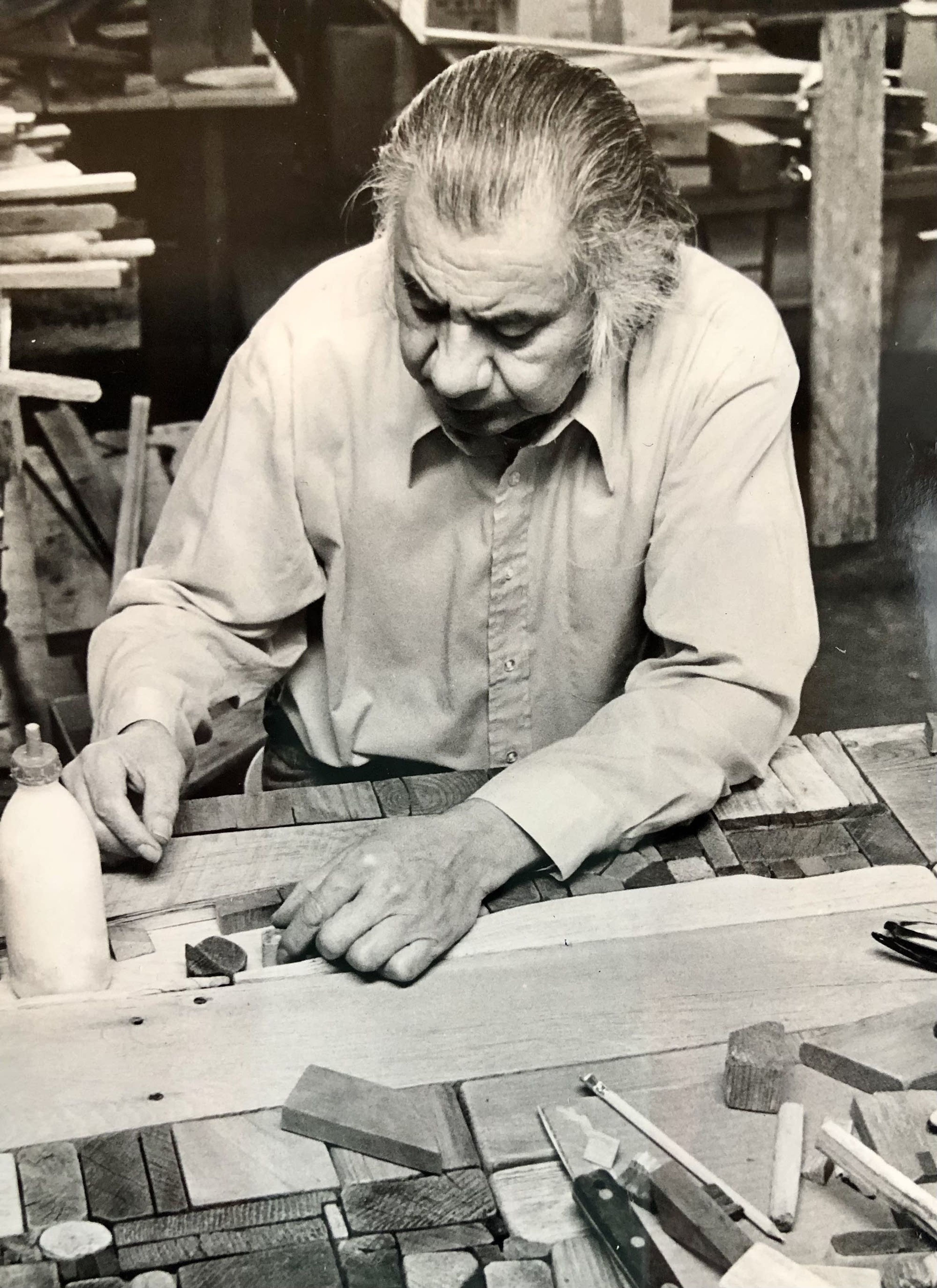
George Morrison at work on a wood collage in his Grand Portage studio. George Morrison Estate/Bockley Gallery
Other wood collages are in prominent public collections including the Amon Carter Museum of American Art, Fort Worth, Texas; Art Bridges, Bentonville, Arkansas; Minneapolis Institute of Art; and Weisman Art Museum, University of Minnesota, Minneapolis.
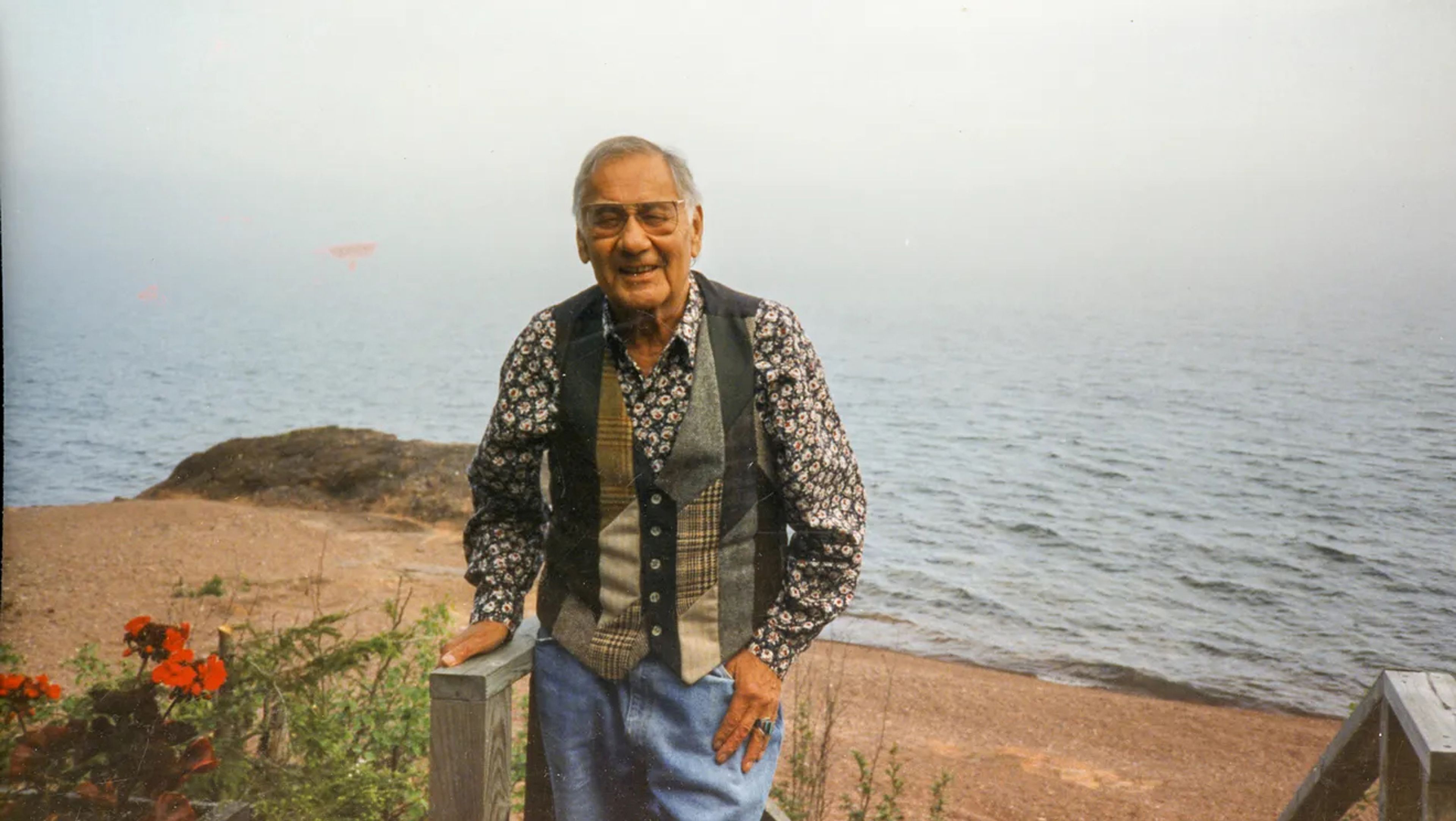
George Morrison on the deck of his home overlooking Lake Superior, n.d. George Morrison Estate/Bockley Gallery “I realize now that in making these [collages], I may have been inspired subconsciously by the rock formations of the North Shore.”

Inquire about works by George Morrison