Daichi Takagi: Suchness
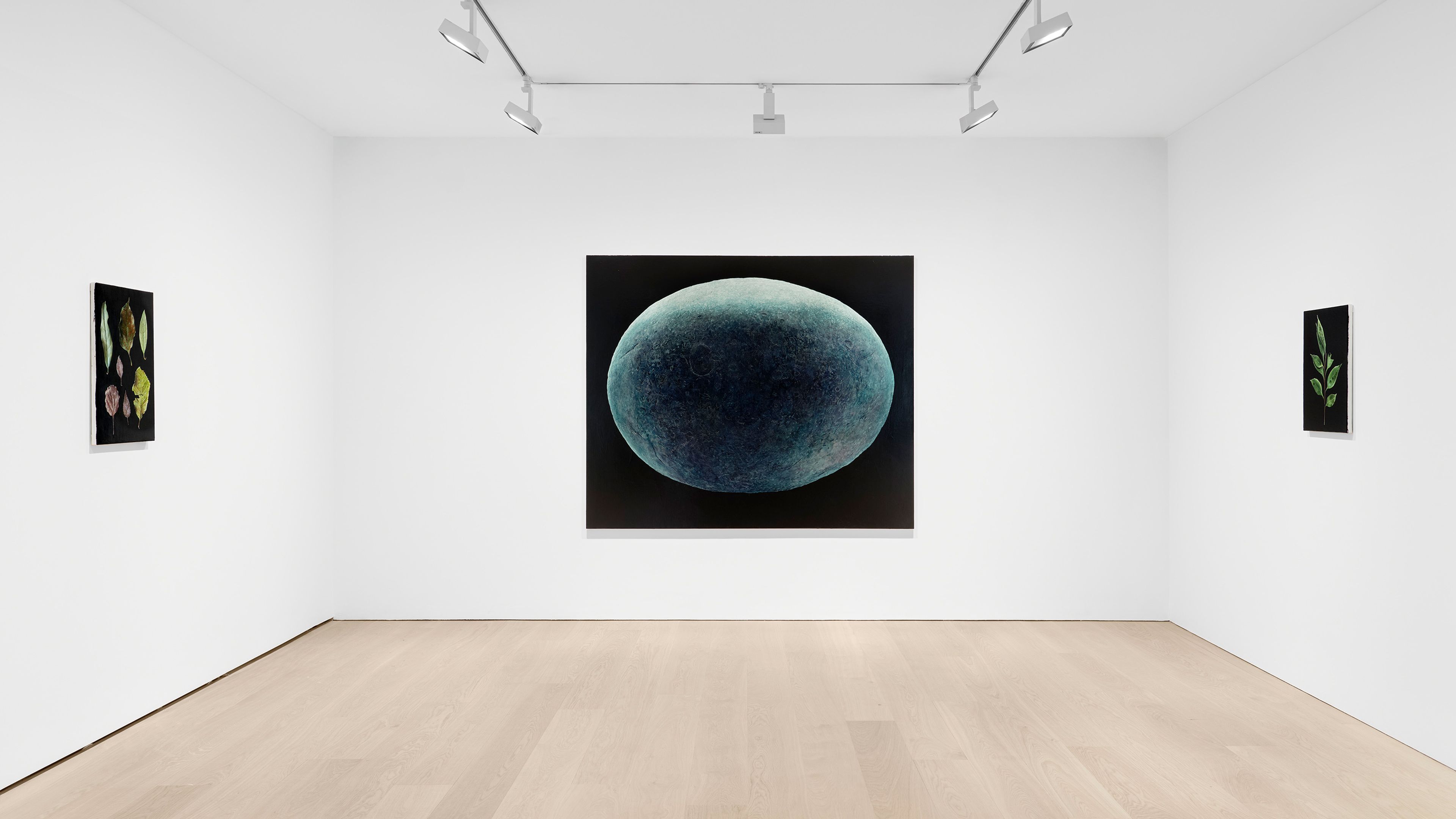
Installation view, Daichi Takagi: Suchness, David Zwirner, London, 2026
Now Open
September 24—October 31, 2026
Opening Reception
Thursday, September 24, 6–8 PM
Opening Reception
Thursday, September 24, 6–8 PM
Location
London
24 Grafton Street
London W1S 4EZ
Tue, Wed, Thu, Fri, Sat: 10 AM-6 PM
Artist
Daichi Takagi
Explore
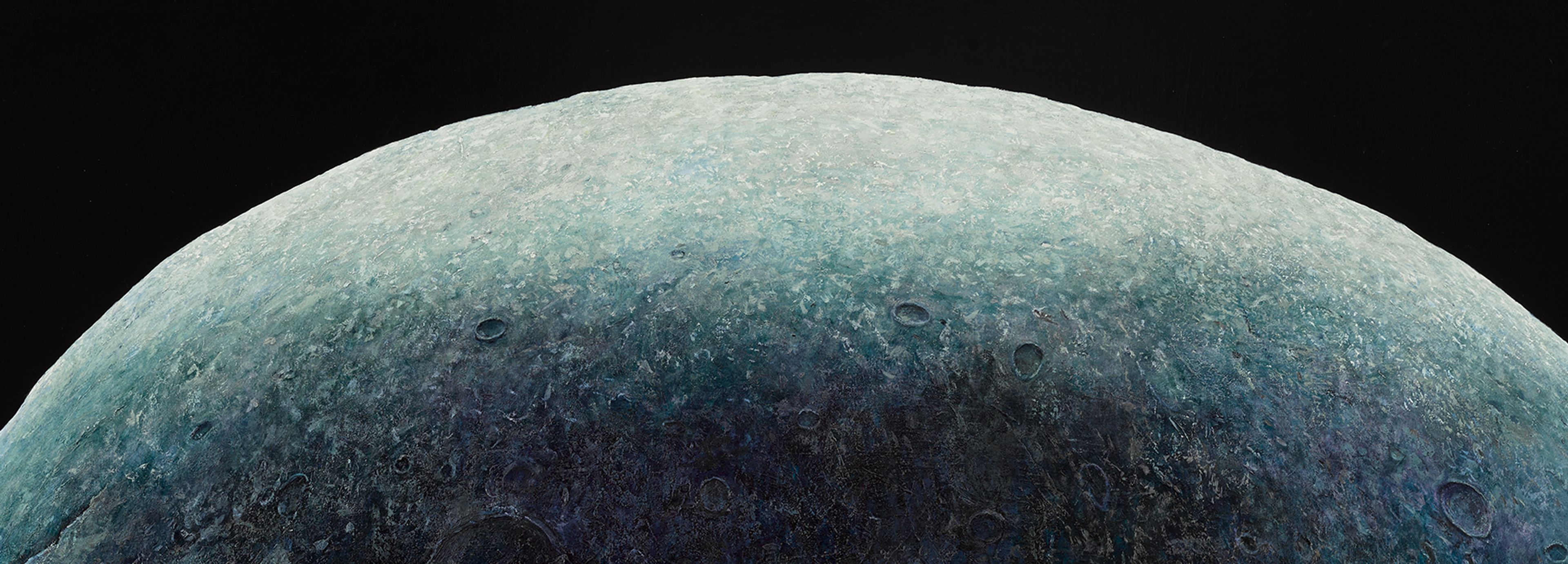
Daichi Takagi: Suchness
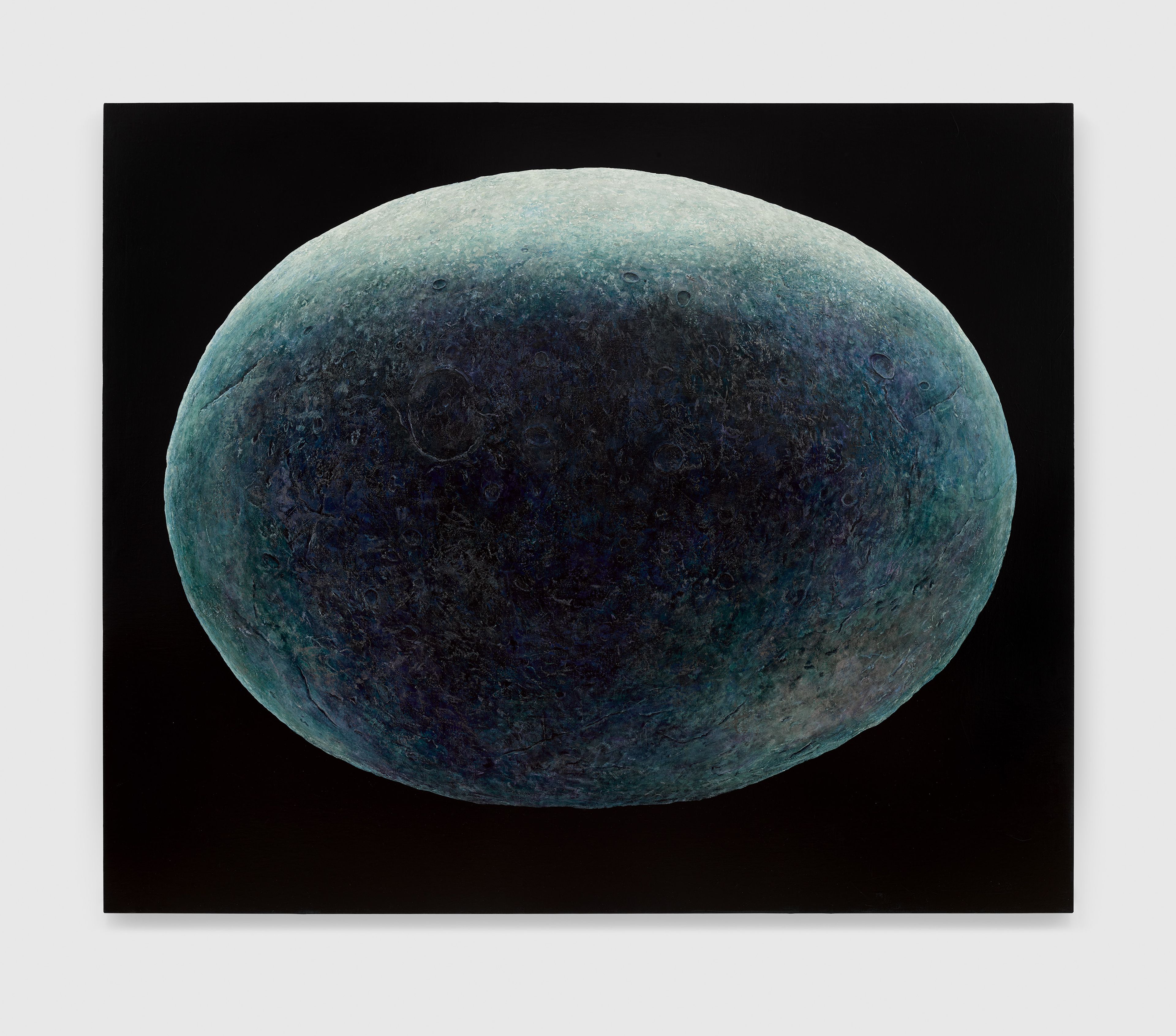
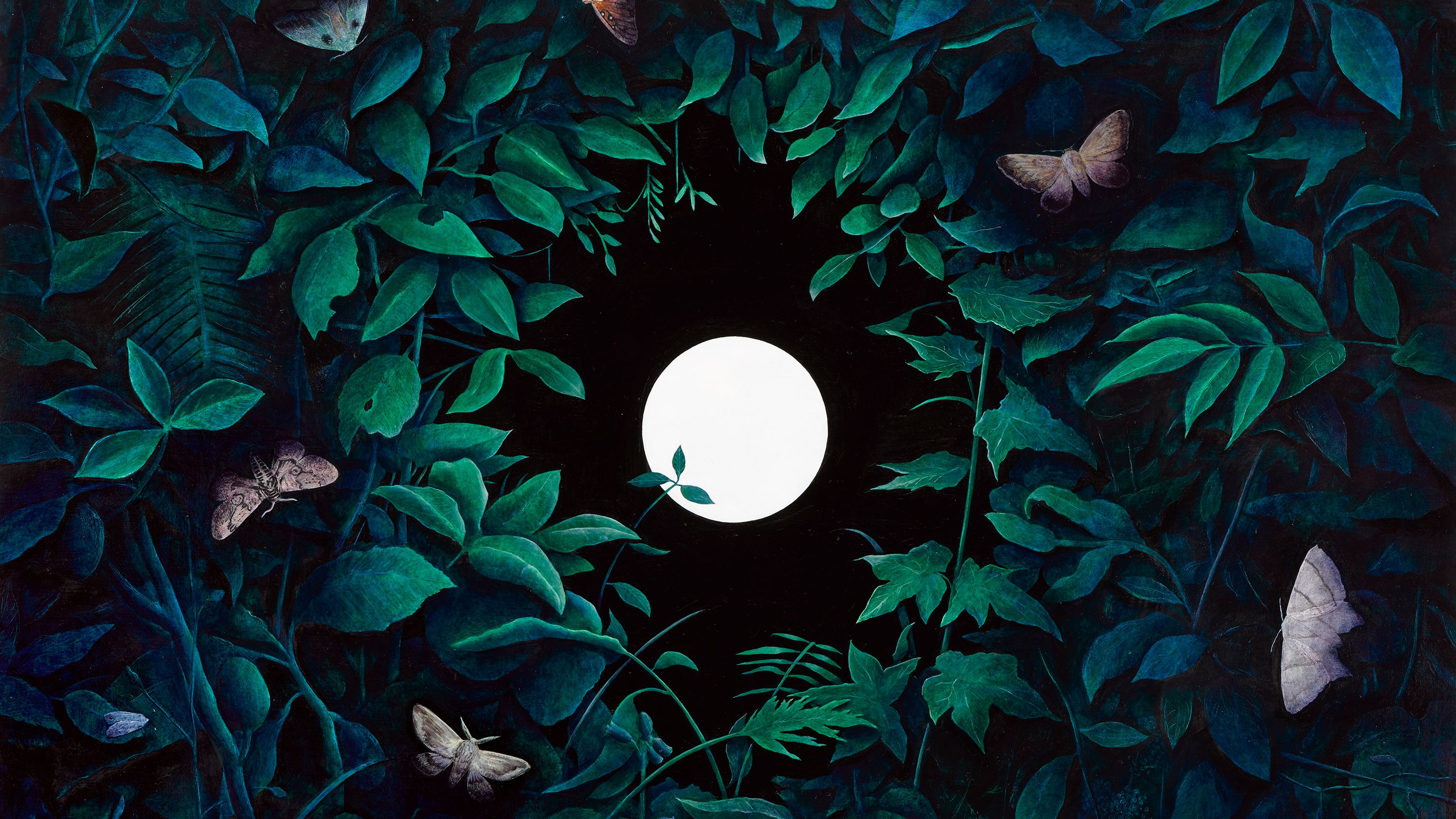
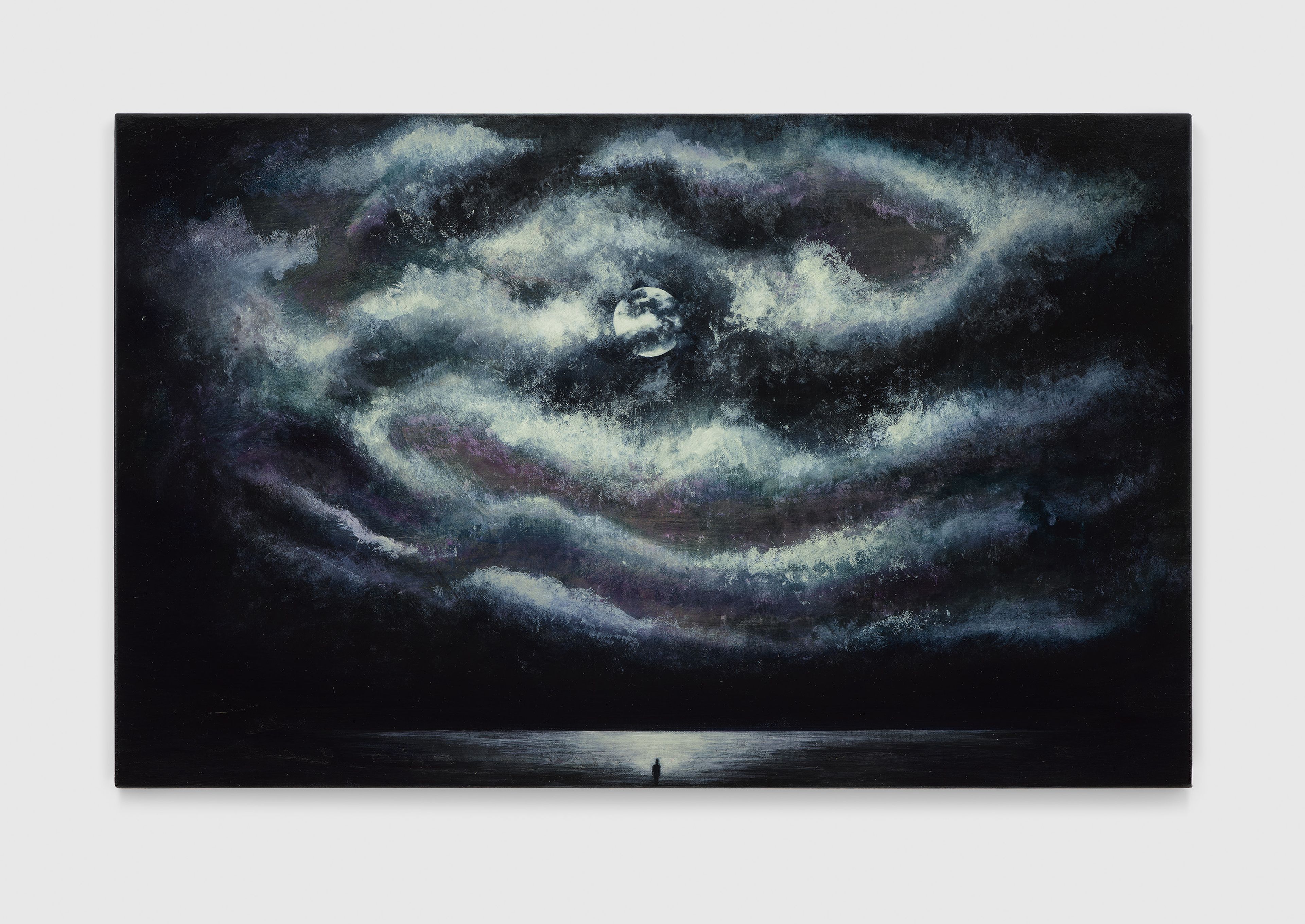
Daichi Takagi, Moonlight, 2026 (detail)
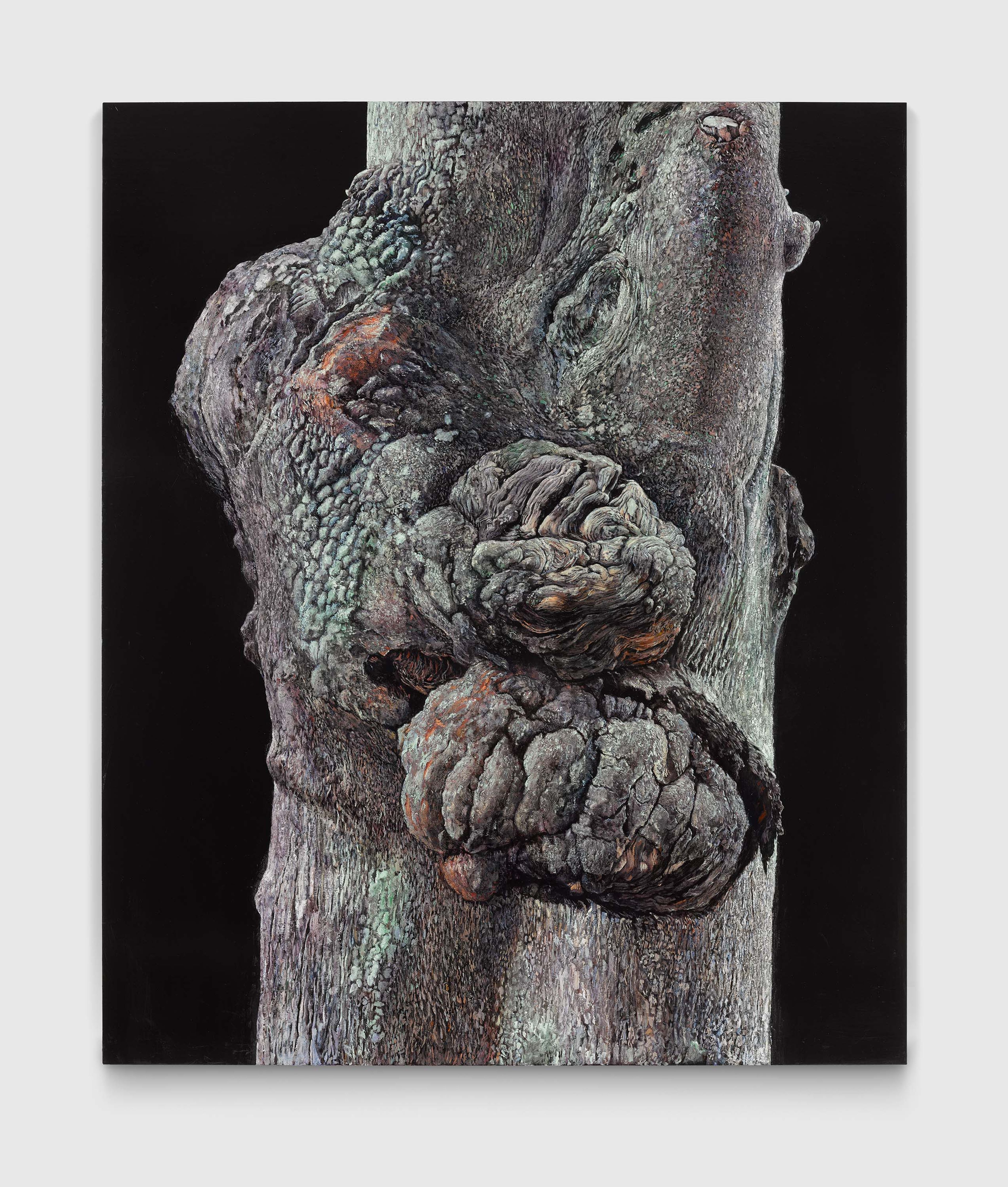
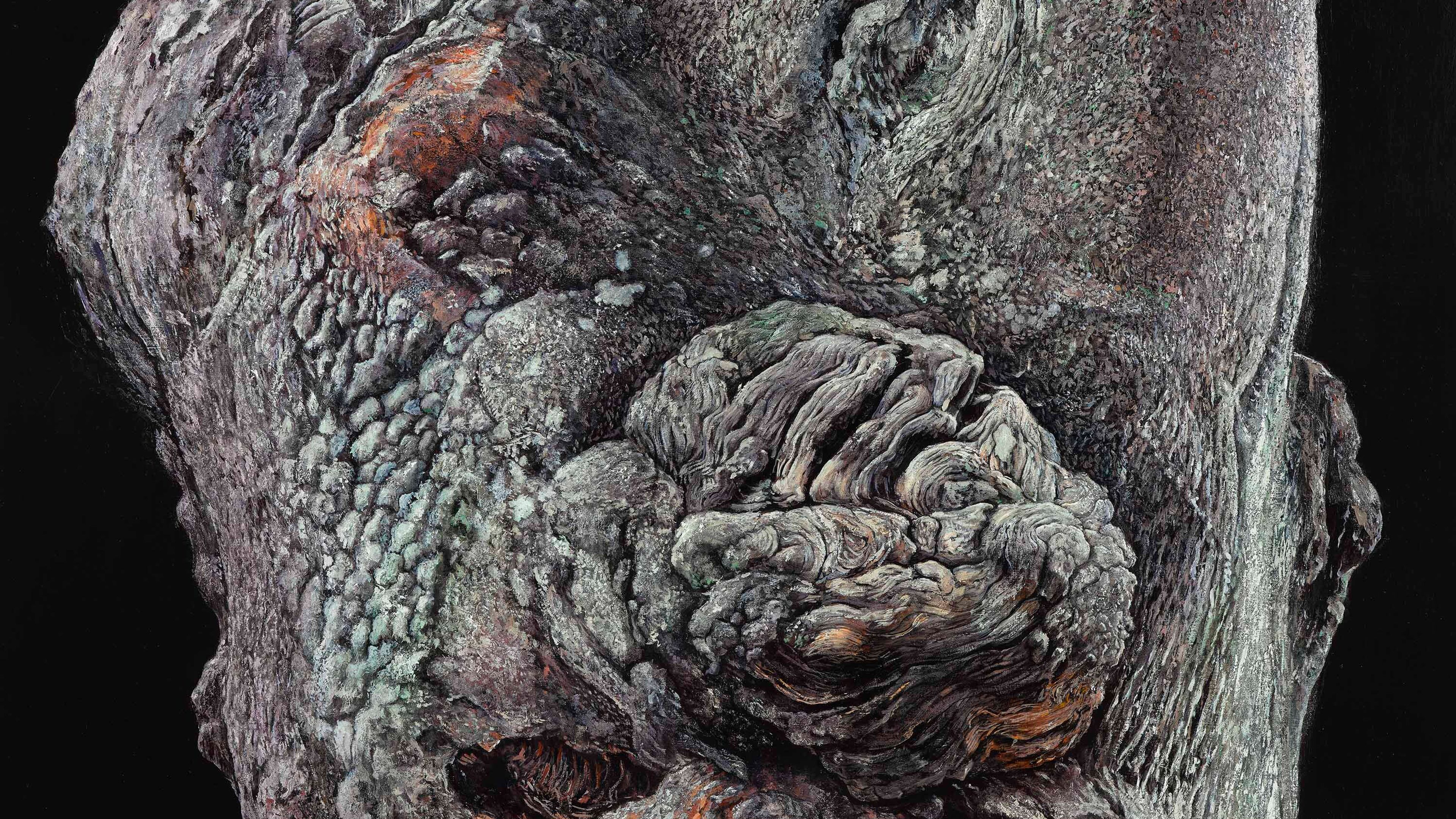
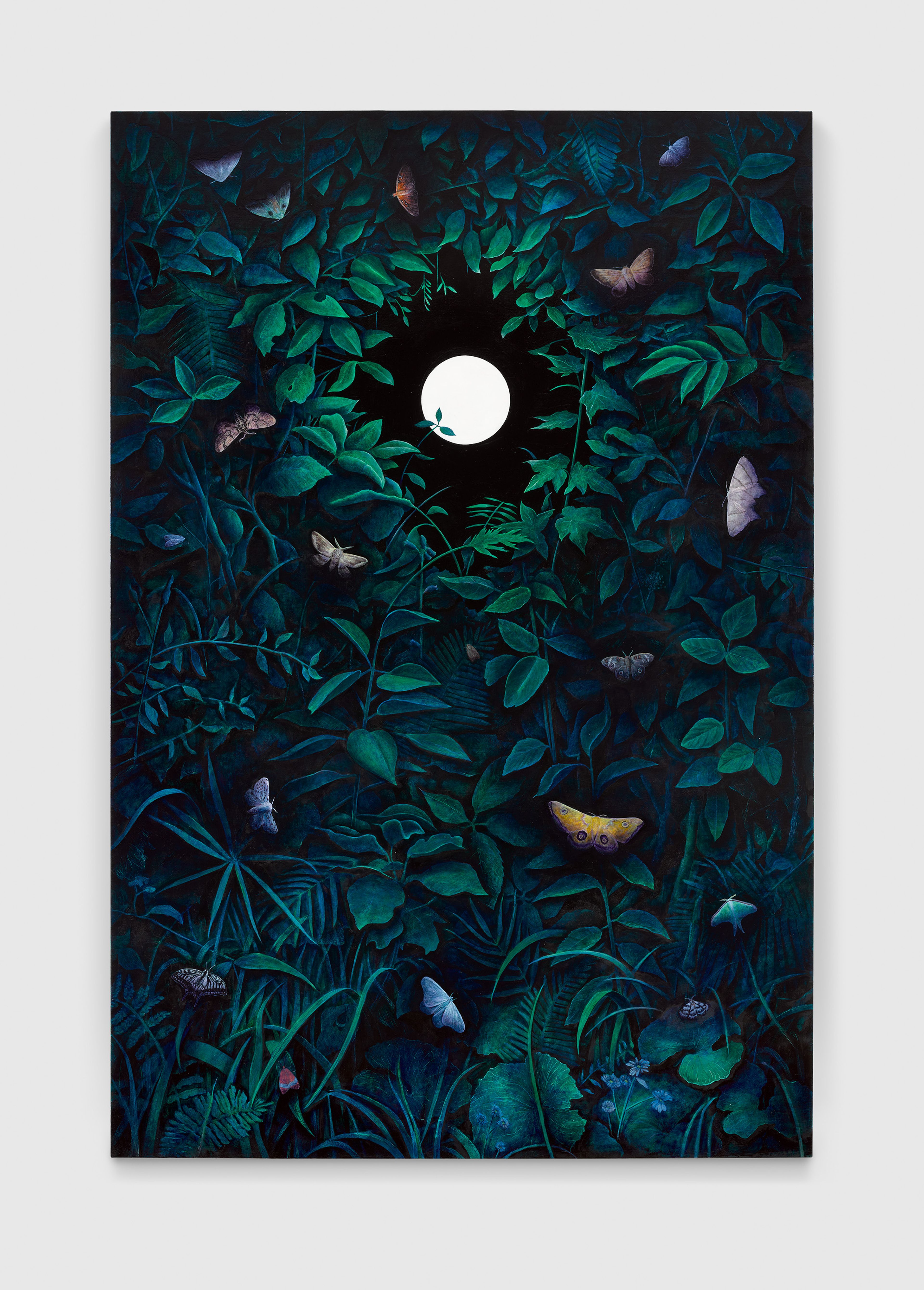
Daichi Takagi, Trunk, 2026 (detail)
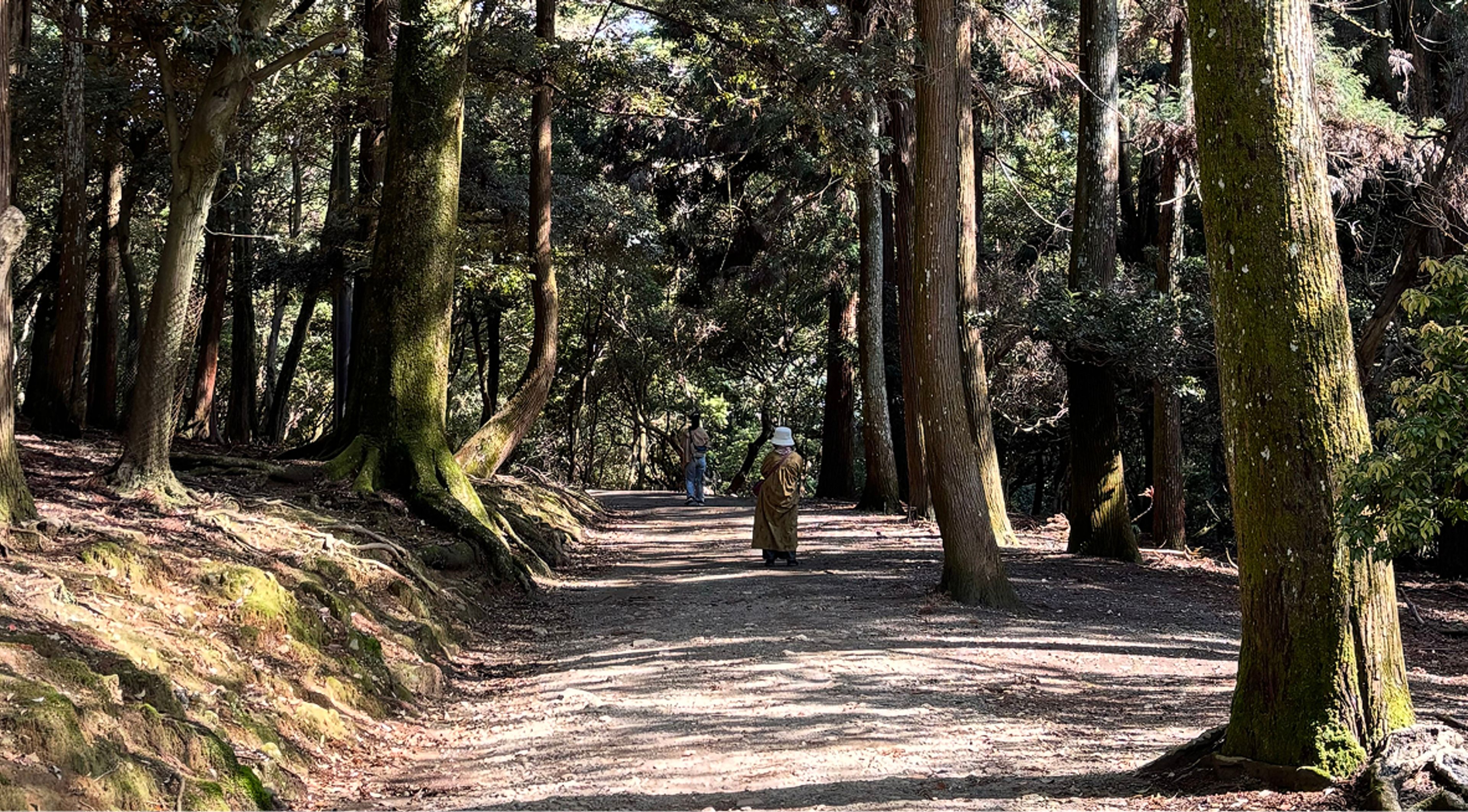
A walking trail in Nara, Japan. Photo courtesy of the artist.
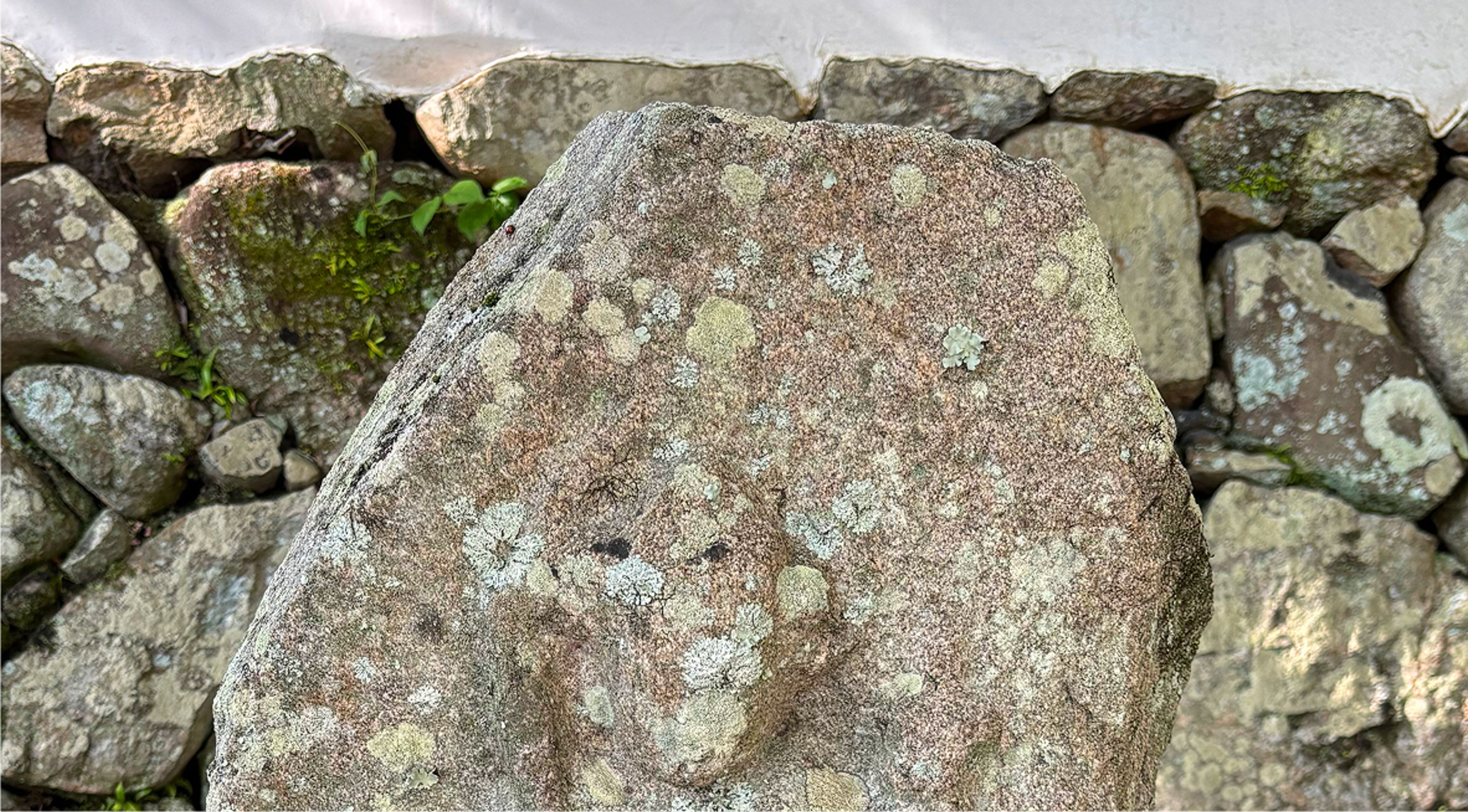
A stone on a walking trail in Jizo, Japan. Photo courtesy of the artist
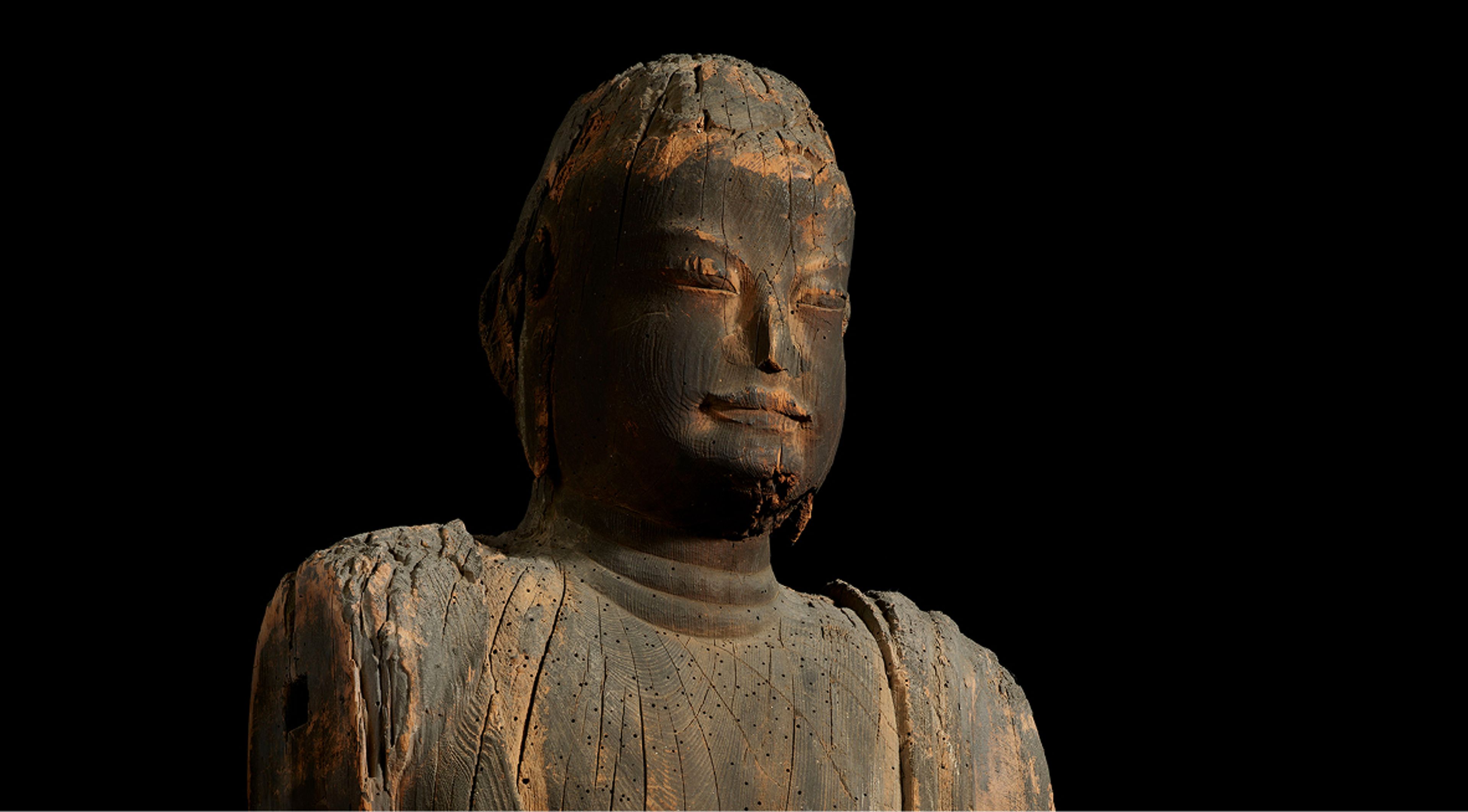
Standing Nyorai (Sk. Tathāgata). Nara period~Heian period. 8th century-9th century. Photo courtesy of Nara National Museum
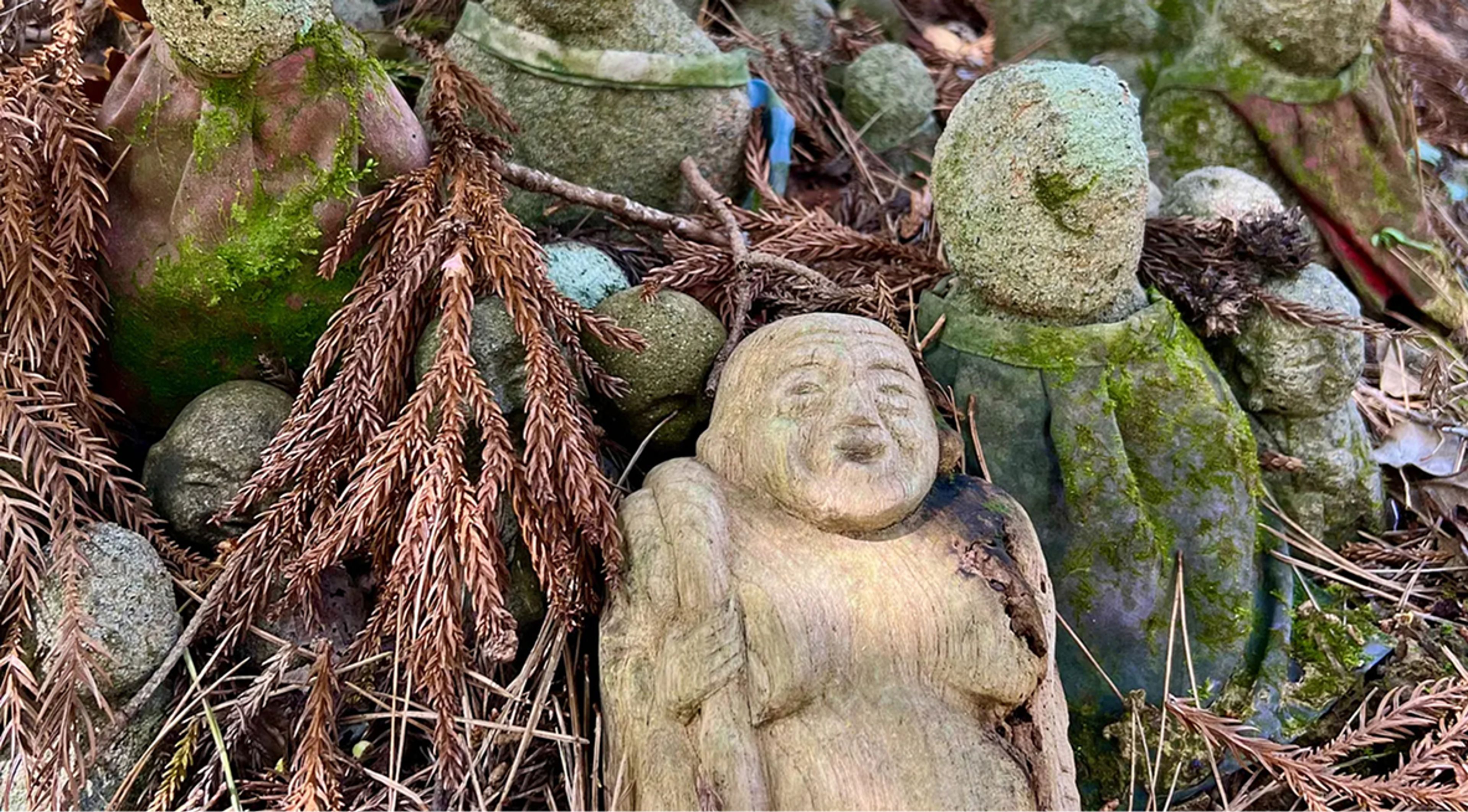
Jizo statues and shrine building at Nashi no Ki Jizo © Diane Tincher
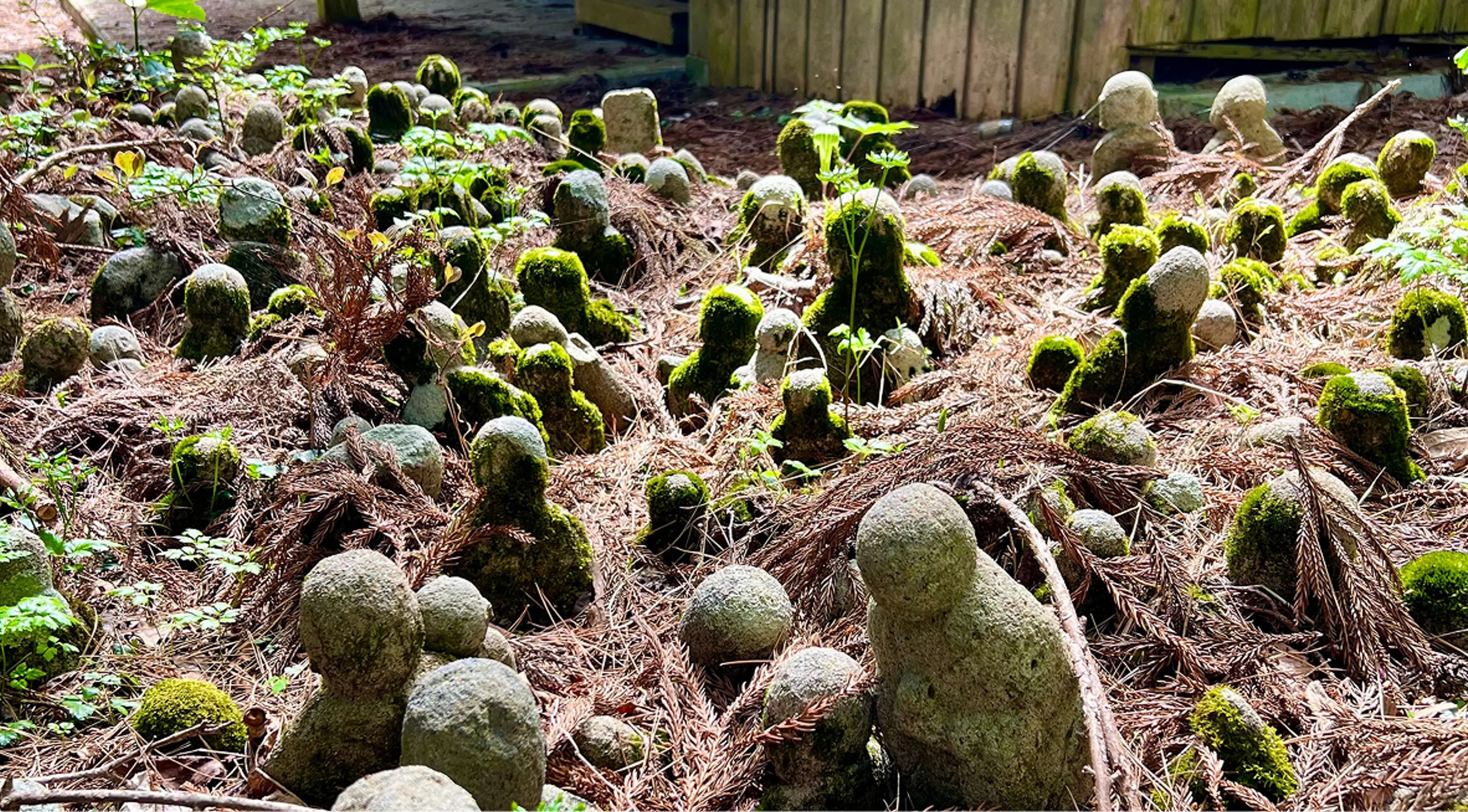
Jizo statues at Nashi-no-Ki Jizo © Diane Tincher
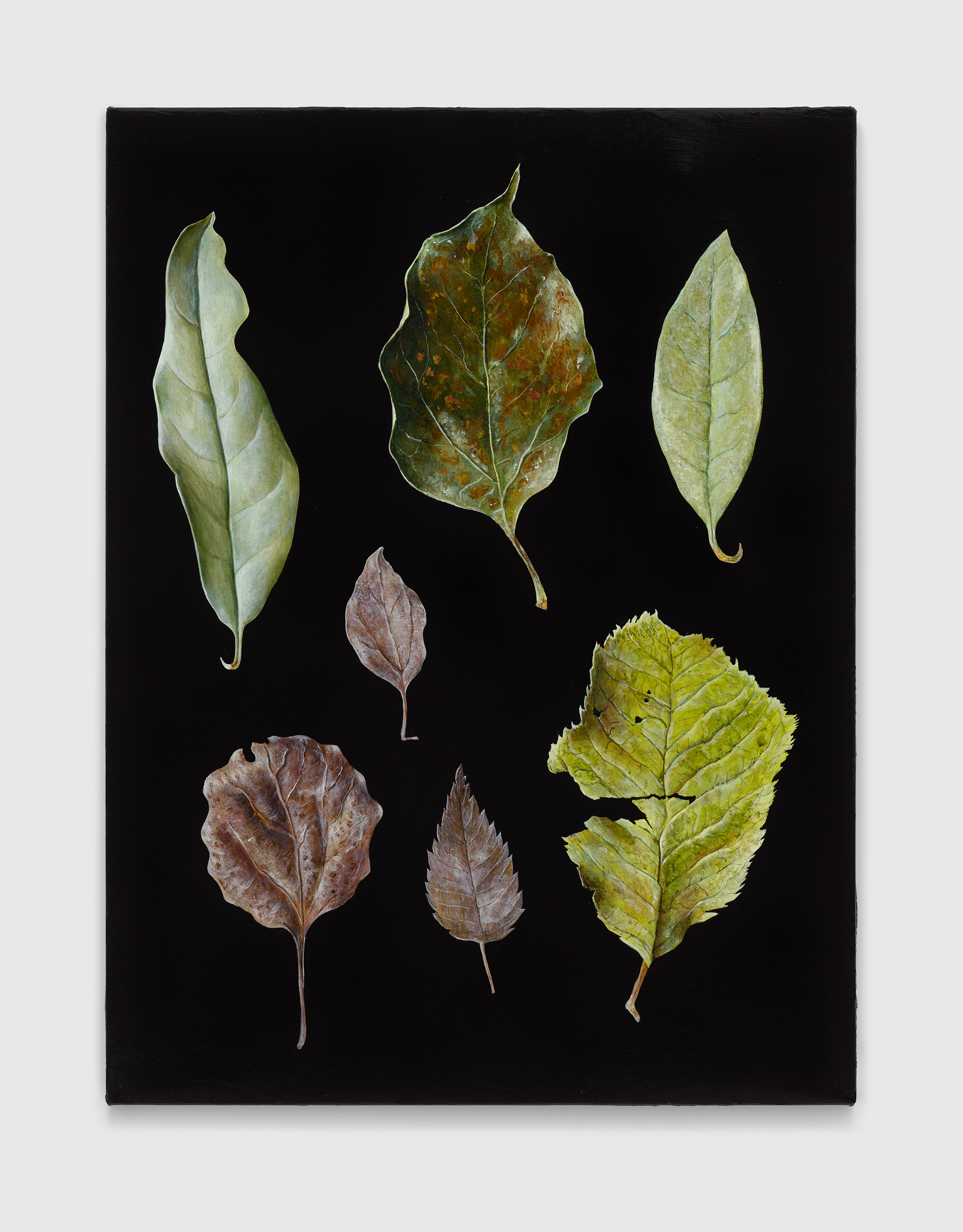
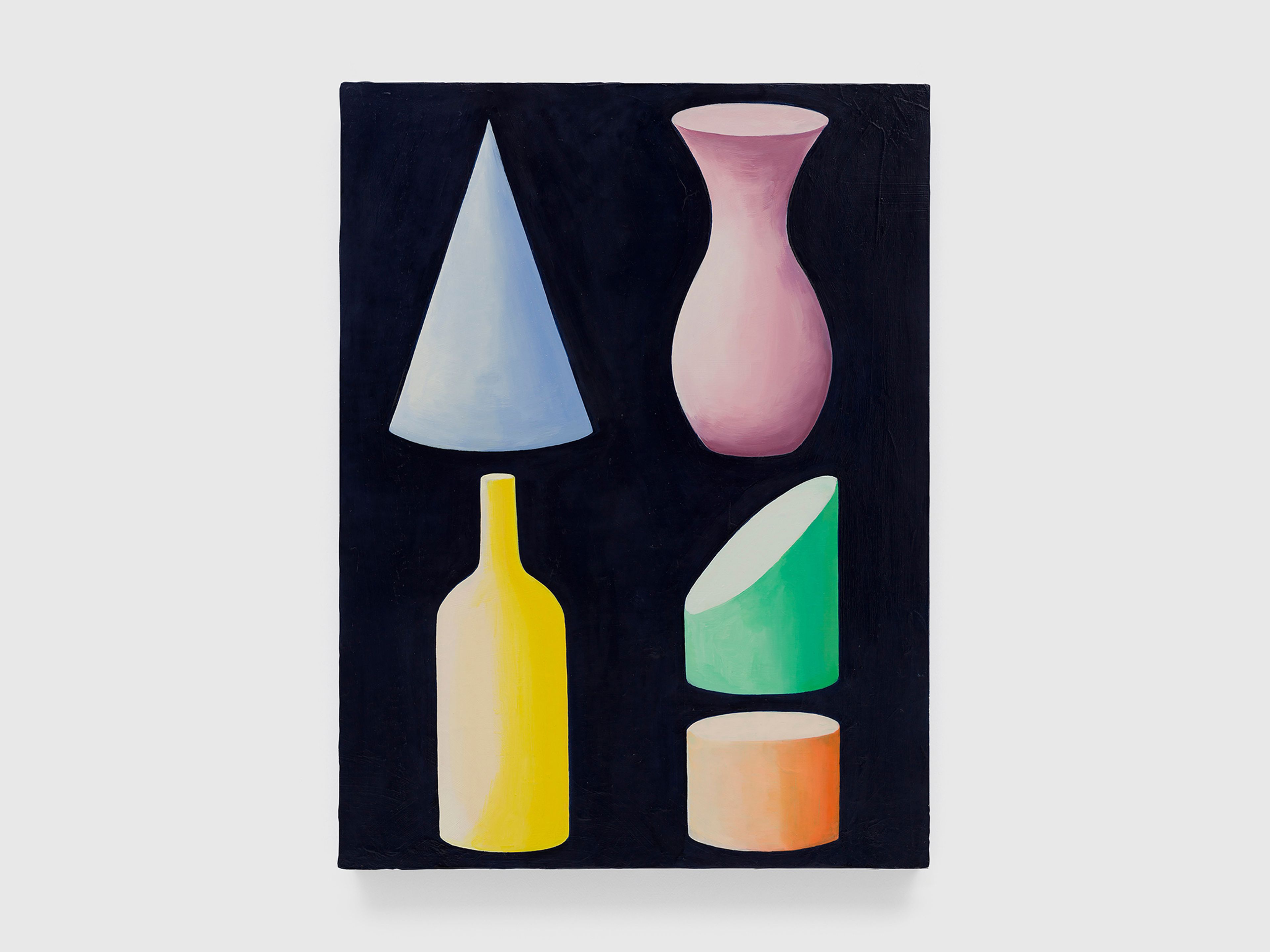
An early work by Takagi titled still life (2011). Courtesy of Kayokoyuki
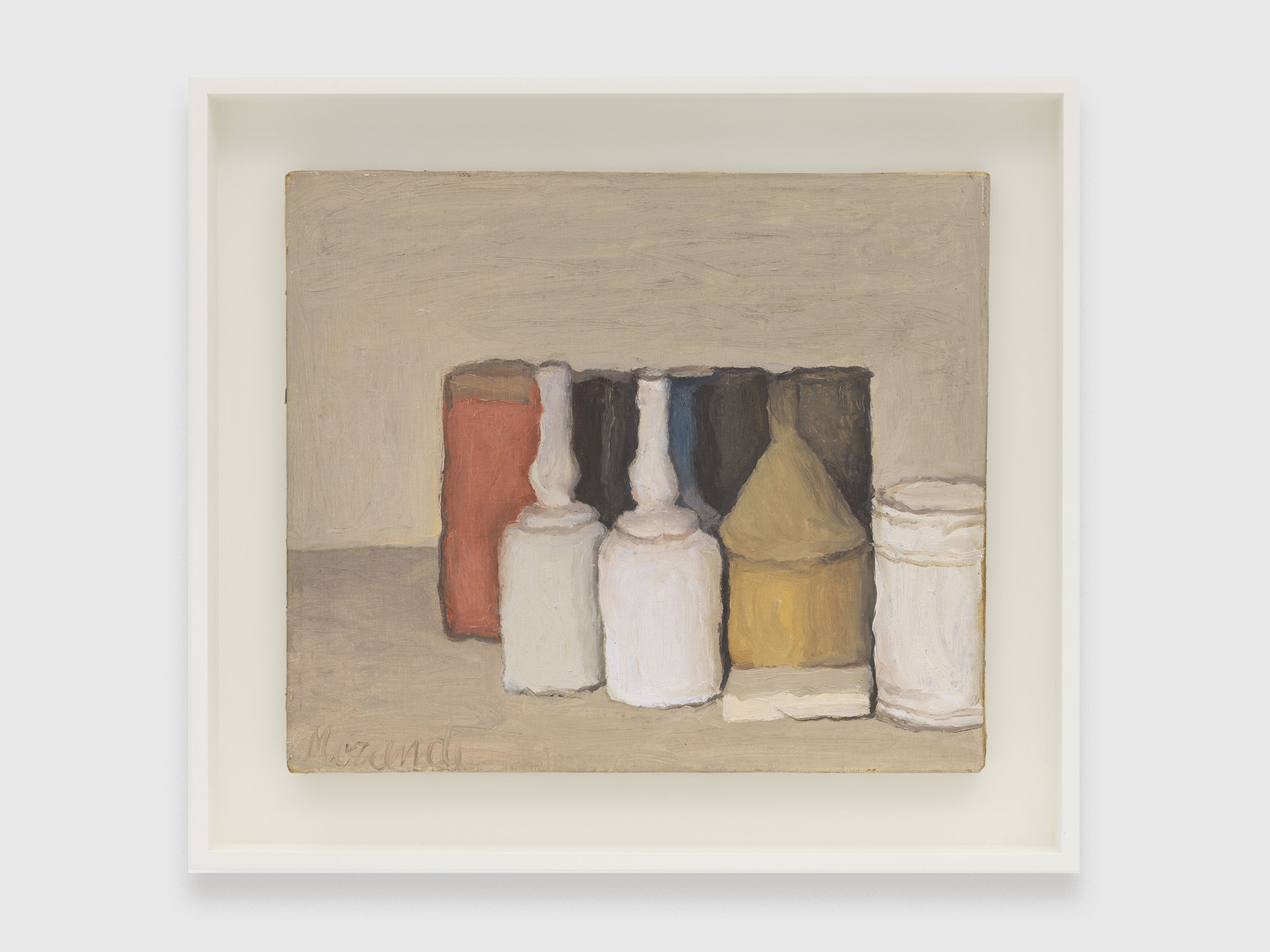
Giorgio Morandi, Natura morta (Still Life), 1953
“I feel an affinity with the way Morandi repeatedly painted still lifes while changing their arrangements and compositions, as well as with On Kawara’s Date Paintings. There is a visual similarity, but more importantly, I am interested in the act of repeatedly painting motifs that may appear to be the same. In reality, just as things are constantly changing and no two moments are ever identical, and just as every day is a different day, each painting is different. I want the paintings to evoke a different experience each time, both for myself as the person making them and for the viewer.” —Daichi Takagi
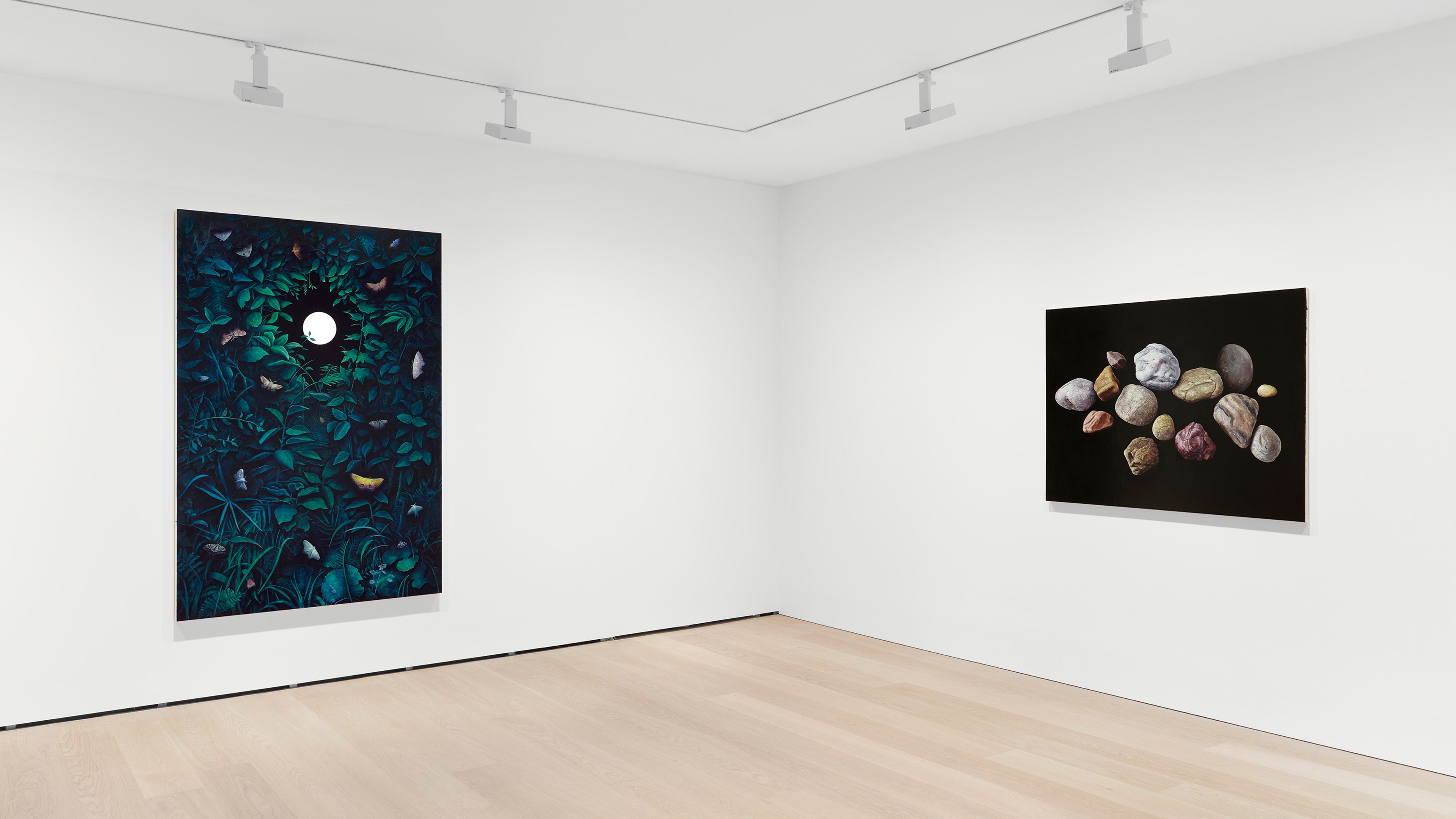
Installation view, Daichi Takagi: Suchness, David Zwirner, London, 2026
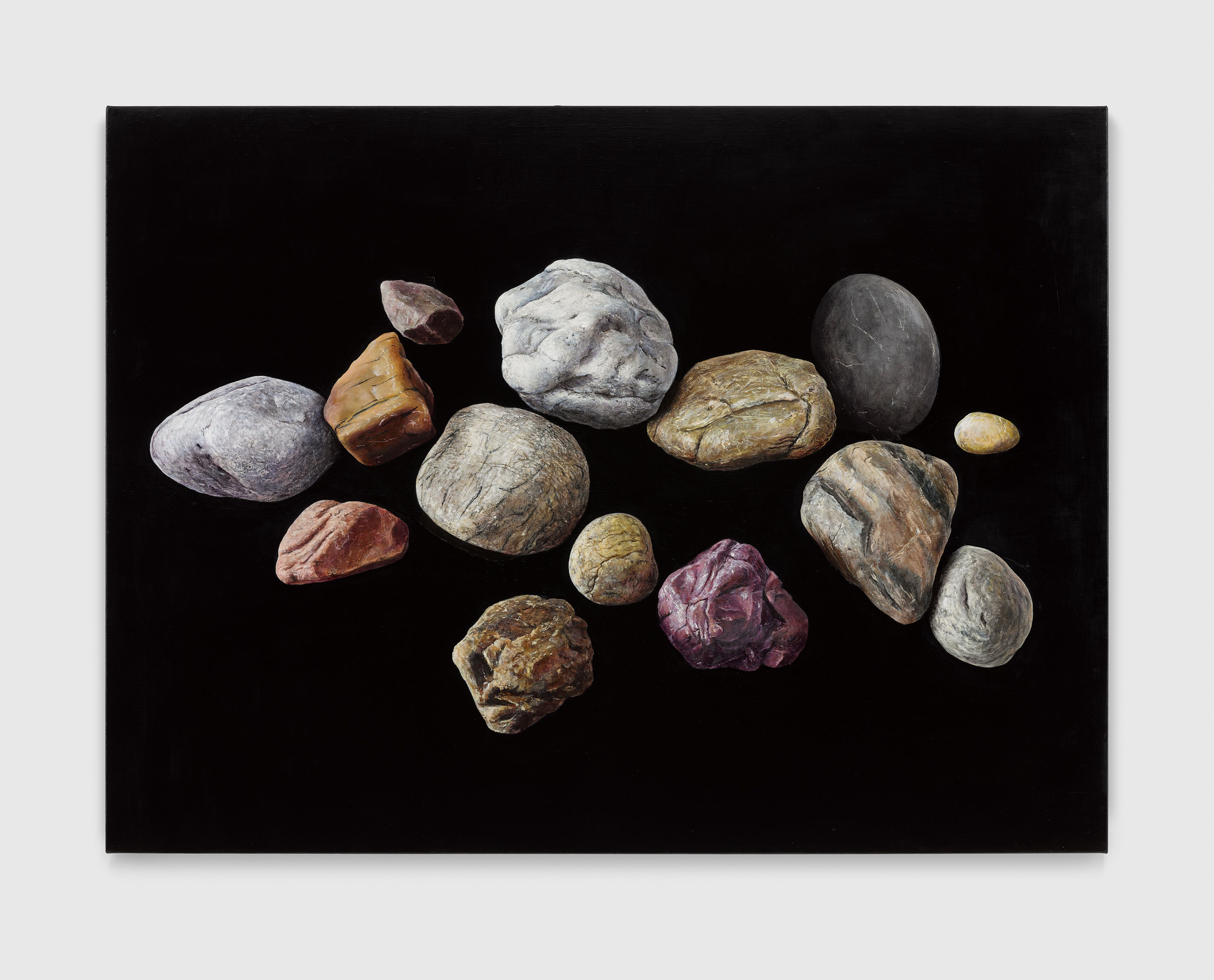
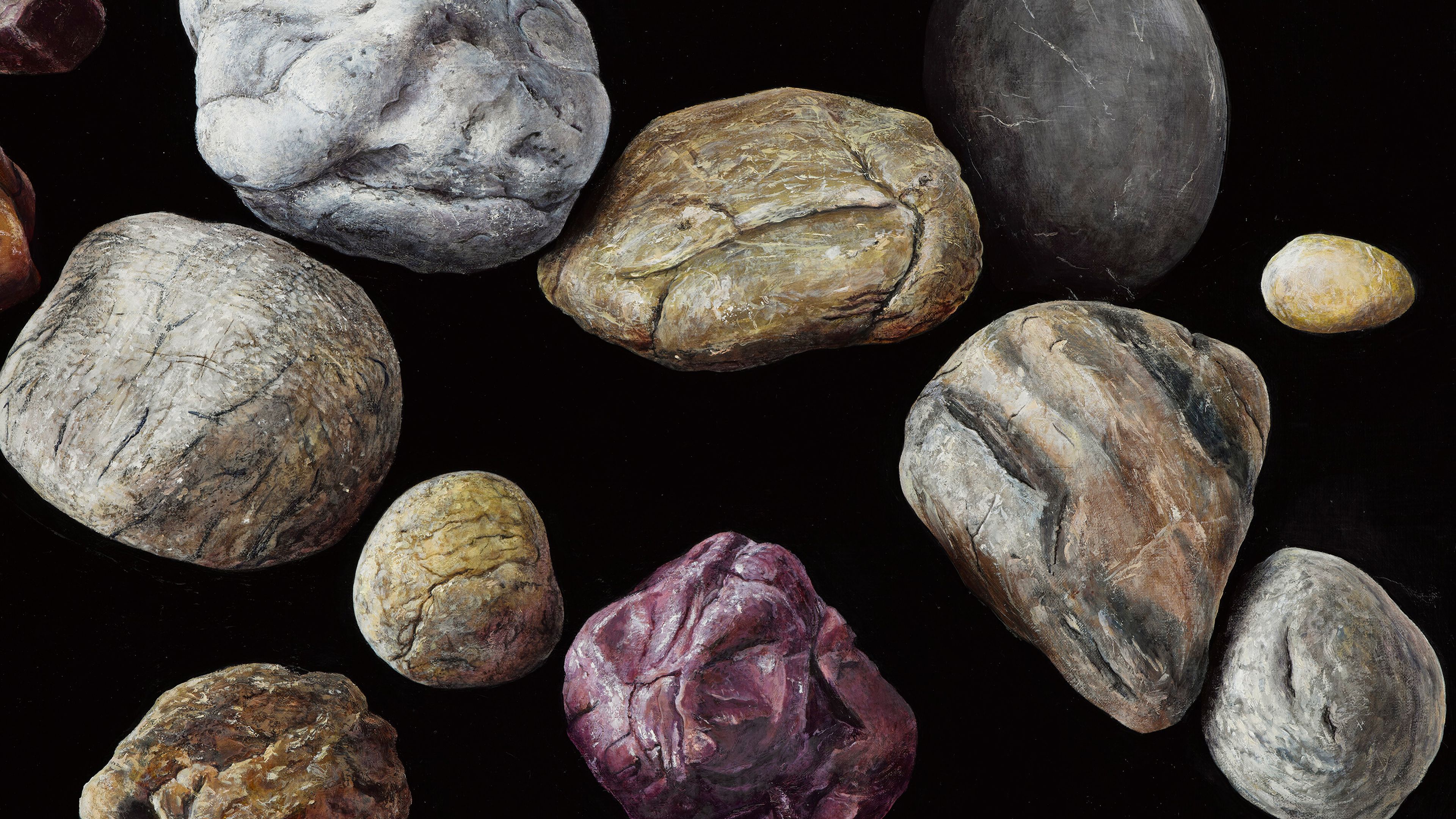
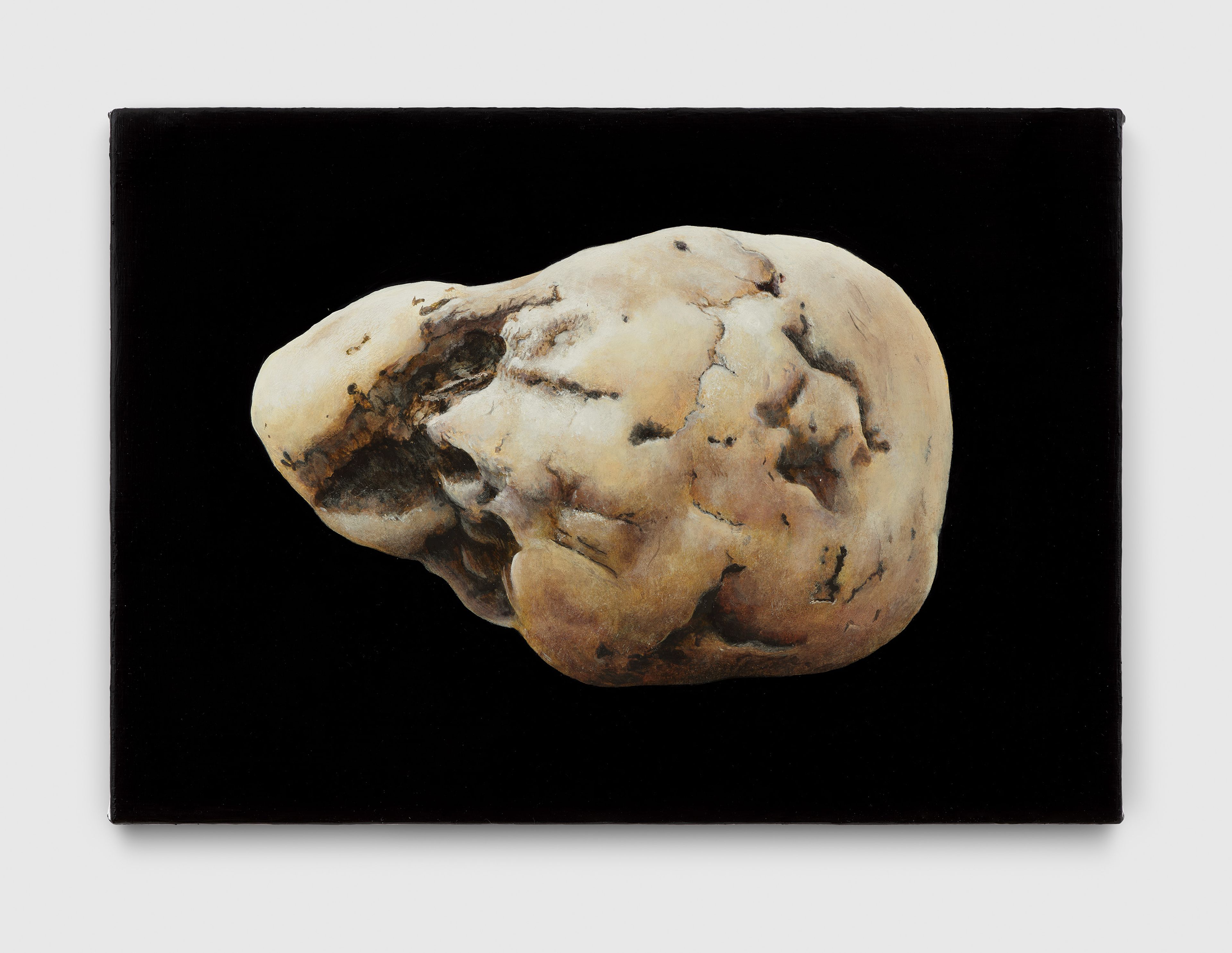
Daichi Takagi, Stones, 2026 (detail)
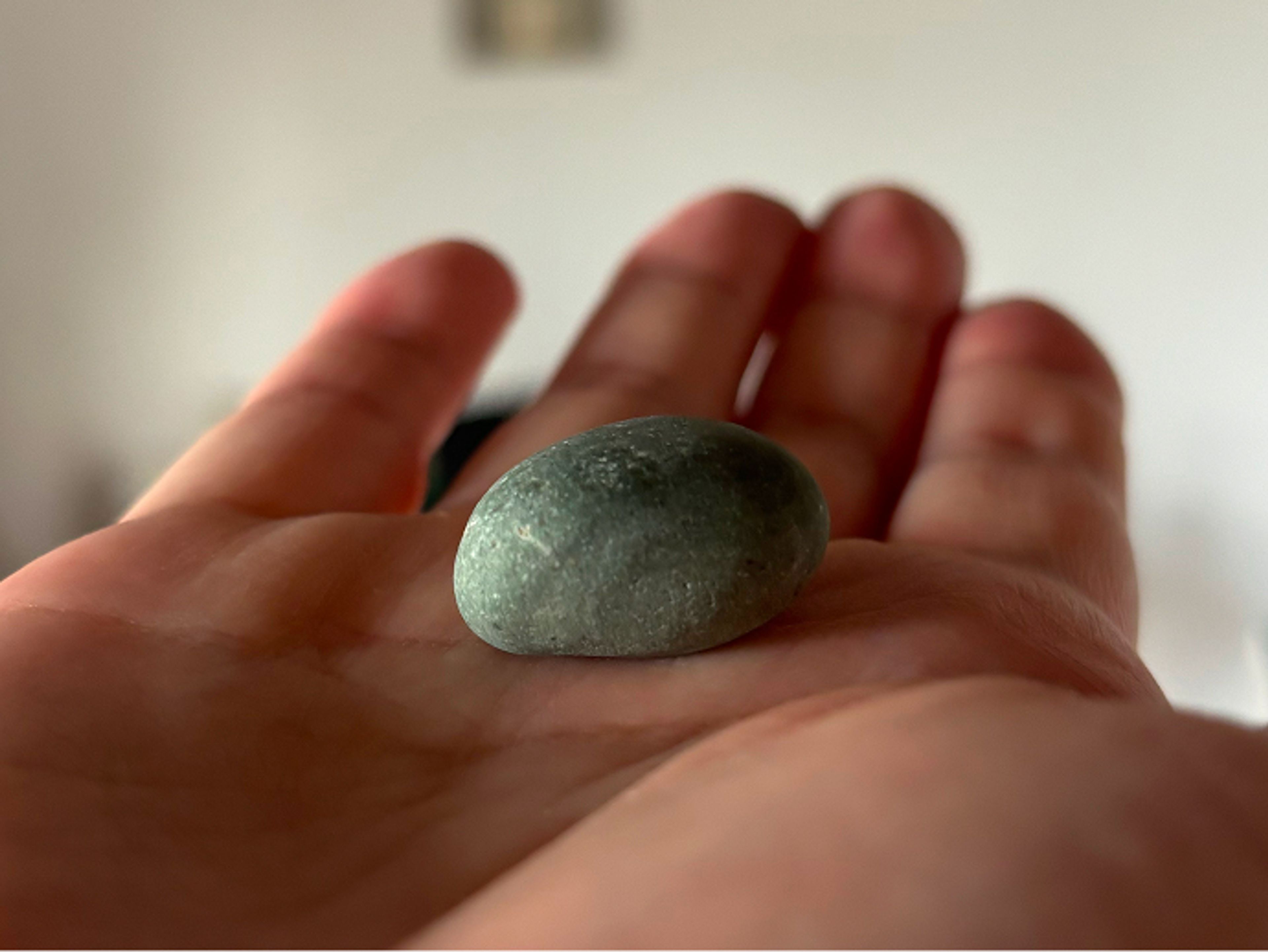
Stone collected on the Greek island of Hydra. Photo courtesy of the artist
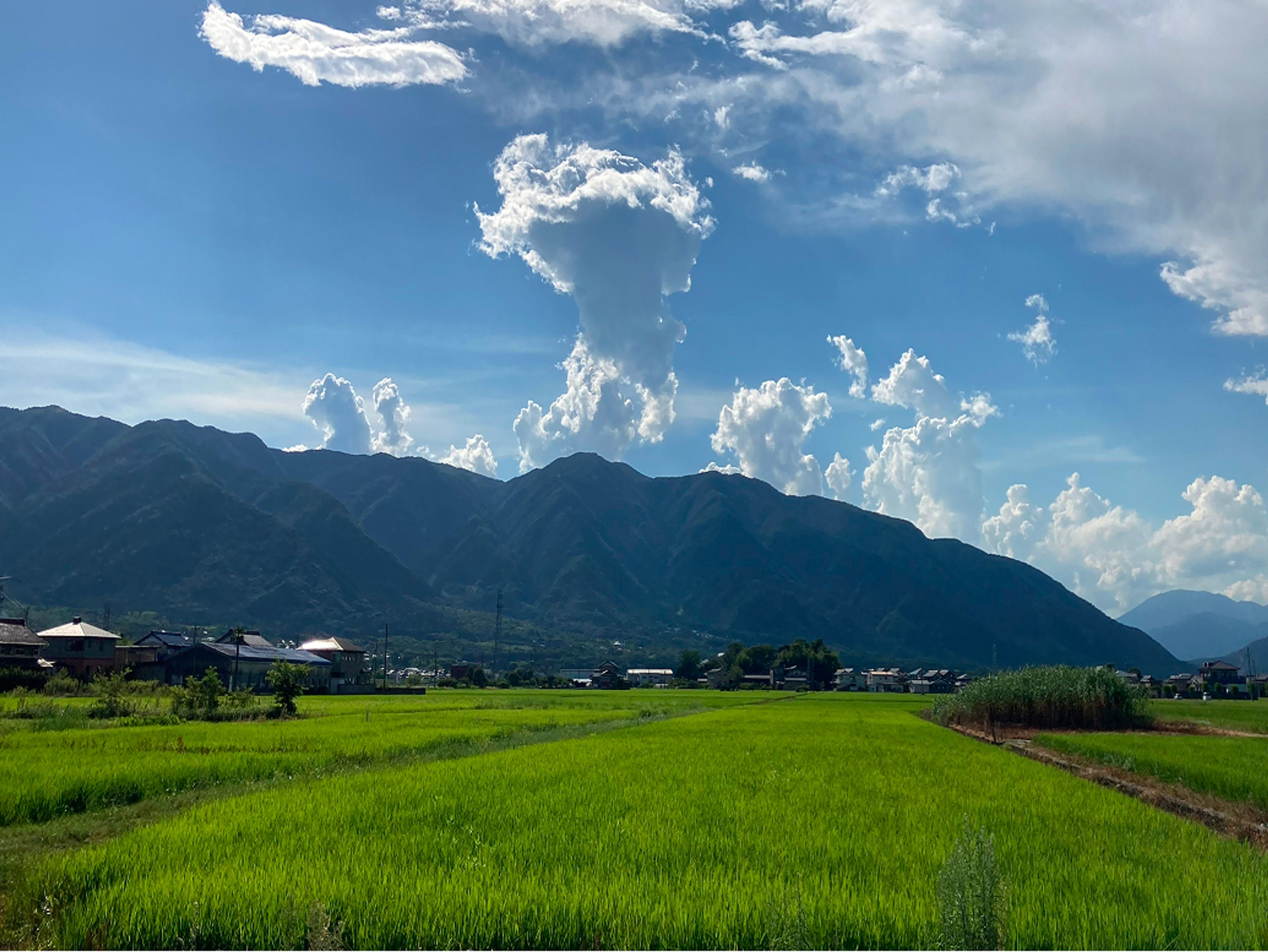
Gifu, Japan. Photo courtesy of the artist
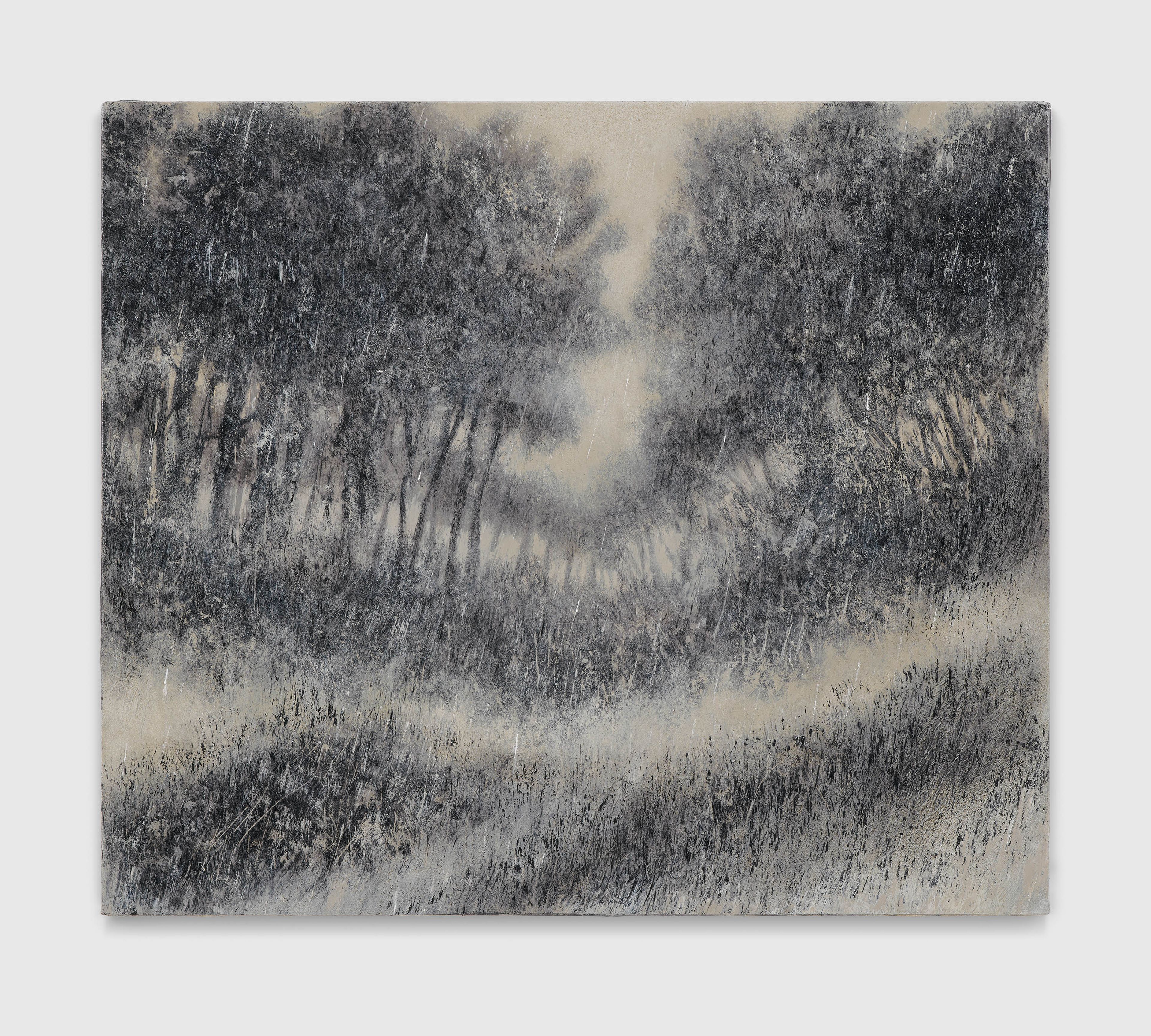
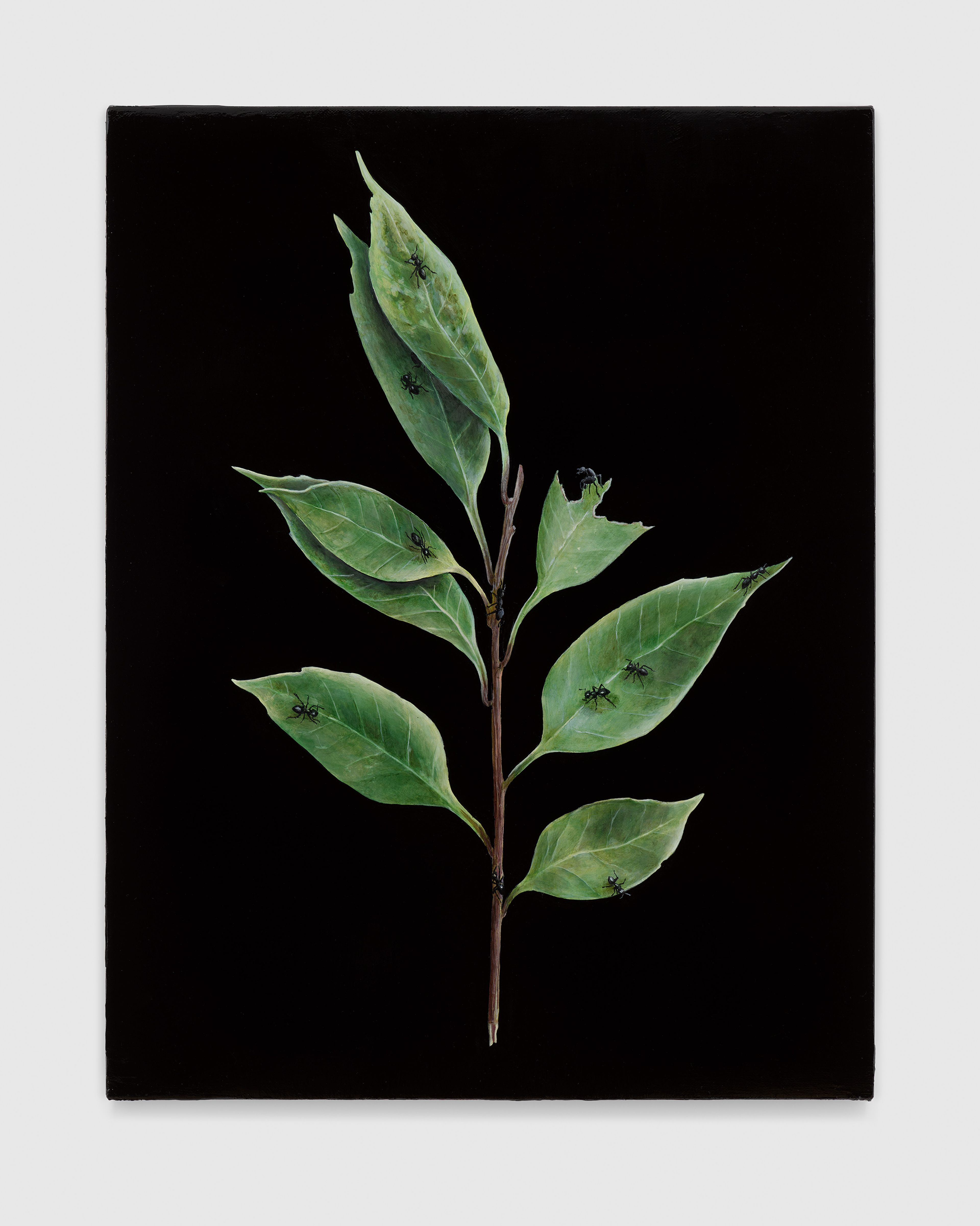
Blurring the boundary between figuration and abstraction, Takagi’s recent work is introspective and reflective, focusing on phenomena observable in his everyday environment. Motifs such as trees, stones, rain, and the moon recur across compositions, alluding to the natural world but more powerfully to the fleeting nature of perception. “I conduct research not only in the forests and parks near my home and around Tokyo, but also in different parts of Japan and, when I have the opportunity, abroad. I spend time in these places, staying and walking, looking for places and moments that might become sources of inspiration. I look for ordinary, unnamed places—places that might seem to have no particular significance—and for moments within them that can become sources of inspiration. In these places, I sometimes collect actual objects, such as stones and leaves, and bring them back to the studio.” —Daichi Takagi
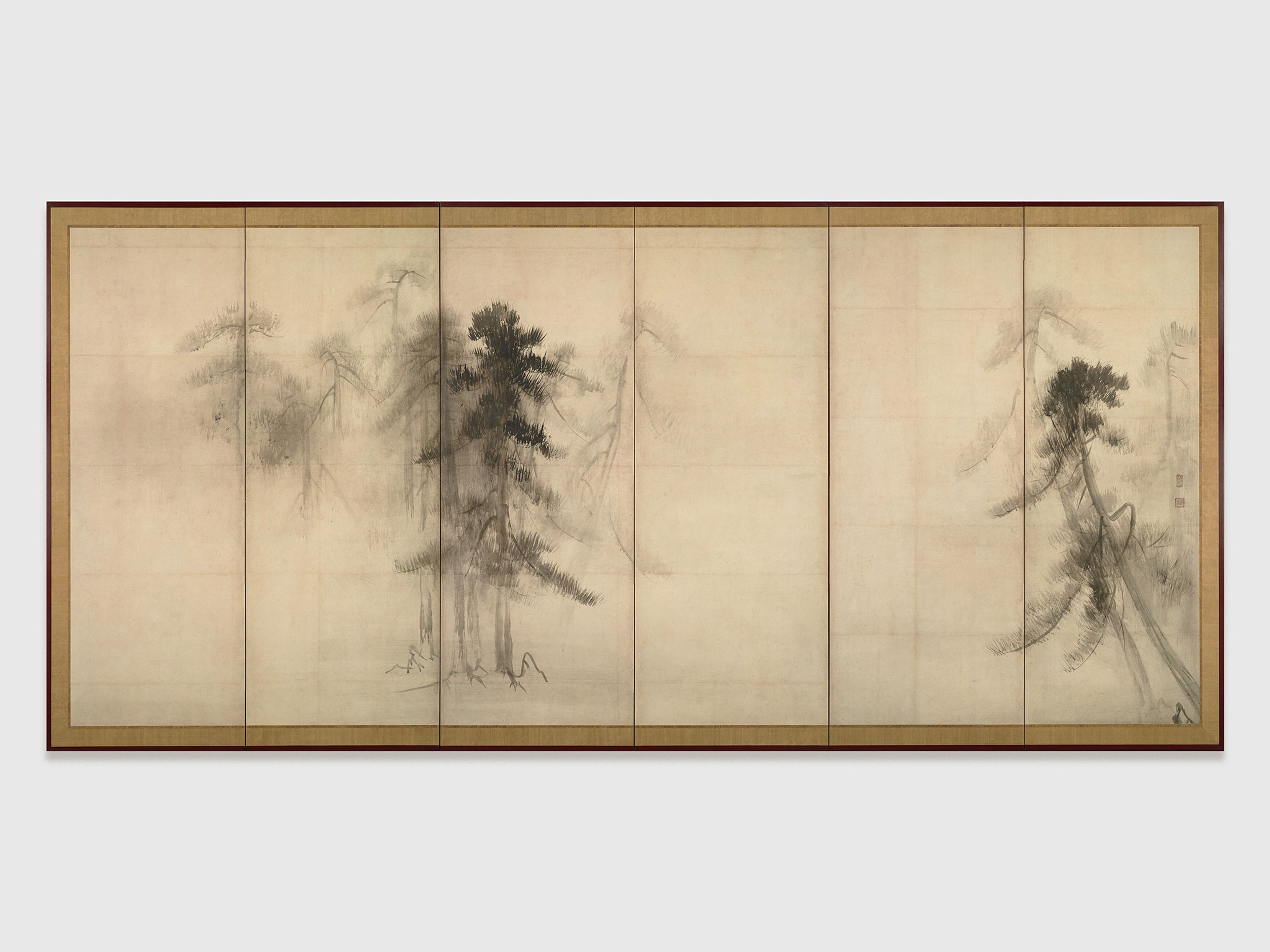
Hasegawa Tohaku, Pine Trees (Shorin-zu-byobu), c. 16th century
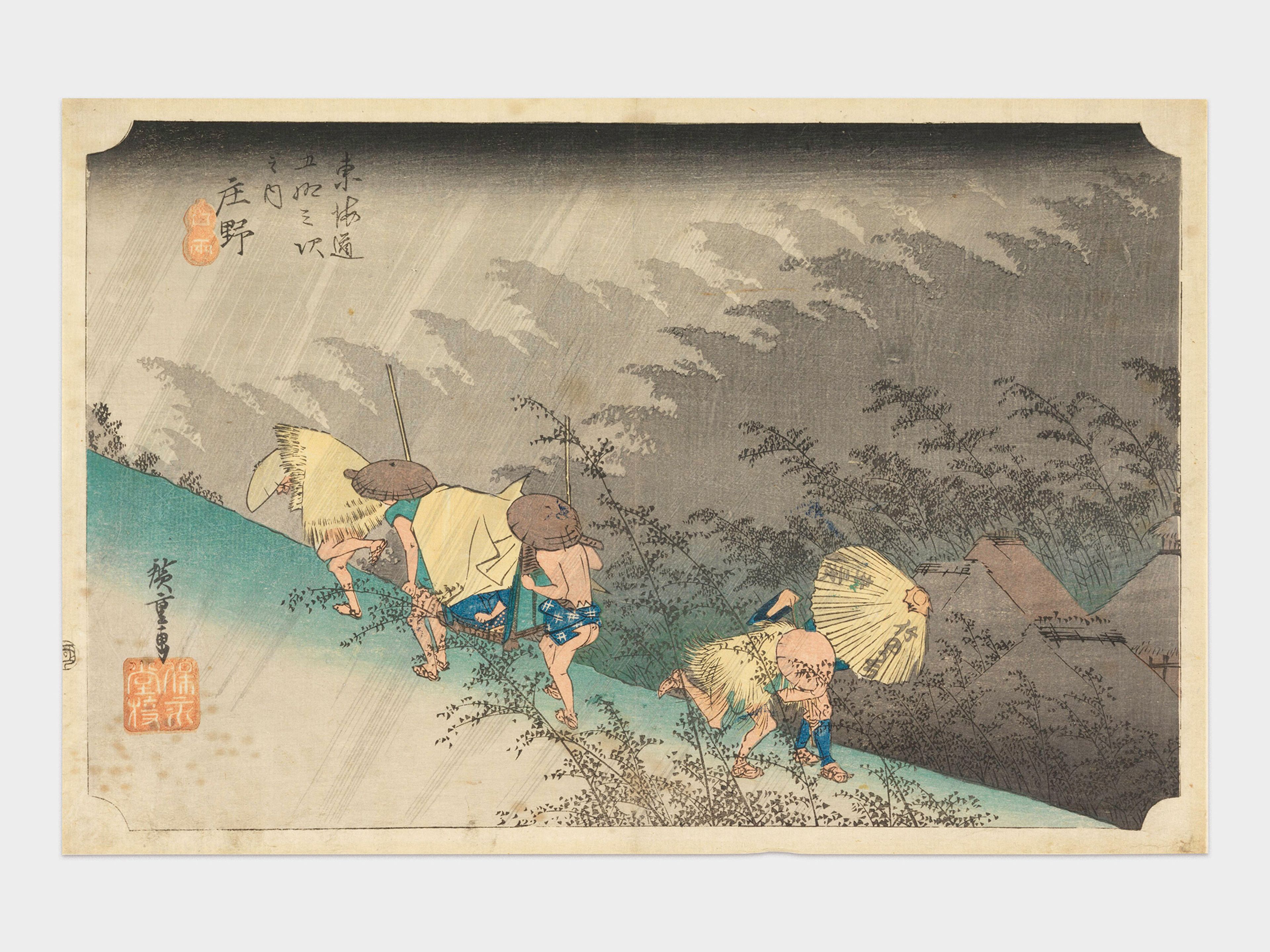
Utagawa Hiroshige, Driving Rain (Shono, hakuu), Edo period, 19th century
“I look at things as they are and appreciate them, and my paintings develop from noticing subtle changes—for example, differences in the moon from day to day or changes in humidity—and from the forms of expression and depiction that emerge from those experiences. There are many examples in Japanese painting, ink painting, and ukiyo-e that approach nature in this way, and I sometimes draw on elements that I find valuable in these traditions. In works such as Rain, in particular, I have looked at Hasegawa Tōhaku’s Pine Trees screen, which expresses the humidity and atmosphere of the Japanese landscape, as well as depictions of rain in ukiyo-e, such as Utagawa Hiroshige’s Shōno: Driving Rain from The Fifty-three Stations of the Tōkaidō.” —Daichi Takagi
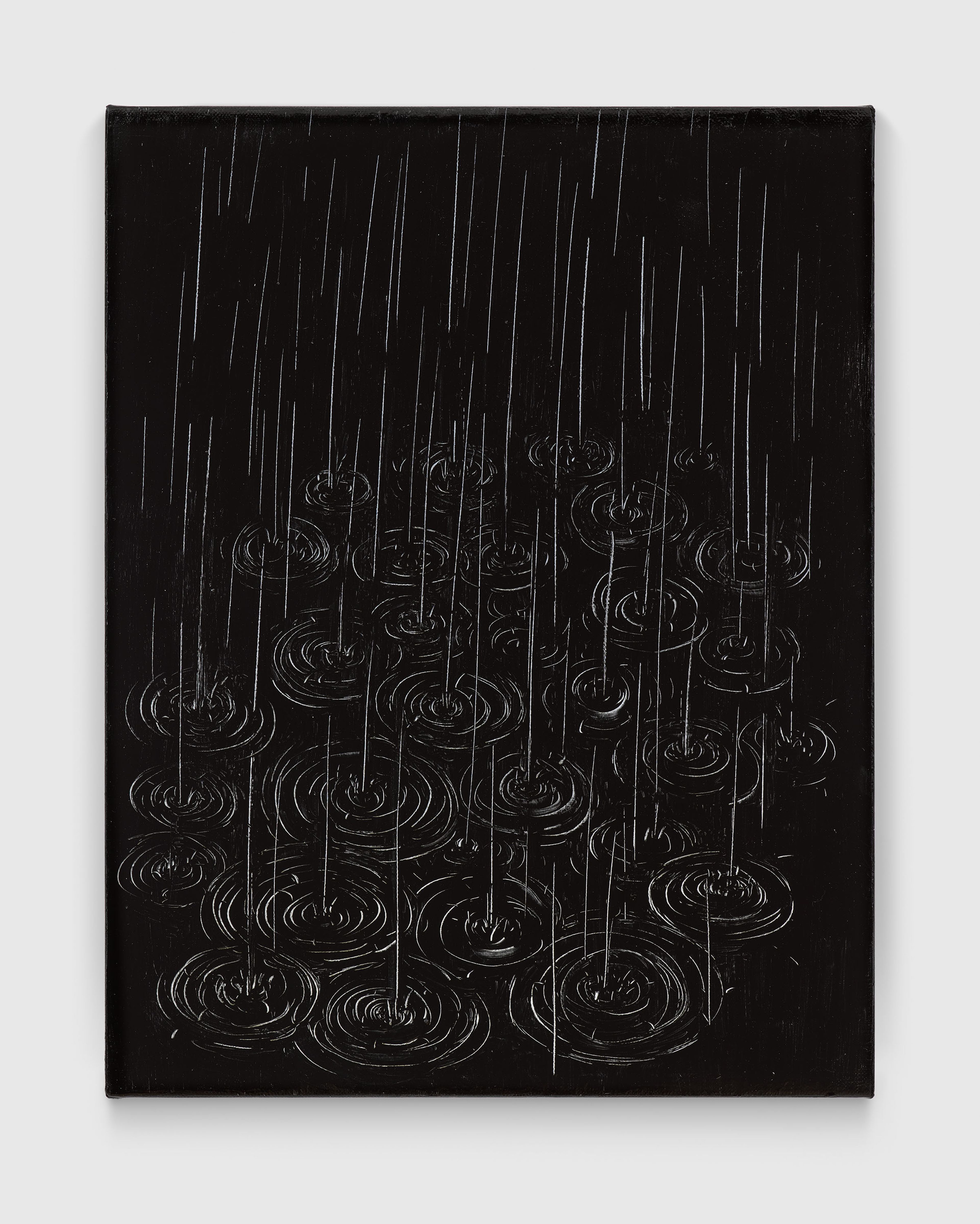
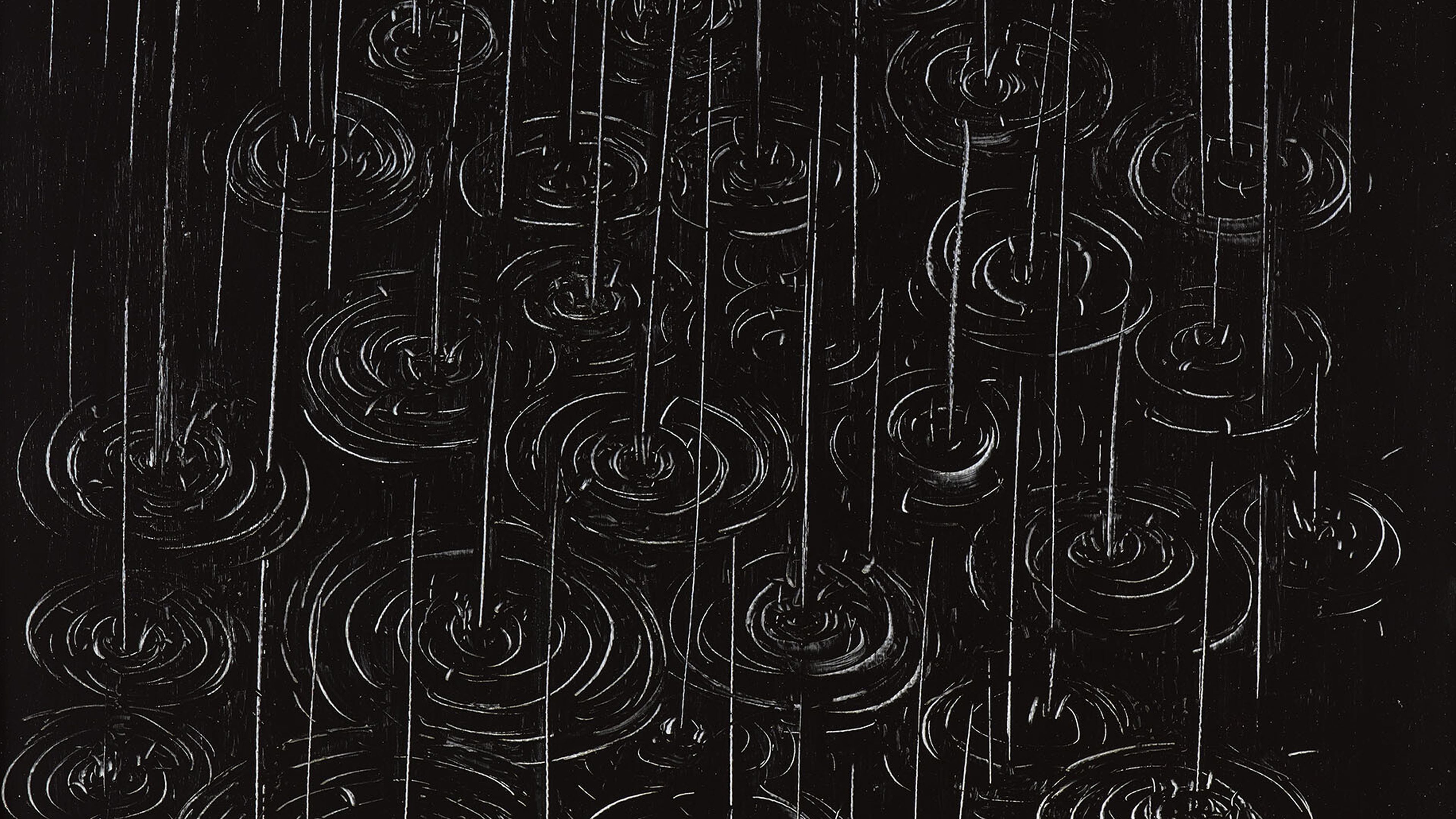
Daichi Takagi, Raindrops, 2026 (detail)
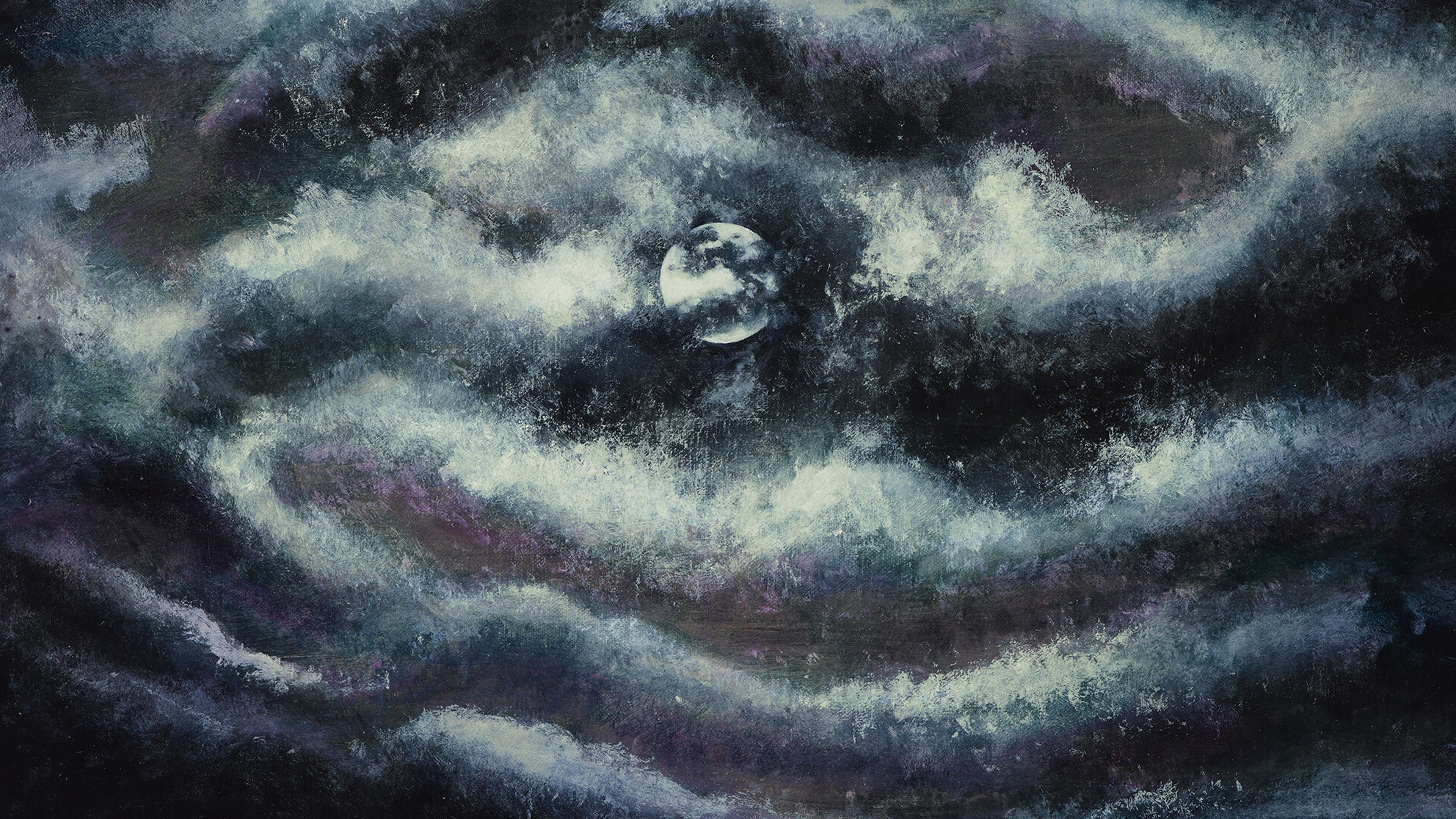
Daichi Takagi, Wanderer, 2026 (detail)
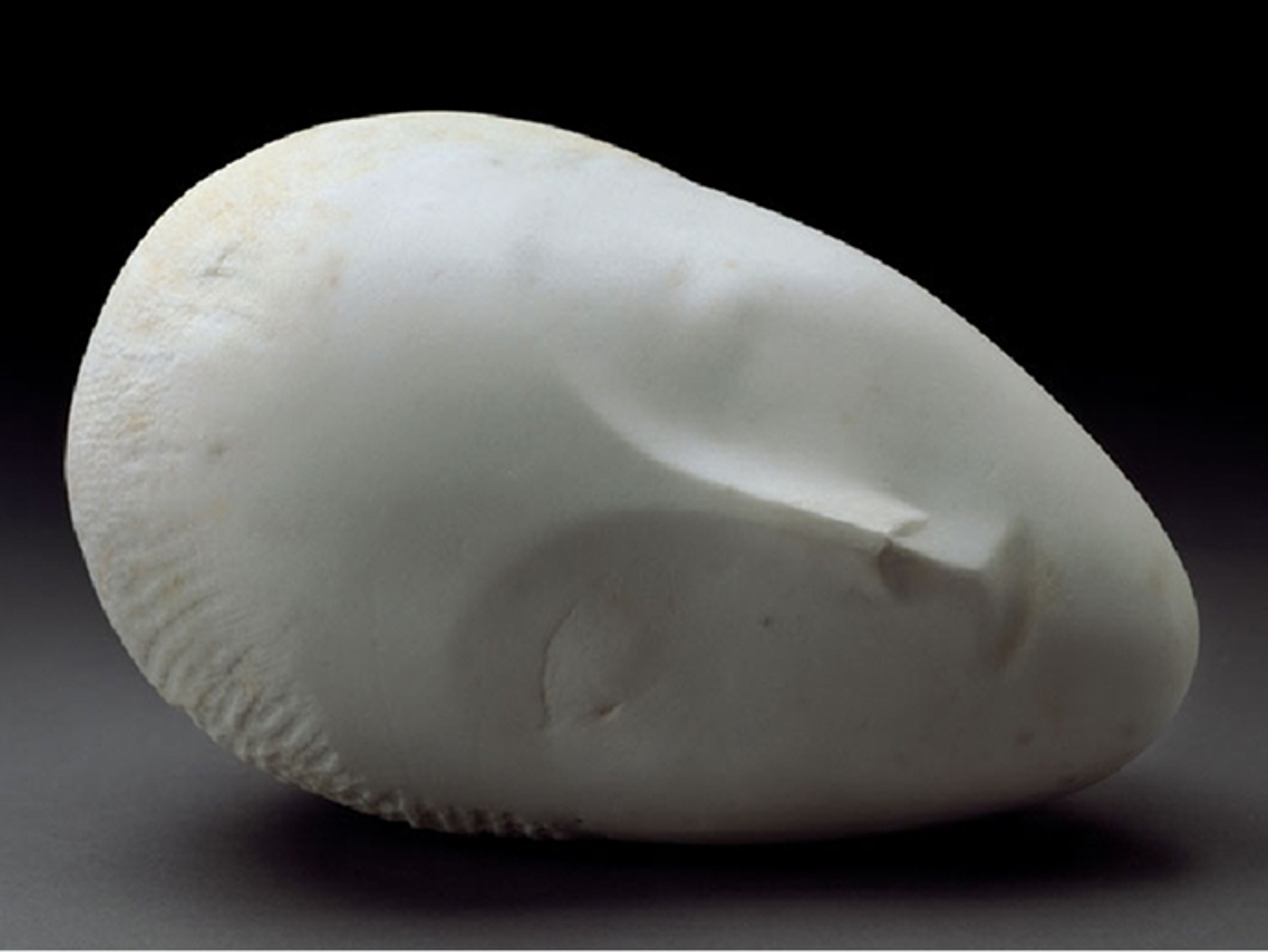
Constantin Brâncuși, The Sleeping Muse, 1910
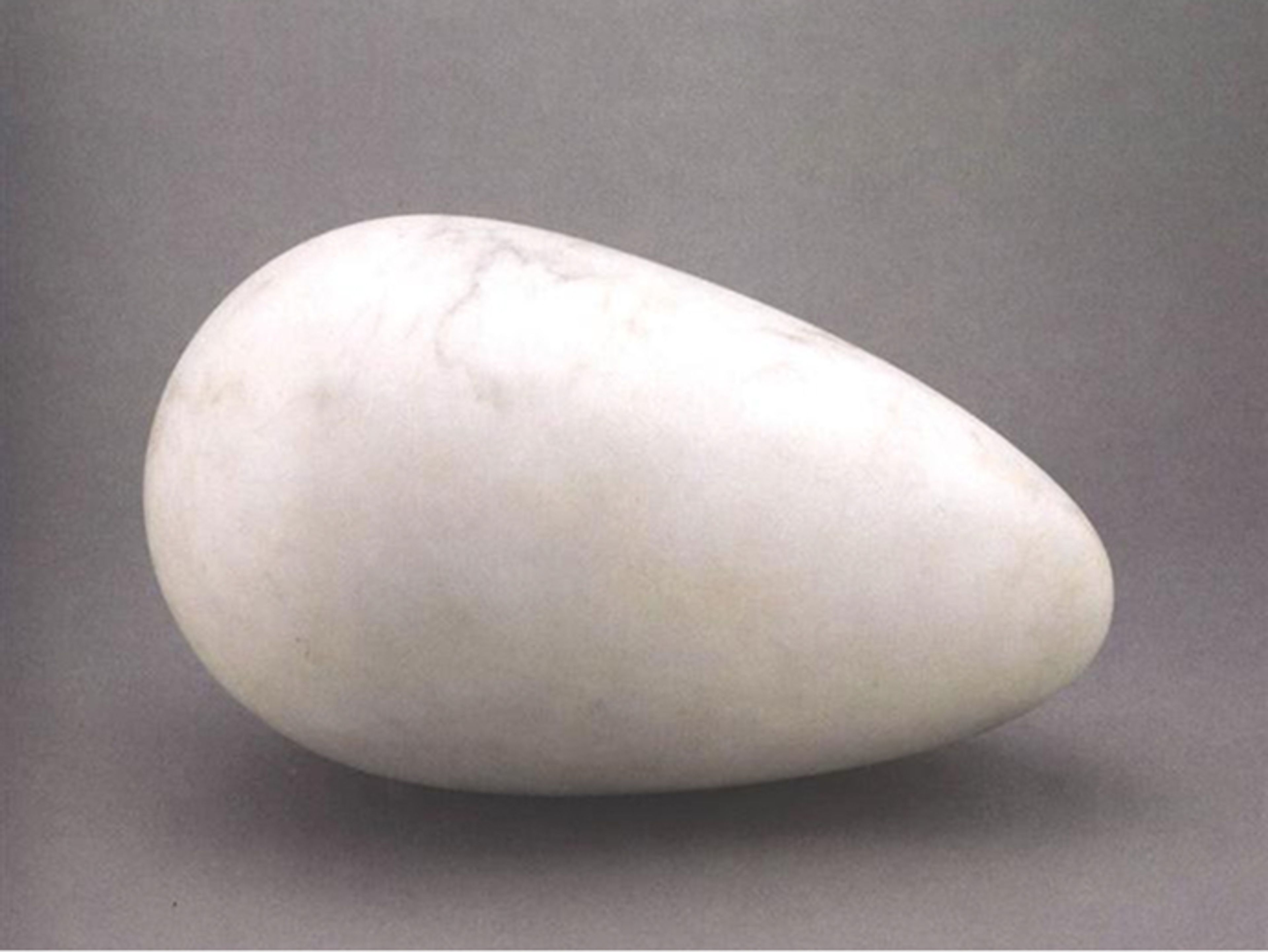
Constantin Brâncuși’s, The Beginning of the World, 1916
“I am inspired by works such as Constantin Brâncuși’s The Beginning of the World and Sleeping Muse, which exist somewhere between material and image, and between figuration and abstraction. Something can become sublime or completely ordinary. A stone can simply appear to be a stone lying somewhere, while at the same time it can look like a planet floating in a deep, dark expanse of space. ” —Daichi Takagi
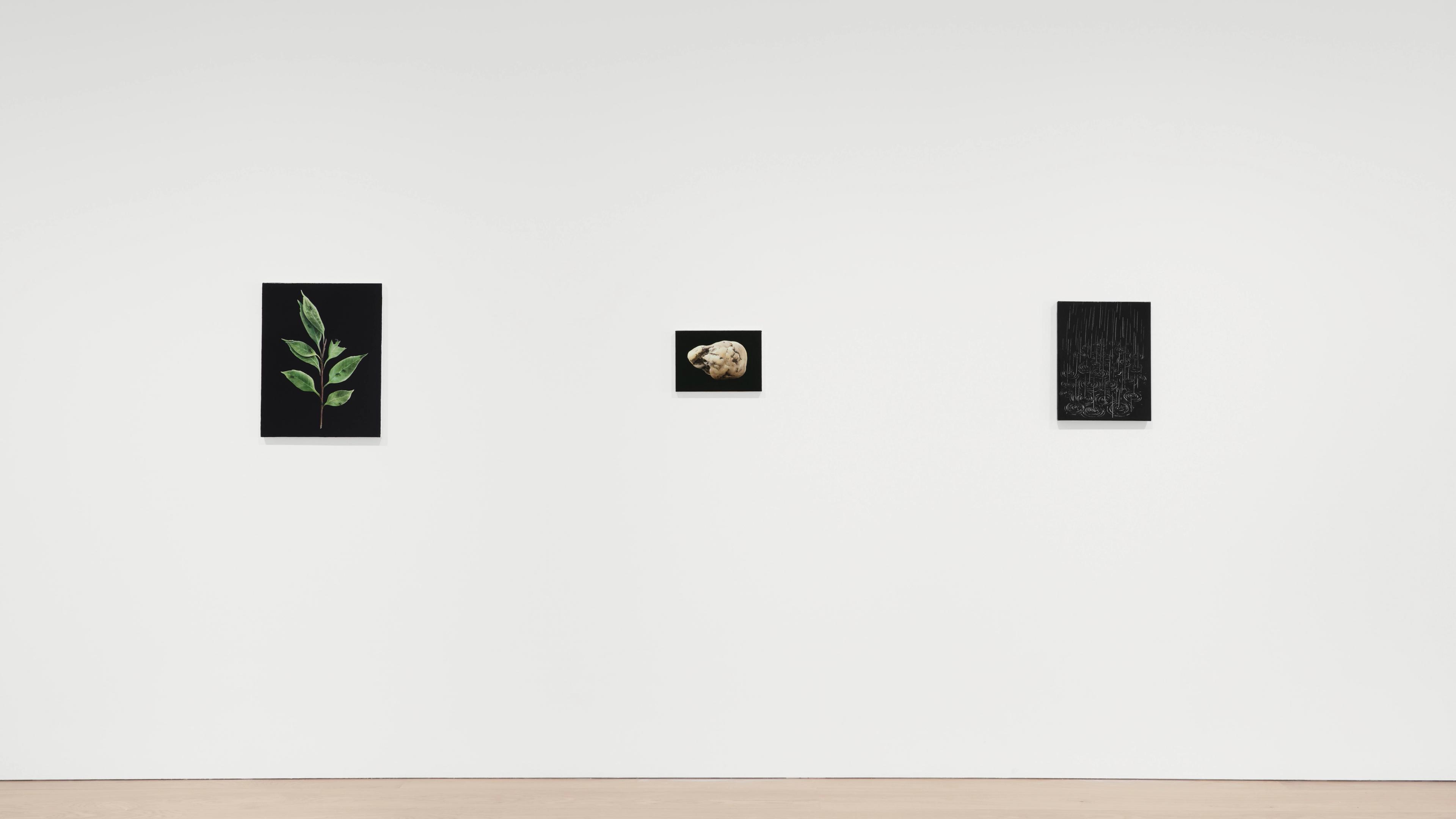
Installation view, Daichi Takagi: Suchness, David Zwirner, London, 2026

Inquire about works by Daichi Takagi