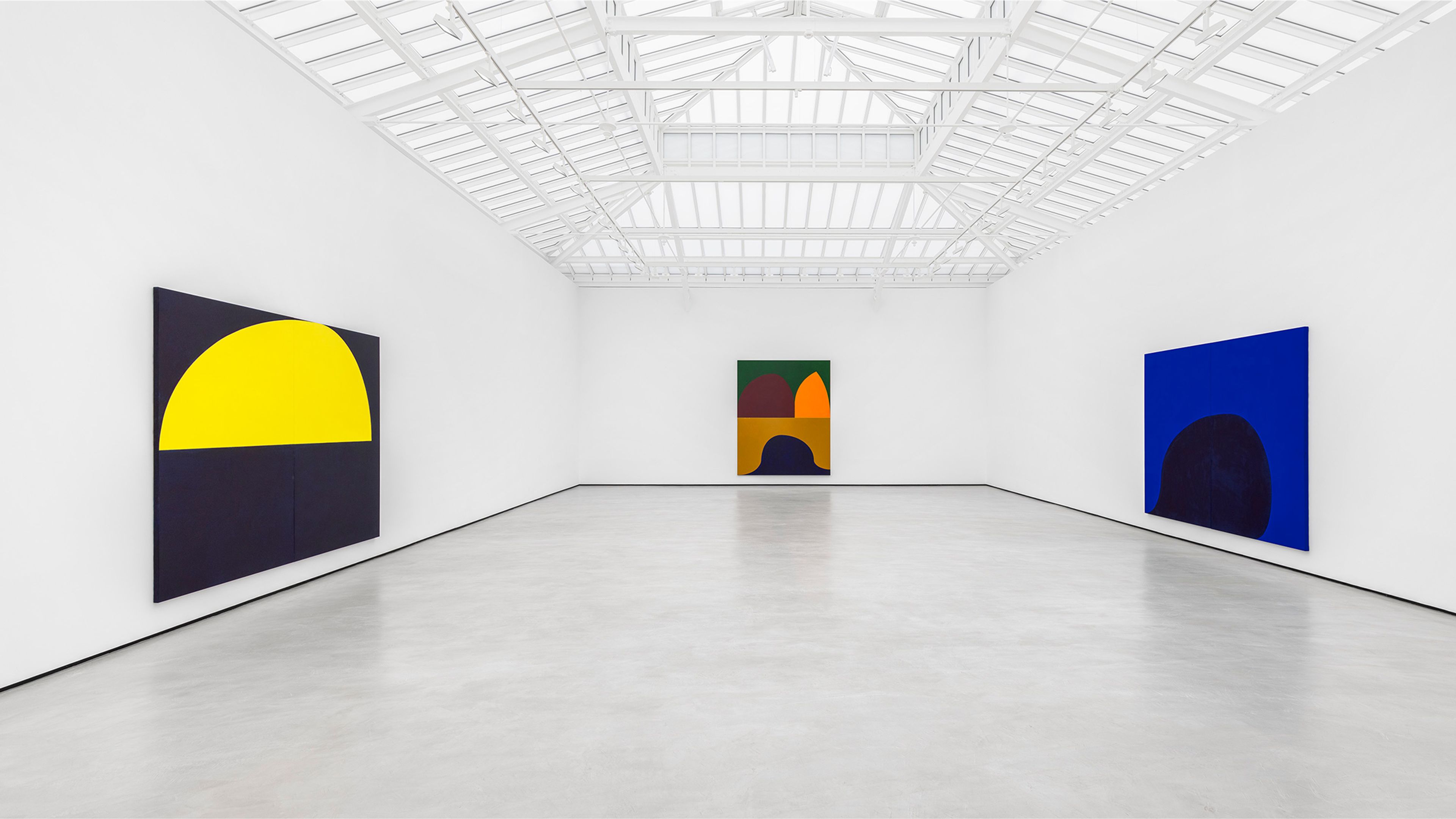
Suzan Frecon: The Light Factory
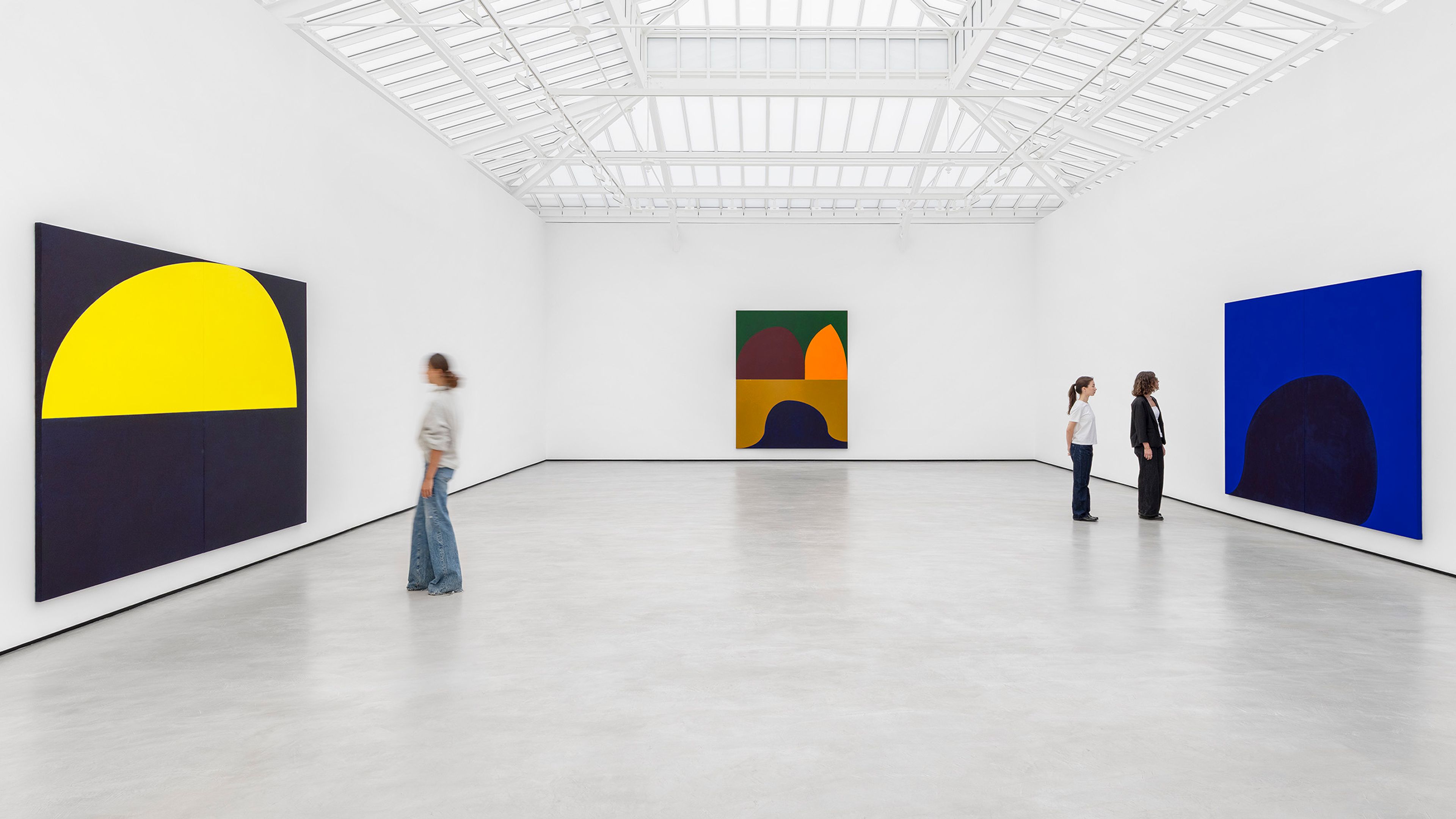
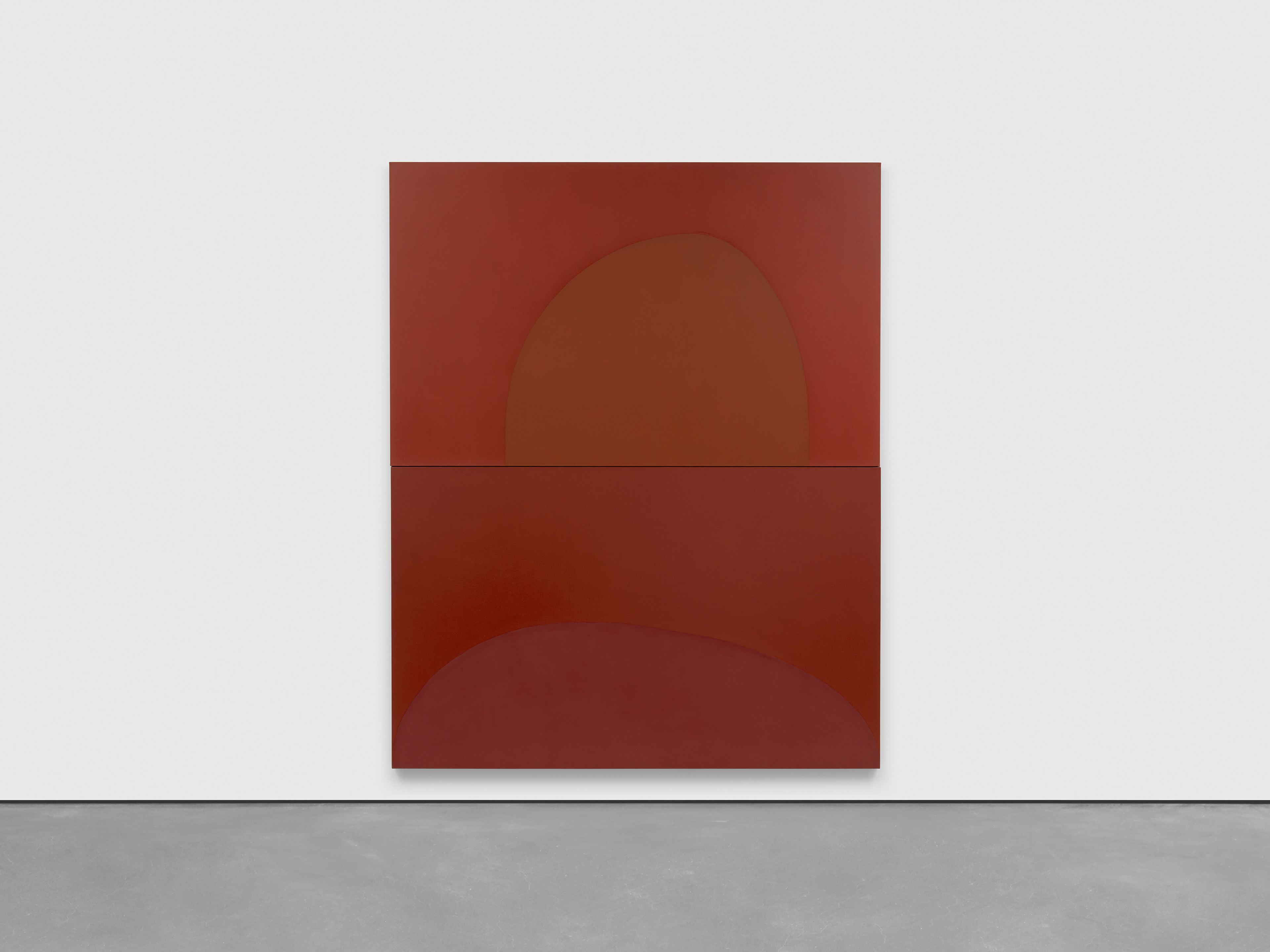
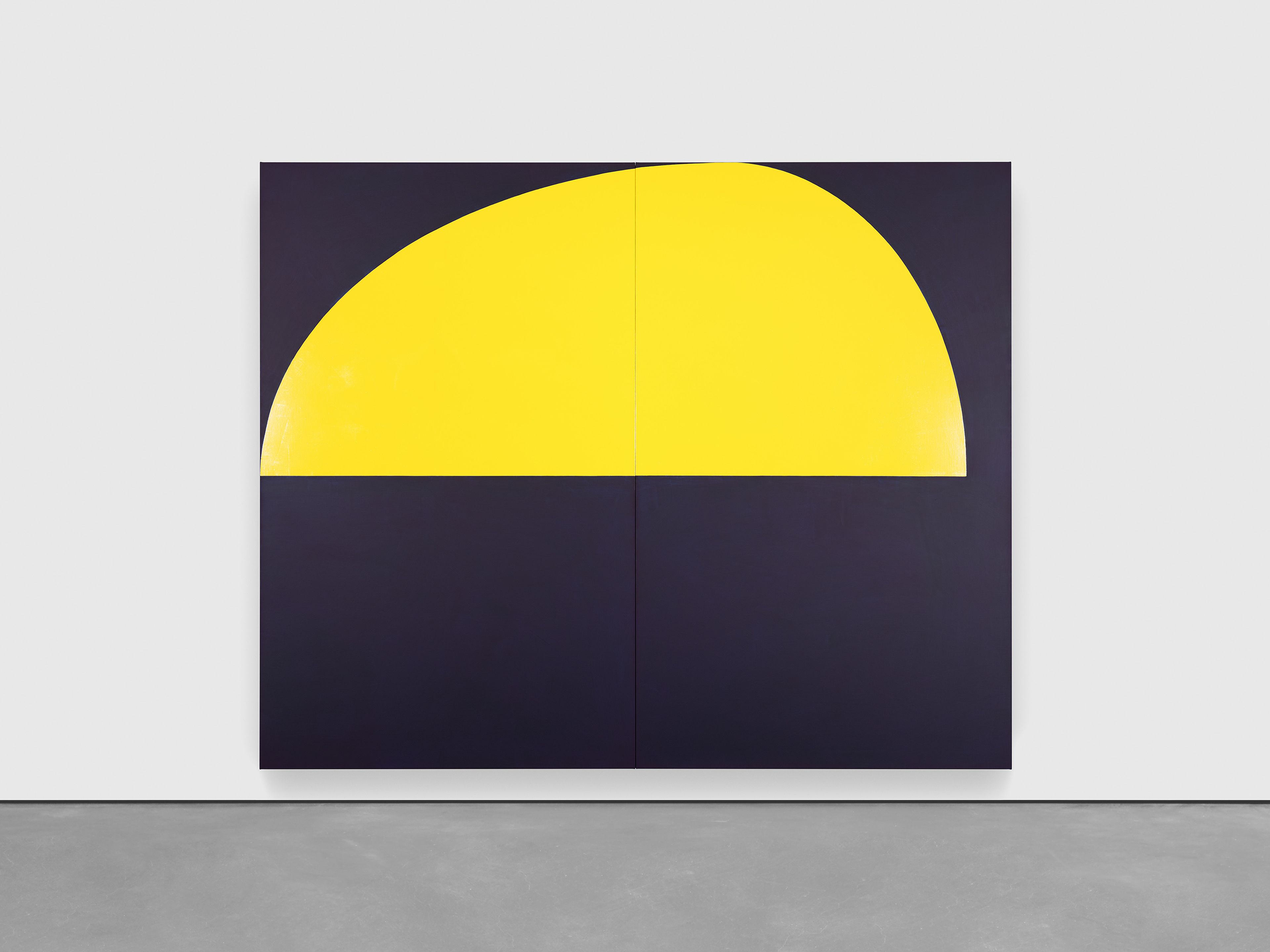
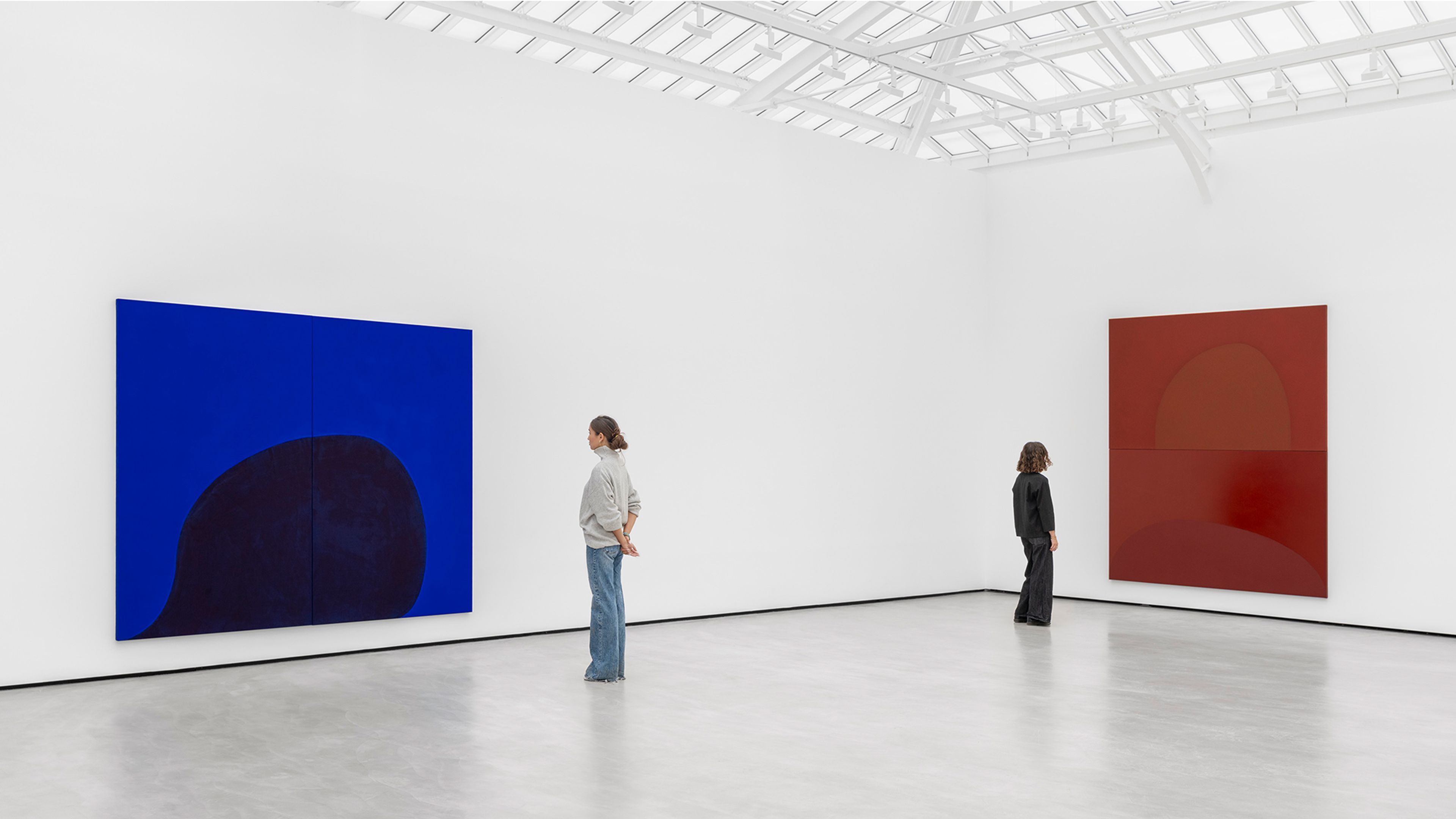
Installation view, Suzan Frecon: The Light Factory, David Zwirner, Paris, 2025

Past

August 30—October 4, 2025

Opening Reception

Saturday, August 30, 6–8 PM

Location

Paris

108, rue Vieille du Temple

75003 Paris

Tue, Wed, Thu, Fri, Sat: 11 AM-7 PM

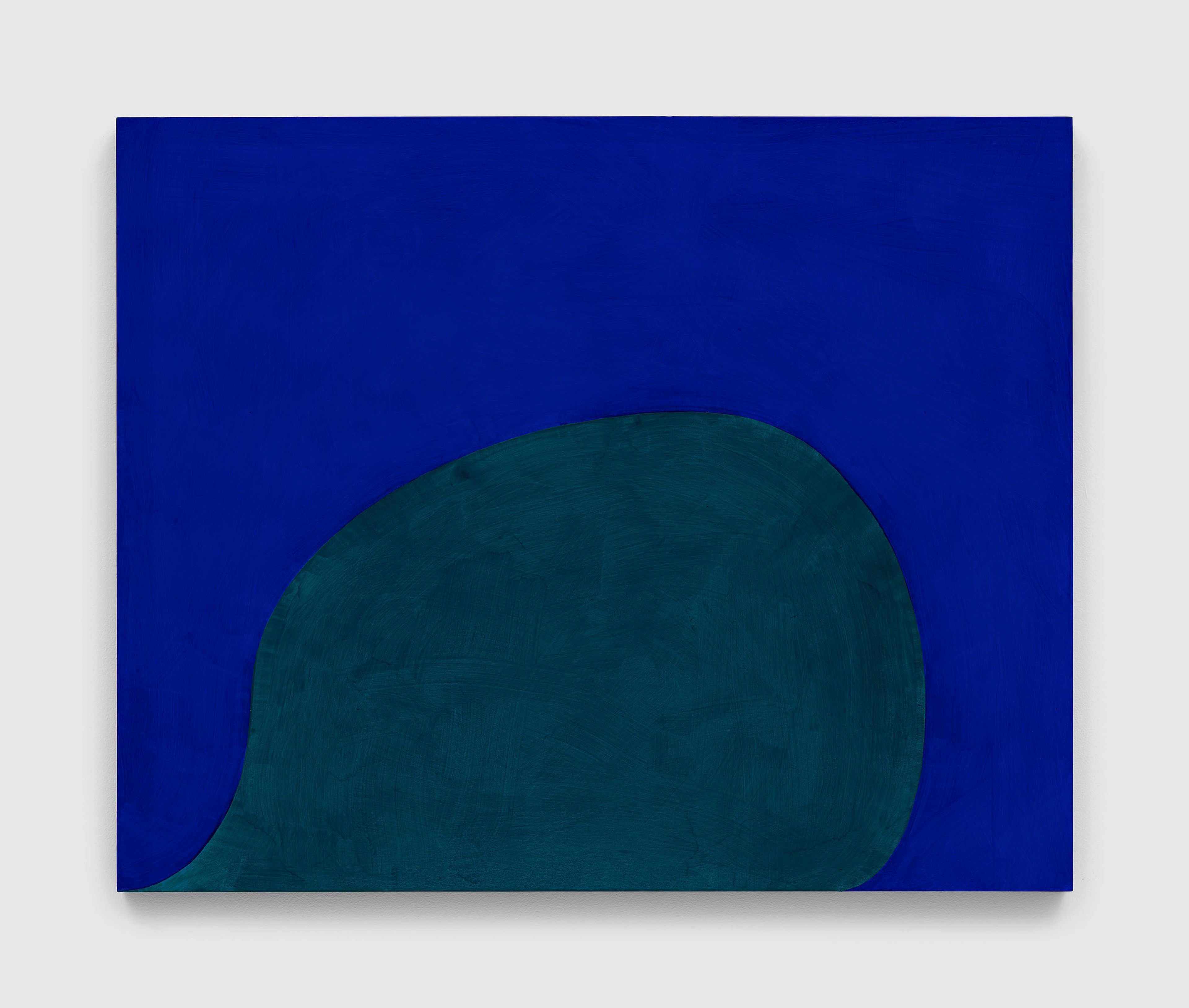
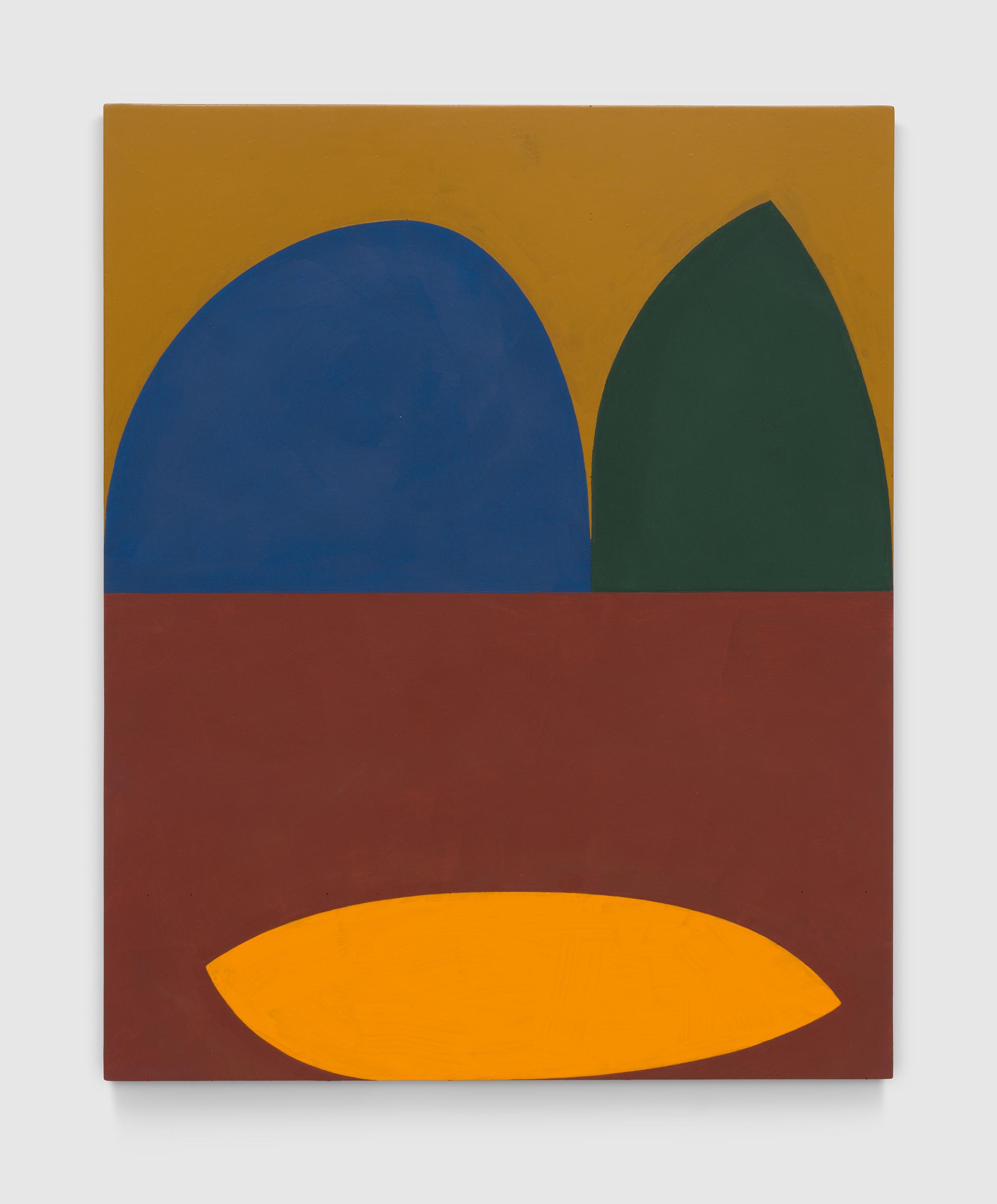
David Zwirner is pleased to present new work by American artist Suzan Frecon (b. 1941) at the gallery’s Paris location, marking her ninth solo exhibition with the gallery. This is the first one-person presentation of Frecon’s work in Paris since 1999. On view are recent canvases that elaborate on the artist’s enduring investigation of large-scale oil paintings, as well as richly textured paintings on paper. In June 2025, Frecon was awarded the Alexej von Jawlensky Prize by the German state capital of Wiesbaden. The jury praised Frecon’s consistently reduced work, which is characterized by its intense exploration of light, color, and material.

The Light Factory attests to the artist’s engagement with the possibilities of her medium, and the exhibition’s title gestures to the ways in which light functions as a component of her paintings. Frecon’s works are characterized by asymmetrically balanced forms in precise spatial and proportional relationships; for the artist, composition serves as her foundational structure, holding color, material, and light. She mixes and applies pigments and oils to differing effects, heightening the visual experience of her work with an almost tactile use of color and contrasting matte and shiny surfaces, which in turn vary in terms of density and reflectivity, frequently shifting between dark and light. Figure can become ground and ground can become figure in, as the artist defines it, a back-and-forth of full and empty space.

Explore

Explore All Works

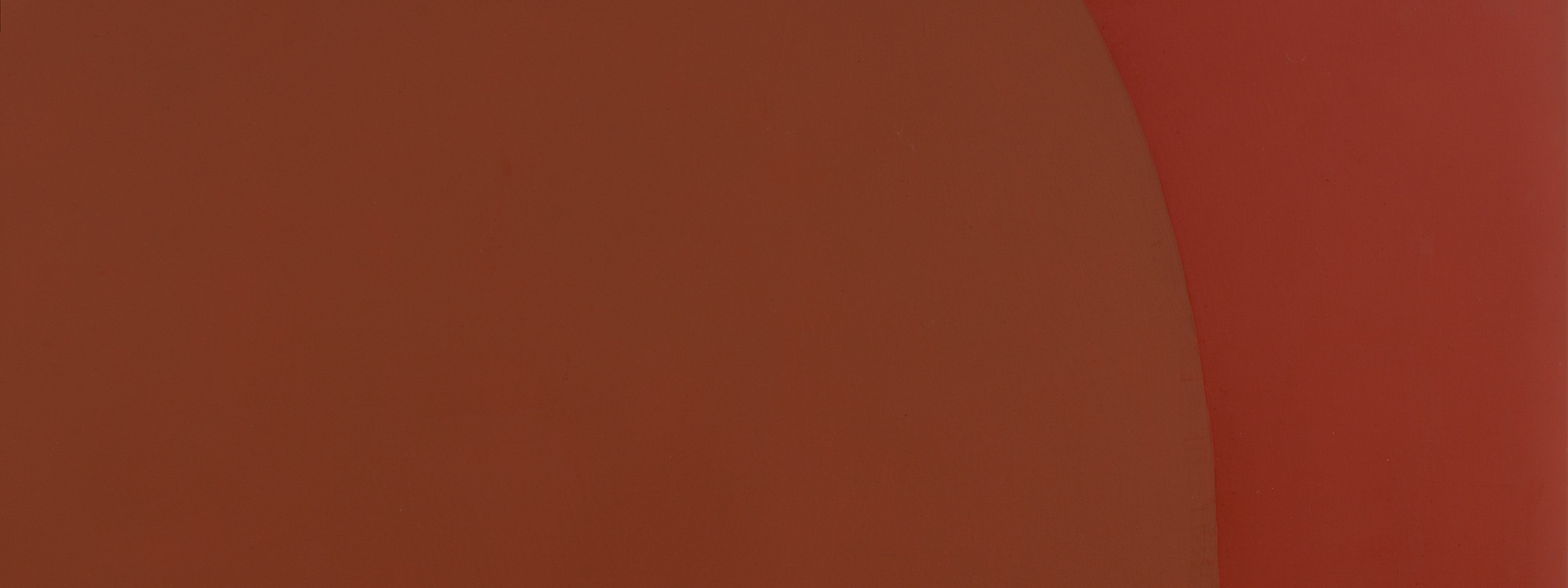
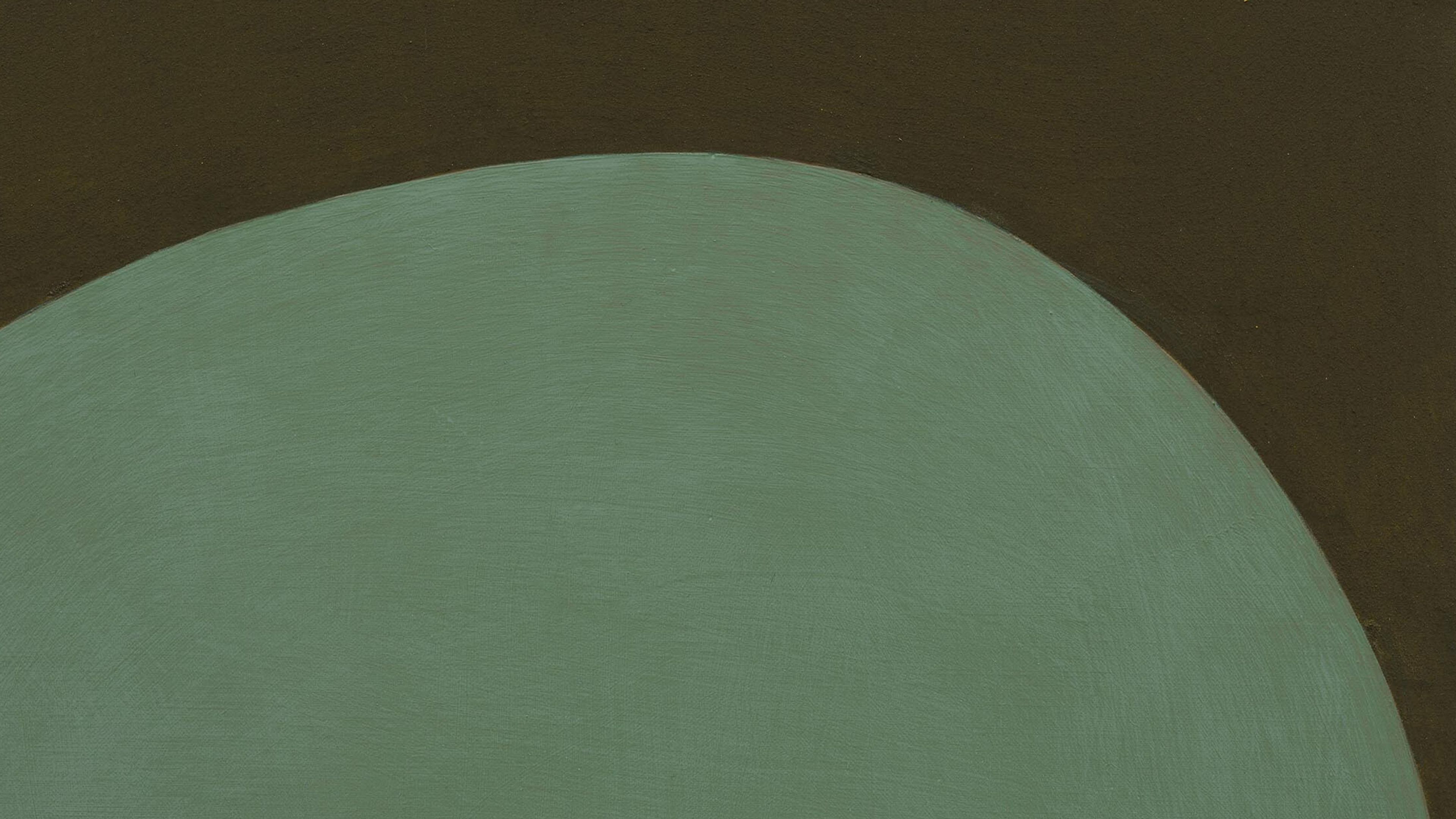
The works on view in Paris elaborate on Frecon’s continued attention to the qualities and dimensions of each of her chosen pigments—an exploration that offers limitless combinations and effects. The exhibition includes works that explore juxtapositions of different tones and sheens of one color, such as embodiment of red version 14 (2023), which employs a longstanding motif of the artist, in which she engages with combinations of four red earth pigments, in this case mars red, soforouge, venetian, and tuscan.

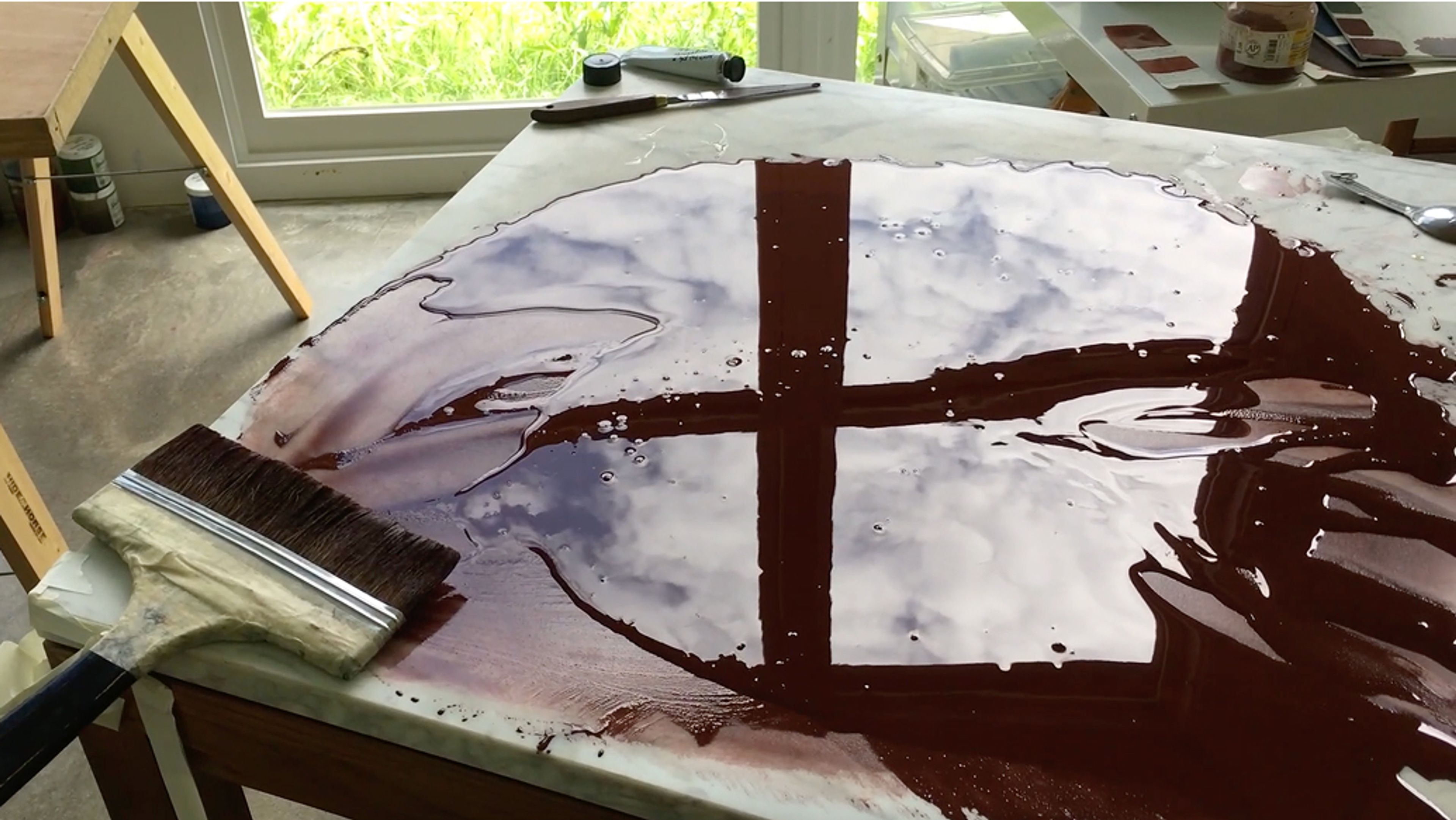
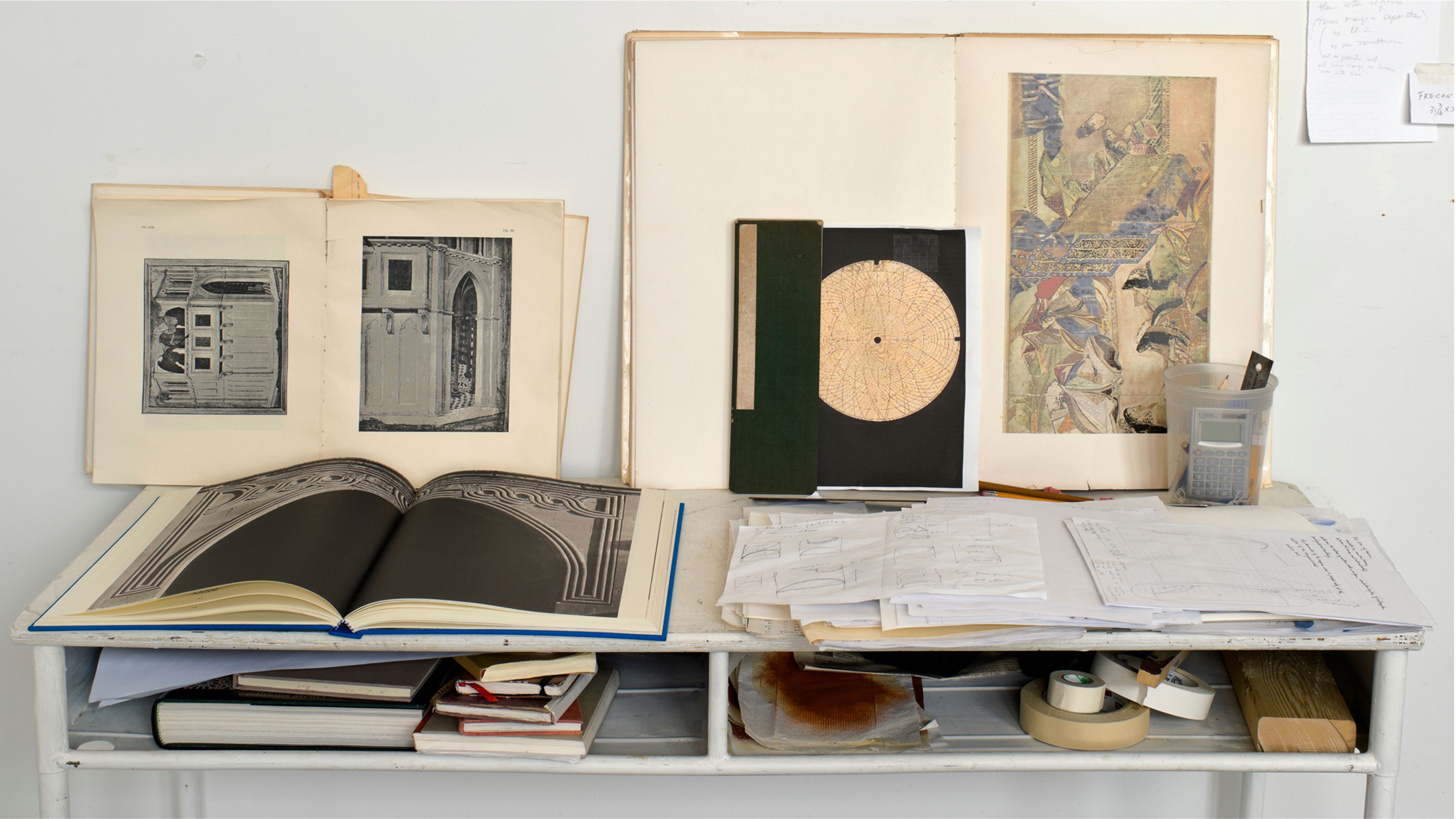
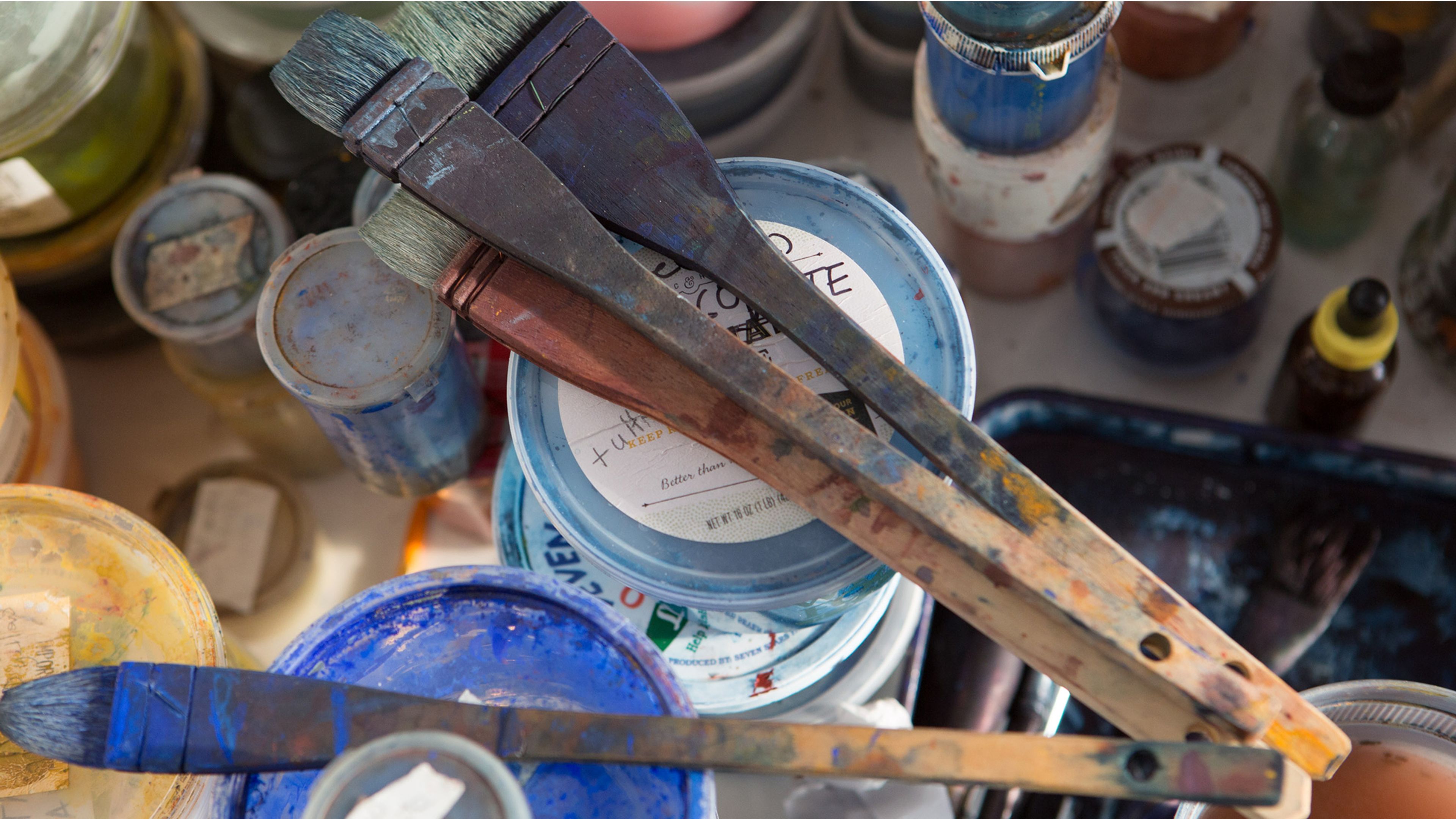
Suzan Frecon’s studio. Photo courtesy the artist.

 

Suzan Frecon’s studio, 2015. Photo by Julie Brown Hartwood
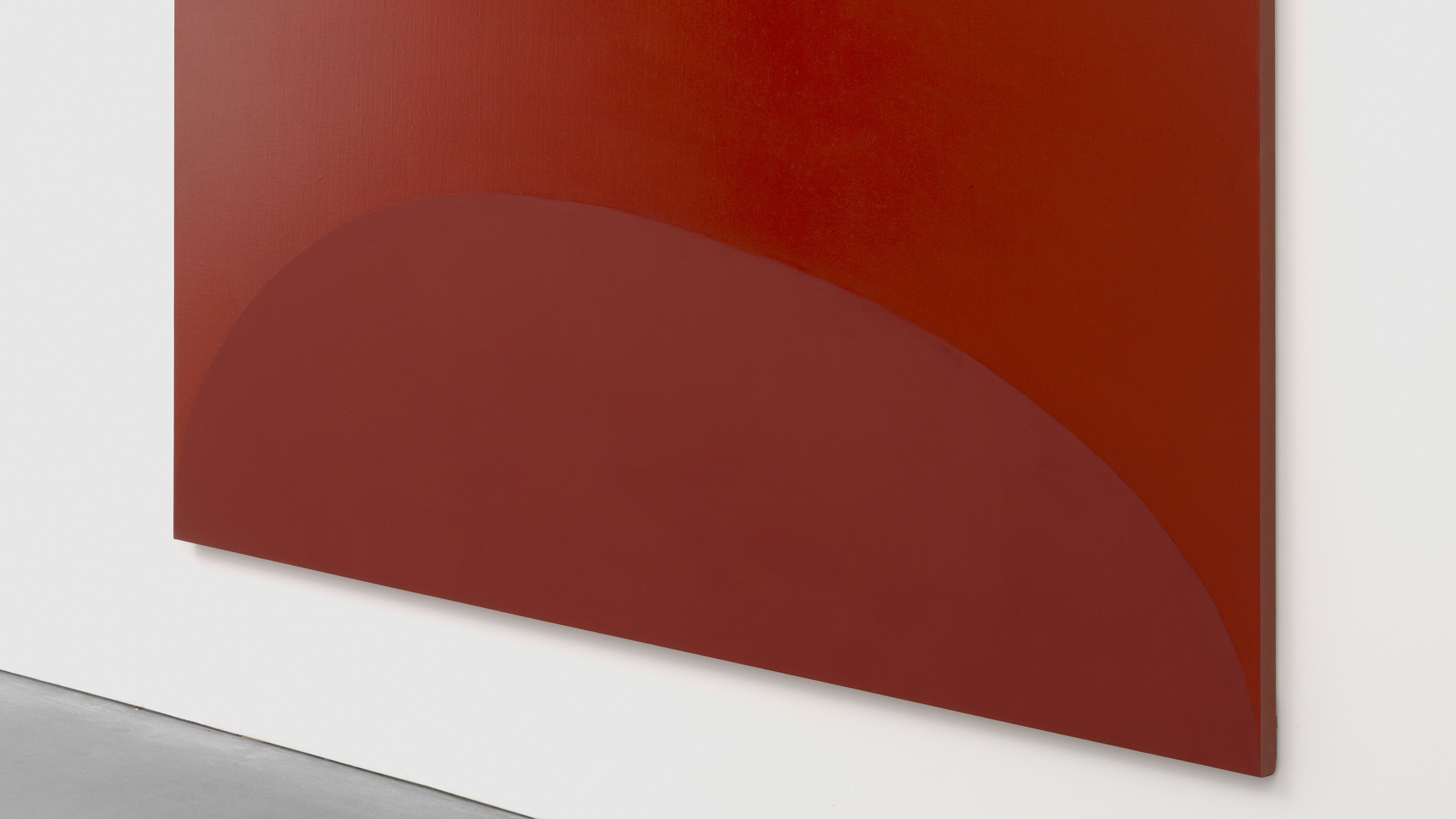
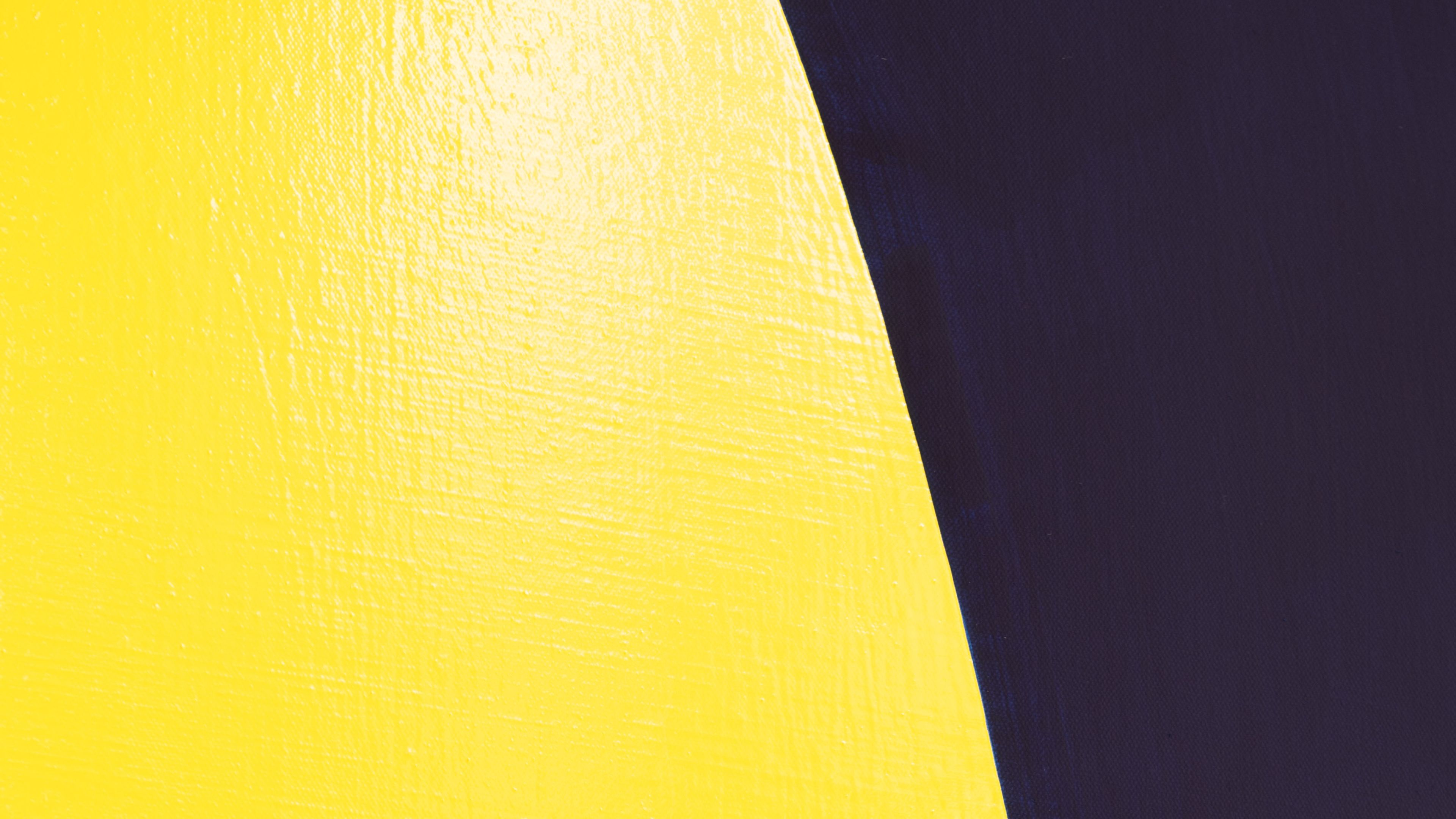
Suzan Frecon, embodiment of red version 14, 2023 (detail)

“[Frecon’s] work has a deeper, quieter kind of originality: a sense of unassailable integrity and ... fullness of form.”

—Roberta Smith, former chief critic, The New York Times
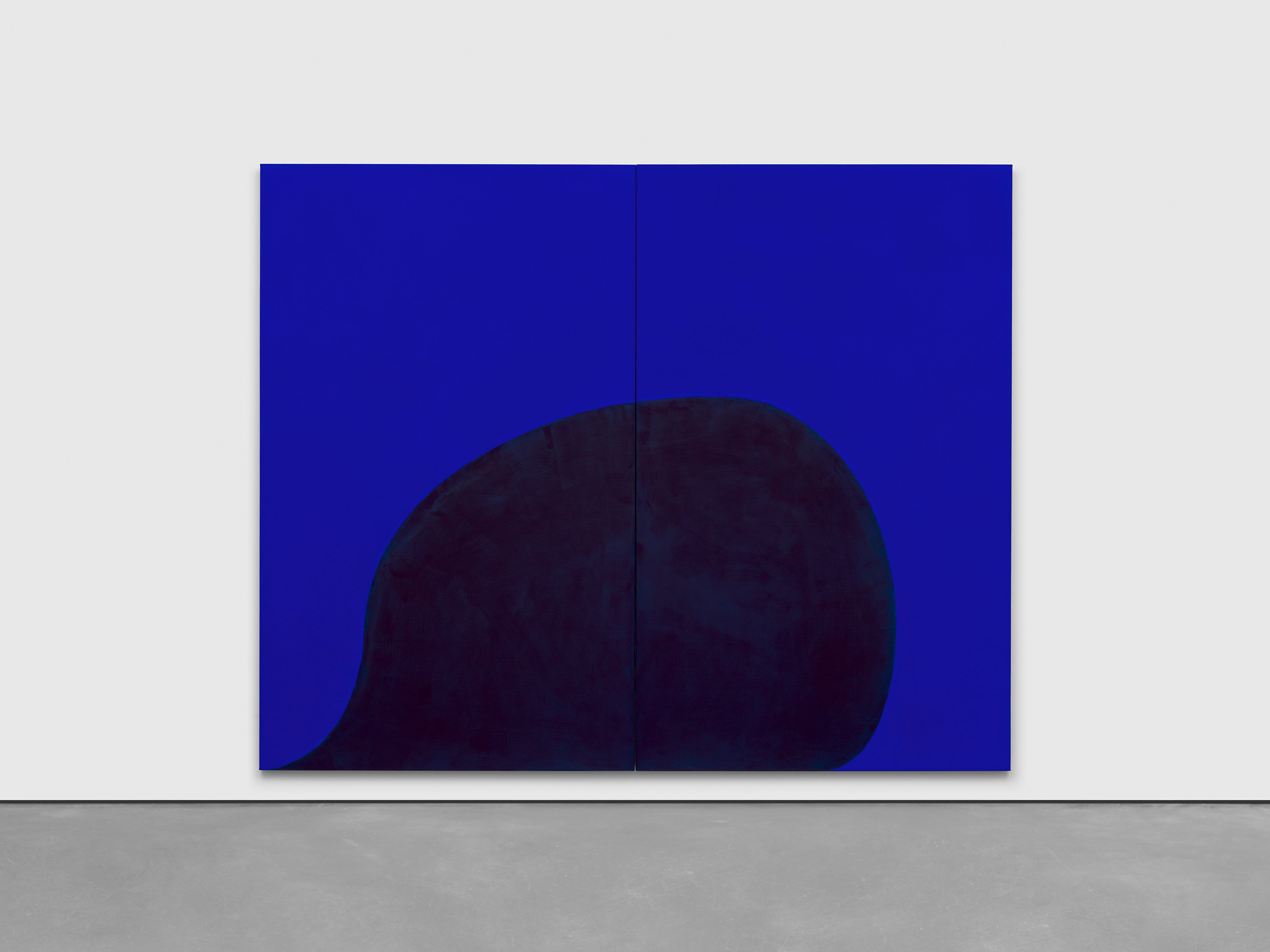
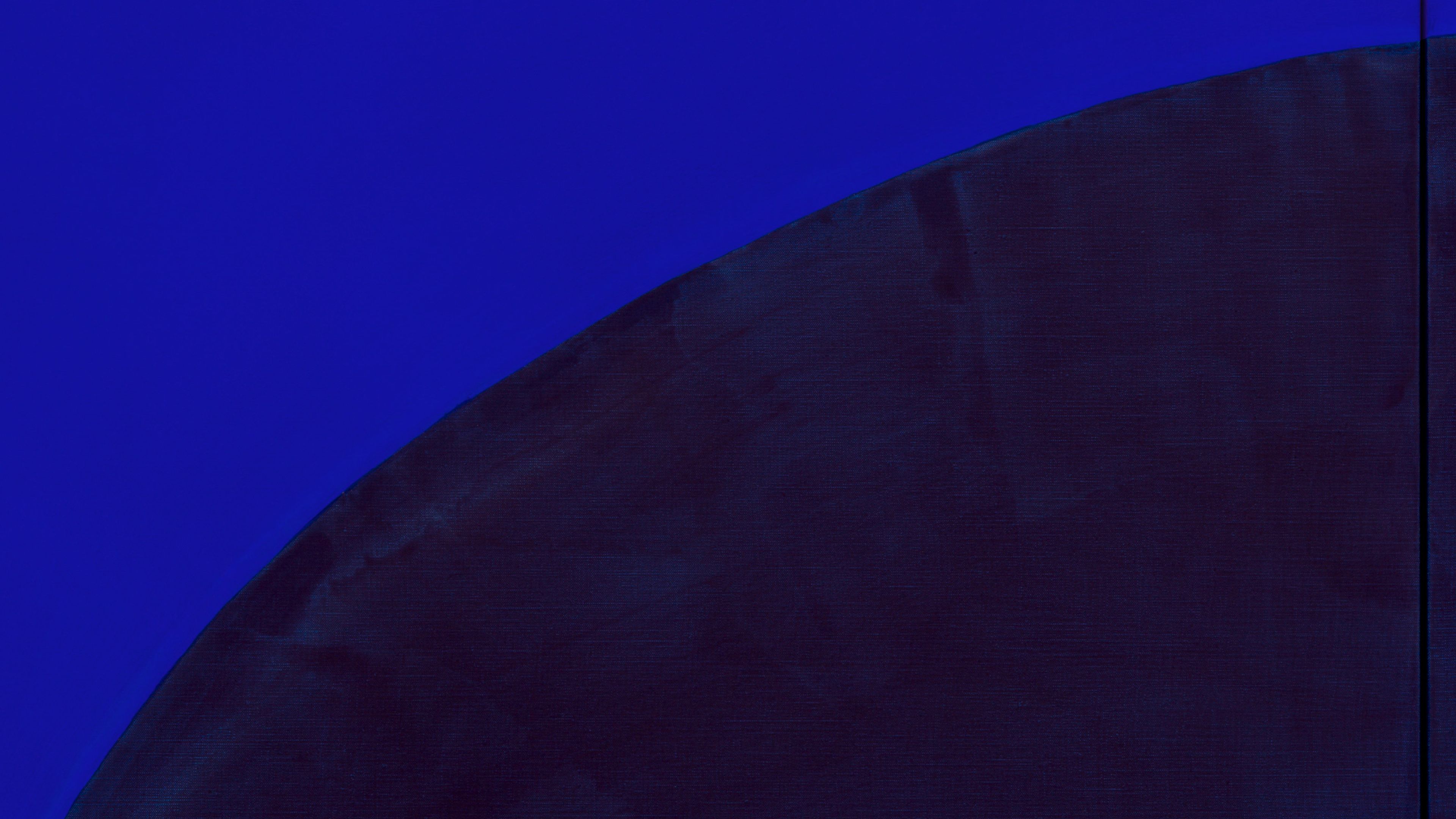
Suzan Frecon, two blues 1, 2024 (detail)
Installation view, Suzan Frecon: The Light Factory, David Zwirner, Paris, 2025
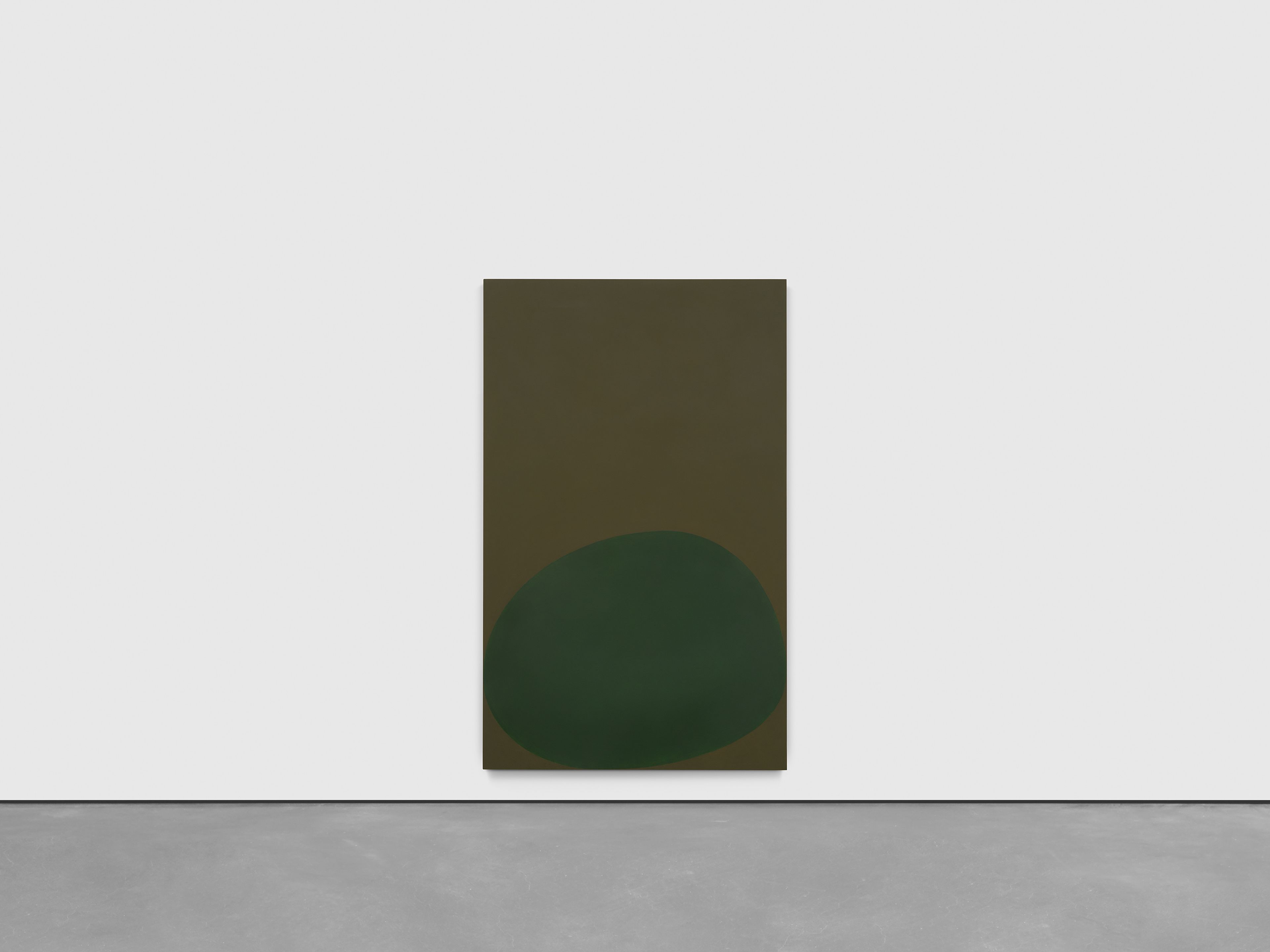
Two paintings on view, the larger-scaled bancha bamboo matcha (2025) and its smaller counterpart verona matcha (2024), employ the same compositional structure of an ovoid form comprising four irregularly measured quadrants resting in the lower half of a single vertical panel, a new format for Frecon.

“Frecon's art verges on invisibility, both actually and metaphorically: her work approaches a horizon of affect where material and expression coincide, where there arises a peculiar coincidence of matter and decor. Frecon’s work is radical because it provokes an instability of categories.”

—Lawrence Rinder, curator
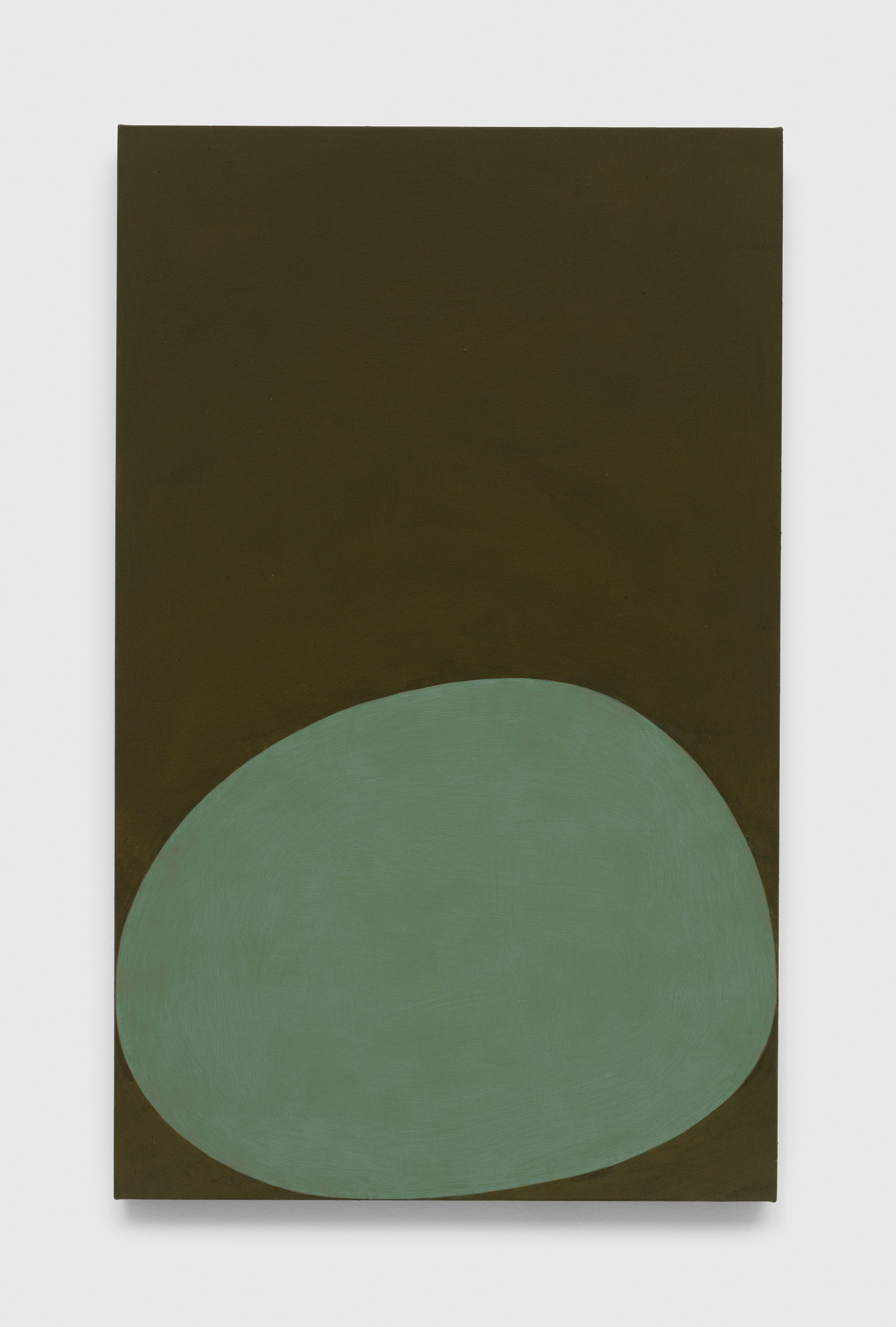
Suzan Frecon, verona matcha, 2024 (detail)
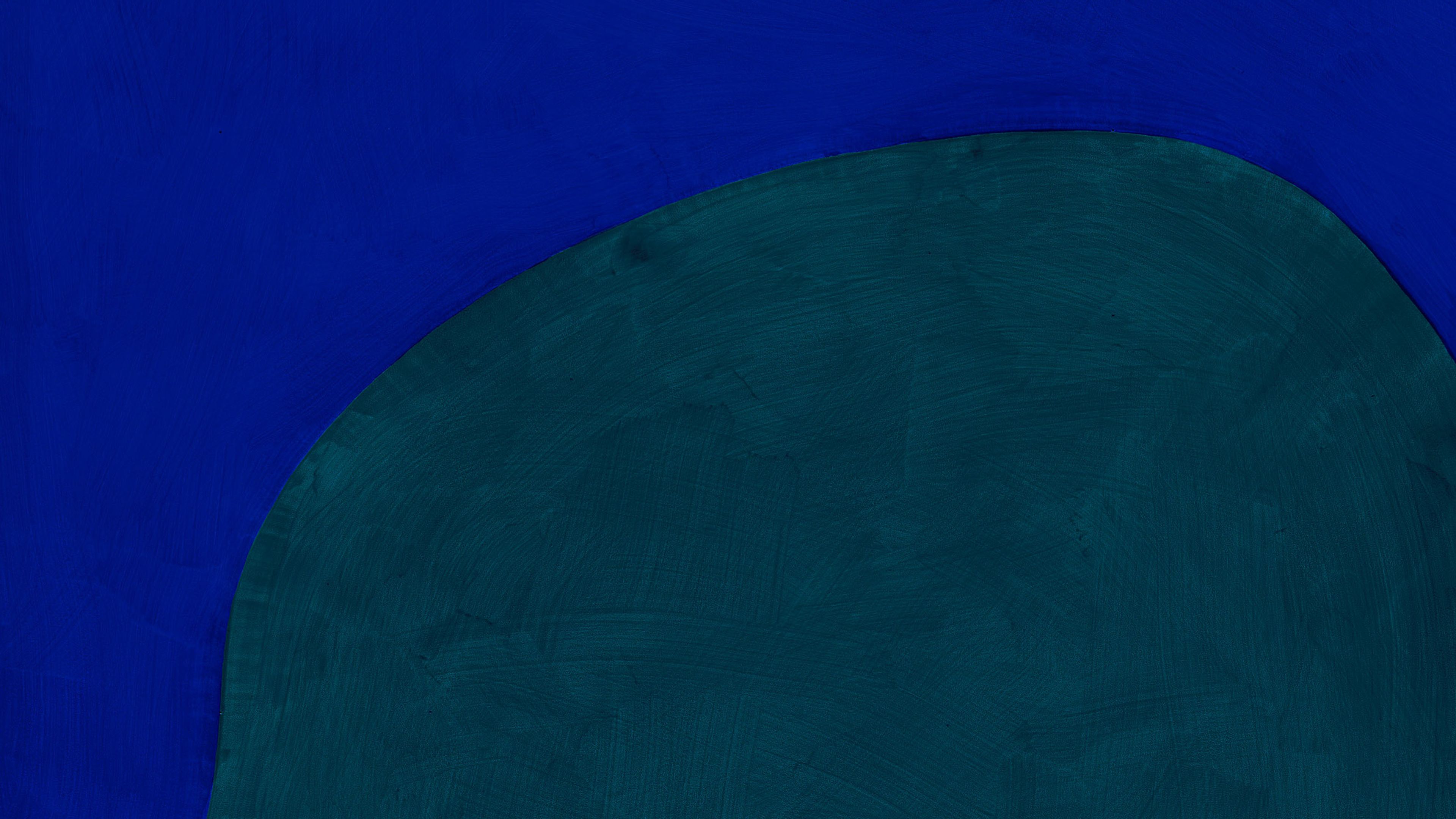
Suzan Frecon, two blues 3, 2025 (detail)
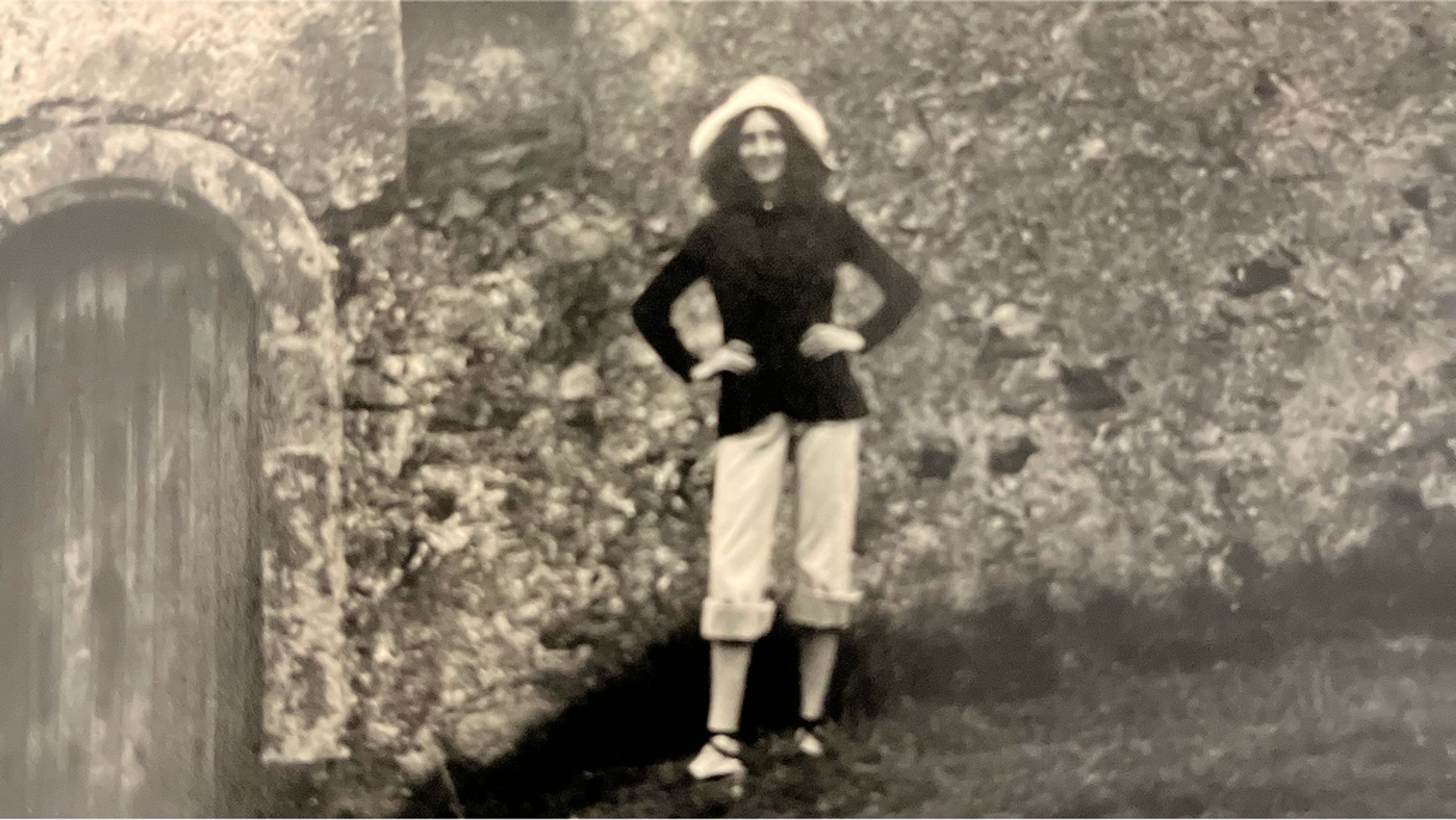
 

Frecon has maintained a long-standing connection to Paris since the 1960s, where she spent three years enrolled at the École Nationale Supérieure des Beaux-Arts, immersed in the study of paintings and architecture in museums and throughout the city, France, and Europe. The work and exhibitions she encountered in France became deeply formative to her practice and connect to a broader interest in how artists across time periods and cultures have used and sought to express light—or illumination—in their work.

Suzan Frecon in Engomer, France, 1964. Photo courtesy the artist
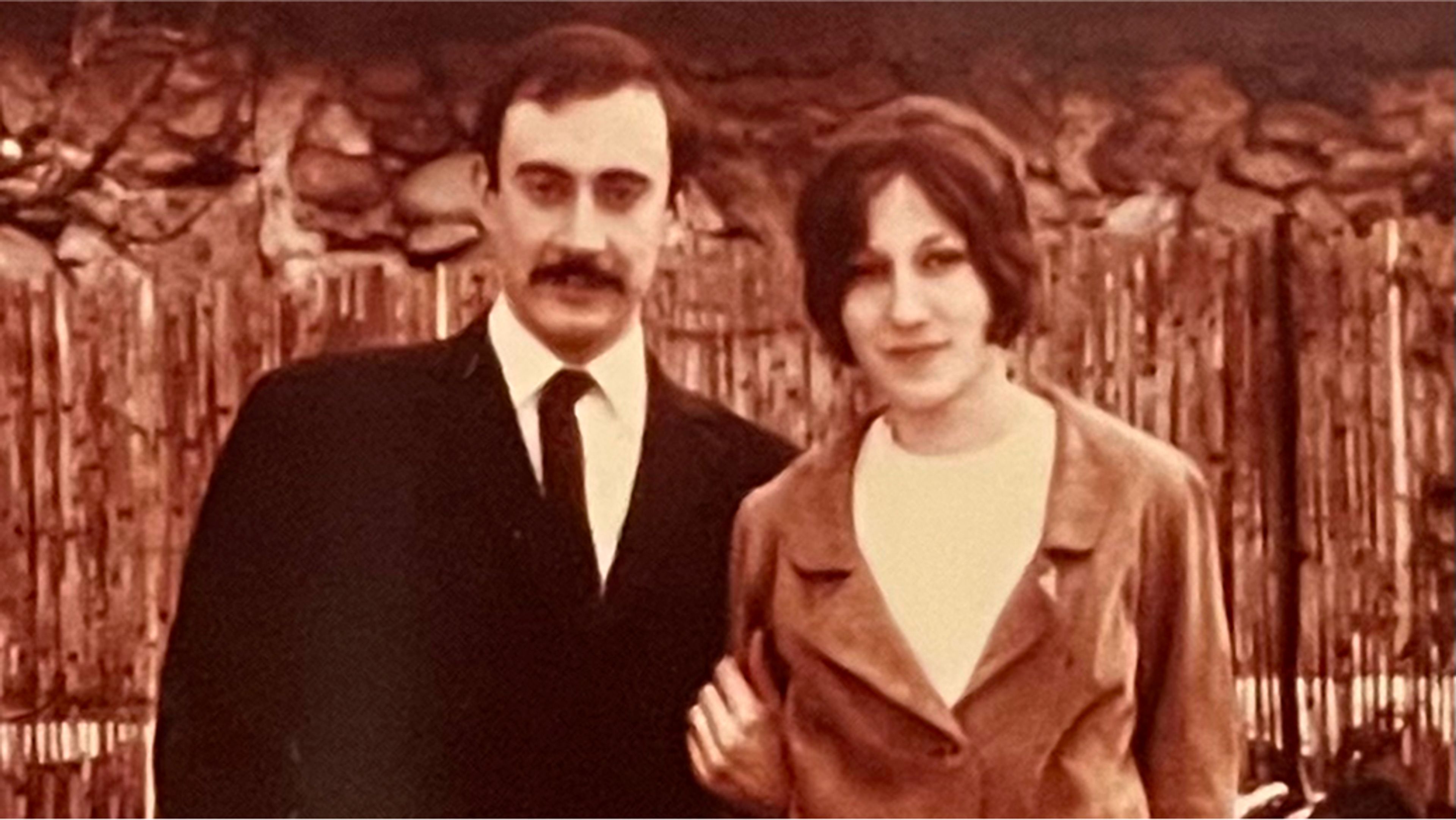
Suzan Frecon with artist Michel Durand in Engomer, France, 1964. Photo courtesy the artist
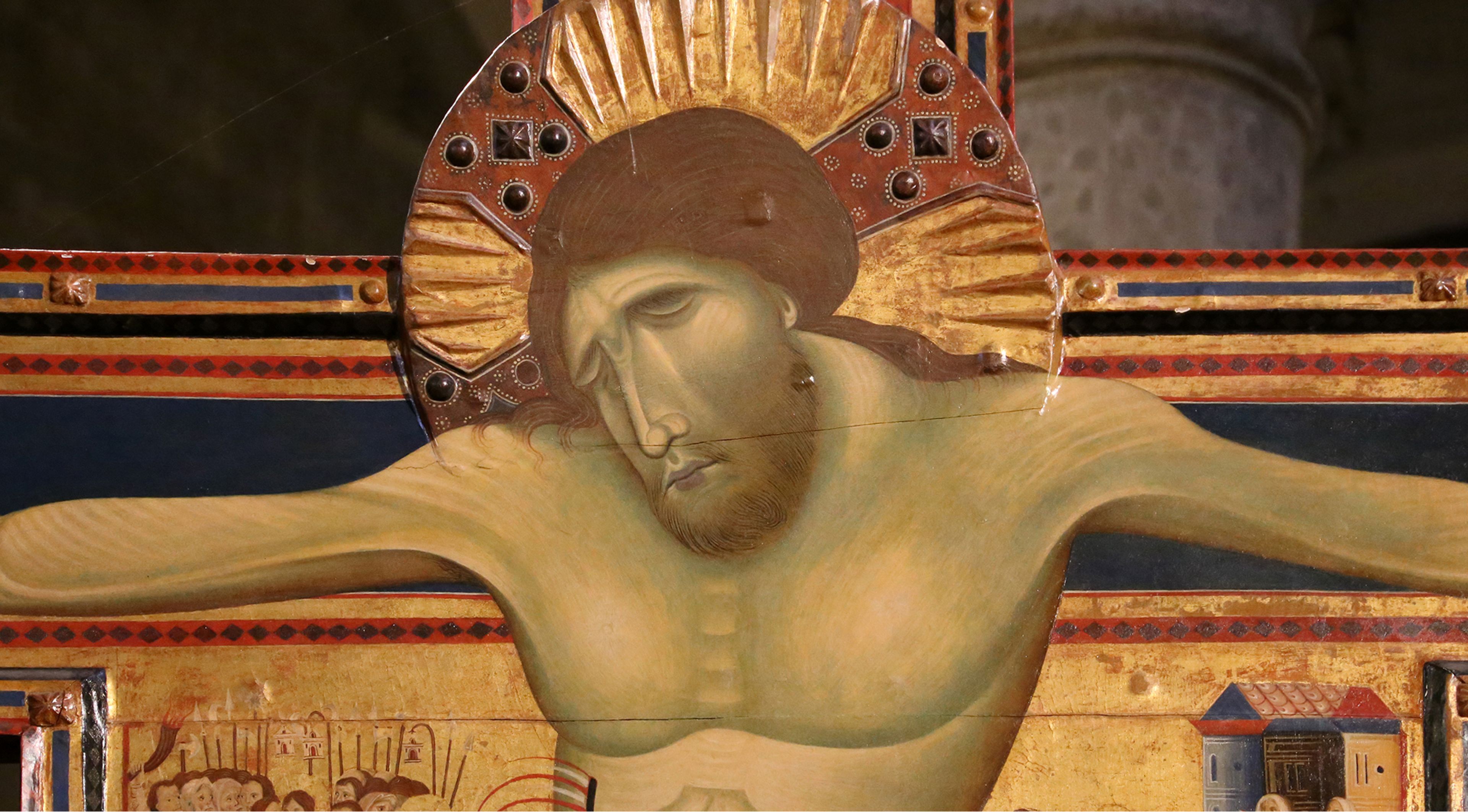
During her continued travels in France and Europe, Frecon observed work ranging from the paleolithic cave paintings of the Dordogne region to frescoes and paintings by pre-Renaissance artists such as Coppo di Marcovaldo, Cimabue, and Duccio di Buoninsegna. She also learned from Diego Velázquez’s mastery of oil, and from the eternal reality in the works of Paul Cézanne, including his sustained series of paintings using the motif of Mont Sainte-Victoire in Provence.

Coppo di Marcovaldo, Crucifixion of Christ, 1274 (detail). Collection of Pistoia Cathedral
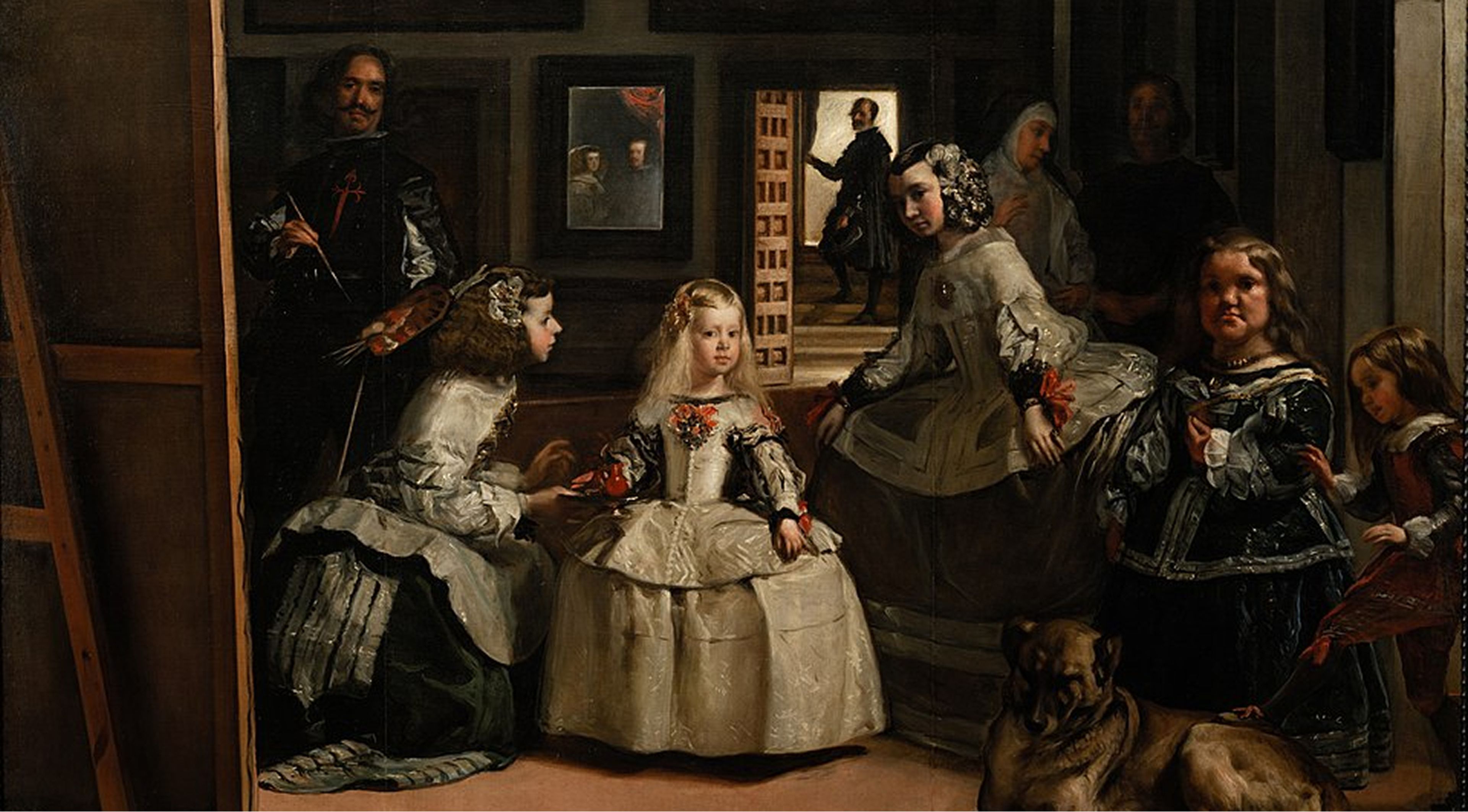
Diego Velázquez, Las Meninas, 1656 (detail). Collection of Museo Nacional del Prado, Madrid
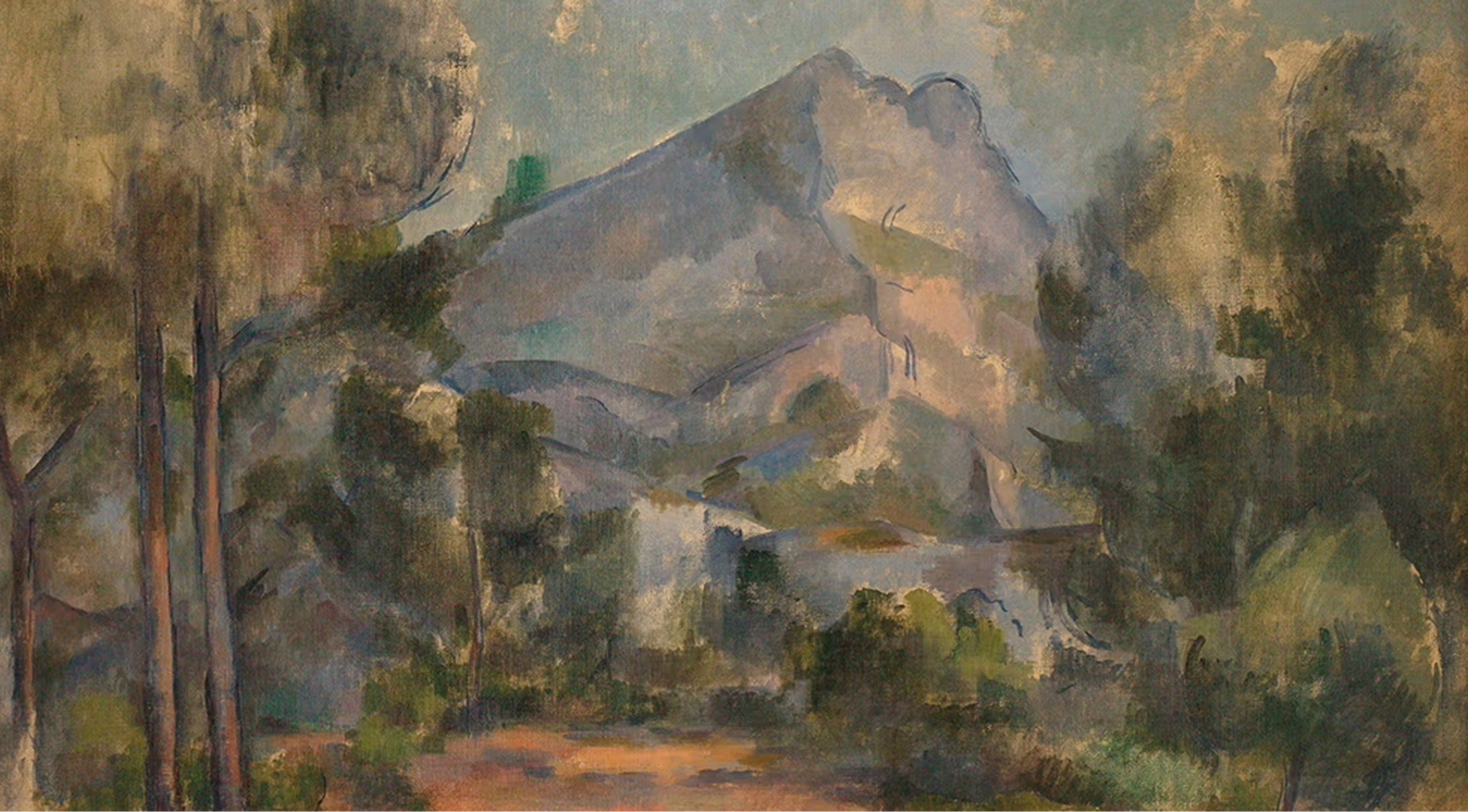
Paul Cézanne, La Montagne Sainte-Victoire ,1897 (detail). Collection of Kunstmuseum Bern
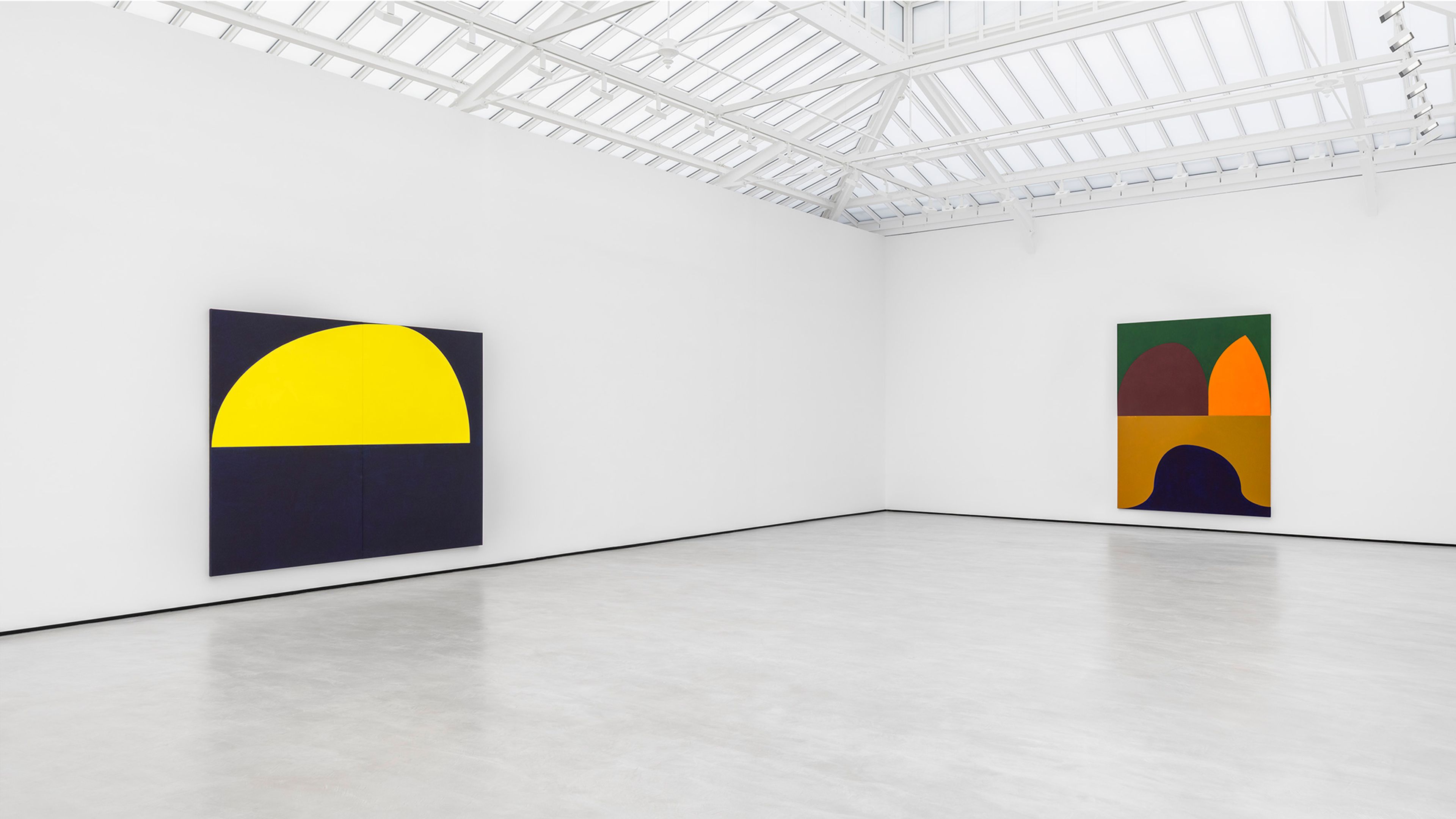
 

Installation view, Suzan Frecon: The Light Factory, David Zwirner, Paris, 2025

“In college, I had the chance to go to Europe.... When I returned ... my entire focus was on how I could get back to Europe so that I could be free to look at paintings and try to understand them. I knew that I was seeing just the tip of the iceberg from slides and reproductions.”

—Suzan Frecon
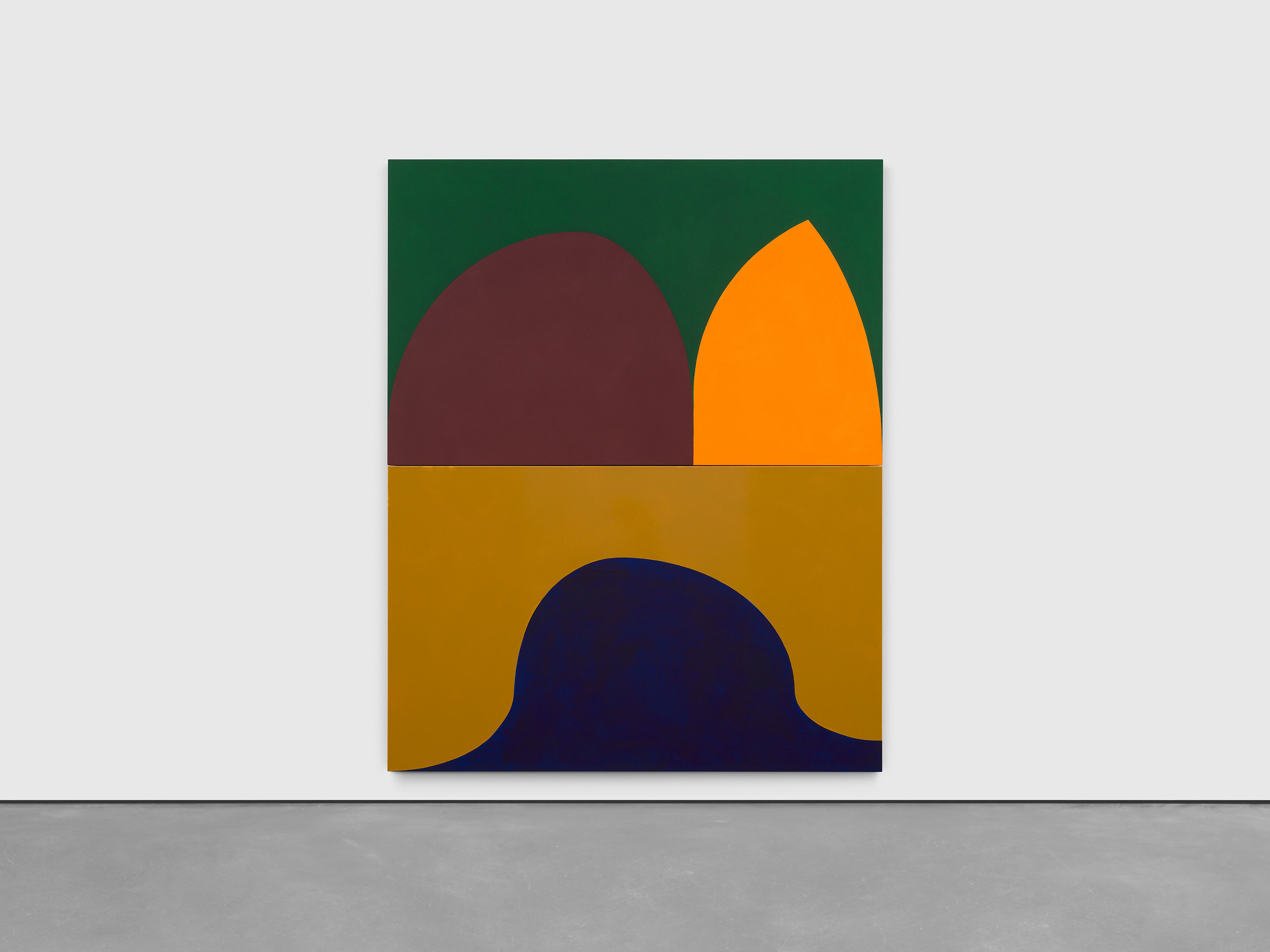
While living in France, Frecon was inspired by the way light is marshalled and foregrounded in the cathedrals of Chartres and Amiens, among other Romanesque and Medieval architecture throughout the country. New manifestations of her ongoing five-color compositions, or “cathedral” series, are featured in the exhibition. Related by their compositional structure, these works vary profoundly from painting to painting in terms of the effects of their individual color combinations, as well as their distinct degrees of complexity in luminosity, scale, and surface variation.

As Frecon wrote in a notebook entry: “I had long been intrigued and mystified by Chartres Cathedral’s proportions and relationships, as well as the folk/pagan influences prevalent throughout it.... Because of its complexities and scale, I spent a lot of time walking around the outside studying the architecture and carved stone. Then I went inside. The light was coming through the stained glass windows, thus illuminating the colors from outside. I experienced how light could transform color by coming from behind it rather than striking the surface of the paint film, as I was used to seeing and employing as a painter.”

Suzan Frecon’s studio, 2012. Photo by EPW Studio

“Her use of asymmetrical, archlike shapes in [the cathedral paintings] tacitly connects to what has been called sacred geometry, which is believed to be capable of revealing the basic structures of reality. Because Frecon works out geometric ratios and proportions to determine her forms, I would go so far as to state that mathematics ... is the author of her shapes.”

—John Yau, poet and critic
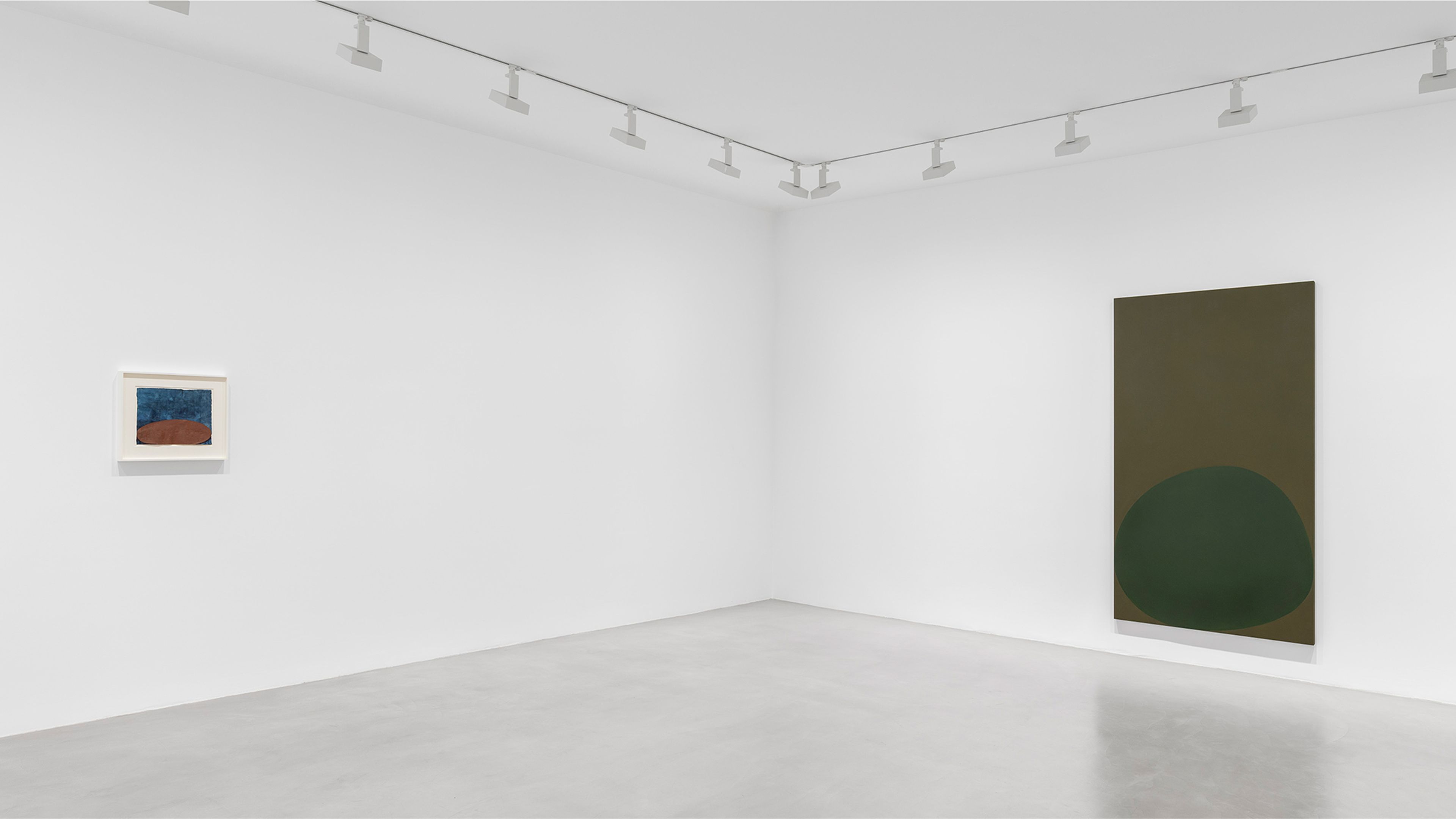
Installation view, Suzan Frecon: The Light Factory, David Zwirner, Paris, 2025
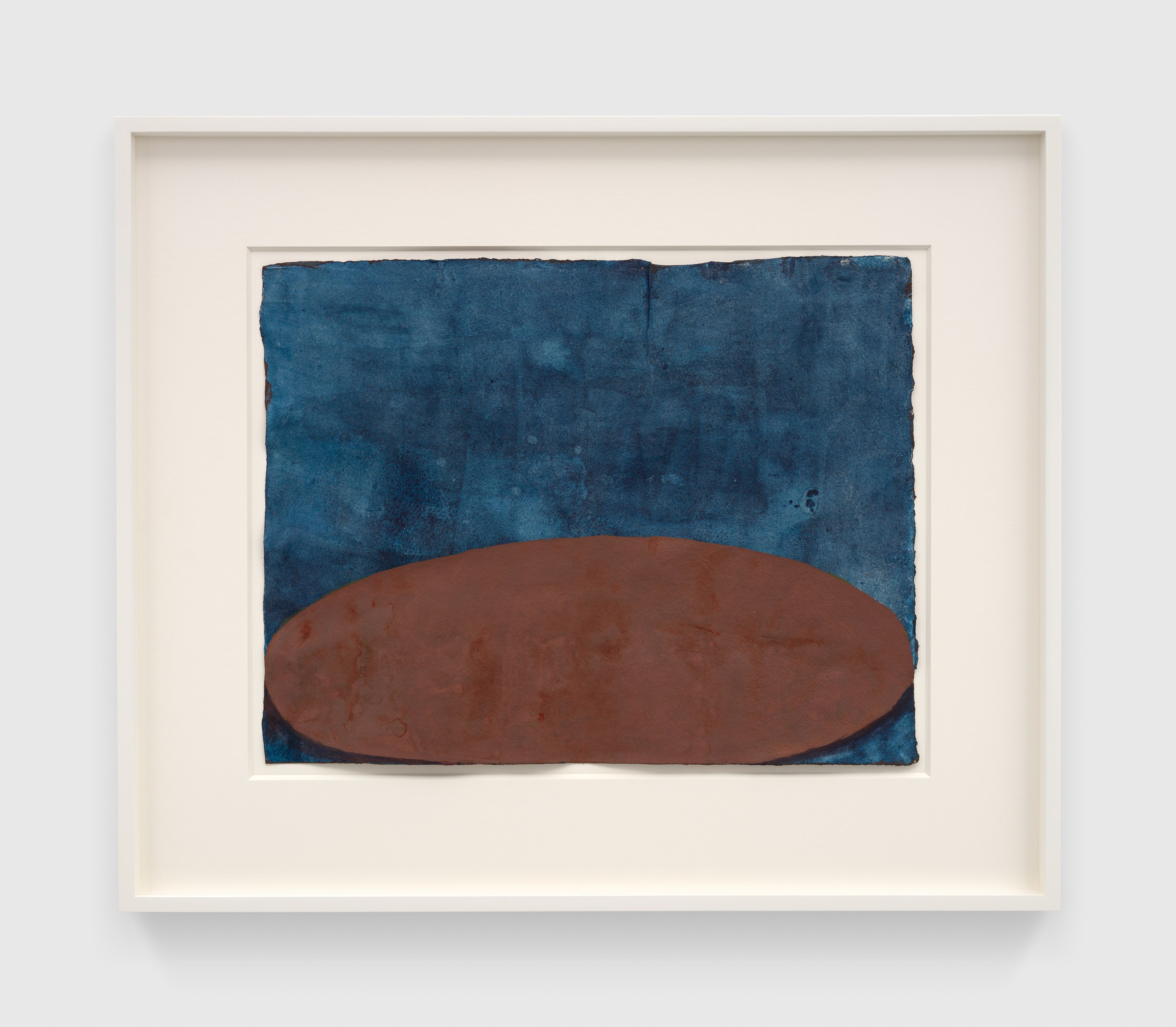
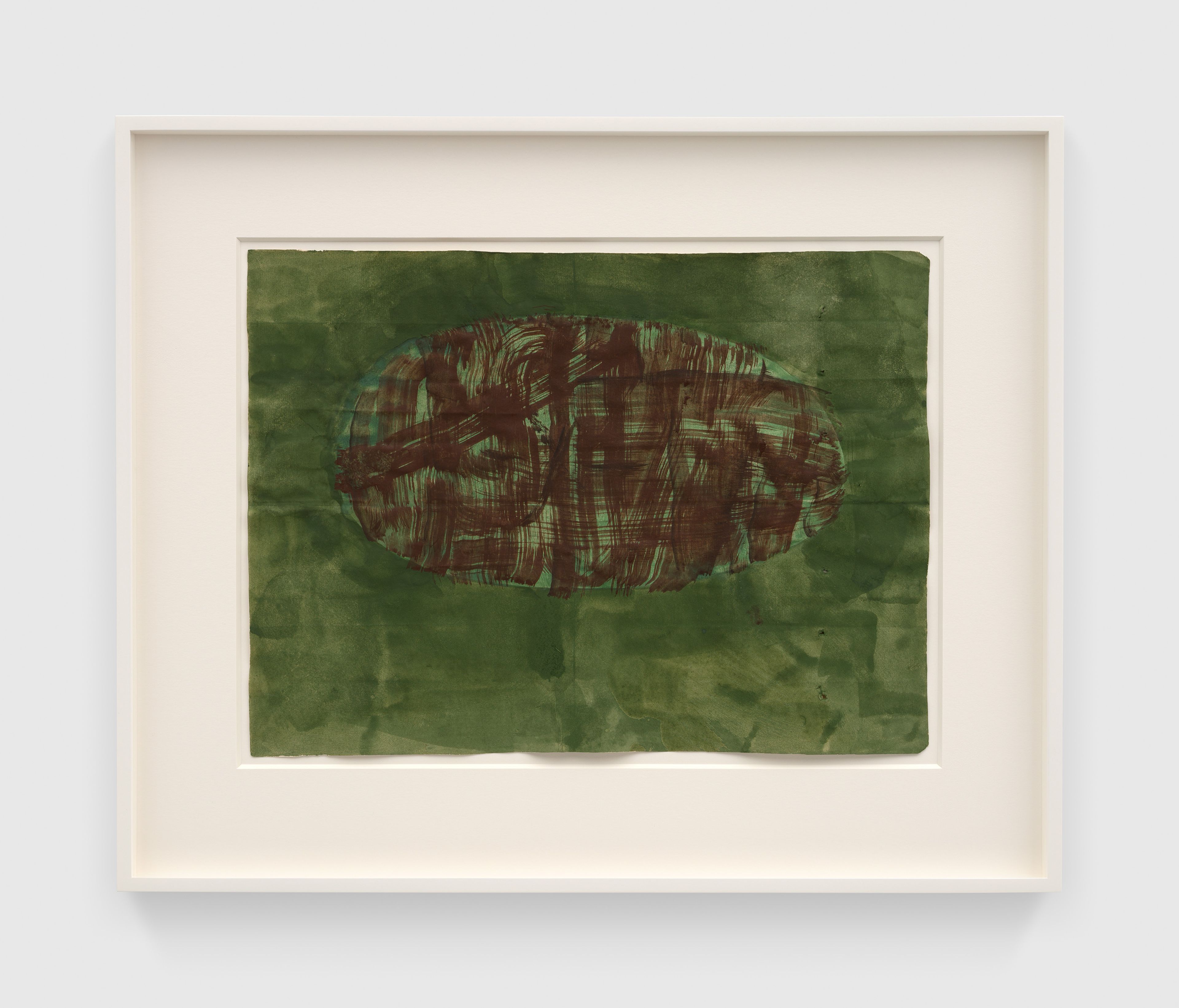
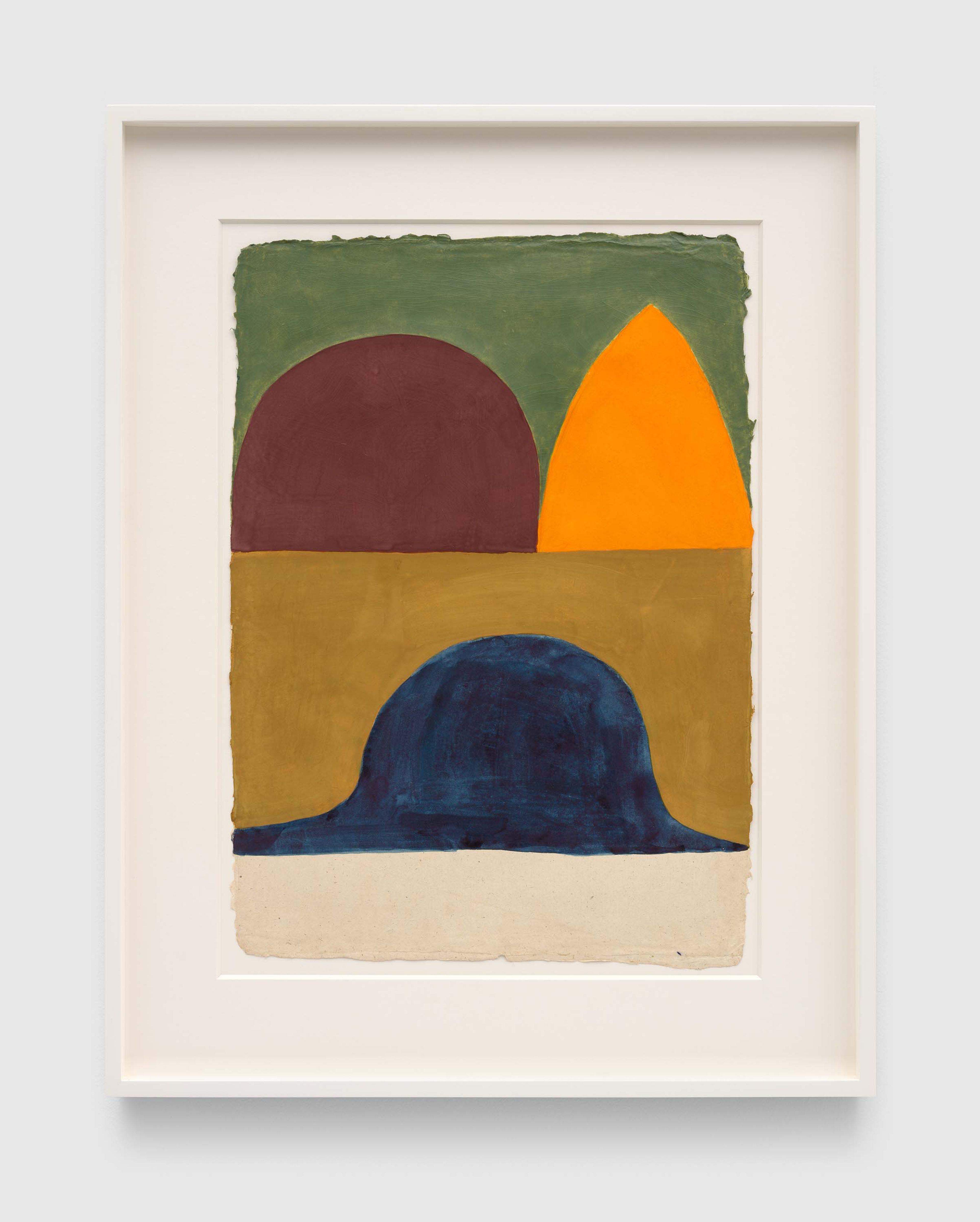
The exhibition takes its title from the poem “The Light Factory” by Marcella Durand, published in the forthcoming book of the same title which pairs poems by Durand with reproductions of paintings on paper by Frecon. The book marks the first collaboration between Frecon and Durand, who are mother and daughter. A selection of Frecon’s works on paper which feature in the publication is included in the exhibition.

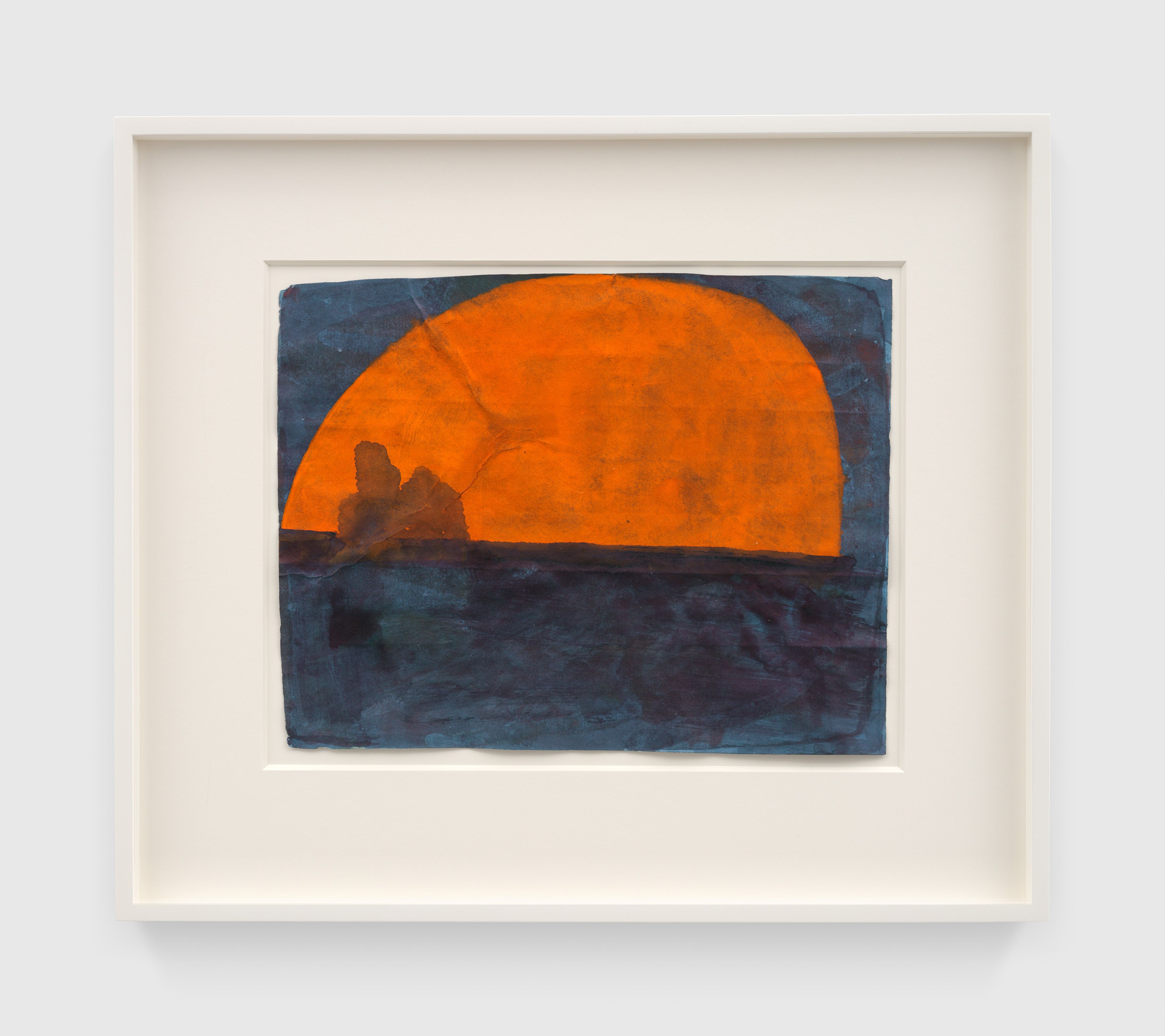
These “brushwood” pieces include small-scale experiments by Frecon with brush strokes and haematite pigments. The structures are often determined by engaging the relationship between paint and support. Each sheet of paper used has its own innate character, properties, and irregular shape; any creases, holes, blemishes, and scale become an integral component of the watercolor. Yet, within Frecon’s practice, all works are considered part of the same unity, and one painting leads to another.

“Frecon ... prefers in her watercolors to collaborate with the materials, so to speak, allowing for accidental effects. For example, she might predetermine how many strokes she will use in a watercolor ... but she will leave the room for the [paint] to bleed into the paper, creating irregular edges and often wrinkling the delicate papers she frequently selects.”

—Sarah Eckhardt, curator, Virginia Museum of Fine Arts

Suzan Frecon’s studio, 2015. Photo by Julie Brown Hartwood

Frecon’s works remain resolutely nonreferential. The play of natural light on the paint materials heightens a visual experience that does not convey any pictorial subject but is instead a direct interaction with and manifestation of the reality of the painting itself. “Composition works with color, with surface, and with light to create an abstract visual reality that I wish to exist solely on its strength as art,” notes the artist.

Suzan Frecon, bright lantern, 2020 (detail)

“Within a fantasia of color, Frecon suspends the force of her structure.... Add to this the transient effects of ambient light from which [her] surfaces are designed to benefit, and what began as a logical geometrical structure has become suspended in a web of living sensation. Her composition ... may well be experienced as anti-composition. It is and is not.”

—Richard Shiff, writer and art historian

Installation view, Suzan Frecon: The Light Factory, David Zwirner, Paris, 2025
Inquire about works by Suzan Frecon