Luc Tuymans: The Fruit Basket
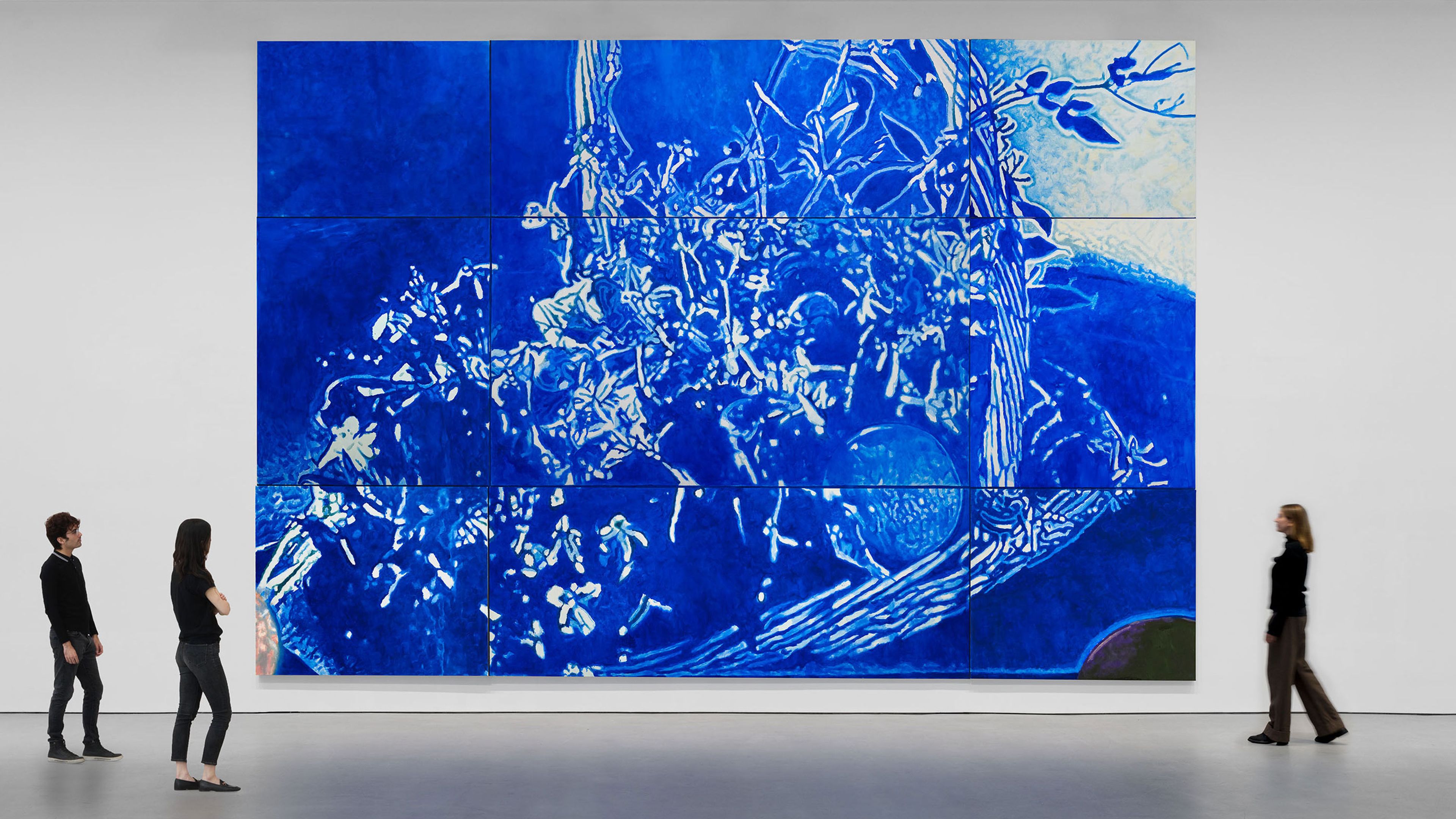
Installation view, Luc Tuymans: The Fruit Basket, David Zwirner, New York, 2025
Past
November 6—December 19, 2025
Opening Reception
Thursday, November 6, 6–8 PM
Opening Reception
Thursday, November 6, 6–8 PM
Location
New York: 19th Street
533 West 19th Street
New York, New York 10011
Artist
Explore
Explore All Works
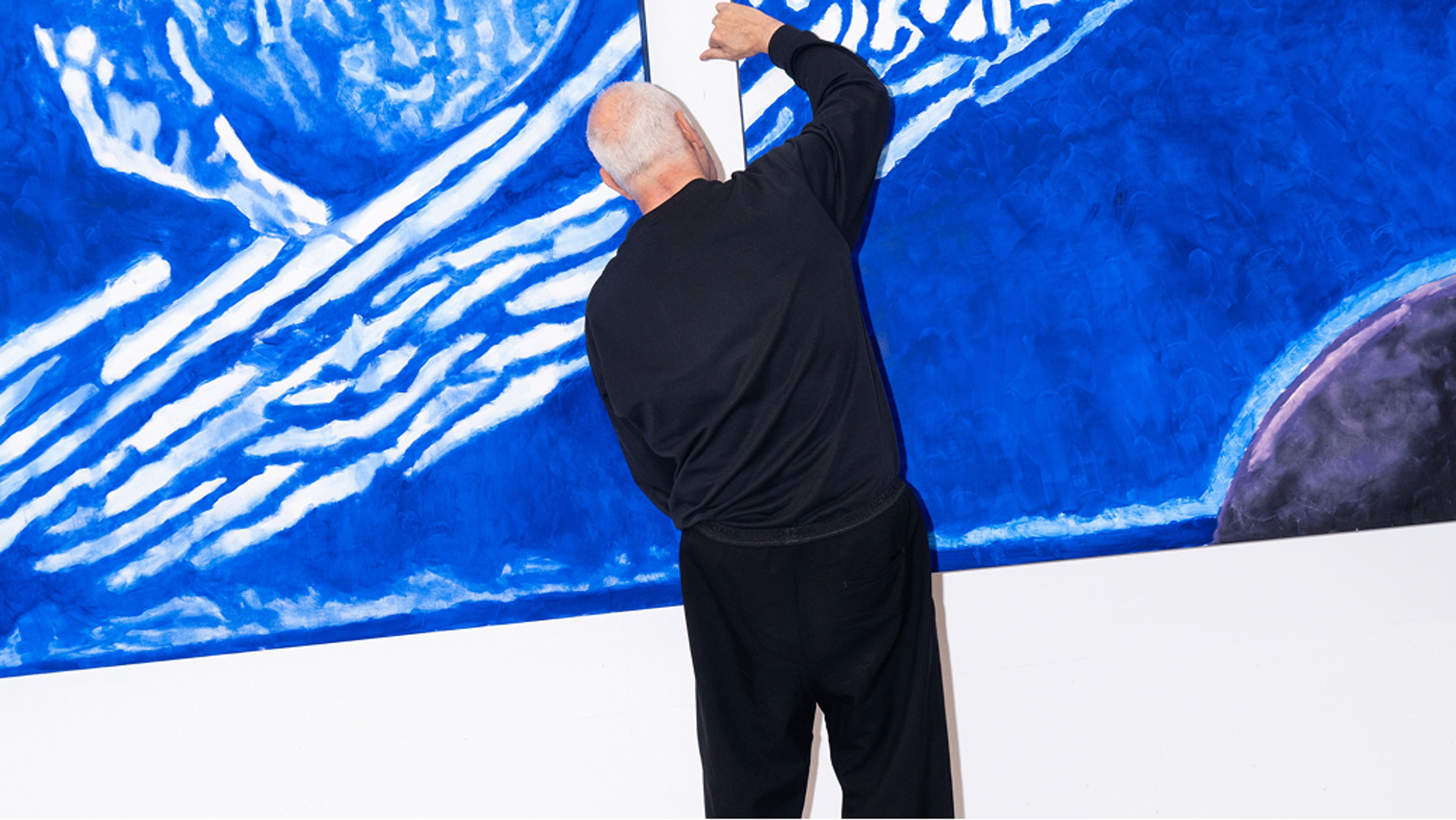
Luc Tuymans arranging individual canvases which together form The Fruit Basket (2023). Photo by Alex Salinas
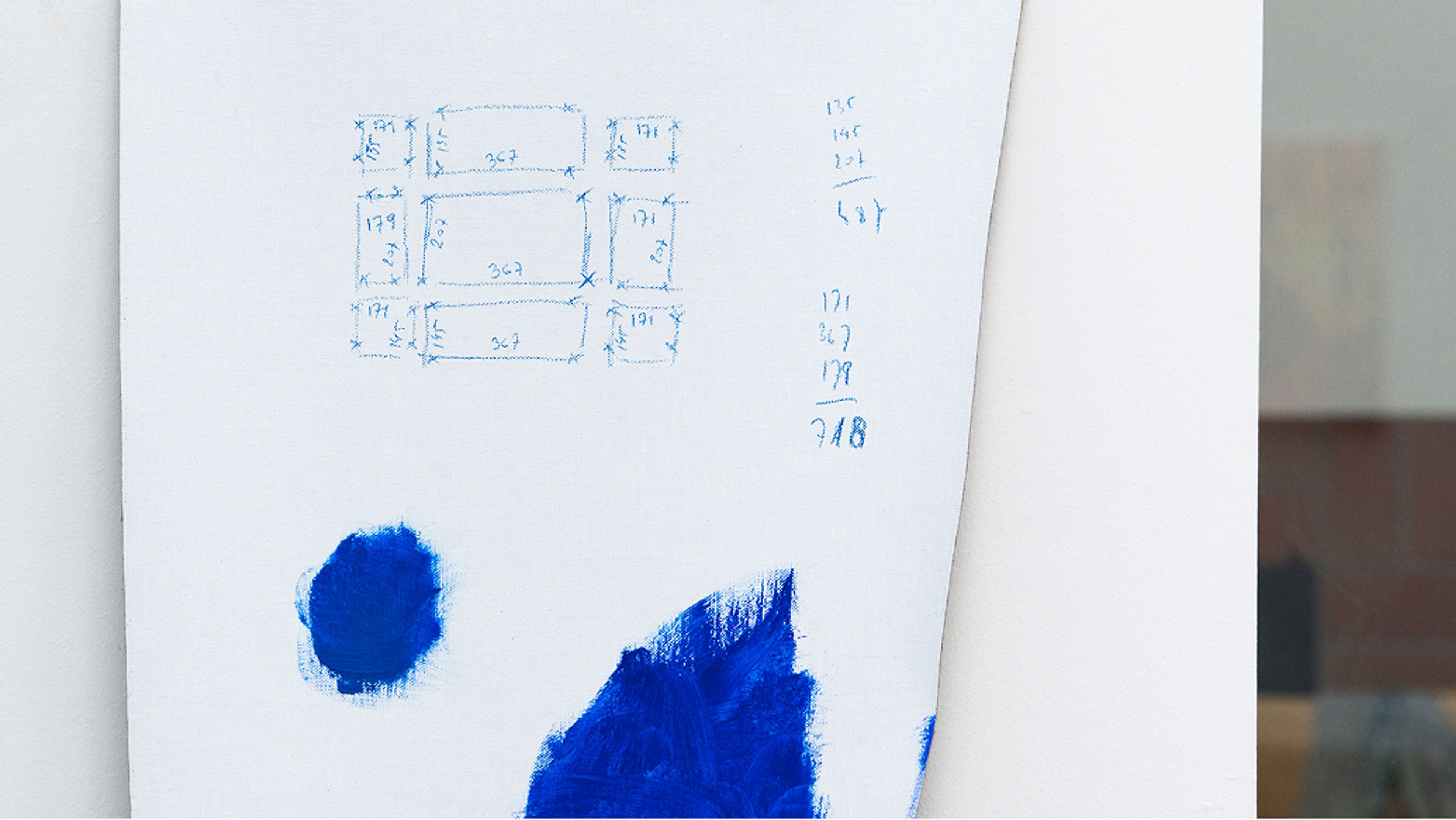
A preparatory study for The Fruit Basket (2025). Photo by Alex Salinas
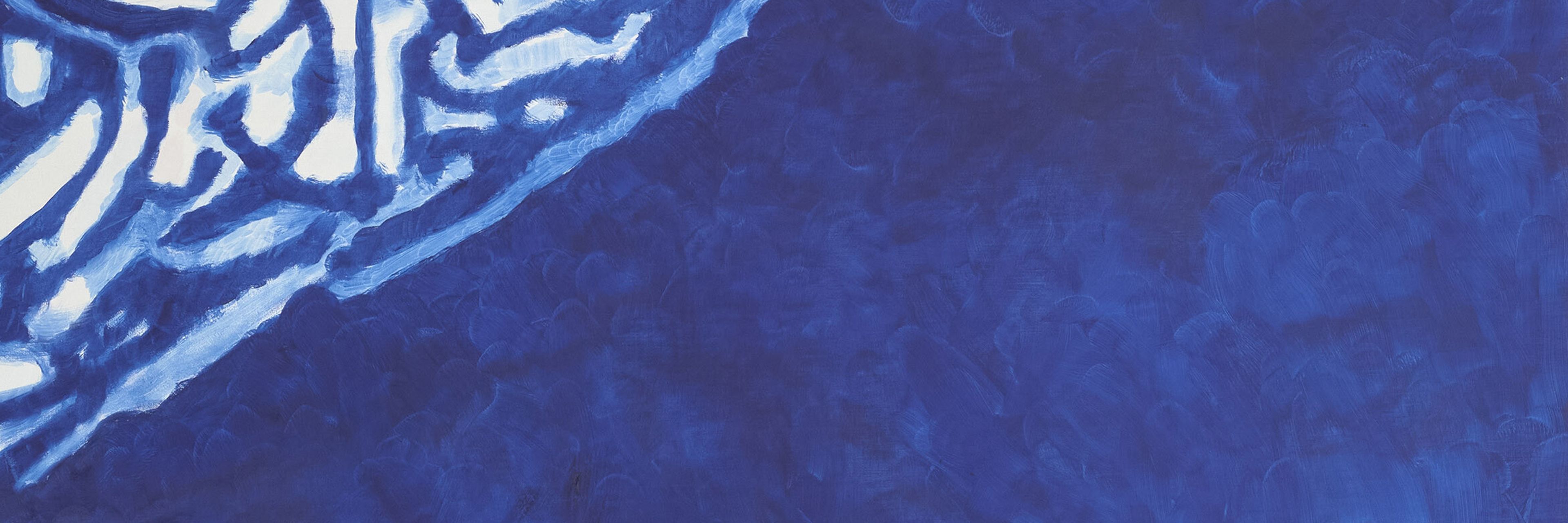
“The idea with my imagery is that it has to work from afar, but once you get close to it, it disintegrates.… That’s what it’s all about.”
—Luc Tuymans in conversation with Helen Molesworth

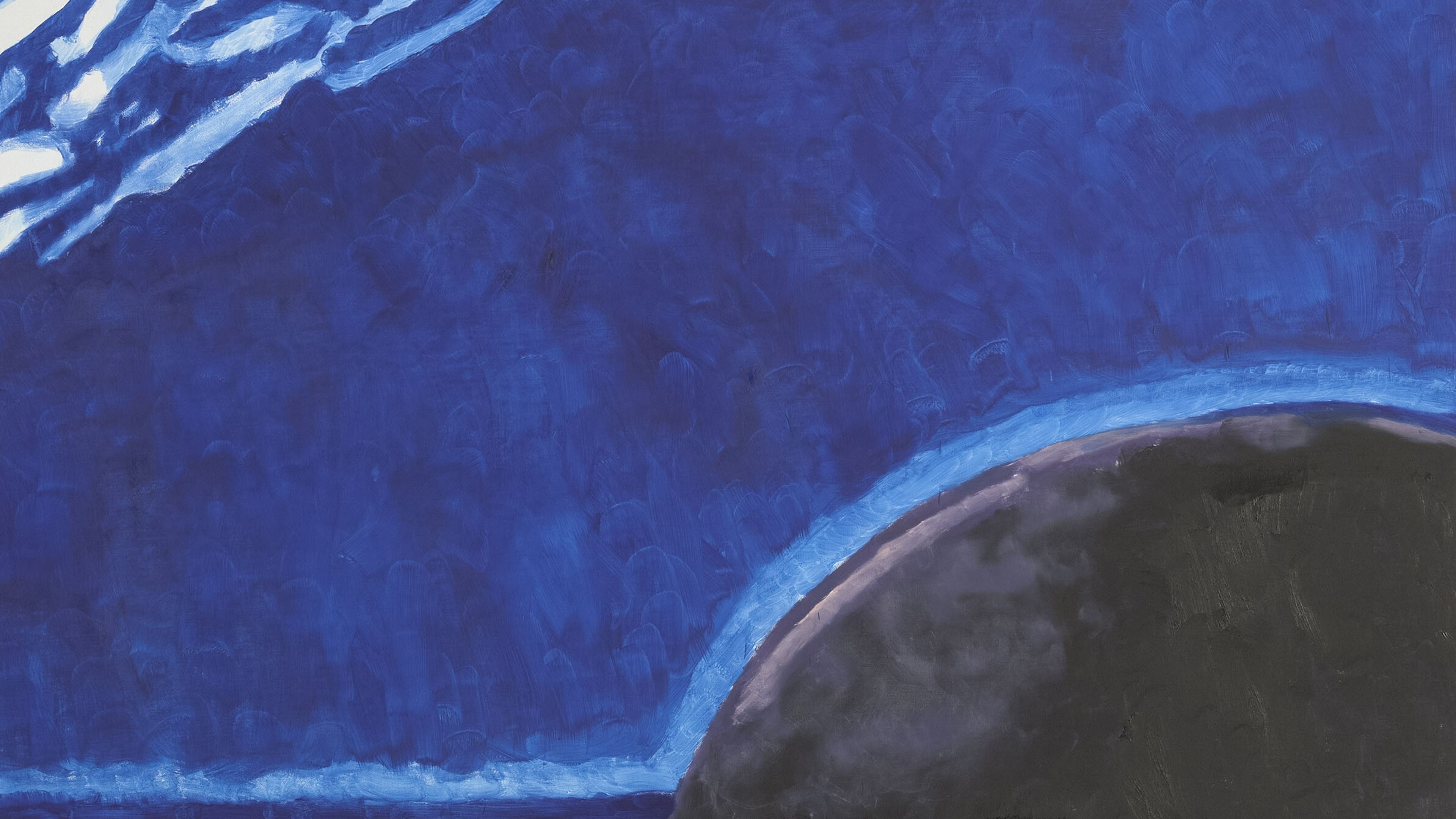
Luc Tuymans, The Fruit Basket, 2025 (detail)
Luc Tuymans, The Fruit Basket, 2025 (detail)
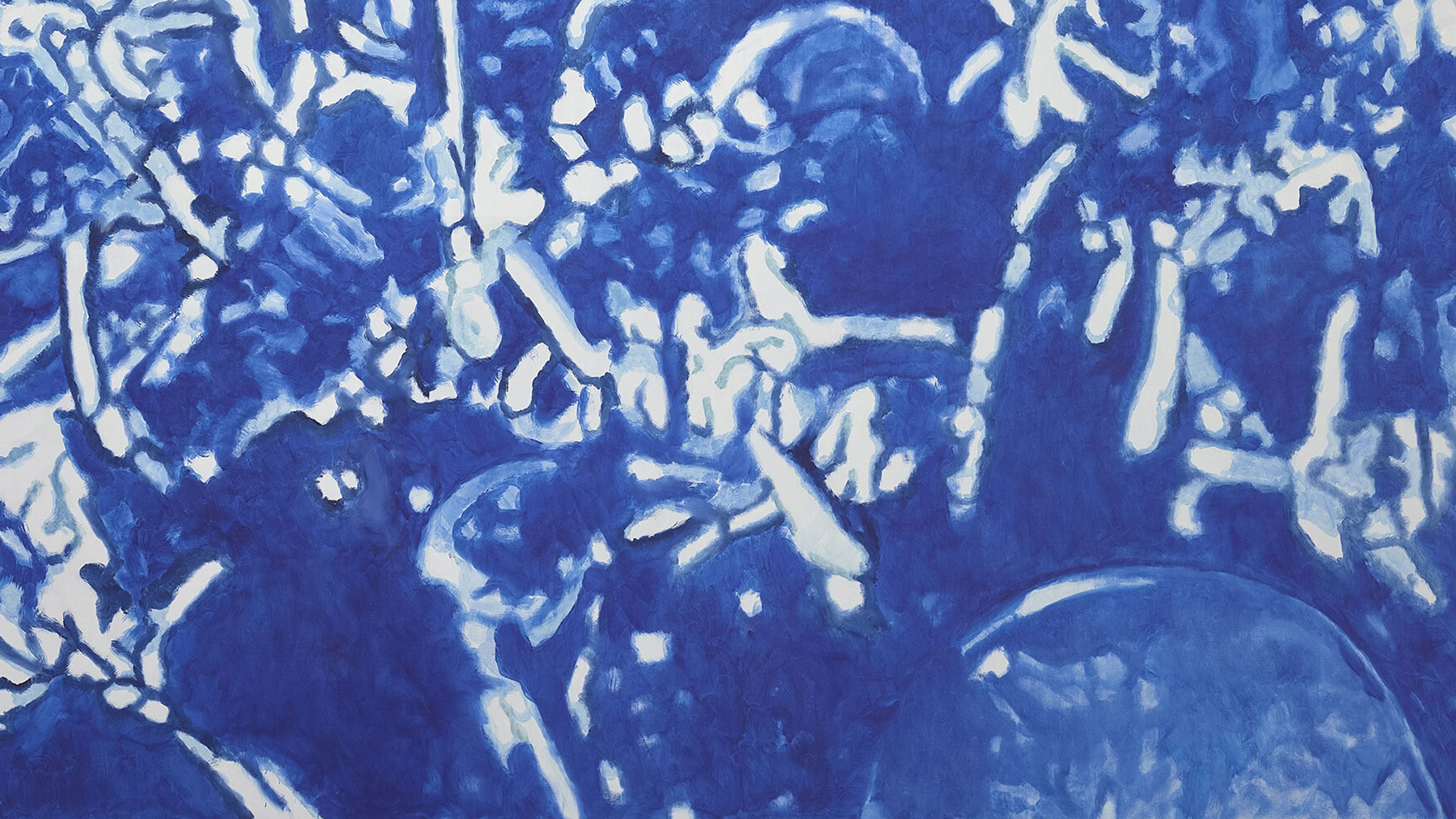
Luc Tuymans, The Fruit Basket, 2025 (detail)
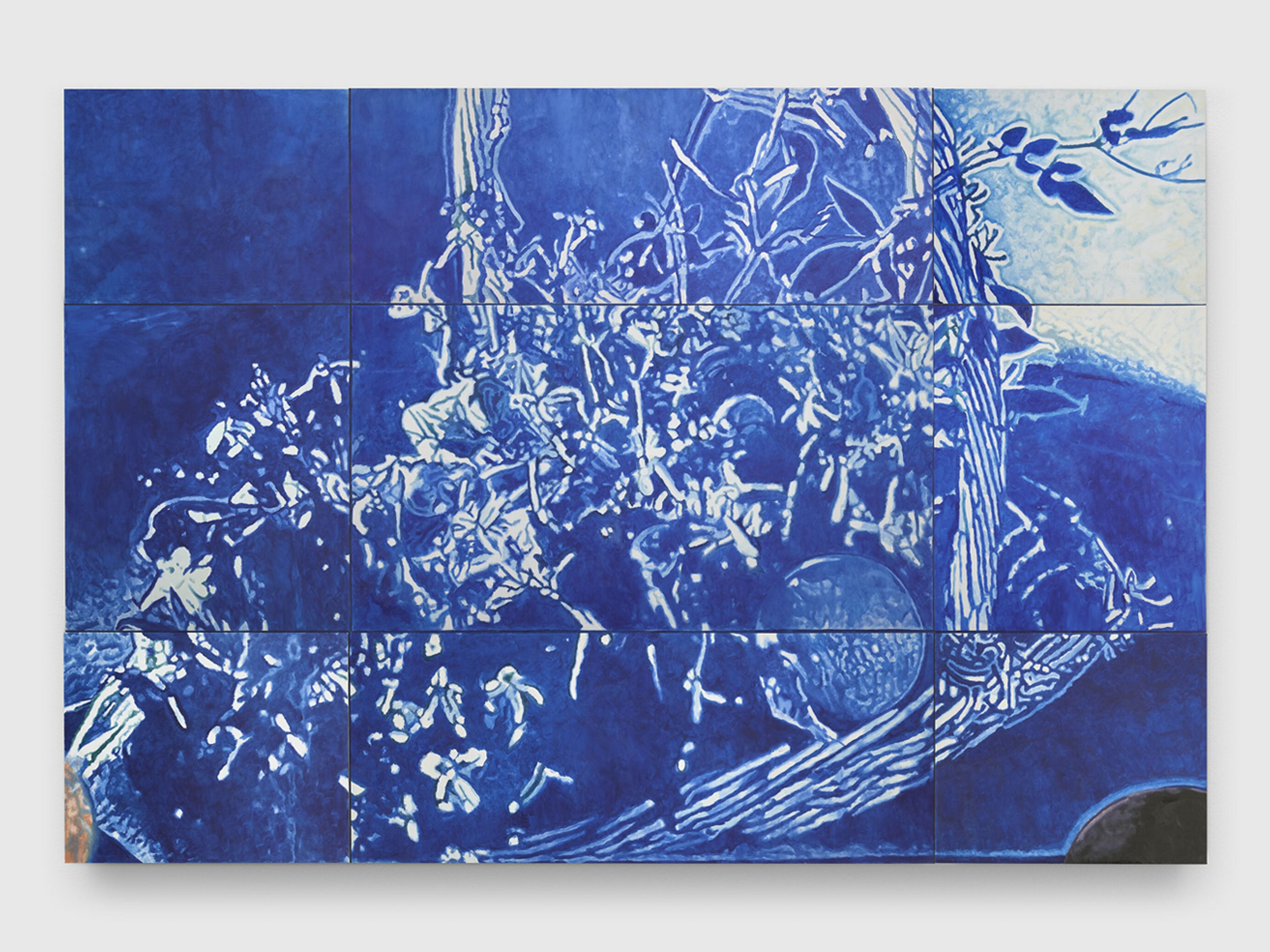
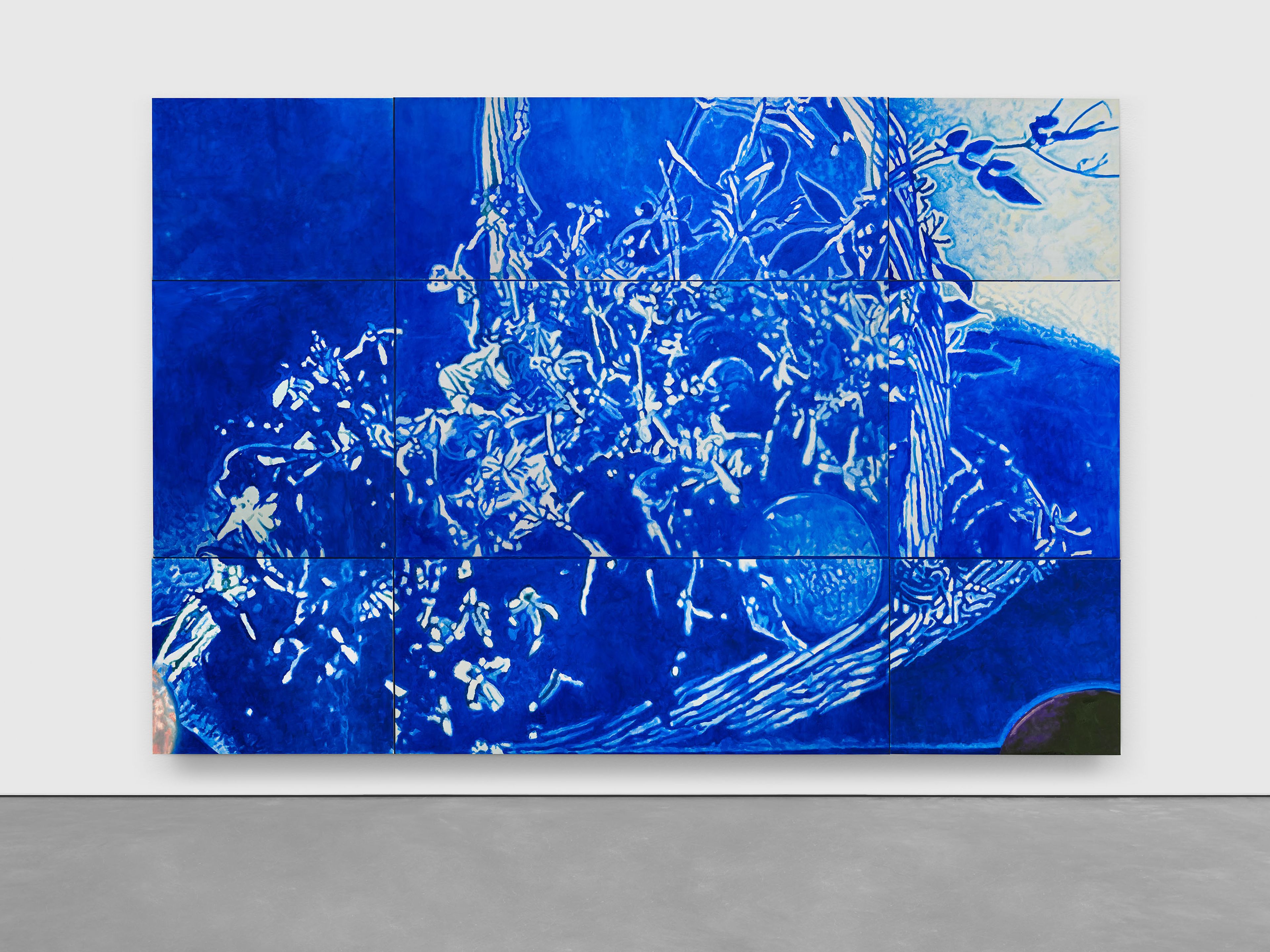
Luc Tuymans, The Fruit Basket, 2025
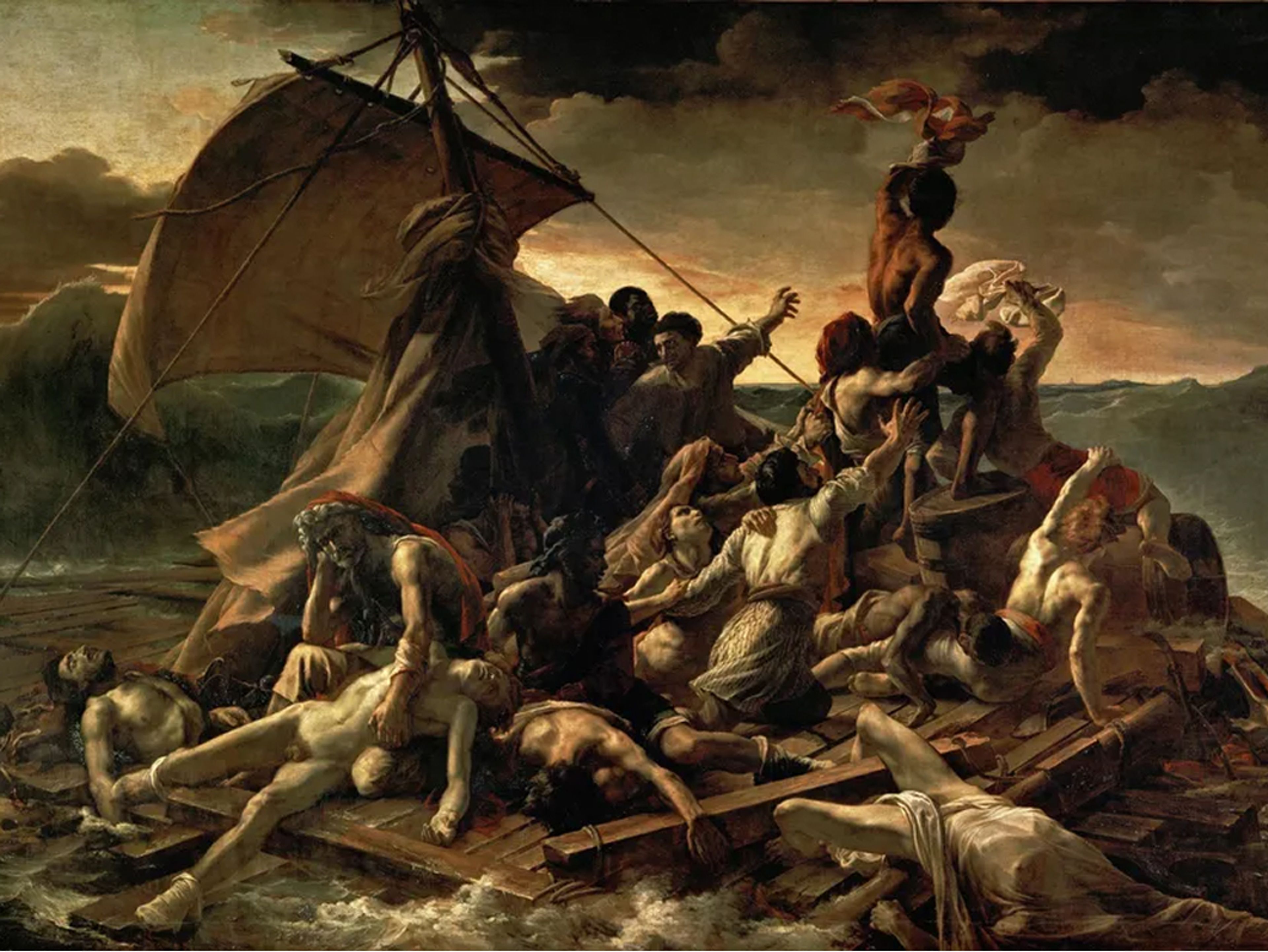
Théodore Géricault, The Raft of the Medusa, 1818–1819. Collection of the Musée du Louvre, Paris
The strong diagonal that cuts across the picture plane mimics the construction of the similarly scaled epic history painting The Raft of the Medusa (1818–1819) by Théodore Géricault. In likening a fruit basket—an object that is also commonly gifted to the sick—to Géricault’s raft of the dying, adrift from a shipwreck, Tuymans emphasizes decay rather than abundance.
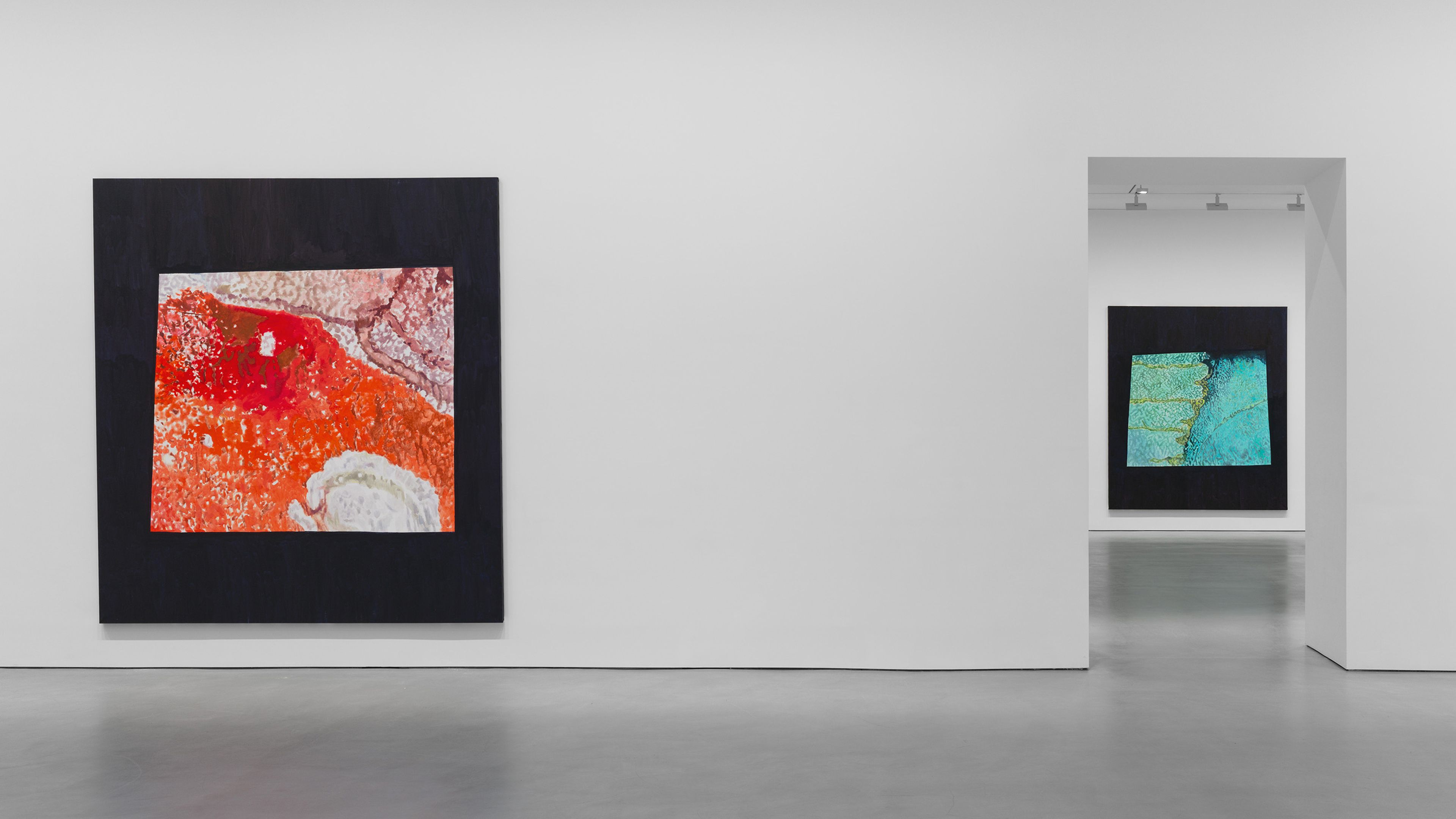
Installation view, Luc Tuymans: The Fruit Basket, David Zwirner, New York, 2025
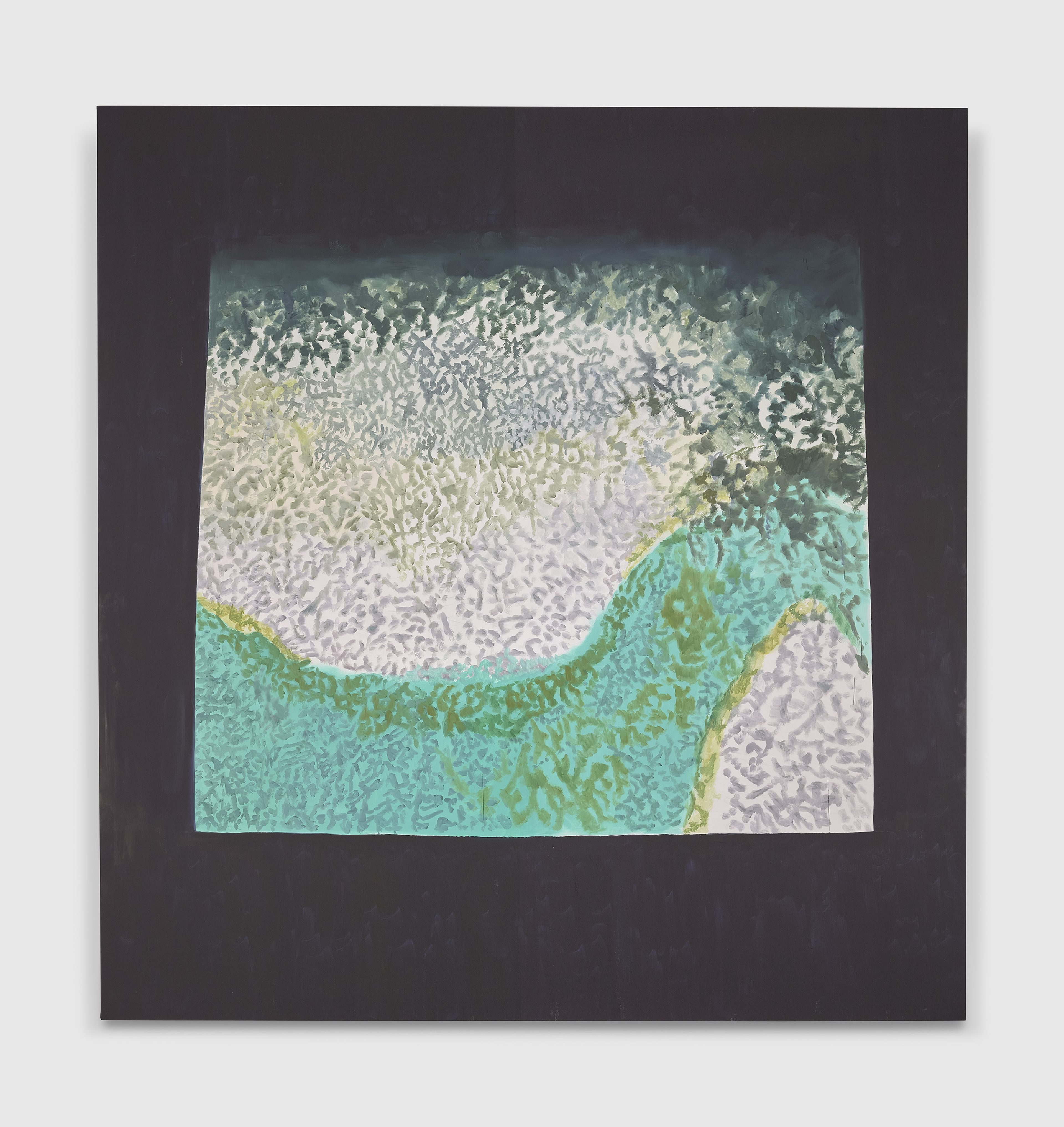
“It might be argued that one of the most consequential impacts on the way we see the world and deploy ourselves in it over the past century and a quarter has been that recording devices serve more and more as our main portals to the experience of reality.... It is not for nothing that Tuymans himself has observed that he doesn’t paint subjects, but rather memories.”
—Laura Hoptman, in her essay for the forthcoming catalogue, Luc Tuymans: The Past, UCCA Center for Contemporary Art, Beijing, 2024–2025
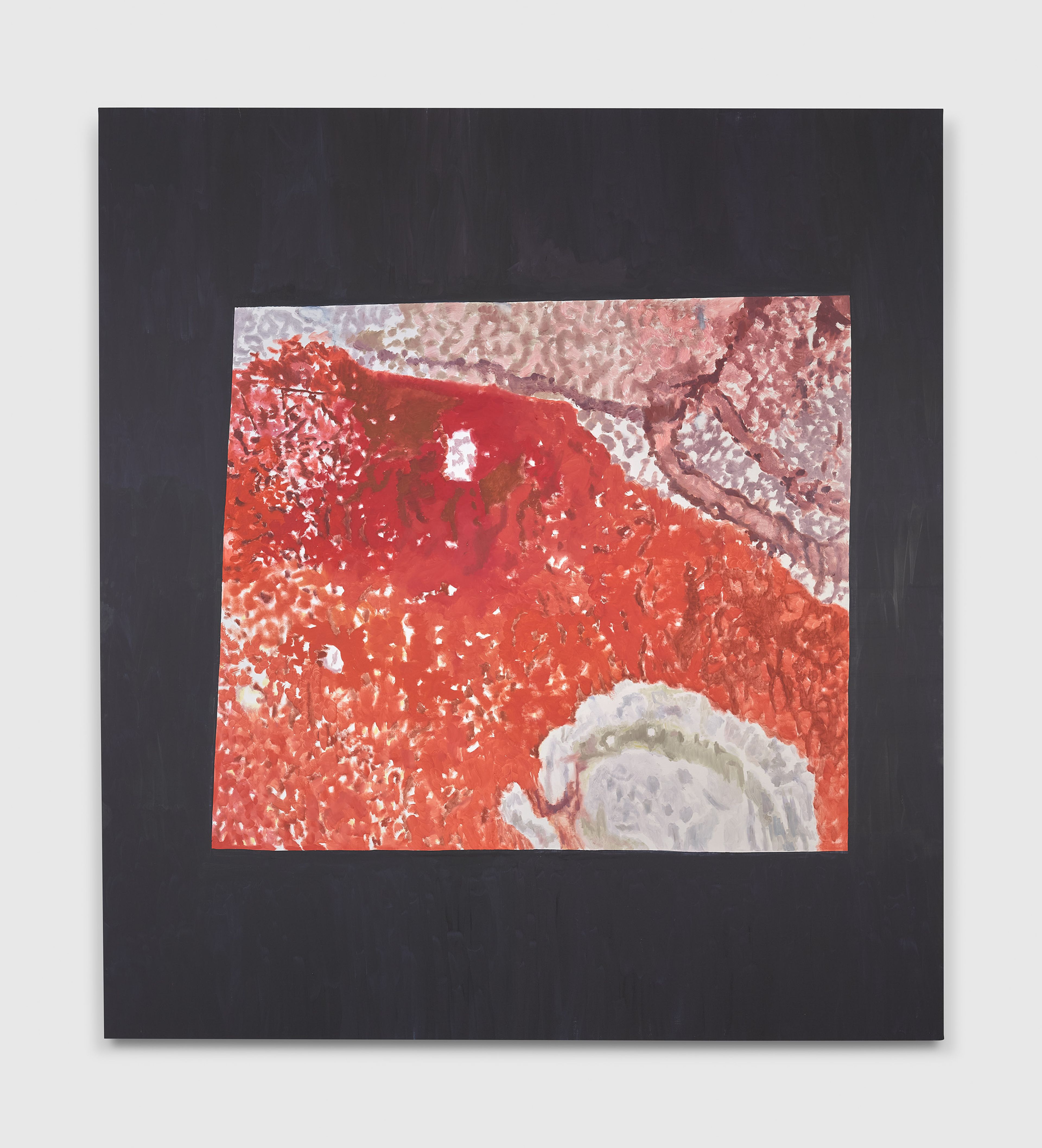
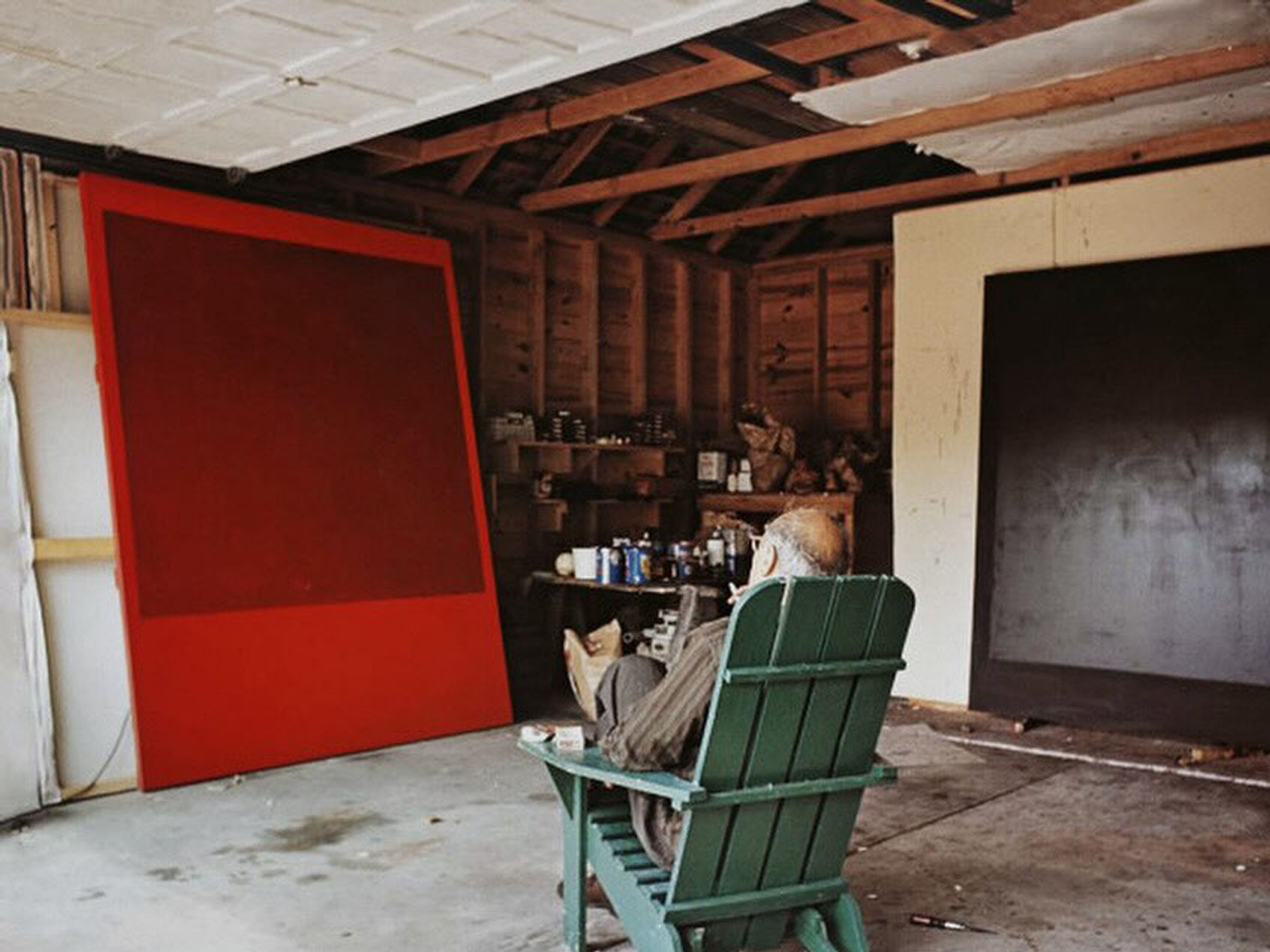
Mark Rothko in his studio, East Hampton, New York, 1964. Photo by Hans Namuth, Courtesy Center for Creative Photography, The University of Arizona. © 1991 Hans Namuth Estate / Rothko family archives. © 1998 Kate Rothko Prizel & Christopher Rothko / Artists Rights Society (ARS), New York
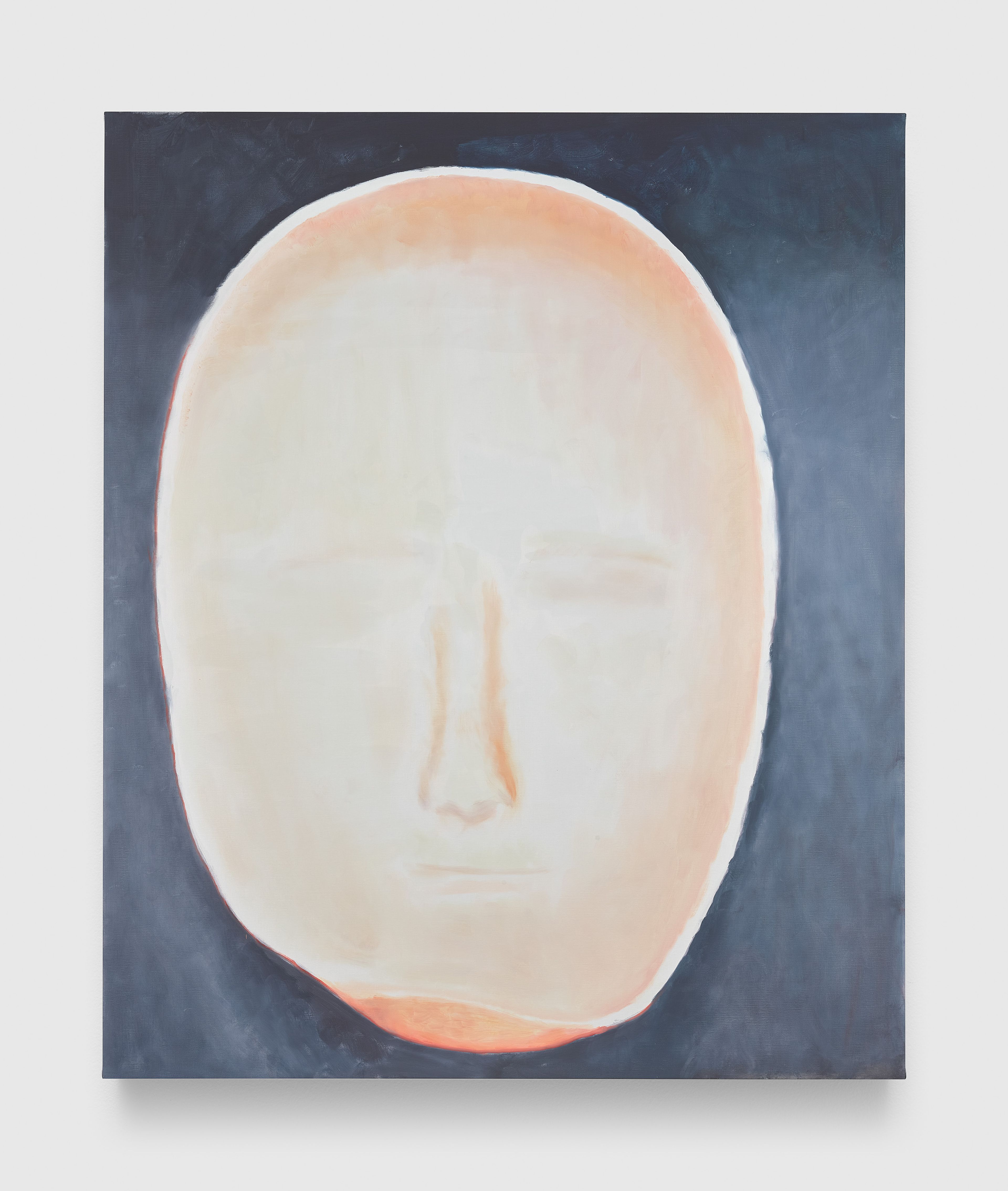
A related group of four large-scale works, collectively titled Illumination (2024–2025), is installed throughout the show, appearing at first as fields of color that are lit from within in a manner akin to the rectilinear abstractions of Mark Rothko—a prodigious artist whose life ended in tragedy, and an ongoing interest for Tuymans.
Tuymans’s paintings harken back to 1960s and 1970s abstract expressionism and color field painting, non-referential styles that had their heyday during a period of intense sociopolitical turmoil in the US and are now the subject of renewed interest.
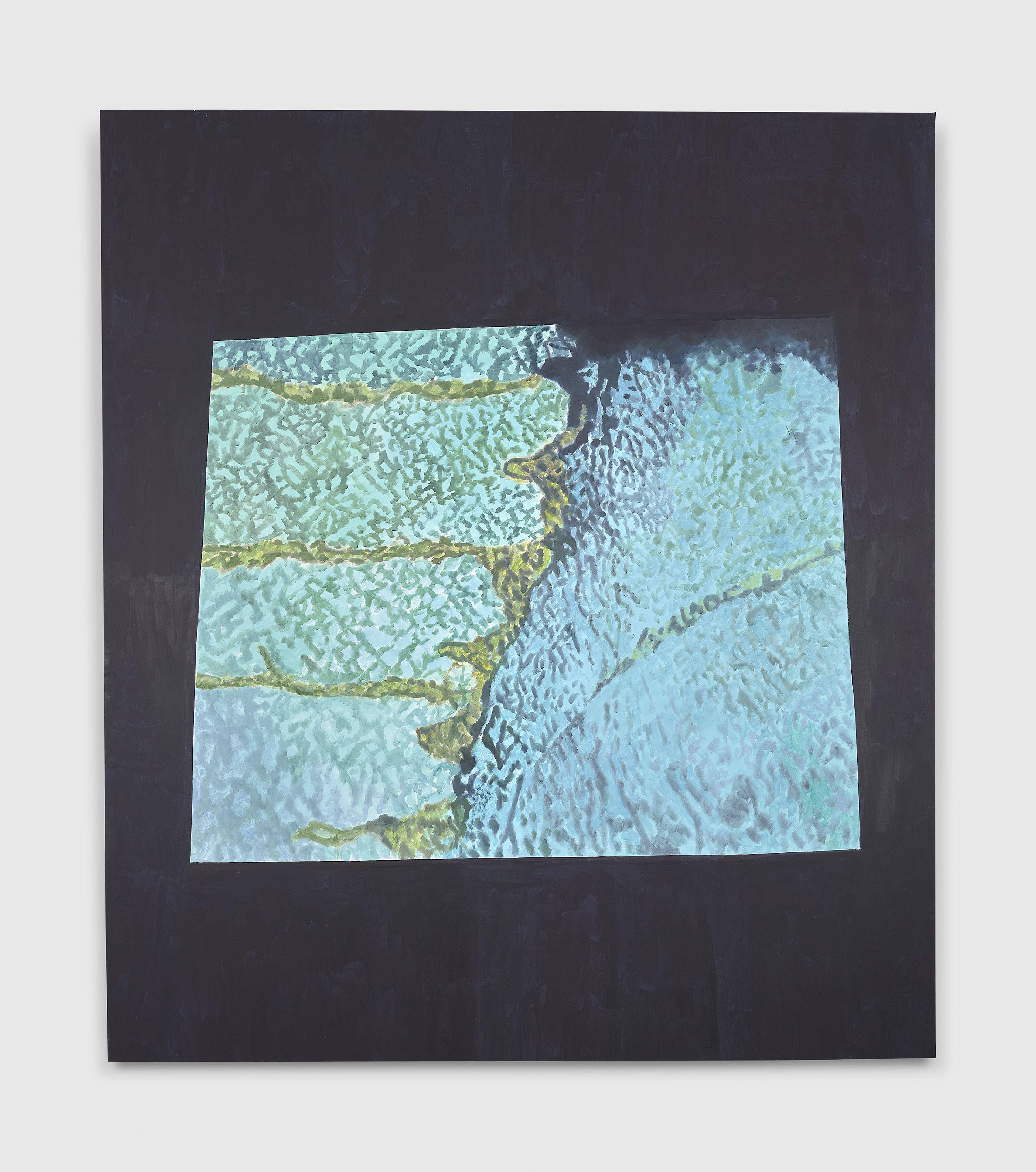
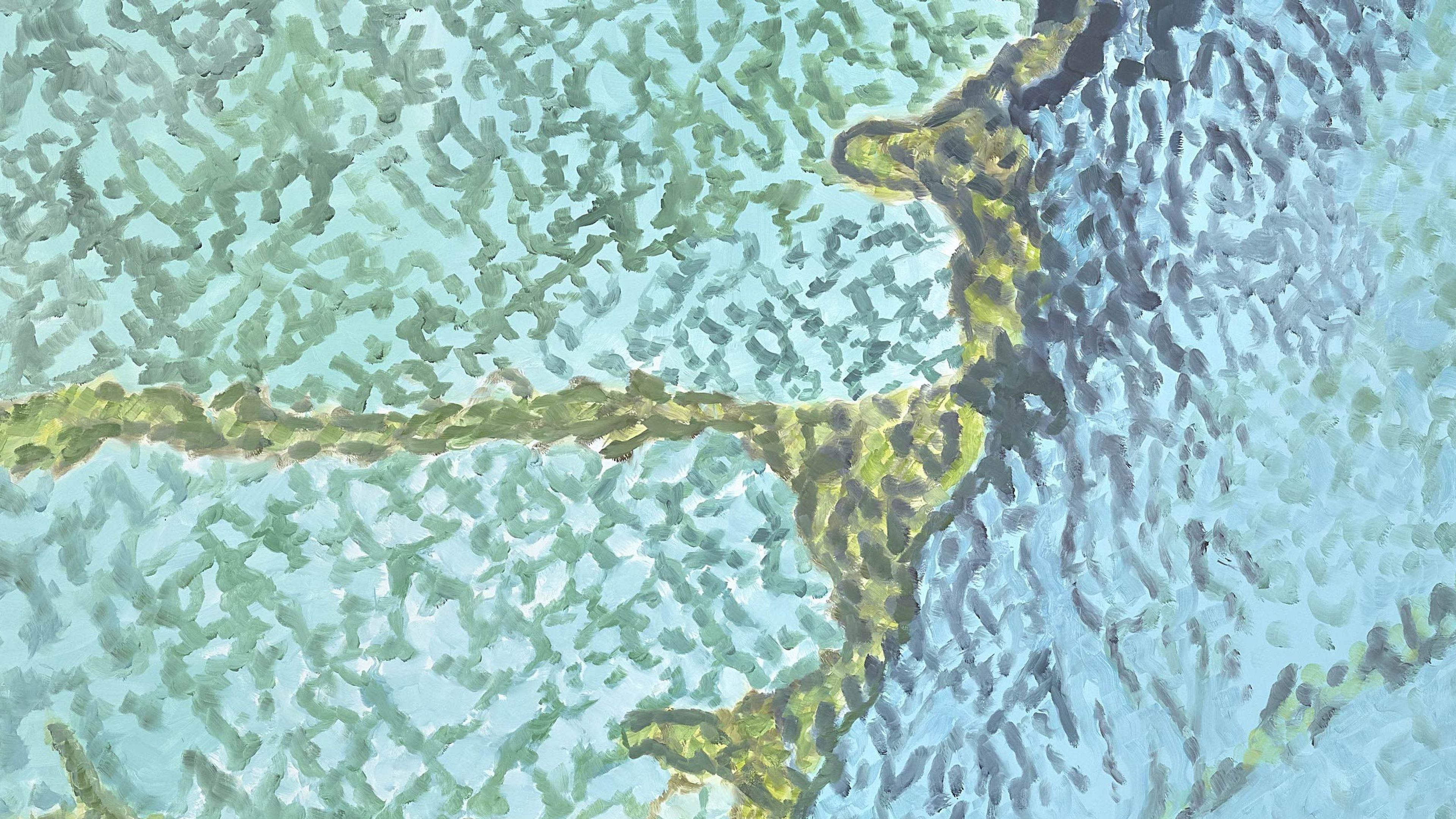
Luc Tuymans, Illumination III, 2025 (detail)
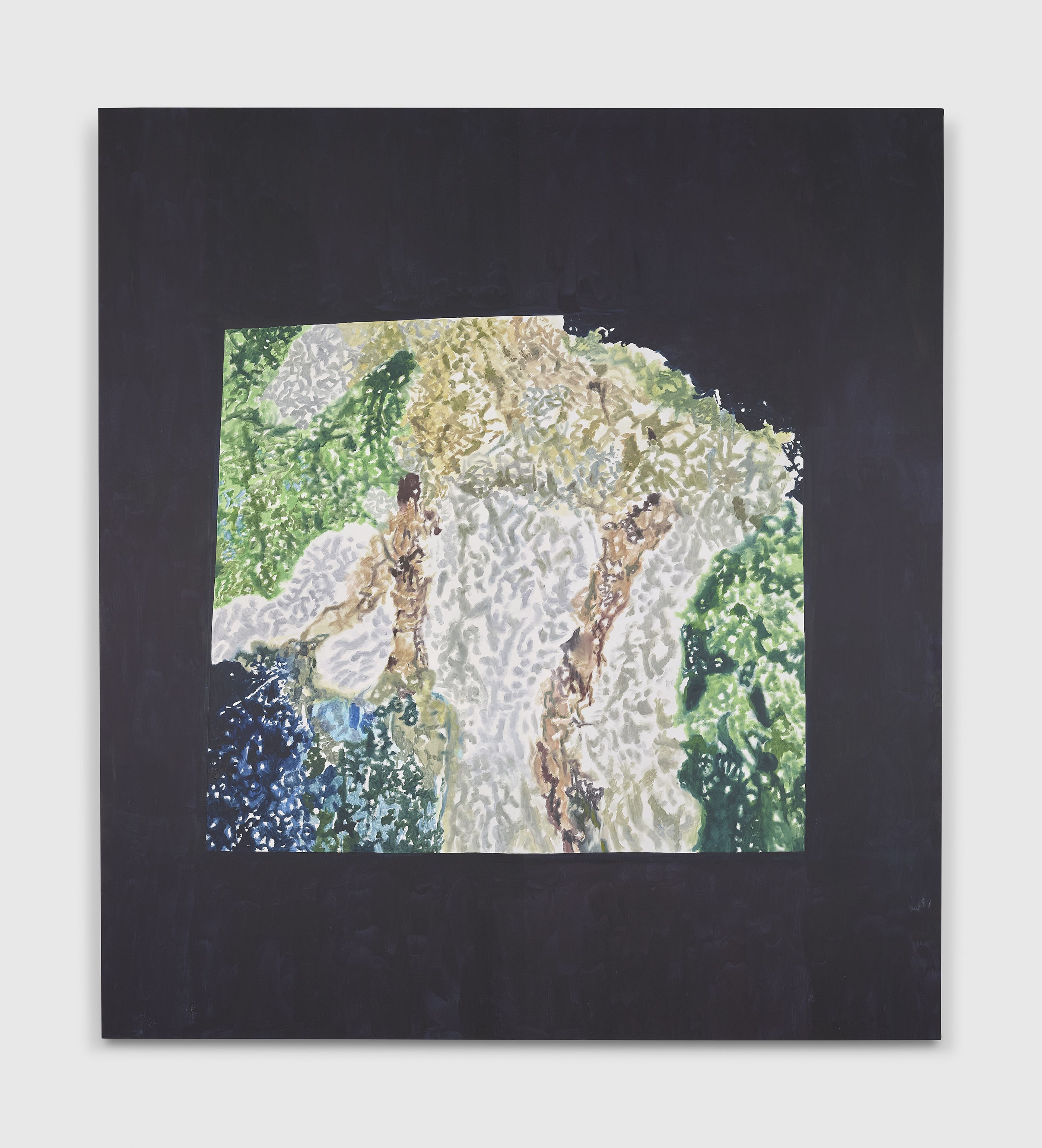
“Art’s purpose is to make things visible, especially those that are most commonly ignored, those we miss precisely because they are there in plain sight. To the extent that the penumbra which settles over Tuymans’s images further obscures them, its effect, indeed its function, is to make us look harder.”
—Robert Storr, in his essay for the exhibition catalogue Portraits. Luc Tuymans, Menil Collection, Houston, 2013–2014

Installation view, Luc Tuymans: The Fruit Basket, David Zwirner, New York, 2025
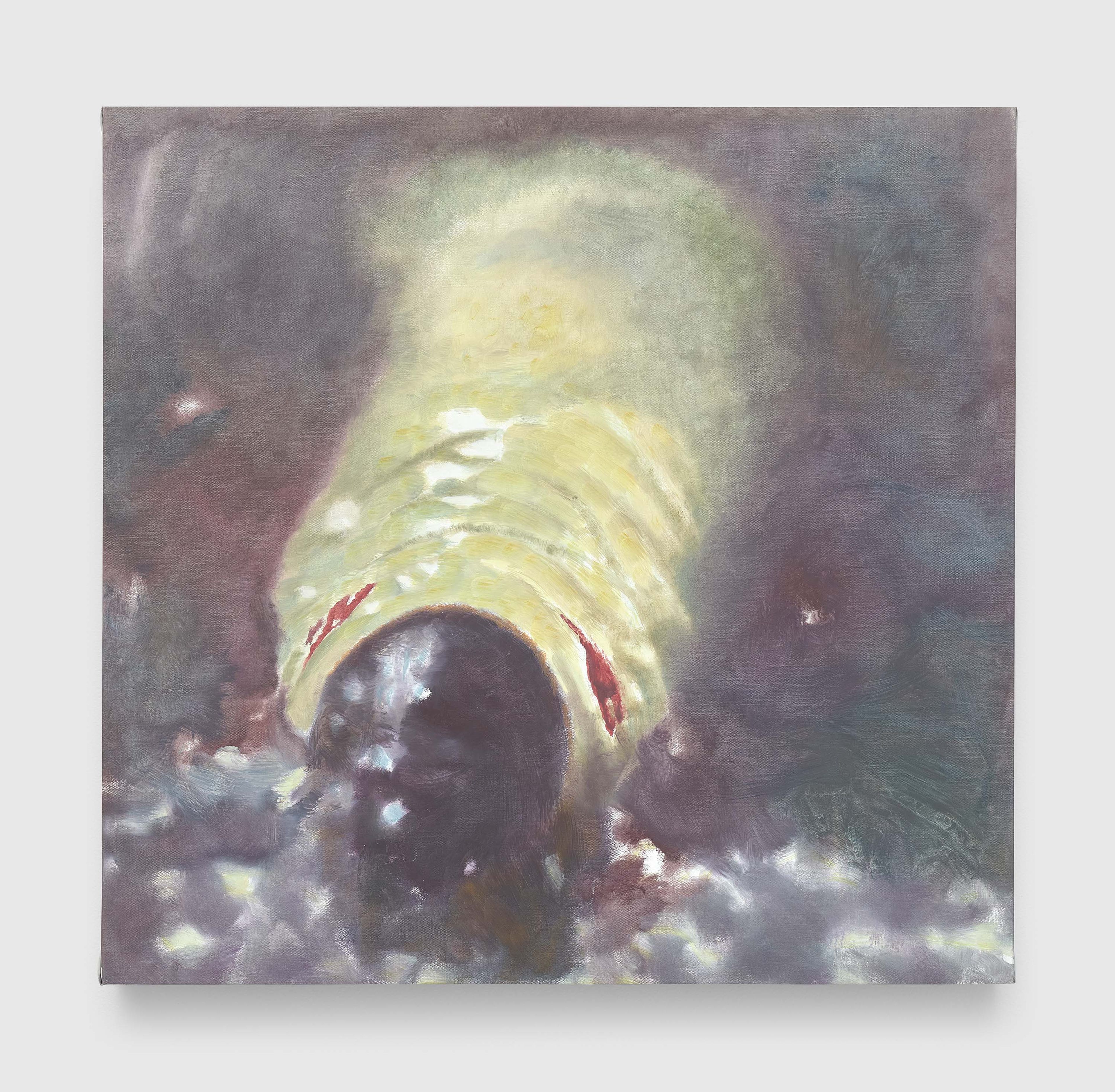
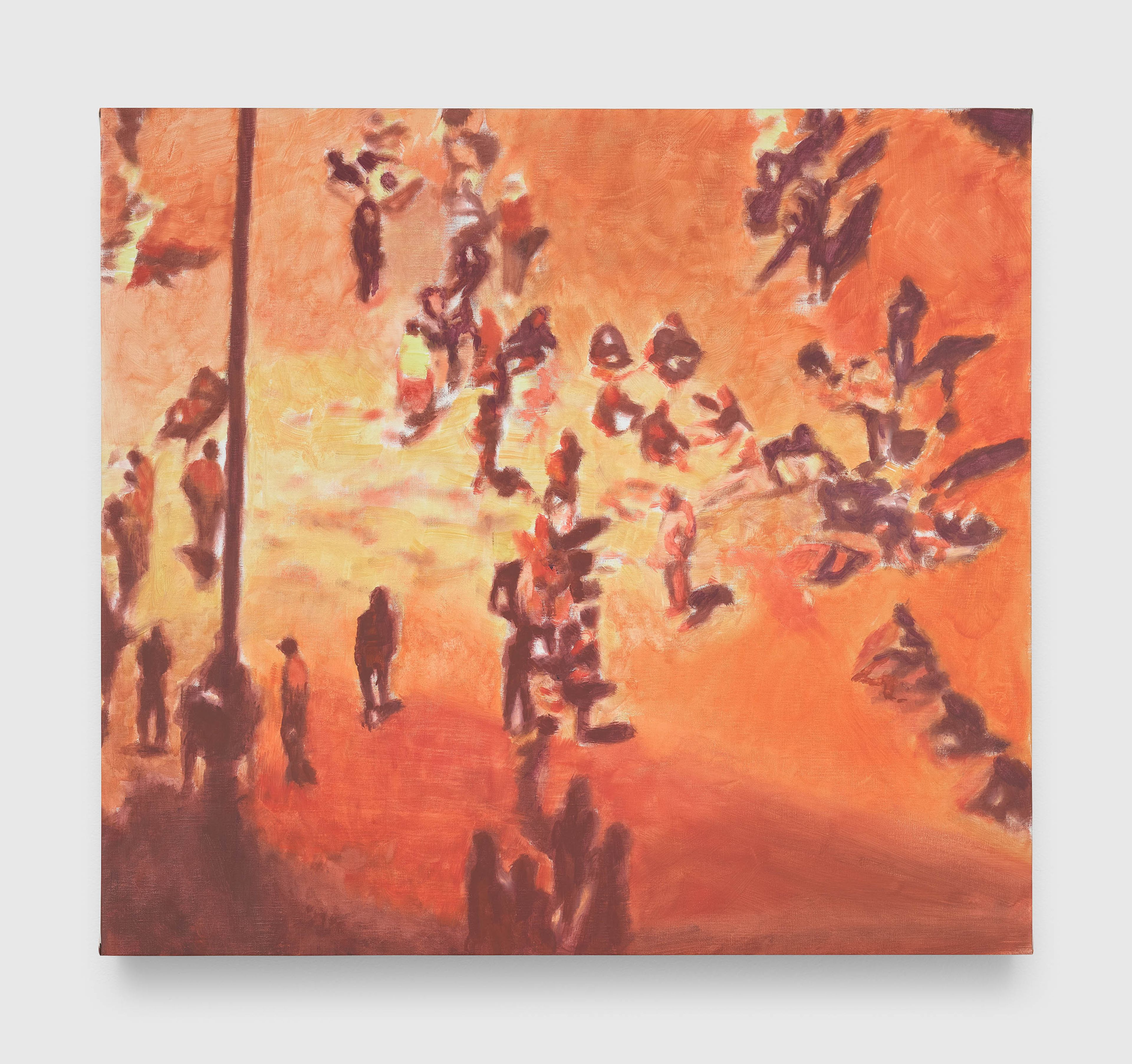

Luc Tuymans, Migrants, 2025 (detail)
“Tuymans has painted horrors.... But his subject is not horror. It is the way in which such atrocities, as components of what we call ‘history,’ become inseparably woven into the new ‘universe of technical images.’”
—Jarrett Earnest, in his essay for the exhibition catalogue La Pelle: Luc Tuymans, Palazzo Grassi, Venice, 2019–2020
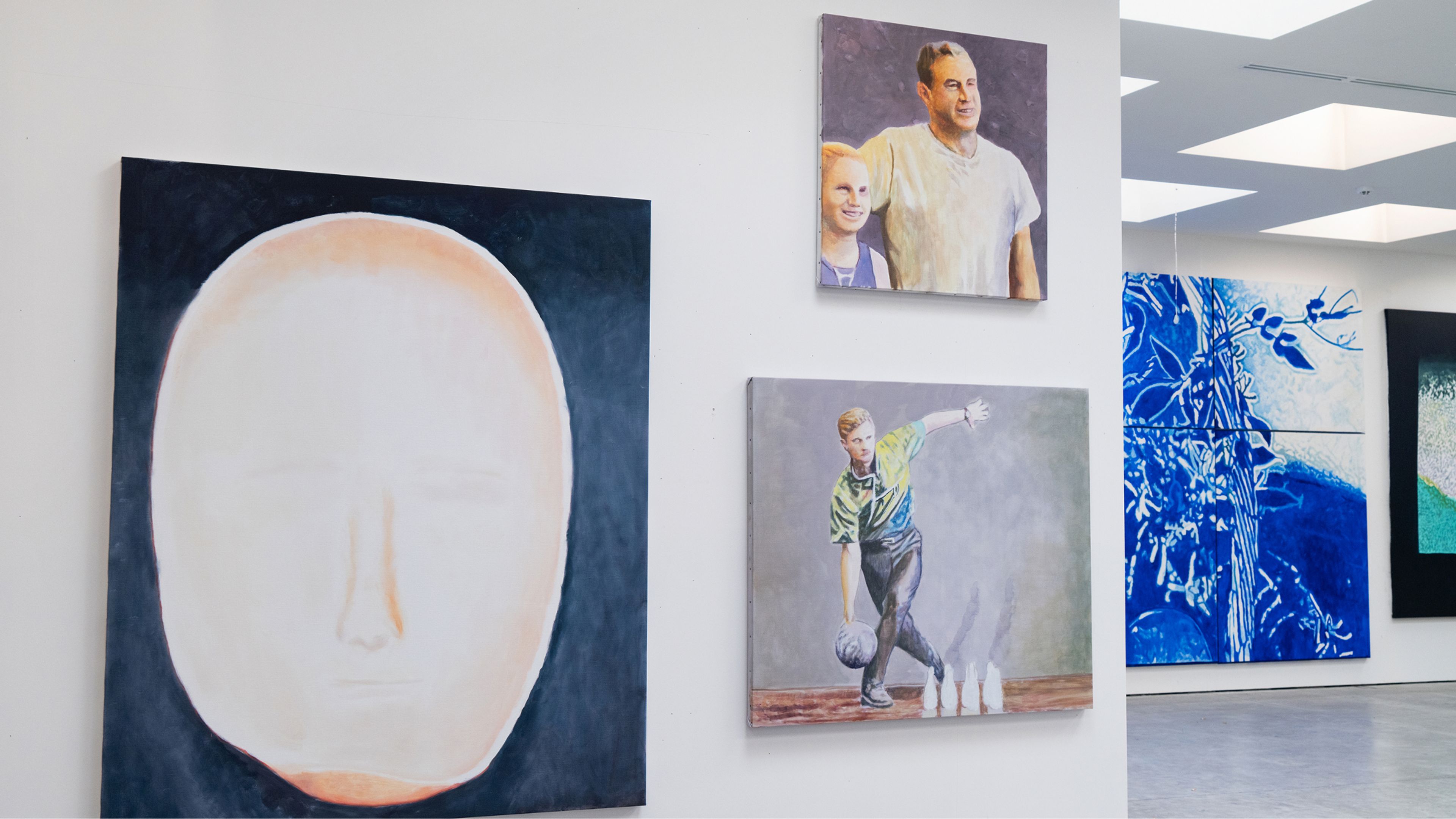
Luc Tuymans’s studio, 2025. Photo by Alex Salinas
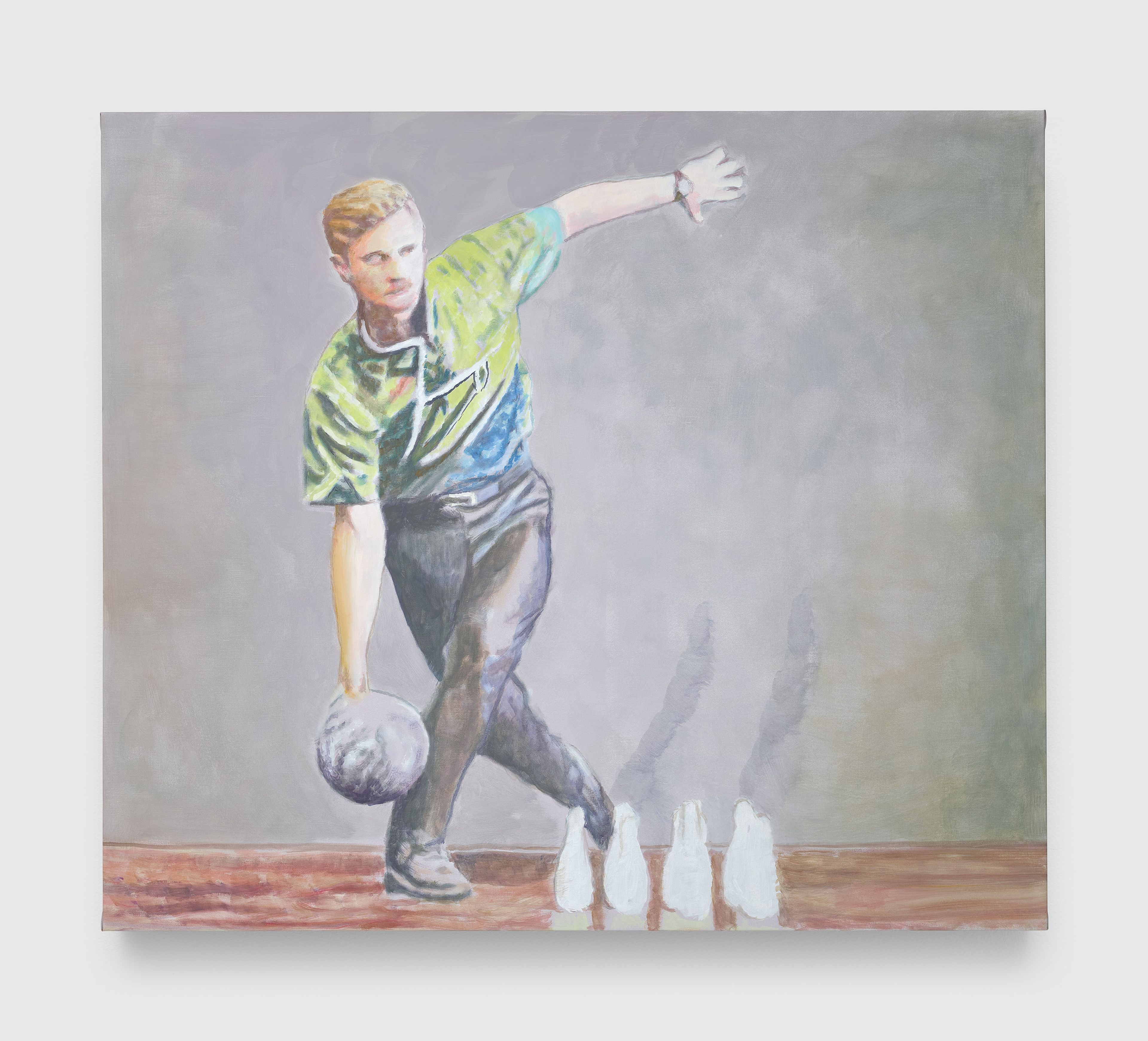
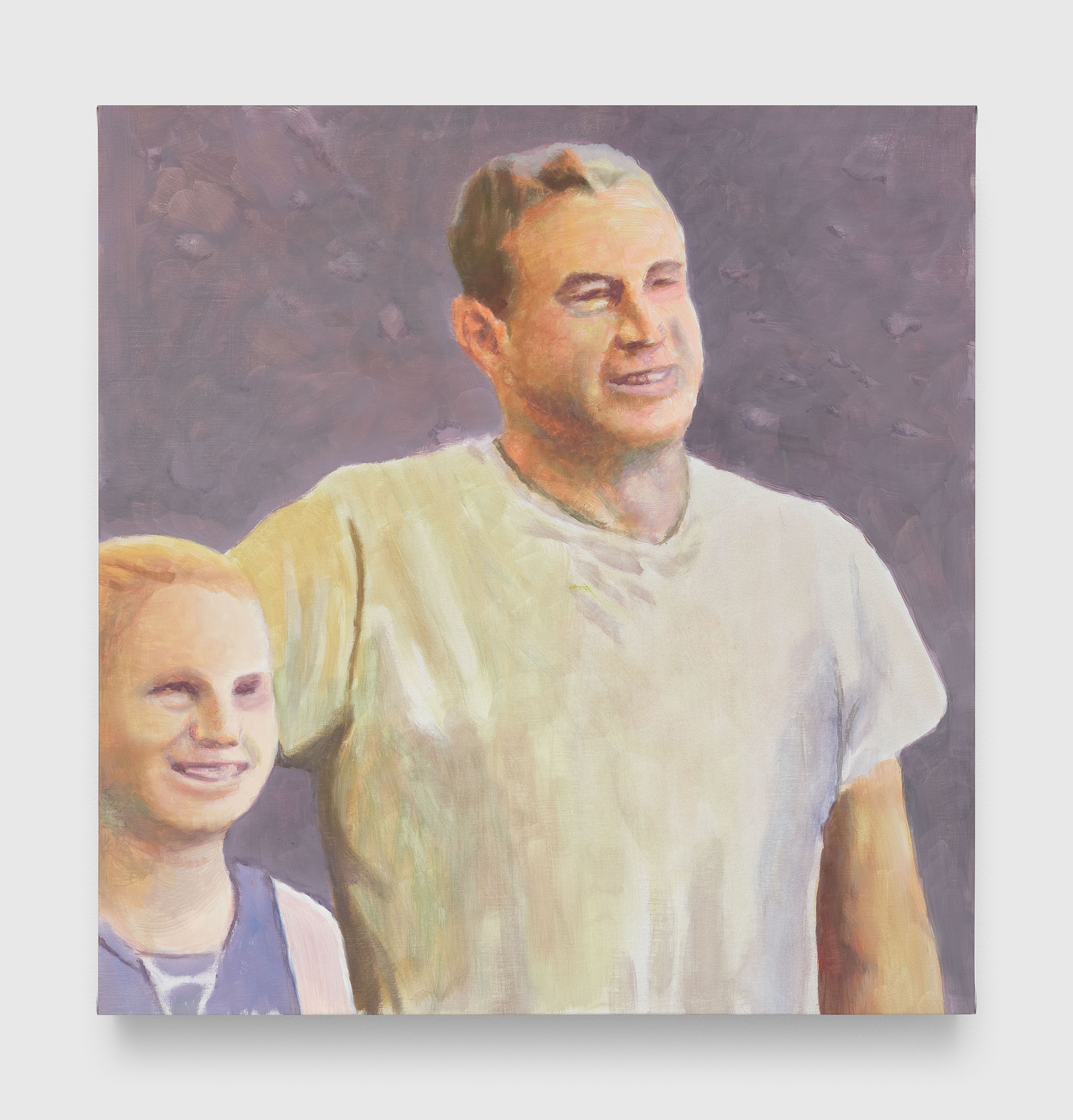

Joe Schmidt, Detroit, Michigan, 2015. Photo by Christian Petersen/Getty Images
In the first gallery, Hall of Fame (2025) features a figure donning the yellow NFL Hall of Fame jacket and holding a football between his hands as he stares vacantly ahead, a champion of the most American of pastimes.
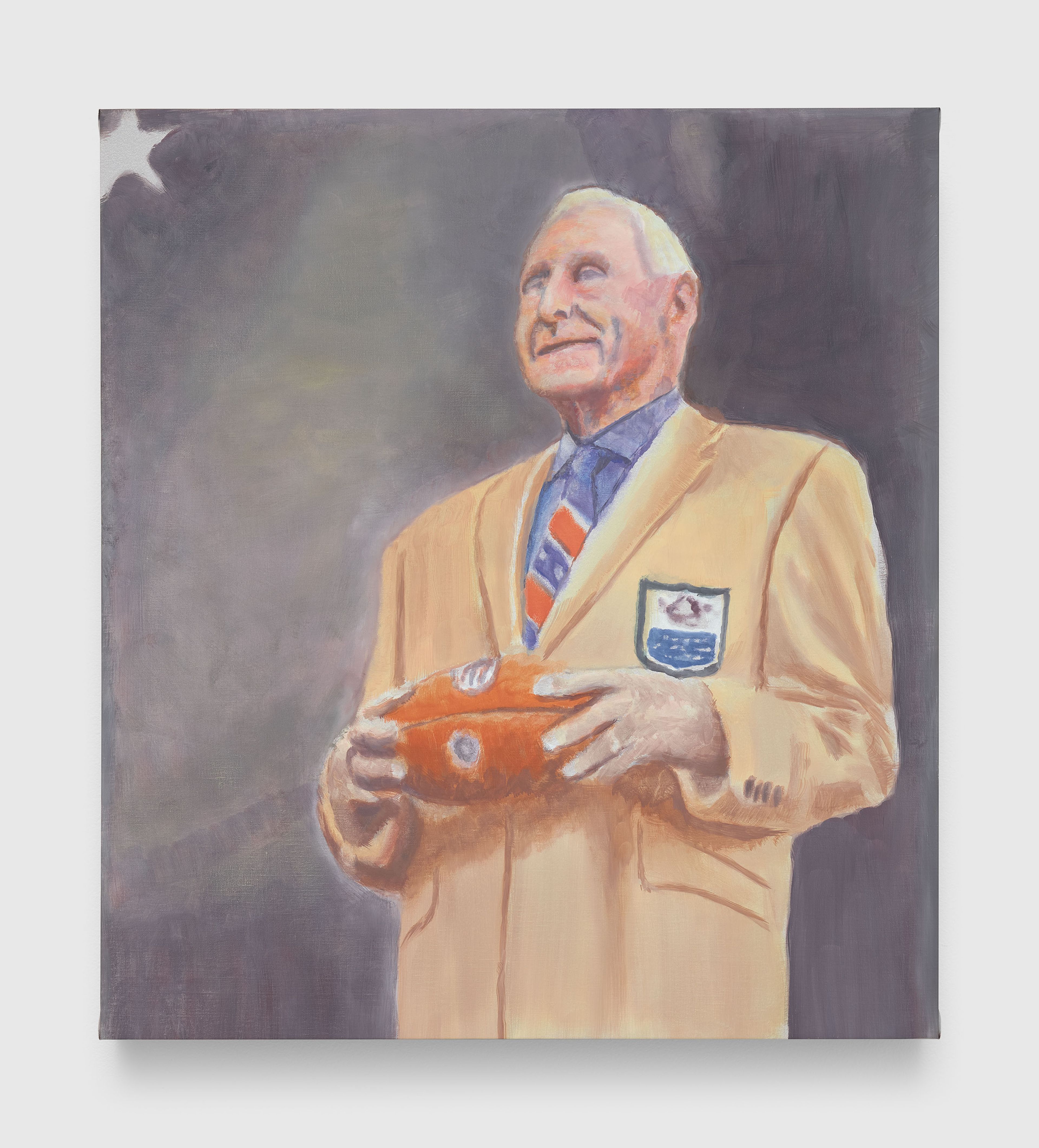
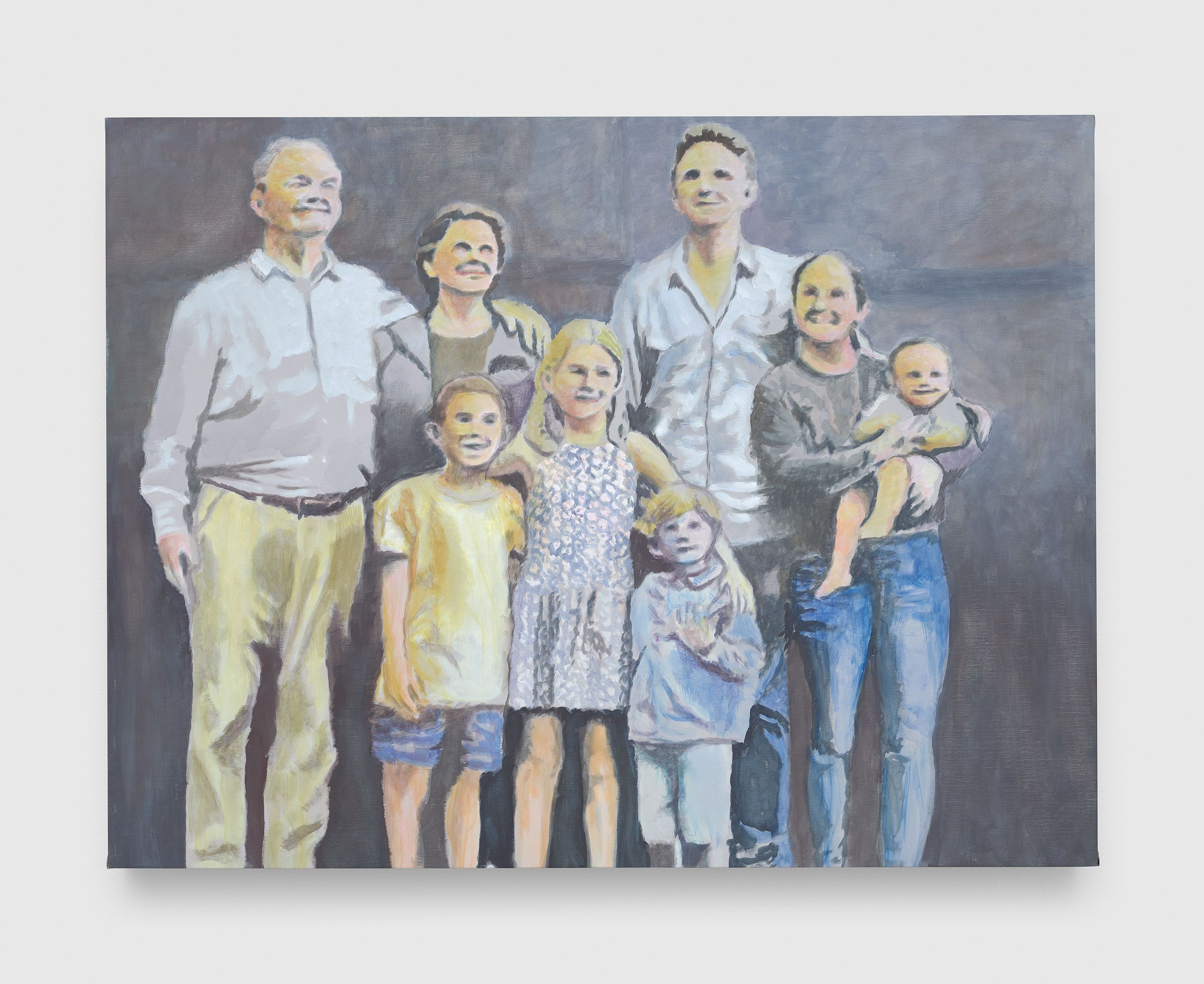
“Through painting, perfect Americans are transformed into an impossible and truly shocking image, as revealed and underscored by the works’ backgrounds. The never-ending variations are exceptionally striking. Still, a sense of anxiety remains, more European than uncanny—a simultaneous knowledge of civilization, and of its contrary.”
—Donatien Grau in conversation with the artist, 2025
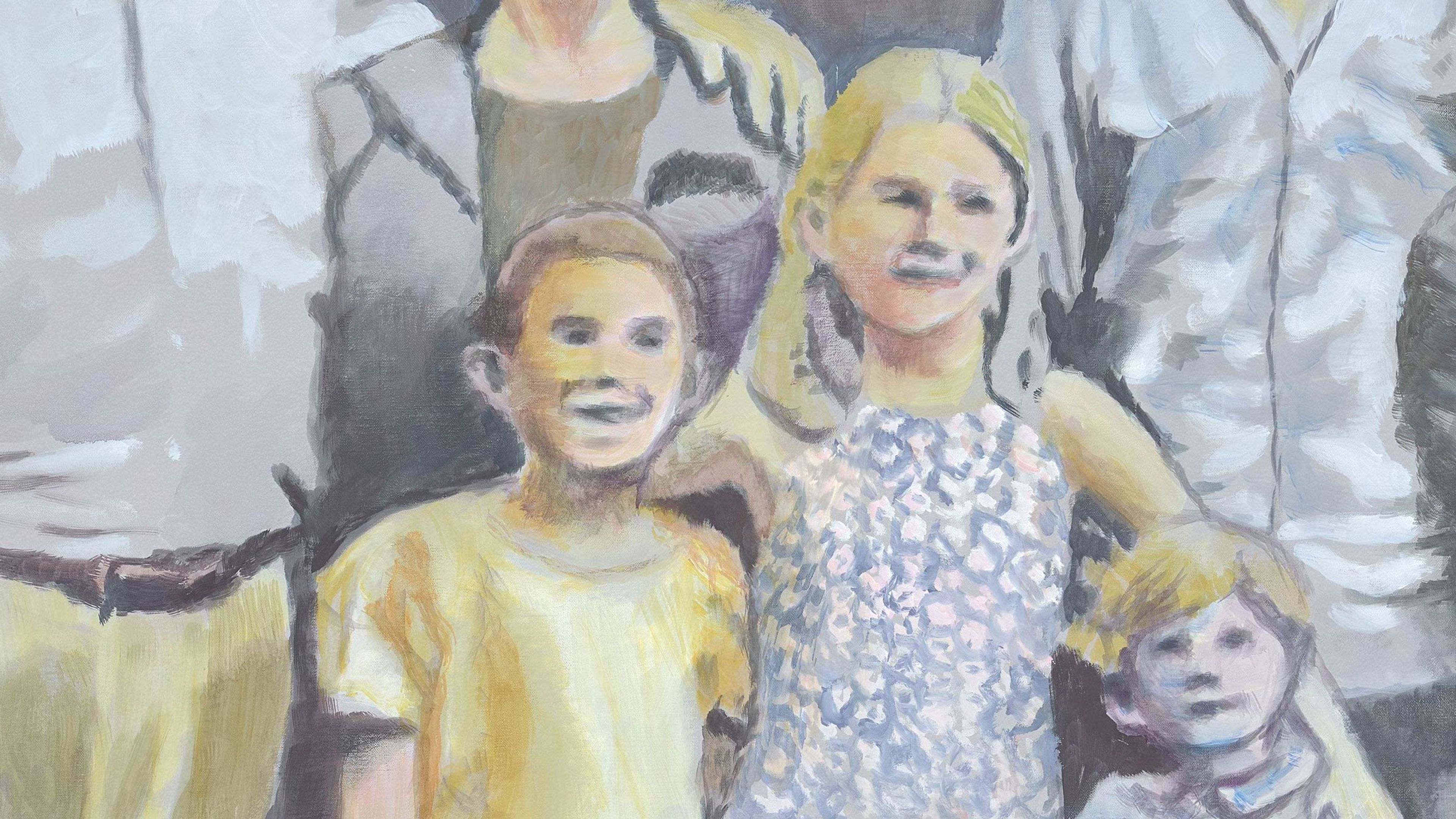
Luc Tuymans, The Family, 2025 (detail)

Installation view, Luc Tuymans: The Fruit Basket, David Zwirner, New York, 2025

Inquire about works by Luc Tuymans