Exceptional Works: Gerhard Richter
Wolken (Clouds), 2025
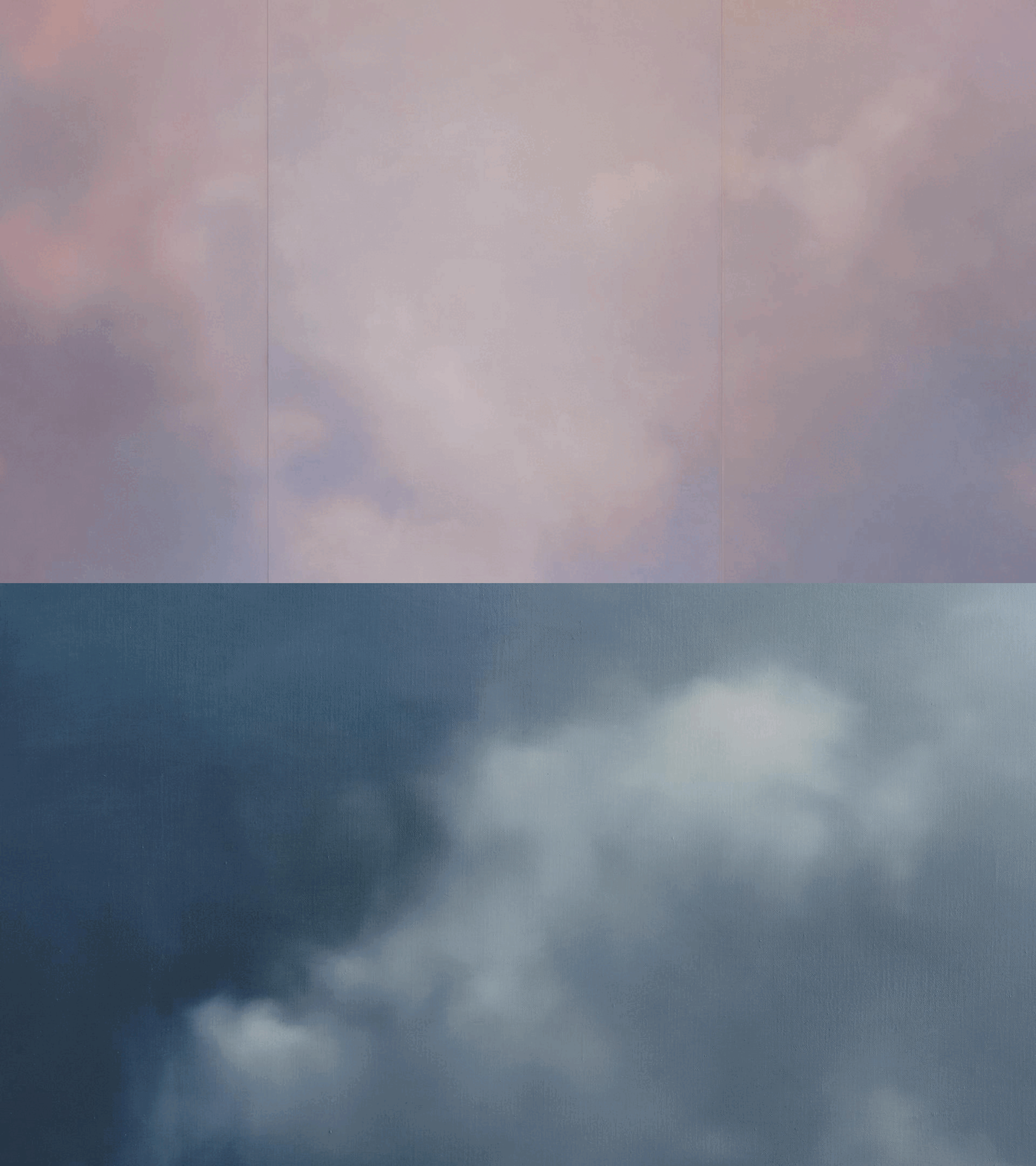
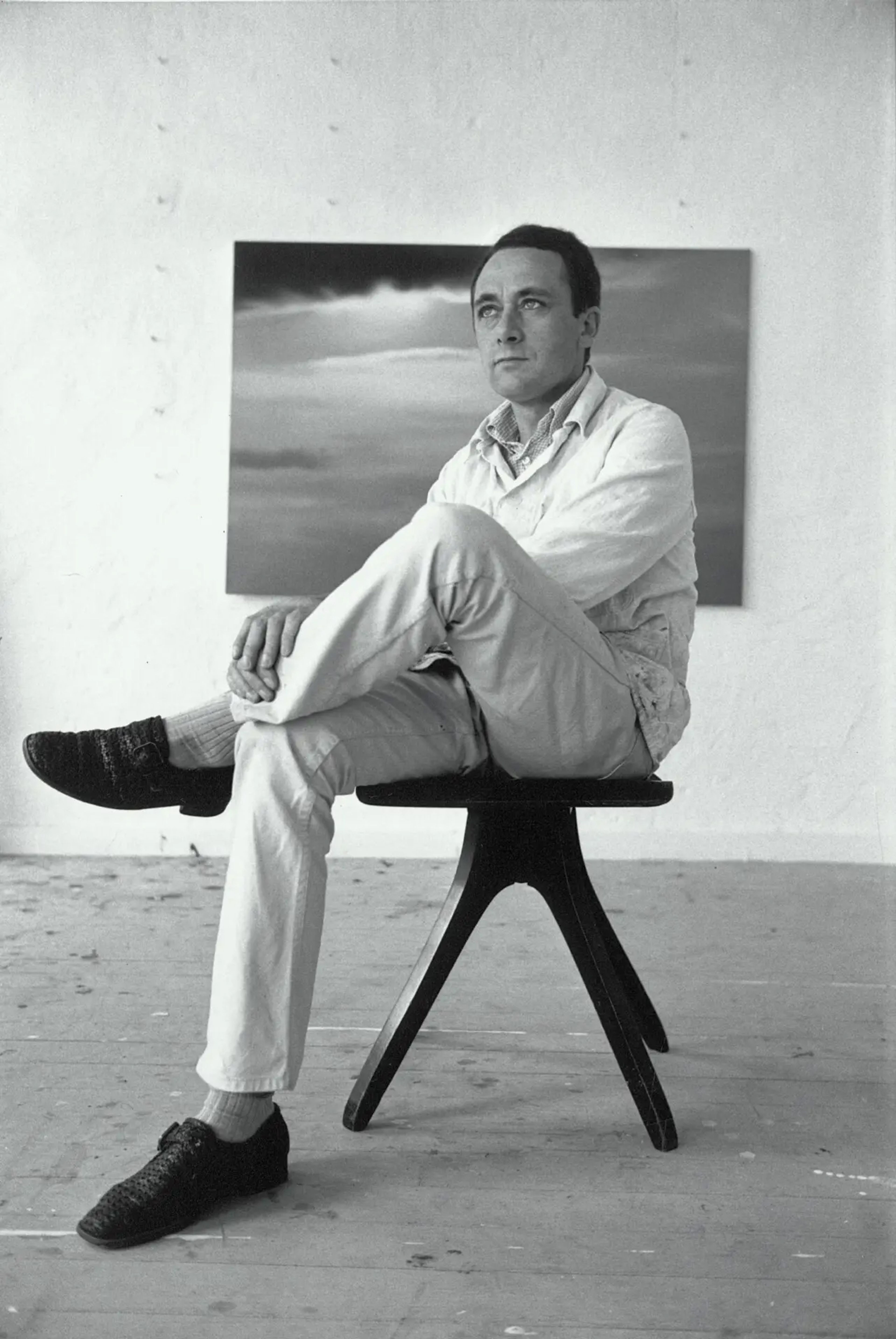
Gerhard Richter, 1971. Photo by Angelika Platen
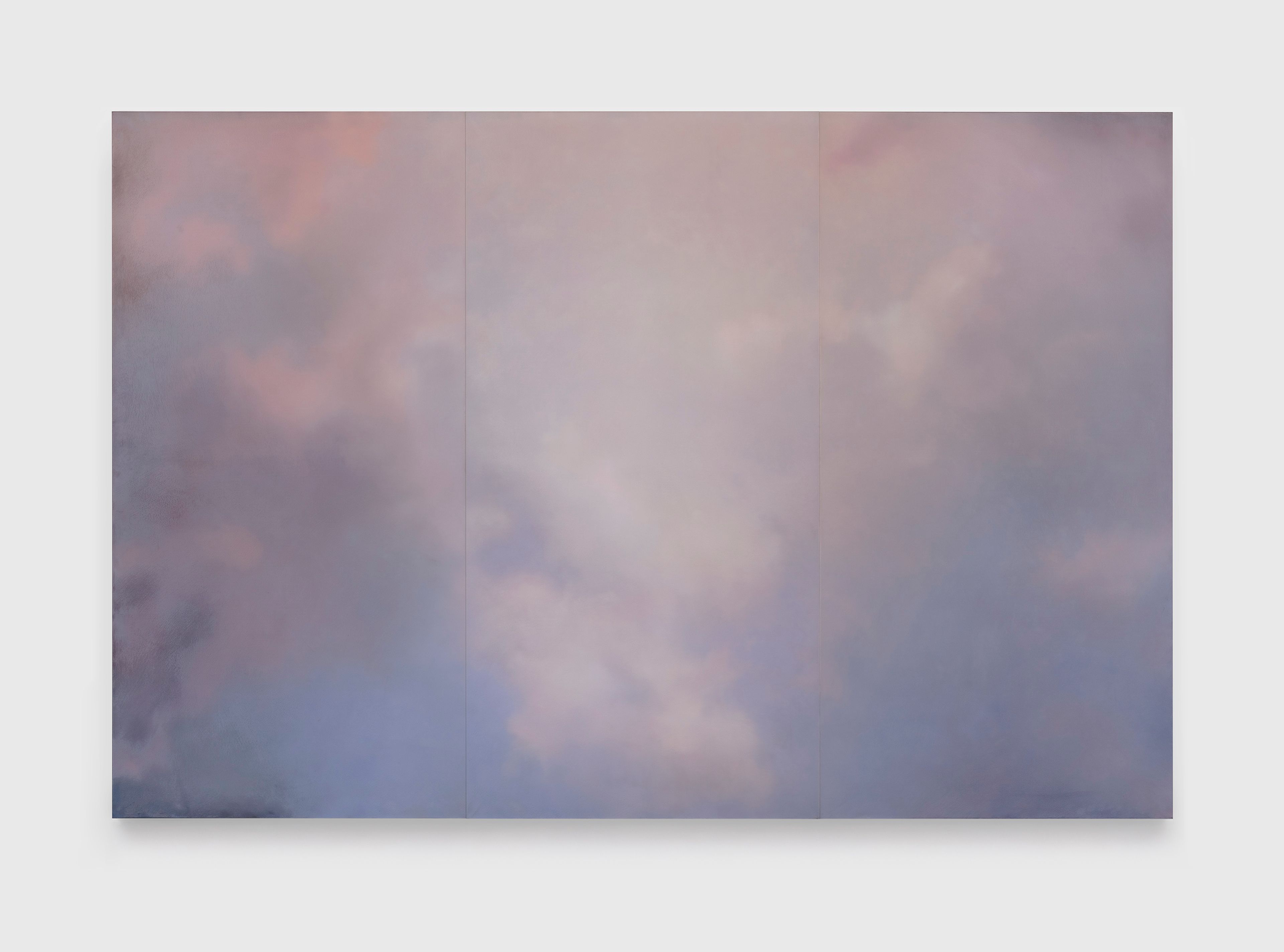
![A 3-part print by Gerhard Richter, titled Wolken (blau) (Clouds [Blue]), dated 2025.](https://cdn.sanity.io/images/juzvn5an/release-adp/246bc31300fd69531c5a5a057841520a80517429-3000x2226.jpg?w=3840)
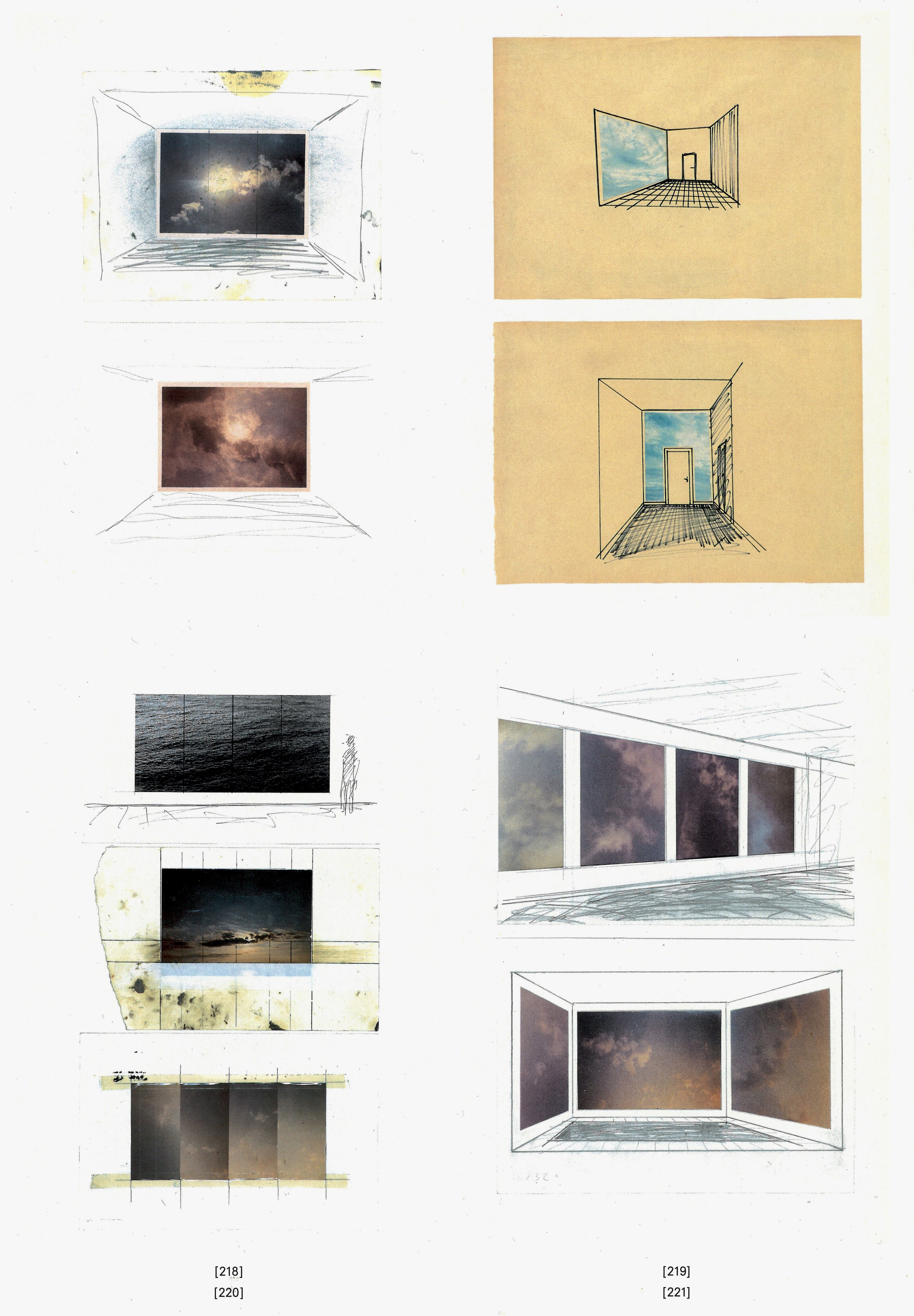
Gerhard Richter, Atlas (detail)
Richter’s expansive body of editioned works has consistently allowed the artist to experiment with the production of visual facsimiles and the iterative translation and interplay of mediums.
Often derived from his own artworks and photographic snapshots, as well as clippings from family archives and mass media, prints and editions have played a crucial role in Richter’s oeuvre since 1965, when he created Hund (Dog), his first editioned work. In Hund, the artist swept a brush across a screenprint made from a photograph of his childhood dog, streaking and blurring its surface in a manner akin to his contemporaneous series of figurative Fotobilder, or “photo paintings.” In doing so, Richter directly probed at the relationship between photography and painting–one which he would continue to investigate for decades in his editions based on both photographs and paintings.
The Wolken (Clouds) editions are based on 1970 photo paintings of the same title depicting a cloudy sky in a strikingly naturalistic mode. Richter has made use of photographic imagery as the source material for his paintings since the outset of his career. In 1962, he began his series of photo paintings, to which he has repeatedly returned in the decades since. Here, the original painting is itself based on an image from Richter’s Atlas, an archive of source material including photographs, newspaper cuttings, and sketches that the artist has been assembling since the mid-1960s.
![A print by Gerhard Richter, titled Wolken (blau) (Clouds [Blue]), dated 2025.](https://cdn.sanity.io/images/juzvn5an/release-adp/03dc59fad2f1c4d8136bad416ff2df46e81e7df5-3000x1687.jpg?w=3840)
Gerhard Richter, Wolken (blau) (Clouds [Blue]), 2025
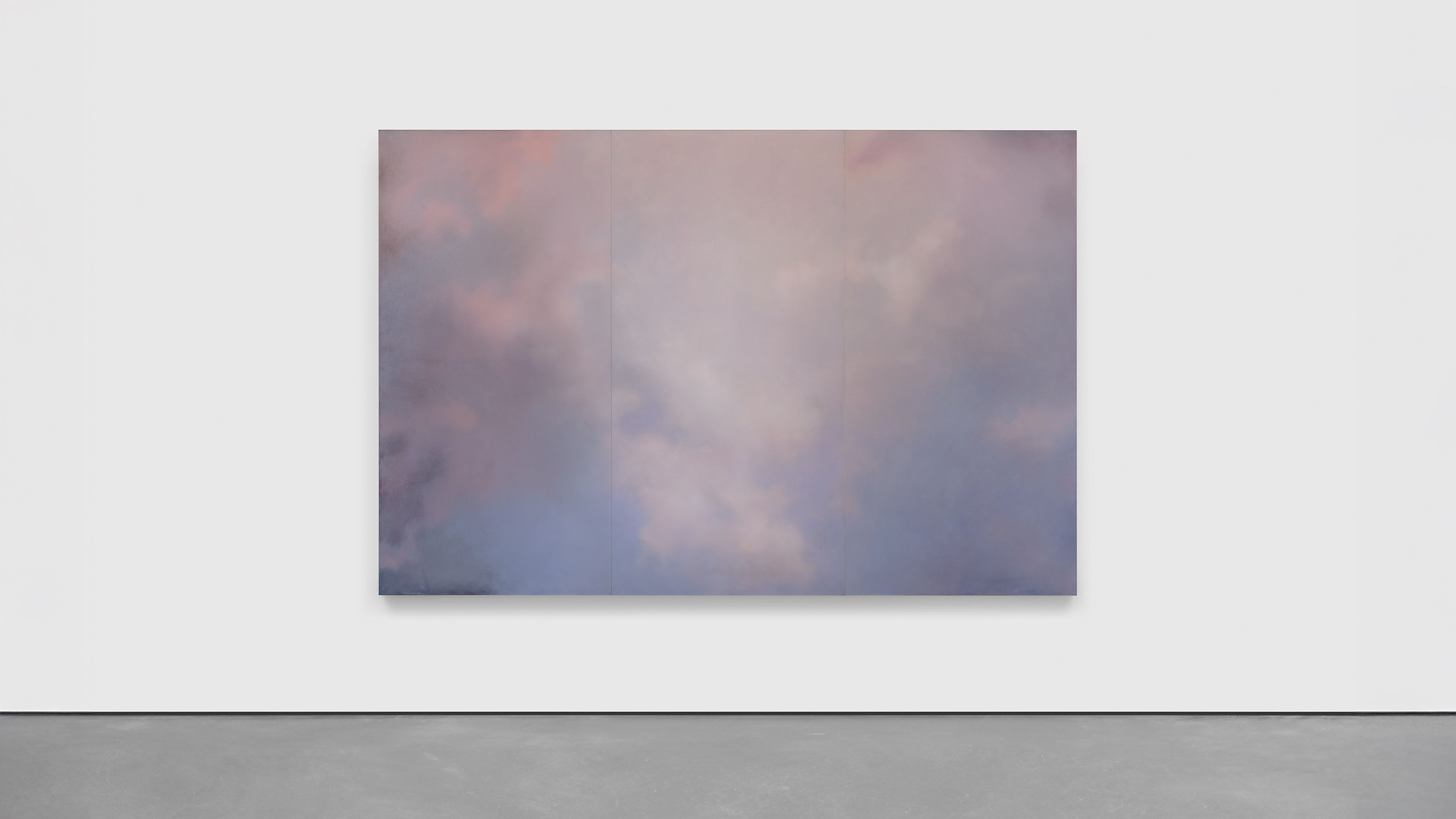
Gerhard Richter, Wolken (rosa) (Clouds [Pink]), 2025
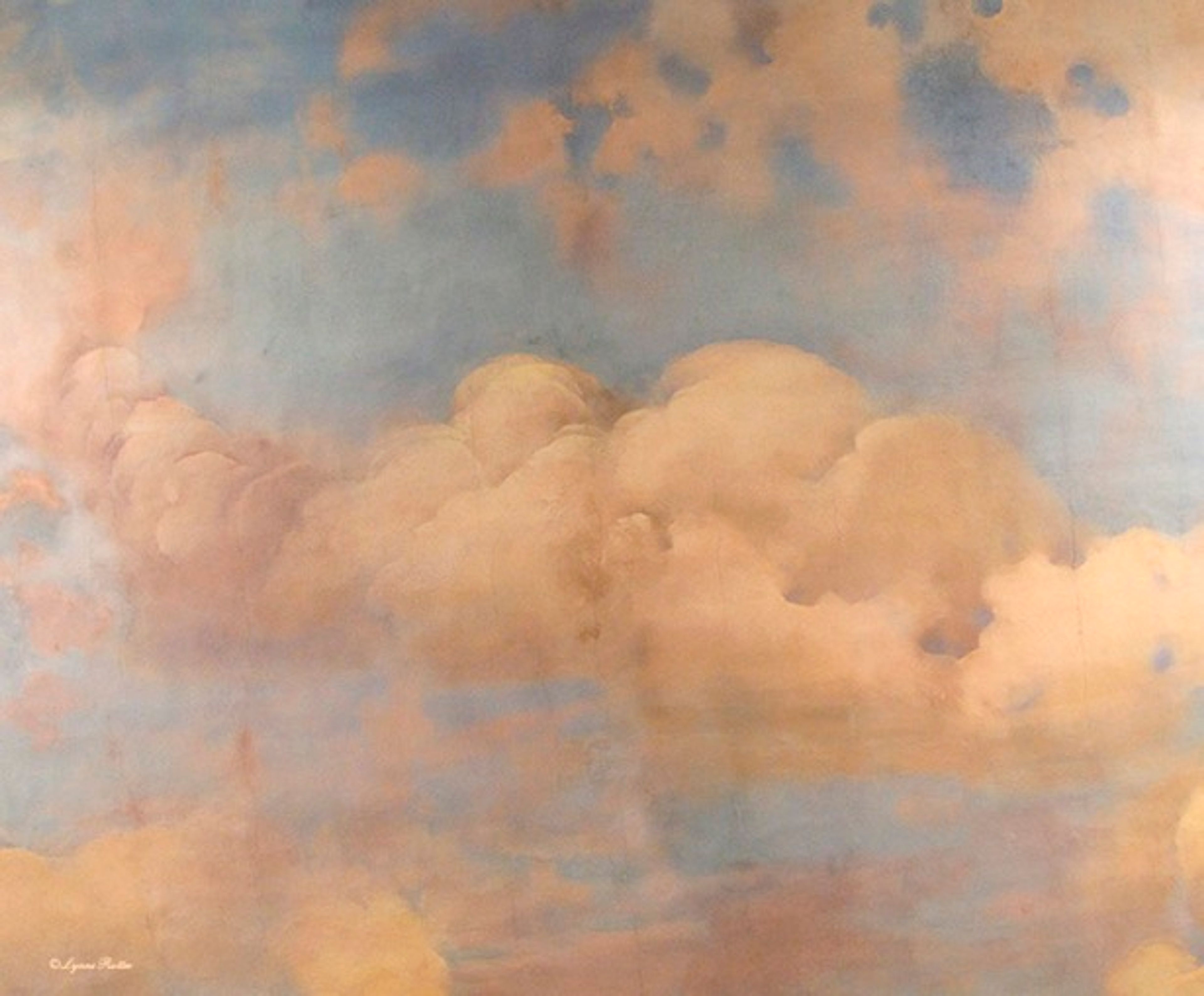
Ceiling of the Teatro Olimpico, Vicenza, 1585 (detail)
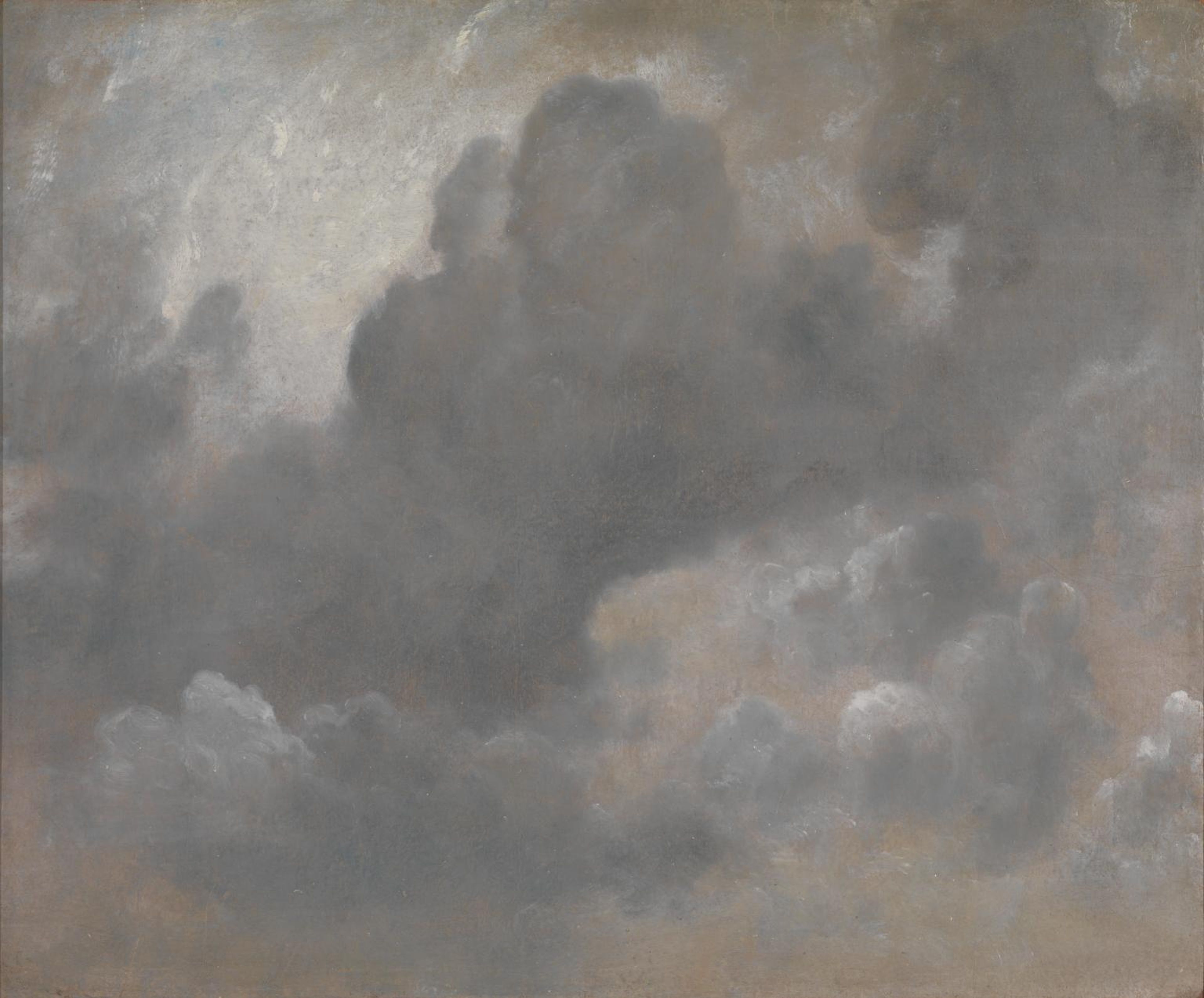
John Constable, Cloud Study, 1822. Tate, London
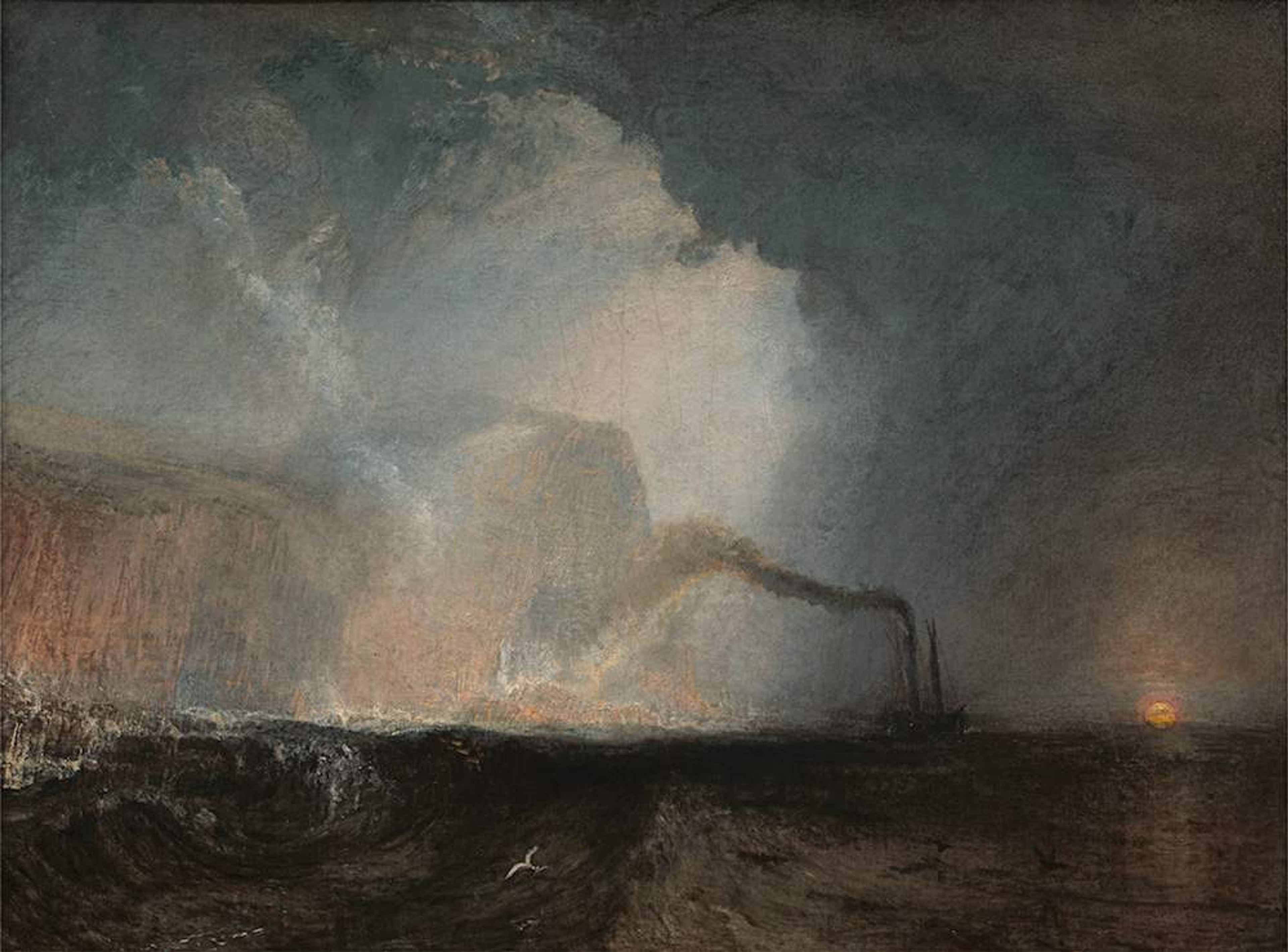
J. M. W. Turner, Staffa, Fingal’s Cave, 1831–1832. Courtesy Yale Center for British Art, Paul Mellon Collection
In the late 1960s, Richter began to engage the subject of the landscape, creating atmospheric compositions that evoke the art-historical canon while simultaneously eschewing notions of the aesthetic sublime. Made between 1968 and 1979, the artist’s celebrated Wolken (Clouds) works connect his oeuvre to examples ranging from Renaissance frescoes to the atmospheric land- and seascapes of John Constable, J. M. W. Turner, and Caspar David Friedrich, while their basis in photography differentiates them from associations with the spiritual approach of Romanticism. The photorealism of Richter's landscapes can be considered a crucial tenet of his overall painting practice.
These changing landscapes also speak to Richter’s unique understanding of reality and its representation—one that is dependent, too, on the perception of the viewer. As he has explained, “I can make no statement about reality clearer than my own relationship to reality; and this has a great deal to do with imprecision, uncertainty, transience, and incompleteness.” The transformation of Wolken (Clouds) from photograph to painting to chromogenic print, replete with subtle visual shifts--the image itself as mutable as a cloud--offers a window into the nuances of the artist's mind.
Gerhard Richter, Wolken (blau) (Clouds [Blue]), 2025 (detail)
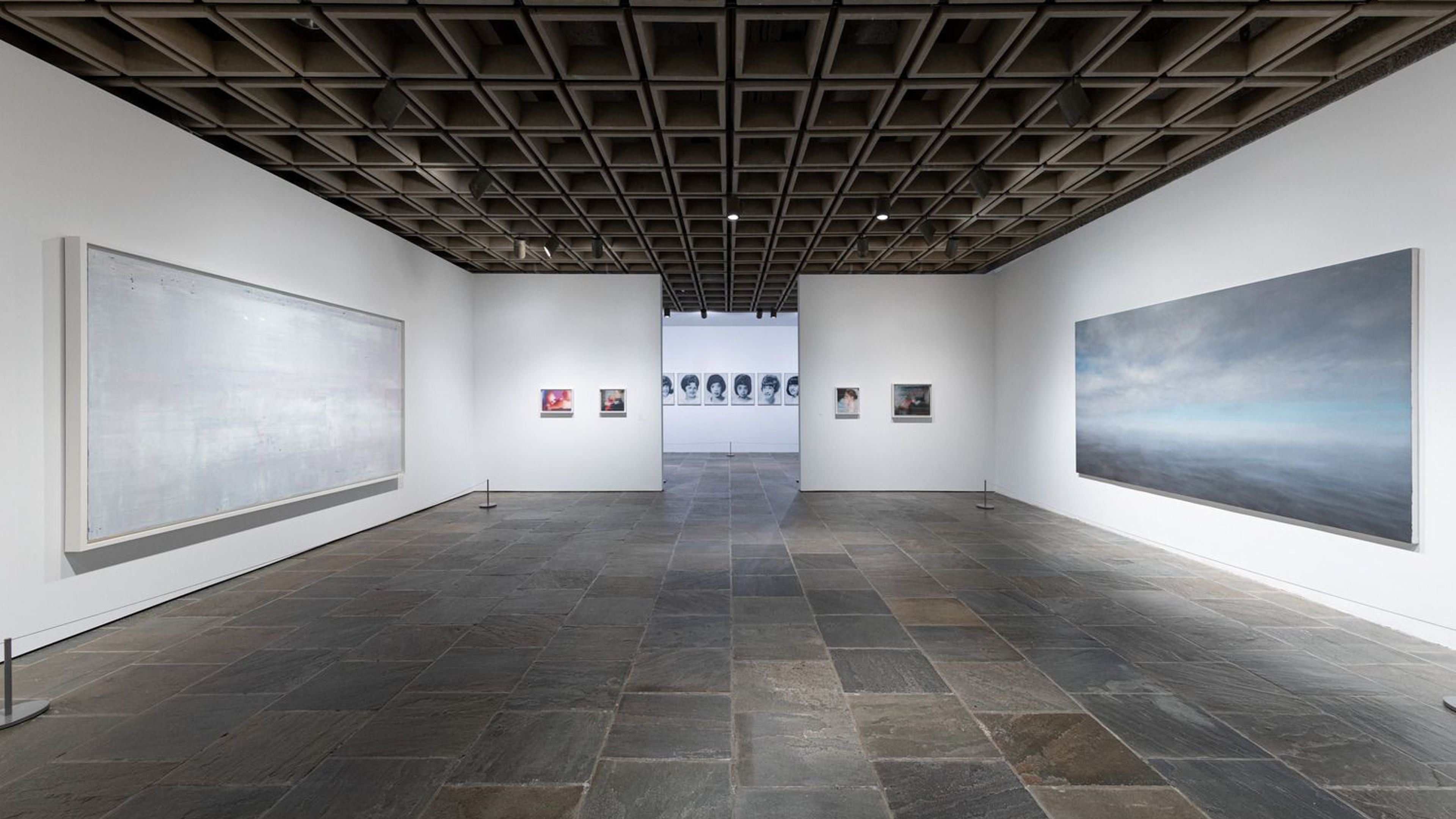
Installation view, Gerhard Richter: Painting After All, Met Breuer, New York, 2020
Gerhard Richter, Wolken (rosa) (Clouds [Pink]), 2025 (detail)

Art Basel Paris